
What Do Care Label Symbols Mean? A Complete Guide
How many times have you looked at the small label inside a garment, understood nothing, and moved on? Most people either ignore these symbols or guess at them. Those guesses tend to end in shrunken jumpers, faded colours, and garments that never quite recover.
Care labels do not require guesswork. Every symbol carries a precise meaning, and the manufacturer has tested the garment's fabric and construction to arrive at those instructions. Following the label extends the life of the garment; ignoring it usually causes damage that cannot be undone.
In this guide I will go through all five symbol categories — washing, bleaching, drying, ironing, and dry cleaning — one by one. What each symbol means, which mistakes come up most often, and where to find the right professional care when the label calls for it.
How the System Works
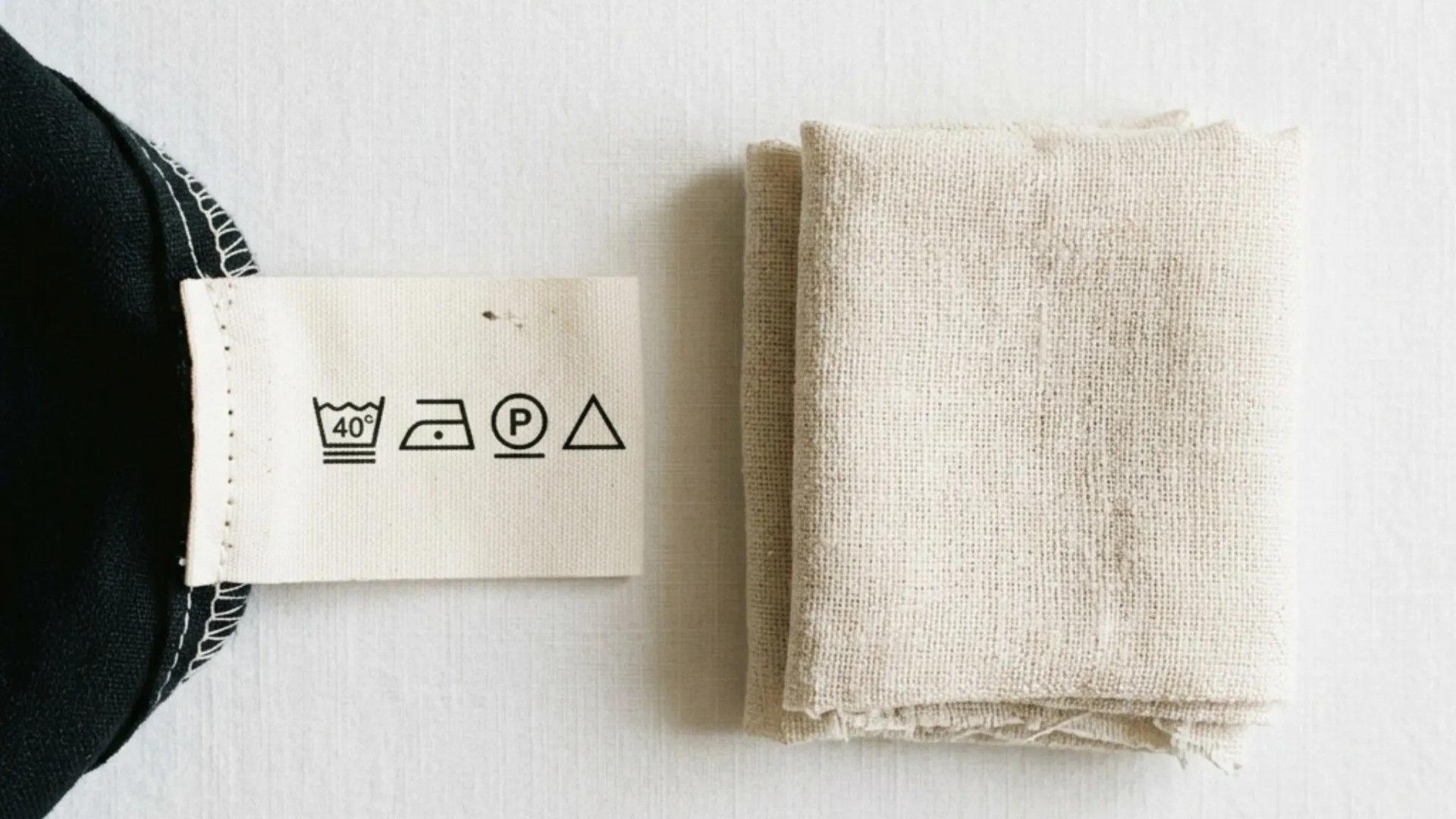
Care label symbols are organised into five main groups. Each group has its own base symbol, and the details on or inside that symbol indicate the restrictions.
Two principles apply across all five categories. An X over any symbol means that process is completely prohibited. Horizontal lines beneath a symbol indicate how gently the process should be carried out — more lines means more delicate treatment required.
1. Washing Symbols (The Washtub)
Base symbol: a washtub, either empty or containing a number or hand.
A number inside the washtub shows the maximum washing temperature. A label showing 30 means wash at no more than 30 degrees. 40, 60, and 95 follow the same logic.
A hand inside the washtub means hand wash only — a machine must not be used. This symbol appears most often on knitwear, cardigans, and fine-weave garments.
An X over the washtub means the garment must not be wetted at all. This is a direct instruction to dry clean. You will see this on silk blouses, scarves, and wedding dresses.
Lines beneath the washtub show how gentle the machine cycle should be. One line means a gentle cycle; two lines means a very delicate cycle.
The most common mistake: reading "machine washable" as unlimited permission. If the label shows 30 degrees and one line, washing the garment at 60 degrees on a heavy cycle does not count as following the label.
2. Bleaching Symbols (The Triangle)
Base symbol: a triangle.
An empty triangle means all bleach types are permitted.
A striped triangle (with lines inside) means only oxygen-based or colour-safe bleach may be used. Chlorine bleach is off the table.
A triangle with an X over it means no bleach of any kind. This symbol is critical on coloured garments and delicate fabrics — chlorine bleach permanently strips colour.
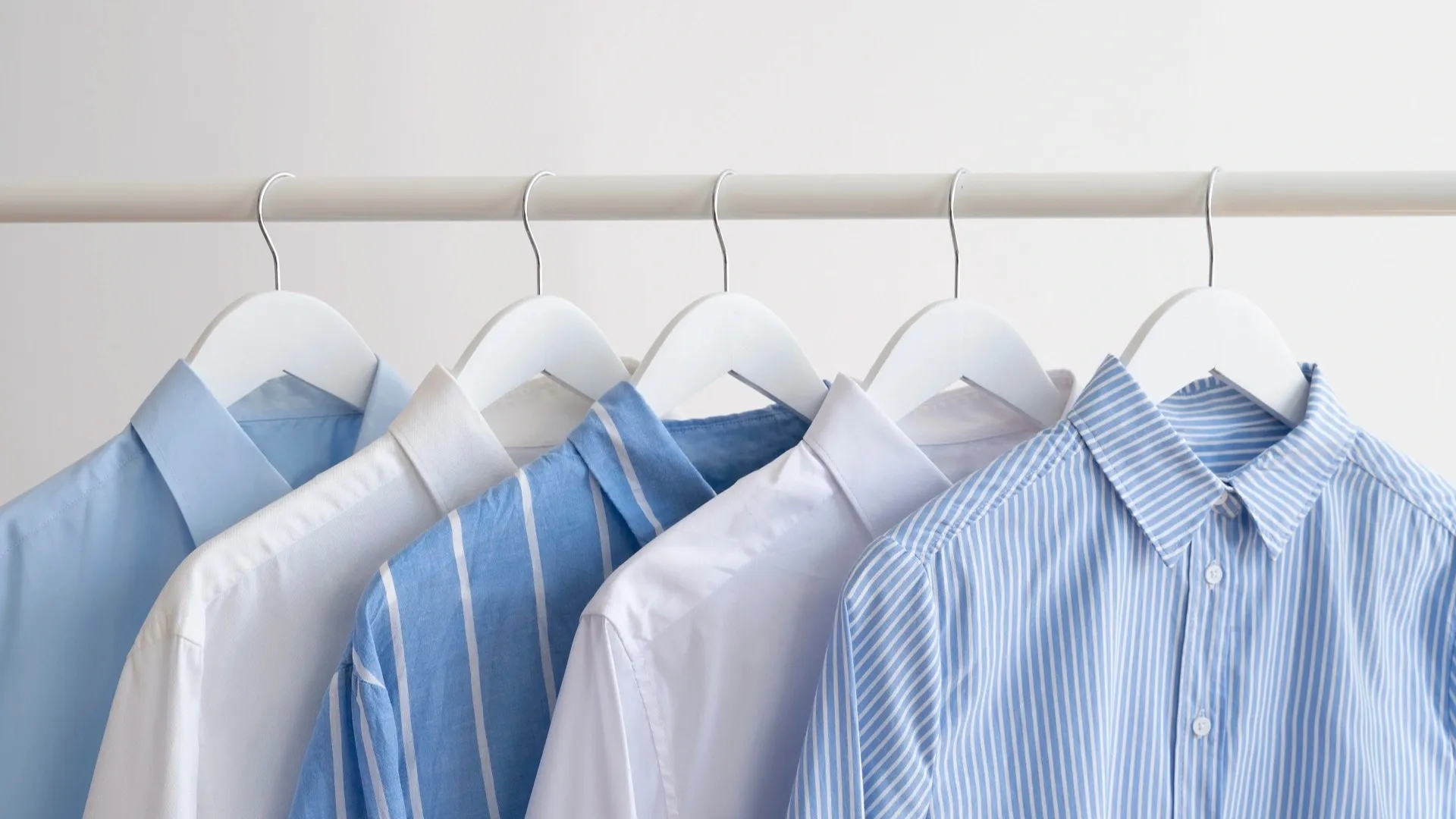
The most common mistake: assuming white garments can automatically be bleached. White does not mean bleach-safe. A crossed triangle on a white blouse or white shirt makes that prohibition explicit.
3. Drying Symbols (The Square)
Base symbol: a square. The details inside show the drying method.
A circle inside the square means tumble drying is permitted. The number of dots inside the circle indicates the heat level: one dot means low heat, two dots mean medium heat, three dots mean high heat.
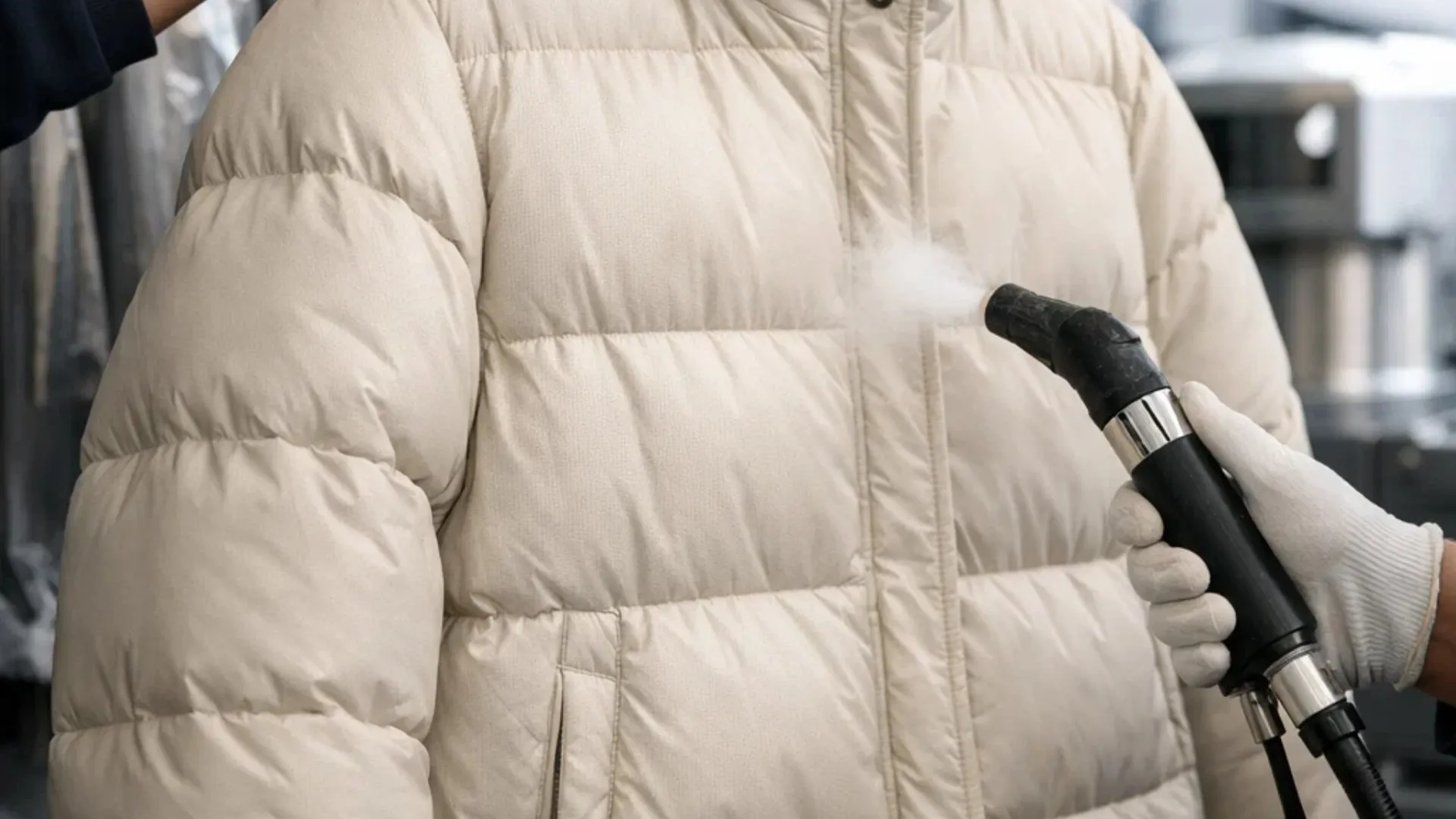
A circle with an X inside the square means the tumble dryer must not be used. This symbol is very common on wool knitwear, down jackets, and delicate fabrics.
A horizontal line inside the square means dry flat — the garment should not be hung while wet, as its own weight will stretch it out of shape.
A vertical line inside the square means line drying is permitted.
A diagonal line inside the square means dry in the shade — keep away from direct sunlight.
The most common mistake: putting everything in the tumble dryer. On down coats, wool coats, and knitwear, a tumble dryer causes both shrinkage and permanent shape distortion.
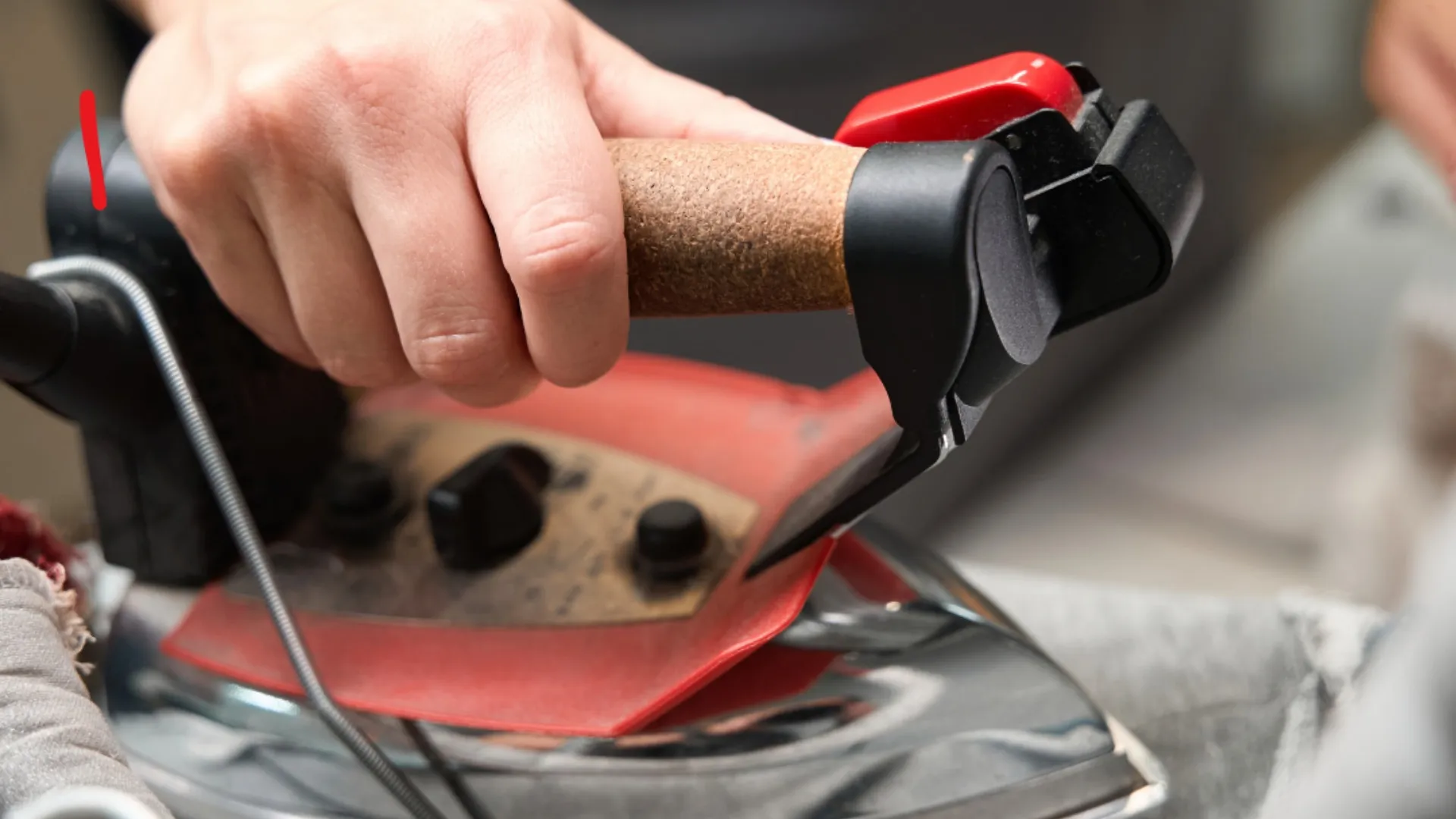
4. Ironing Symbols (The Iron)
Base symbol: an iron shape.
The number of dots on the iron shows the maximum safe temperature.
One dot — low heat, around 110 degrees. Synthetic fabrics fall here: polyester dresses, leggings, sweatshirts.
Two dots — medium heat, around 150 degrees. Wool and silk sit in this range: knitwear, skirts, blouses.
Three dots — high heat, around 200 degrees. Cotton and linen belong here: shirts, trousers, jackets.
Horizontal lines beneath the iron mean steam must not be used. A garment steamer or the steam function on a flat iron is not appropriate for this piece.
An iron with an X over it means the garment must not be ironed at all. You will see this on down jackets and some synthetic pieces.
The most common mistake: ironing without adjusting the temperature. A high-heat iron on a synthetic dress or blouse leaves a permanent shine mark. There is no way to reverse it.
5. Dry Cleaning Symbols (The Circle)
Base symbol: a circle.
A plain circle means dry cleaning is required. Any garment carrying this symbol should not be washed at home.
A letter inside the circle specifies which chemical solvents the cleaner may use. This is a technical detail for the dry cleaner — what matters to you is the presence of the circle itself.
F inside the circle means petroleum-based solvents may be used.
P inside the circle means certain solvents are permitted.
W inside the circle means wet cleaning — a specialist moisture-based process — is appropriate.
A circle with an X over it means dry cleaning is also prohibited. This is a rare symbol.
Lines beneath the circle indicate how gentle the dry cleaning process should be — the same logic as the washing symbol.
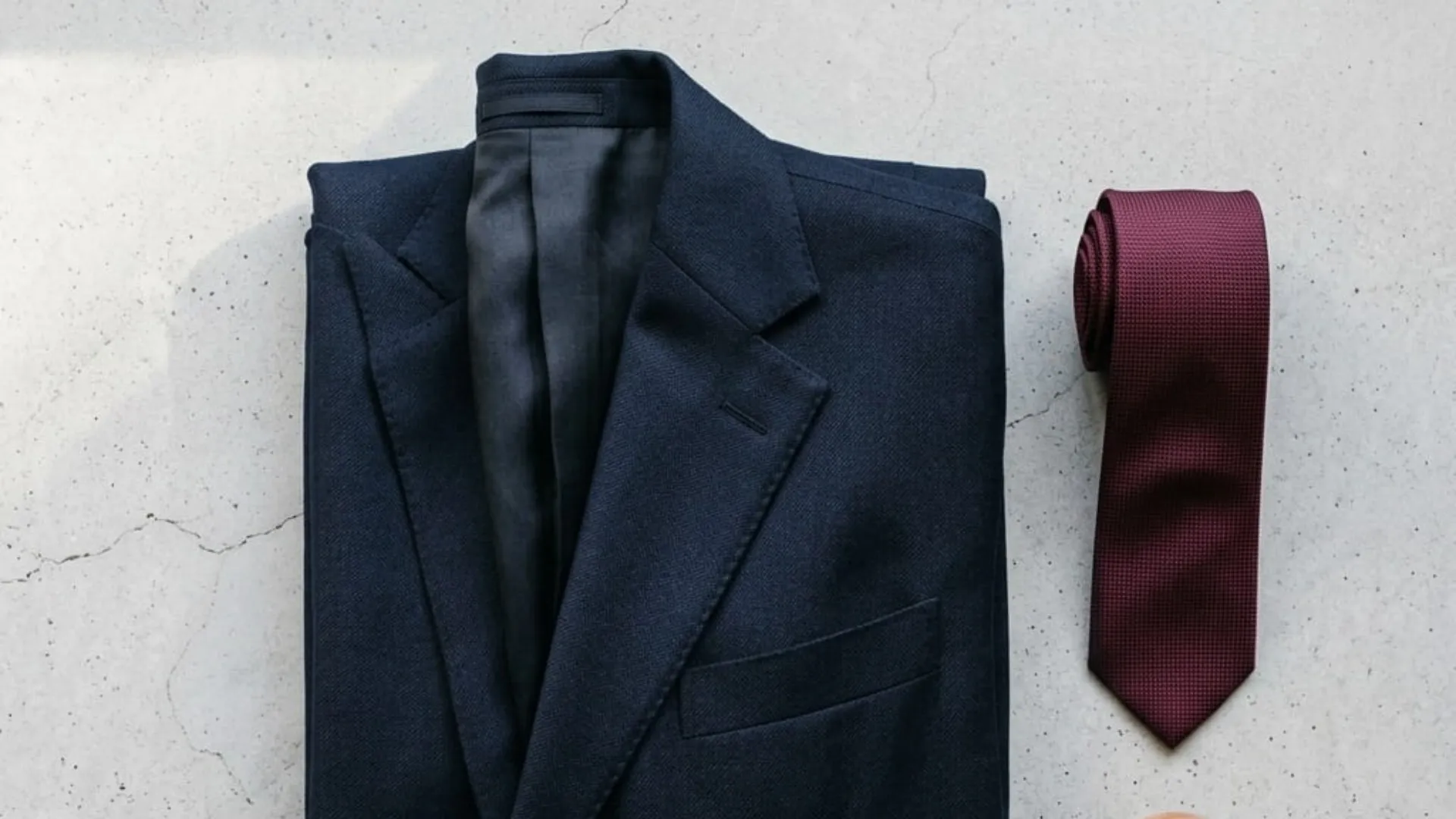
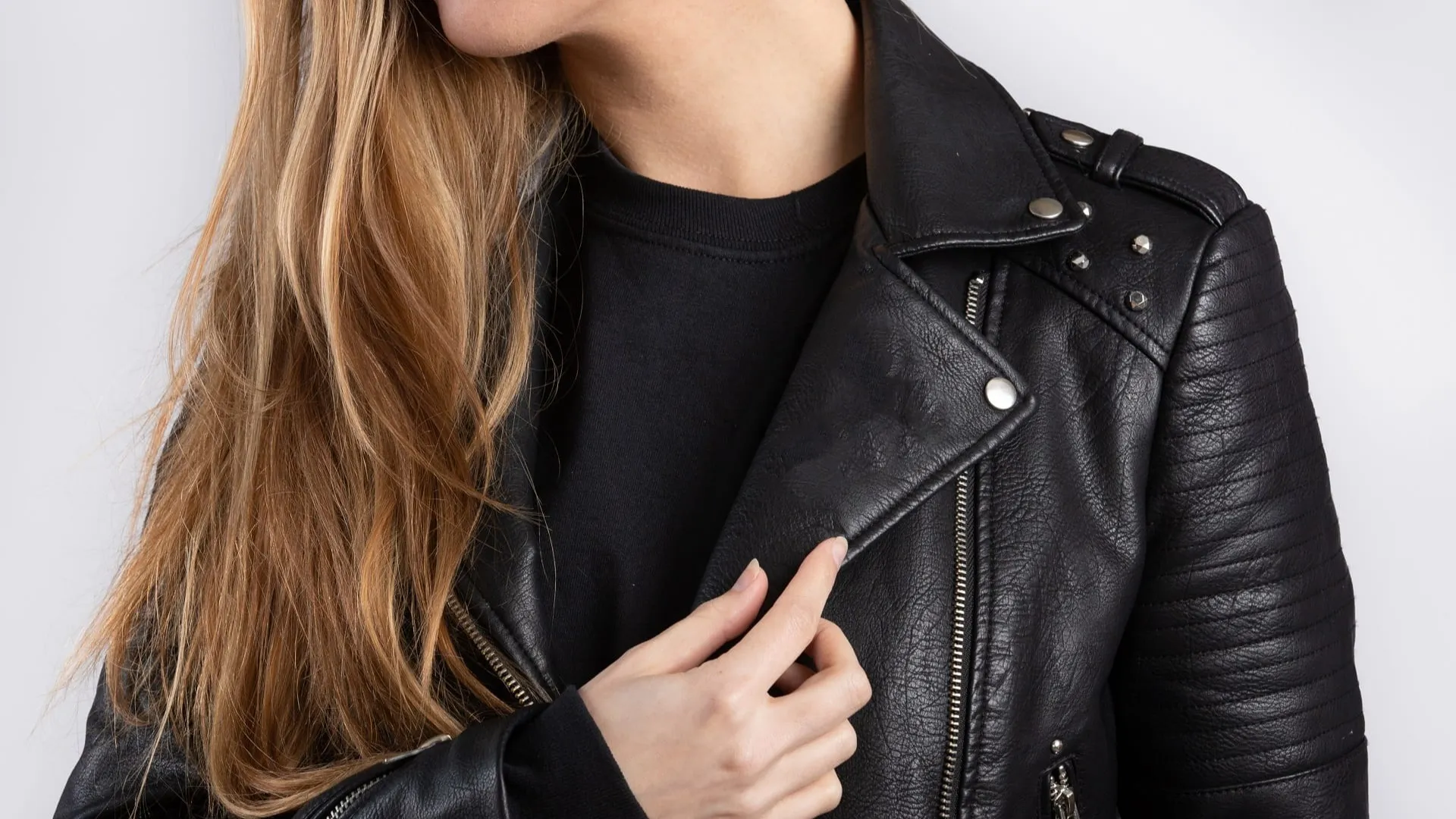
Garments carrying the dry cleaning symbol can be brought to Dry Anka's dry cleaning service. The most common pieces in this category include coats, jackets, trousers, wedding dresses, evening wear, leather jackets, silk blouses, and ties.
What to Do When There Is No Label
Some garments have worn or removed care labels. When that happens, identifying the fabric is the next best step.
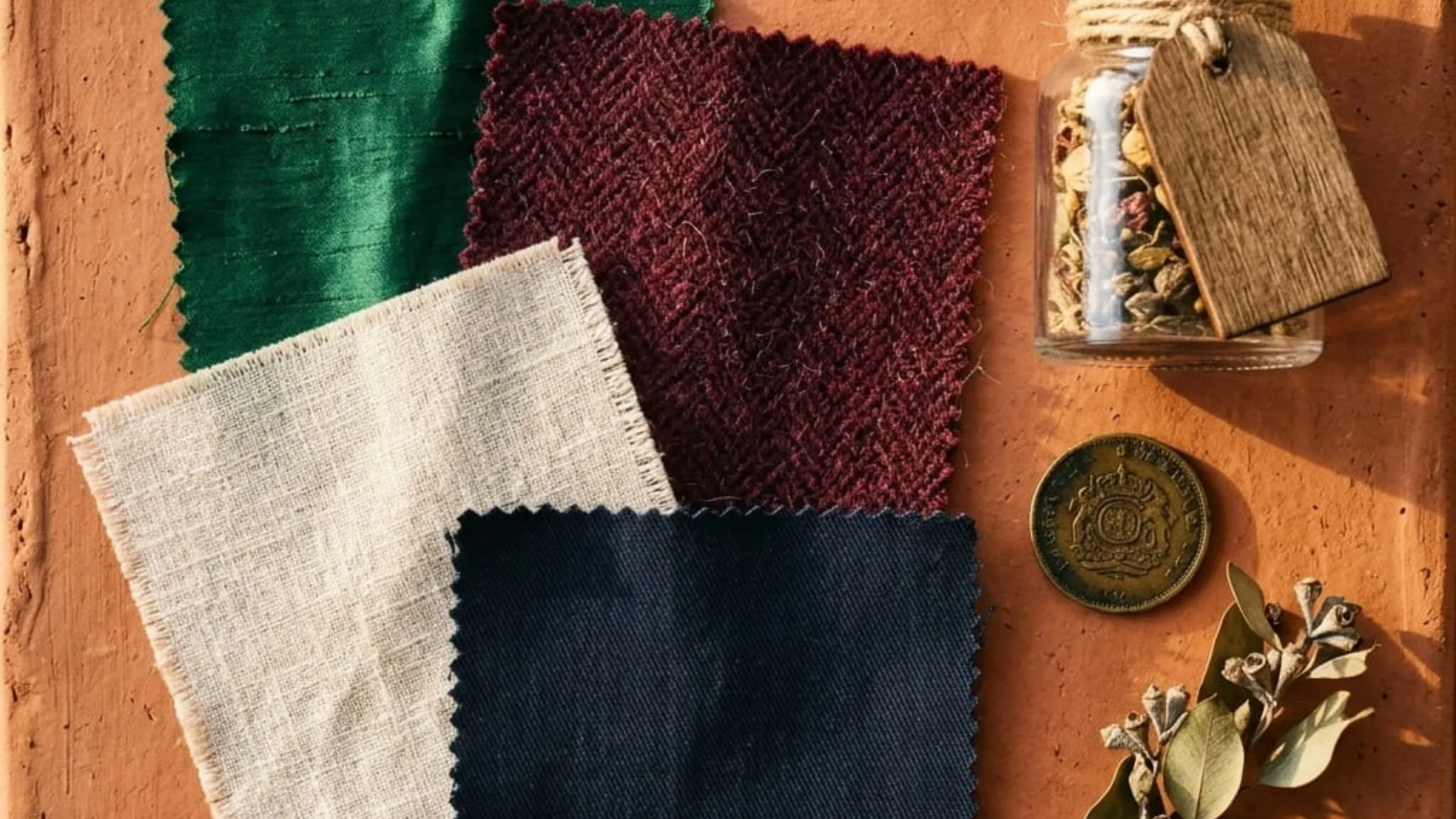
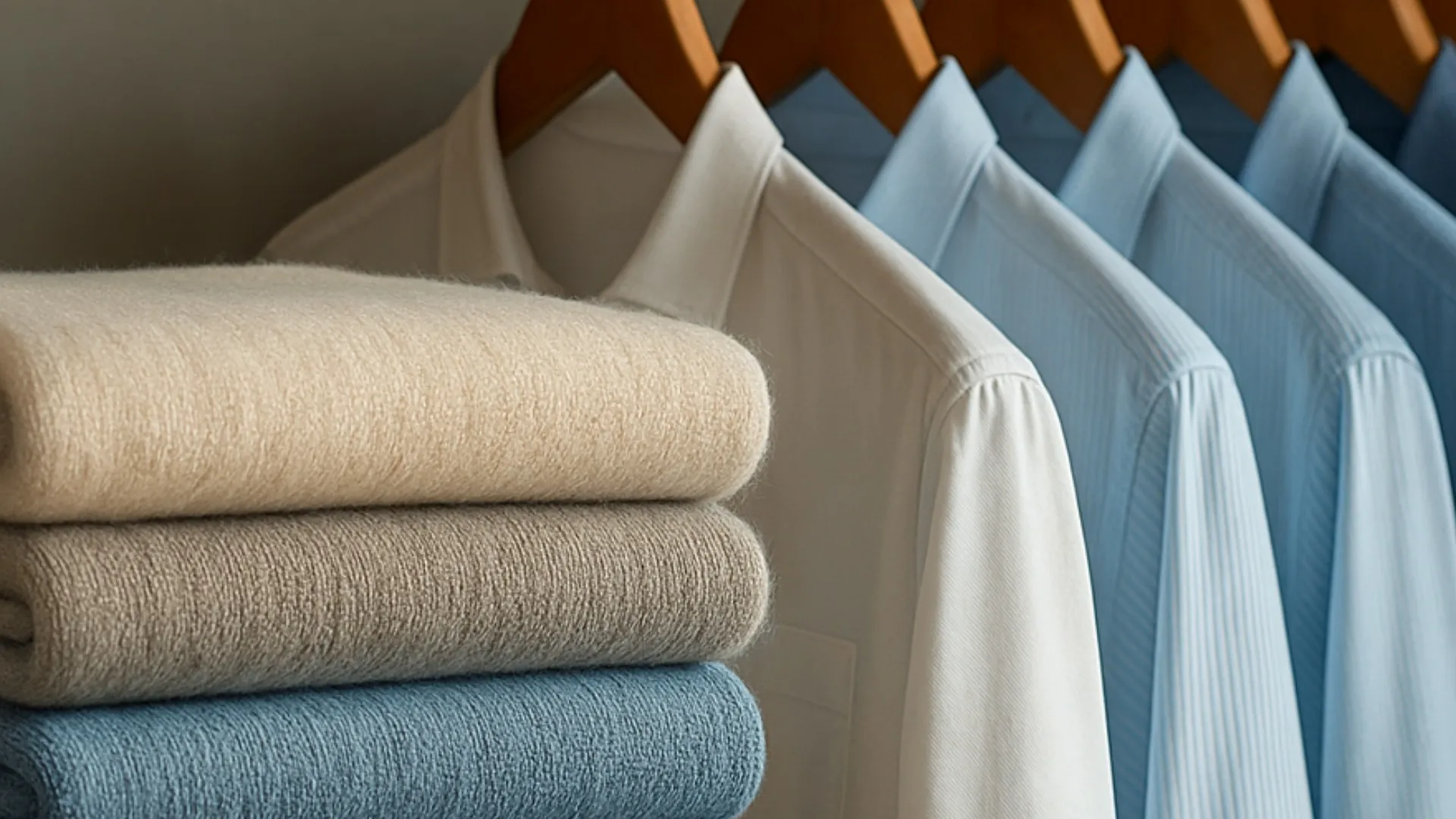
The touch test: Rub the fabric gently between your fingers. A smooth, slightly lustrous feel suggests silk or satin. A soft, slightly fuzzy feel points to wool or cashmere. A firm, springy feel is typically synthetic.
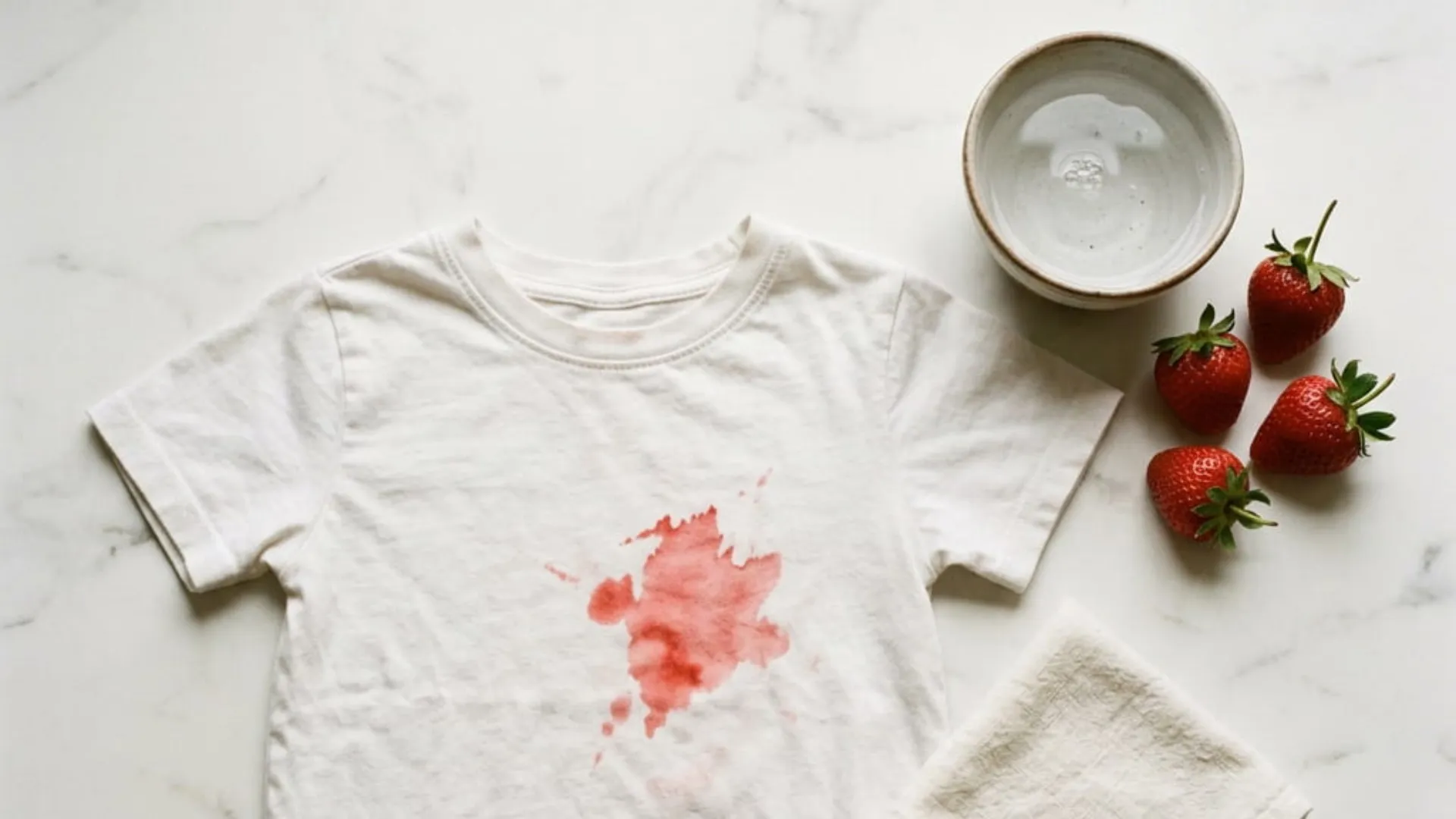
The moisture test: Apply a few drops of water to a hidden area. If the water absorbs quickly, the fabric likely contains natural fibres. If it beads on the surface, the fabric has a synthetic or water-resistant finish. If a water mark forms on contact, the fabric is highly sensitive to moisture — choose dry cleaning.
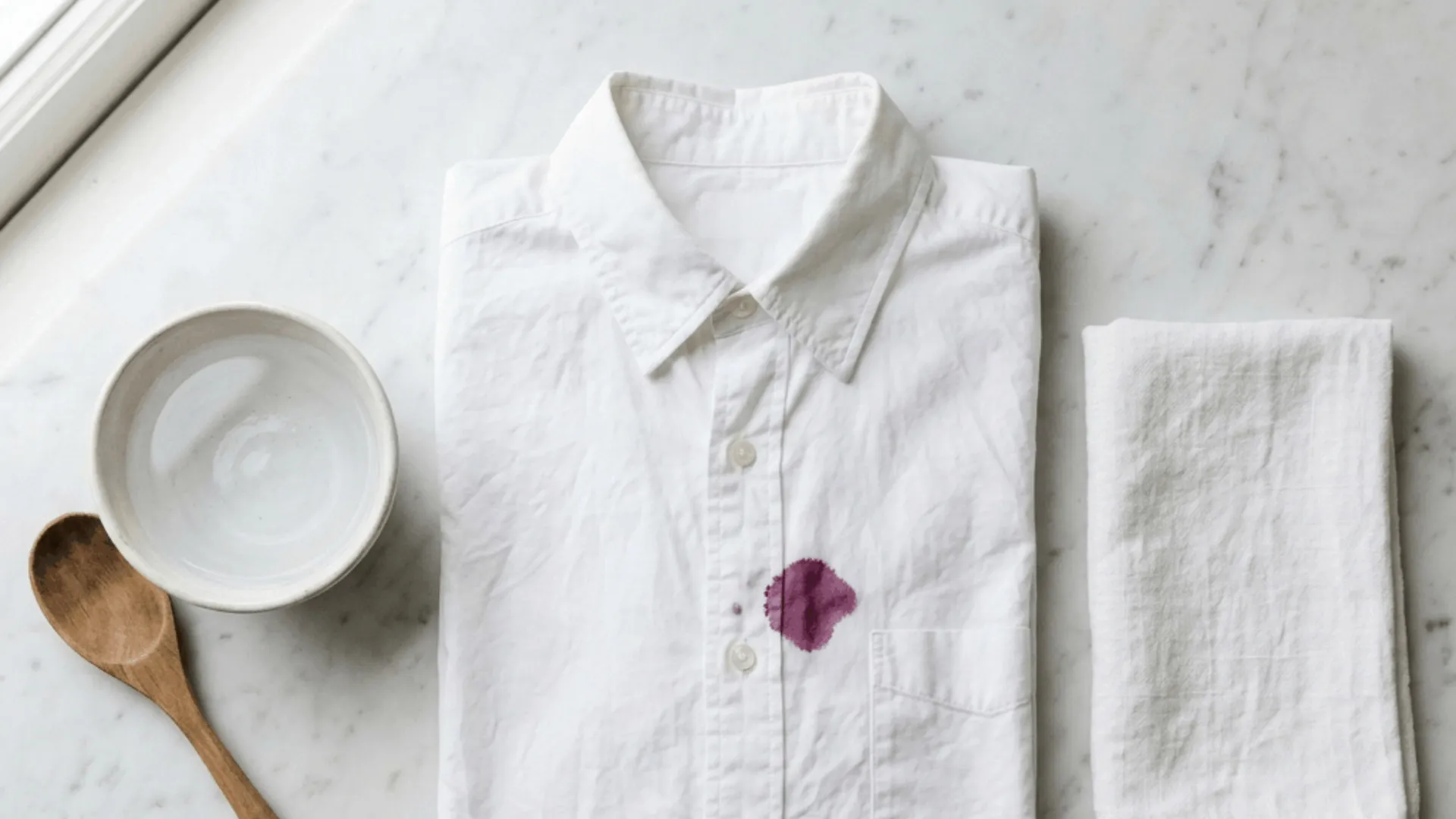
The colour test: Wipe a hidden area with a damp white cloth. If colour transfers to the cloth, machine washing carries a real risk of colour bleeding.
If none of these give you confidence, dry cleaning is always the safer choice. The cost of a wrong guess is usually the garment itself.
Quick Reference by Garment Type
A summary of which garments typically need which care — with links to the relevant Dry Anka service pages:
Dry cleaning:
Coat — Jacket — Trousers — Wedding dress — Evening wear — Leather jacket — Silk blouse — Scarf — Down jacket — Knitwear — Tie
Ironing services:
Jacket ironing — Trouser ironing — Skirt ironing — Blouse ironing — Curtain ironing
Rug washing:
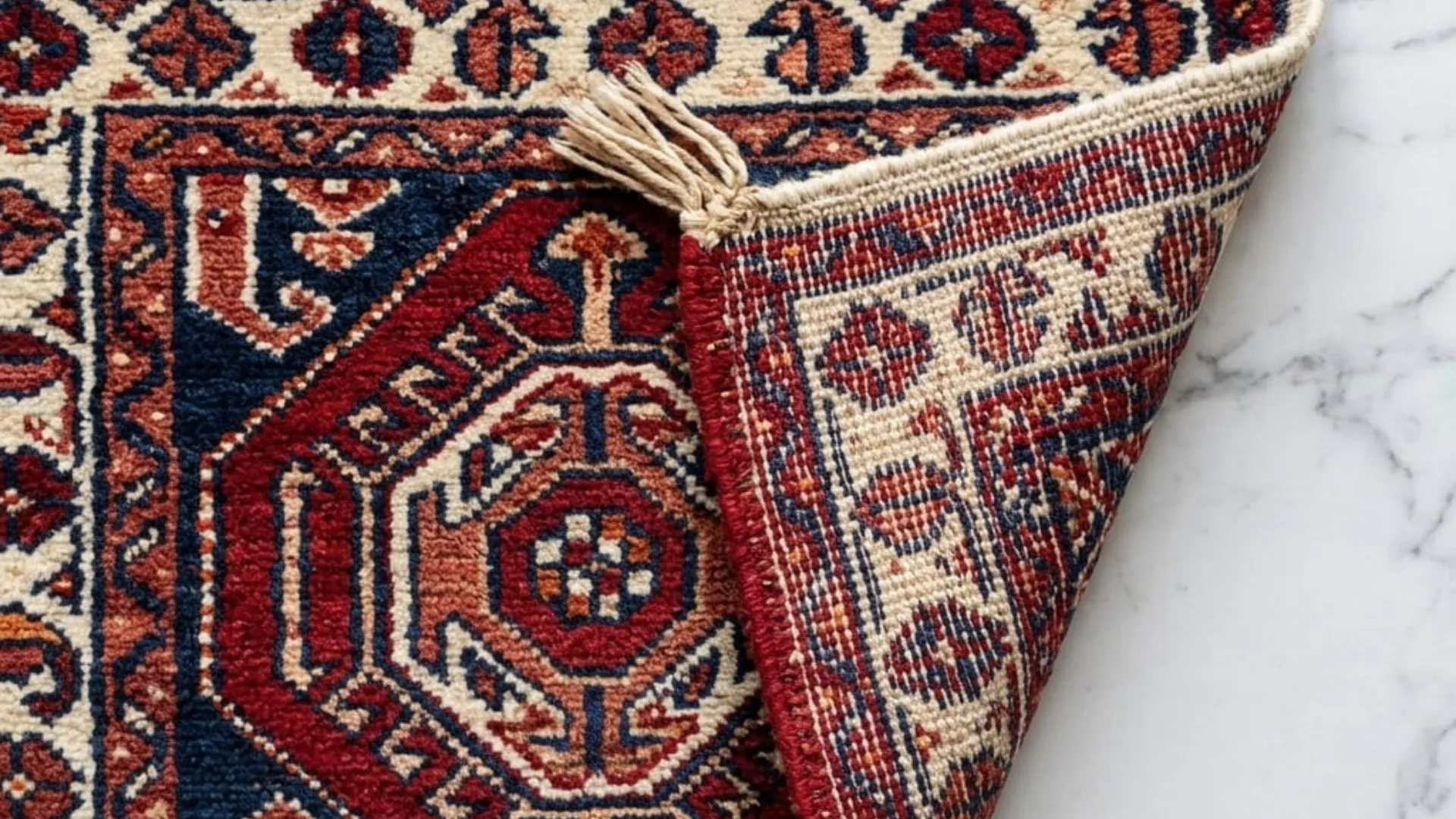
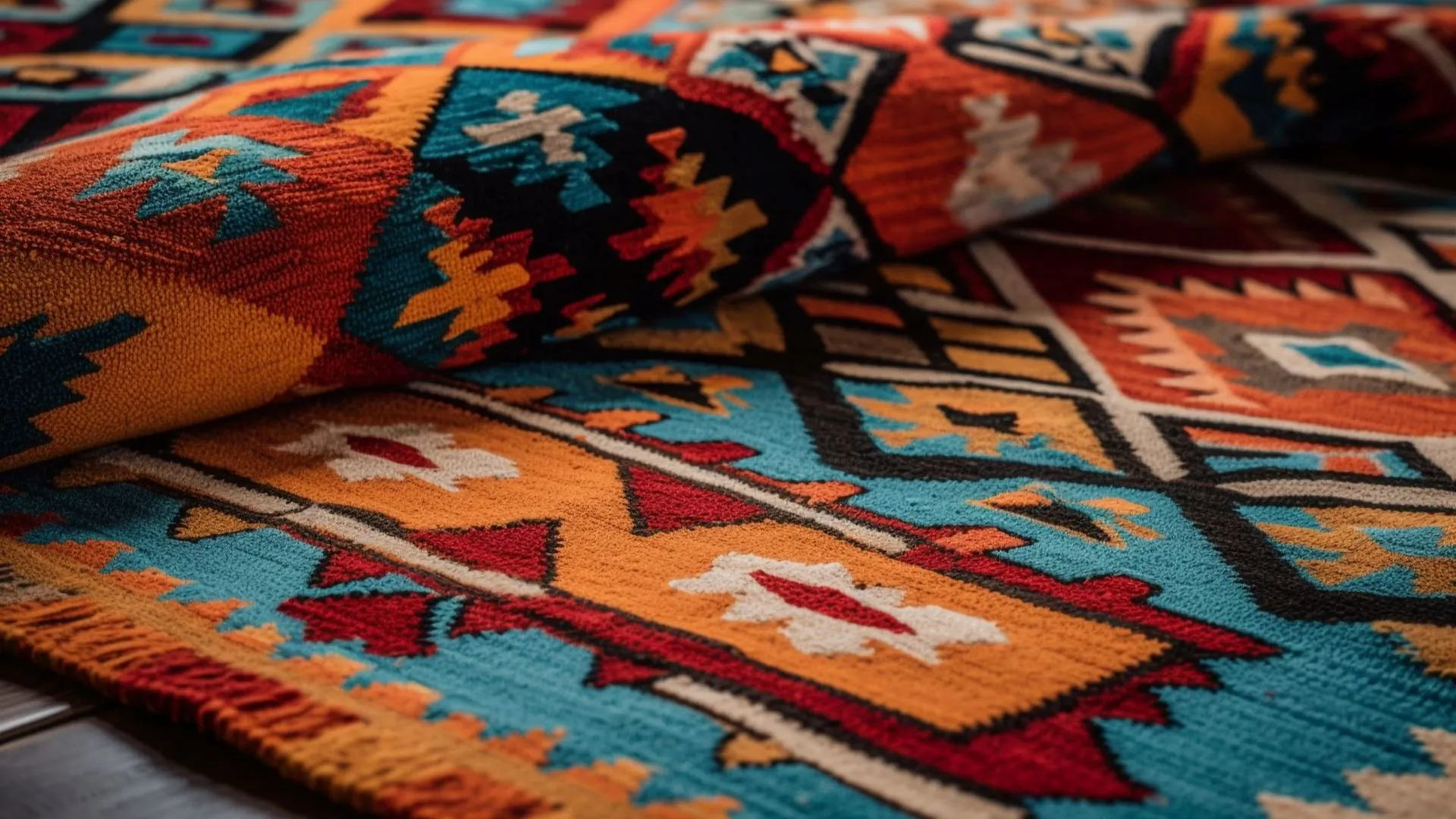
Wool rug — Machine-made rug — Kilim — Silk rug
Professional Care with Dry Anka
Across Kadıköy, Çekmeköy, Tuzla, Küçükyalı, and Fikirtepe, Dry Anka provides door-to-door dry cleaning for garments whose labels call for professional care. At collection, each garment's fabric structure and care requirements are assessed and the most appropriate method confirmed before any processing begins.
For the full range of services, visit dryanka.com/kuru-temizleme, dryanka.com/utuleme, and dryanka.com/hali-yikama. To book an appointment, call 0216 208 44 66.
Conclusion
The care label is small but the information inside it is significant. Understanding the five symbol categories — washing, bleaching, drying, ironing, dry cleaning — means the decisions that determine a garment's lifespan are made correctly rather than by guesswork.
When you see an X, you stop. Dots tell you the temperature. A circle points you to dry cleaning. Once these patterns are familiar, you are working from knowledge rather than assumption — and your clothes show the difference for years.