

How to Clean and Store Wedding Dresses and Special Occasion Outfits
A wedding dress, graduation gown, engagement outfit, or the unforgettable garment from a milestone evening — these pieces are not simply clothes. Each one carries the memory of a significant moment, a turning point, a feeling that is unlikely to be repeated. That is why caring for these garments means something far more than routine textile maintenance.
Special occasion garments are also among the most challenging pieces to care for. Delicate fabrics, embroidered details, full-length skirts, and intricate embellishments all require serious attention during both the cleaning and storage process. A single wrong move — the wrong detergent, too much water, or unsuitable storage conditions — can permanently damage something irreplaceable.
In this guide, we cover how to handle wedding and special occasion garments after the event, how to approach different stain types, why professional cleaning is non-negotiable, and how to preserve these pieces for decades to come.
The First Hours After the Event: The Most Critical Period
The biggest mistake made with special occasion garments is delaying the cleaning decision. After the event, exhaustion and the lingering excitement make it easy to set the dress aside and leave cleaning "for tomorrow." But that delay gives stains the time they need to set into the fabric — and makes the cleaning process significantly harder.
The steps to take immediately after returning from the event are as follows.
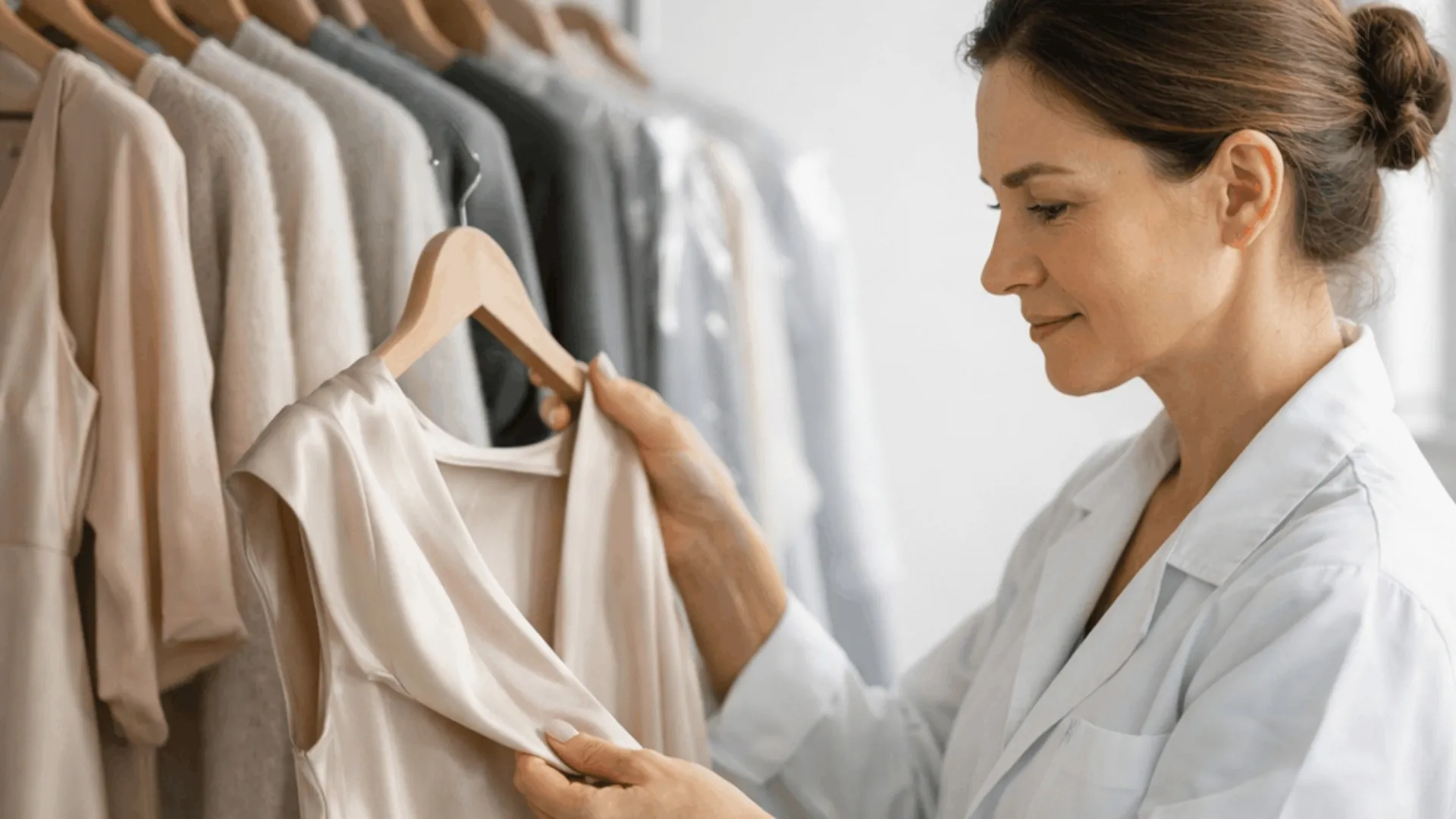
The garment is carefully removed and examined in good light. The entire surface — hem, cuffs, waistline, and sleeves — is checked for stains, soiling, or moisture. The hem deserves particular attention; on full-length garments, ground dirt and dust accumulate heavily in this area.
Any stains identified are noted. Knowing where each stain is, what caused it, and when it occurred gives the professional cleaner the information needed to select the right pre-treatment method.
The garment is hung on a wide-shouldered hanger and allowed to air. Putting a garment that contains moisture into a sealed bag or closed wardrobe increases the risk of mould and unpleasant odour.
A limited first response to fresh stains is possible. However, this must be kept extremely minimal — aggressive cleaning attempts at home can spread the stain or damage the fabric before it reaches a professional.
Fabric Types and Their Care Requirements
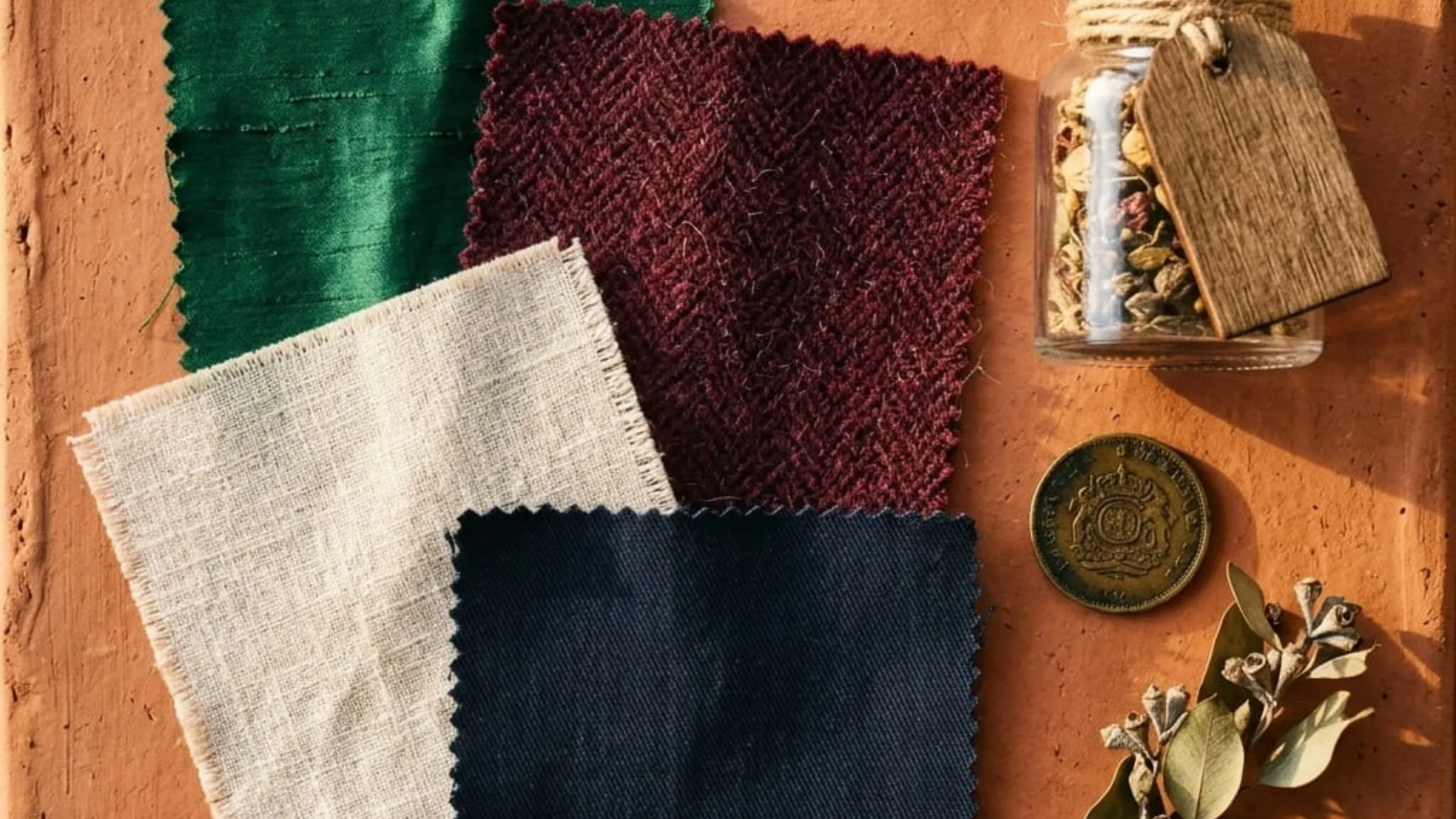
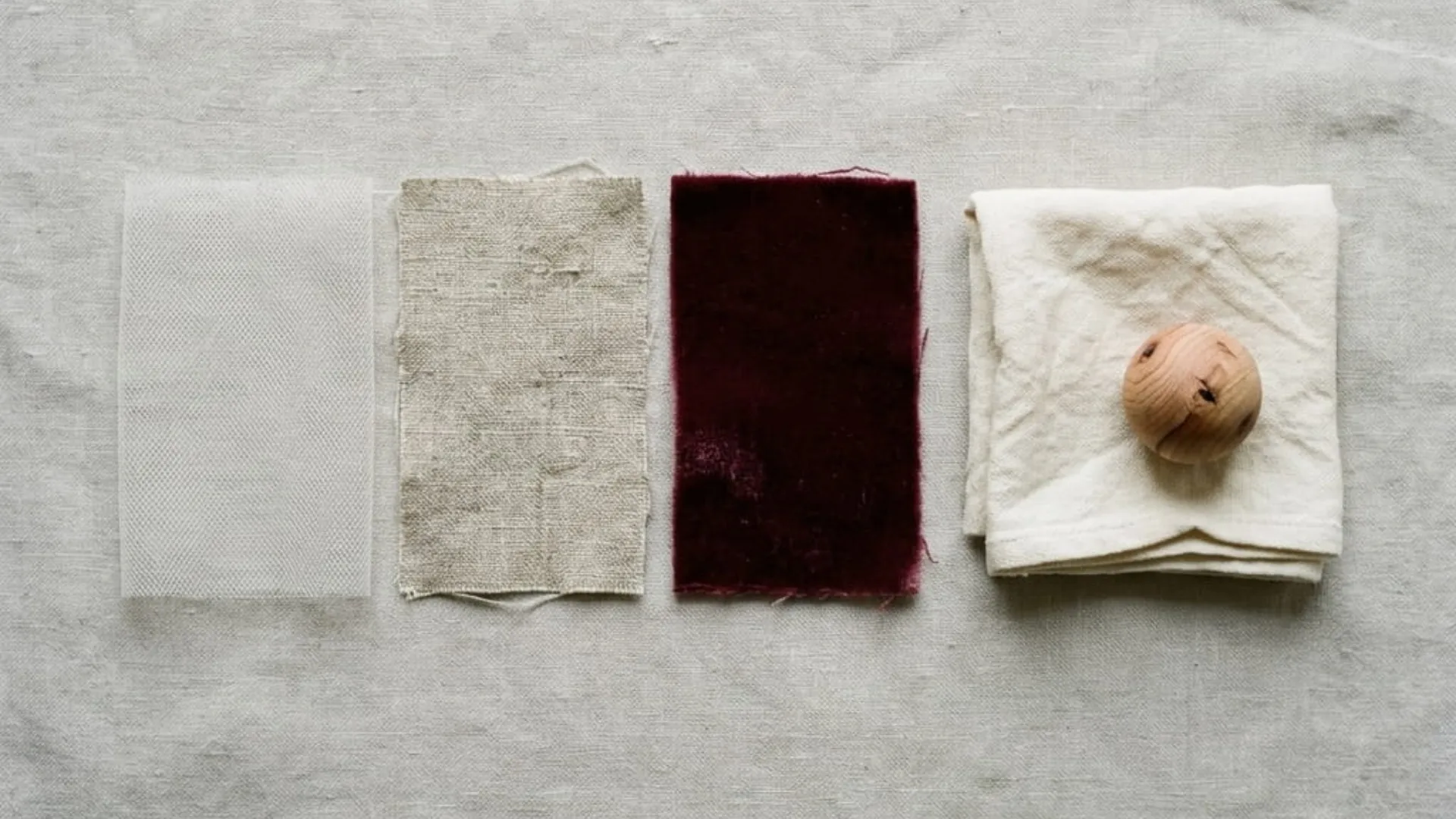
The majority of fabrics used in special occasion garments are delicate and not suited to standard washing methods. Each fabric type requires a different approach.
Silk: One of the most common fabrics in wedding and evening wear. Silk is sensitive to water — it can watermark and bleed colour. Silk garments must never be washed at home; professional dry cleaning is essential.
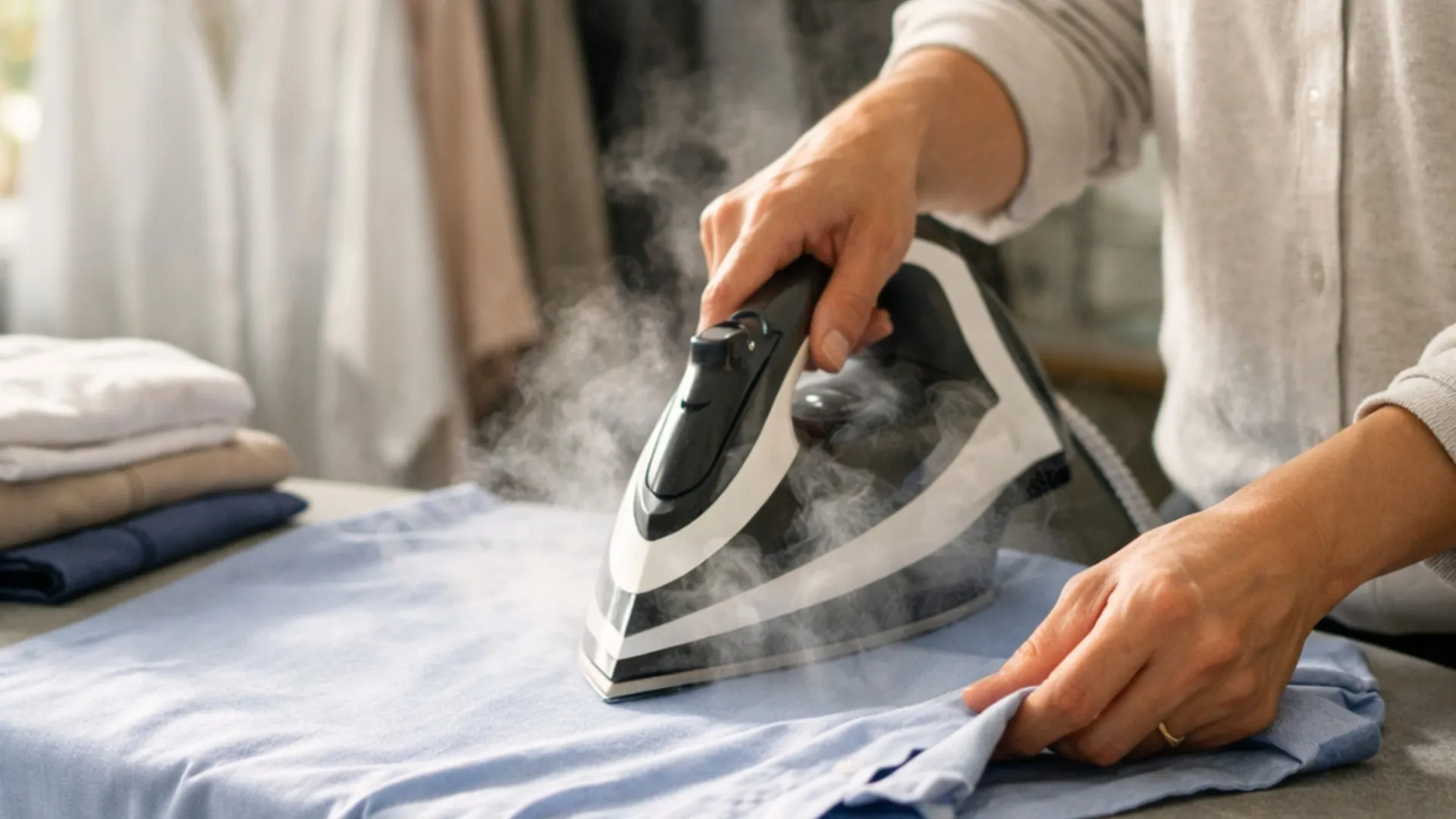
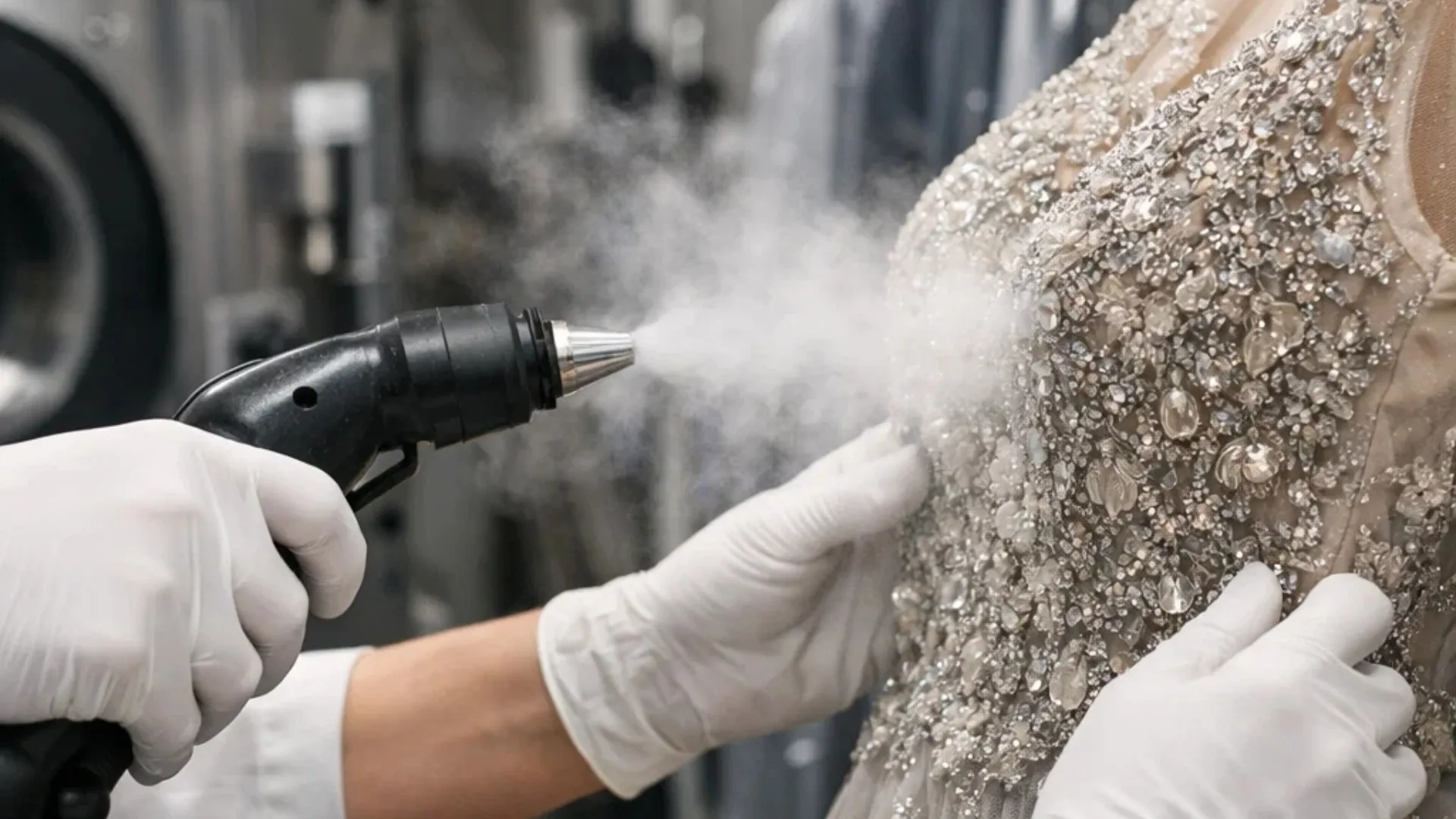
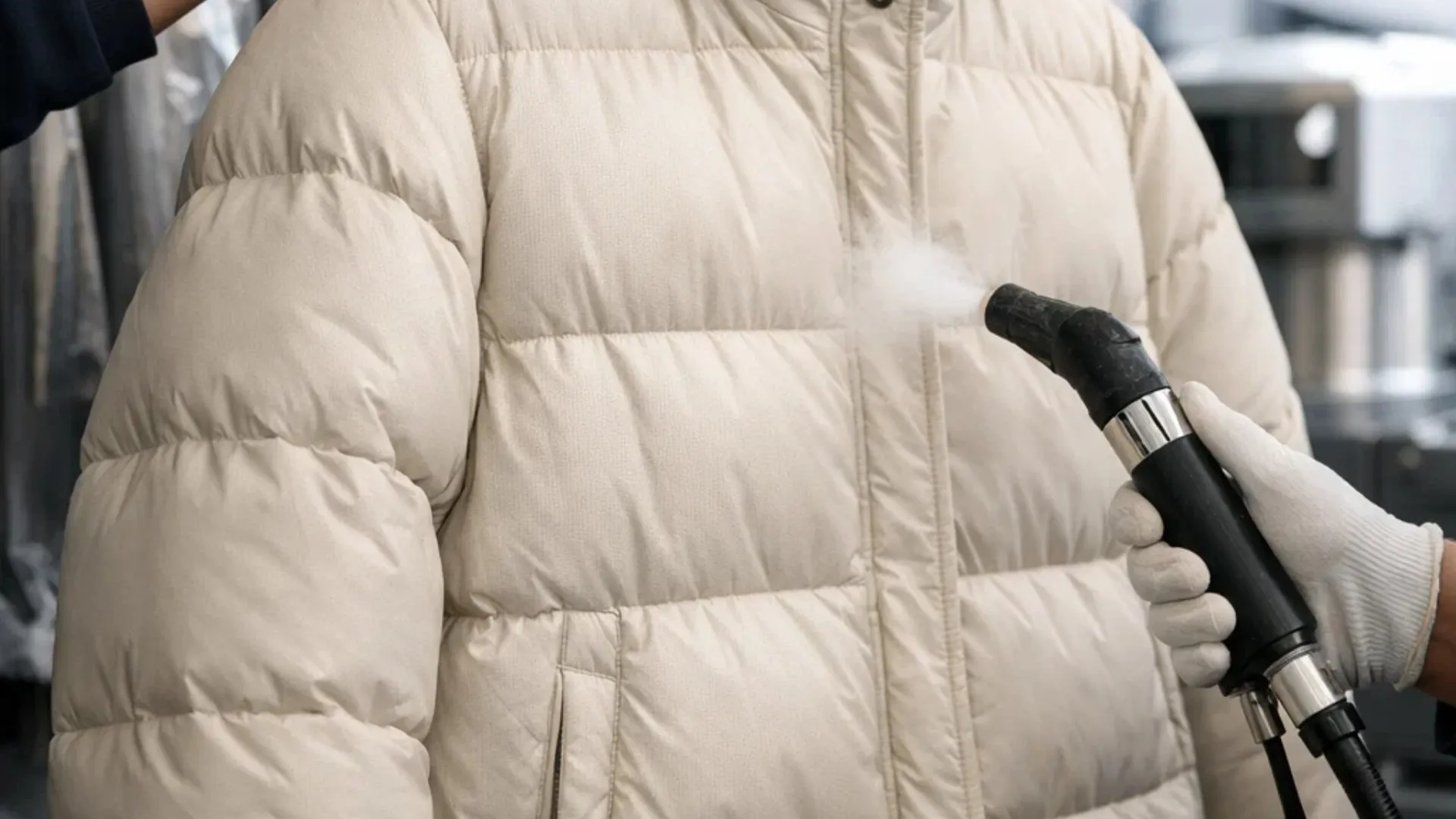
Organza: Used widely in bridal wear and formal evening gowns for its sheer, lightweight quality. Organza's delicate structure cannot withstand mechanical washing — creasing and shape distortion occur easily. Professional steam treatment and dry cleaning are required.
Tulle: A staple of wedding dresses and graduation gowns. Tulle's fine mesh structure is highly sensitive — it catches on hooks, tears easily, and loses its shape. Tulle garments should be dry cleaned and finished with hanging steam treatment.
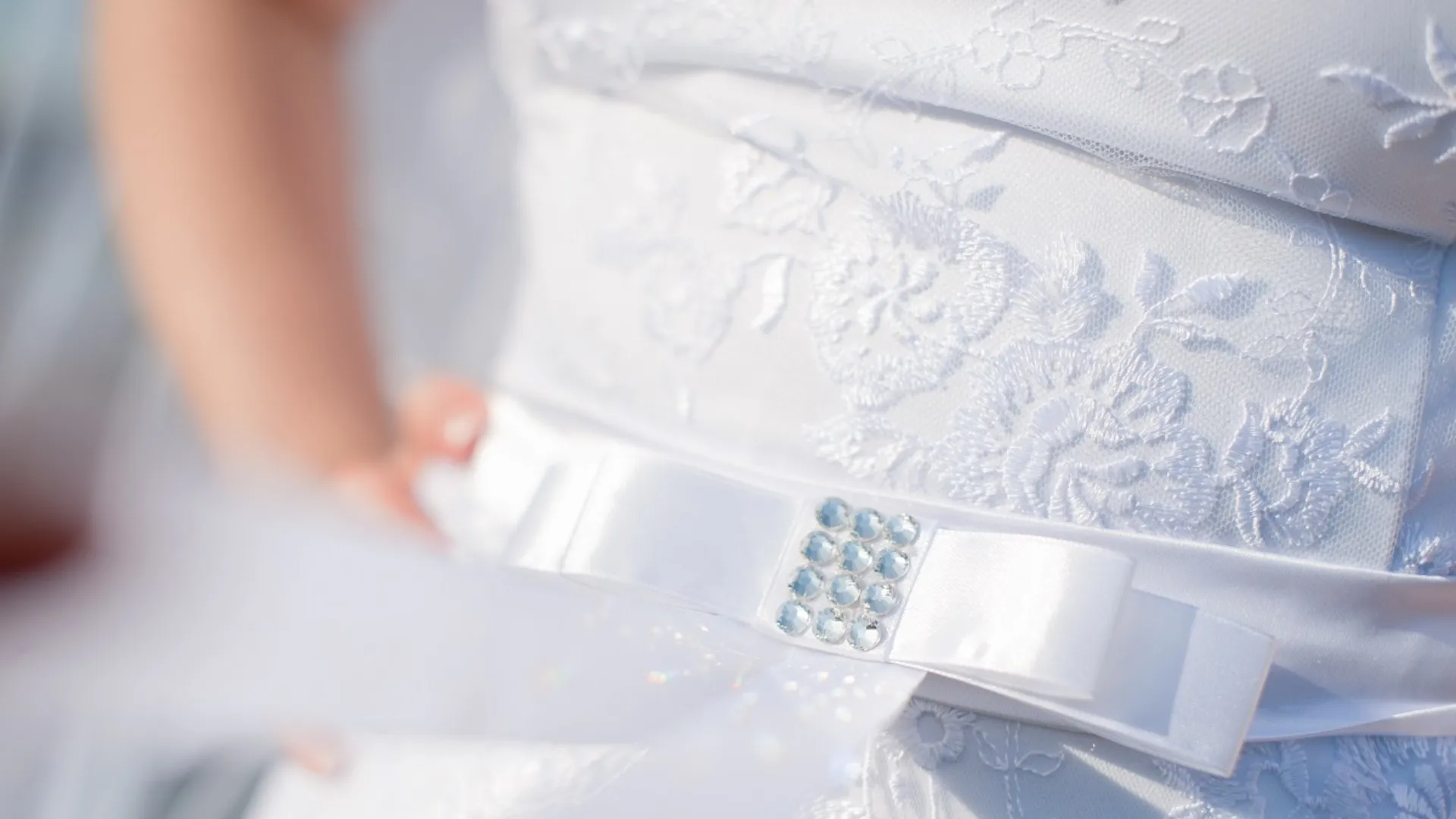
Lace: Whether handmade or machine-produced, lace is one of the most fragile details on formal garments. It cannot withstand mechanical washing or high heat. Incorrect treatment causes lace threads to snap and the pattern to distort permanently.
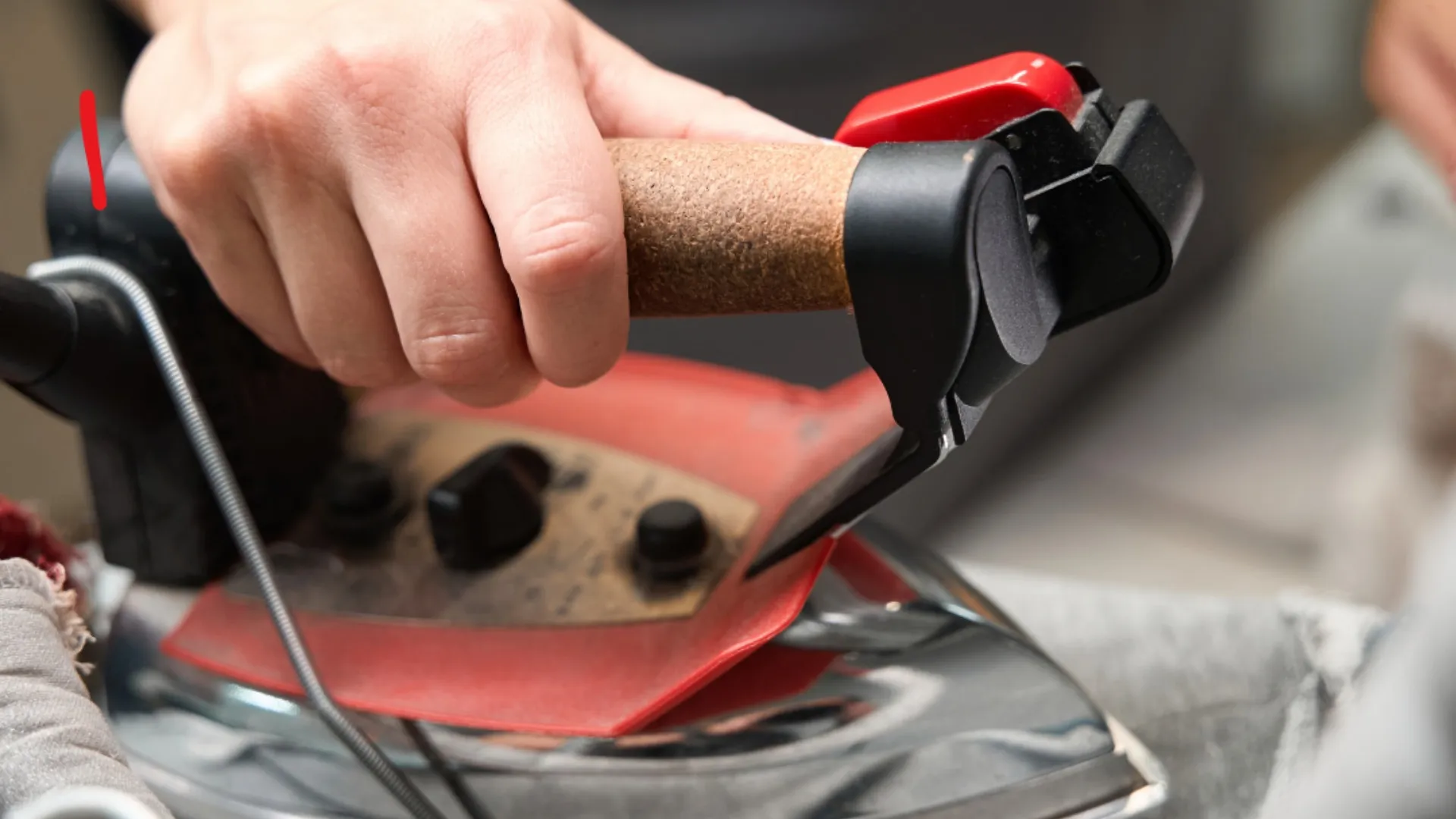
Satin: Satin's reflective surface makes every pressure mark and water spot immediately visible. A flat iron on satin causes permanent shine marks. Dry cleaning and professional steam finishing are required.
Velvet: Velvet's pile is extremely sensitive to pressure marks. Velvet garments should be stored hanging and finished only with a garment steamer. Flat ironing and machine washing are entirely unsuitable for velvet.
Chiffon: Lightweight and fluid, chiffon is common in evening wear. It creases easily and loses its shape in a standard wash. Dry cleaning or very gentle hand washing — where the label permits — is the appropriate approach.
First Response by Stain Type
The type of stain found on a special occasion garment determines the correct first response. It is worth stating clearly at the outset: for the majority of stains on special occasion garments, the safest first step is to do nothing and take the garment to a professional. The wrong response at home can make a stain permanent.
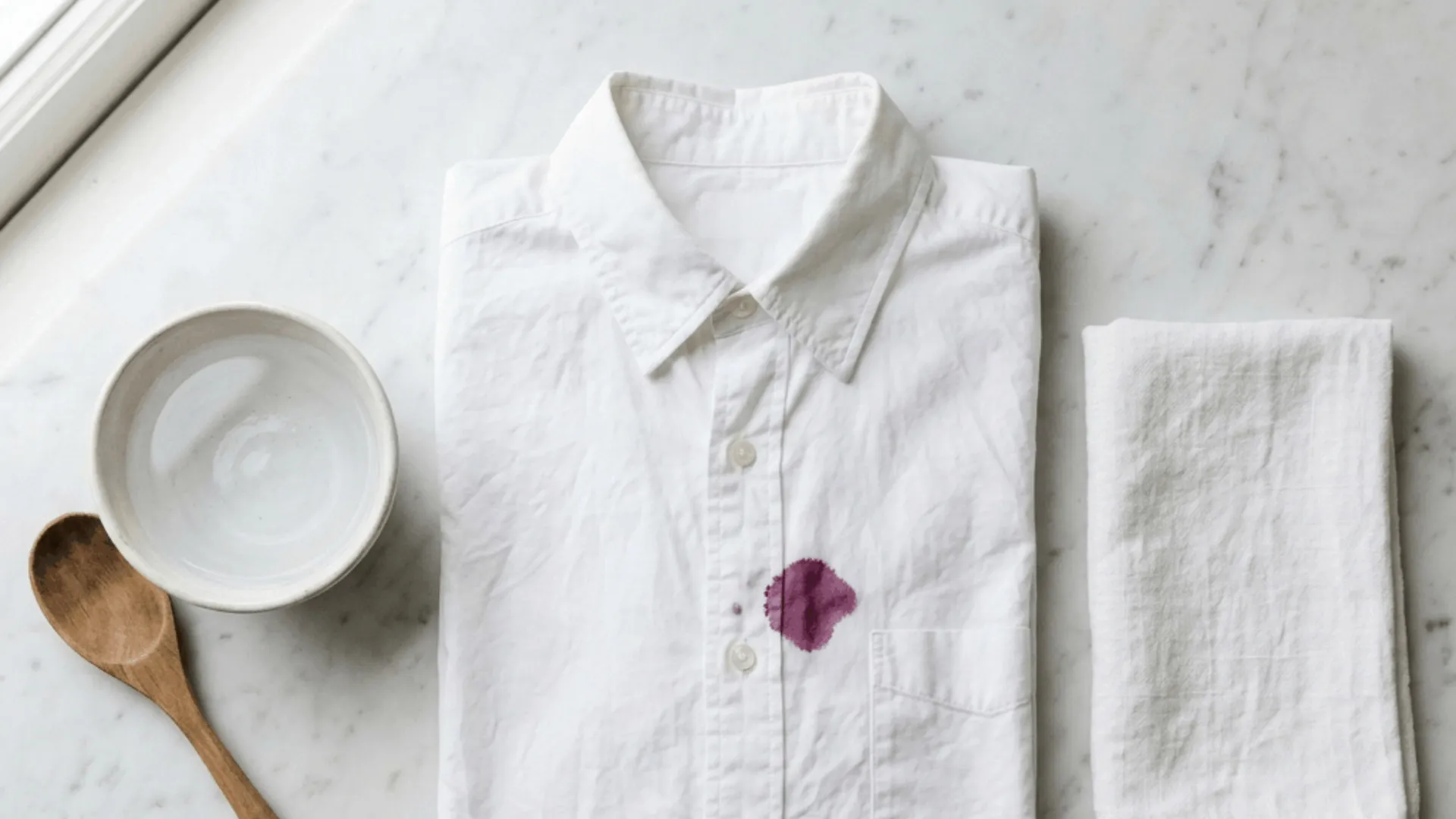
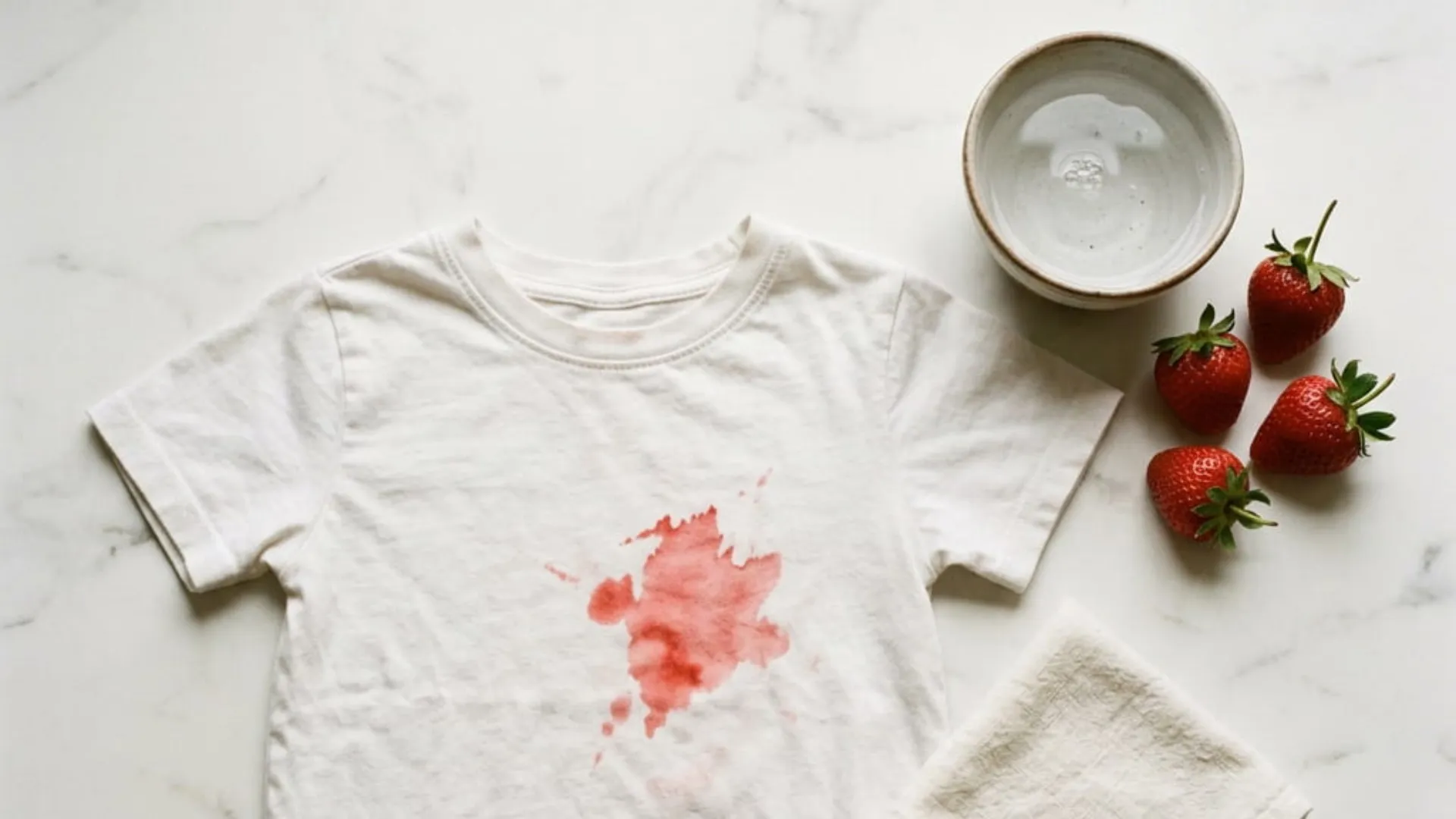
Wine and fruit juice: Blot — do not rub — with a clean, dry cloth to absorb excess liquid. Cold water can be applied to dilute the stain on water-resistant fabrics only. On silk, organza, and satin, any water contact risks spreading the stain further.
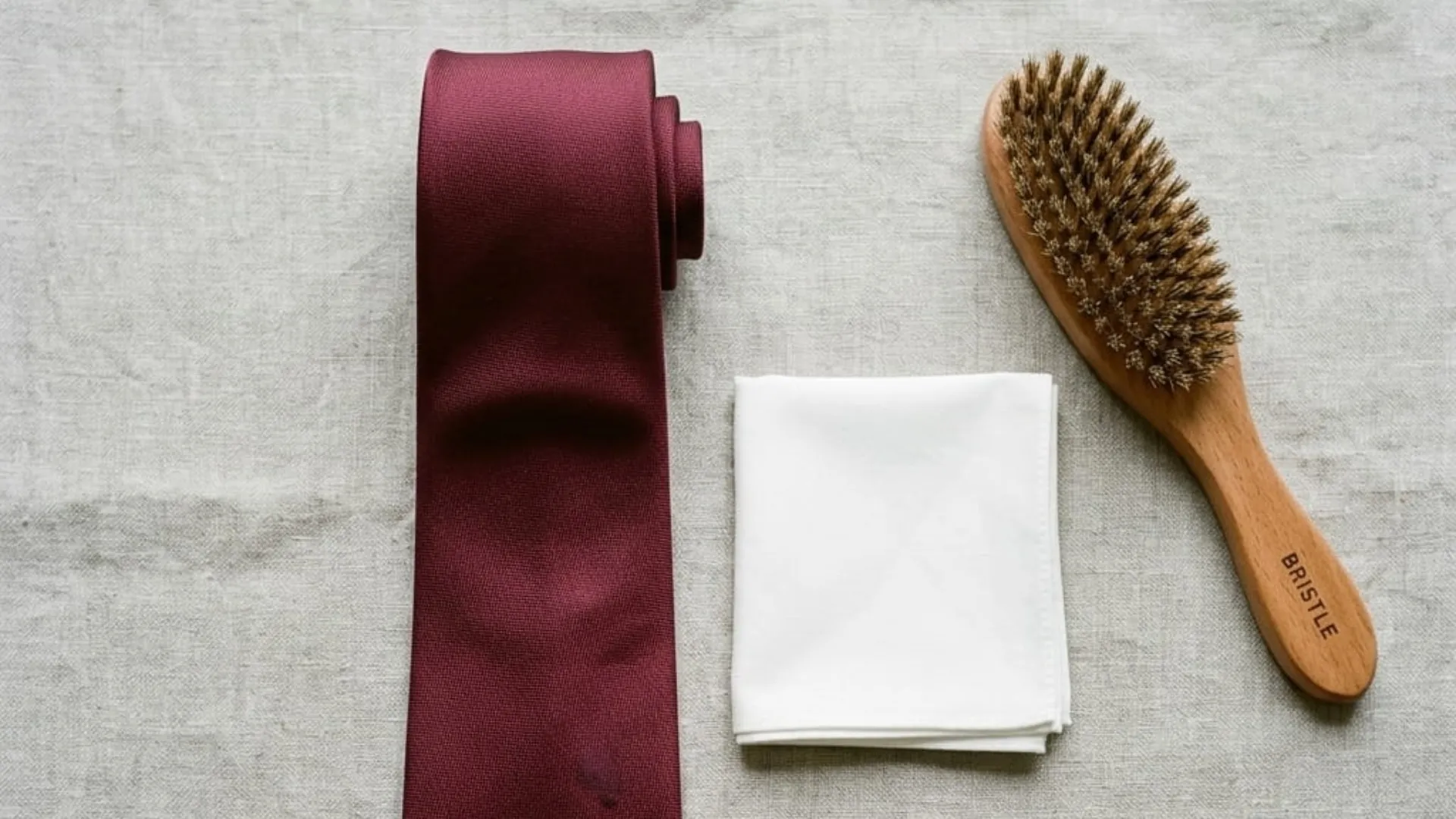
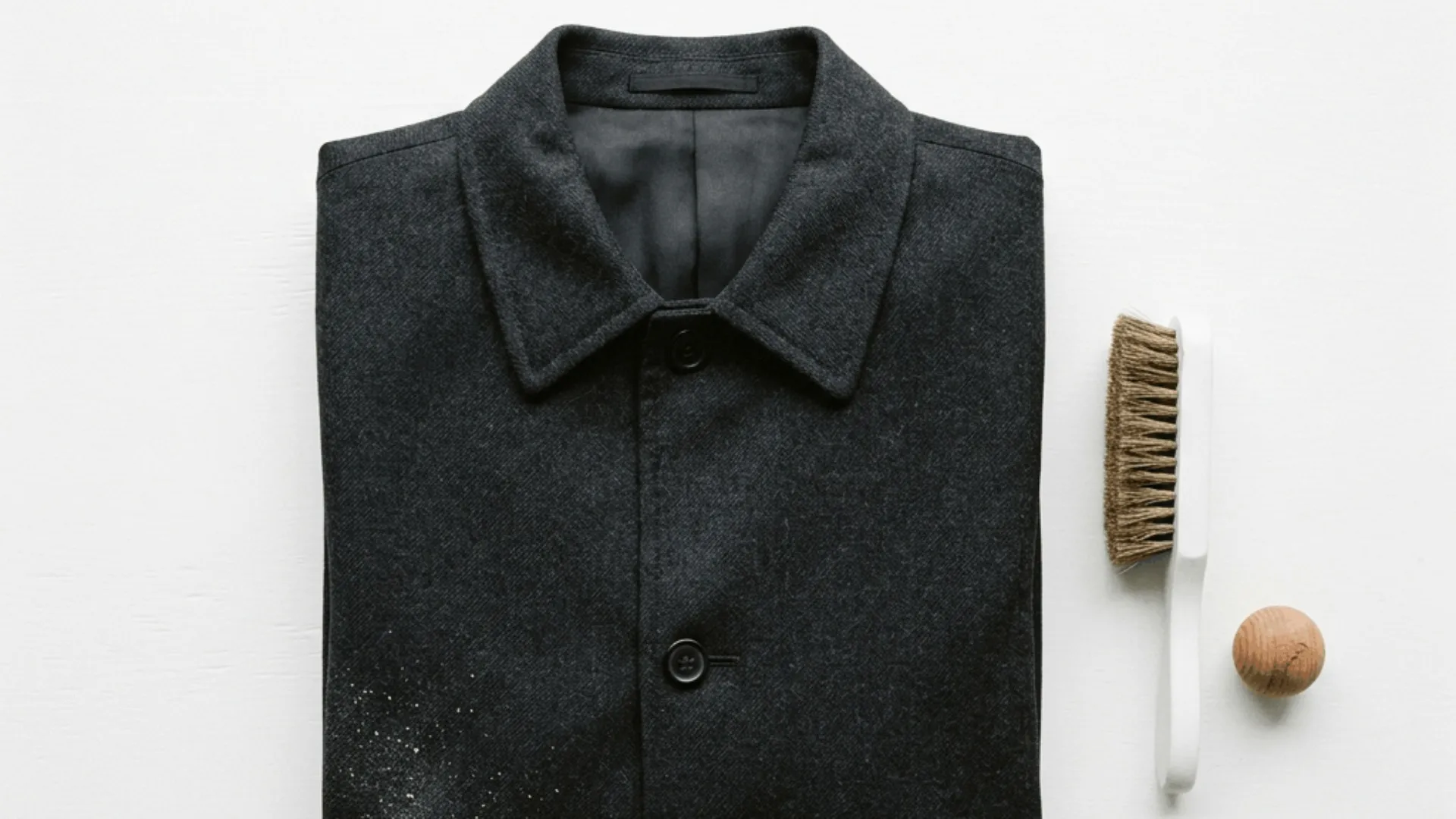
Oil and food grease: Apply talcum powder or cornstarch to a fresh oil stain and leave it for a few minutes. The powder absorbs the oil; brush it away gently with a soft brush. Rubbing or wetting the stain accelerates its penetration into the fabric.
Makeup: For foundation and blush on water-resistant fabrics only, a very small amount of clear washing-up liquid on a clean cloth can be pressed gently against the mark. Lipstick stains should not be treated at home under any circumstances.
Wax and melted sugar: Leave to set completely, then carefully scrape the surface residue away. Applying heat — a hair dryer or iron — causes the wax to melt further into the fabric and must be avoided.
Mud and dirt: Allow to dry completely, then brush away gently with a soft brush. Wiping wet mud spreads it into the fabric; waiting is the correct response.
Professional Cleaning: Why It Is Non-Negotiable
When it comes to special occasion garments, professional dry cleaning is not a preference — it is a necessity. Several fundamental reasons make this non-negotiable.
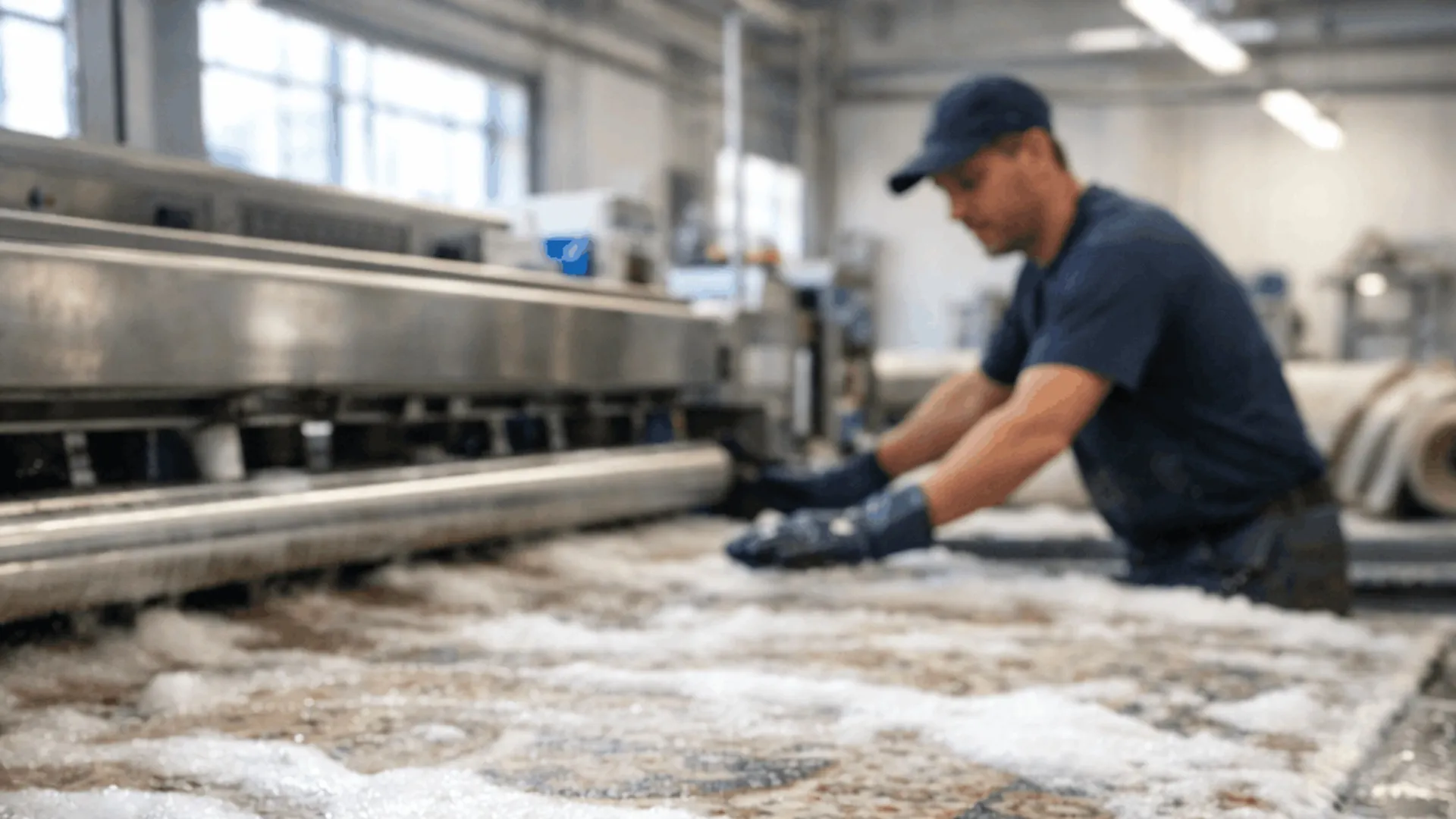
Fabric sensitivity: Silk, organza, tulle, and lace cannot withstand home washing. Water, detergent, and mechanical agitation cause permanent damage to these materials. Professional dry cleaning delivers a deep clean using chemical solvents rather than water, preserving the fabric's structure throughout.
Stain complexity: The stains on special occasion garments are typically a combination of multiple substances — wine, oil, makeup, and sweat layered together. This complex stain profile requires a different solvent for each component. Professional cleaners identify each substance separately and pre-treat with the appropriate product before the main cleaning process begins.
Protecting embellishments and details: Beading, sequins, hand embroidery, and lace details are easily damaged by non-professional handling. Professional dry cleaning keeps the protection of these details as a primary concern throughout the process.
Preventing yellowing: Garments stored without cleaning retain body oil and sweat residue that causes yellowing over time. This yellowing is not immediately visible — it may not appear for months or even years. Professional cleaning after the event eliminates this risk entirely.
Long-term preservation: Professional dry cleaning can be followed by specialist preservation measures — acid-free packaging, moisture control — that help the garment retain its original appearance for decades.
How Soon Should the Garment Be Cleaned?
The answer is clear: as soon as possible after the event.
Ideally, the garment should be delivered to a professional within the first two days following the event. Fresh stains are far easier to remove; the longer the wait, the deeper the stains penetrate the fabric.
A wait of more than two weeks meaningfully increases the risk of certain stains — particularly wine, oil, and sweat — becoming permanent. Garments sent for cleaning months after the event often contain yellowed stains and embedded residue that cannot be fully removed even by professional methods.
What to Pay Attention to During Professional Cleaning
Choosing the right dry cleaner and managing the process correctly has a direct impact on the outcome.
Provide detailed information at drop-off: Clearly communicate which areas have stains, what substance caused each stain, and when it occurred. This information helps the cleaner select the right pre-treatment approach for each mark.
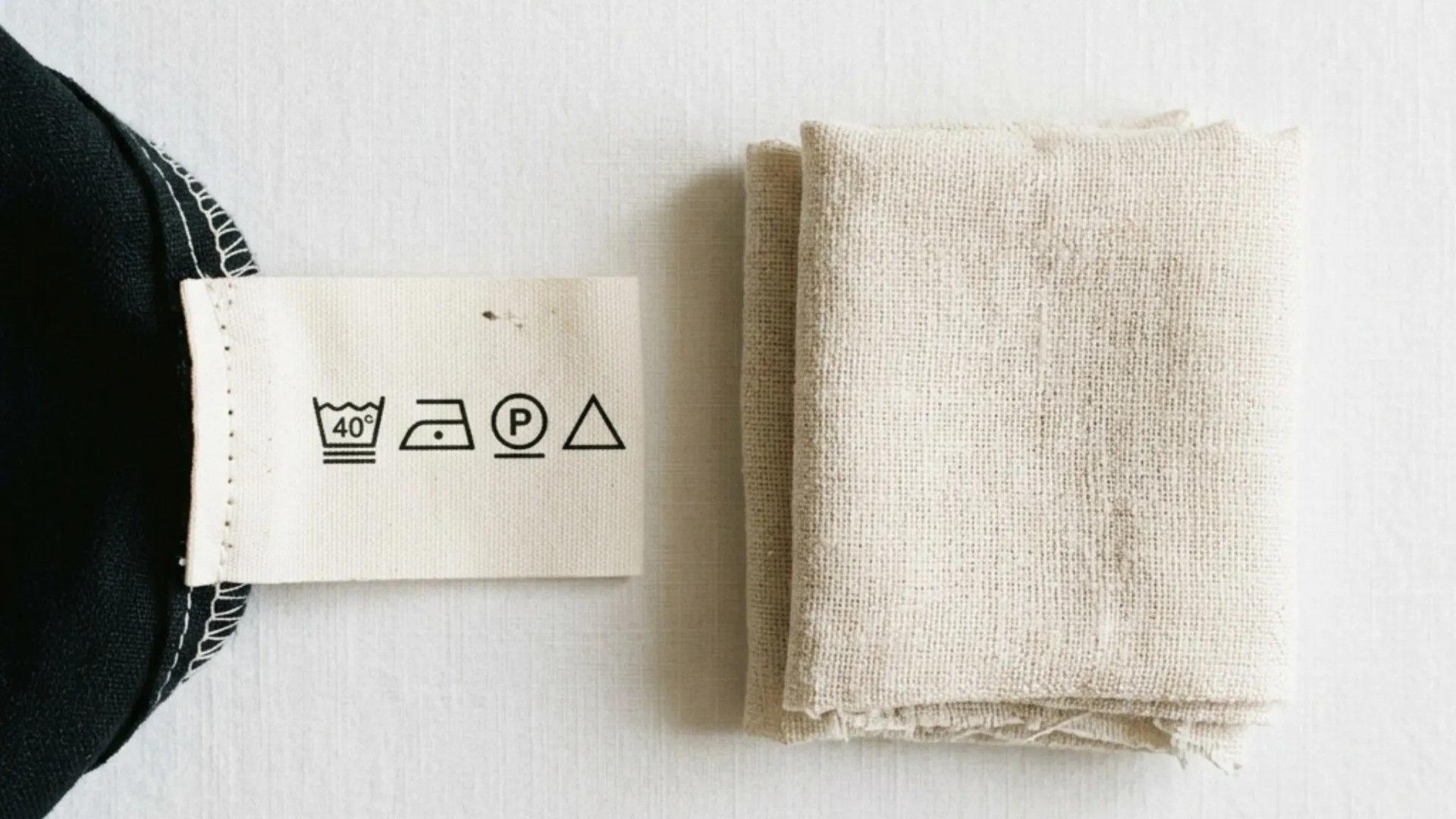
Share the care label information: The care label tells the cleaner about the fabric composition and recommended treatment methods. If the label has been removed or is no longer legible, share everything known about the fabric composition.
Point out embellishments and details: The presence of beading, sequins, hand embroidery, or lace should be communicated to the cleaner in advance. These details require protective handling during the cleaning process.
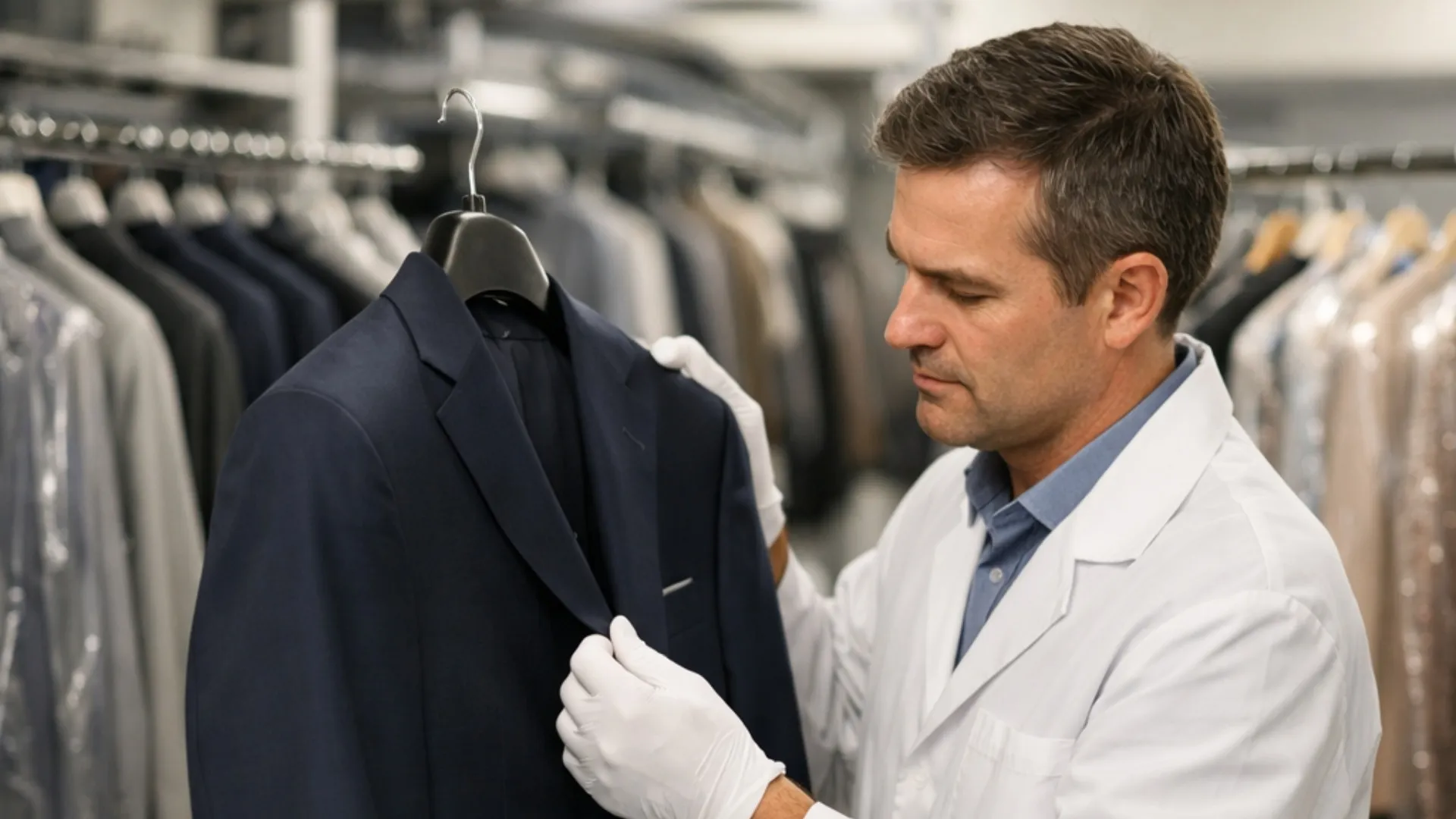
Inspect carefully at collection: When collecting the garment, examine it in good light — checking stains, embellishments, and overall condition. Any concern should be raised immediately, while correction is still possible.
Long-Term Storage: Preserving the Garment for Years to Come
Once professional cleaning is complete, how the garment is stored determines what it looks like decades from now. Many wedding dresses are kept with the intention of passing them on one day — but incorrect storage can make this impossible within just a few years.
Choosing the Right Packaging
Storing a special occasion garment in a plastic cover or nylon bag is one of the most common and most damaging mistakes. Plastic creates an airtight environment; moisture trapped inside leads to mould and the chemical compounds in plastic can cause fabric discolouration over time.
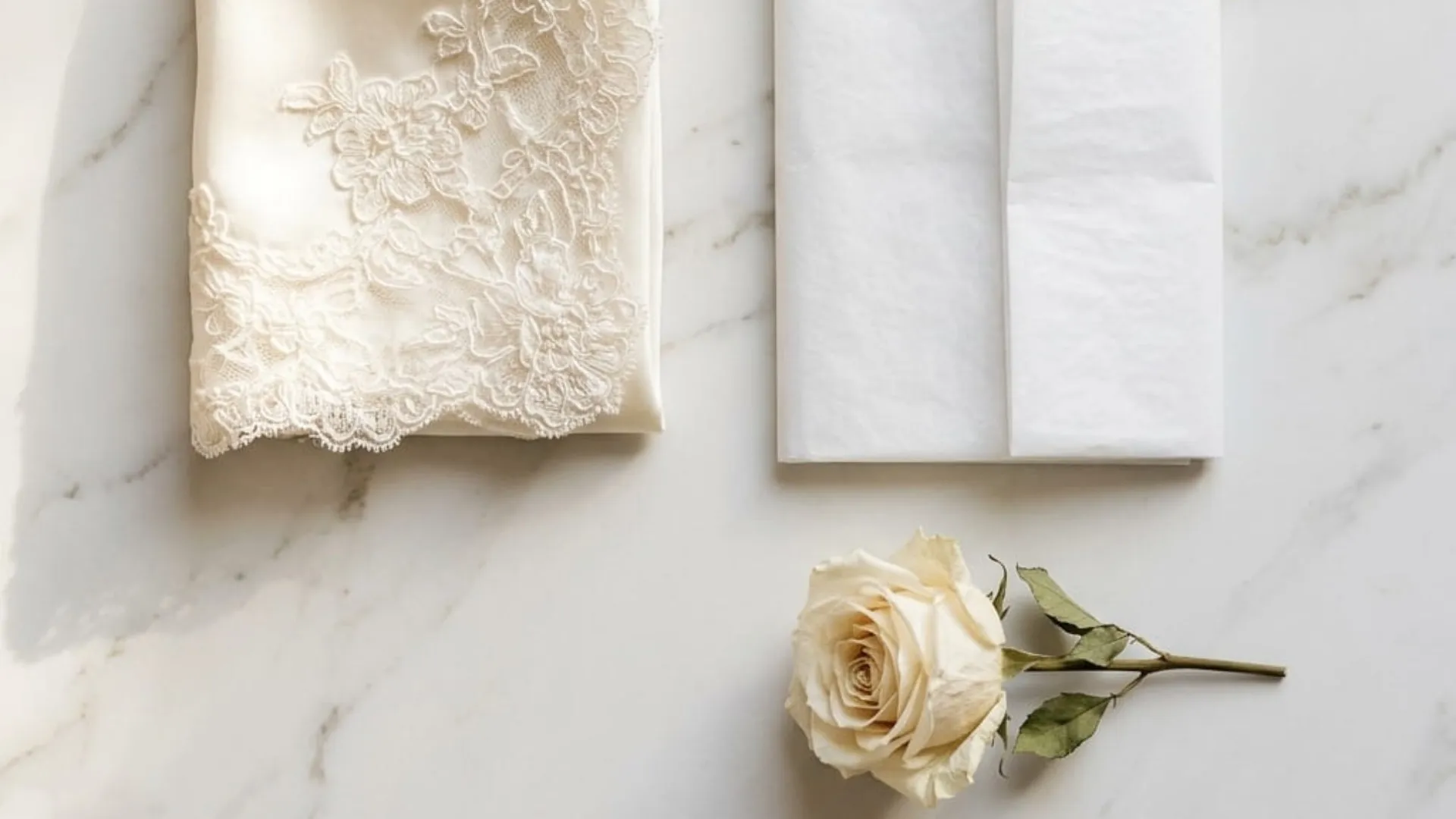
The correct choice is acid-free tissue paper and an acid-free storage box. This system — widely used for bridal gown preservation — prevents yellowing and shape distortion over the long term. Acid-free tissue paper is also placed inside the garment to support voluminous areas and maintain their structure.
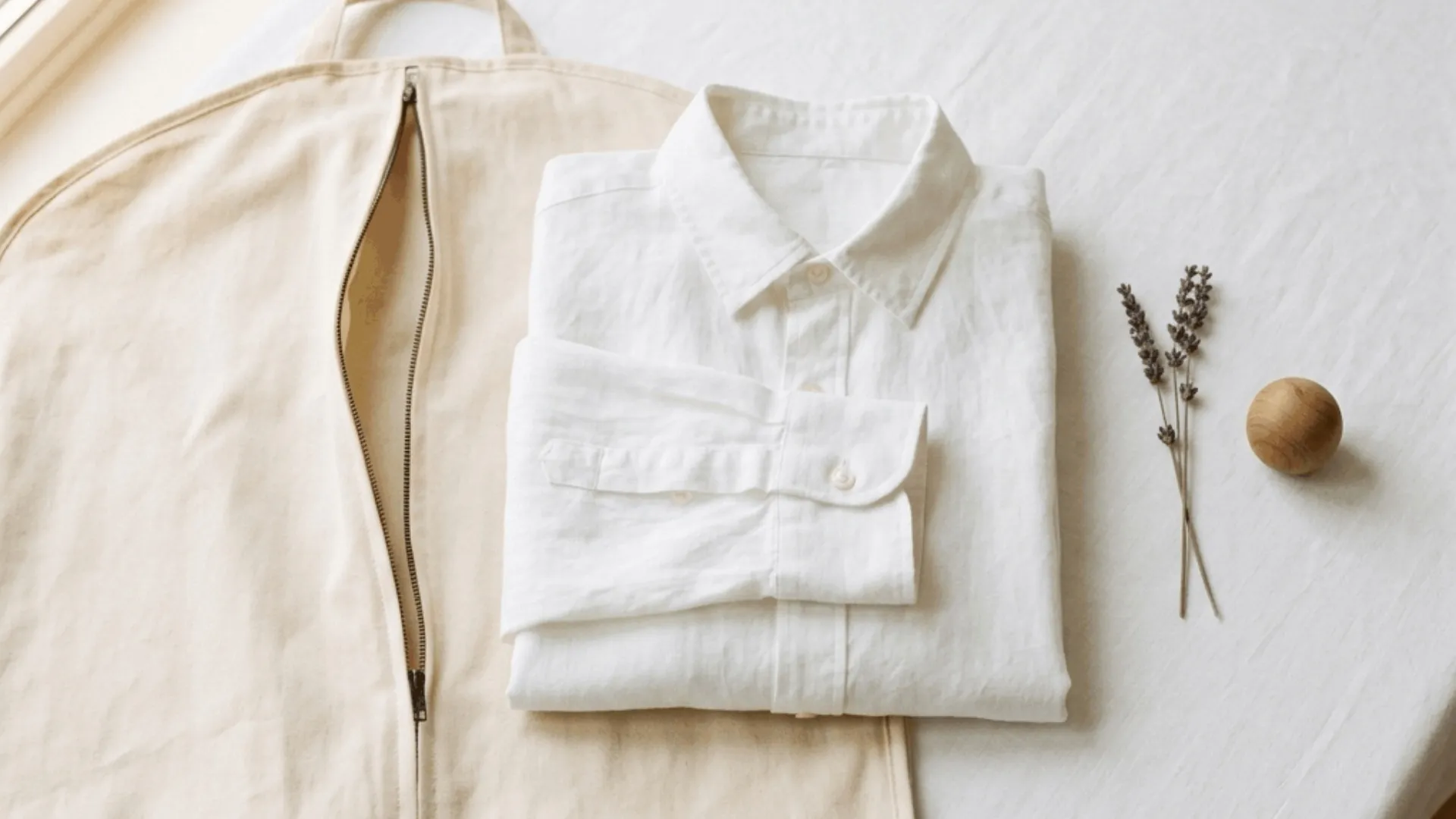
A breathable cloth garment bag is a significantly better alternative to plastic. Natural breathability prevents moisture build-up and keeps the garment in contact with air.
The Storage Environment
The environment in which the garment is stored is as important as the packaging.
High humidity increases the risk of mould. Areas near bathrooms or kitchens, basement storage, and damp corners of wardrobes are unsuitable for these garments. A dry space with adequate air circulation is essential.
Direct sunlight fades fabric colour and weakens fibres. A dark or low-light storage space is ideal.
Temperature fluctuations stress the fabric. A consistently moderate temperature — neither too warm nor too cold — is best.
Hanging or Boxed?
The answer depends on the garment's weight and fabric.
Heavy wedding dresses and full-length gowns should not be stored hanging for extended periods. The weight of the garment gradually strains the shoulder seams and stretches the fabric. These pieces should be stored horizontally in an acid-free box, padded with acid-free tissue paper.
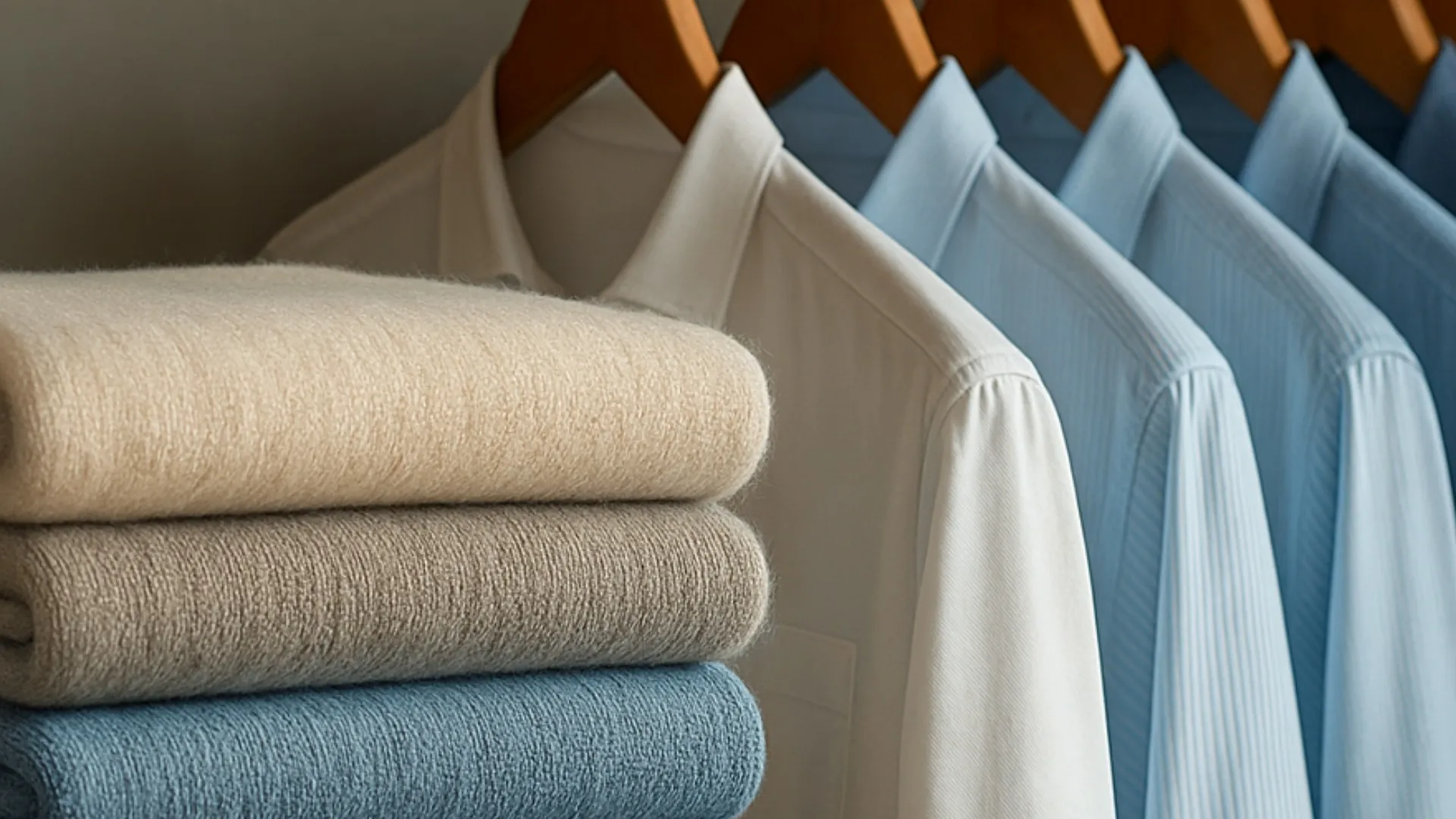
Lightweight chiffon and organza garments can be stored hanging on a wide-shouldered hanger for shorter periods. For long-term storage, horizontal storage remains the preferred approach.
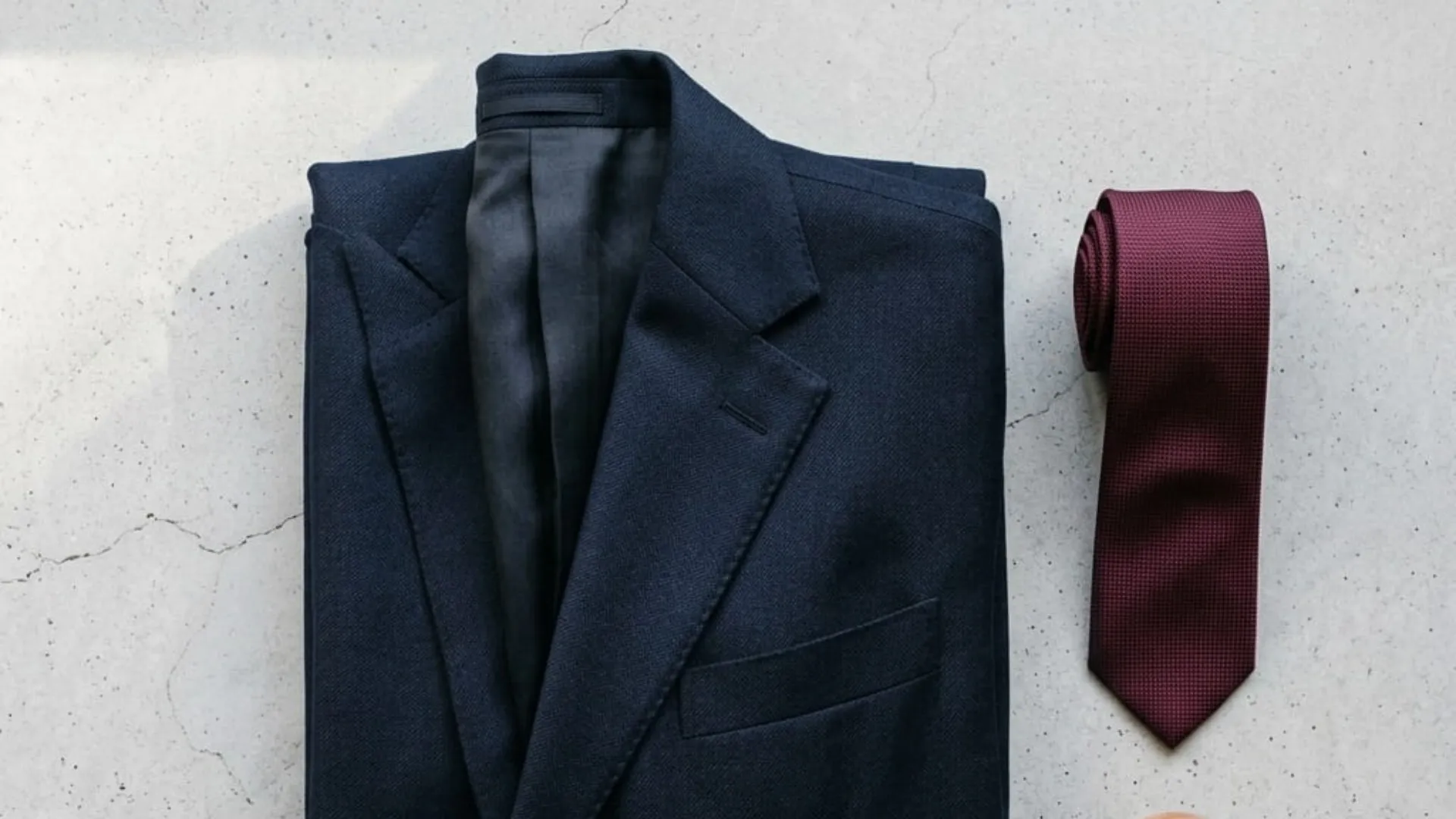
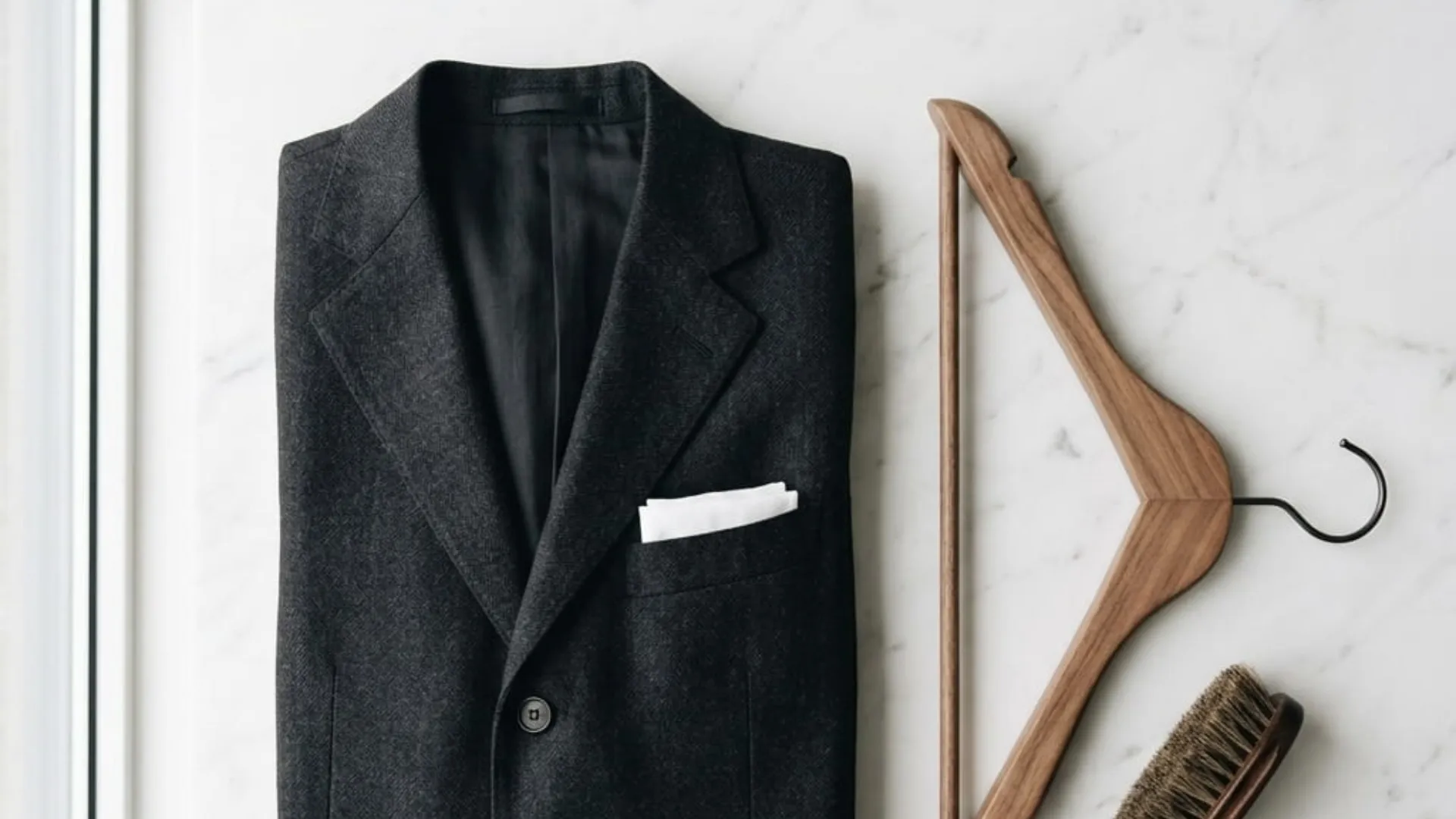
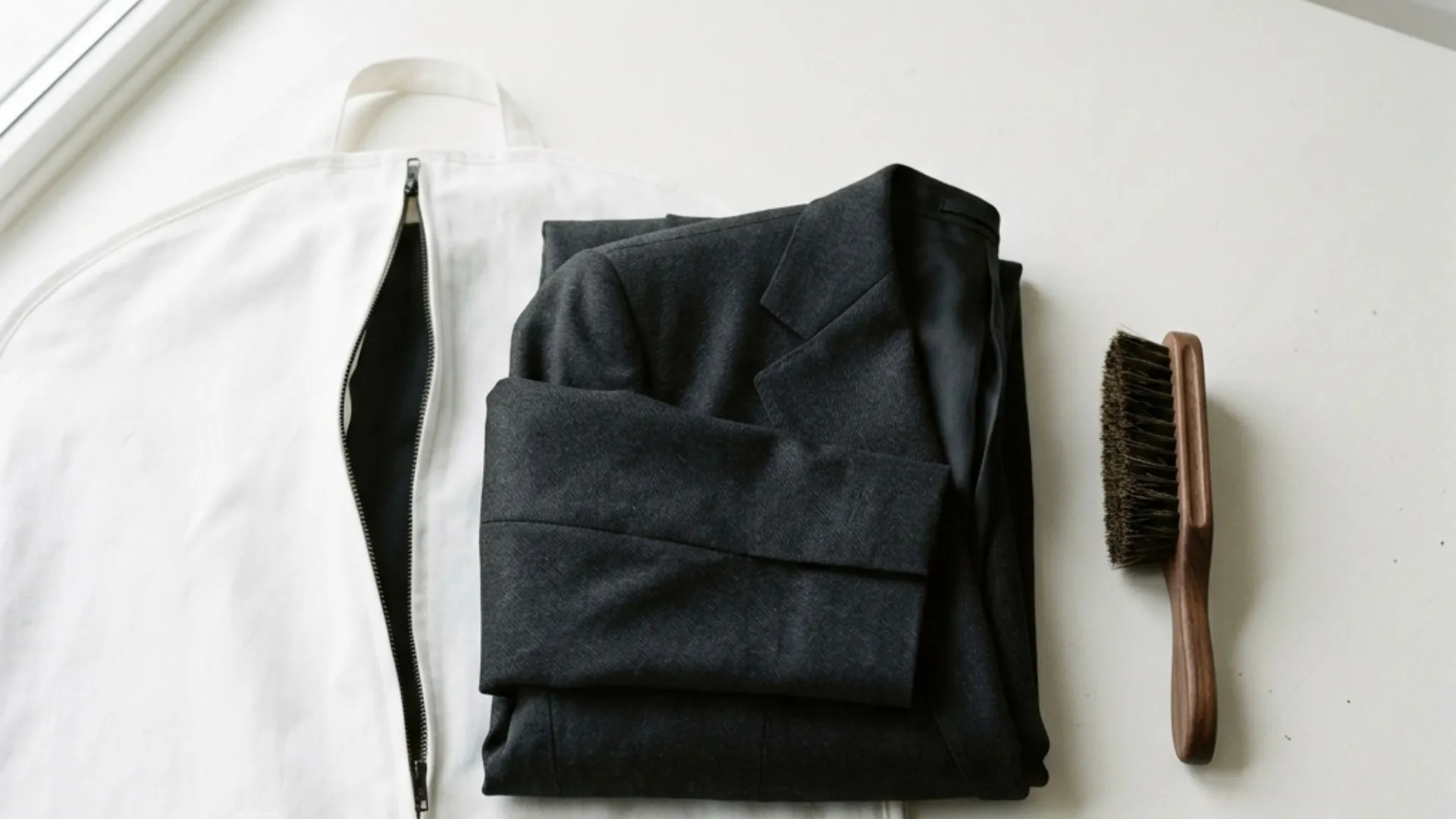
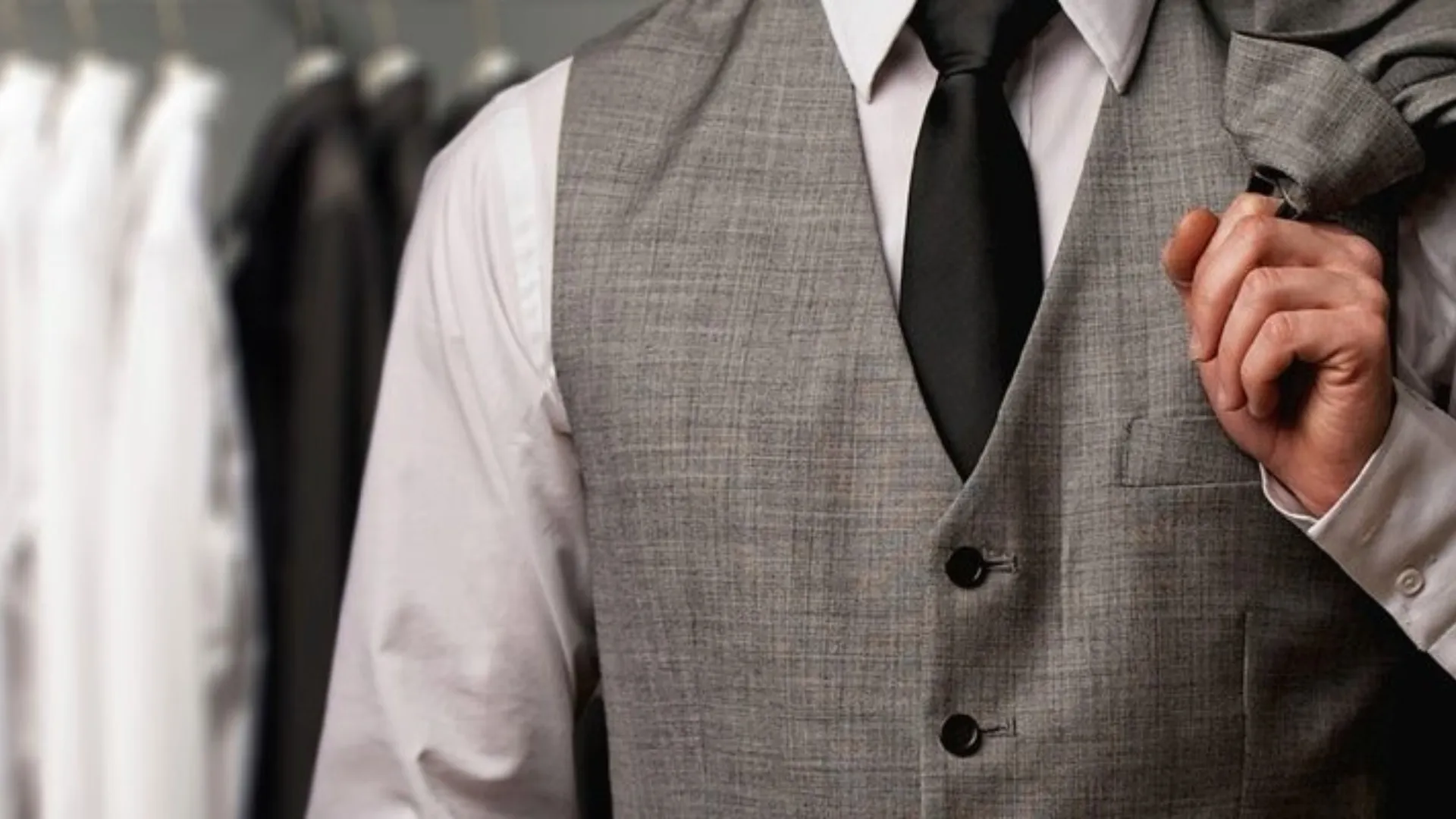
Suits and blazers — graduation or civil ceremony outfits — can be stored hanging in a cloth garment bag. For long-term storage, hanging rather than folding is recommended.
Regular Checks
Stored garments should be opened and inspected at least once a year — ideally at the same time each year. During this check, moisture, mould, yellowing, or any signs of insect activity should be looked for. Any problem identified early is far easier to address than one discovered years later.
The Special Requirements of Wedding Dress Storage
A wedding dress is the most care-intensive and the most emotionally significant of all special occasion garments. It deserves its own dedicated section.
Clean without delay after the event: A wedding dress should be delivered to a professional within the first two days following the wedding. The stain profile on a wedding dress is almost always complex — sweat, makeup, food, and ground dirt are layered together across the full length of the garment. This complexity is far more successfully addressed when the stains are fresh.
Specialist bridal cleaning: Not every dry cleaner has experience with wedding dress cleaning. The fabric composition, embellishments, and scale of a wedding dress require specialist equipment and technique. A cleaner with specific bridal experience and verifiable references should be sought.
Acid-free preservation: The most appropriate storage system for a wedding dress is acid-free tissue paper and an acid-free preservation box. Some professional cleaners offer this as a service following cleaning. The skirt volume is supported with tissue paper, and the full garment is placed in the acid-free box.
Moisture control: Placing a few silica gel packets inside the storage box prevents moisture accumulation during long-term storage. Silica gel packets should be replaced or reactivated in a low oven once per year.
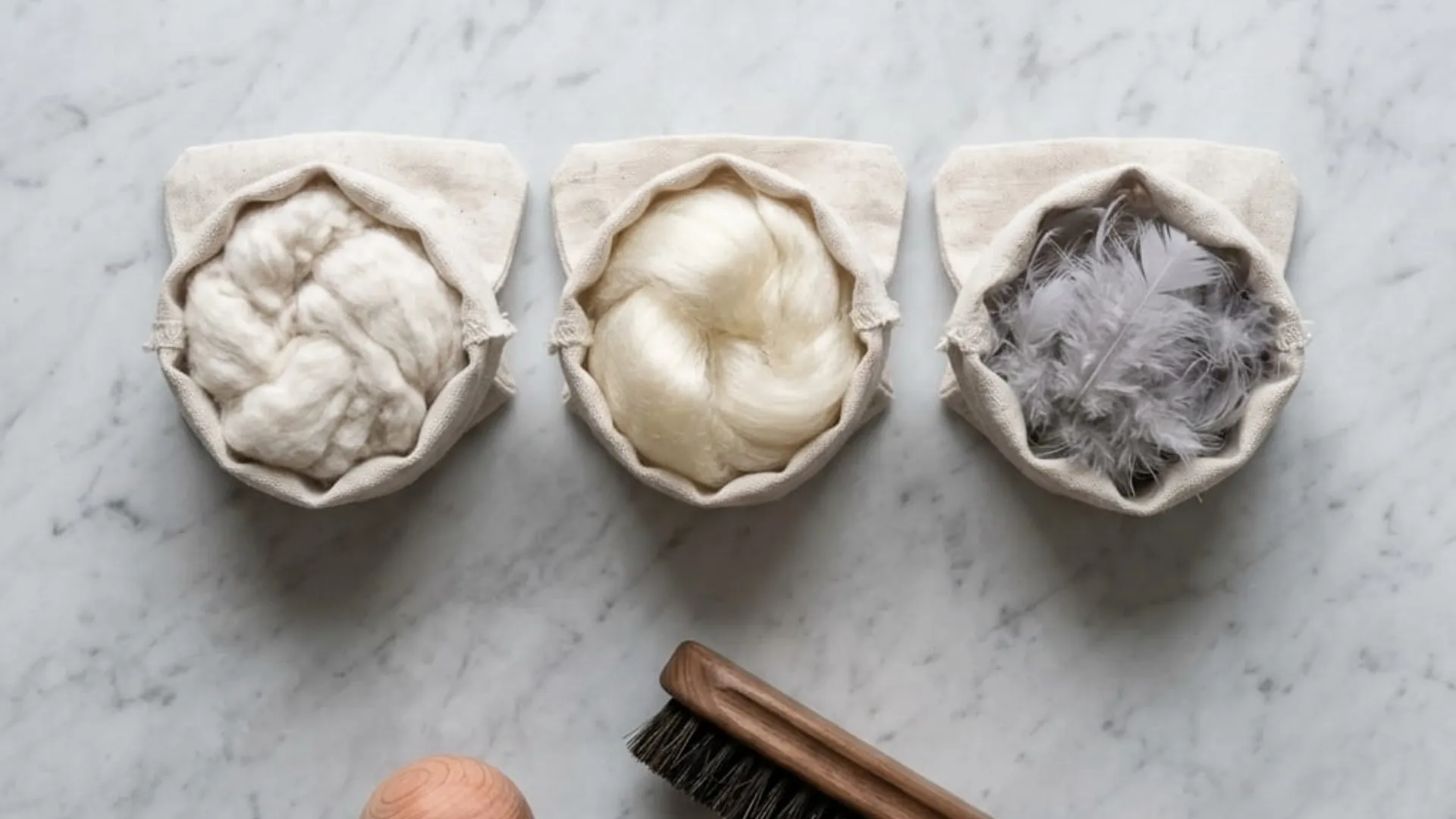
Moth prevention: Wedding dresses containing natural fibres — particularly silk and organza — are vulnerable to moth damage. Cedar balls or lavender sachets are preferable to chemical moth repellents. These natural alternatives leave no strong chemical odour and do not damage the fabric.
A Guide for Graduation, Engagement, and Cocktail Garments
The same core principles apply to special occasion garments beyond the wedding dress, with a few practical differences.
Graduation garments are typically worn once and stored for a long time. They should be cleaned after the event and stored correctly. Garments worn beneath a gown or robe often retain sweat and compression marks — left uncleaned, these become permanent yellowing.
Engagement dresses are frequently silk or satin-based, making professional dry cleaning essential. Heavy makeup contact and perfume residue are common on engagement evening garments; left untreated, these residues cause permanent staining.
Cocktail and evening dresses that are worn more regularly benefit from professional cleaning every two to three wears. Removing sweat and body oil before they accumulate keeps these garments in excellent condition over a longer period of use.
Dry Anka: Special Occasion Garment Care Across Istanbul's Anatolian Side
For wedding dresses, engagement outfits, graduation gowns, and special occasion garments in Kadıköy, Çekmeköy, Tuzla, Küçükyalı, and Fikirtepe, Dry Anka provides professional dry cleaning with door-to-door collection and delivery.
Dry Anka handles silk, organza, tulle, lace, and satin garments with specialist care processes designed for delicate and valuable pieces. Once you book an appointment, your garment is collected from your address at the agreed time. At collection, the fabric type, stains, and embellishment details are assessed thoroughly and the appropriate treatment method is confirmed with your approval. After cleaning and finishing, the garment is carefully packaged and returned to your door.
Conclusion: Special Garments Deserve Special Care
Wedding dresses and special occasion garments are not simply pieces of fabric. Each one carries the trace of a moment, an emotion, and a memory that is unlikely to be repeated. The care given to these garments should reflect that value.
The steps to take after the event are straightforward: deliver the garment to a professional as soon as possible, provide detailed information about stains and fabric, store correctly in acid-free packaging after cleaning, and check once a year.
What to avoid is equally clear: delaying, attempting home washing, storing in plastic or dry cleaning bags long-term, keeping in a damp environment, and neglecting regular inspection.
When these steps are followed correctly, a special occasion garment can look as it did on the day it was worn — not just next year, but decades from now. Preserving a memory at its best begins with the right care.