

Leather Shoe and Bag Care: The Complete Guide to Cleaning Leather Accessories
Leather shoes and bags are among the most enduring and most invested-in accessories in any wardrobe. With the right care, they can last for decades — developing a beautiful patina along the way that only adds to their character and value. But the wrong cleaning product, too much water, or unsuitable storage conditions can permanently damage the leather's structure.
In this guide, we cover how to care for leather shoes and bags at home, which methods are safe, which mistakes cause irreversible harm, and when professional care is the only sensible option.
Why Do Leather Accessories Require Specialist Care?
Leather is processed animal tissue. Its structure — millions of fine fibres and pores — gives it the flexibility, breathability, and durability that make it such a valued material. But that same structure is what makes it sensitive to incorrect treatment.
Leather naturally loses its oils over time. As this happens, it dries out, stiffens, and begins to crack. Water, chemical products, and excessive heat accelerate this process. Regular conditioning, correct cleaning, and appropriate storage, on the other hand, preserve the leather's suppleness and appearance for years.
Shoes and bags encounter different kinds of soiling than a leather jacket. Shoes are exposed to ground dirt, road salt, moisture, and physical abrasion. Bags face cosmetic residue, body oils, and the general wear of daily handling. While the care approach for both is broadly similar, the specifics of each differ in important ways.
Knowing Your Leather: The Foundation of Every Care Decision
Not every leather accessory requires the same treatment. Identifying the leather type is the essential first step in choosing the right products and methods.
Full grain leather is the least processed and most durable type. Its open pores absorb conditioner readily. This is the category most likely to develop a rich patina with age. Quality Oxford shoes and handmade bags are typically full grain.
Corrected grain leather has had surface imperfections buffed away and is then coated. It tolerates cleaning products better than full grain but does not last as long. The majority of mid-range shoes and bags fall into this category.
Suede and nubuck have a soft, velvety surface texture that sets them entirely apart from other leather types. They are highly sensitive to water and oils; standard leather care products must never be used on them. Only suede-specific brushes and protective sprays are appropriate.
Patent leather is distinguished by its high-gloss surface coating. It is relatively easy to clean — a damp cloth is usually sufficient. It does not need conditioning, and the wrong product will dull or scratch the finish.
Faux leather and PU coating is not genuine leather. It can be cleaned with water and mild detergent, but the surface coating will crack and peel over time regardless of care.
Leather Shoe Care: A Step-by-Step Guide
Daily Care
Wiping the shoe with a slightly damp cloth after each wear removes surface dust and light soiling. This is the single habit that contributes most to a shoe's long-term condition.
Rather than putting shoes directly into a box or cupboard after removing them, leaving them to air for a few hours allows moisture and odour to dissipate before storage. This is particularly important for shoes worn daily.
Deep Cleaning
A thorough clean carried out once a month — or whenever needed — follows these steps.
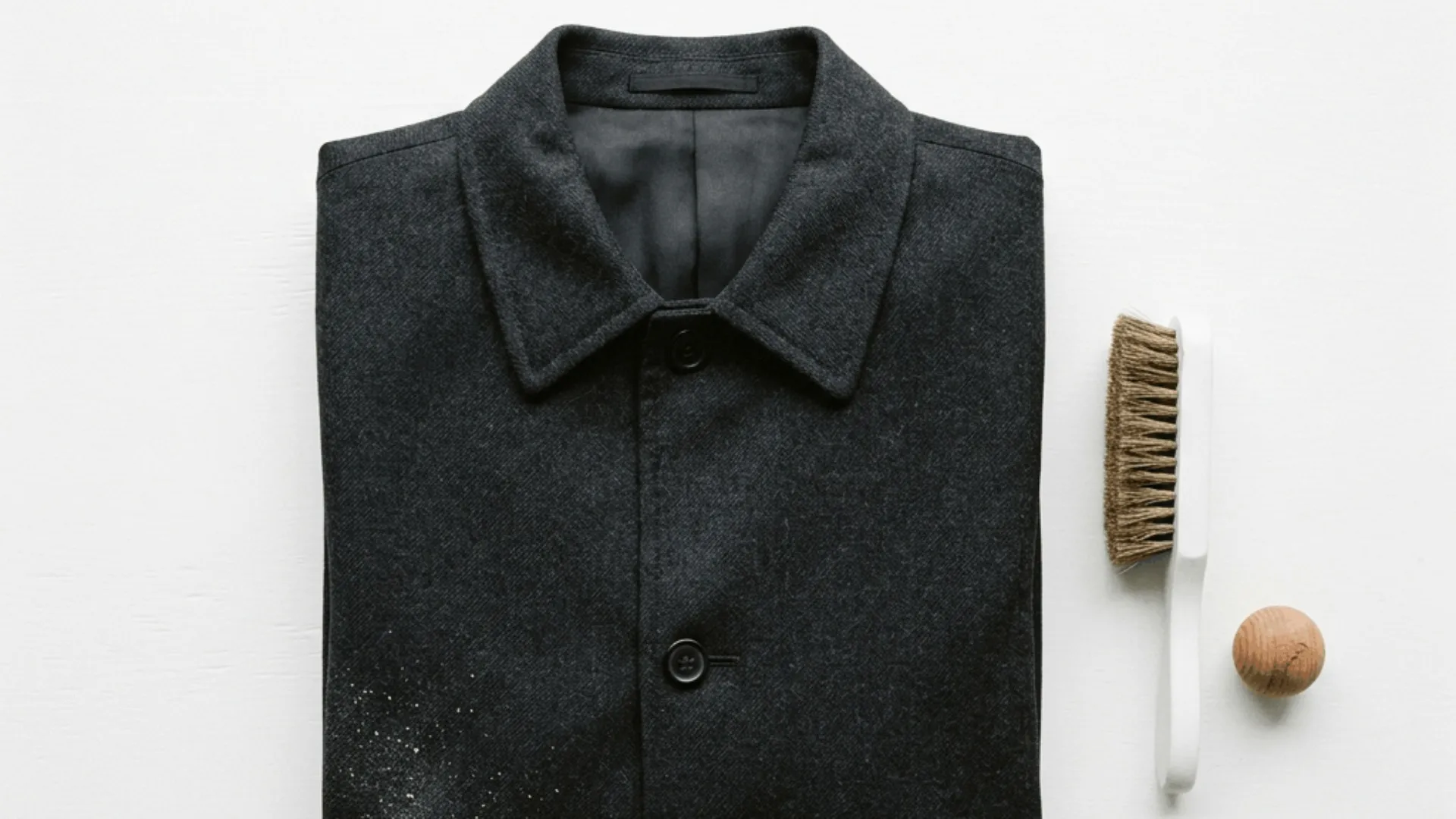
First, a soft horsehair brush is used to remove dry surface dust and loose dirt. A stiff-bristled brush should be avoided; it can scratch the leather surface.
Next, a leather cleaner is applied. Test the product first on a hidden area — the inner edge or upper welt — and wait a few minutes. If there is no colour change or surface reaction, apply a thin, even layer across the full surface and work it in gently with a soft cloth.
Once the cleaner has dried, conditioner or leather care cream is applied. This step replenishes the leather's natural oils and maintains surface flexibility. Excess conditioner is removed with a clean cloth and the shoes are left to dry naturally for a few hours.
The final step is a leather polish or colour cream — matched to the shoe's colour — to restore shine and add depth of tone.
Shoe Trees
Inserting shoe trees when the shoes are not being worn is strongly recommended for maintaining shape. Wooden trees are particularly effective — they absorb moisture and preserve the shoe's original form. Plastic trees provide shape support but lack the moisture-absorbing properties of wood.
Leather Bag Care: A Step-by-Step Guide
Daily Care
A bag should be wiped with a soft, dry cloth after each use. The handles and corner areas — the points of highest contact — deserve particular attention as these areas accumulate soiling fastest.
Placing a bag on the floor causes abrasion and surface scratching. Hanging the bag or setting it on a clean, flat surface whenever possible protects the leather over time.
Deep Cleaning
A thorough clean once a month follows broadly the same process as shoe cleaning. Leather cleaner is applied, allowed to dry, and followed by conditioner. The interior lining requires a different approach.
Bag linings are typically fabric. Cosmetic and body oil residue builds up on the lining surface over time. To clean it, the bag is turned inside out where possible, and the lining is brushed gently with a soft brush. Stubborn marks can be addressed with a small amount of foam-based textile cleaner — but the lining should not be saturated with water.
Metal Hardware Care
Buckles, zips, and chain straps dull and oxidise over time. Wiping these with a dry cloth regularly prevents build-up. For a deeper clean, metal-appropriate products can be used — but care should be taken to ensure these do not come into contact with the leather surface.
A Stain-by-Stain Guide
The type of stain determines the correct approach. The wrong technique can make a stain permanent or spread it to a larger area.
Water marks: When a wet area dries, it may leave a white or dull ring. Wipe the entire surface lightly and evenly with a damp cloth to blend the mark, then apply conditioner.
Oil stains: Apply cornstarch or talcum powder to a fresh oil stain and leave it for several hours. The powder absorbs the oil; brush it away gently with a soft brush. Old or set oil stains cannot be removed at home — professional treatment is required.
Ink and paint stains: These must not be touched at home. Any attempt with alcohol or solvents will spread the stain and damage the leather surface. Take the item directly to a professional.
Salt marks: White salt deposits from winter slush or salted roads can be removed with a solution of equal parts water and white vinegar applied gently with a soft cloth. Follow with conditioner once dry.
Mould: Light surface mould can be addressed with a leather cleaner and a soft cloth. If the mould has penetrated the leather, professional treatment is essential. A mouldy accessory should never be stored in a sealed or enclosed environment.
What You Should Never Do
Mistakes in leather care typically come from good intentions — trying to clean quickly, remove a stain, or restore shine. But the wrong method causes damage that even professional care may not be able to fully reverse.
Submerging in water or a washing machine: Leather must never be fully submerged in water under any circumstances. Water causes the fibres to swell, shrink, and stiffen permanently once dry. Water entering the interior of a shoe or bag causes the same damage from the inside out.
Using a hair dryer: A wet leather accessory should never be dried with a hair dryer. High heat strips the leather of its natural oils entirely and causes cracking and surface breakdown. Leather must always be dried at room temperature in natural airflow.
Using alcohol, acetone, or solvent-based products: These substances dissolve the leather's surface coating, alter the colour, and leave a dull, discoloured patch where the stain was. The instinct to reach for these products on ink or paint stains is common — but the result is always more damage, not less.
Using standard detergent or washing-up liquid: These are too alkaline for leather. Their chemical composition erodes the fibres and strips natural oils, leading to cracking and surface deterioration over time.
Drying or storing in direct sunlight: UV light degrades the surface film of leather, fades the colour, and makes the material brittle. Always dry in shade with airflow, and store away from direct sunlight.
Storing in plastic bags or airtight containers: Leather needs to breathe. Moisture trapped in a sealed plastic environment leads to mould. Once mould takes hold in leather, it is extremely difficult to remove and almost always leaves a permanent mark.
Using a coloured cleaning cloth: The dye in a coloured cloth can transfer to a damp leather surface. Always use white or pale, clean microfibre cloths for leather cleaning.
A Seasonal Care Calendar
Maintaining leather shoes and bags in good condition over the long term requires attention at seasonal transitions — these are the moments when the most damage can occur if care is skipped.
Early autumn — preparing for winter:
Winter brings the triple threat of salt, moisture, and cold. Before the season begins, shoes should receive a deep clean and a coat of water-resistant protective spray. This creates a barrier against the salt and damp that will otherwise work their way into the leather throughout the winter. Bags benefit from a fresh application of conditioner to begin the season properly fed.
Mid-winter — during heavy use:
Shoes exposed to snow, salt, and rain need attention after every wear. Salt marks left for more than a day or two begin to penetrate the leather and become harder to remove. Daily wiping and regular cleaning are more important in winter than at any other time of year.
Spring — closing the winter season:
Shoes and bags that have carried the load of the winter season should receive a thorough deep clean, any damage or wear should be assessed and sent for professional repair if needed, and items should then be stored correctly for the warmer months. This step is the most commonly skipped — and the most important.
Summer — storage period:
Winter leather shoes and bags should be stored in a cool, dry, dark environment throughout the summer. Shoe trees should remain in place. Bags should be stuffed with soft paper or cloth to maintain their shape. Applying conditioner before long-term storage keeps the leather fed during the months it is not in use.
A Specialist Guide for Suede and Nubuck
Suede and nubuck require a care philosophy entirely different from other leather types. The smallest mistake on these surfaces — a drop of water, the wrong brush, or an unsuitable product — can cause permanent staining and surface damage.
Suede brush: The surface should be brushed regularly with a dedicated suede brush. This removes dust and revives the characteristic velvety texture. Always brush in a single direction with gentle strokes — circular movements disturb the nap and damage the surface.
Avoiding water contact: Suede is highly sensitive to moisture. Wearing suede shoes or carrying a suede bag in the rain is best avoided entirely. If water contact does occur, allow the item to dry naturally in airflow, then revive the surface texture with a suede brush once fully dry.
Protective spray: A water and oil-repellent protective spray should be applied to suede accessories regularly. This creates a surface barrier that significantly reduces the risk of staining. The spray should be renewed at the start of each season.
Stain treatment: Standard leather cleaners must never be used on suede. Dry stains can be addressed with a suede eraser or suede-specific cleaner. Wet stains should be left to dry without interference and then brushed out. Persistent or large stains require professional care.
When Professional Care Is Necessary
Home care is adequate for day-to-day maintenance of leather accessories. But certain situations require professional intervention — and identifying them early prevents irreversible damage.
Deep cracks or surface separation have developed: home conditioning will not be enough. Professional leather restoration can reverse much of this damage if addressed early.
Colour fading or localised colour loss: professional dyeing and surface refinishing is required. Home colouring attempts almost always produce an uneven finish.
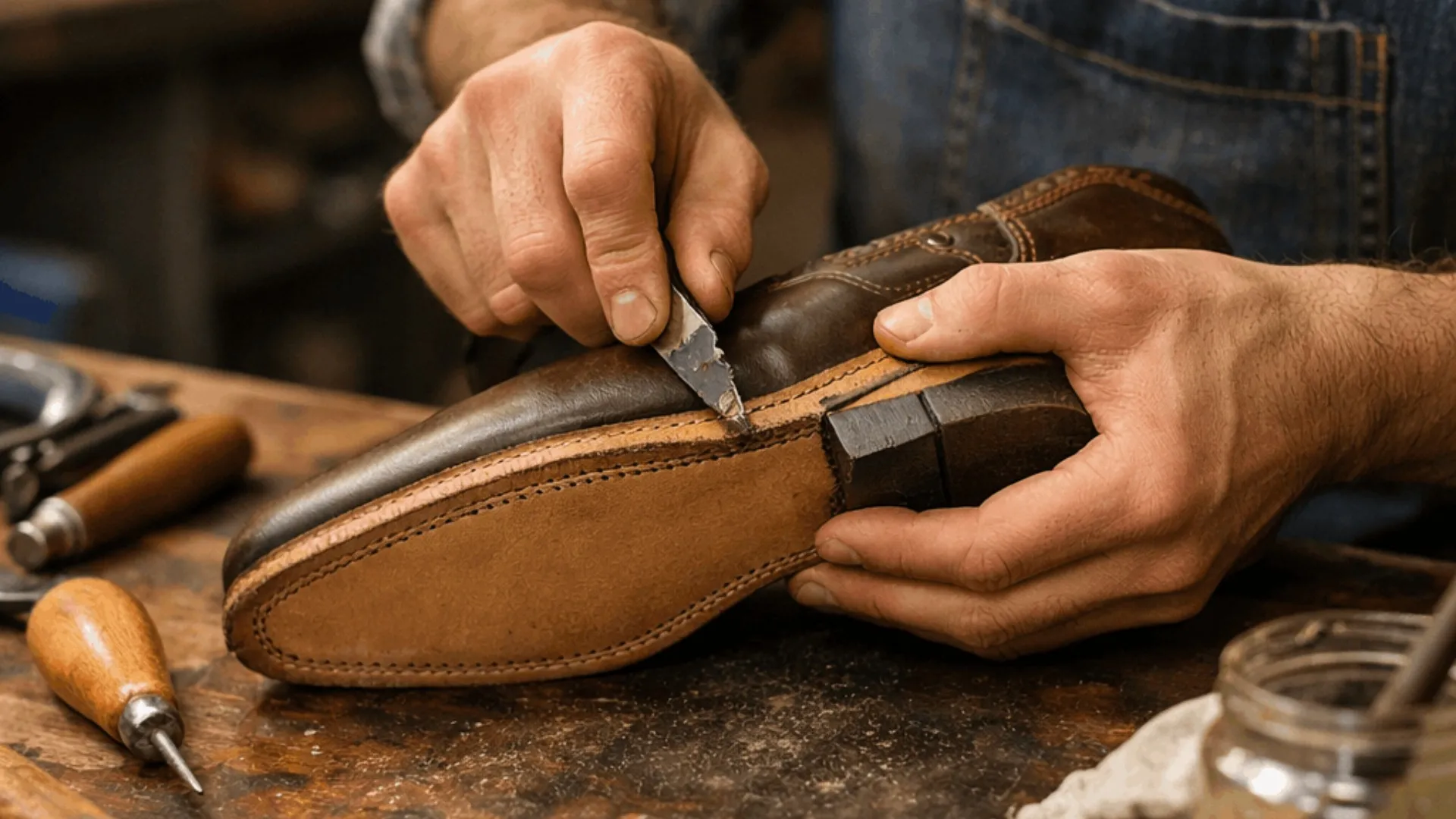
Worn-down shoe soles or open seams: a professional cobbler is the only appropriate option. Attempting repairs at home risks further structural damage.
Damaged bag handles, worn straps, or open seams on a bag: professional leather repair is required. Incorrect adhesive or stitching technique affects both appearance and durability.
Unidentified or persistent stains — particularly ink, paint, and old oil: professional cleaning is the only reliable solution.
Correct Storage: The Foundation of Long-Term Condition
How leather accessories are stored is as important as how they are cleaned. The best care routine in the world is undermined by poor storage.
Shoe storage: Shoes are best stored on open shelving or in breathable shoe bags rather than boxes. Boxes restrict air circulation and allow moisture to build up over time. Shoe trees are essential for maintaining shape. Shoes should not touch each other — contact points cause pressure marks and surface distortion.
Bag storage: Bags should be stored upright or stuffed into shape rather than hung or left empty. A leather bag stored empty for a long period gradually loses its form. Soft paper or cloth stuffing maintains the shape. Bags should be kept in breathable cloth storage bags — never plastic.
General rules for both: The shared principles of good storage are consistent across both accessory types: cool and dry environment, protection from direct sunlight, adequate air circulation, and the use of natural moisture absorbers — cedar balls or silica gel packets — to keep humidity in check.
Dry Anka: Professional Leather Accessory Care Across Istanbul's Anatolian Side
For professional leather shoe and bag cleaning in Kadıköy, Çekmeköy, Tuzla, Küçükyalı, and Fikirtepe, Dry Anka's specialist team provides door-to-door collection and delivery across the Anatolian Side.
Once you book an appointment, your accessories are collected from your address at the agreed time. At collection, the leather type, existing stains, and surface condition are assessed and the appropriate treatment method is confirmed. After cleaning and care, your accessories are carefully packaged and returned to your door.
Conclusion: A Leather Accessory's Lifespan Is Built Through Care
Leather shoes and bags, in the right hands and under the right conditions, are investments that can last a lifetime. But that lifespan does not come automatically — it is earned through consistent, informed care.
To summarise what is safe at home: regular surface cleaning, correct and prompt stain treatment, seasonal conditioning, and appropriate storage. These are simple steps with a significant long-term impact.
What to avoid at all costs: full submersion in water, heat sources for drying, alcohol and solvent-based products, standard detergent, direct sunlight exposure, and airtight plastic storage.
Follow both sets of principles consistently and you will have done most of what is needed to keep your leather accessories looking their best for years. When a problem arises that is beyond home treatment, professional care is always the right next step — and the sooner it is sought, the better the outcome.