

Leather Jacket Care: What You Can Do at Home and What You Should Never Try
A leather jacket is one of the most enduring and characterful pieces in any wardrobe. With the right care, it can last for decades — developing a beautiful patina along the way. But a single wrong move — the wrong detergent, too much water, excessive heat, or improper storage — can permanently damage the leather's structure. In this guide, we cover how to care for a leather jacket at home, which steps are safe, which cause irreversible harm, and when professional care is the right call.
Why Leather Is Such a Unique Material
What sets leather apart from other textiles is that it is not a fabric at all — it is processed animal tissue. Natural leather consists of millions of fine fibres and pores. This structure gives leather its characteristic breathability, flexibility, and durability — but it is also the source of its sensitivity.
Leather naturally loses its oils over time. As this happens, the material dries out, stiffens, and begins to crack. Water, chemicals, and excessive heat accelerate this process. On the other hand, regular conditioning and correct storage preserve the leather's suppleness and appearance for years.
Leather jackets on the market fall broadly into three categories. Full grain leather is the highest quality and most durable type — the surface pores are open and this is the category most likely to develop a rich patina over time. Corrected grain leather has had surface imperfections buffed away and is then coated; it is less sensitive to care mistakes but does not last as long as full grain. Faux leather and PU coating contains no animal tissue at all — it is entirely synthetic, and its care requirements differ significantly from genuine leather.
Knowing which category your jacket belongs to is essential for choosing the right products and methods.
What You Can Do at Home: Safe Care Steps
1. Regular Dust and Surface Cleaning
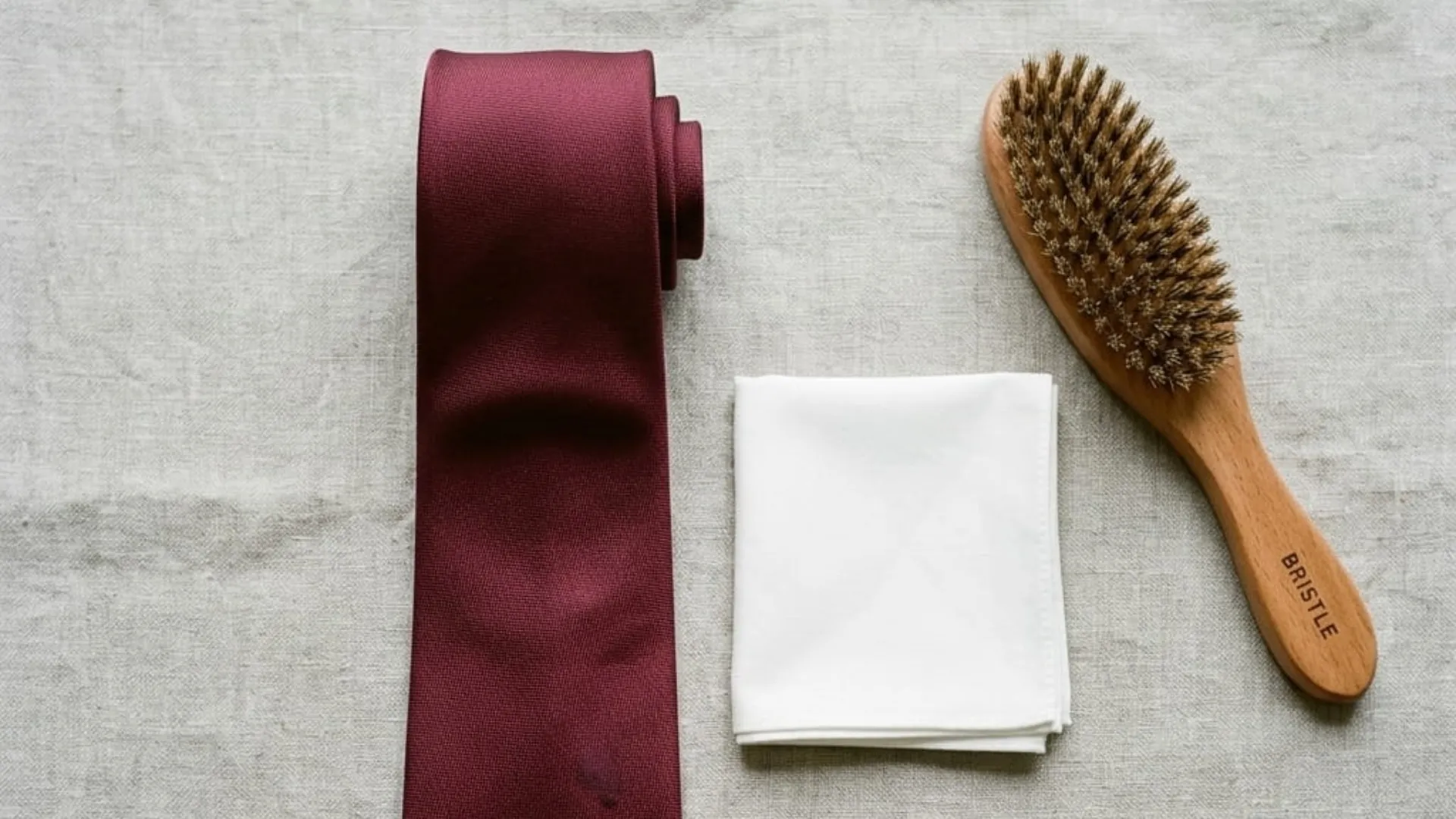
Dust and light surface dirt can be gently removed from a leather jacket with a soft, dry cloth. A microfibre cloth is ideal for this — it does not scratch the surface and lifts dust effectively. This can be done weekly or after each wear, and contributes meaningfully to the jacket's long-term condition.
2. Cleaning Light Stains
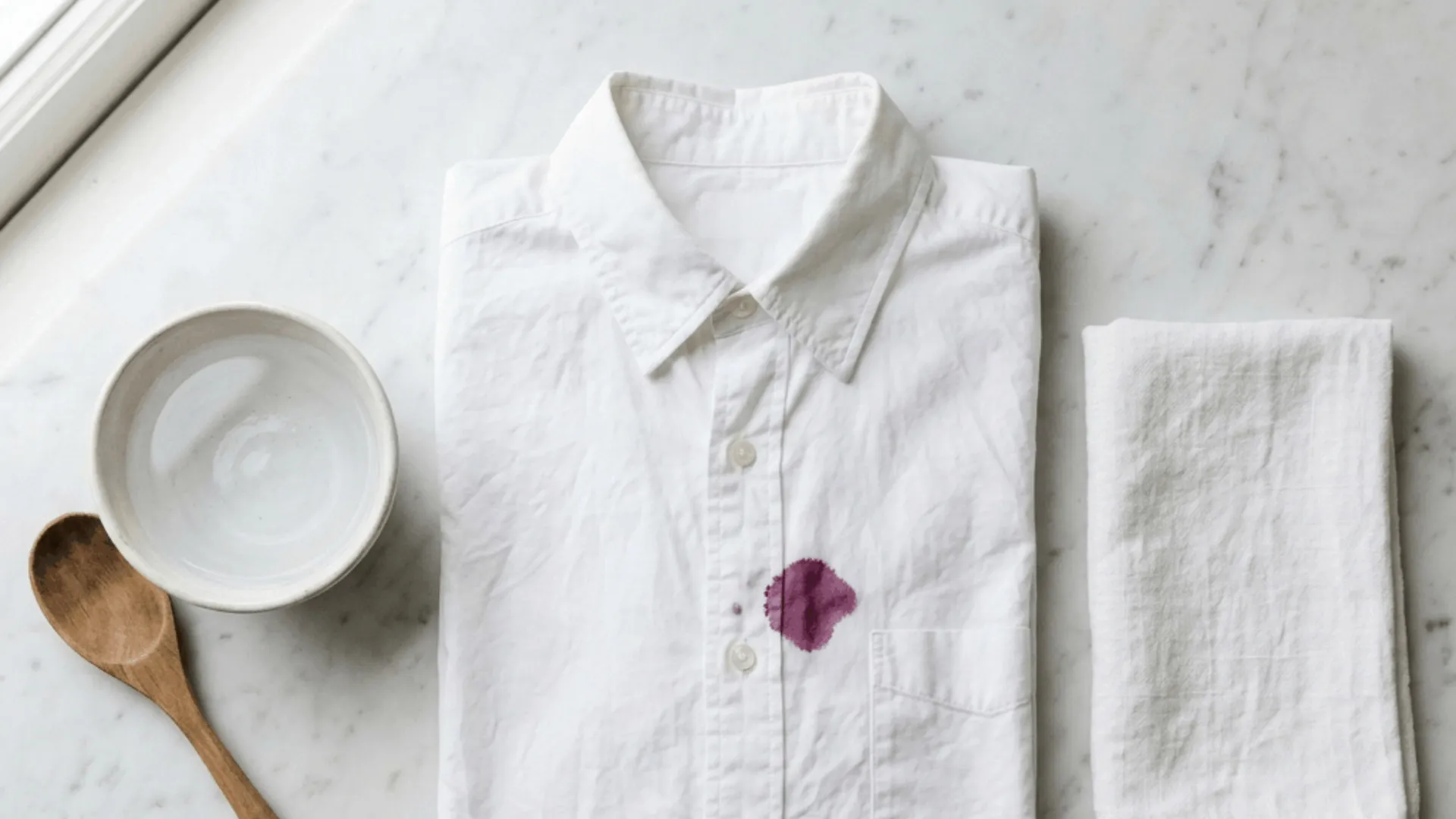
Water-based light marks — rainwater spots or dust residue — can be wiped away with a damp cloth that has been thoroughly wrung out first. Excess water contact is not good for leather. Work in single, gentle strokes rather than circular movements.
For more stubborn surface marks, commercially available leather cleaners can be used. Before applying any product to the main surface, test it on a hidden area — such as inside the collar — and wait a few minutes. If the product causes no colour change or surface dulling, it is safe to proceed.
3. Conditioning
Conditioning is the single most important step in leather care. A leather conditioner or cream feeds the material and restores the natural oils lost through regular use. This should be done at least twice a year — at the start of each season. For frequently worn jackets, conditioning every three months is advisable.
Apply a thin, even layer of conditioner across the entire jacket surface, work it in gently with a soft cloth, and remove any excess with a clean cloth. Allow the jacket to dry naturally for several hours after application. Never apply conditioner near a heat source.
4. Correct Storage
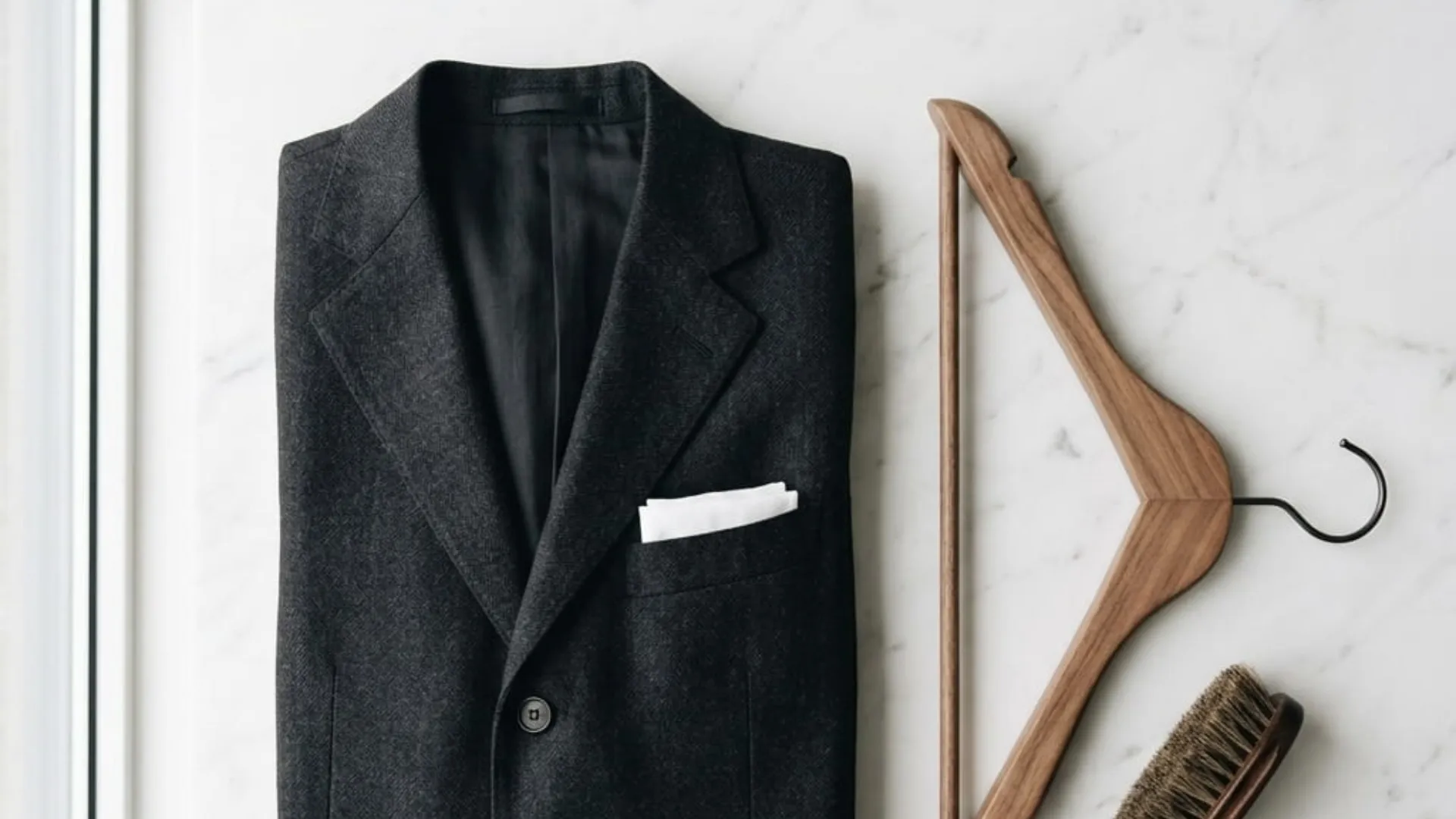
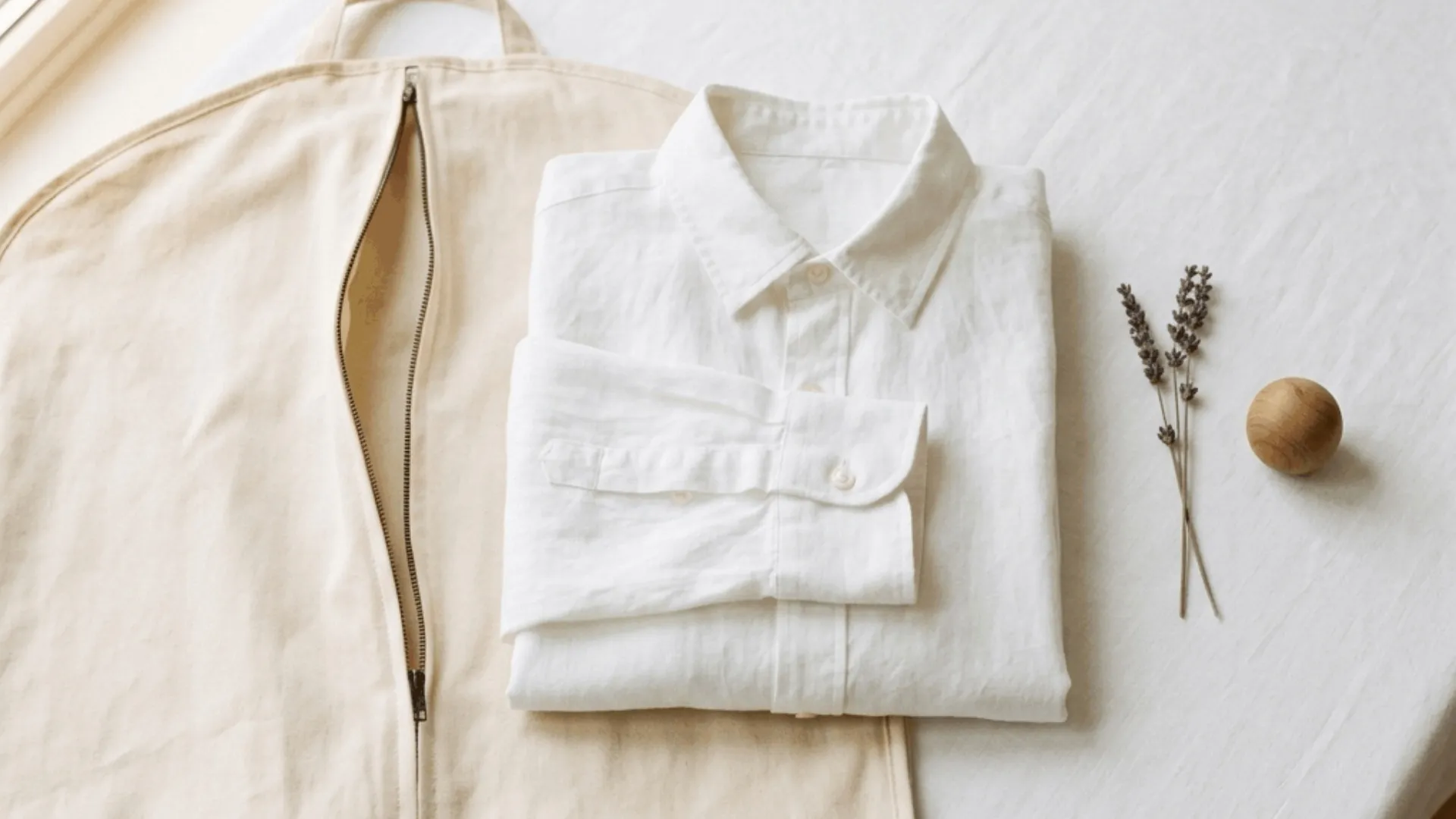
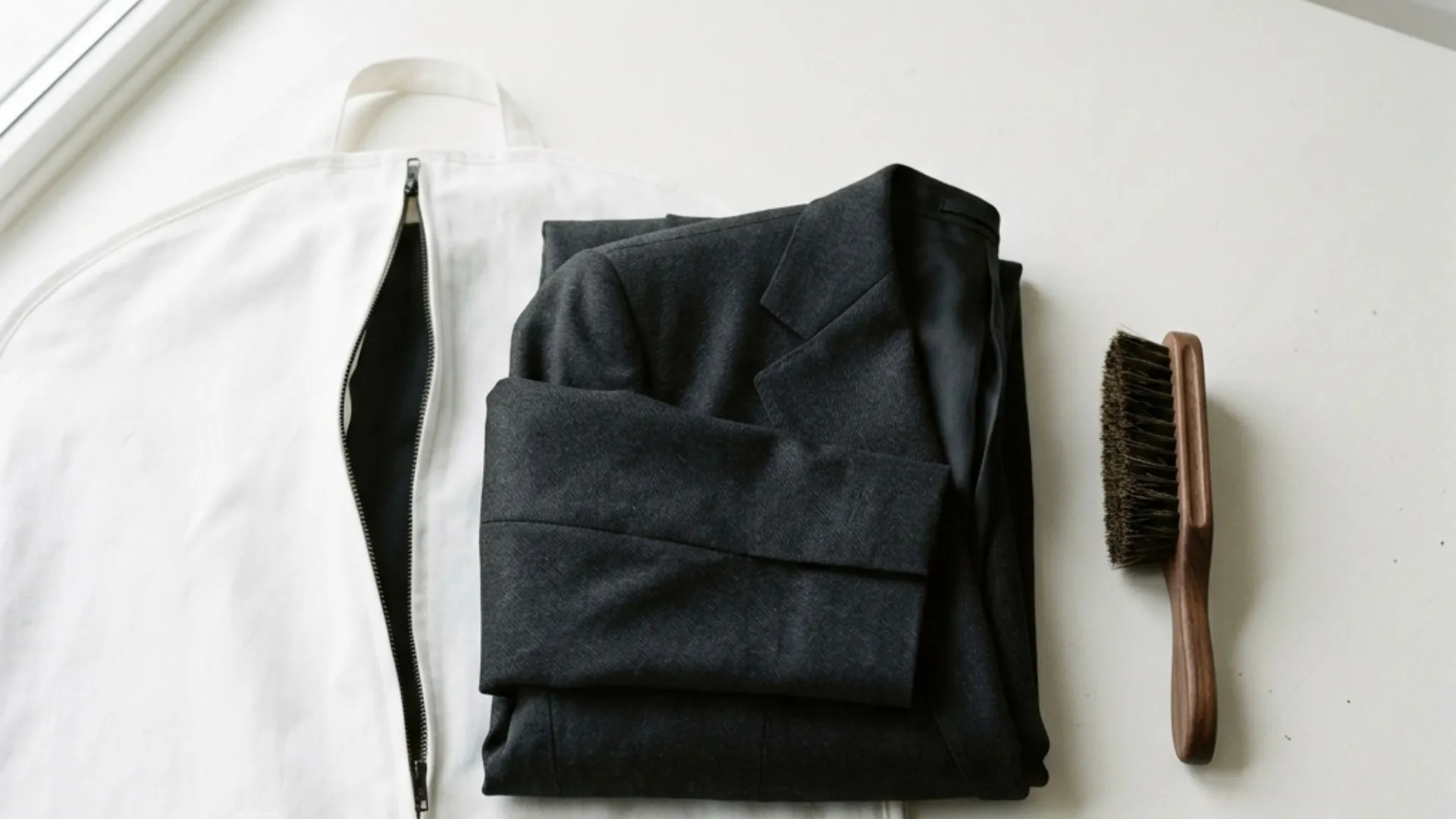
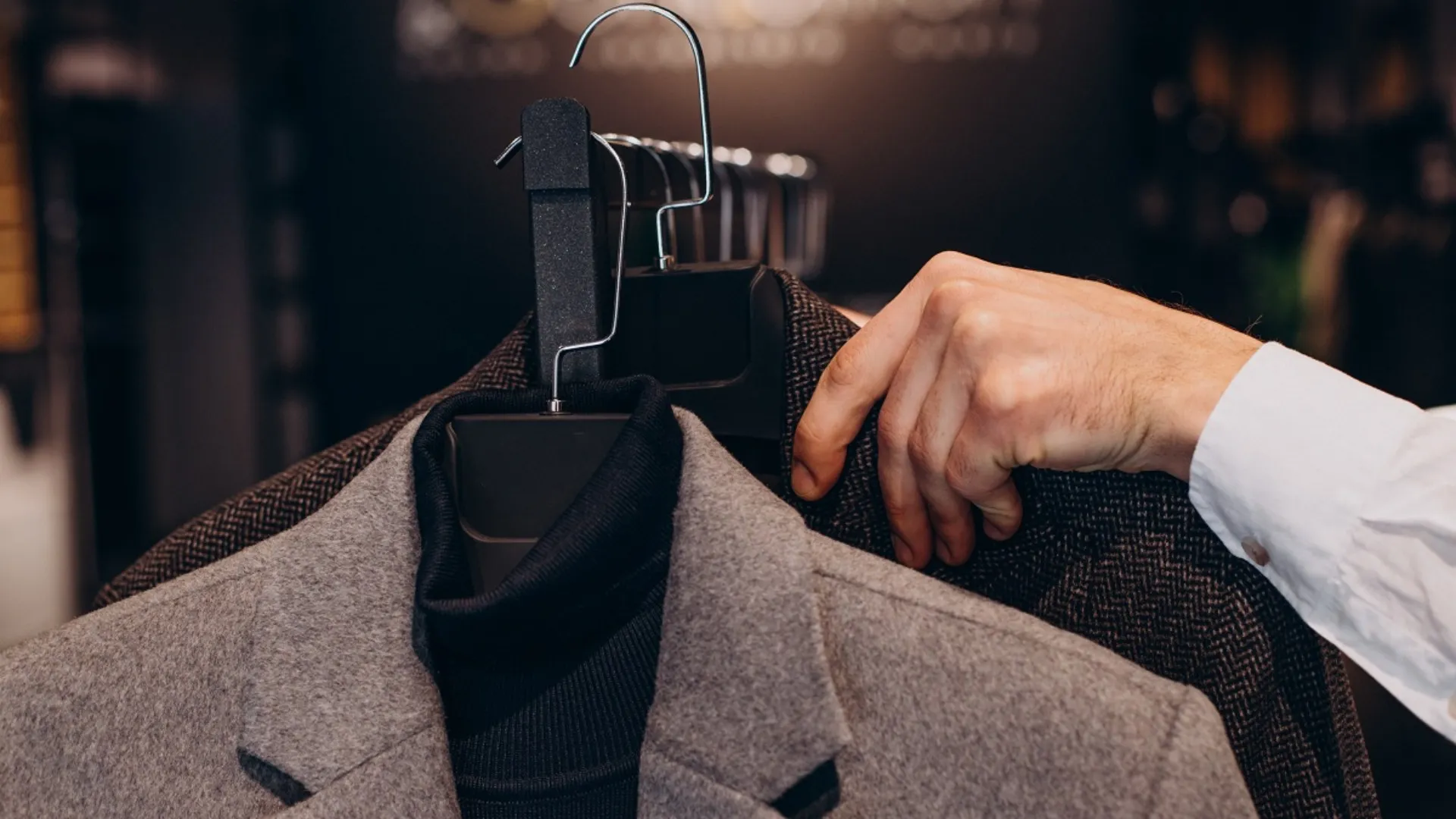
How a leather jacket is stored during periods of non-use directly affects its lifespan. It should be hung on a wide-shouldered hanger — thin wire hangers distort the shoulder line over time. Plastic covers and nylon bags are not suitable for storage; leather needs to breathe, and moisture trapped in a sealed plastic environment leads to mould. Use a breathable cloth or cotton garment bag instead.
The storage environment should be cool, dry, and away from direct sunlight. Prolonged sun exposure fades the colour and dries out the surface.
5. Drying a Wet Jacket Correctly
If the jacket gets caught in the rain, there is no need to panic. Leave it to dry at room temperature in natural airflow — nothing more is required. Once fully dry, apply conditioner to replenish the moisture lost from the leather fibres.
What You Should Never Do
Put It in a Washing Machine
Putting a leather jacket in a washing machine is one of the most damaging things you can do to it. The mechanical tumbling action tears the leather fibres, pulls open seams, and permanently distorts the jacket's shape. Full submersion in water causes the leather to shrink, stiffen, and bleed colour. This damage cannot be undone.
Put It in a Tumble Dryer
High heat is one of the greatest threats to leather. A tumble dryer does not simply dry a wet jacket — it strips the leather of its natural oils entirely, causing the surface to crack and shrink. Without a hanger, the jacket also loses its shape irreversibly.
Use a Hair Dryer
Using a hair dryer to speed up drying after the jacket gets wet causes the same heat damage as a tumble dryer. Leather must always be dried at room temperature in natural airflow — never with a heat source directed at it.
Use Alcohol or Acetone-Based Products
Reaching for alcohol, acetone, or solvent-based products to tackle a stubborn stain will permanently damage the leather's finish and colour. These substances dissolve the surface film of the leather, leaving a dull, discoloured patch where the stain once was.
Use Standard Detergent or Washing-Up Liquid
Standard laundry detergents and washing-up liquids are far too alkaline for leather. Their chemical composition erodes the leather fibres, strips the natural oils, and leads to cracking and surface breakdown over time. Only products specifically formulated for leather should ever be used.
Dry or Store in Direct Sunlight
Sunlight degrades both the colour and the structure of leather. UV rays break down the surface film, fade the colour, and make the leather brittle over time. A wet jacket should always be dried in shade with airflow — never in the sun.
Store in a Plastic Bag or Vacuum-Sealed Packaging
Leather is a breathing material. Kept in an airtight environment over a long period, the moisture that builds up encourages mould growth. Mould stains on leather are extremely difficult to remove and almost always leave a permanent mark.
Care Differences by Leather Type
Not every leather jacket requires the same approach. The type of leather determines the products and methods that are appropriate.
Full grain leather is the least processed and most durable type. Its open pores absorb conditioner well. Regular care allows it to develop a beautiful patina over years. Wax-based or natural oil conditioners work best for this type.
Corrected grain leather has a coated surface that absorbs conditioner more slowly. It tolerates cleaning products better than full grain, but once the coating begins to wear, repair becomes more difficult. Water-based leather cleaners and lightweight conditioners are appropriate here.
Suede and nubuck are entirely different in surface texture from other leather types. Their soft, velvety finish is highly sensitive to water and oils. Standard leather care products must never be used on suede — only suede-specific brushes and protective sprays. Water contact causes staining and surface texture distortion.
Patent leather is distinguished by its high-gloss surface coating. It is relatively easy to clean — a damp cloth is usually sufficient. It does not need conditioning, and the wrong product will dull or scratch the finish.
Faux leather and PU coating is not genuine leather and has different care needs. It can be cleaned with water and mild detergent. However, the surface coating will crack and peel over time — this process can be slowed with care but cannot be prevented entirely. Conditioner is not required or effective on faux leather.
A Seasonal Care Calendar
Keeping a leather jacket in good condition over the long term requires care at regular intervals throughout the year.
Early autumn — starting the season: The jacket is inspected after storage. If there is any sign of mould, odour, or surface dryness, professional care is recommended before wearing. If the jacket is in good condition, apply conditioner and it is ready for the season.
Mid-winter — during heavy use: Light surface cleaning is carried out regularly. Any wet jacket is dried correctly. Conditioner is reapplied if the surface begins to feel dry.
Spring — closing the season: The jacket is cleaned and, if needed, sent for professional care. Once confirmed clean and fully dry, it is stored correctly. This step is the most commonly skipped — and the most important. A jacket stored while dirty continues to deteriorate in a closed environment.
Summer — storage period: The jacket is kept in a cloth garment bag in a cool, dry space. A check during the summer months is recommended for jackets stored for several months at a stretch.
A Stain-by-Stain Guide
The type of stain on a leather jacket determines the correct approach. The wrong technique can make a stain permanent or spread it further.
Water marks: When a wet area dries, it may leave a white or dull ring. Wipe the entire jacket surface lightly and evenly with a damp cloth to blend the mark, then apply conditioner.
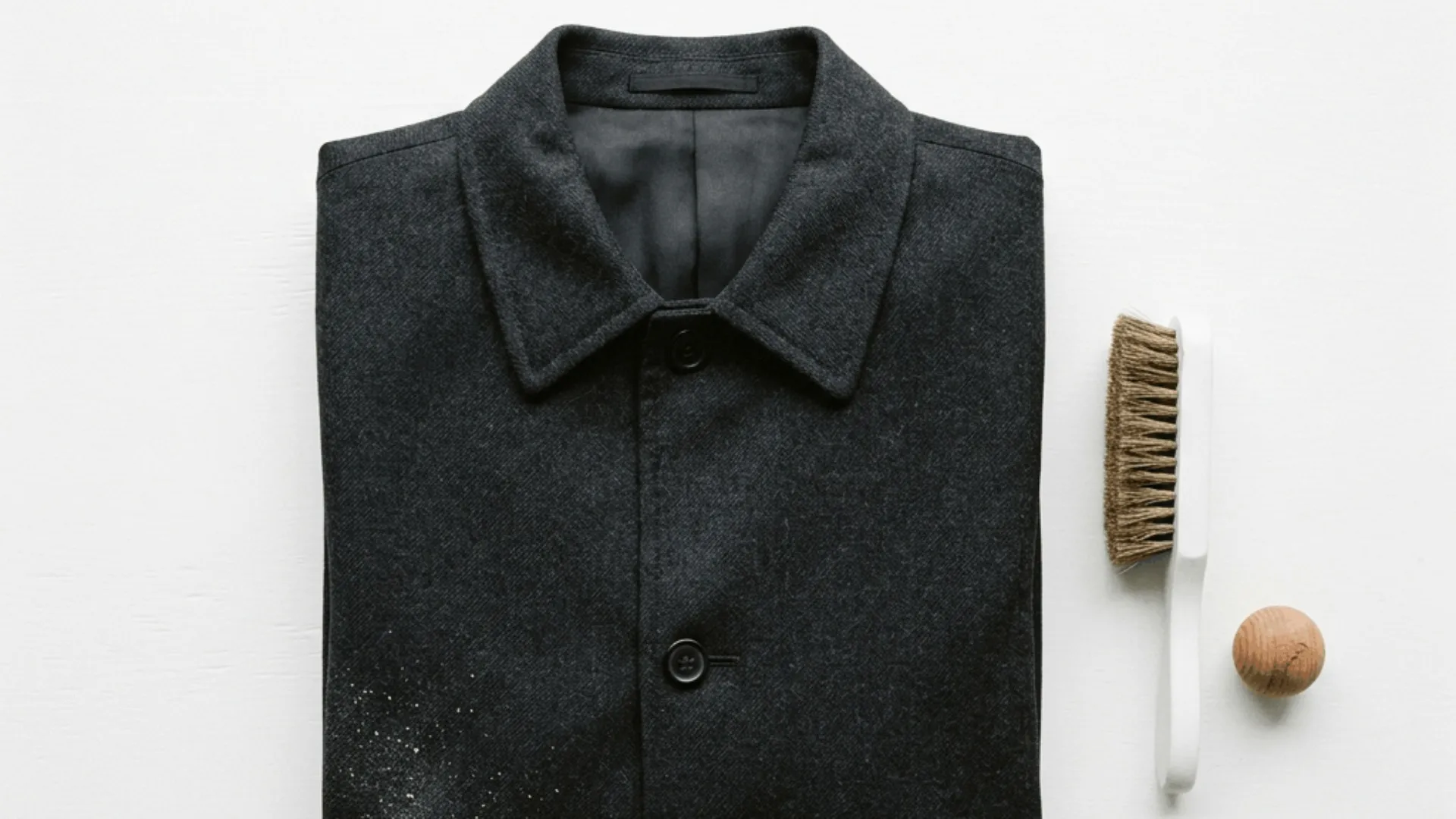
Oil stains: Apply cornstarch or talcum powder to a fresh oil stain and leave it for several hours. The powder absorbs the oil; brush it away gently with a soft brush. Old or set oil stains cannot be removed at home and require professional treatment.
Ink or paint stains: These should not be touched at home. Any attempt with alcohol or solvents will spread the stain and damage the leather surface. Take the jacket directly to a professional cleaner.
Mould: Light surface mould can be addressed with a leather cleaner and a soft cloth. If the mould has penetrated the leather, professional treatment is essential. Never store a mouldy jacket in a sealed bag.
Salt marks: White salt deposits from winter slush or snow can be wiped away with a solution of equal parts water and white vinegar applied gently with a soft cloth. Follow with conditioner once dry.
When Professional Care Is Necessary
Home care is sufficient for a leather jacket's day-to-day maintenance. But certain situations require professional intervention — and recognising them early prevents permanent damage.
If deep cracks or surface separation have developed, home conditioning will not be enough. Professional leather restoration can reverse much of this damage.
Colour fading or localised colour loss requires professional dyeing and surface refinishing. Attempting this at home almost always produces an uneven result that is difficult to correct.
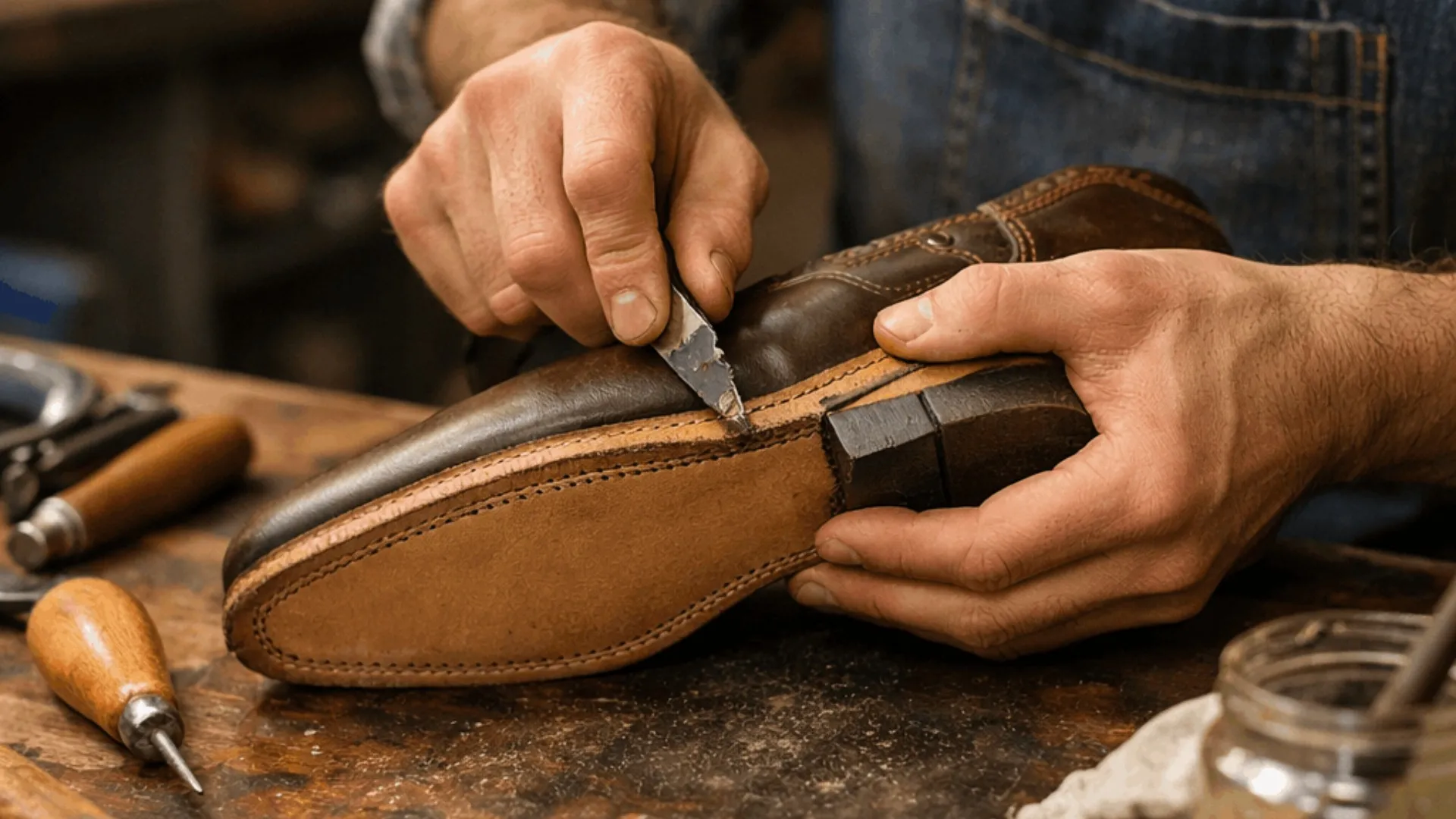
Open seams, a worn lining, or a broken zip require tailoring. Leather seams cannot be repaired with a standard sewing machine — specialist needles and technique are required.
A jacket that has gone without care for a long time — stiff, dull, and noticeably dry across the entire surface — needs professional deep conditioning treatment.
Finally, for any stain that cannot be identified or removed at home — particularly ink, paint, and old oil stains — professional dry cleaning is the only reliable option.
Dry Anka: Door-to-Door Leather Jacket Care on Istanbul's Anatolian Side
If you live in Kadıköy, Çekmeköy, Tuzla, Küçükyalı, or Fikirtepe, Dry Anka offers professional leather jacket dry cleaning with door-to-door collection and delivery.
Once you book an appointment, your jacket is collected from your address at the agreed time. At collection, the leather type, existing stains, and surface condition are assessed and the appropriate treatment method is confirmed. After cleaning, the jacket is returned in protective packaging to prevent any damage in transit.
If your jacket needs more than cleaning — open seams, a worn lining, or a damaged zip — Dry Anka's tailoring service can handle those repairs as part of the same process.
Conclusion: A Leather Jacket's Lifespan Is Built Through Care
A leather jacket, in the right hands and under the right conditions, is a piece that can last a lifetime. But that lifespan does not happen on its own — it is earned through consistent, informed care.
To summarise what is safe at home: regular dust removal, gentle treatment of light stains, seasonal conditioning, and correct storage. These are simple steps with a significant long-term impact.
What to avoid at all costs: washing machines, tumble dryers, alcohol and solvent-based products, standard detergent, direct sunlight exposure, and airtight plastic storage.
Follow both lists consistently and you will have done most of what is needed to keep your leather jacket looking its best for years. When a problem arises that is beyond home treatment, do not delay professional care — early intervention is always less costly and prevents damage from becoming permanent.