

What Is the Difference Between Dry Cleaning and Regular Washing?
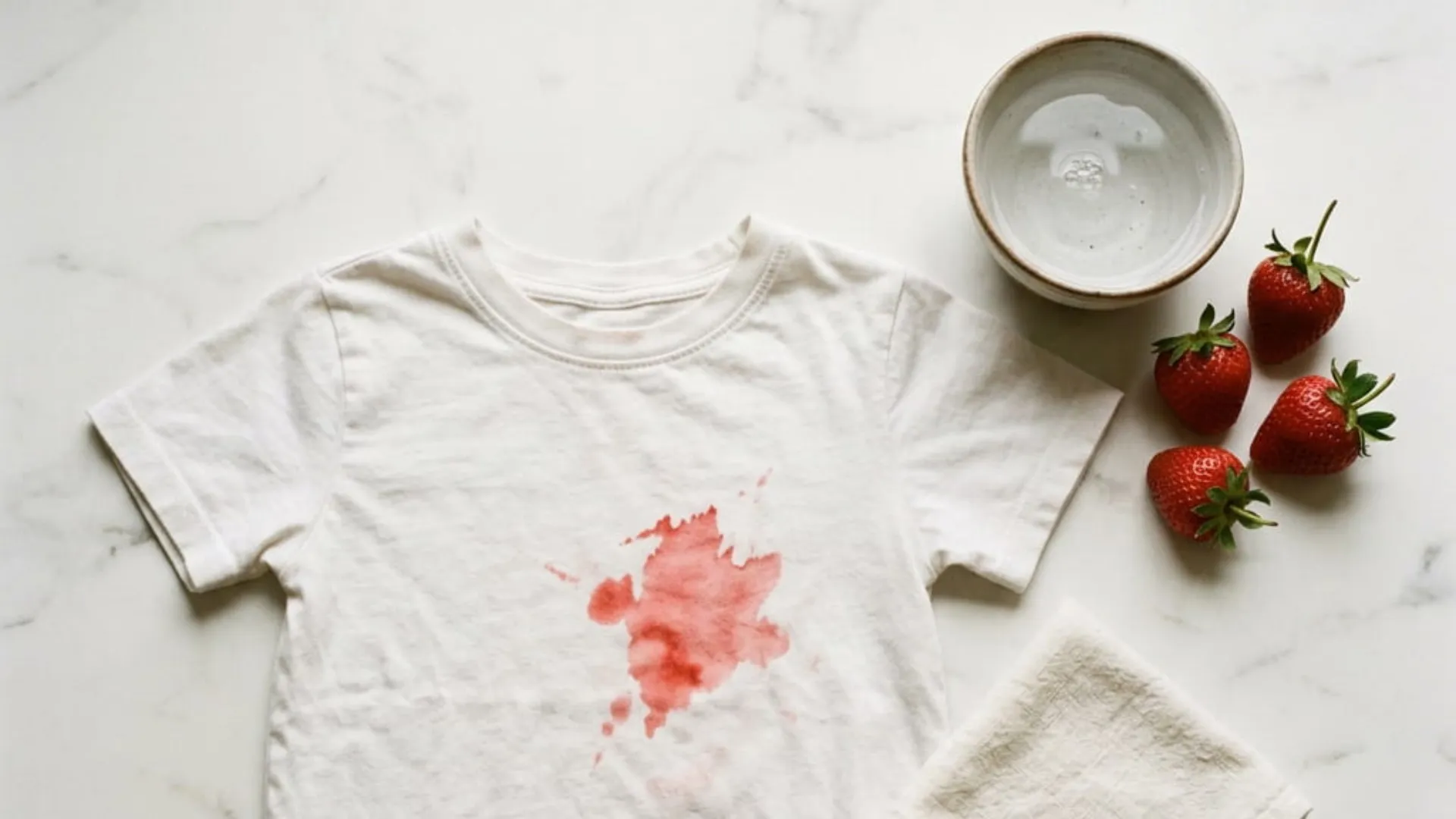
When you check the label on a garment and see "dry clean only", what do you do? Many people ignore the instruction and put the item in the washing machine anyway. In the short term, nothing visible may happen — but over time, this decision quietly damages the garment's structure, colour, and lifespan.
The difference between dry cleaning and regular washing is not simply a matter of following a label. The two methods are based on fundamentally different chemical and physical processes, and they produce very different results on different fabric types. In this guide, we explain how each method works, which fabrics require which approach, the risks of making the wrong choice, and when professional care is the only sensible option.
What Is Regular Washing and How Does It Work?
Regular washing — whether by hand or machine — relies on the solvent properties of water. Detergent combines with water molecules to lift oils, sweat, dirt, and other contaminants away from fabric fibres. In a washing machine, this process is supported by mechanical agitation; garments tumble against each other and the drum wall, helping loosen and remove soiling.
This method is highly effective for water-resistant fabrics such as cotton, linen, polyester, and nylon. Detergent formulas are designed to deliver a deep clean on these fibres without causing structural damage.
However, regular washing is not appropriate for every fabric. Water molecules penetrate certain fibres in ways that cause them to swell, shrink, or break down. Mechanical agitation tears delicate weaves and snaps fine threads. High temperatures cause some dyes to bleed and some fibres to deform permanently.
What Is Dry Cleaning and How Does It Work?
Despite its name, dry cleaning is not entirely dry. The "dry" refers to the absence of water — chemical solvents are used instead. These solvents dissolve dirt and oils away from fibres in much the same way water does, but without penetrating the fibre structure the way water would.
In a professional dry cleaning process, the garment is placed in a specialist machine. A chemical solvent is cycled through the garment in a closed-loop system; the soiling is carried away with the solvent. After cleaning, the solvent is recovered through the machine's filtration system and the garment is dried under controlled conditions.
The most widely used solvent in dry cleaning is perchloroethylene (PERC). Environmentally friendlier alternatives are increasingly common — hydrocarbon-based solvents and liquid carbon dioxide cleaning are among the leading options. Professional dry cleaning facilities apply different processing protocols depending on the solvent used.
The Key Differences Between the Two Methods
Placing the two methods side by side, the differences become clear across several critical dimensions.
Solvent used: Regular washing uses water and detergent. Dry cleaning uses chemical solvents. This single difference is what makes the two methods produce such different results on the same fabrics.
Mechanical action: A standard washing machine cycle applies significant mechanical load to a garment. Dry cleaning machines operate with far gentler movement; the physical stress on the fabric is minimal.
Temperature: Regular washing operates between 30 and 90 degrees depending on the programme selected. Dry cleaning takes place at low, controlled temperatures — the risk of heat damage is effectively eliminated.
Cleaning depth by soil type: Regular washing excels at water-soluble soiling — sweat, mud, food residue. Dry cleaning is significantly more effective on oil-based soiling — grease, cosmetics, mineral oil, and body oils that have set into the fibre.
Fabric safety: Water-resistant fabrics are well suited to regular washing. Sensitive, structured, or specially finished fabrics require dry cleaning as the only safe option.
Cost: Regular washing at home is low cost. Dry cleaning requires professional equipment and expertise and carries a higher cost per item — but when applied to the right garments, it extends their lifespan significantly and recovers its cost over time.
Which Fabrics Require Dry Cleaning?
The answer is written on the care label — but reading it correctly matters. As a general rule, the following fabrics either require or strongly benefit from dry cleaning.
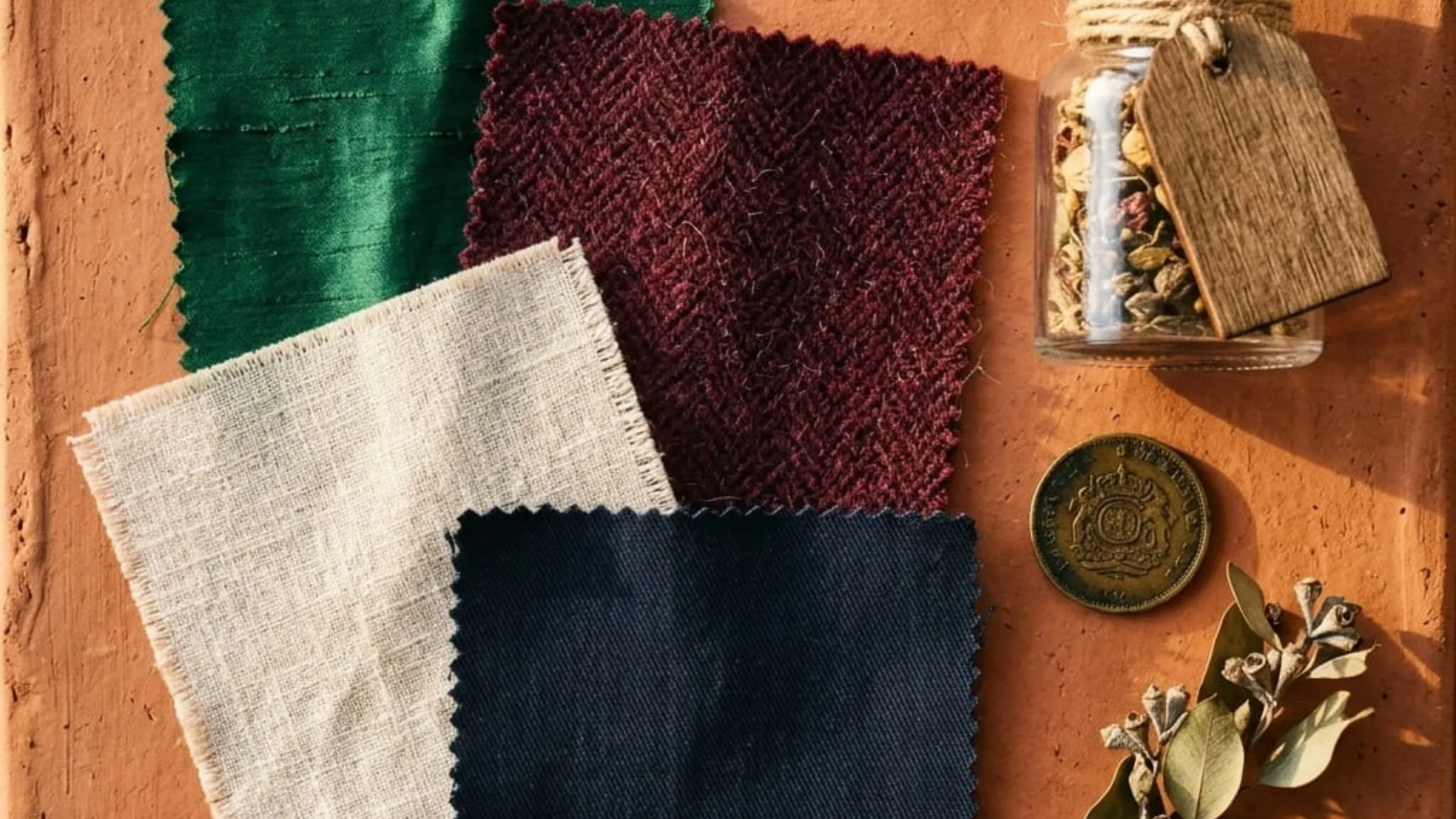
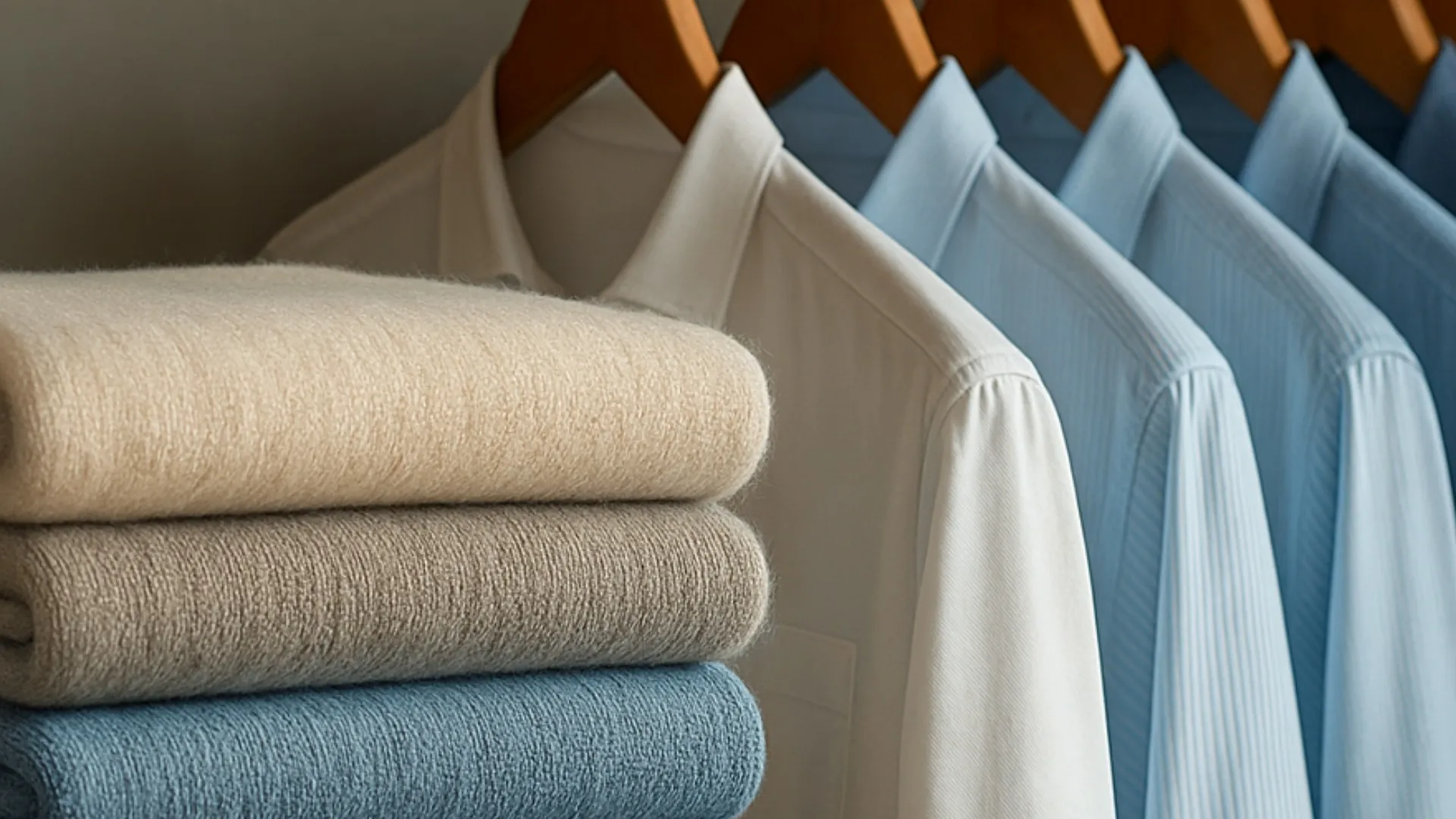
Wool: Water causes wool fibres to interlock and shrink. A wool jumper or coat washed in a machine can come out several sizes smaller and permanently stiffened. Dry cleaning cleans wool thoroughly without triggering this reaction.
Cashmere: Cashmere is even more sensitive than wool. Water causes the fibres to mat together and the characteristic softness is permanently lost. Dry cleaning is almost always essential for cashmere garments.
Silk: Silk can watermark, bleed colour, and stiffen when washed with water. The vast majority of silk garments require dry cleaning.
Velvet: Velvet's distinctive pile is crushed by water washing and retains permanent pressure marks once flattened. Velvet garments and accessories should always be dry cleaned.
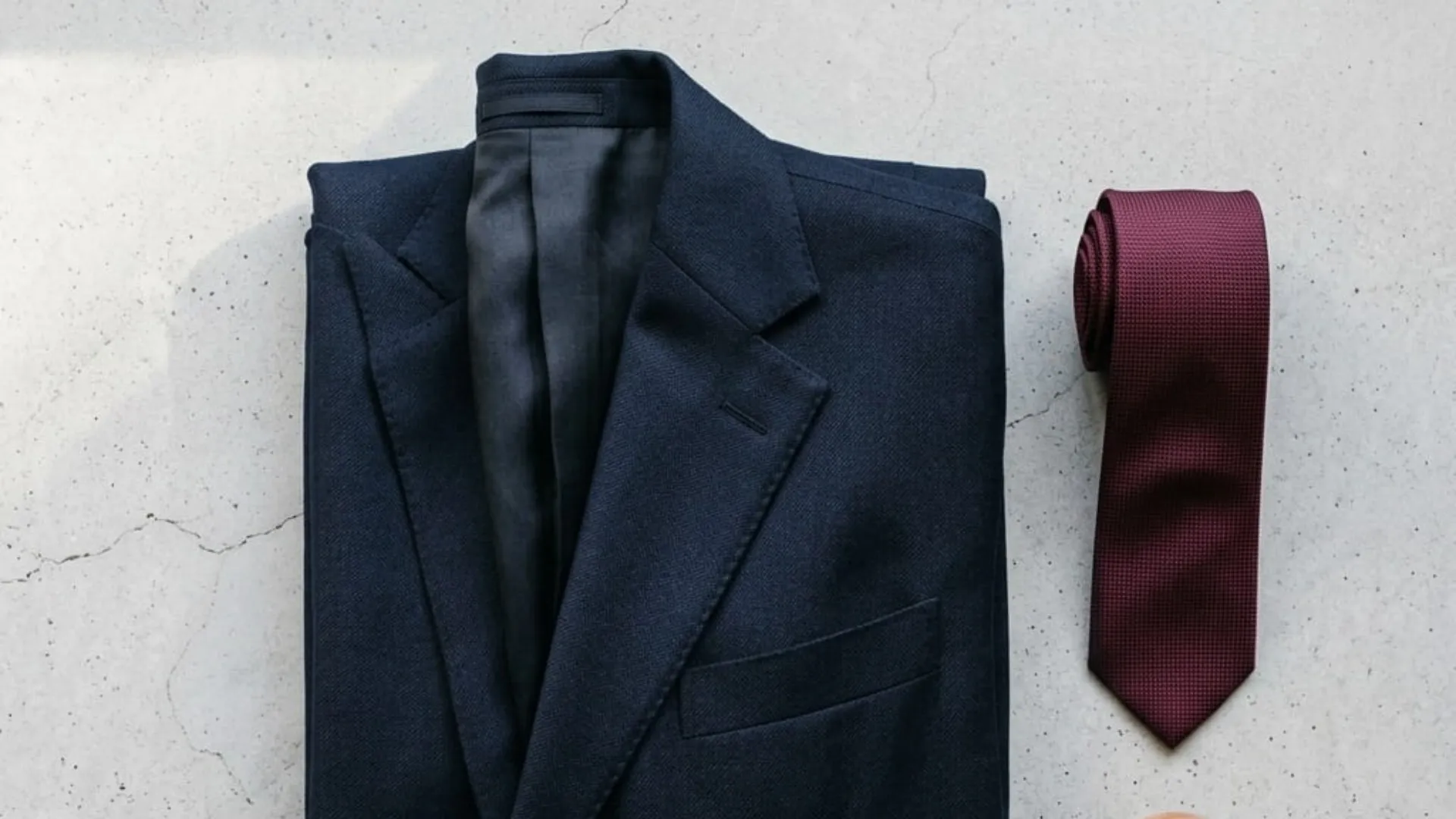
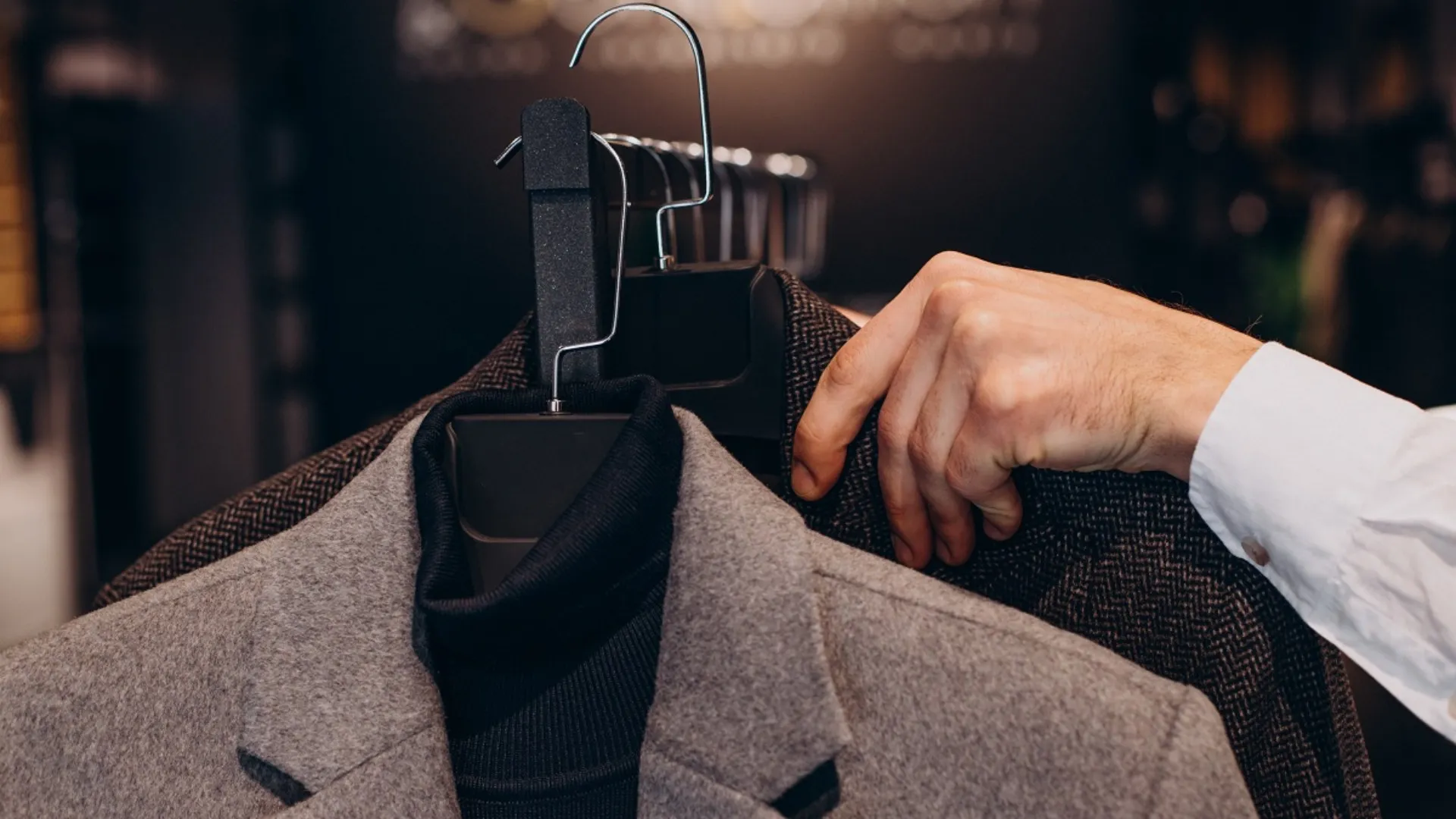
Structured garments with lining: Suit jackets, blazers, and lined coats lose their shape in water. The outer fabric and lining shrink at different rates, permanently distorting the garment's silhouette and shoulder line.
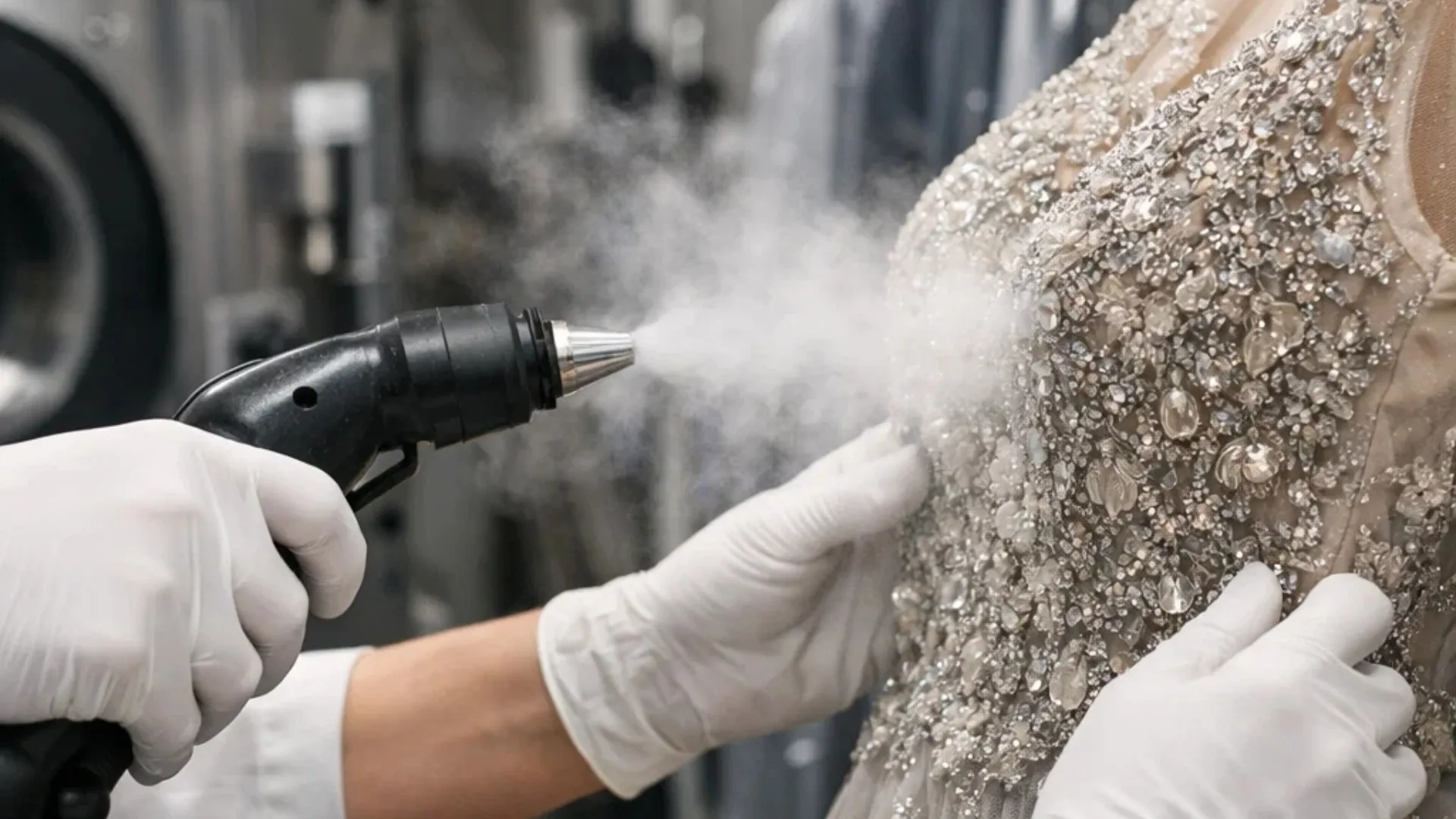
Beaded, sequined, or embroidered pieces: These details are not water-resistant. Machine washing causes embellishments to detach, distort, or damage the underlying fabric.
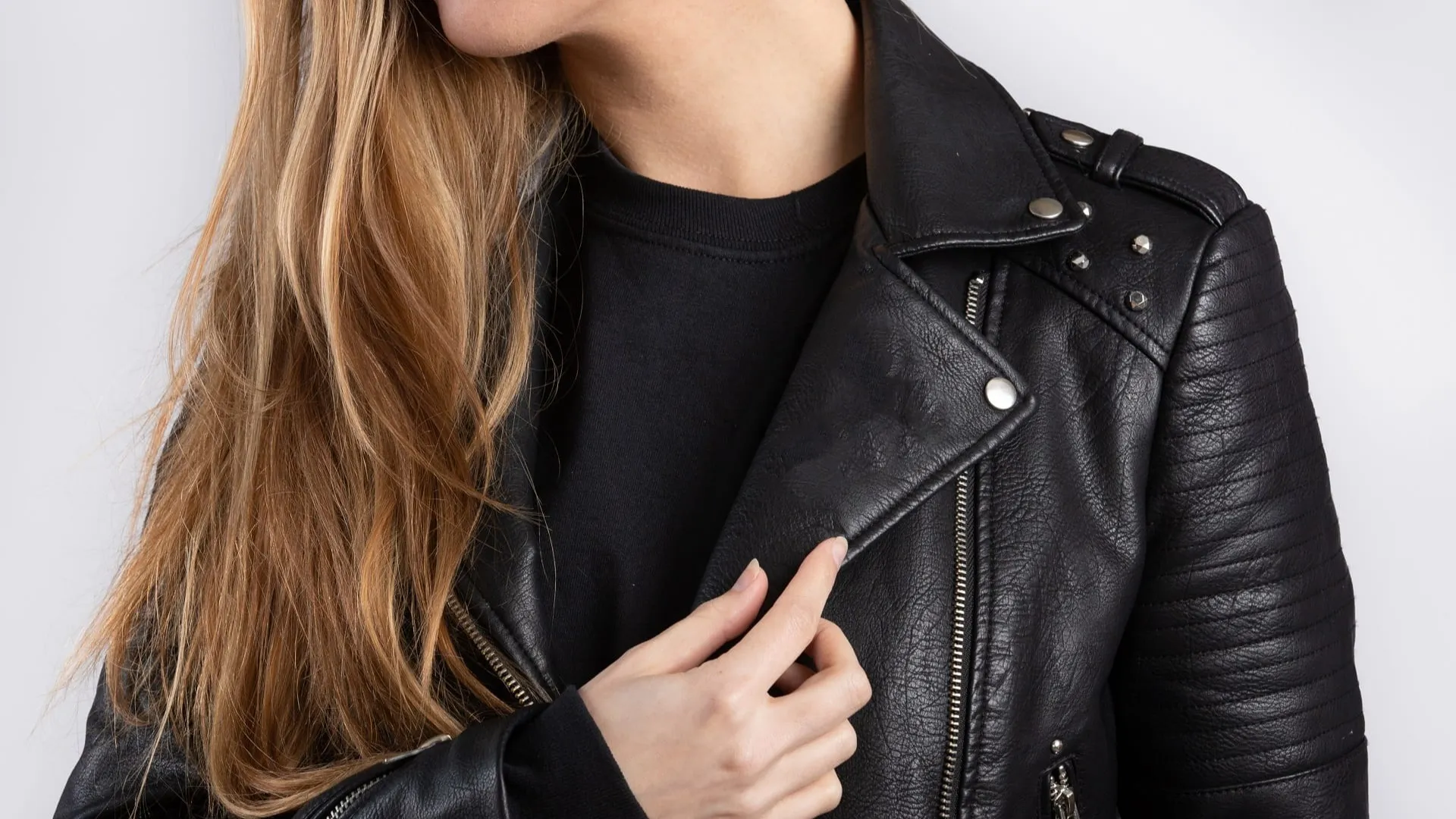
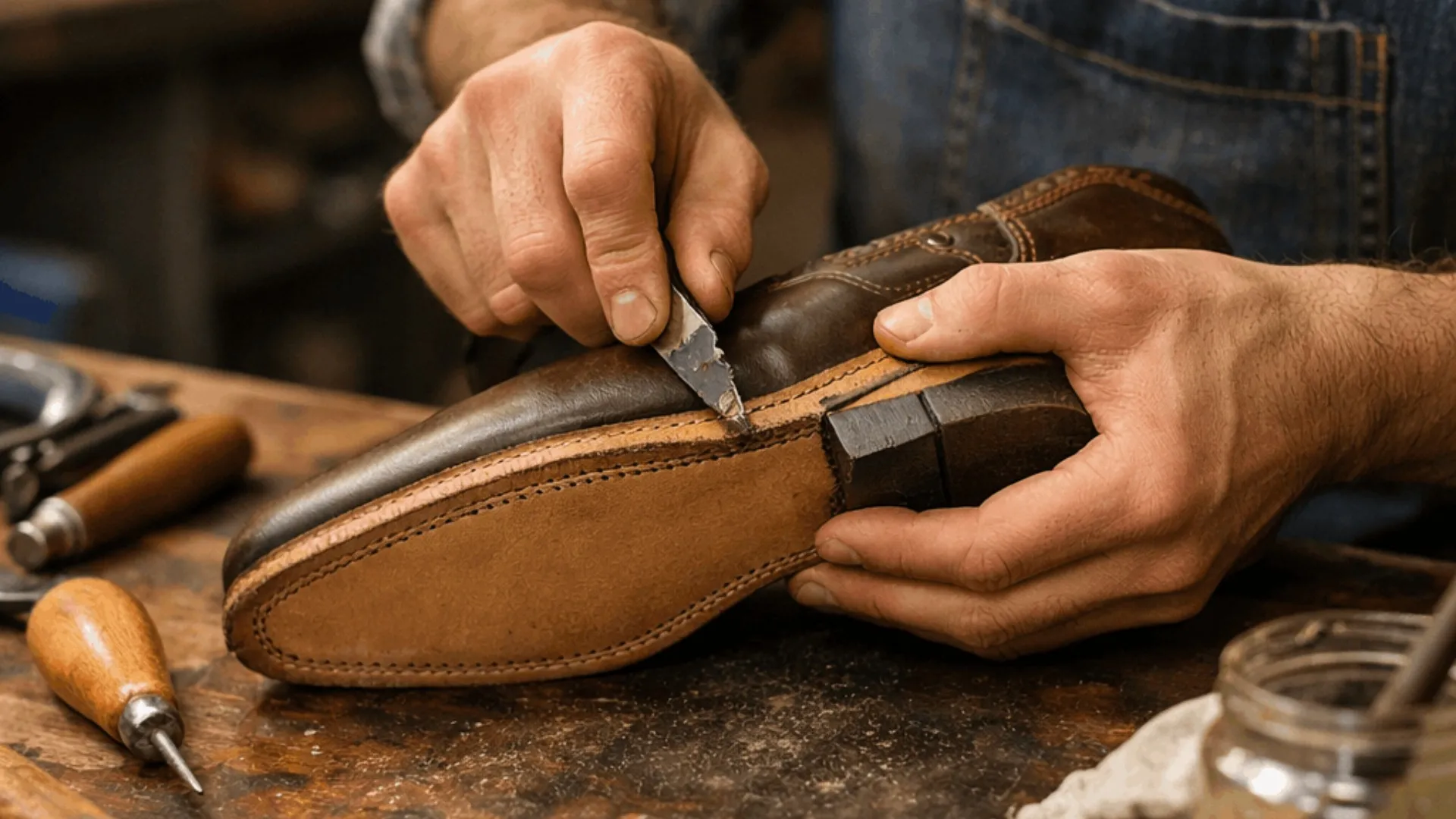
Leather and suede: Water damages leather fibres and destroys suede's surface texture. Both materials require dry cleaning.
Which Fabrics Are Suitable for Regular Washing?
Cotton: Highly water-resistant. Can be washed at higher temperatures and tumble dried. For coloured cotton, 30–40 degrees is preferable to prevent colour loss.
Linen: Similar durability to cotton. Can be washed in cool or warm water. Some shrinkage may occur in a tumble dryer — flat drying is preferable.
Polyester: A durable synthetic fibre. Can be washed in cool or warm water. High heat should be avoided as polyester can deform at elevated temperatures.
Nylon: Similar properties to polyester. Cold water on a gentle cycle is appropriate.
Denim: A robust fabric. Washing inside out in cold water preserves the colour for longer.
Microfibre: Cold water on a gentle cycle. Fabric softener should be avoided — it clogs the fibres and reduces their absorbent properties.
Reading the Label Correctly: A Care Symbol Guide
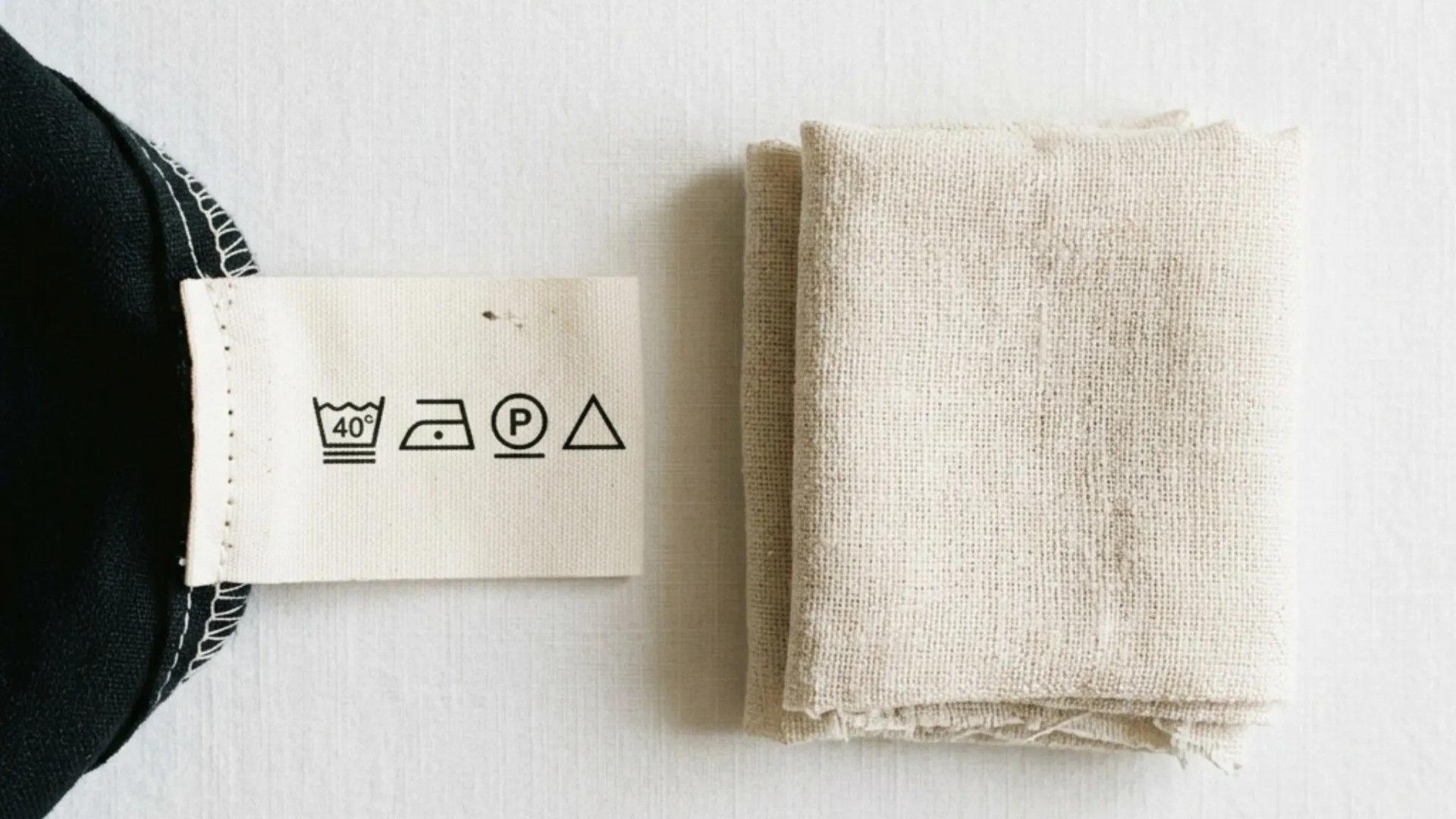
The symbols on a garment's care label show the manufacturer's recommended care method based on testing of that specific fabric and construction. Reading these correctly prevents the vast majority of washing mistakes.
The washtub symbol represents regular washing. The number inside indicates the maximum wash temperature — a label showing 30 means wash at no more than 30 degrees. A hand inside the washtub means hand wash only; an X over the washtub means no wet washing of any kind.
The circle symbol represents dry cleaning. The letter inside the circle specifies which chemical solvents may be used. An X over the circle means dry cleaning is also not permitted — a rare instruction.
The triangle symbol relates to bleaching. An empty triangle permits all bleach types; a striped triangle permits only oxygen-based bleach; a crossed triangle means no bleach under any circumstances.
The square symbol indicates drying method. A circle inside the square means tumble drying is permitted; lines inside the square indicate flat or line drying is required.
The iron symbol shows ironing permission and the maximum safe temperature. More dots on the symbol indicate a higher permitted temperature.
The Risks of the Wrong Washing Decision
Washing a garment by the wrong method frequently causes irreversible damage. Some of this damage appears immediately; some accumulates quietly over time.
Shrinkage and shape distortion: Wool, cashmere, and certain silk garments shrink when their fibres lock together in warm water. This change is permanent — a shrunken jumper will not return to its original size. Cold water reduces but does not eliminate this risk for sensitive fabrics.
Colour bleeding and fading: Some dyes are not water-resistant. Colour can fade on the garment's own surface and bleed onto other items in the same wash. The risk is particularly high with dark-coloured silk and velvet.
Structural breakdown: In lined garments, the outer fabric and lining shrink at different rates. This causes the jacket or coat to buckle, wave at the front, and lose its silhouette permanently. Tailoring cannot fully correct this kind of structural damage once it has occurred.
Texture loss: The surfaces of velvet, shantung, and other specially woven fabrics are permanently altered by water washing. Velvet's pile is crushed flat; shantung's irregular texture dulls. These changes cannot be reversed even by dry cleaning after the fact.
Water and detergent marks: In an apparent paradox, some garments come out of a wash with more visible marks than they went in with. Mineral deposits and detergent residue in the wash water dry onto the fabric surface. This is especially common on silk and pale, fine-weave fabrics.
Damage to embellishments and hardware: Beads, sequins, embroidery, and metal hardware are not water-resistant. They detach, fade, or deform during washing. Some metal accessories rust when wet and leave permanent stains on the underlying fabric.
The Advantages of Dry Cleaning: Beyond Just Cleaning
Dry cleaning does more than safely clean delicate garments. The professional process offers several additional benefits.
Superior performance on oil-based soiling: Water-based detergents cannot fully dissolve oils. The chemical solvents used in dry cleaning remove oil-based stains — cosmetics, food oils, engine grease, mineral oil — far more effectively than any home wash.
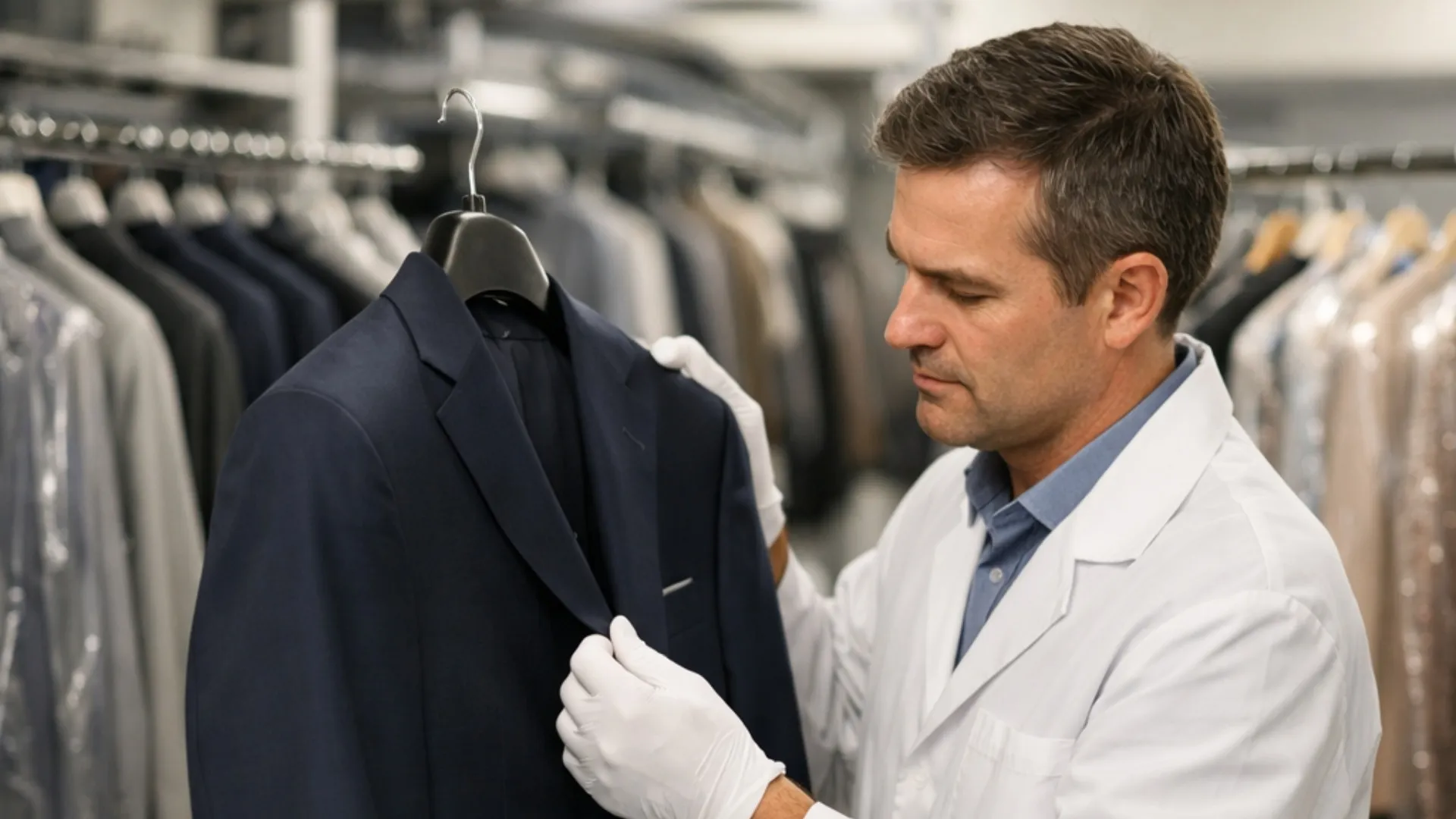
Pre-treatment of stains: Before cleaning begins, each garment is inspected in detail. Stains are identified and pre-treated according to their type. This step is completely absent from home washing, and it is the reason stains that seem minor before a home wash often become permanent after one.
Controlled drying: Professional drying equipment operates with far more precise temperature and humidity control than a home dryer. The garment neither over-dries nor retains residual moisture — both of which damage fabric over time.
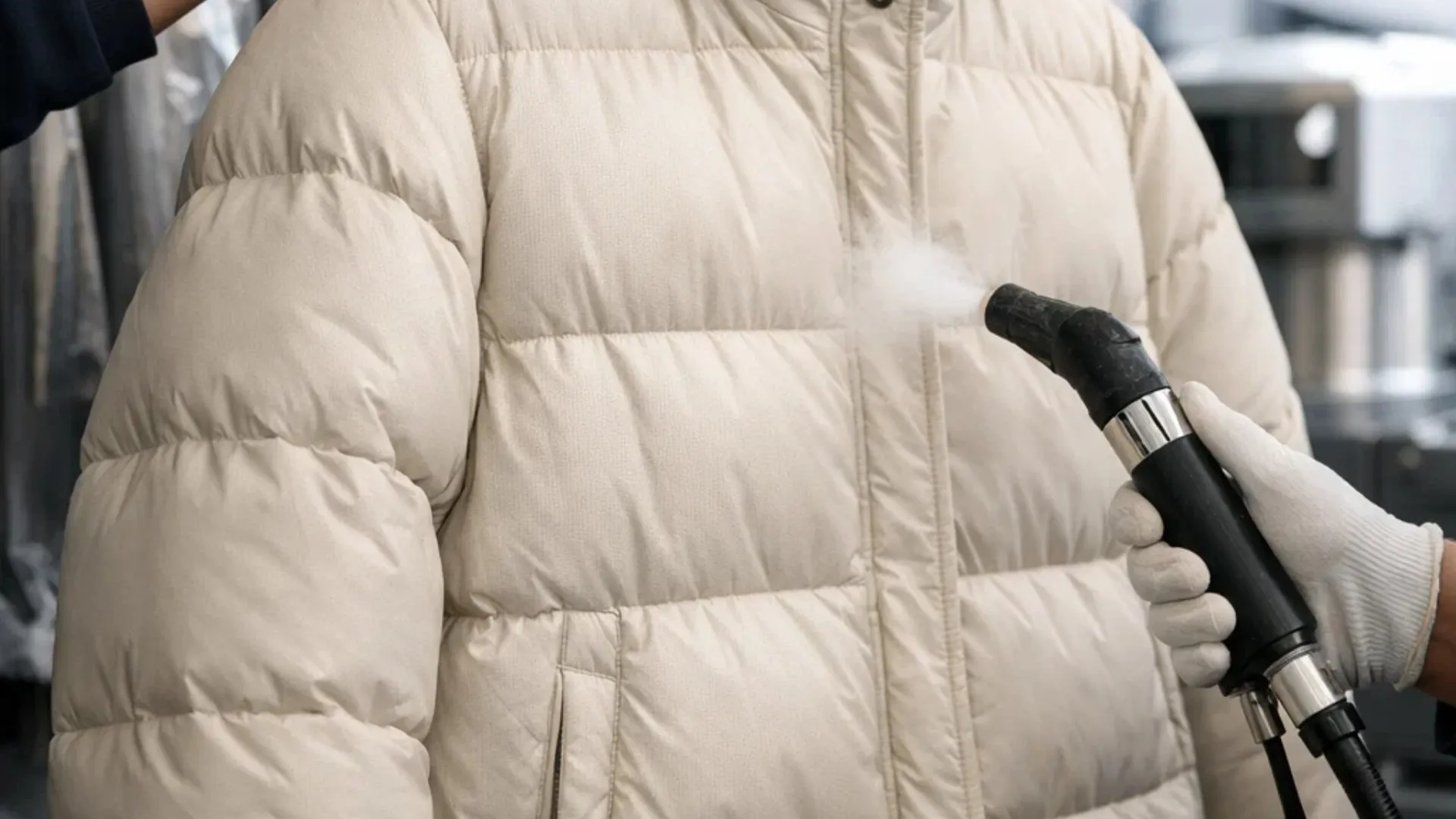
Shape restoration: After dry cleaning, garments are finished using professional steaming equipment that restores their original structure. Suit jackets, coats, and blazers come out properly shaped and ready to wear — not creased and collapsed as they might from a home wash.
Extended garment lifespan: Regular, correct dry cleaning meaningfully extends the life of sensitive garments. A coat that would suffer damage within a few years of incorrect home washing can remain in excellent condition for well over a decade with consistent professional care. Calculated over that lifespan, professional cleaning costs considerably less than early replacement.
Common Misconceptions — and the Reality
"The label says dry clean only, but I've washed it at home and nothing happened."
This may appear true in the short term. But damage accumulates with each wash. Wool and cashmere garments may not show obvious deterioration in the first few washes — but the fibres weaken gradually, the fabric thins over time, and eventually shrinkage or tearing occurs without warning.
"If I use cold water, dry cleaning isn't necessary."
Cold water reduces the risk of washing damage but does not eliminate it. For cashmere, silk, and structured garments, cold water is not a sufficient safeguard. The mechanical cycle and detergent continue to stress these fabrics regardless of water temperature.
"Dry cleaning chemicals damage the fabric."
The solvents used in professional dry cleaning are formulated specifically not to harm fabric fibres. Used correctly, dry cleaning extends a garment's life rather than shortening it. Solvent residue risk is minimised through the drying and airing protocols applied in professional facilities.
"Dry cleaning is only necessary for expensive garments."
The decision to dry clean is based on fabric type, not price. An affordable wool jumper will shrink and deform just as certainly as an expensive one if washed incorrectly. Whatever the garment's value, if the label says dry clean only, that instruction reflects the fabric's physical properties — not the manufacturer's caution.
"If I steam the garment at home, I don't need dry cleaning."
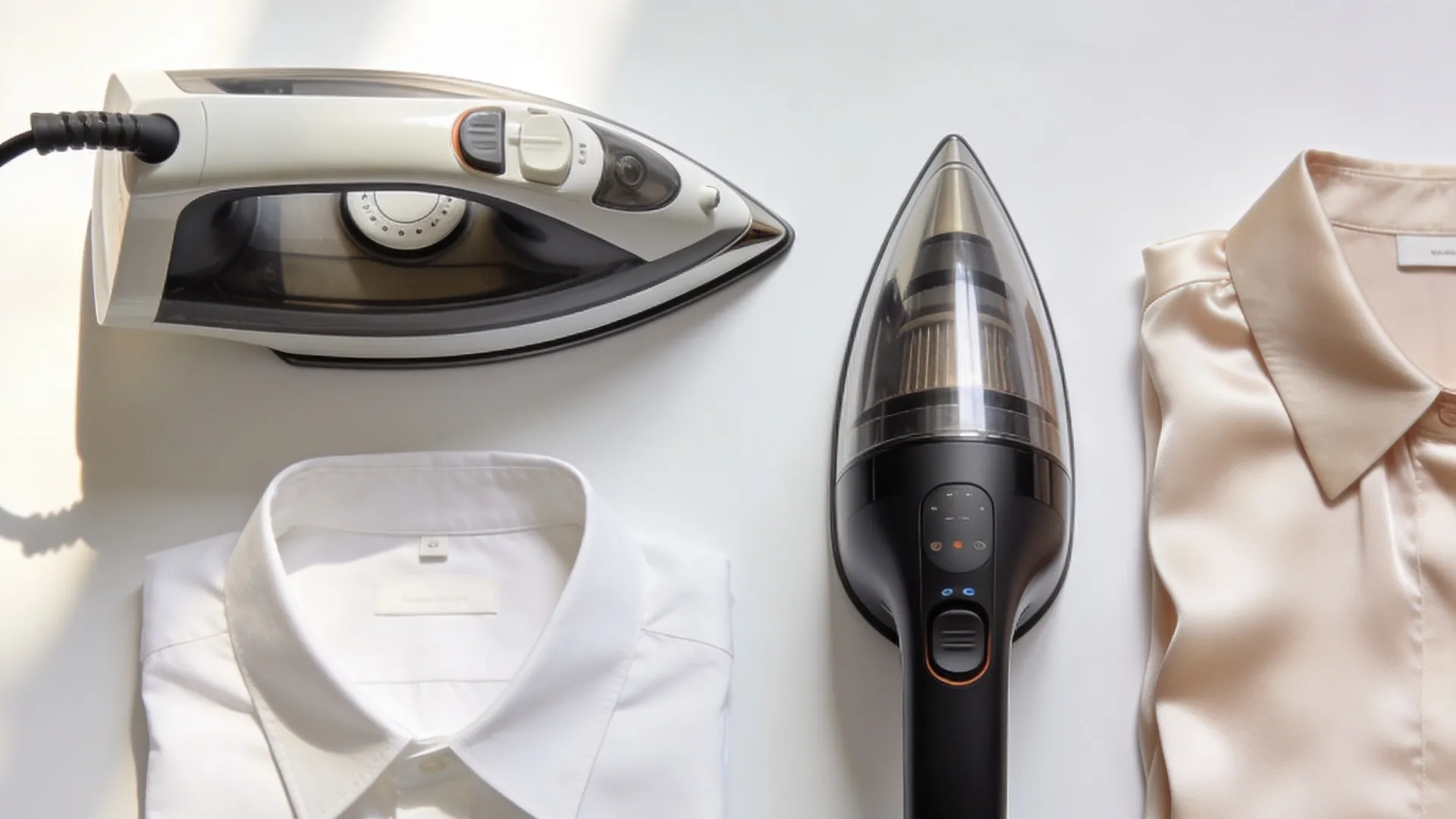
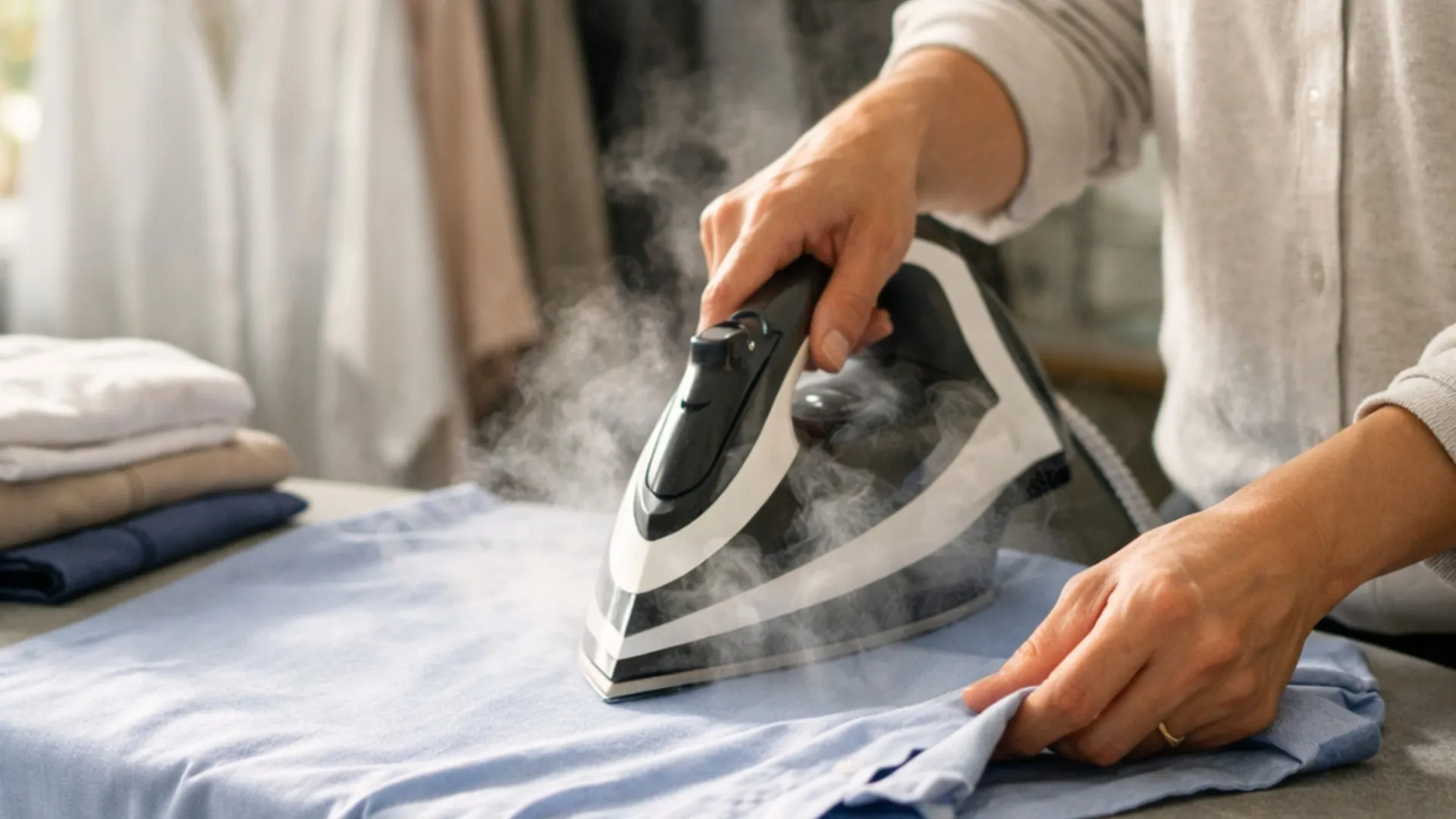
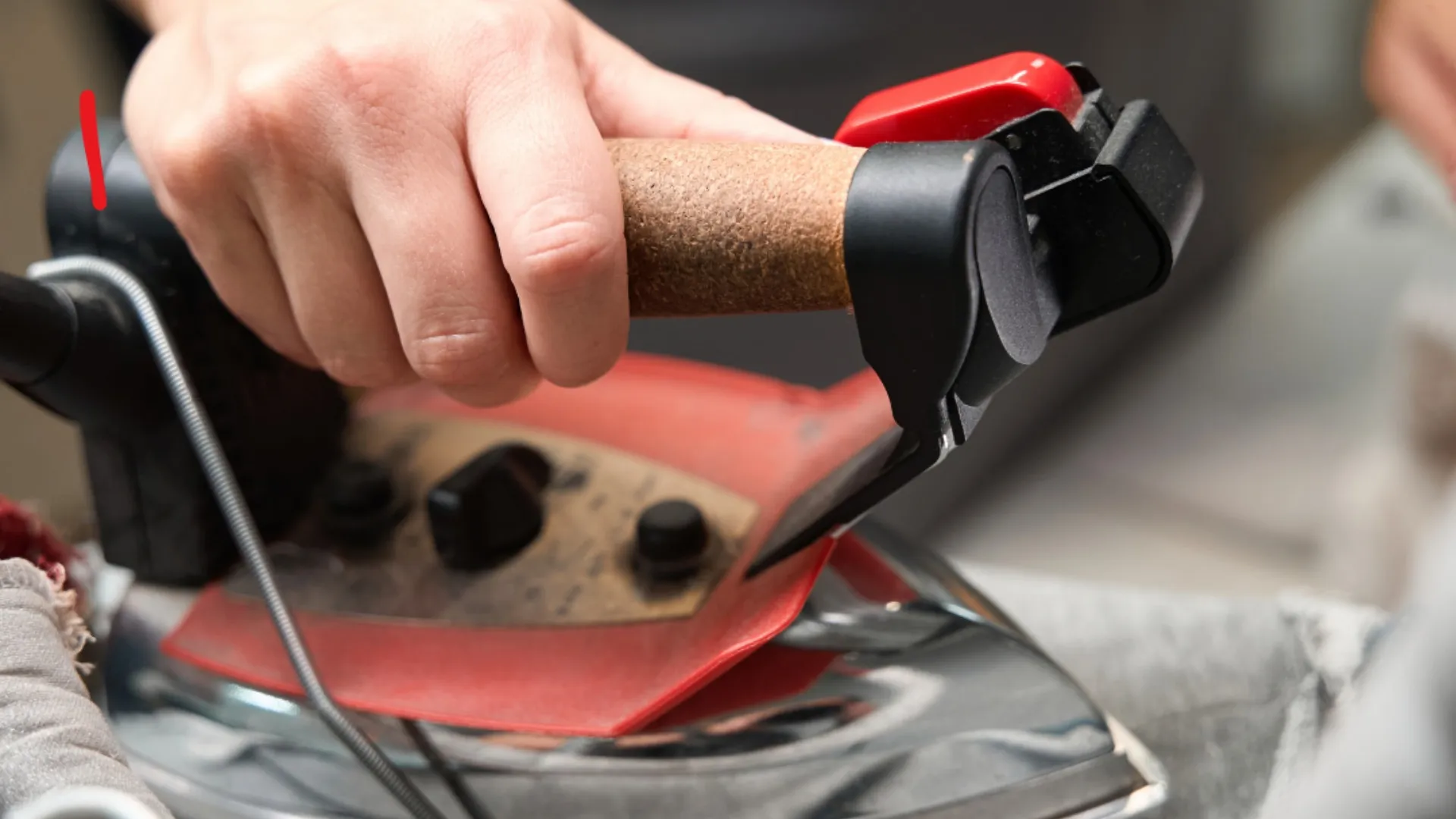
A steam iron removes surface creases and neutralises light odours. It does not provide a deep clean. Sweat, body oils, and deep soiling cannot be removed by steaming. It is not a substitute for dry cleaning.
How Often Should You Dry Clean?
The right frequency depends on how often the garment is worn and what type of fabric it is.
For suits and blazers, one or two dry cleans per season is sufficient. Dry cleaning too frequently accelerates fabric wear — the right approach is to clean when visible soiling or odour is present, or at the end of each season. Between cleans, professional steaming is a good alternative.
For coats and heavy outerwear, one professional clean at the end of the season is the standard recommendation. Storing a coat clean protects it during the off-season and means it is ready to wear when the cold returns.
For silk garments, cleaning after every few wears rather than every single use is appropriate. Silk absorbs sweat and body oils; these residues damage the fibre if left to sit for too long.
For cashmere and wool knitwear, two to three cleans per season is a reasonable guideline. Between cleans, airing and light brushing extends the time between professional visits.
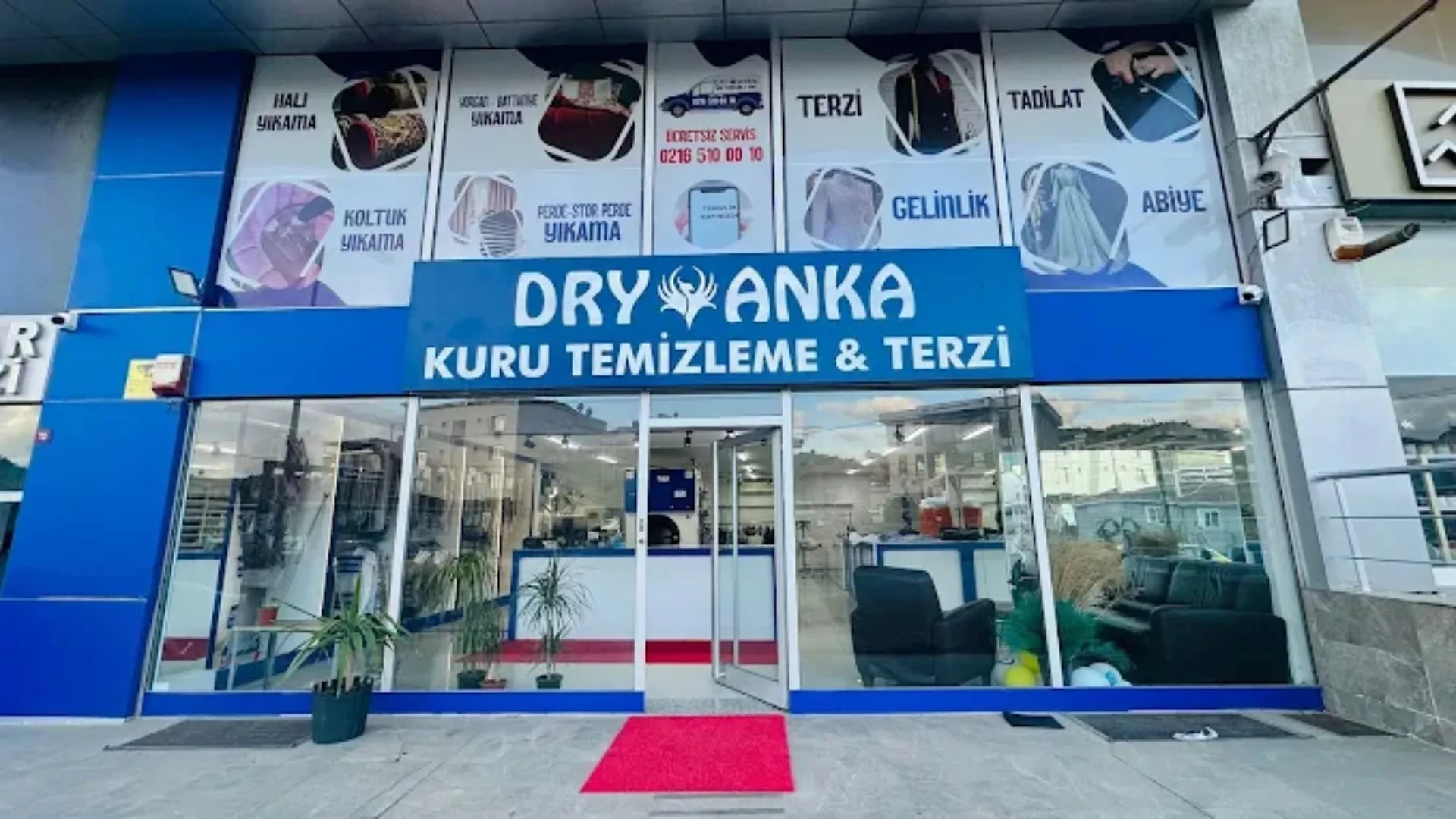
Dry Anka: Professional Dry Cleaning Across Istanbul's Anatolian Side
If you live in Kadıköy, Çekmeköy, Tuzla, Küçükyalı, or Fikirtepe, Dry Anka offers professional dry cleaning across a wide range of garments — from suits and coats to silk blouses and wool knitwear — with door-to-door collection and delivery.
Once you book an appointment, your garments are collected from your address at the agreed time. At collection, each item is inspected individually — fabric type, existing stains, and the appropriate treatment method are confirmed before any processing begins. After cleaning, garments are carefully packaged and returned to your door.
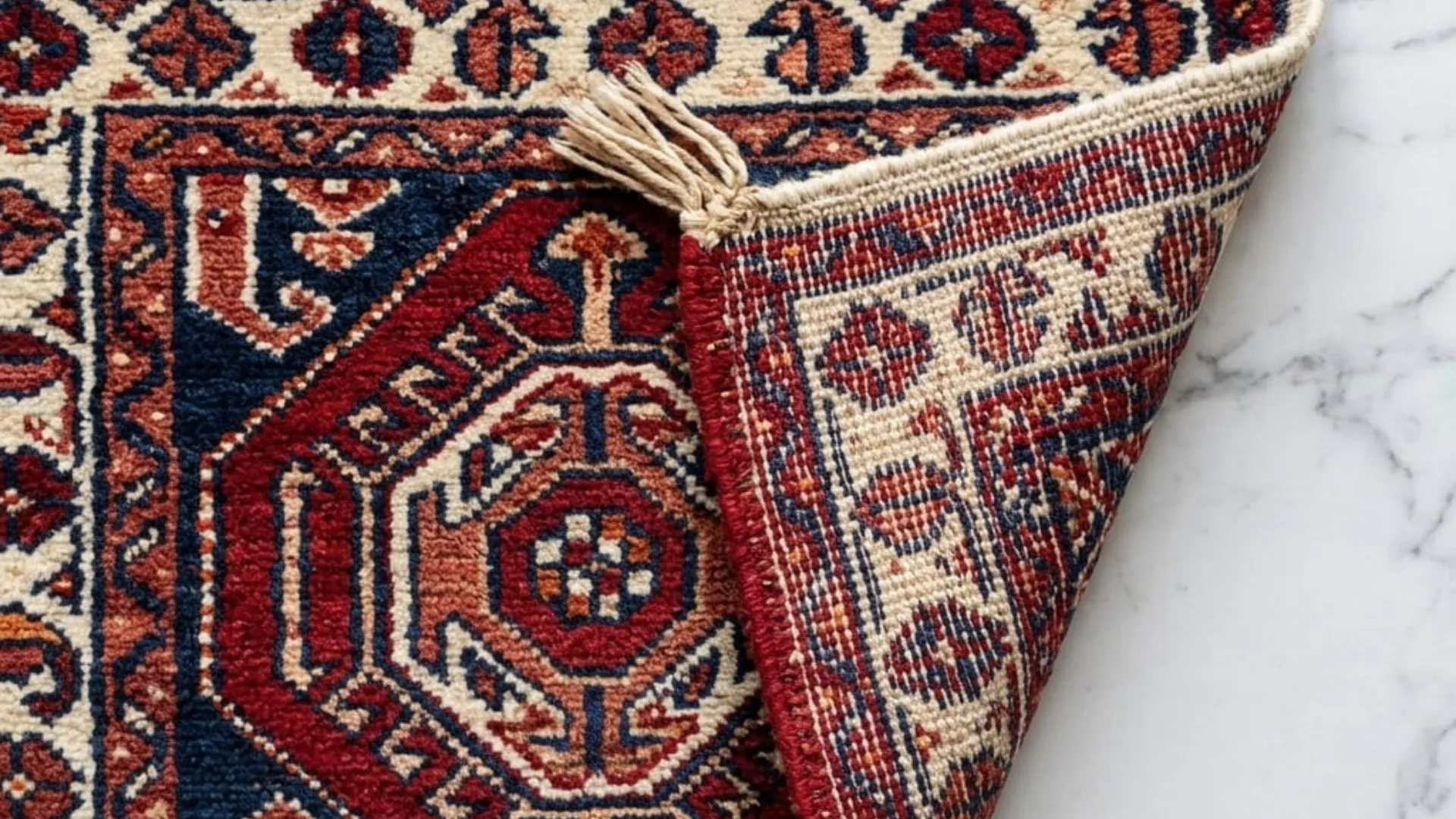
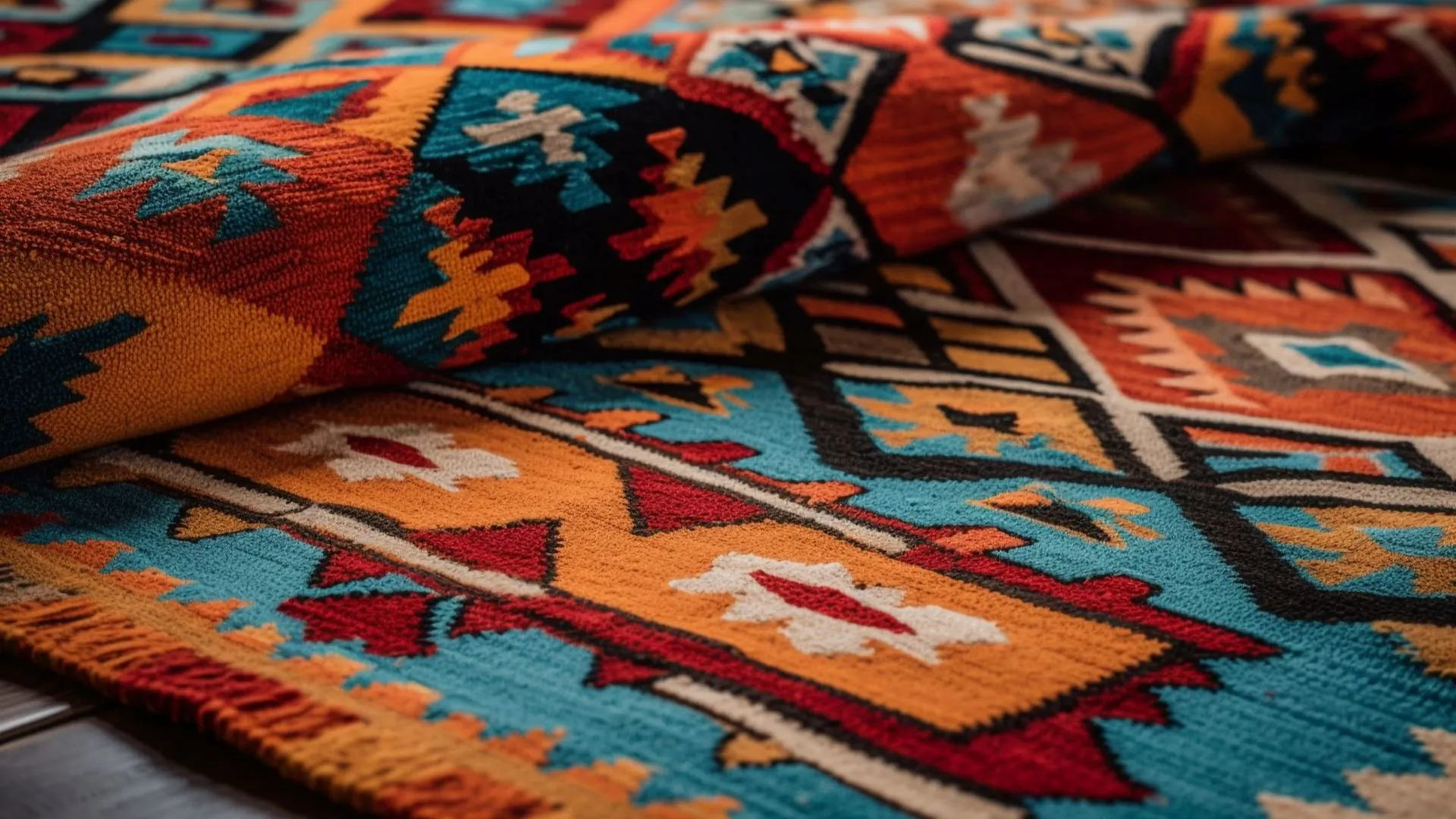
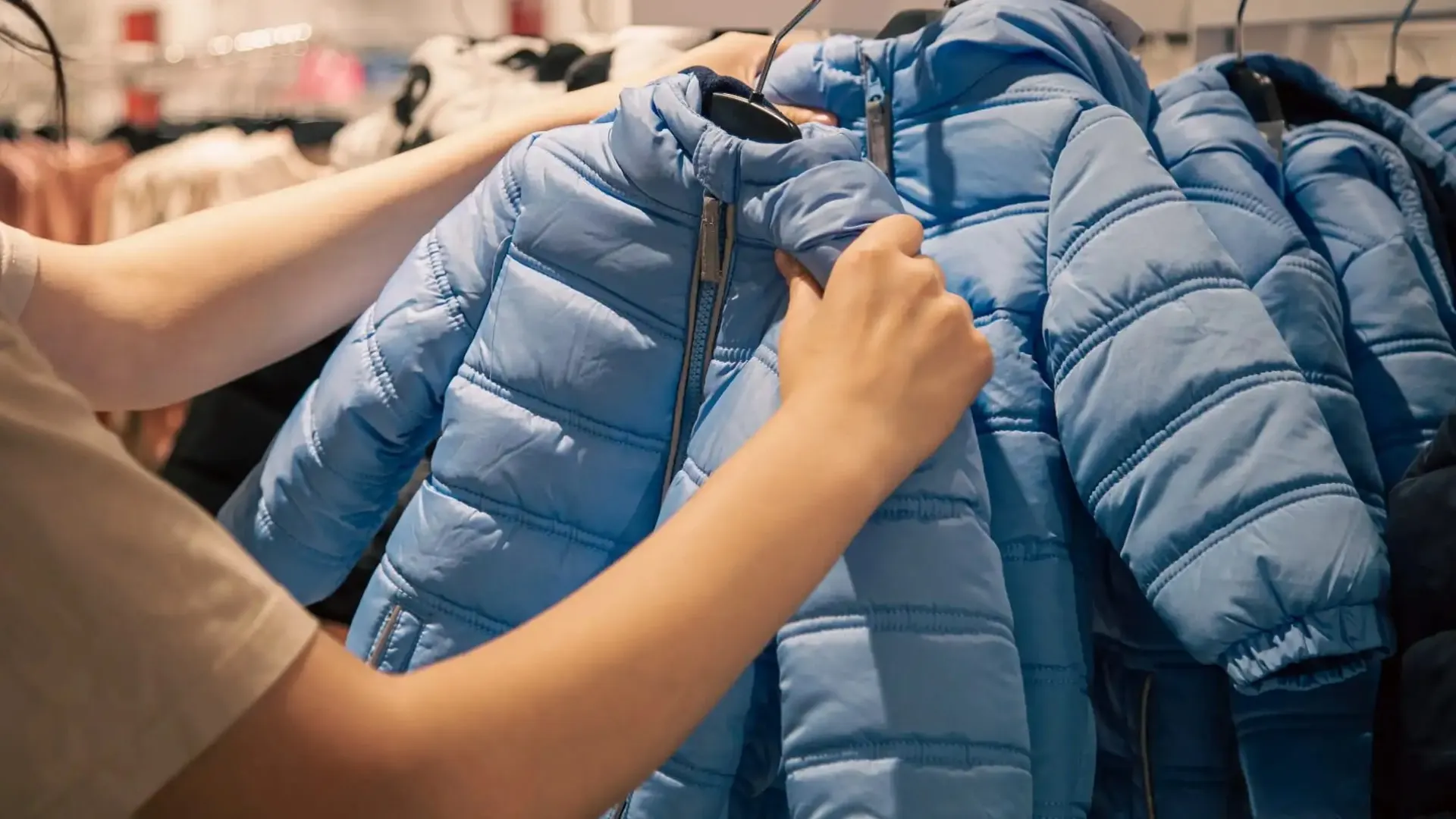
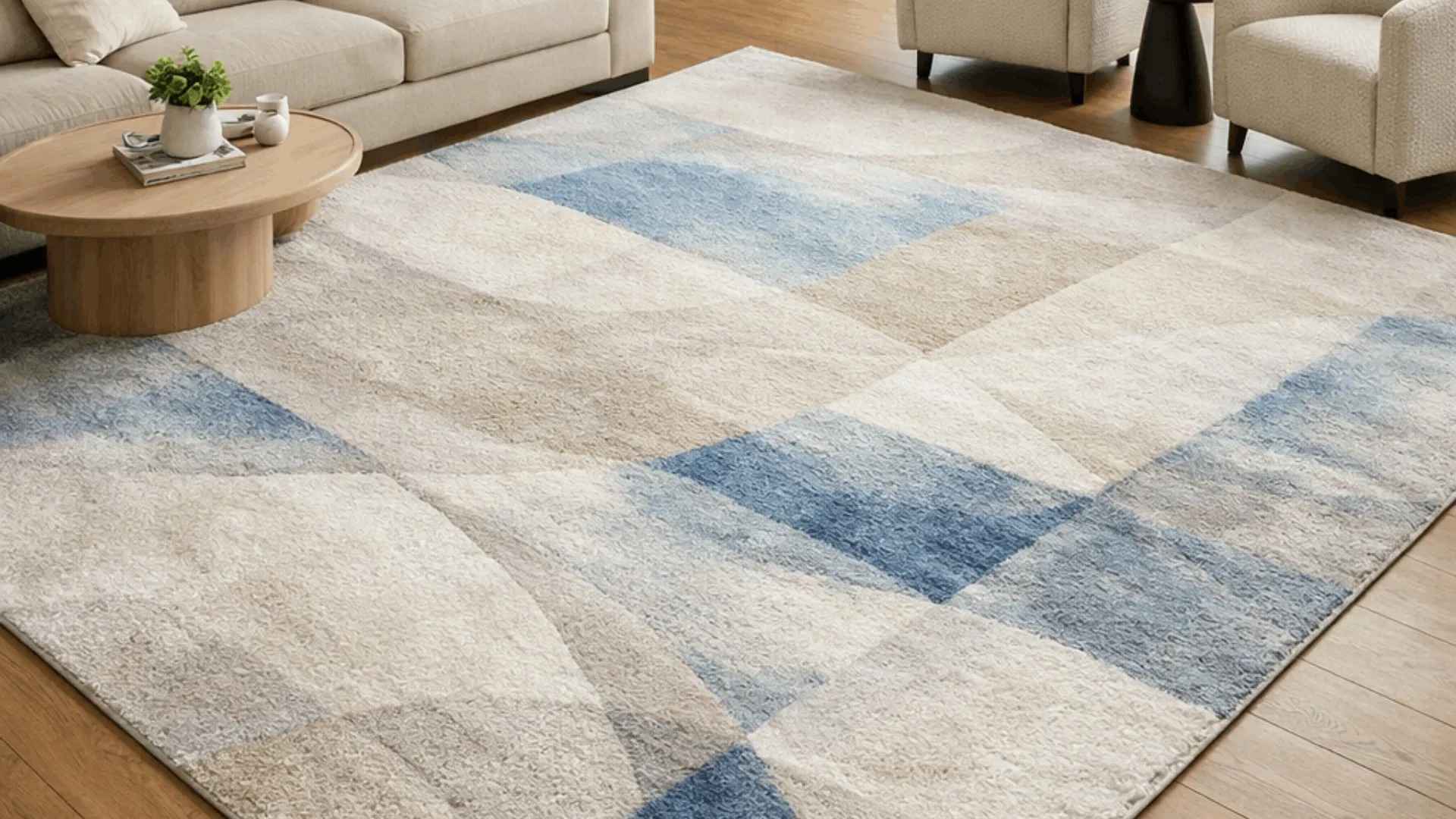
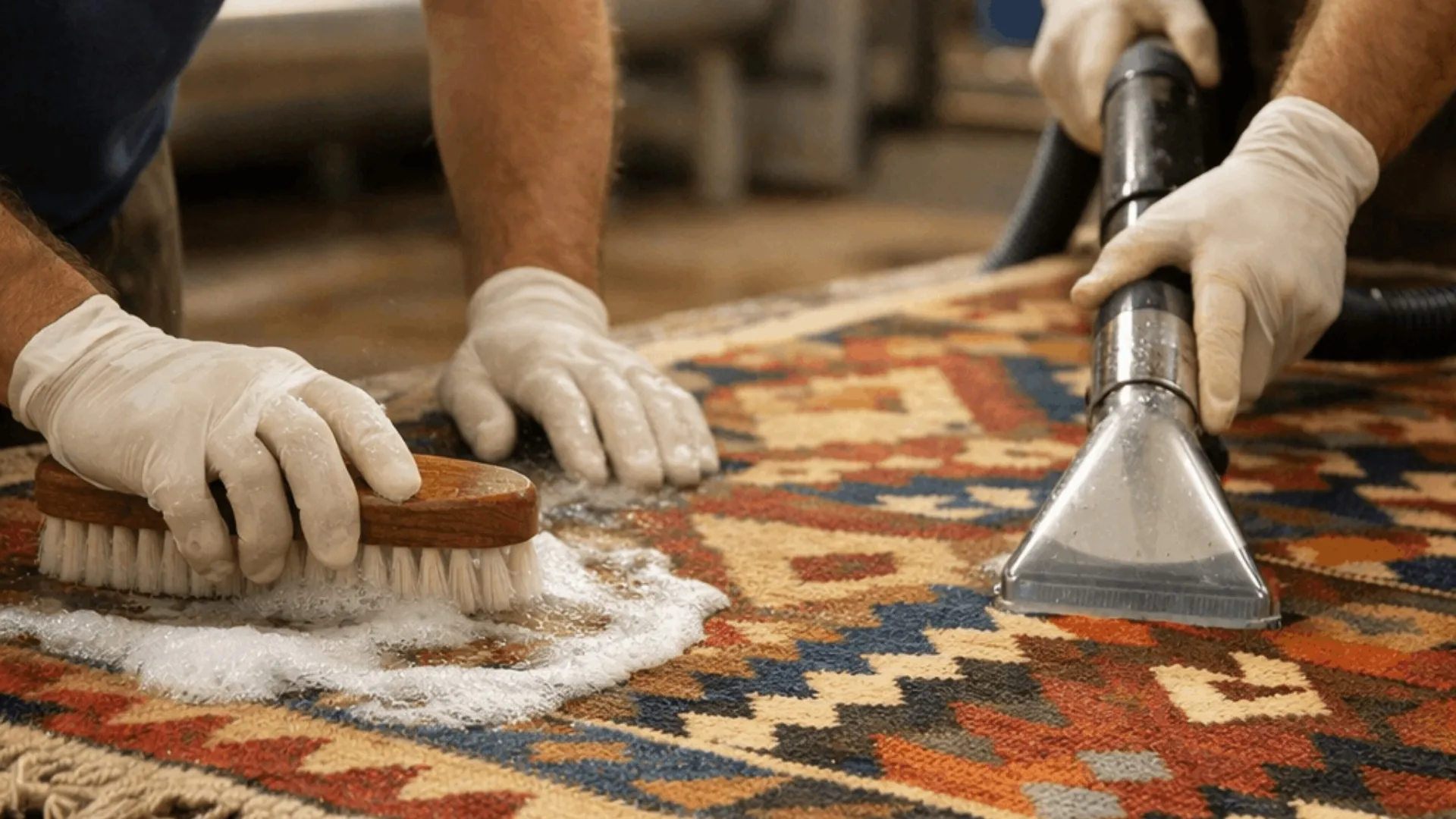
Dry Anka also offers specialist services including down jacket dry cleaning, wool rug washing, and curtain ironing. Multiple services can be arranged in a single appointment.
Conclusion: The Right Decision Is Written on the Label
The difference between dry cleaning and regular washing is not a matter of preference — it is a matter of fabric science. The two methods are designed for different materials, built on different chemical processes, and produce different outcomes.
Making the right decision requires only one thing: reading the care label. If the label says dry clean only, following that instruction is the simplest and most effective way to preserve the garment's appearance, structure, and lifespan. If the label permits regular washing, the correct temperature and programme will do the job well at home.
When in doubt, dry cleaning is always the safer choice. Treating a garment with more care than strictly necessary will not harm it. But a single wrong washing decision can cause damage that no amount of care will undo.