


How Often Should a Coat Be Dry Cleaned?
A coat is one of the most enduring and most invested-in pieces in any wardrobe. A quality wool or cashmere coat, cared for correctly, can remain in excellent condition for well over a decade. But achieving that lifespan requires one fundamental condition: regular, correctly timed professional dry cleaning.
So how often exactly should a coat be dry cleaned? There is no single answer that applies to every coat. The right frequency depends on the fabric type, how often the coat is worn, the conditions it is exposed to, and how it is stored between seasons. In this guide, we cover all of these factors, offer a practical care calendar for different coat types, and explain how both too little and too much dry cleaning affects a coat over time.
Why Do Coats Require Dry Cleaning?
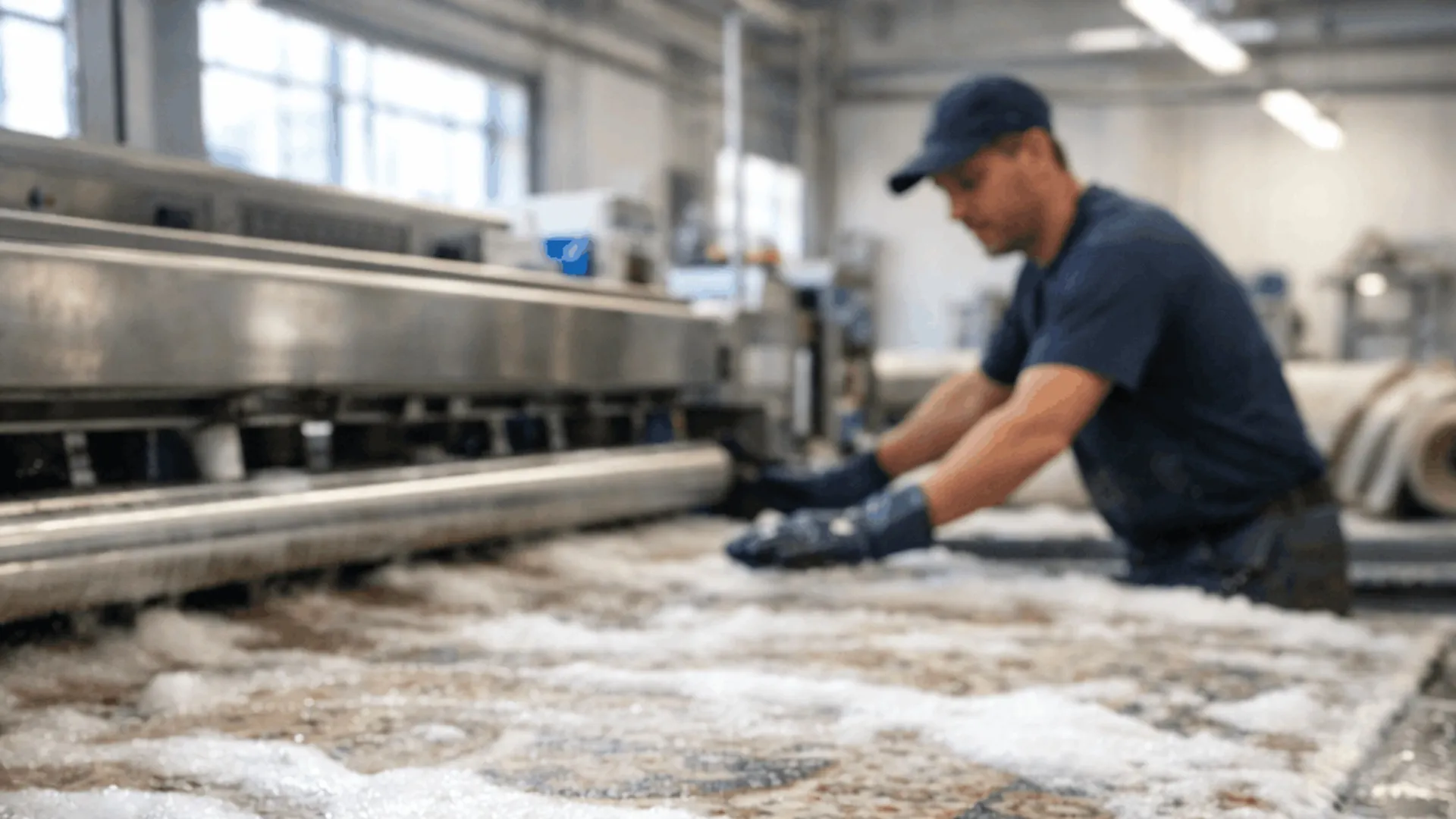
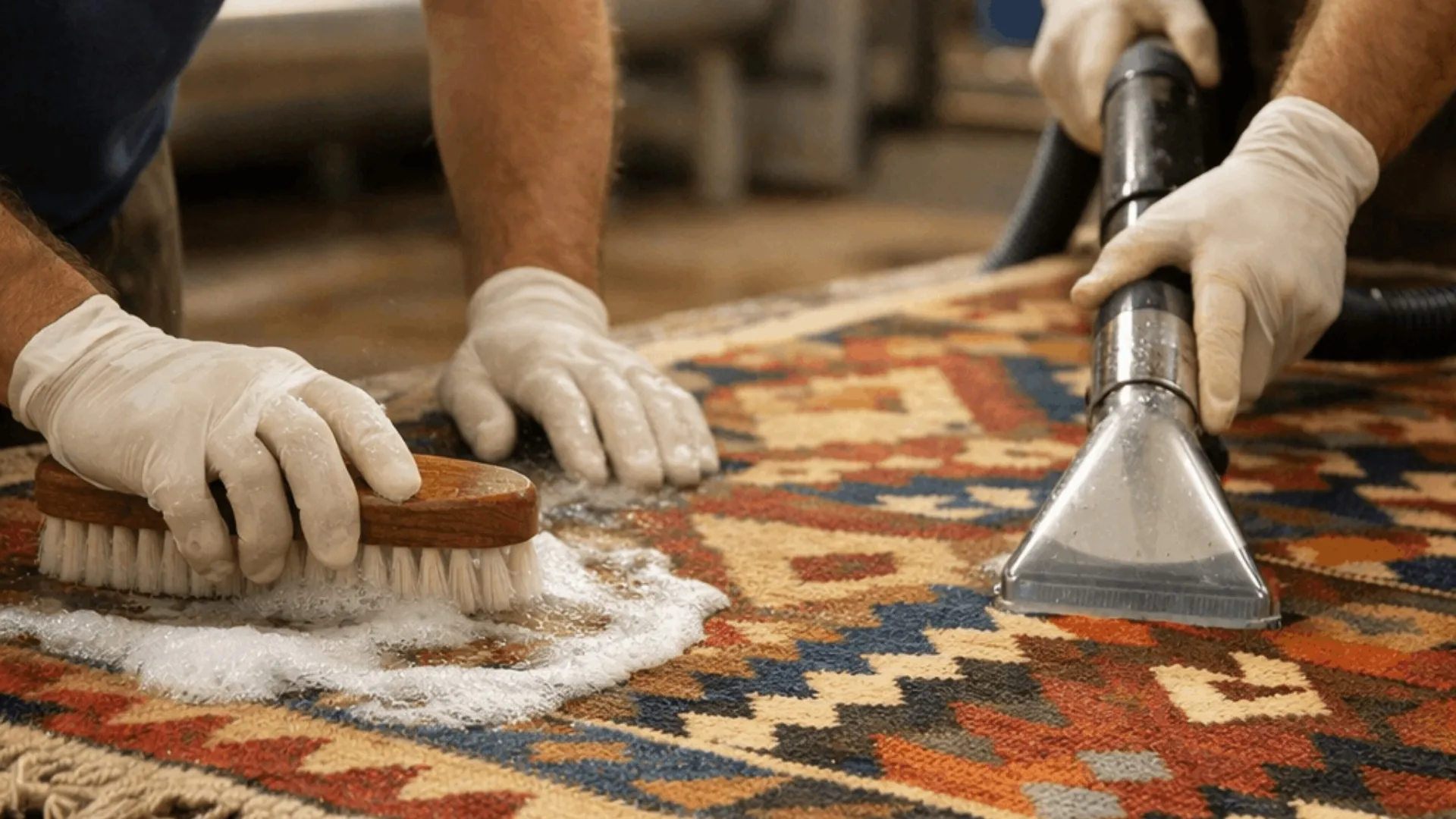
The majority of coats are made from wool, cashmere, wool blends, or structured fabrics with lining. What these materials share is sensitivity to water. Regular machine washing causes shrinkage, shape distortion, and fibre damage in these fabrics. Dry cleaning delivers a deep clean using chemical solvents rather than water, preserving both the fabric structure and the coat's silhouette.
The lining construction of most coats adds another layer of complexity. The outer fabric and lining are made from different materials — and in water washing, they shrink at different rates. This causes the shoulder line to buckle, the front panels to wave, and the coat's overall structure to deform permanently. Dry cleaning eliminates this risk entirely.
Finally, the type of soiling a coat accumulates through daily use makes dry cleaning the only effective option. Body oils, sweat residue, and environmental pollutants work their way into the fabric over time. These cannot be fully removed with water-based detergents — chemical solvents are required.
How Often Should Each Coat Type Be Dry Cleaned?
The single most important factor in determining the right cleaning frequency is the coat's fabric type.
Wool Coat
The wool coat is the most common type of winter outerwear. Wool fibre is durable but water-sensitive, and requires regular professional care.
For daily wearers, dry cleaning once at the end of the season is the standard recommendation — approximately once per year. An additional clean mid-season is appropriate if a visible stain or odour develops, but unnecessary frequency accelerates fibre wear.
For those who wear their coat several times a week, twice a year — mid-season and end of season — is a reasonable schedule.
For occasional wearers — a few times per month or less — dry cleaning once every two seasons is sufficient. However, the coat must always be cleaned before going into storage; a coat stored while dirty continues to deteriorate in a closed environment.
Cashmere Coat
Cashmere is a significantly more delicate fibre than wool. It requires both more attentive care and a slightly more frequent cleaning schedule.
For cashmere coats, dry cleaning twice per year is recommended — once at the start of the season and once at the end. A clean at the start of the season ensures the coat emerges from storage free of any moisture or storage marks before it is worn. End-of-season cleaning ensures it goes into storage in perfect condition.
That said, over-cleaning cashmere is also harmful. Unnecessary chemical contact weakens cashmere fibres over time. Between cleans, airing and gentle brushing are preferable to additional dry cleaning sessions.
Cashmere or Wool Blend Coat
The right frequency for a blend depends on the ratio of each fibre. A coat with a high wool content can follow the wool coat schedule. A coat with a high cashmere content should follow the cashmere schedule. As a general rule, once per season at end-of-season is a safe standard for most blends.
Trench Coat
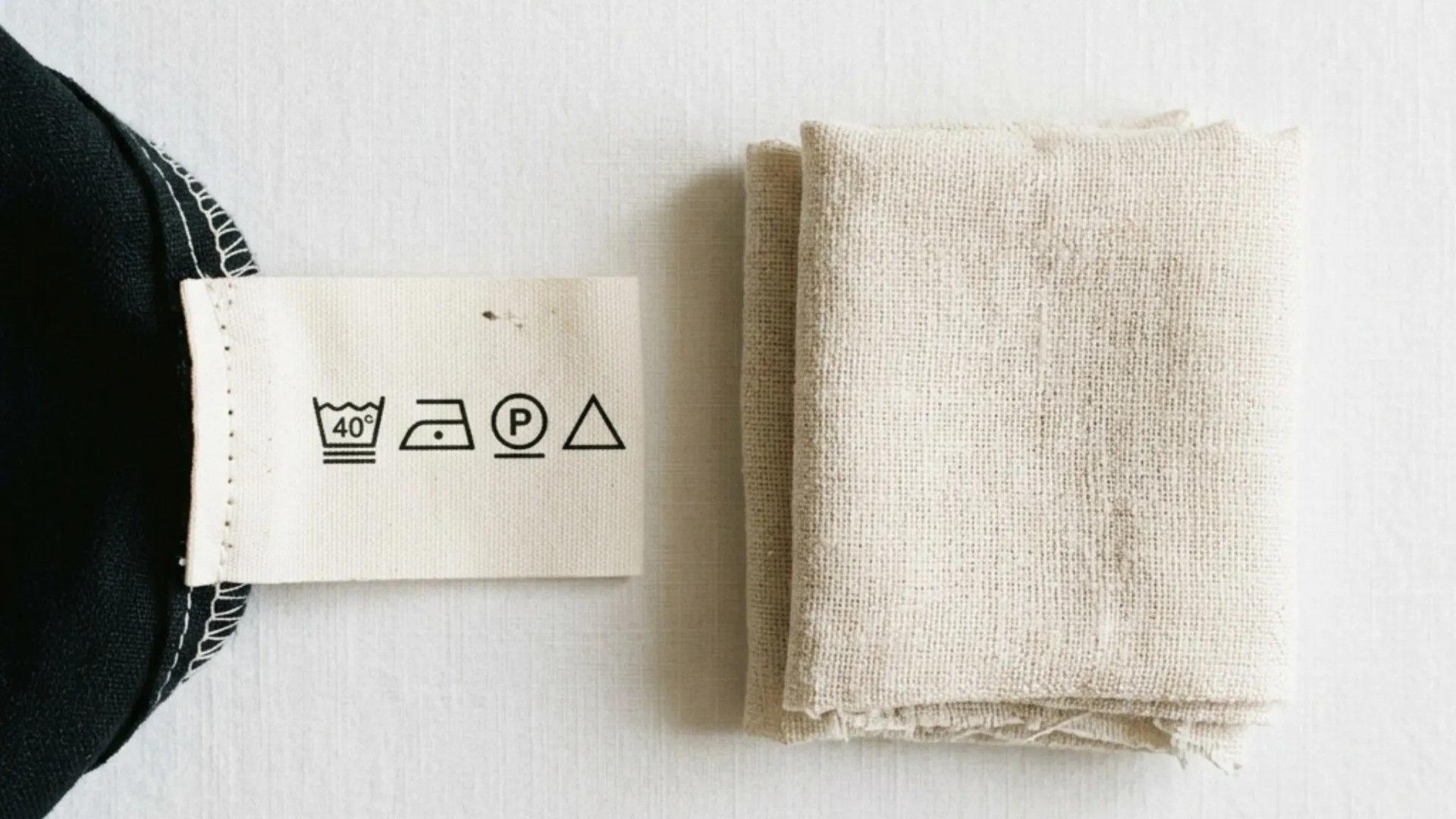
Trench coats are typically made from cotton, polyester, or a blend of both. Some models carry a washable label; others — particularly structured and lined models — require dry cleaning.
For trench coats labelled dry clean only, one professional clean at the end of the season is sufficient. Models with a washable label can be laundered at home on the appropriate programme, though professional care remains an option for preserving shape and structure over the long term.
Leather and Suede Coats
Leather and suede require a different approach to cleaning frequency. These materials do not tolerate frequent dry cleaning — once per year, ideally at the end of the season, is sufficient. Day-to-day maintenance is handled through conditioning and gentle surface cleaning rather than full professional cleans.
A Guide by Wear Frequency
Alongside fabric type, how often the coat is worn plays a significant role in determining the right cleaning schedule.
Daily wearers: Daily use means the coat absorbs more dirt, body heat, and moisture than one worn occasionally. Two dry cleans per year — one mid-season and one at the end of the season — is the appropriate schedule for this group.
Two to three times per week: One end-of-season dry clean is generally sufficient. Visible stains or odour should be addressed promptly rather than left until the scheduled clean.
Occasional wearers — a few times per month or less: Dry cleaning once every two seasons is appropriate. The pre-storage cleaning rule still applies regardless of how infrequently the coat has been worn.
Seasonal Care: The Transitions That Matter Most
The most commonly neglected aspect of coat care is what happens at the beginning and end of each season. Many people put the coat away at the end of winter without cleaning it first — this is one of the most damaging habits in long-term coat care.
End of season — spring:
A coat finishing the winter season carries accumulated body oils, sweat residue, and environmental pollution. Left in these conditions inside a closed wardrobe or storage space for months, these residues slowly degrade the fibres, cause colour change, and in some cases create the conditions for mould growth.
The correct approach is straightforward: the coat is sent for dry cleaning before storage, and only put away once confirmed clean and completely dry.
Start of season — autumn:
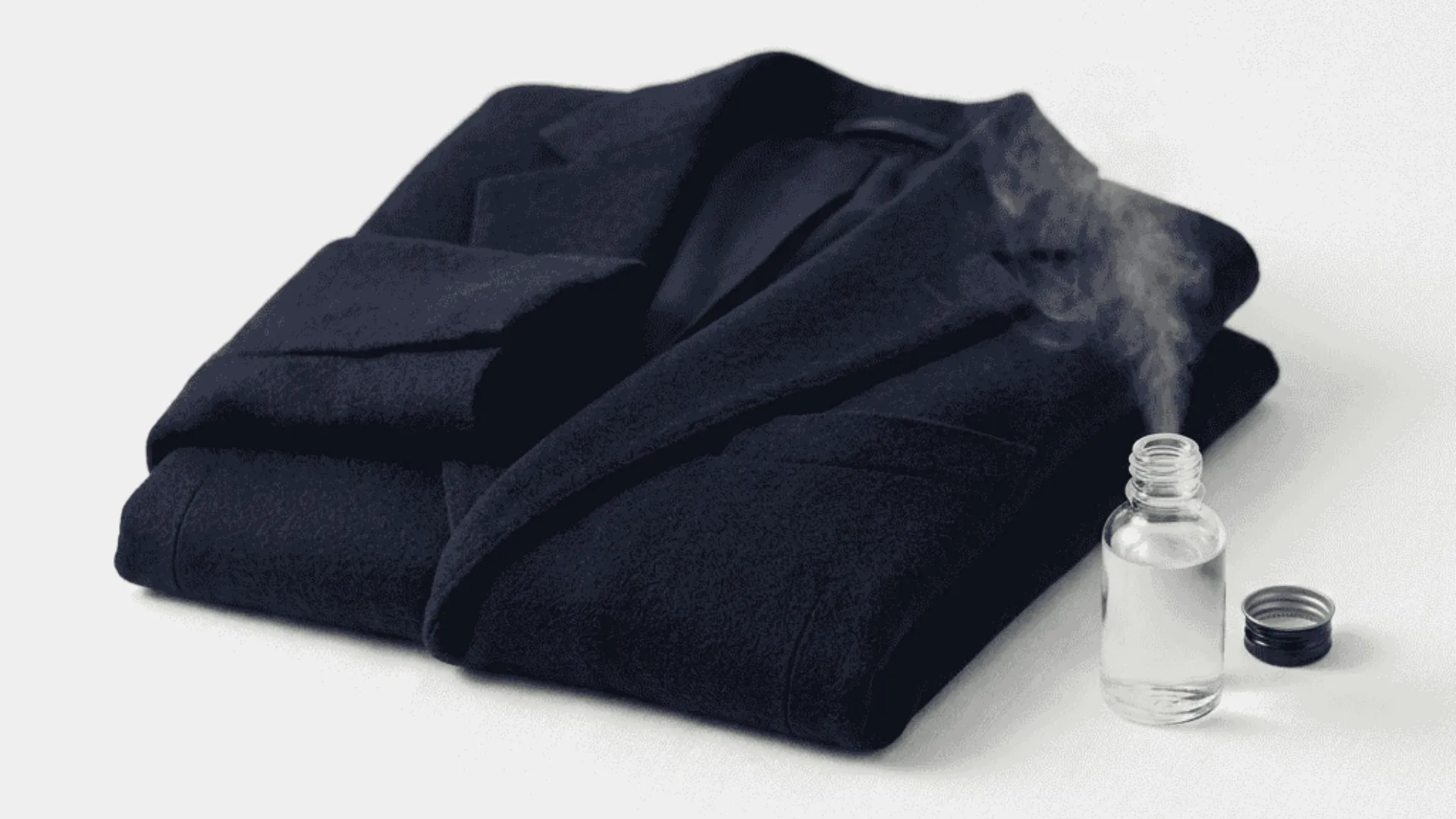
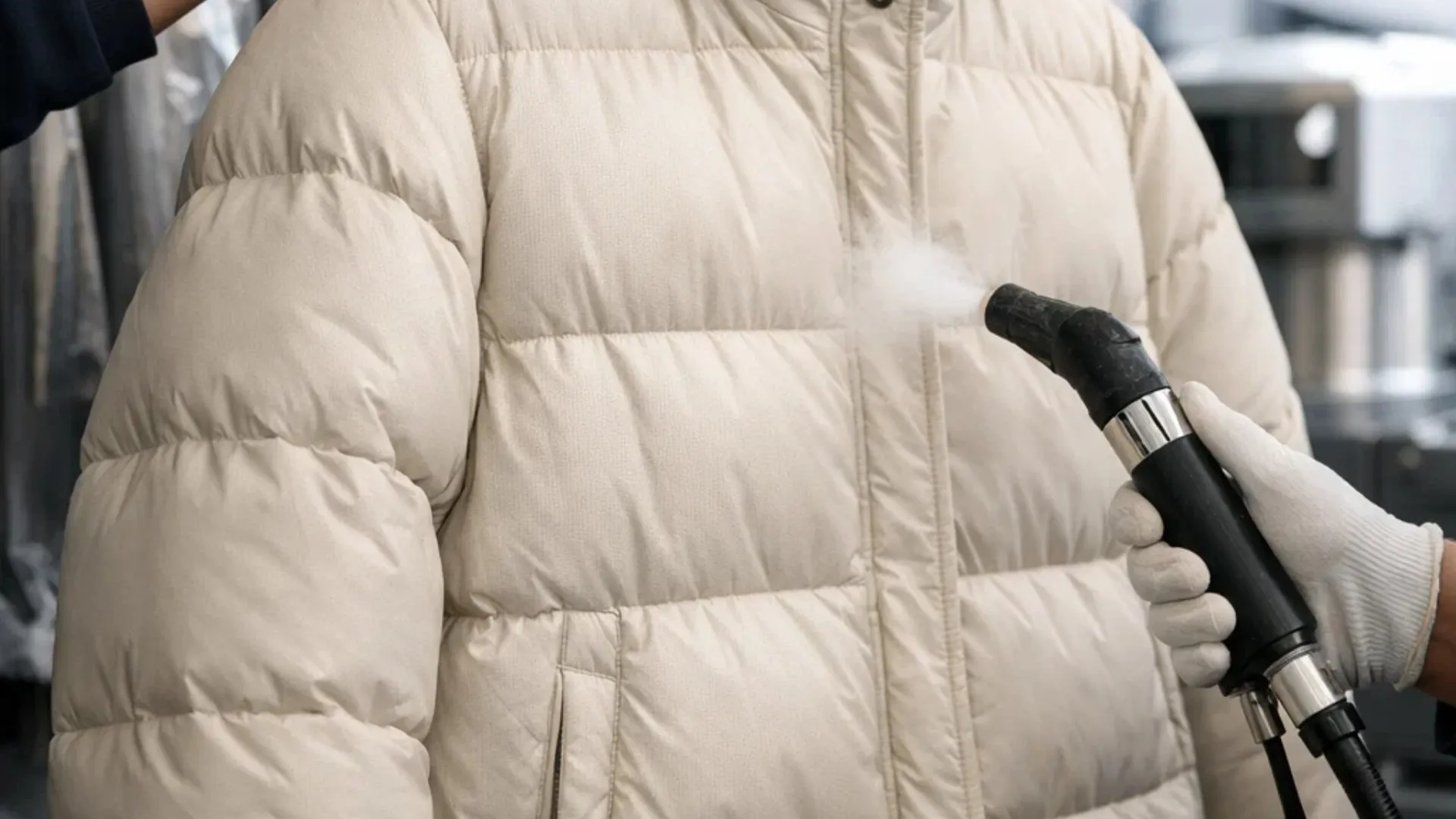
A coat coming out of storage should be inspected before wearing. Any sign of mould, moisture odour, or surface change warrants an immediate dry clean. If the coat is in good condition, airing it for a few hours and a light steam are sufficient to have it ready to wear.
Applying these two steps consistently ensures the coat begins each season fresh and extends its lifespan meaningfully.
Other Factors That Affect Cleaning Frequency
Beyond fabric type and wear frequency, several additional factors shift the cleaning schedule.
Colour: Soiling shows more quickly on pale coats. Cream, beige, and white tones may require more frequent attention than darker shades simply because marks become visible sooner.
Urban environment: Regular use of public transport, long hours in heavy city traffic, and living in areas with high air pollution all accelerate the rate at which a coat picks up environmental soiling. For these users, moving one step up the cleaning frequency scale is appropriate.
Pets: Households with pets face faster accumulation of fur and odour on coat fabrics. Fine-woven and pile fabrics in particular may need more frequent professional care as a result.
Children: Contact with children introduces food stains and general dirt that can appear on a coat unexpectedly. Prompt professional treatment of stains — rather than waiting for the scheduled clean — prevents them from becoming permanent.
Storage conditions: A coat stored in a humid environment may need additional cleaning at the start of the following season. Cool, dry storage with adequate air circulation minimises this risk.
The Harm of Over-Cleaning
A common mistake among coat owners who take good care of their garments is dry cleaning too frequently. The instinct that "cleaner is always better" does not hold true in textile care.
The chemical solvents used in dry cleaning do not harm fabric when applied at the right frequency. But unnecessary cleaning sessions gradually weaken wool and cashmere fibres, strip the fabric of its natural oils, and can contribute to colour fading over time.
The same principle applies to suits and blazers. Professional tailoring advisors consistently recommend cleaning these pieces "as infrequently as possible, as often as necessary." Between cleans, steaming, airing, and brushing are the preferred maintenance tools — they preserve the fabric and delay the need for the next professional clean.
In short, dry cleaning is a response to need, not a scheduled routine. It should be performed when visible soiling, staining, or odour is present, and at seasonal transitions — not on a fixed calendar regardless of the coat's actual condition.
How to Protect a Coat Between Cleans
Extending the time between dry cleaning sessions and keeping the coat in good condition day to day comes down to a few consistent habits.
Airing: Rather than hanging the coat directly back in the wardrobe after wearing, leaving it in a well-ventilated area for a few hours prevents moisture and odour from setting into the fabric. This simple habit noticeably delays the next cleaning need.
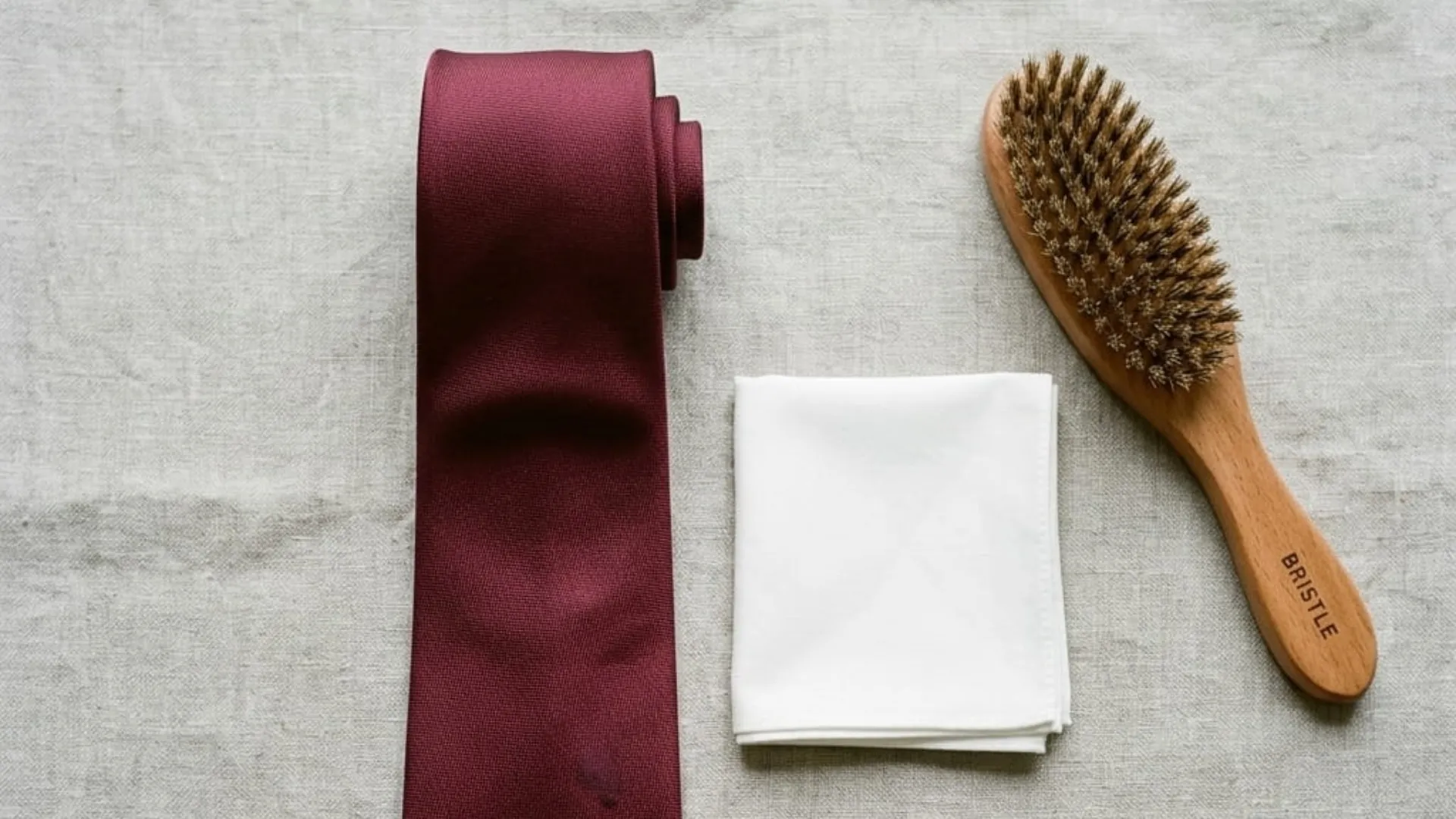
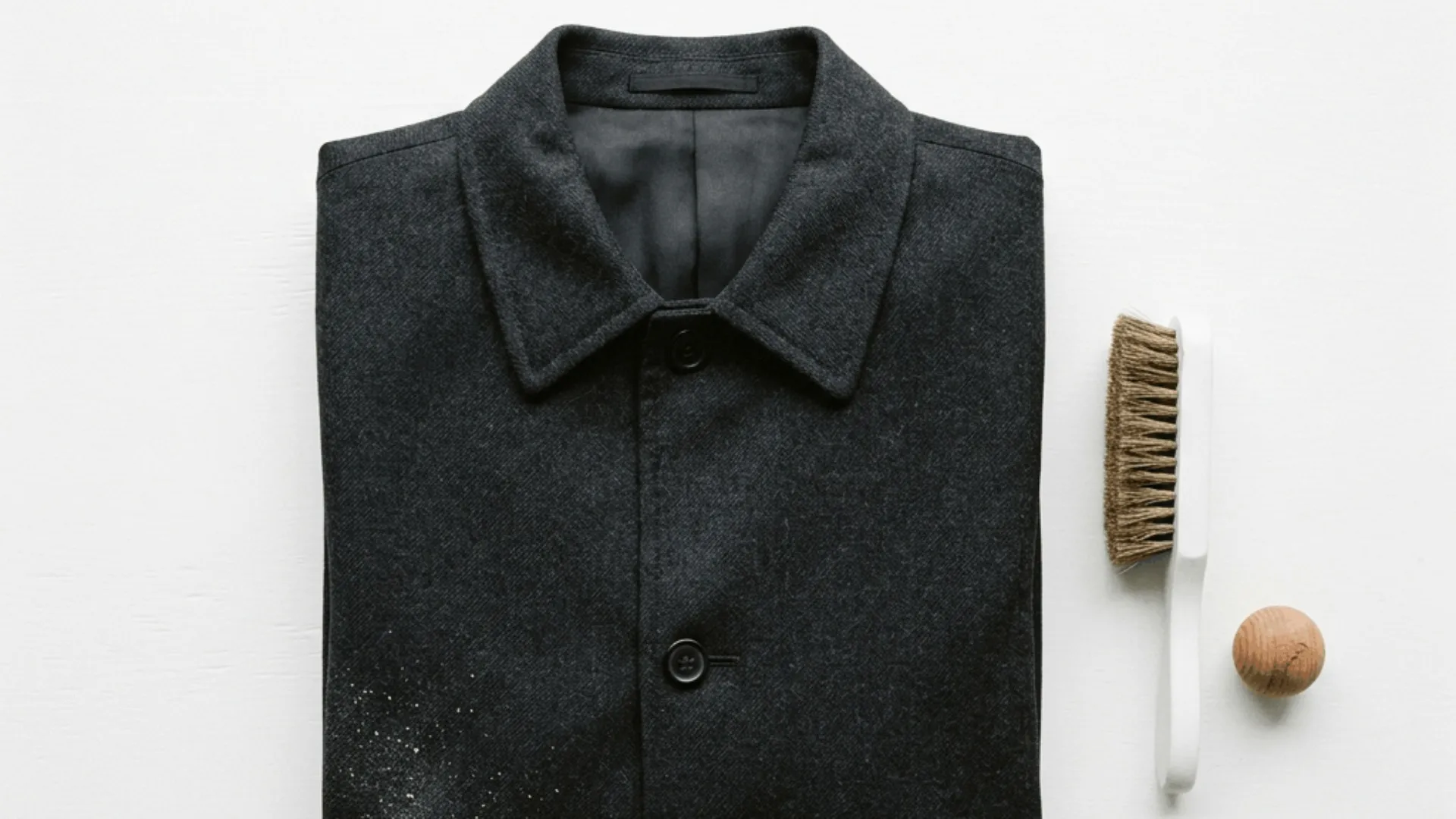
Brushing: Regular brushing with a dedicated textile brush removes surface dust, lint, and fine particles from wool and cashmere. It also smooths the fibres and reduces pilling. This can be done after each wear and takes only a minute.
Immediate stain response: The most important rule for stain management is not to wait. Fresh stains are far easier to remove than set ones — a stain left too long may not come out fully even with professional cleaning. Light water-based marks can be blotted gently with a clean, damp cloth. Oil-based and unidentified stains should go straight to the dry cleaner.
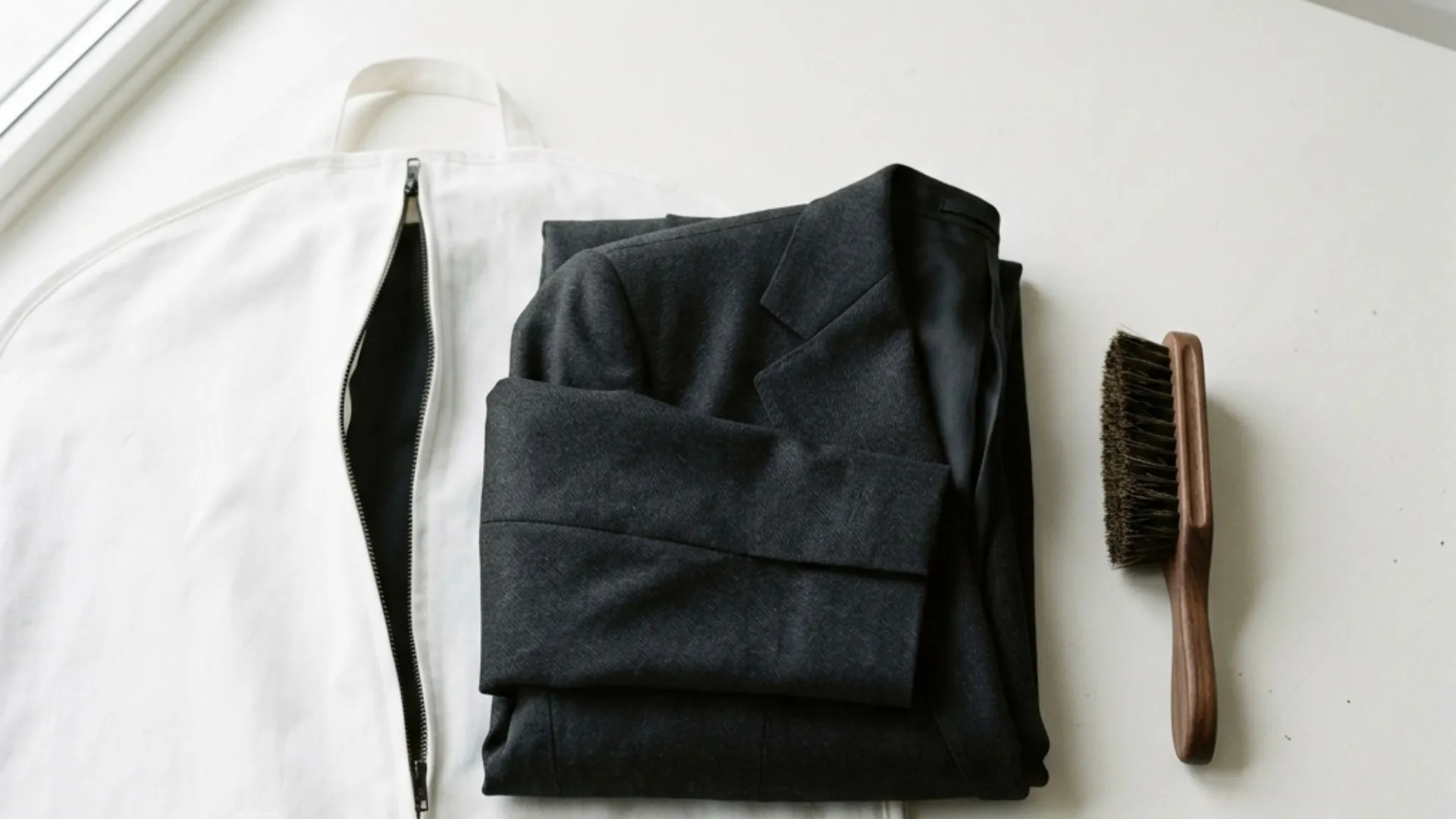
The right hanger: A coat should always be stored on a wide-shouldered hanger. Wire hangers distort the shoulder line over time, creating permanent deformation in the coat's structure. Heavy wool and cashmere coats particularly benefit from a properly supportive hanger.
Wardrobe space: A coat compressed between other garments gradually loses its shape and develops pressure marks. Leaving a few centimetres of space on either side allows the fabric to breathe and the coat to maintain its structure.
"My Coat Doesn't Look Dirty — Does It Still Need Cleaning?"
This is one of the most frequently asked questions in coat care. The answer, in most cases, is yes — and here is why.
Visible soiling is only a small indicator of a coat's actual cleanliness. Body oils and sweat penetrate the fibres without being seen. Environmental pollutants and exhaust particles accumulate in the fabric but are not immediately apparent. Perfume and cosmetic residue can cause yellowing over time that only becomes visible months later.
This invisible soiling is harmful in two ways. First, the longer it remains in the fabric, the deeper it works its way into the fibres — and the harder it becomes to remove. Second, in a closed storage environment, it accelerates biological activity, creating conditions for bacteria and mould.
For this reason, the decision to dry clean at the end of a season should be based on how long the coat has been worn — not on how clean it appears. Every coat finishing a season of use should be cleaned before storage, regardless of visible soiling.
The Long-Term Cost Advantage of Professional Care
The cost of dry cleaning can appear to be an unnecessary expense in the short term. Over time, however, the calculation looks very different.
A mid-to-high-quality wool coat costs many times the price of a single professional dry clean. Dry cleaning once per season can extend that coat's useful life to well over a decade. The same coat, subjected to incorrect home washing or stored dirty across several seasons, can lose most of its value within two or three years.
The arithmetic is straightforward: annual professional care protects the investment made in the coat. The owner who skips care saves a small amount in the short term and faces a far higher replacement cost in the long run.
Cashmere coats make the clearest case for this calculation. A quality cashmere coat represents a significant investment. Maintained correctly with regular professional care, that investment is preserved for ten years or more. Neglected, it deteriorates within a few seasons.
Dry Anka: Door-to-Door Coat Care Across Istanbul's Anatolian Side
If you live in Kadıköy, Çekmeköy, Tuzla, Küçükyalı, or Fikirtepe, Dry Anka offers professional coat dry cleaning across a wide range of styles — wool, cashmere, blends, and trench coats — with door-to-door collection and delivery.
Once you book an appointment, your coat is collected from your address at the agreed time. At collection, the fabric type, existing stains, and appropriate treatment method are confirmed in detail before processing begins. After dry cleaning, the coat is carefully packaged and returned to your door.
If your coat needs more than cleaning — an open seam, a worn lining, or a damaged button — Dry Anka's coat alteration and repair service can be arranged as part of the same visit. Both cleaning and tailoring can be handled in a single appointment.
Conclusion: The One Rule That Matters Most
The short answer to how often a coat should be dry cleaned is this: at least once per season, at the end of winter.
The more detailed answer: daily wearers benefit from twice a year; those who wear their coat several times a week are well served by once a year; occasional wearers can extend to once every two seasons. Cashmere coats warrant slightly more frequent attention than wool.
But more important than any of these schedules is one rule that applies to every coat, regardless of fabric or frequency: a coat must always be cleaned before going into storage. Skipping this step quietly shortens the lifespan of even the finest coat.
Regular professional care preserves a coat's appearance, structure, and value. For the most enduring piece in your wardrobe, it is the smallest investment that returns the greatest reward.