

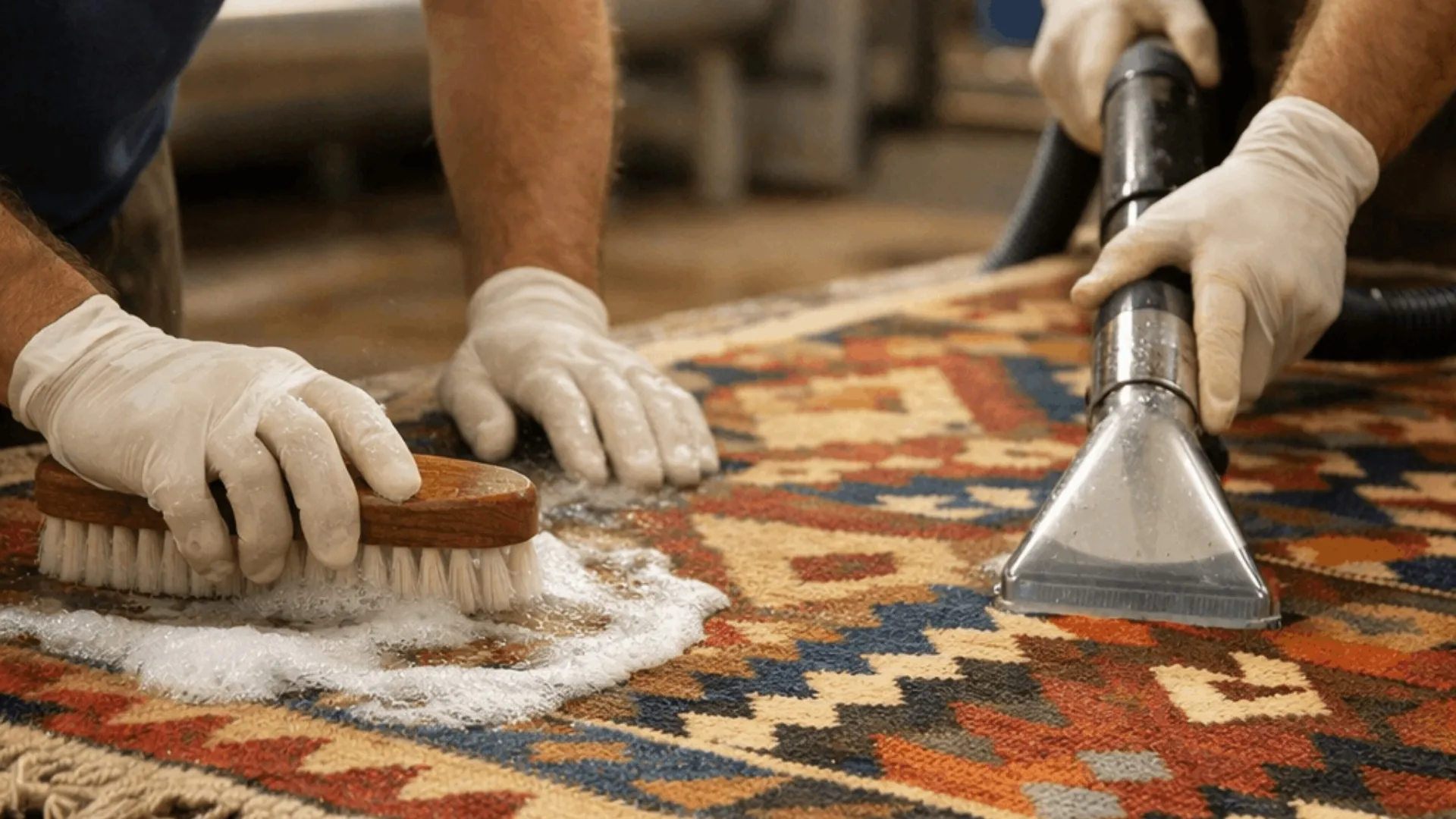
Advantages of Professional Kilim Rug Cleaning
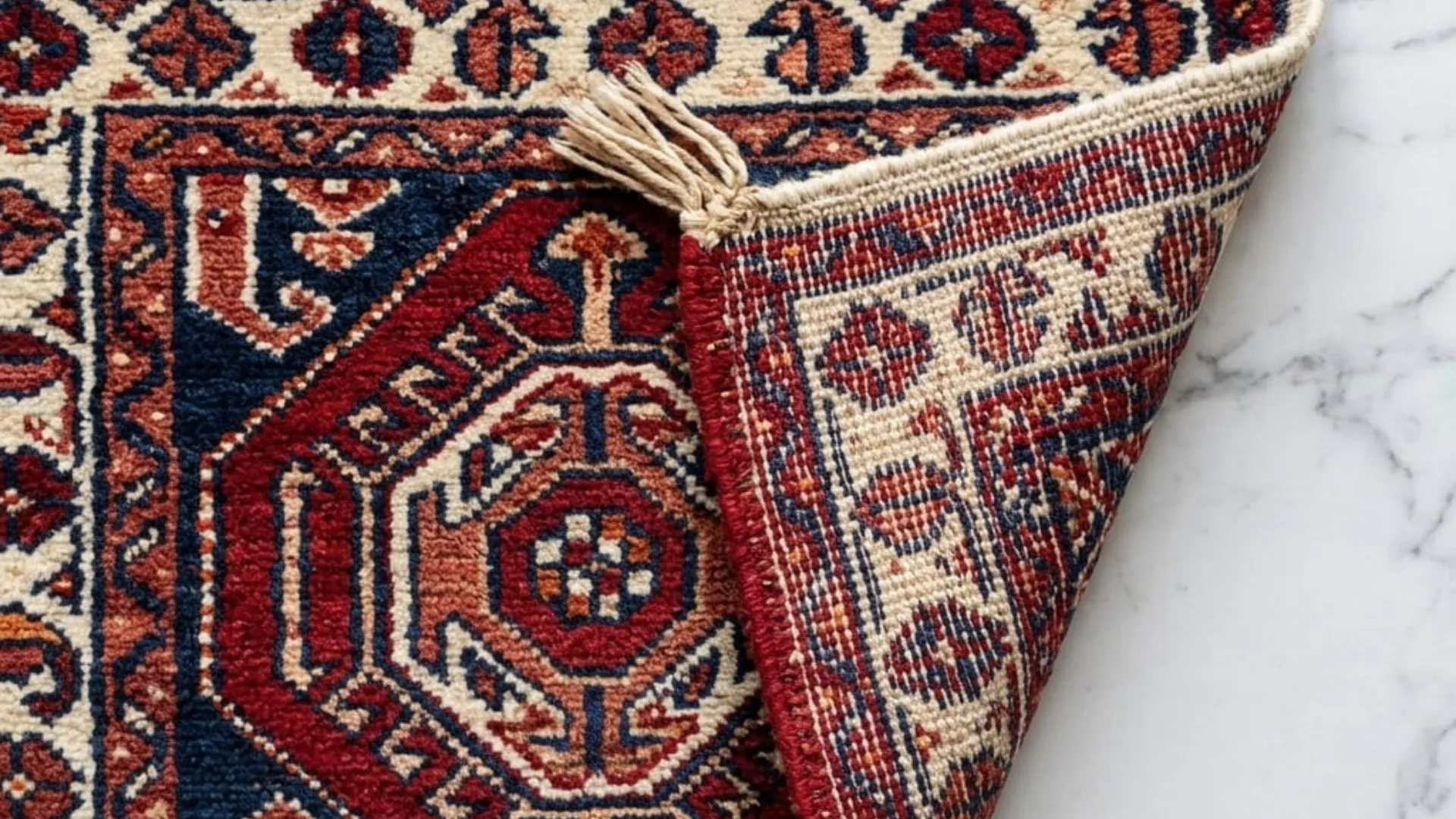
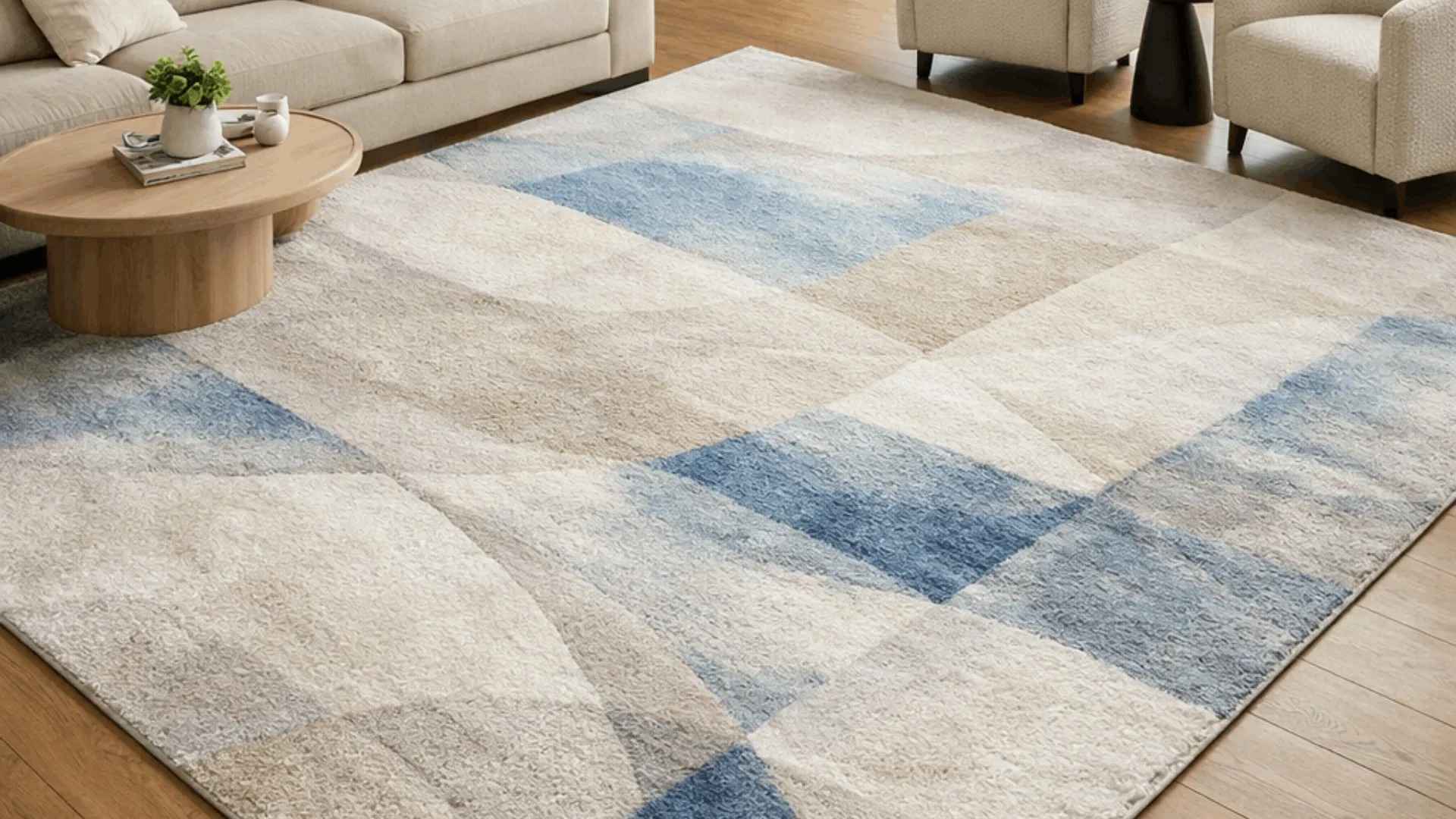
Kilim rugs are textile products that differ from traditional carpets both in their usage and production techniques, requiring special care. Especially handwoven kilims, with their natural fibers and delicate weaving, are highly sensitive to improper cleaning methods. At this point, kilim rug cleaning practices and who performs them directly affect the lifespan of the rug.
Kilim rugs used in daily life gradually trap dust, dirt, and environmental particles deep within their fibers. Improper home washing methods can cause more harm than good, damaging the rug’s structure. Professional kilim rug cleaning services are preferred precisely to eliminate these risks.
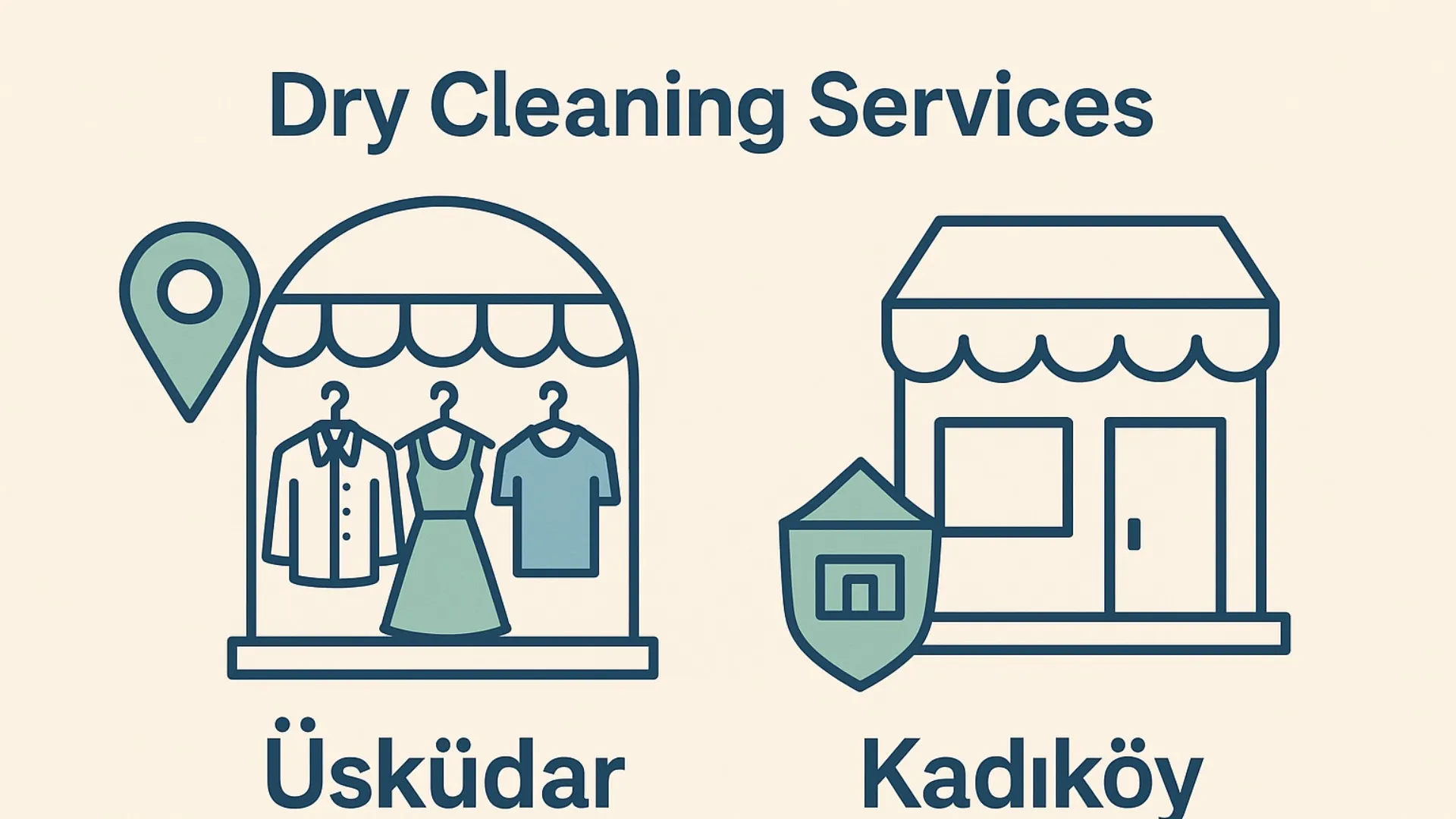
For users living in areas such as Kadıköy, Acıbadem, Çekmeköy, Küçükyalı, and Tuzla, receiving reliable and correct rug cleaning services is especially important to protect items that often carry both material and sentimental value.
Why Do Kilim Rugs Require Special Cleaning?
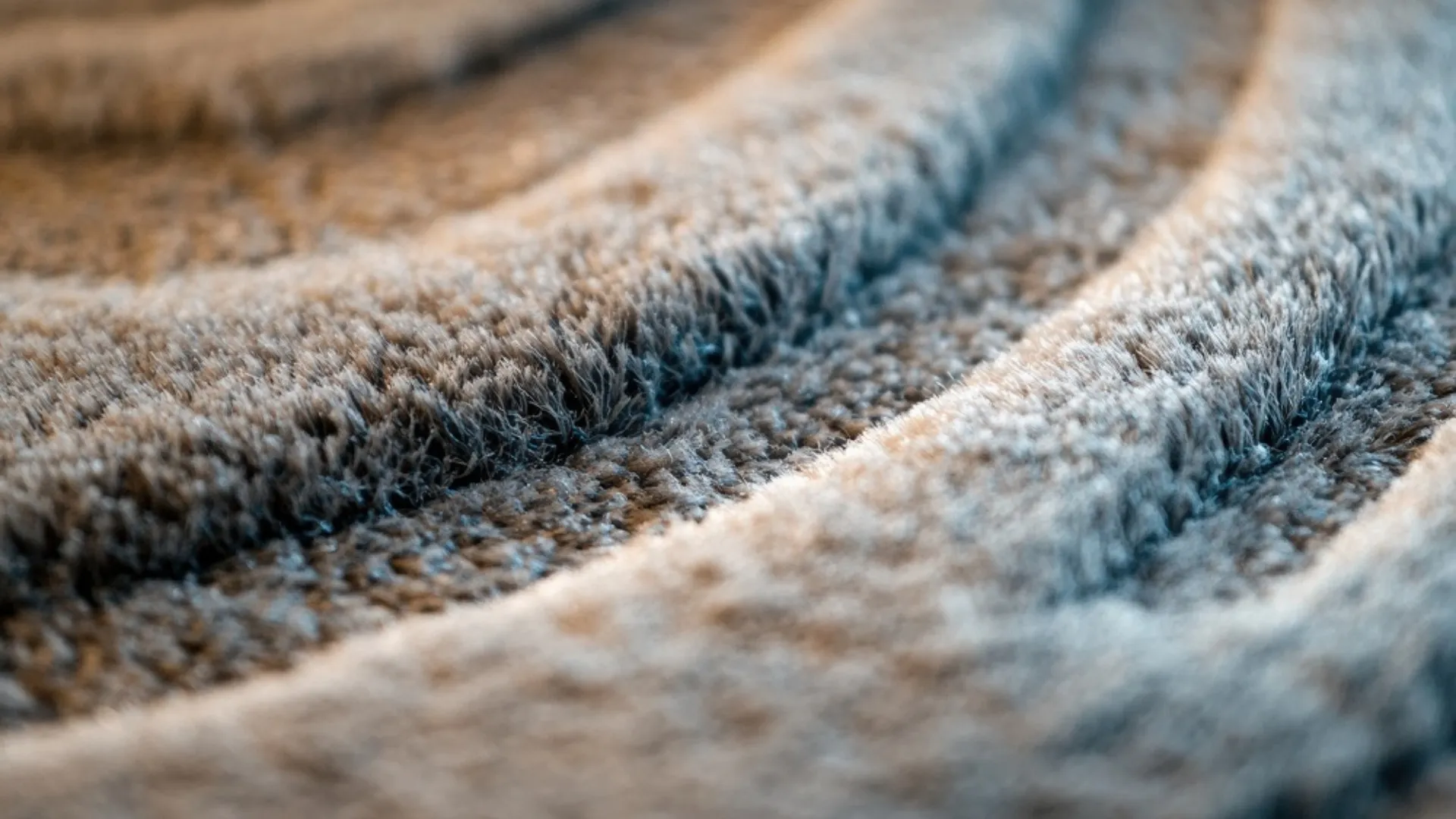
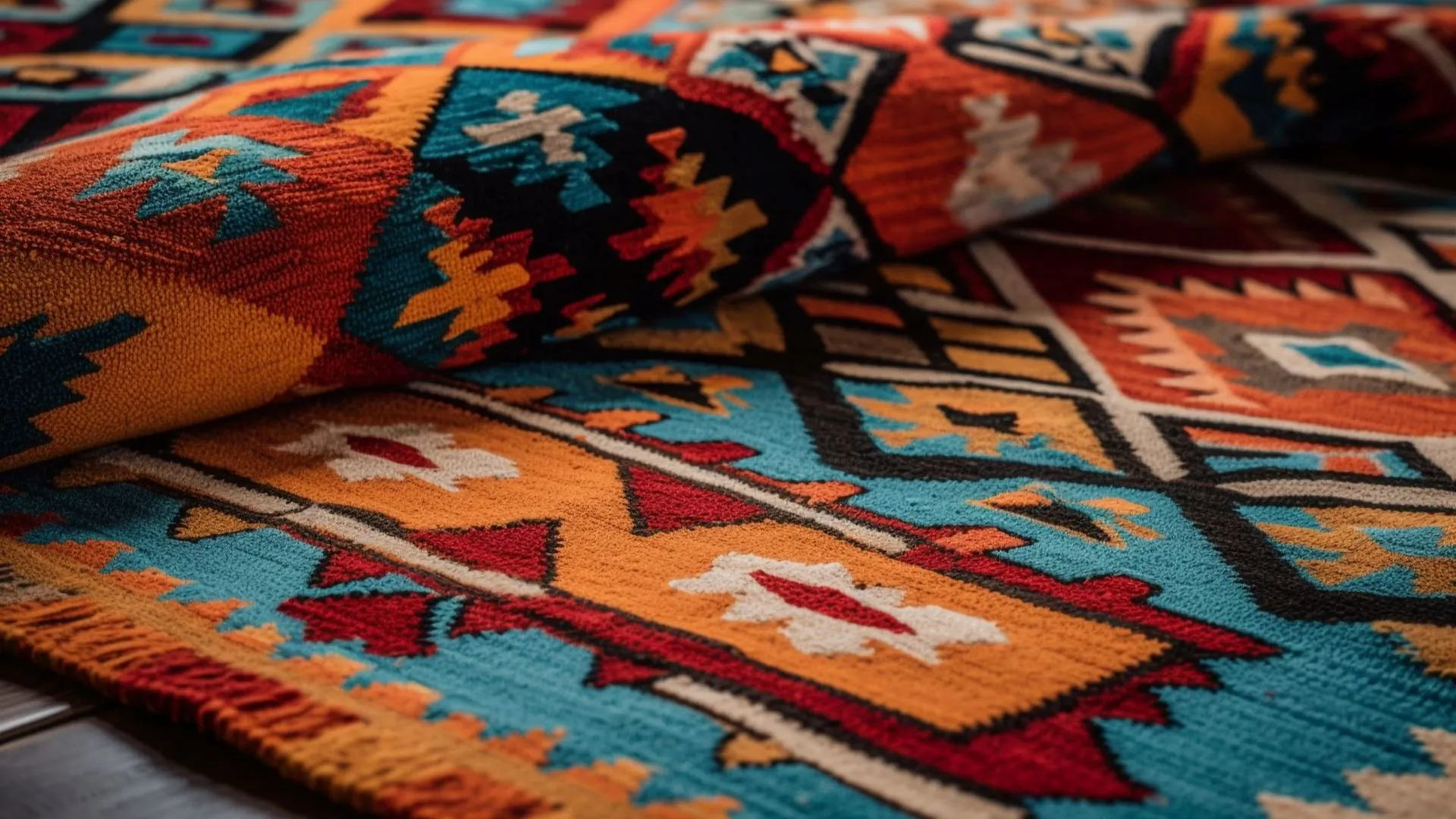
Kilim rugs are usually made of wool, cotton, or other natural fibers. Compared to machine-made carpets, these fibers are far more delicate. In addition, kilims often have:
-
A looser weaving structure
-
Colors created using natural dyes
-
Fibers that can be damaged by excessive water or detergents
These characteristics require kilim rug cleaning to be handled differently from standard carpet cleaning methods. Professional services design a customized cleaning process based on the rug’s weaving and fiber structure.
What Are the Risks of Cleaning Kilim Rugs at Home?
Cleaning kilim rugs at home may seem practical, but it can cause serious long-term problems. The most common risks include:
-
Shrinkage or loss of shape
-
Colors bleeding into one another
-
Fibers becoming stiff and damaged
-
Odor formation during improper drying
These risks are significantly higher for handwoven kilims. Household detergents and uncontrolled water usage can lead to irreversible damage.
How Does Professional Kilim Rug Cleaning Work?
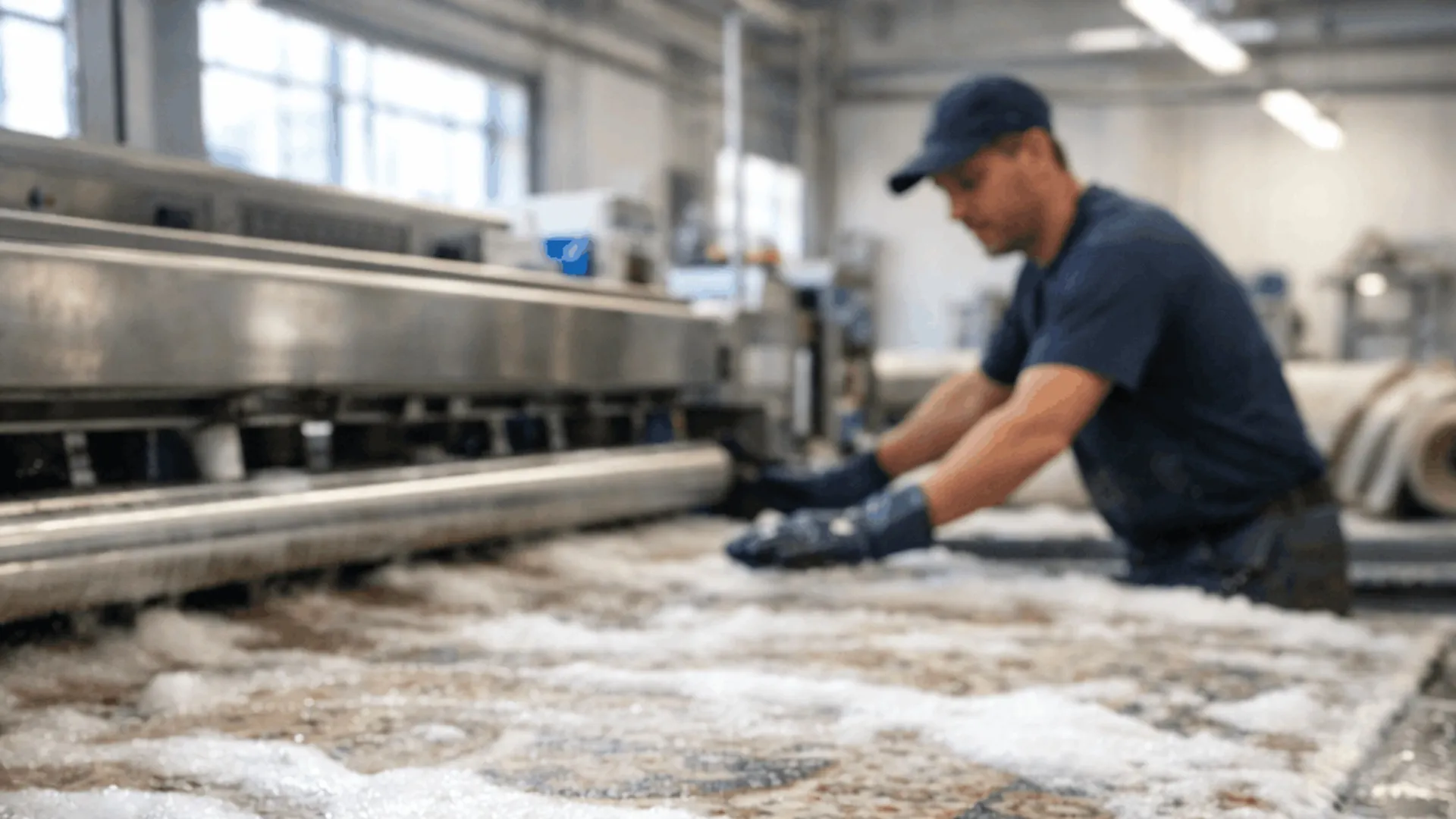
Professional kilim rug cleaning is not a random process. Each step is carefully planned based on the rug’s specific characteristics.
The process generally includes:
-
Pre-inspection of the rug
-
Analysis of the weaving and fiber structure
-
Selection of the appropriate cleaning method
-
Controlled washing and rinsing
-
Proper drying under suitable conditions
This systematic approach ensures both cleanliness and structural preservation.
How Does Professional Cleaning Extend the Lifespan of Kilims?
Proper kilim rug cleaning does more than remove dirt—it also extends the rug’s lifespan. The main reasons include:
-
Preventing fiber wear
-
Preserving natural colors
-
Avoiding stiffness and texture loss
-
Reducing long-term deformation risks
These advantages make professional cleaning essential, especially for kilims intended for long-term use.
Why Is Consistent Service Quality Across Different Locations Important?
Kilim cleaning is a trust-based service. Users expect the same level of care regardless of where they leave their rugs. Therefore, offering service across multiple locations is only valuable if the quality remains consistent.
From Kadıköy to Tuzla, maintaining uniform standards at every stage of the kilim rug cleaning process is a clear indicator of professional service.
Conclusion: Why Choosing the Right Kilim Rug Cleaning Service Matters
Kilims hold a unique place compared to conventional carpets due to their structure and cultural value. Their natural fibers, delicate weaving techniques, and color compositions require special attention during cleaning. Professional kilim rug cleaning plays a crucial role in preserving these characteristics.
Uncontrolled home cleaning methods can cause shrinkage, stiffness, or color loss. Professional services, however, follow controlled processes that protect the rug’s weaving and fiber balance. For users across different districts, consistent quality standards provide a reliable and safe cleaning experience.
In conclusion, kilim rug cleaning is not just about cleanliness—it is a care process aimed at preserving the rug’s value and longevity. The right method and professional approach are essential to achieving this.
Frequently Asked Questions (FAQ)
Can kilim rugs be cleaned at home?
Although kilim rugs may seem suitable for home cleaning, uncontrolled water and detergent use can cause shrinkage, color bleeding, and damage to the weaving. Professional kilim rug cleaning is therefore recommended.
Why do handwoven kilims require special cleaning?
Handwoven kilims are typically made with natural fibers and dyes, making them sensitive to standard carpet cleaning methods. Professional kilim rug cleaning takes this sensitivity into account.
How often should kilim rugs be cleaned?
Cleaning frequency depends on usage and environmental conditions. In most cases, professional cleaning once a year is sufficient, though heavily used areas may require more frequent cleaning.
Will colors be damaged during kilim rug cleaning?
When proper methods are used, color damage does not occur. Professional services apply suitable techniques to minimize this risk.
Do kilim rugs become stiff after cleaning?
Incorrect washing and drying methods can cause stiffness. Professional kilim rug cleaning uses fiber-safe techniques to preserve softness and texture.
How should kilim rugs be dried after cleaning?
Kilims should be dried with controlled airflow and kept away from direct sunlight. This helps protect both the colors and the weaving structure.