

Wedding Dress Dry Cleaning and Storage: A Complete Guide
A wedding dress is, for most people, both the most valuable and the most emotionally significant garment they will ever own. Months of searching, countless fittings, and a significant investment — and then, the day after the wedding, it often gets less attention than it deserves.
The dress comes home, goes into a plastic bag, and waits for "one day." Or it sits in the corner of a room while life moves on. Both decisions cause long-term damage that is largely avoidable.
In this guide I will cover what needs to happen in the hours after a wedding, why professional dry cleaning is non-negotiable, how to store a wedding dress correctly, and what determines whether it is still wearable years from now.
The First 48 Hours Are the Most Critical
The biggest mistake in wedding dress care is delay. The exhaustion and emotion of a wedding day make it easy to set the dress aside and deal with it "this weekend" or "next month."
That delay gives stains the time they need to set permanently into the fabric.
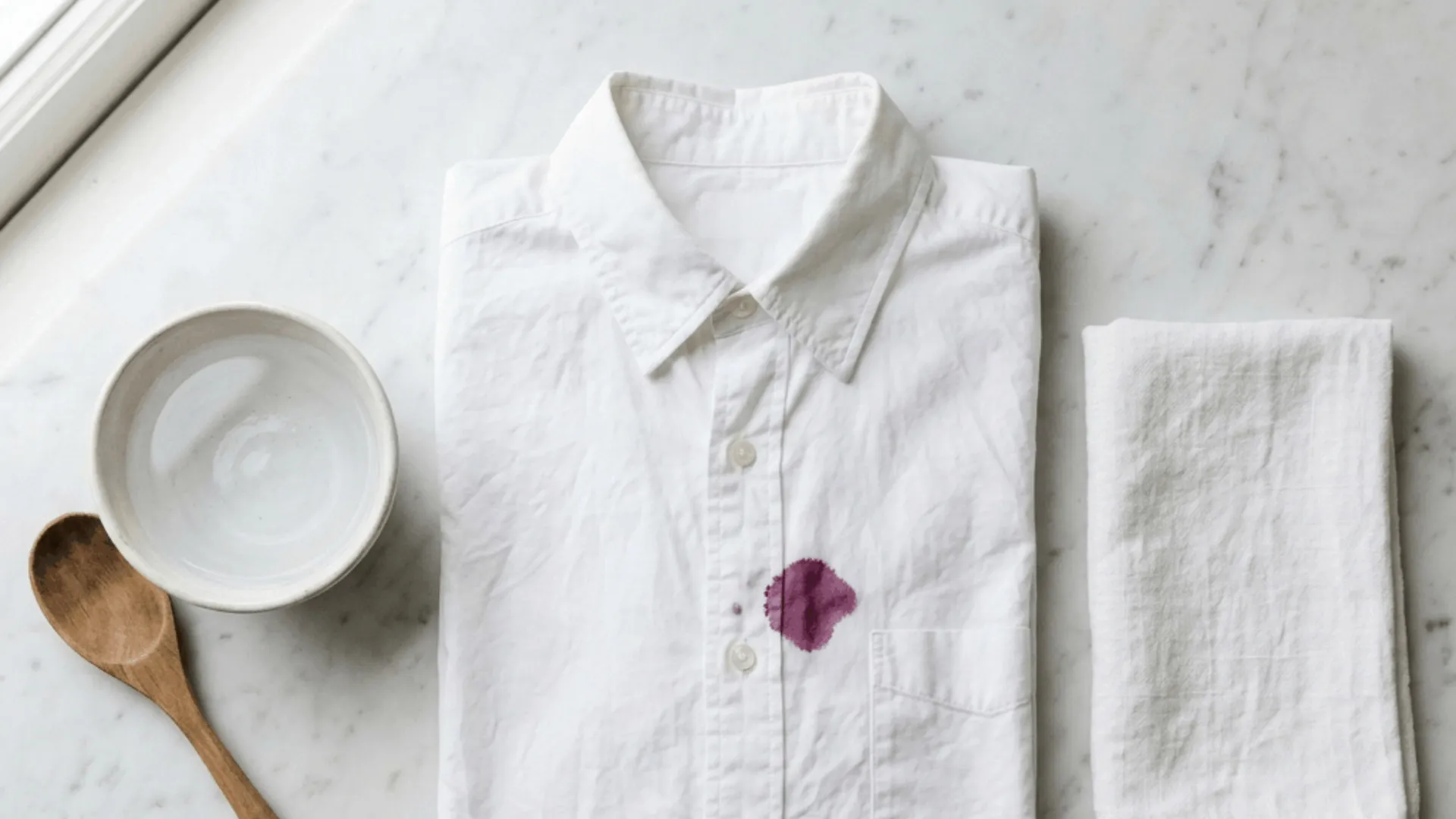
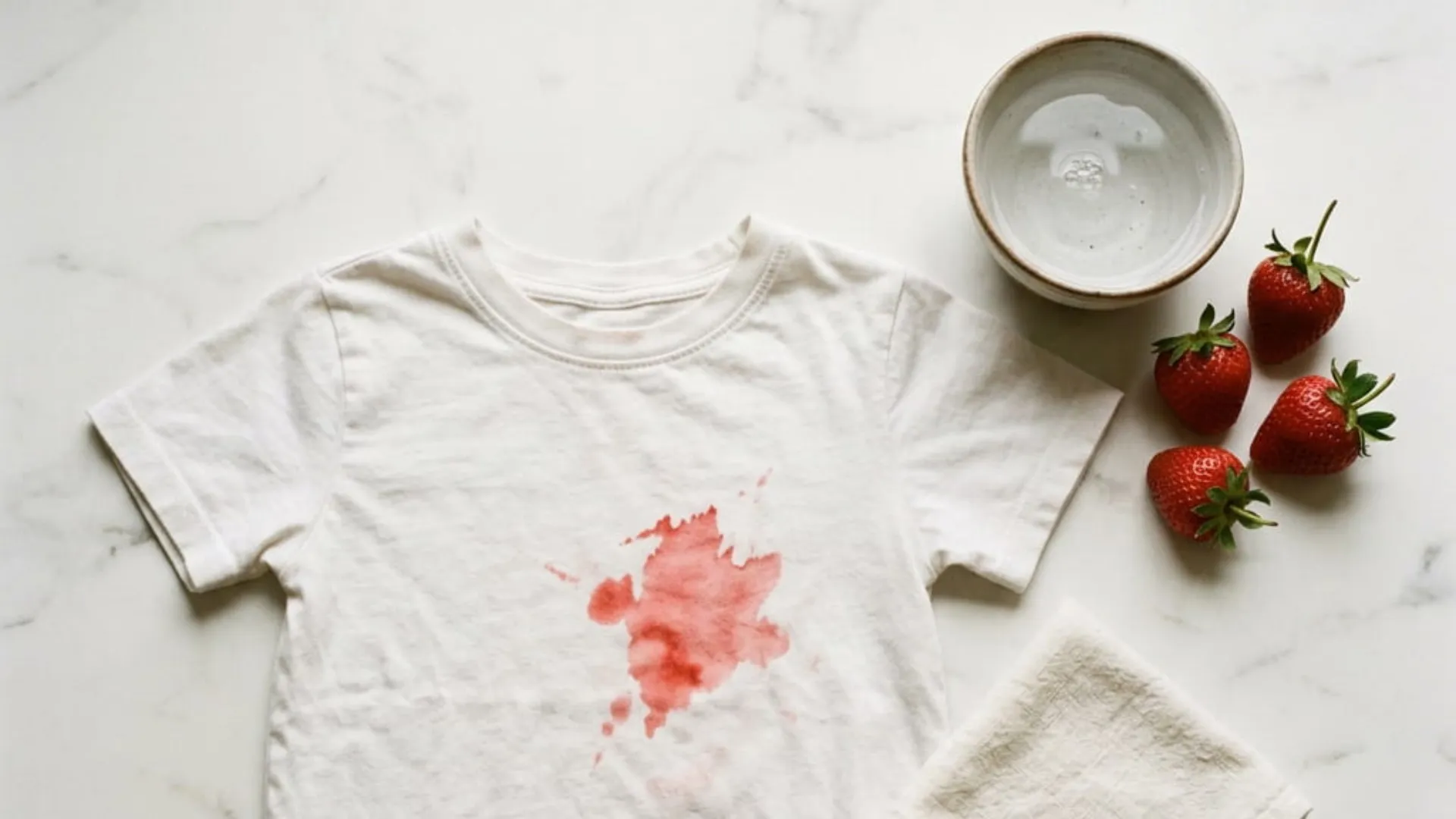
Wedding dress stains are almost always complex. Wedding cake, champagne, makeup, sweat, floor soiling, and flower pollen — all of these are typically present in some combination. When fresh, most of them can be removed. Left to wait, they work their way deeper into the fabric. Some become invisible — which is particularly dangerous, because an invisible stain continues to yellow and deteriorate in storage without anyone noticing.
What to do immediately after the wedding:
Take the dress off carefully and examine it in good light. Pay particular attention to the hem, waistline, underarm area, and sleeves. Note where each stain is and, where possible, what caused it — this information helps the cleaner apply the right pre-treatment to each mark.
Hang the dress on a wide-shouldered hanger and let it air. Do not put it in a plastic bag or cover yet. A dress that still contains body heat and moisture sealed into plastic immediately after the wedding creates ideal conditions for mould.
Then, ideally within 48 hours, take it to Dry Anka's wedding dress dry cleaning service.
What Stains Does a Wedding Dress Typically Carry?
Most wedding dress stains are either invisible or very faint when they first form. All of them deepen with time.
Sweat and body oil accumulate in the underarm and waist areas. They are not immediately visible but produce yellowing over the months and years that follow.
Makeup — foundation, blush, and lipstick — tends to transfer at the neckline and waistline. Coloured marks show clearly, but foundation residue is often only visible in certain light.
Floor soiling is significant on full-length dresses. A wedding dress hem that has swept across a ballroom, a garden, or a field carries both visible dirt and microscopic particles that are not immediately apparent.
Food and drink — cake, champagne, fruit juice — are an occupational hazard of a reception. Small splashes are often not noticed until the dress comes home.
Flowers and plants — pollen and plant sap from the bouquet and decorations — can cause permanent staining on white and ivory fabric if left untreated.
What all of these have in common is this: the sooner they are treated professionally, the better the result. Fresh stains respond to pre-treatment; stains that have waited do not.
Why a Wedding Dress Cannot Be Washed at Home
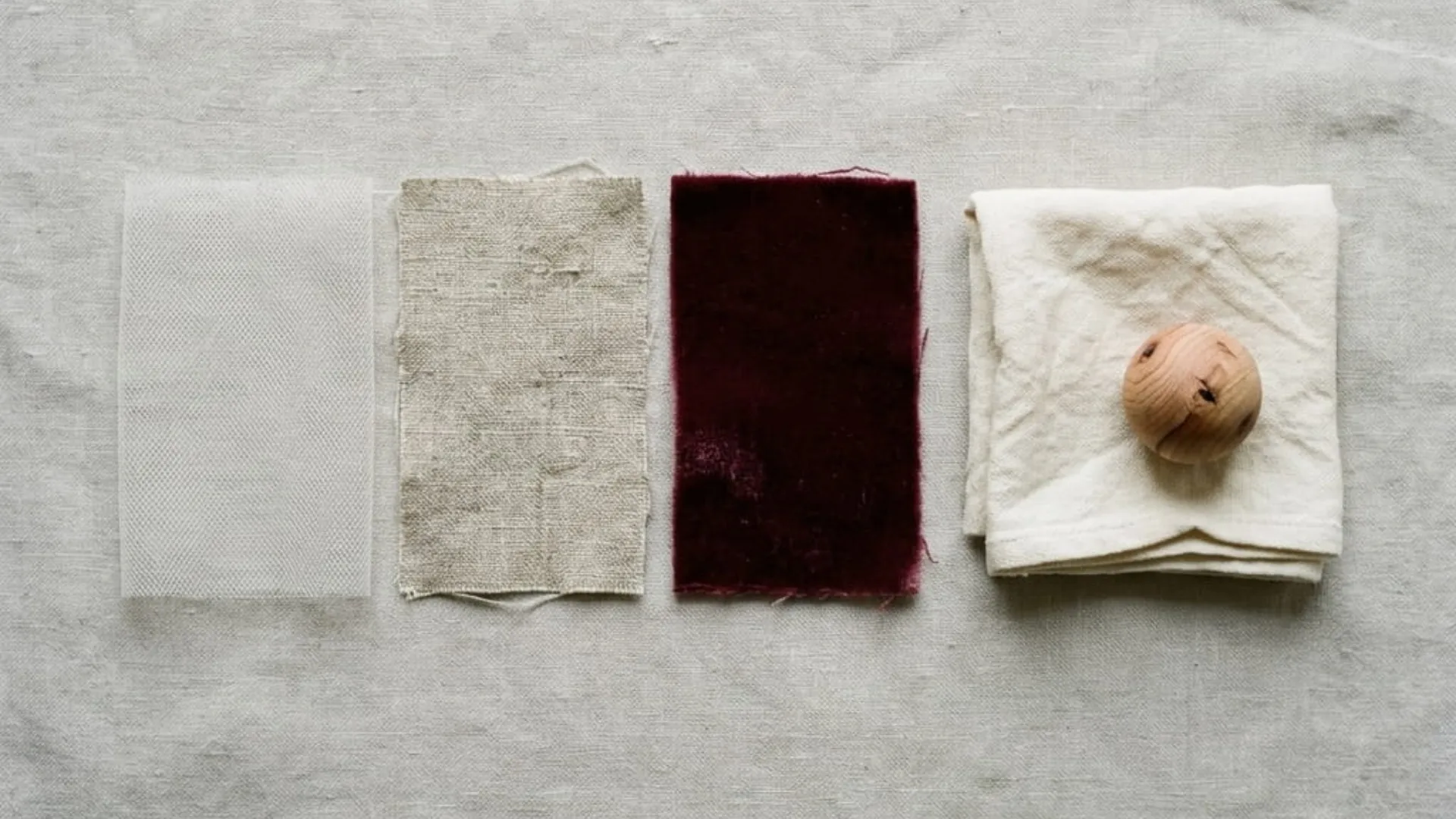
Most wedding dresses are made from fabrics that are highly sensitive to water — organza, tulle, silk, satin, and lace are all common, and all require careful handling.
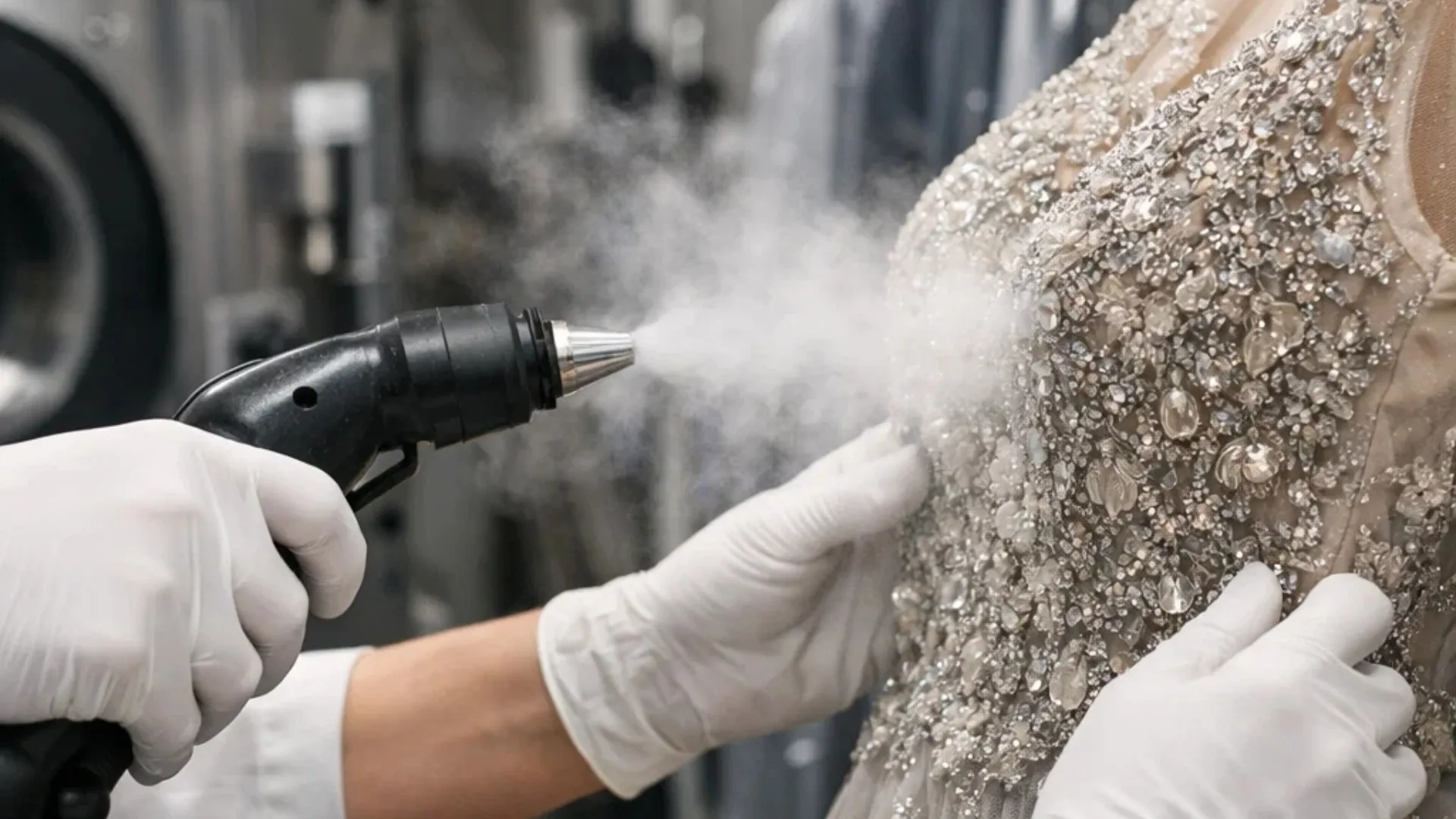
Organza and tulle tear and lose their shape in a machine cycle. Silk and satin watermark very easily and are prone to colour bleeding. Lace threads snap in agitation, permanently distorting the pattern. Beading and sequin embellishments collide with each other and with the drum, causing chips, cracks, and broken threads.
Beyond the individual fabrics, most wedding dresses are constructed from multiple layers — and each layer shrinks at a different rate when wet. The silhouette changes permanently.
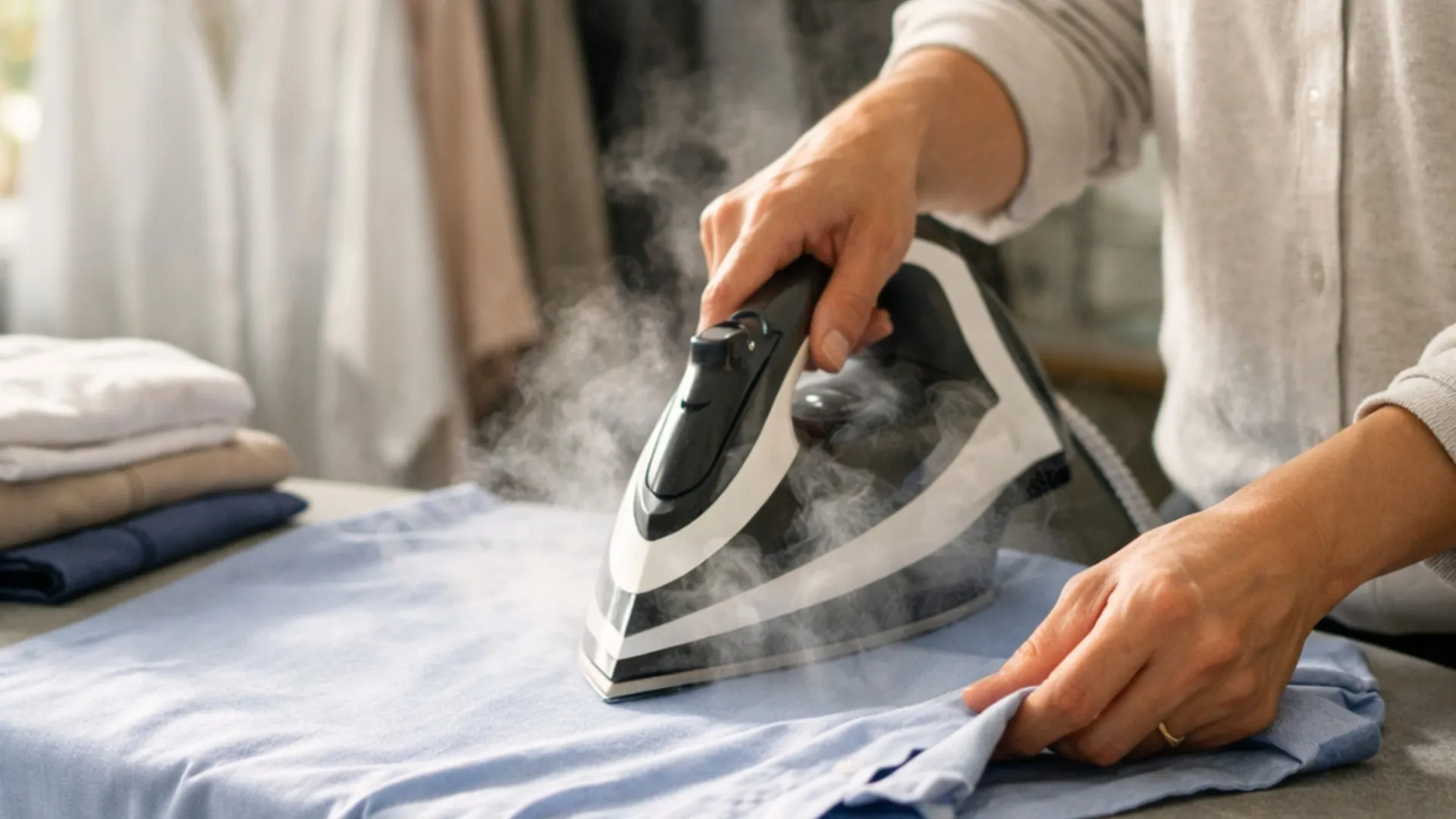
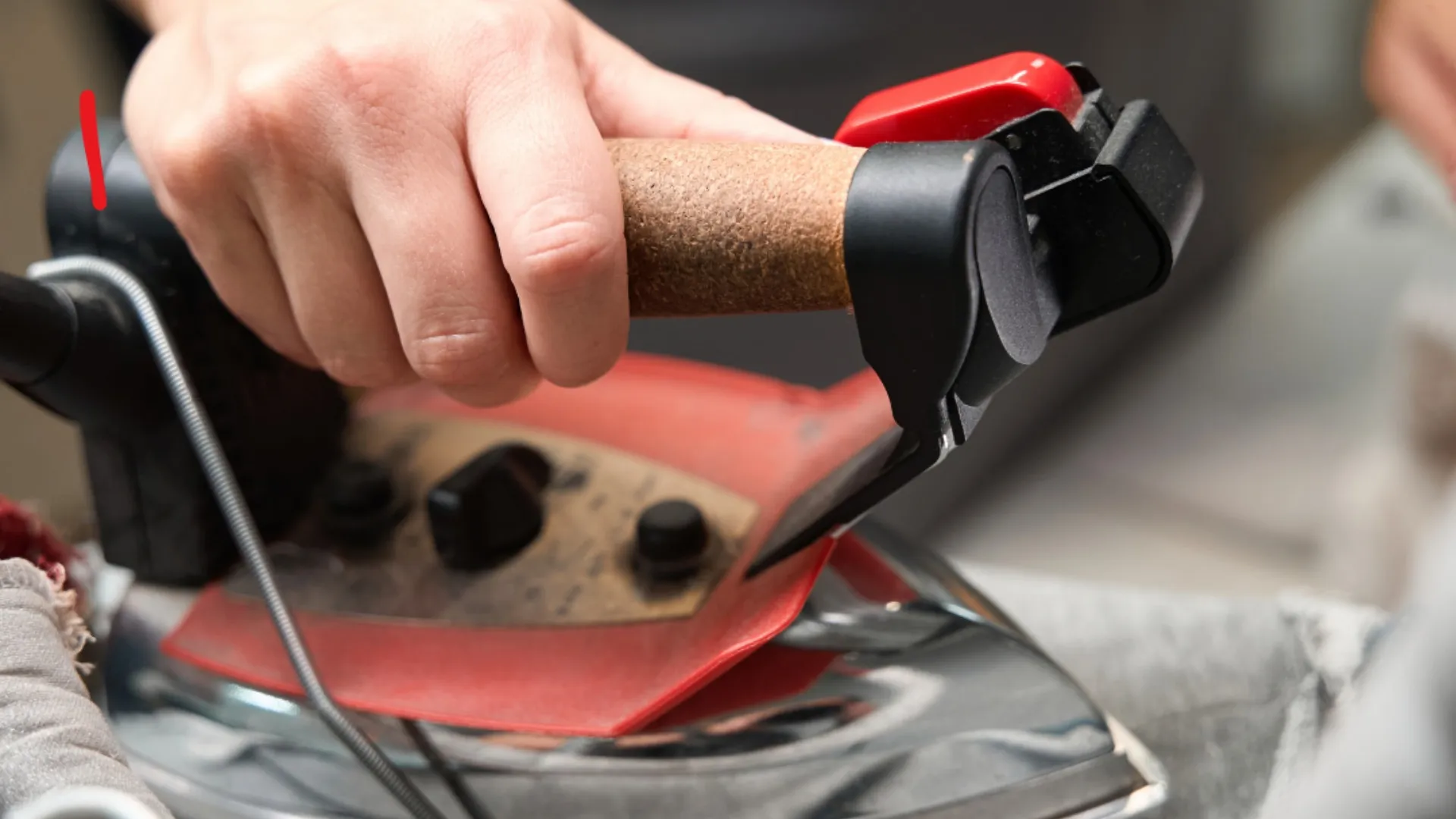
The conclusion is straightforward. For a wedding dress, dry cleaning is not a preference — it is the only safe option. Wedding dress dry cleaning and wedding dress ironing exist precisely for this reason.
What the Professional Cleaning Process Involves
A good dry cleaner begins by inspecting the dress thoroughly at collection. Every area is assessed — stain type, fabric composition, and the construction of each section are all noted before any processing begins.
Pre-treatment is the most important stage. Different solvents are used for different stain types. Enzymatic pre-treatment for sweat and body oil; a degreasing agent for makeup; a separate approach for floor soiling and pollen. This targeted pre-treatment is the step that home washing skips entirely — and it is the step that determines whether a stain comes out or stays.
The dry cleaning process itself uses chemical solvents rather than water. This protects the delicate fabric structure and eliminates the risks of watermarking and shrinkage that water washing would create.
Drying and finishing are carried out using professional equipment. Each section of the dress — the skirt volume, waist, sleeves, neckline — is handled individually. Beading and embellishment details are protected throughout.
After a final quality check, the dress is prepared for storage.
Correct Storage: Preserving the Dress for Decades
Storage is as important as cleaning — and in some ways more so, because a wedding dress typically spends far more time in storage than it spends being worn.
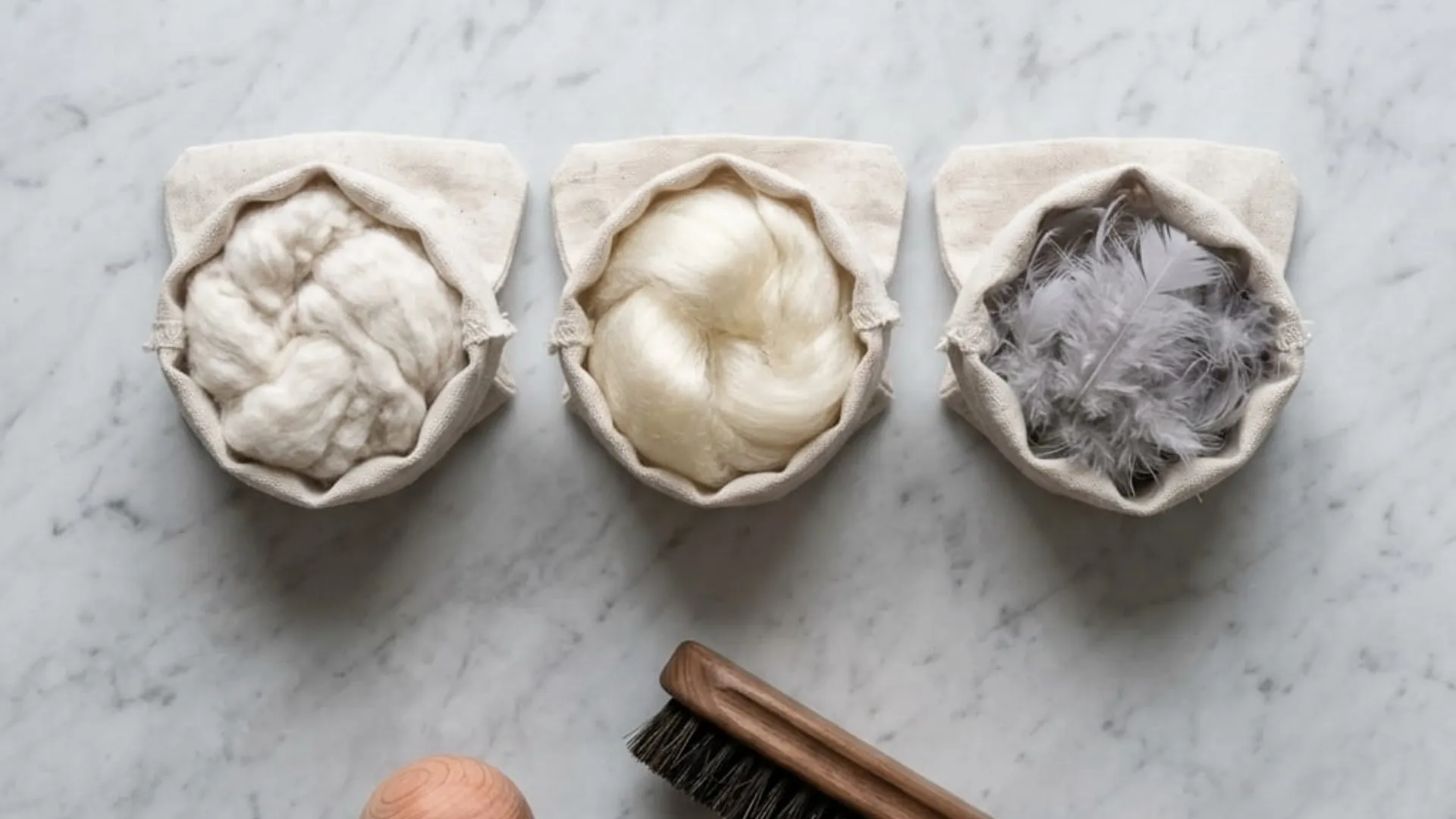
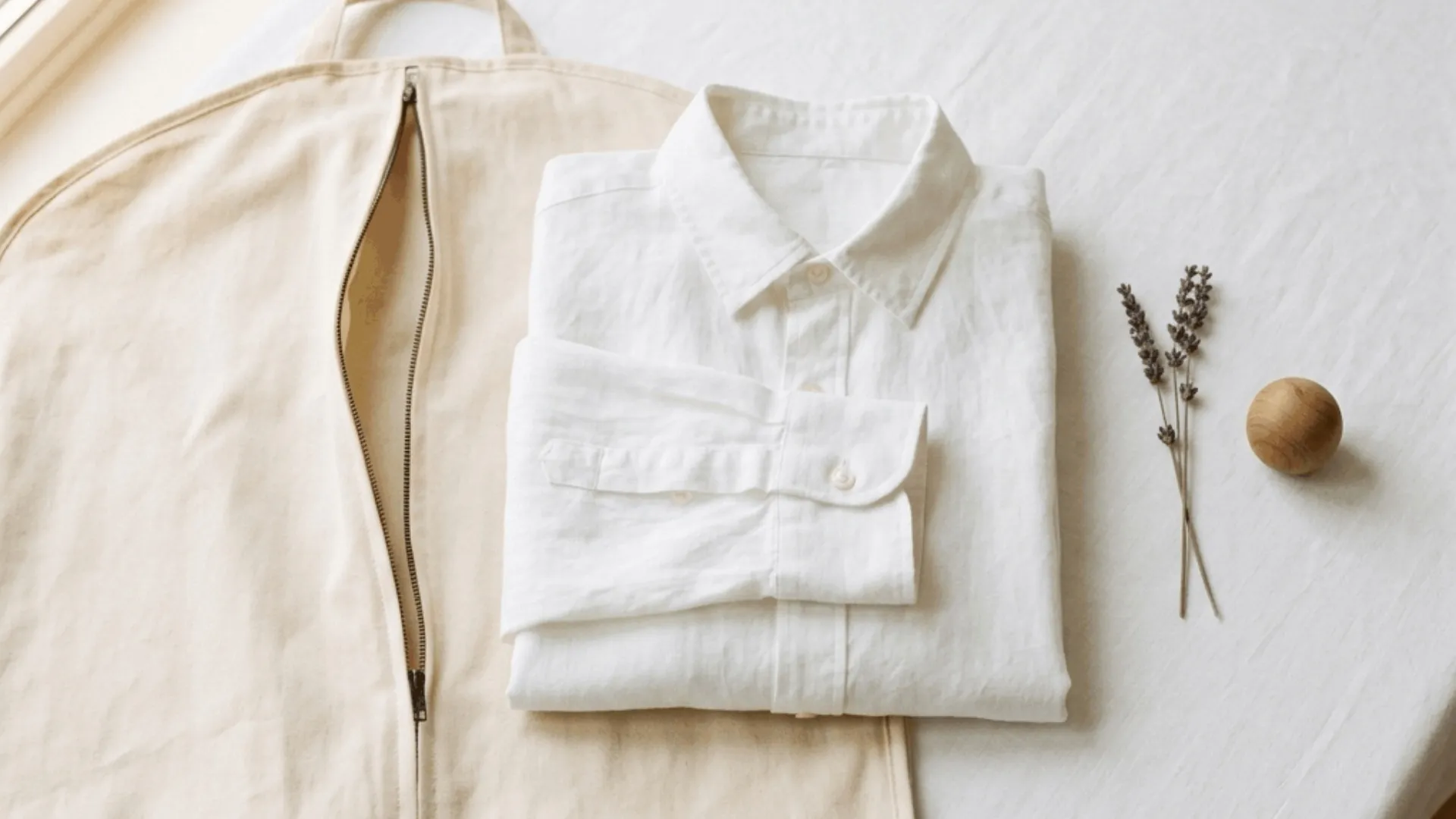
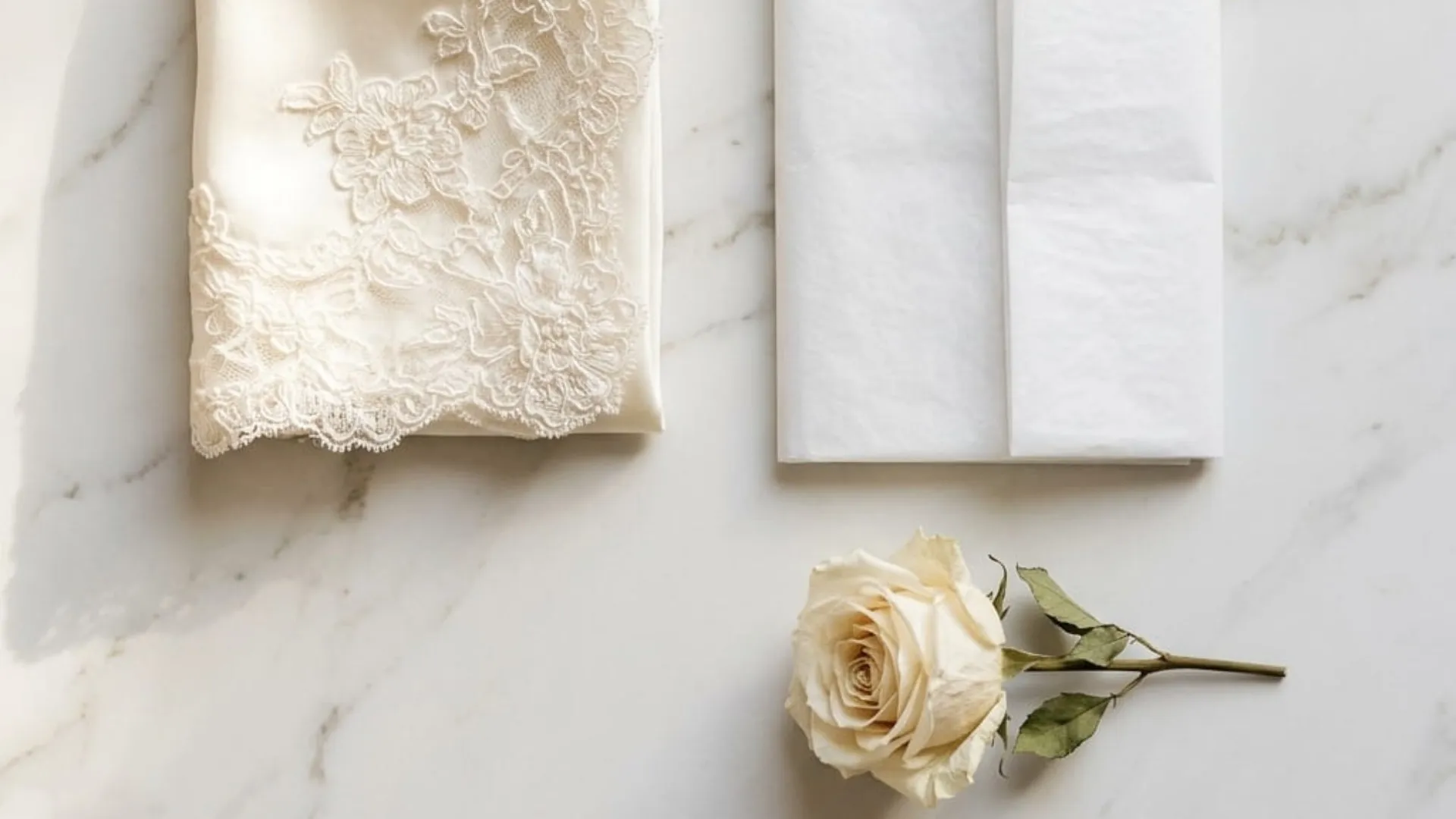
Acid-free tissue paper and an acid-free storage box is the gold standard for wedding dress preservation. This system is specifically designed for long-term storage of valuable garments. Acid-free paper prevents the yellowing and structural damage that regular paper and plastic cause over time. The interior sections of the dress — the areas of skirt volume, the sleeve insides — are padded with acid-free tissue to support the shape.
Some professional dry cleaners offer acid-free preservation as a service following cleaning. This delivers the dress both cleaned and correctly prepared for long-term storage in a single process.
No plastic covers. The plastic bag from the dry cleaner is for transport — not storage. Plastic does not breathe; moisture and chemical compounds build up inside and transfer to the fabric over time. This causes colour change and fabric deterioration that is invisible until it is already significant.
A breathable cloth bag is considerably better than plastic. Natural breathability prevents moisture accumulation.
Box or hanger? Heavy wedding dresses should not be hung for extended periods. The weight of the dress places stress on the shoulder seams and gradually stretches the fabric. Horizontal storage in an acid-free box is preferable for long-term preservation.
The right environment. Direct sunlight damages silk and organza irreversibly. Humidity creates conditions for mould. A consistently cool, dry, and dark space is ideal — not the top of a wardrobe or a basement, but a stable, protected area.
Silica gel packets. Placing a few packets inside the storage box prevents moisture accumulation. Replace or reactivate them in a low oven once a year.
Annual checks. Open the box at least once a year. Any sign of moisture, yellowing, or mould should be addressed immediately. A problem caught early is always easier to resolve than one discovered years later.
The "One Day My Daughter Will Wear This" Hope
This thought accompanies many brides — and it is a beautiful one. But for it to be realised, the dress needs to be correctly preserved.
A wedding dress that has been professionally cleaned and correctly stored can remain wearable for decades. One that was stored dirty or in the wrong conditions may yellow, become brittle, and lose its original appearance within just a few years.
Keeping that hope alive requires only one decision, made within 48 hours of the wedding: professional dry cleaning, followed by acid-free storage.
Wedding Dress Care with Dry Anka
Across Kadıköy, Çekmeköy, Tuzla, Küçükyalı, and Fikirtepe, Dry Anka provides door-to-door care for wedding dresses. Wedding dress dry cleaning and wedding dress ironing begin with a detailed inspection at collection and stain-type-specific pre-treatment before any processing begins. Once cleaning is complete, the dress is carefully packaged and returned.
To book an appointment, call 0216 208 44 66.
Conclusion
One rule covers most of what needs to be said about wedding dress care: get it to a professional dry cleaner as soon as possible after the wedding.
The sooner it arrives, the easier the stains are to remove. The better the cleaning, the longer the storage lasts. And the better the storage, the closer the dress will be to its original condition whenever it is opened again — whether that is five years from now or fifty.