
Dry Cleaning Prices: How Much Does It Cost and What Affects the Price?
You have a garment that needs dry cleaning but no idea what to expect in terms of cost. This is a very common situation. Dry cleaning prices vary significantly from garment to garment and service to service — and there are logical reasons behind those differences.
In this guide I will cover the factors that influence dry cleaning prices, general price ranges by garment category, and what to look for when evaluating a service rather than just a number.
The Factors That Determine Dry Cleaning Prices
A dry cleaning price is never determined by a single variable. It is the combination of several factors that produces the final figure.
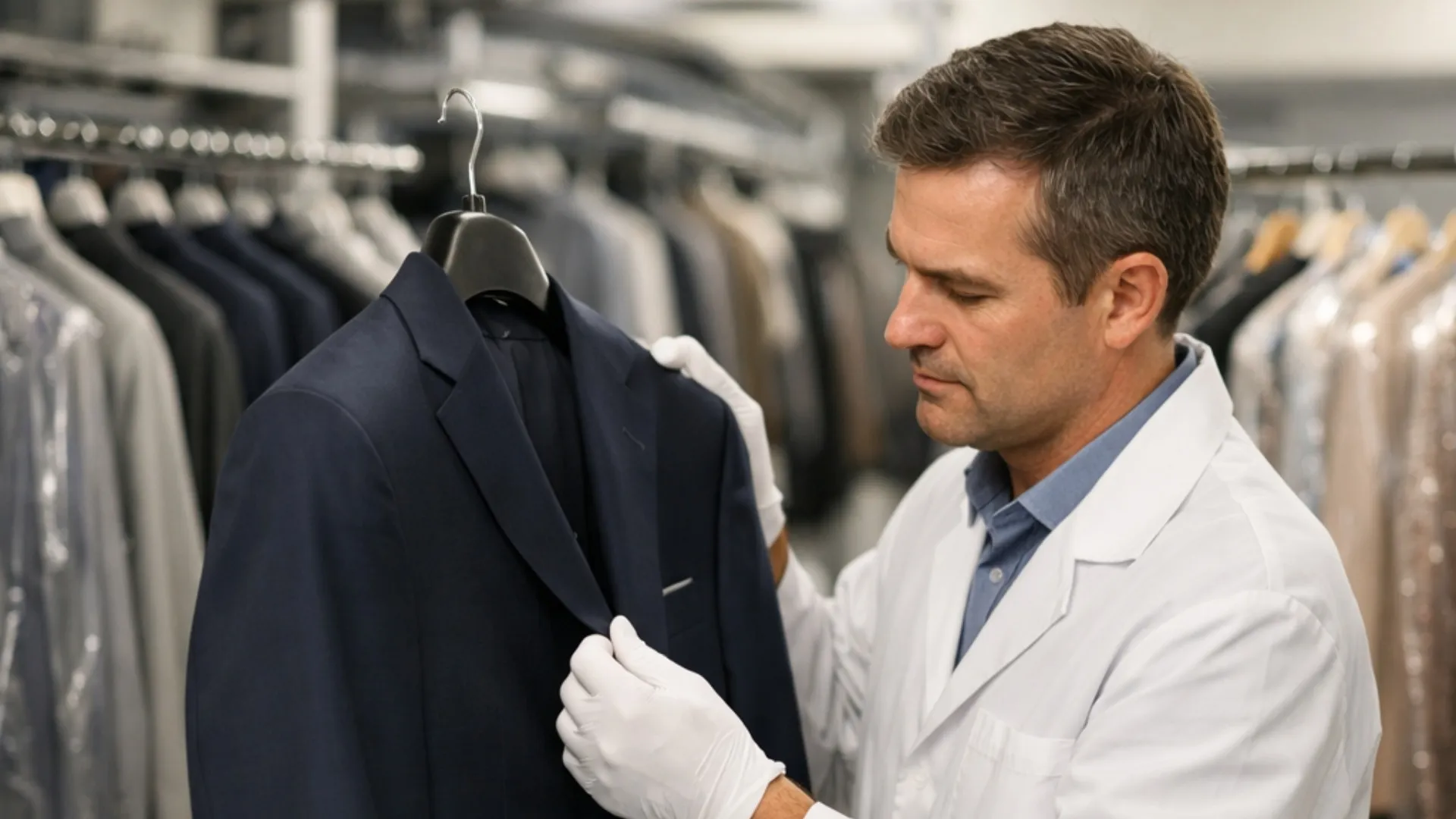
Garment type is the most decisive factor. A t-shirt and a suit jacket do not require the same process. A jacket's lining, interlining, and shoulder structure make it considerably more complex to handle. Pieces like coats, wedding dresses, and leather jackets require more time and more specialist technique — and their pricing reflects that.
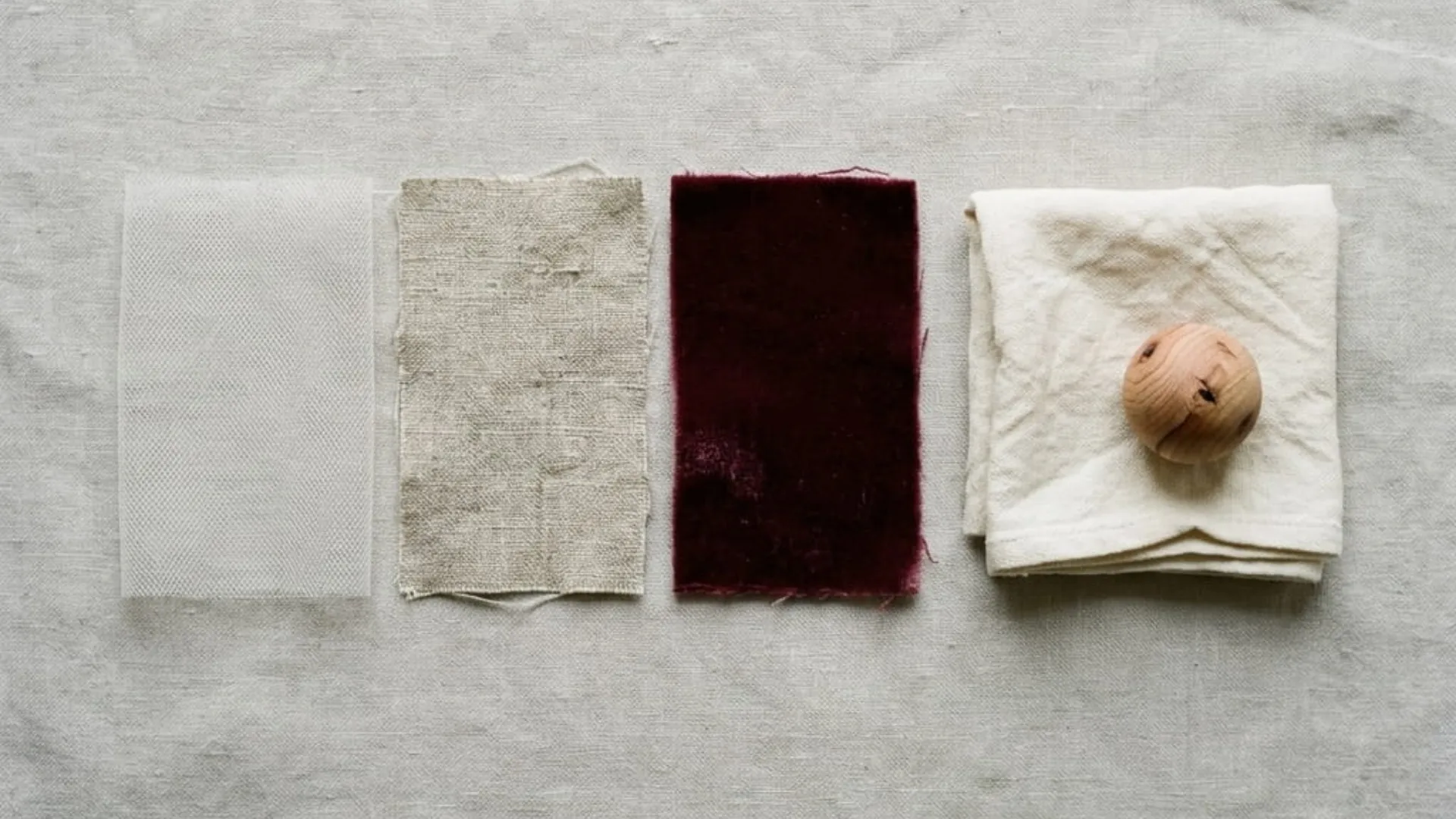
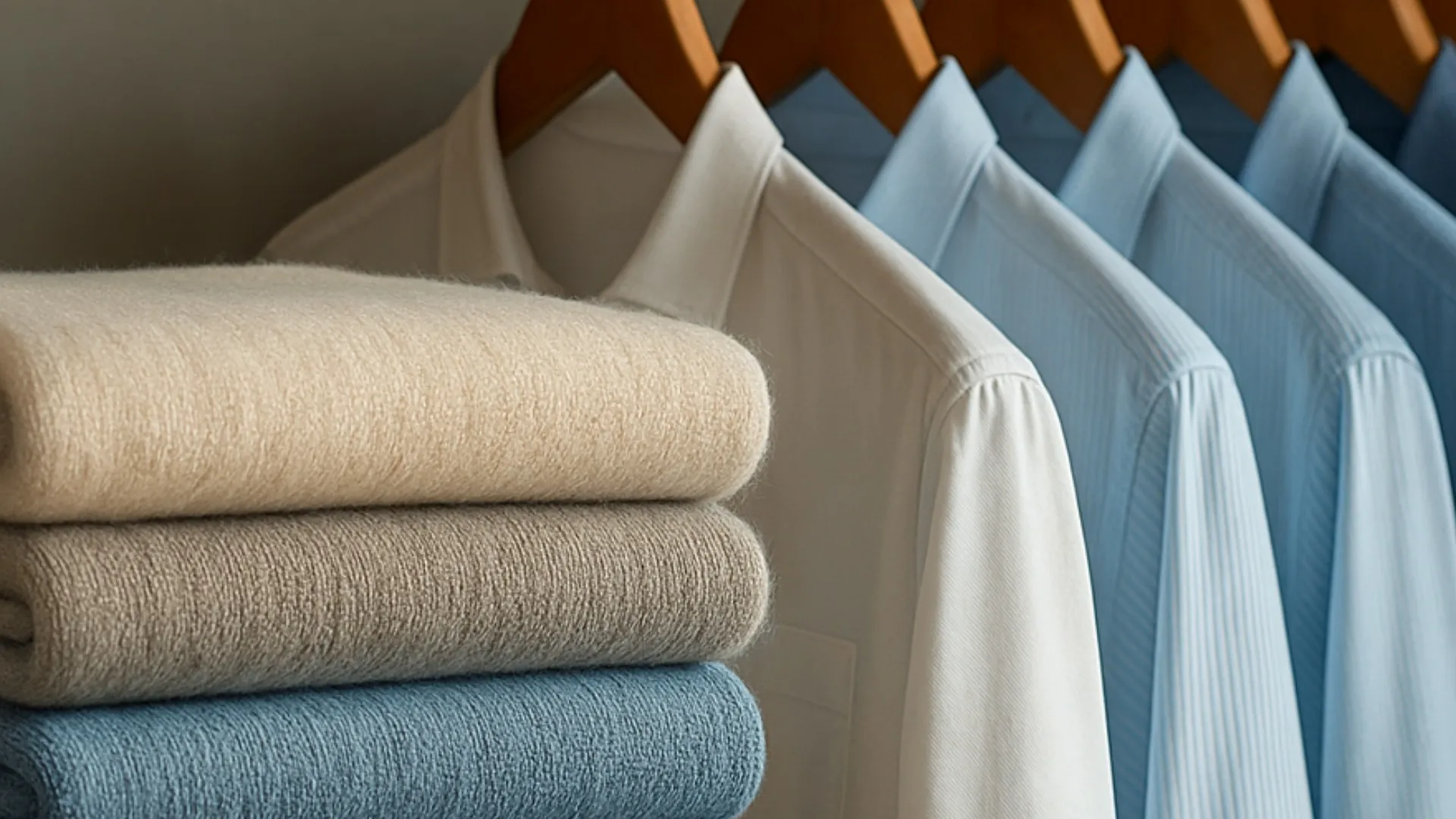
Fabric type directly affects the price. Sensitive materials like silk, velvet, and cashmere require specialist solvents and handling. A silk blouse is not priced the same as a cotton shirt. That difference does not reflect a difference in service quality — it reflects the care and equipment the fabric genuinely requires.
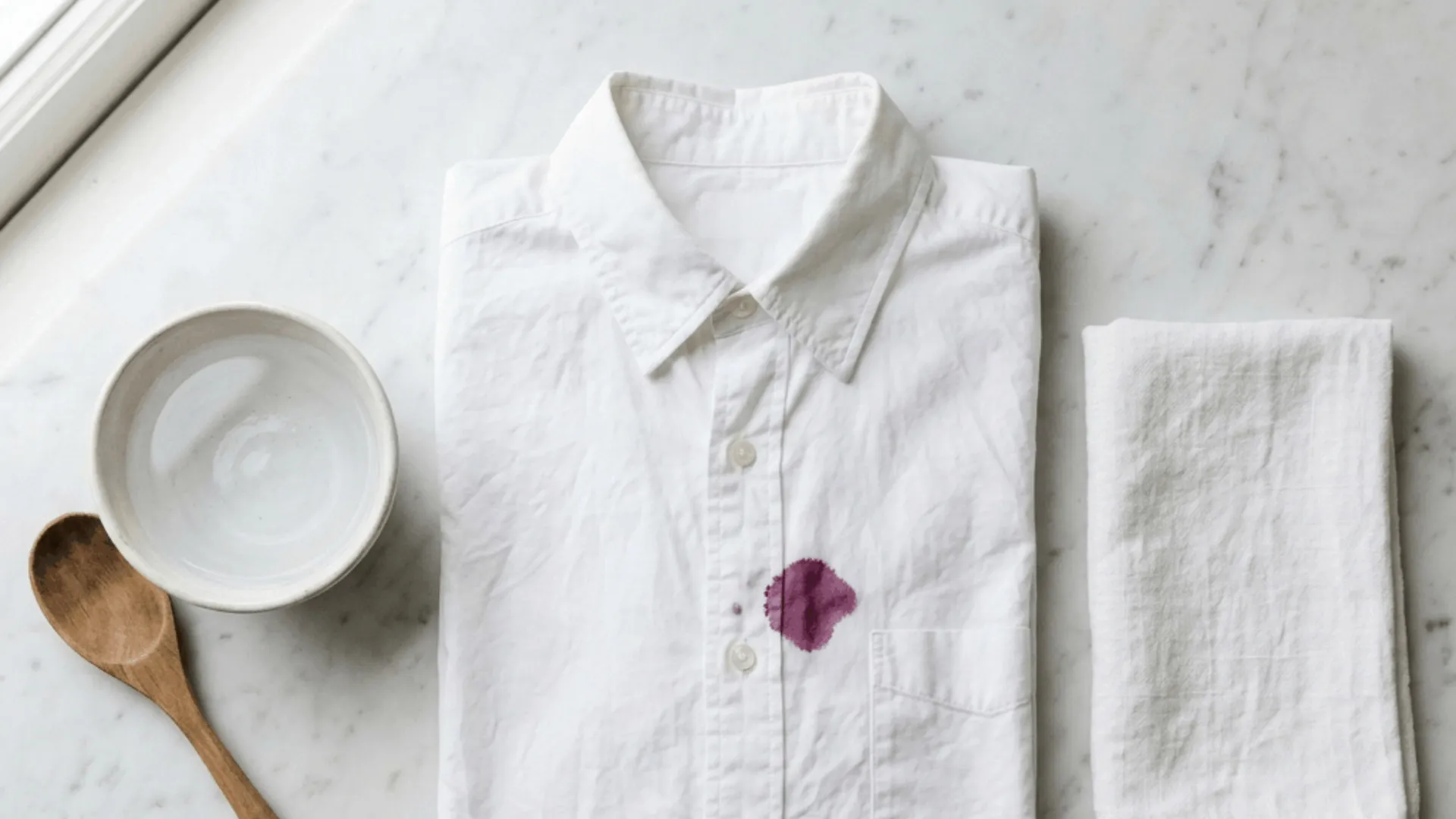
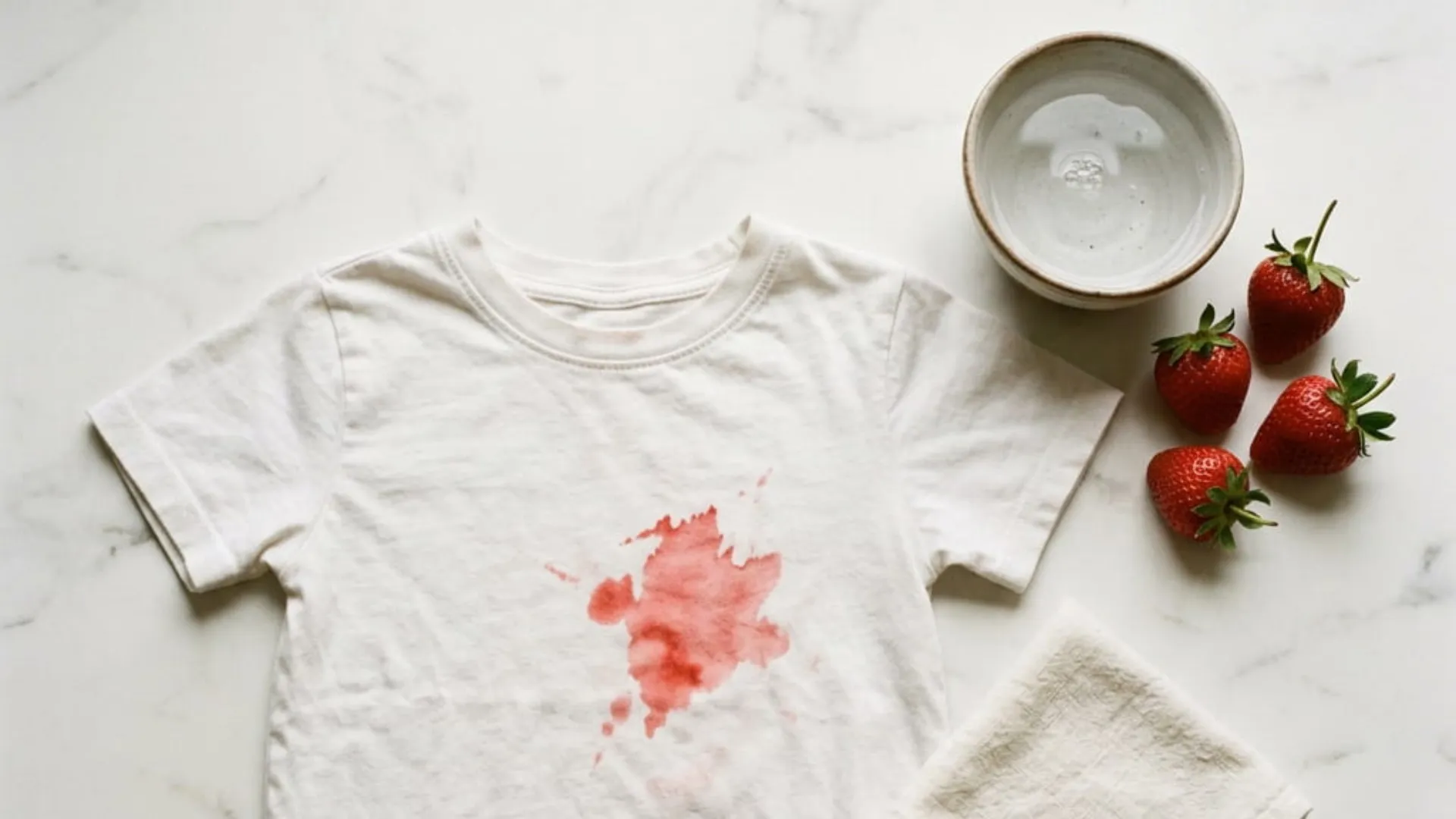
Staining can increase the price. Standard cleaning and intensive stain treatment are not the same process. Old and deeply set stains — oil, blood, wine — require pre-treatment before the main clean. Mentioning stains at drop-off ensures accurate pricing and that the work is done properly.
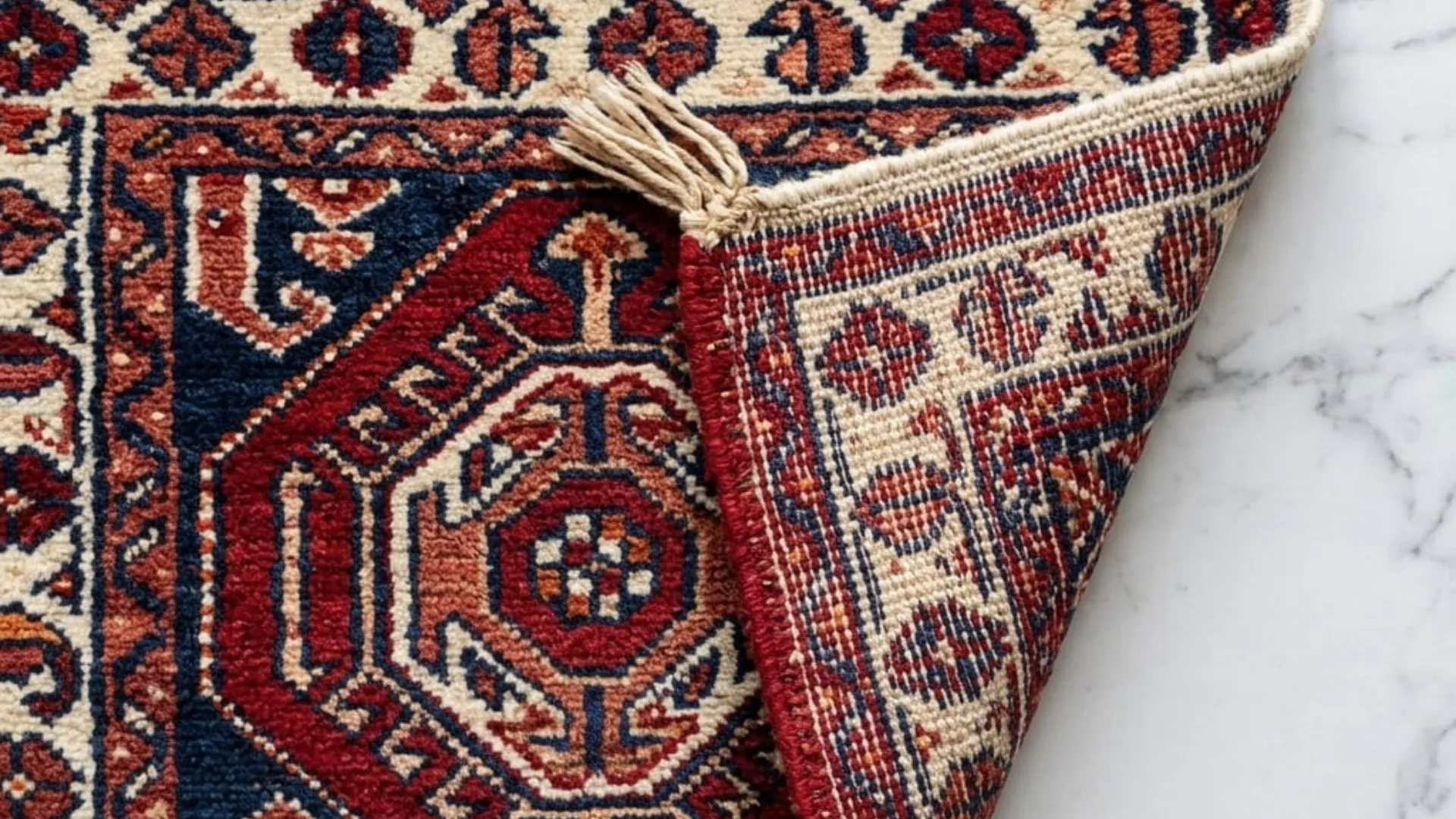
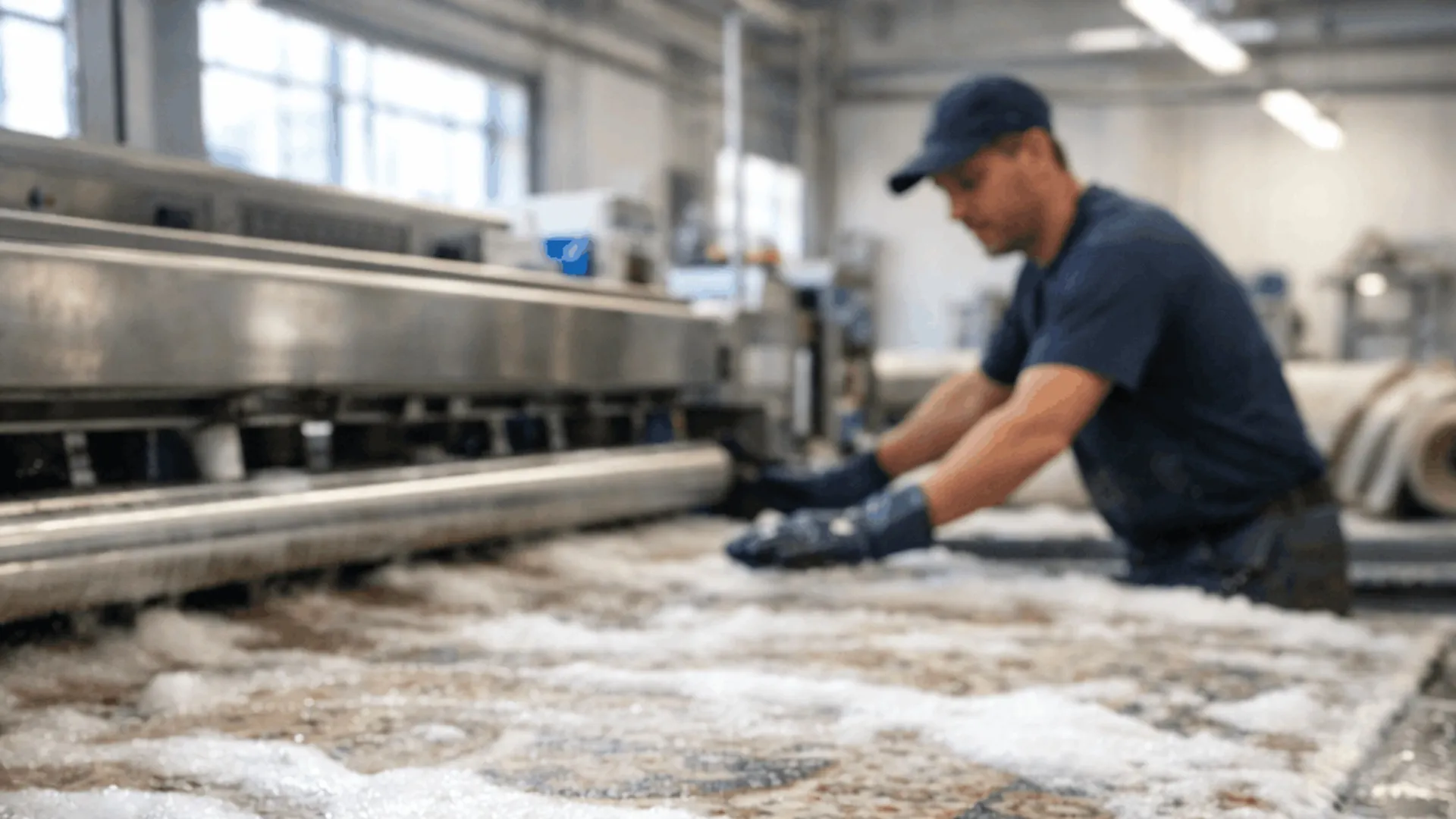
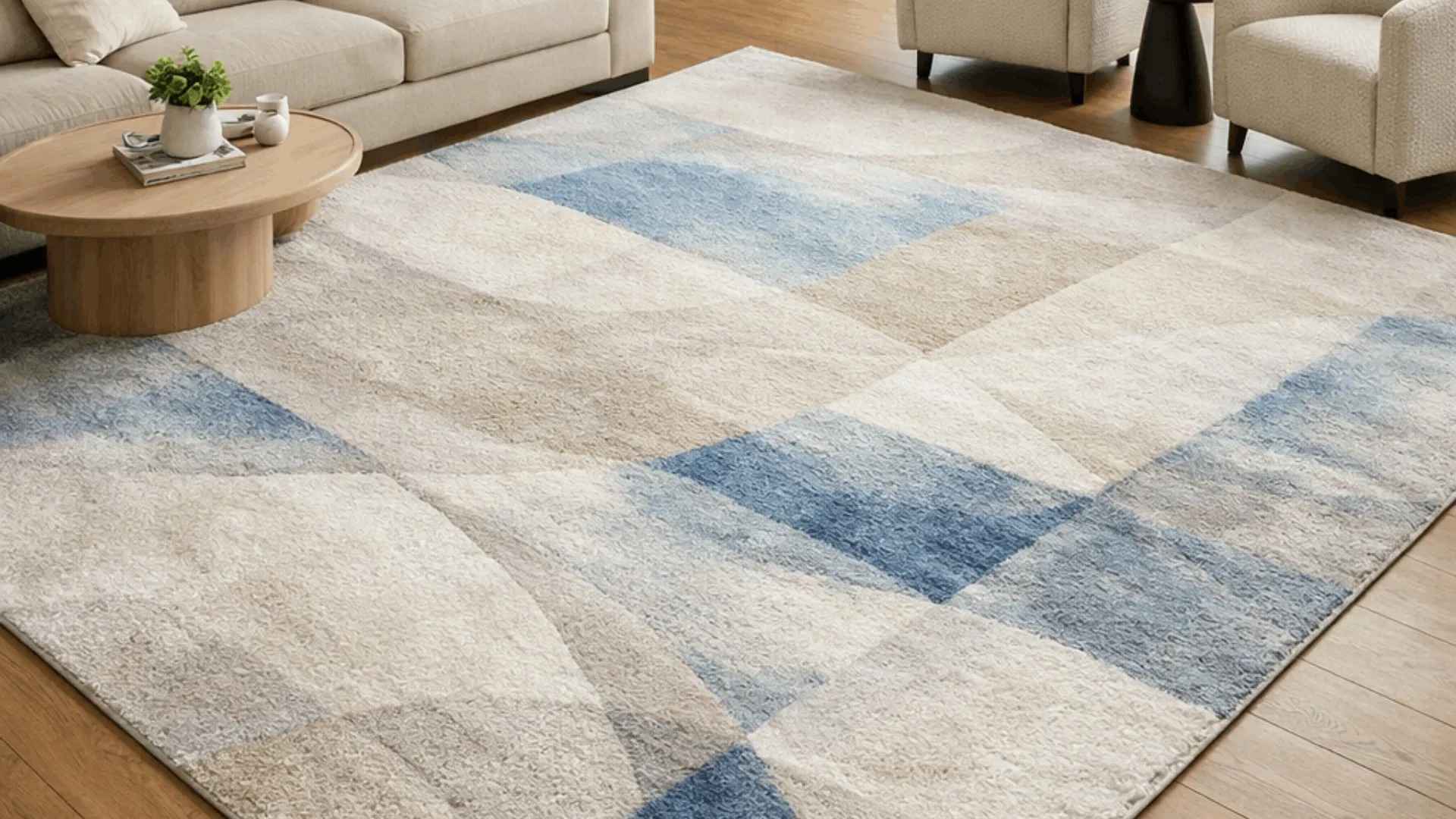
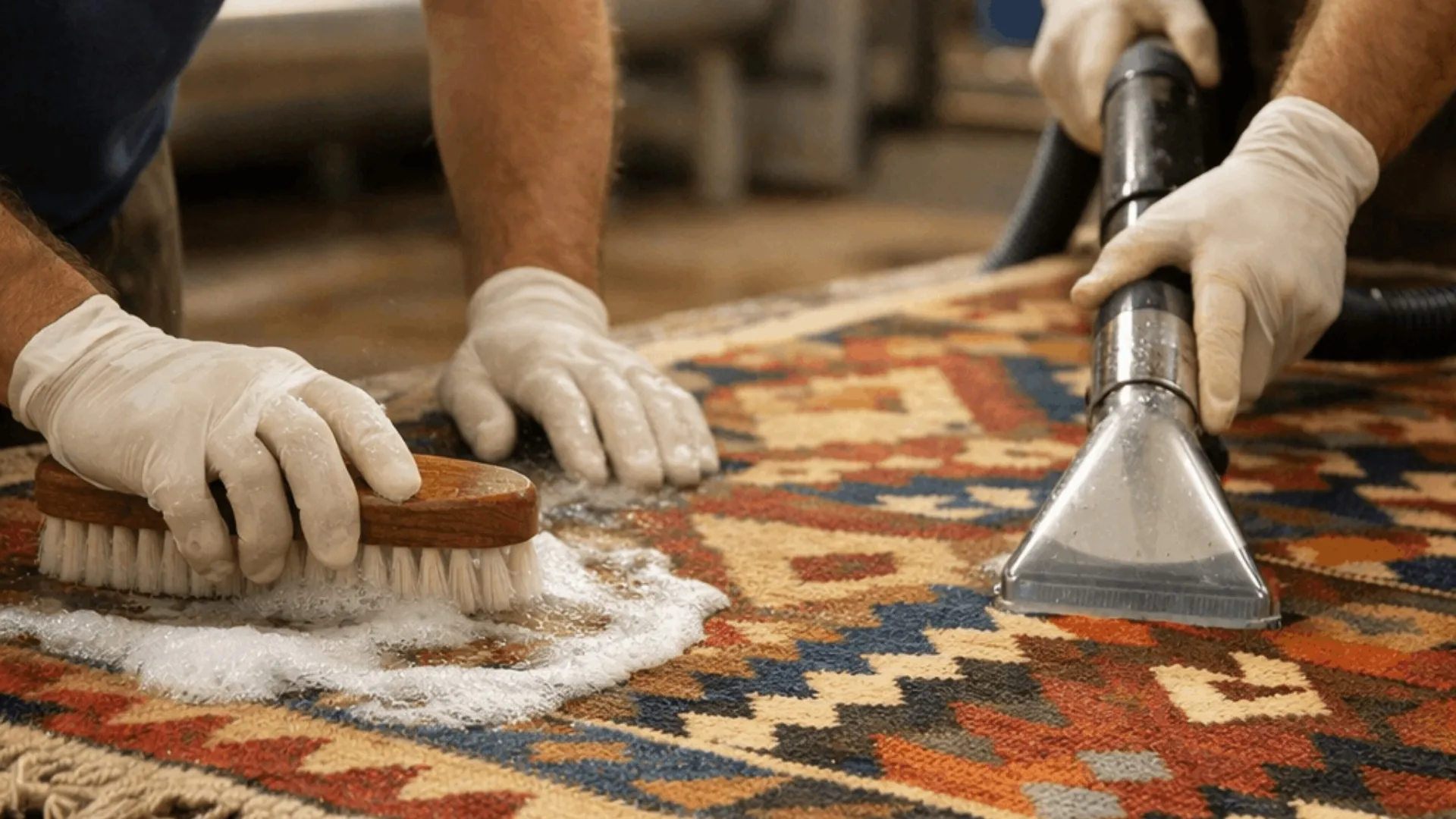
Size and weight matter for large textiles. For services like rug washing and curtain cleaning, size is a primary pricing factor. A 2x3 metre rug and a 4x5 metre rug are not priced the same.
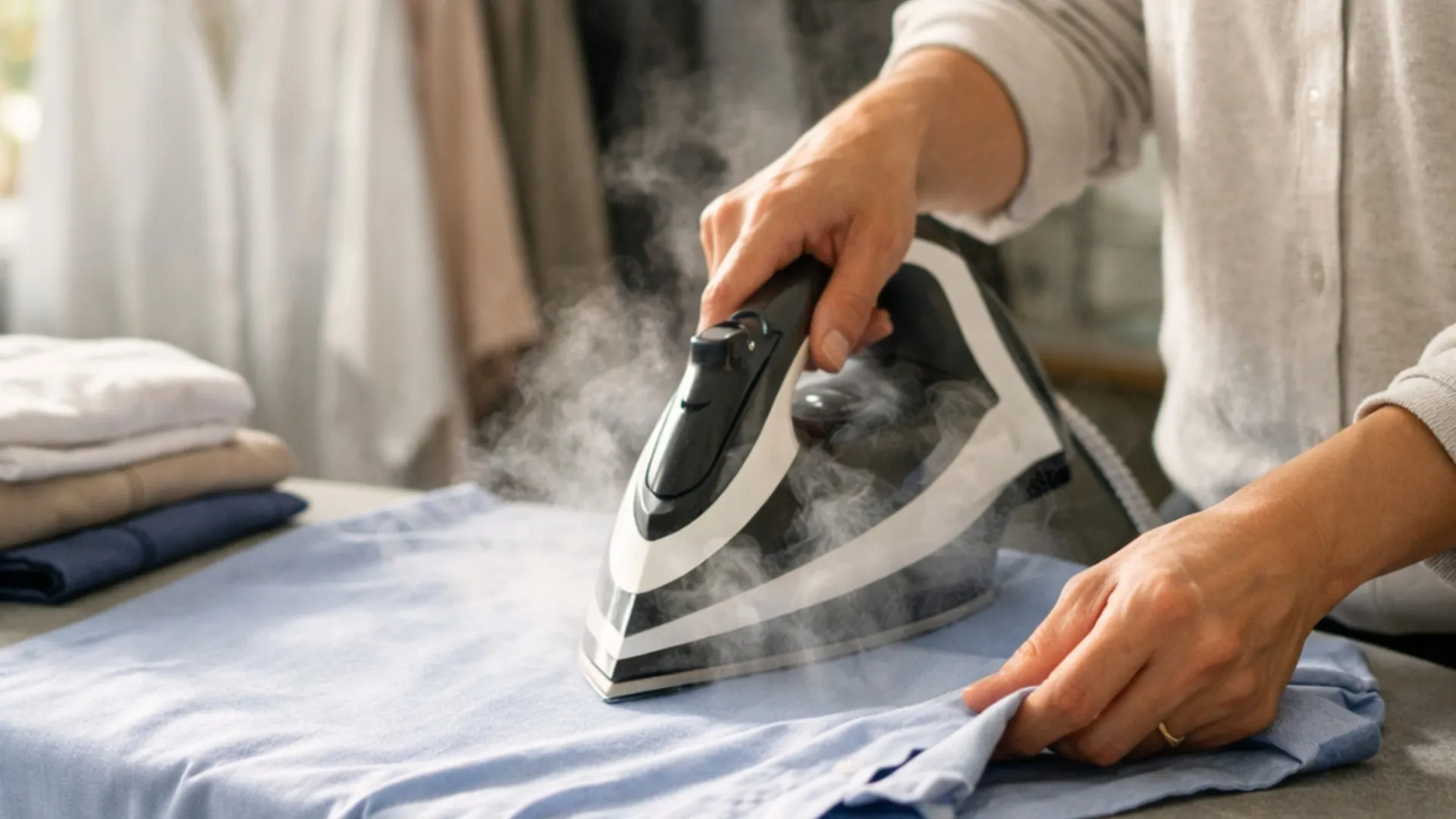
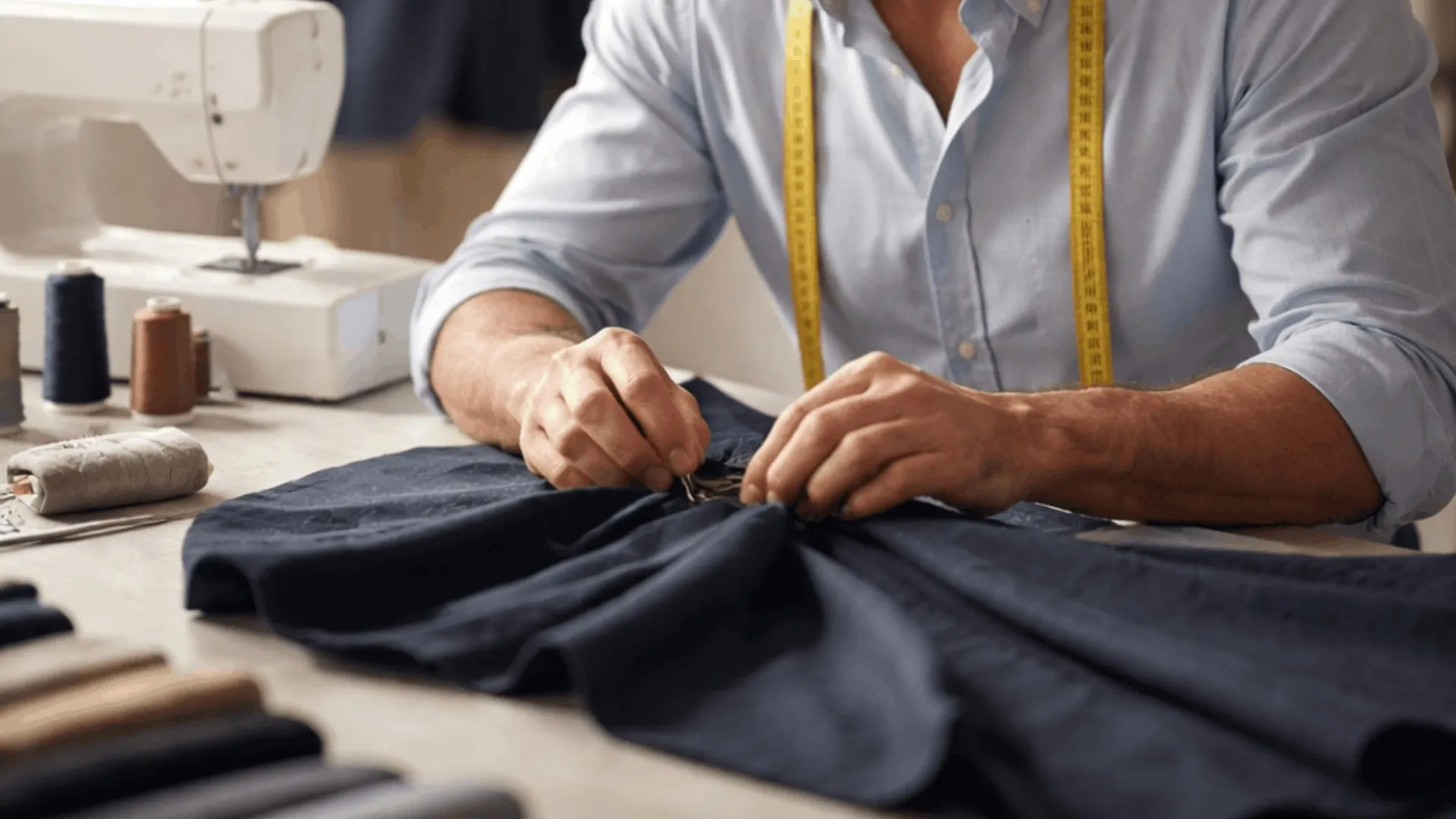
Additional services add to the total. Ironing, minor repairs, or specialist protection treatments added alongside dry cleaning will adjust the final price accordingly.
Location and service model also play a role. Providers offering door-to-door collection may factor this into their pricing — but when you consider the cost of two return trips to a high street cleaner, the real-world difference is frequently smaller than it appears.
A General Price Guide by Garment Category
Prices vary between providers, but it is possible to give a general sense of how different garment categories compare.
Basic garments — shirts, t-shirts, blouses — sit at the lower end of the price range. Processing time is shorter and the fabric is typically standard. Blouses and shirts are the typical examples in this category.
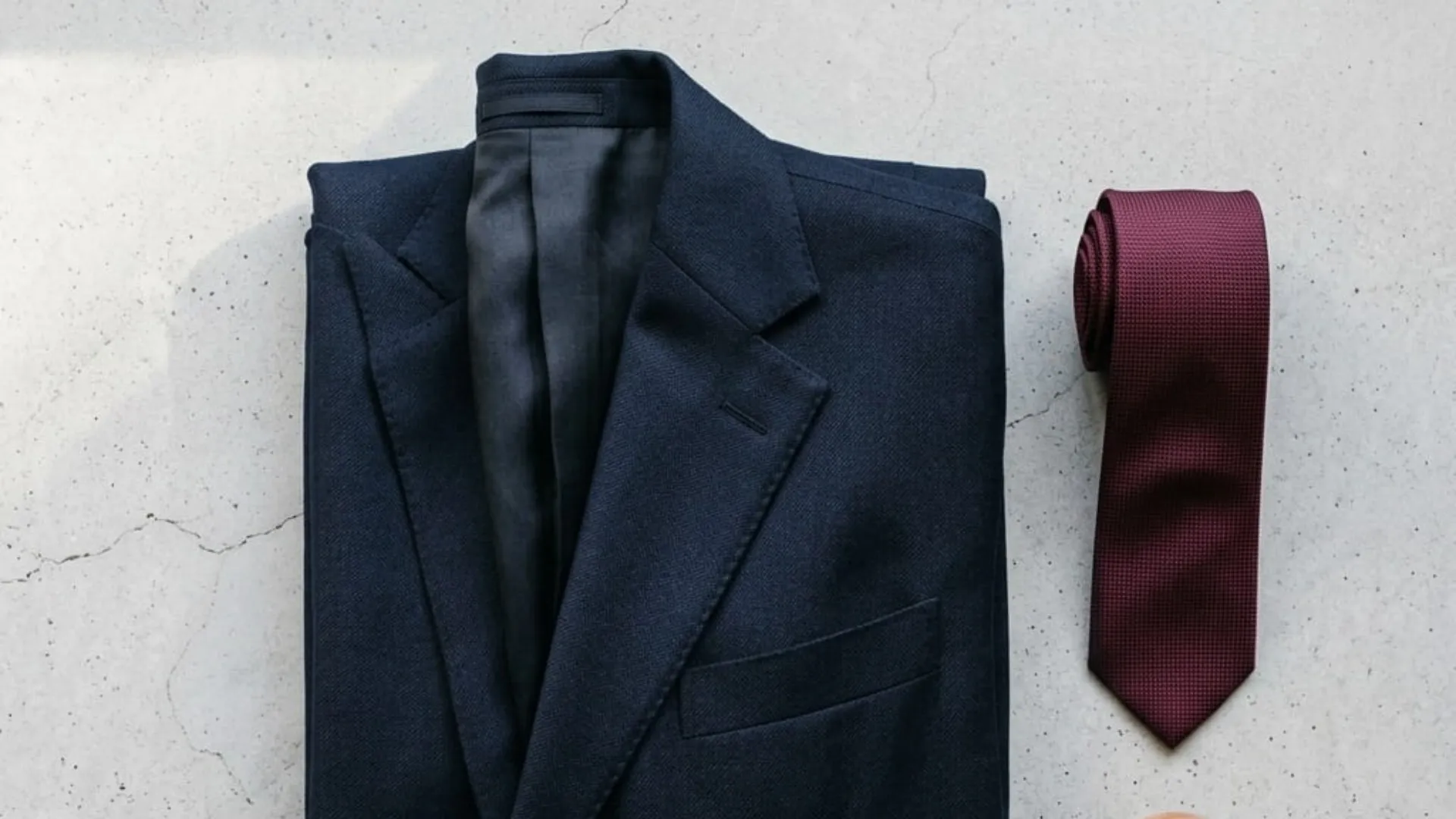
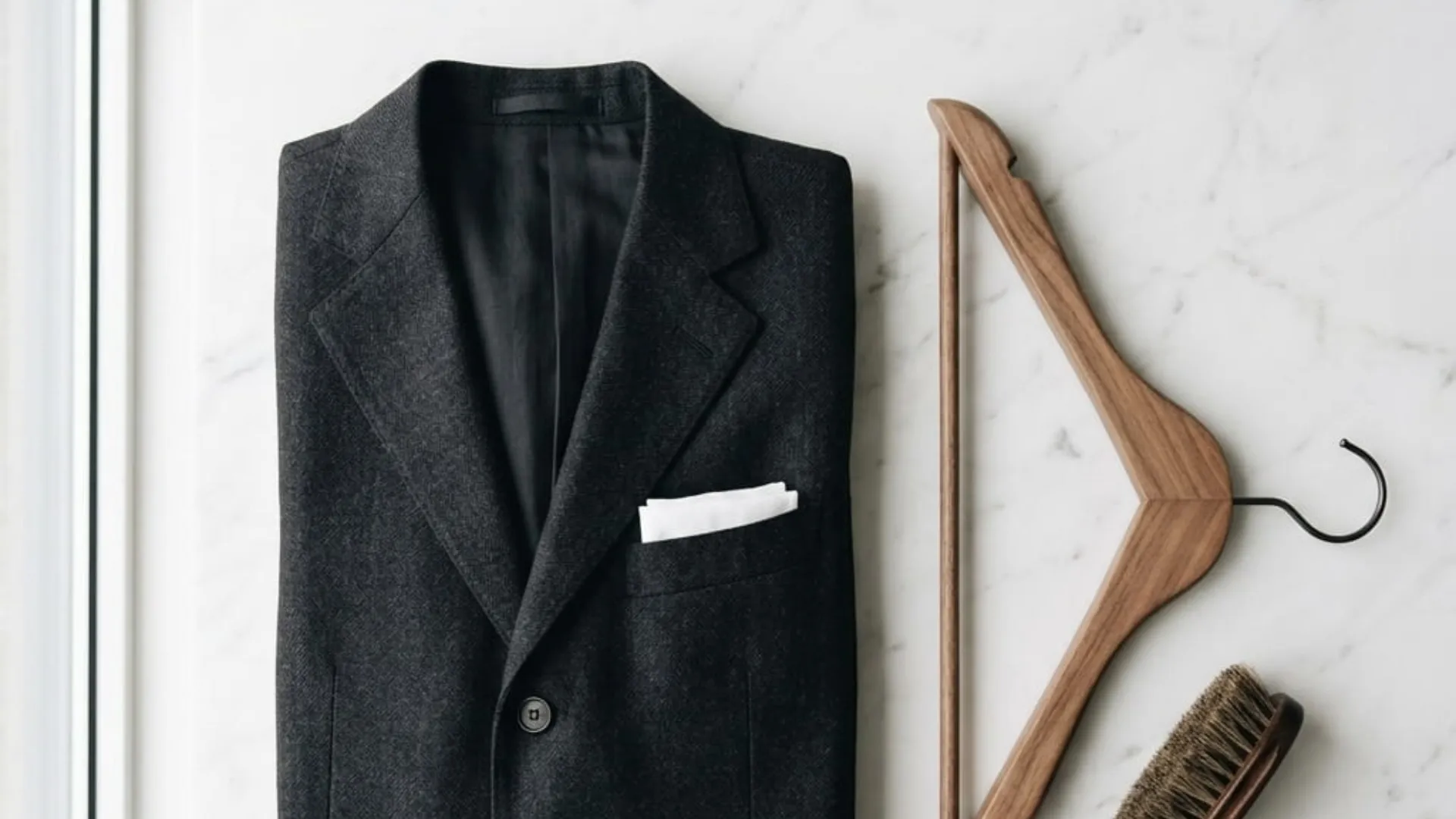
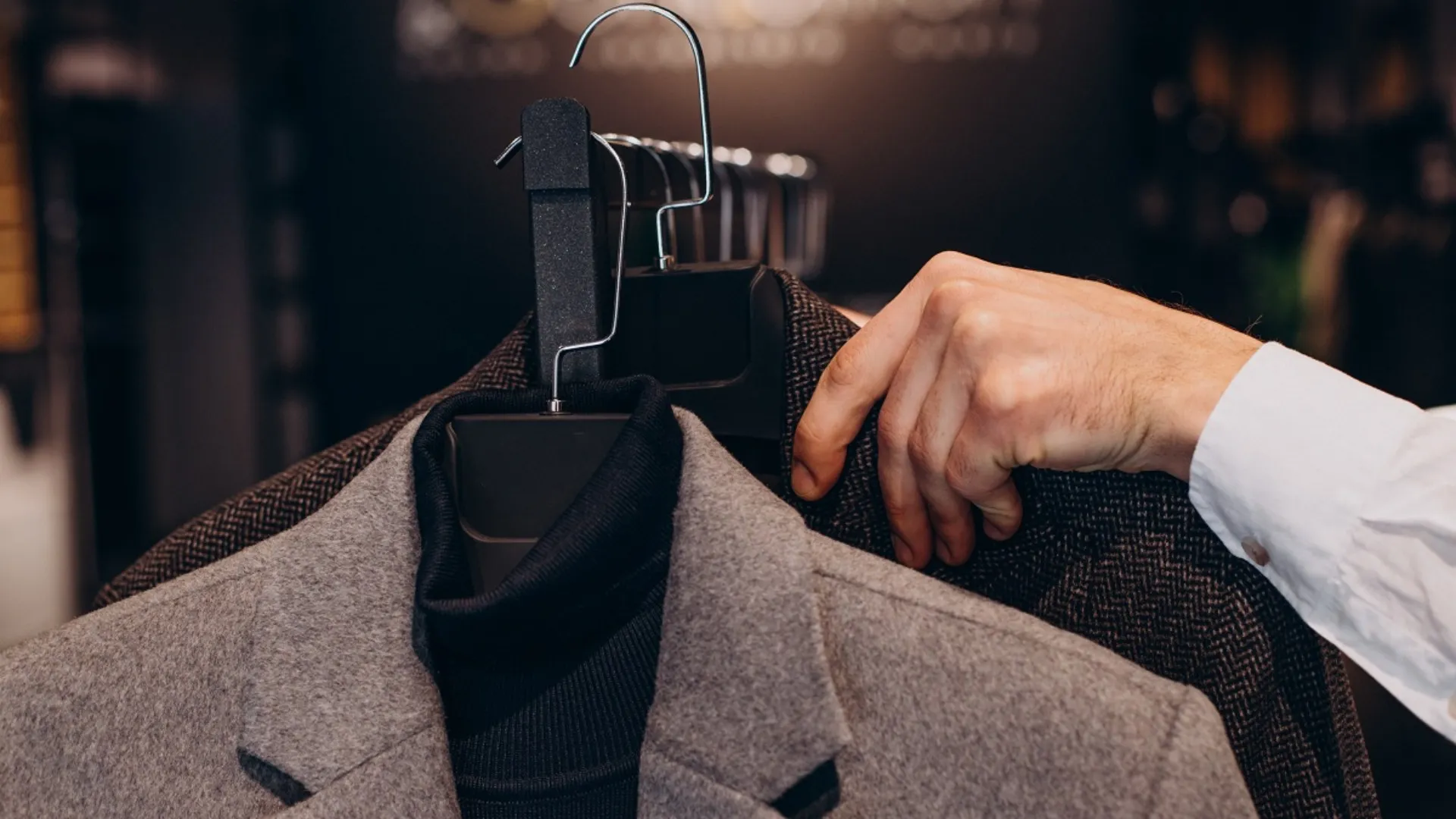
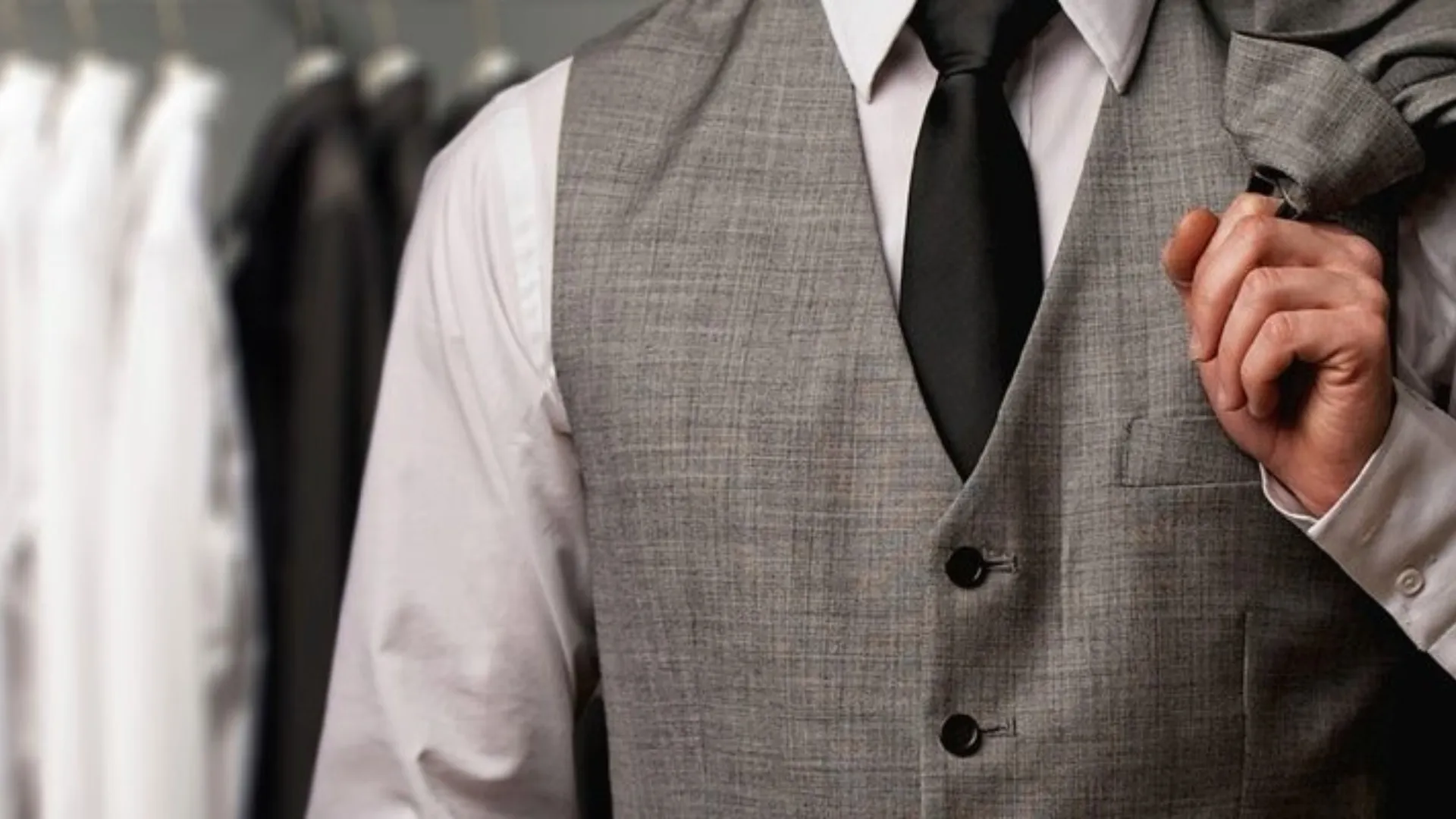
Suit pieces — jackets and trousers — fall in the mid-range. The lining and structural components make the process more involved. Most providers price the jacket and trouser separately.
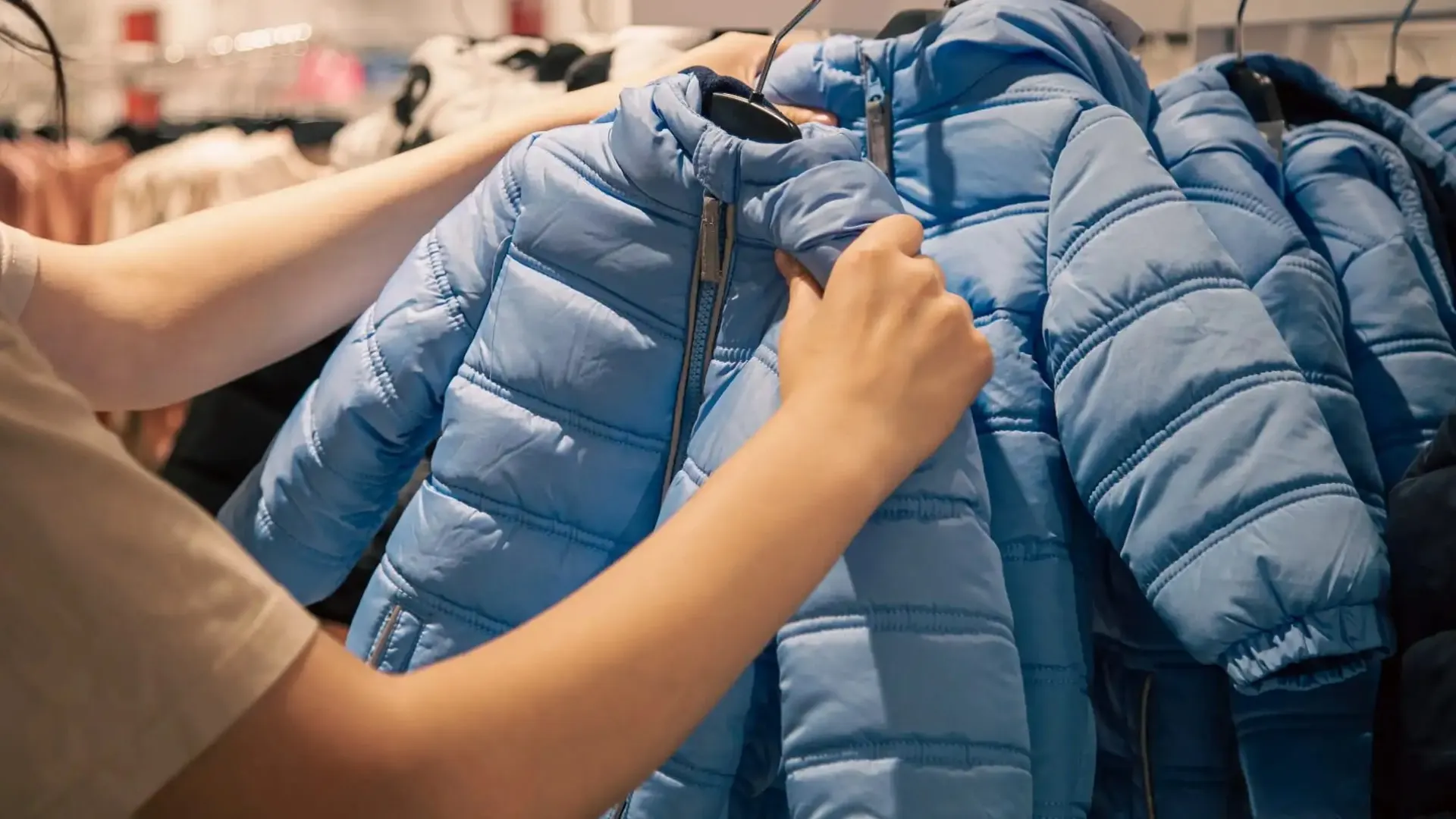
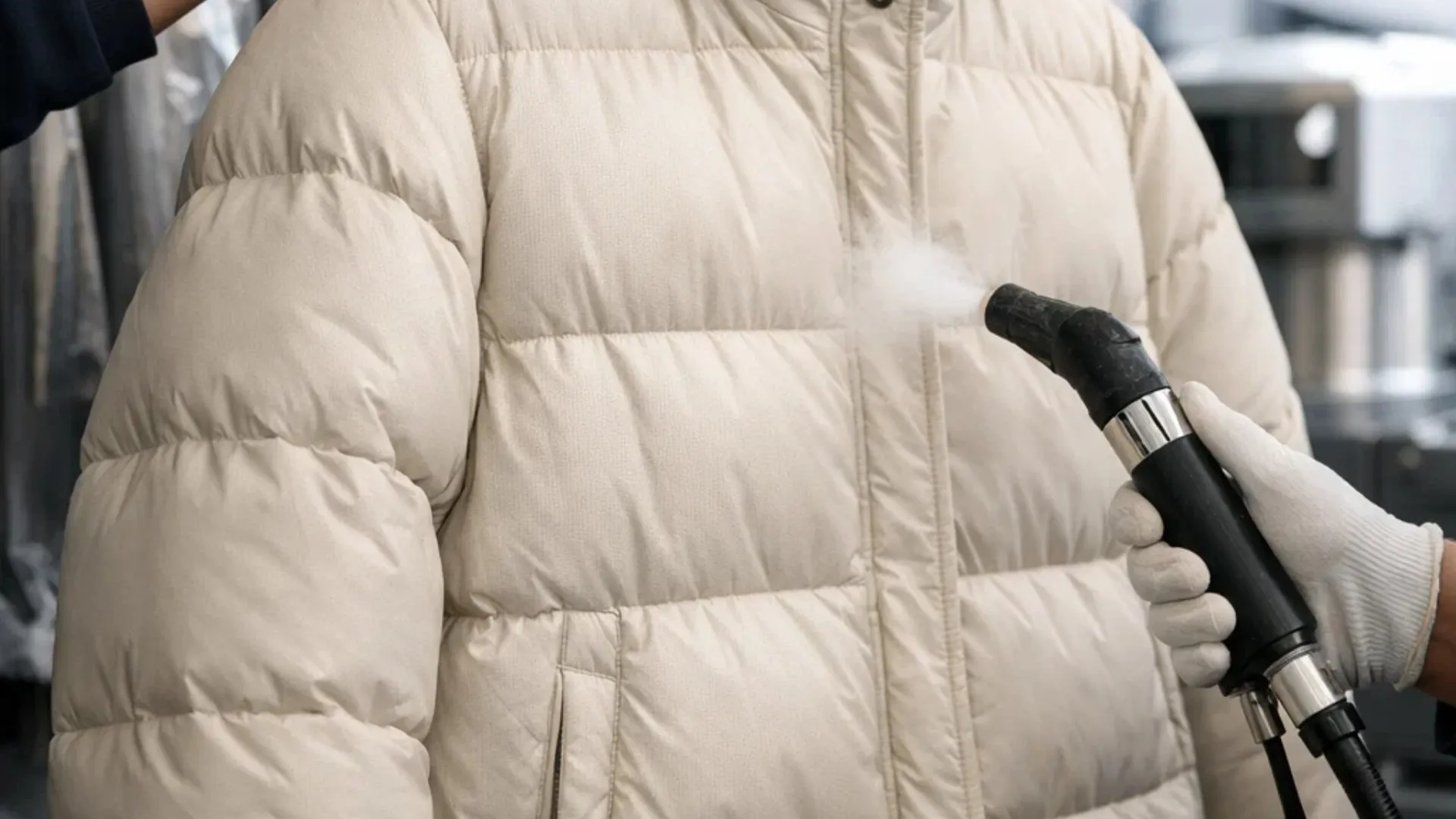
Coats and heavy outerwear are priced higher than jackets due to their larger size and thicker fabric. Wool coats and down jackets require different treatment methods, so their prices differ from each other.
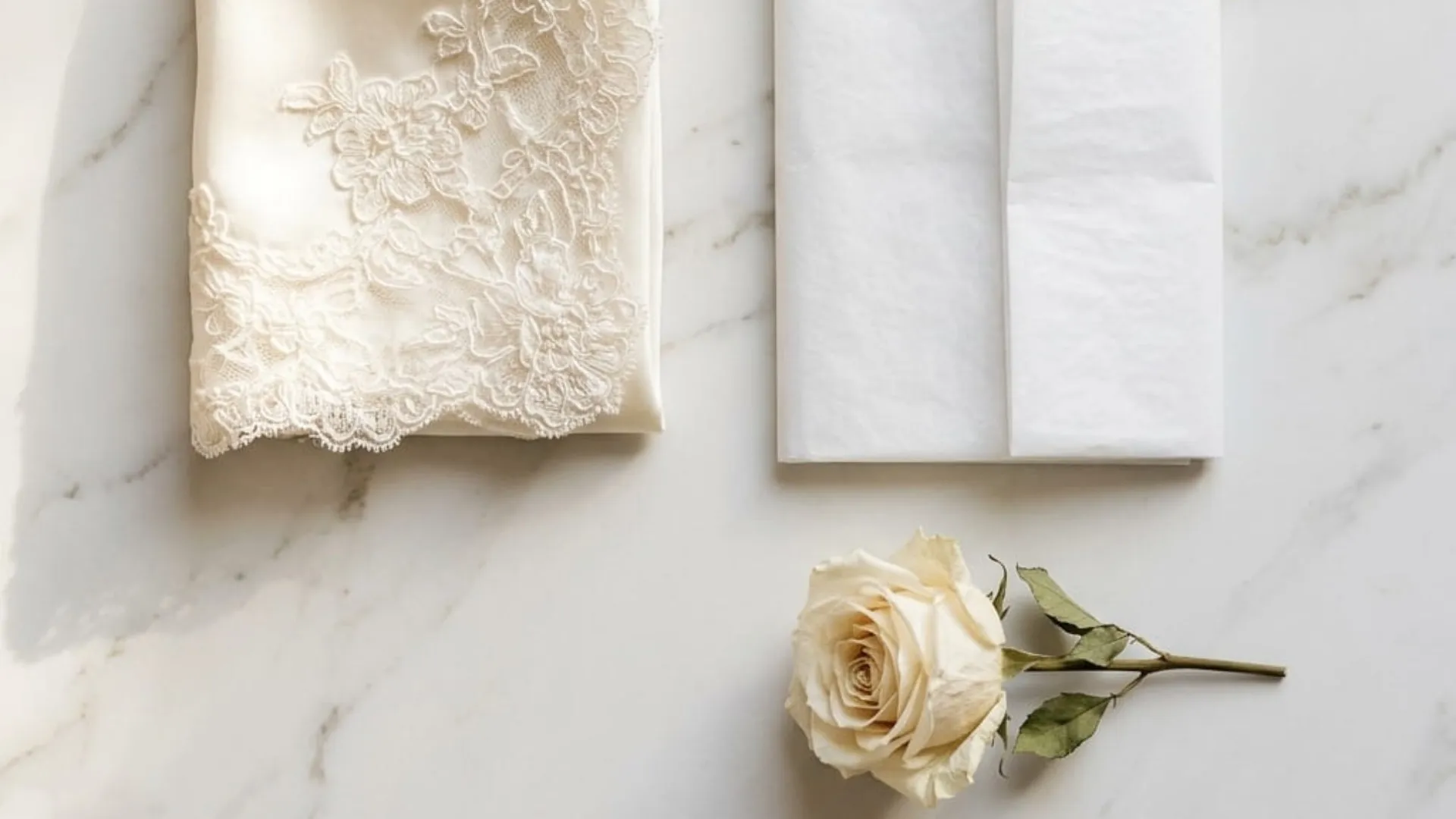
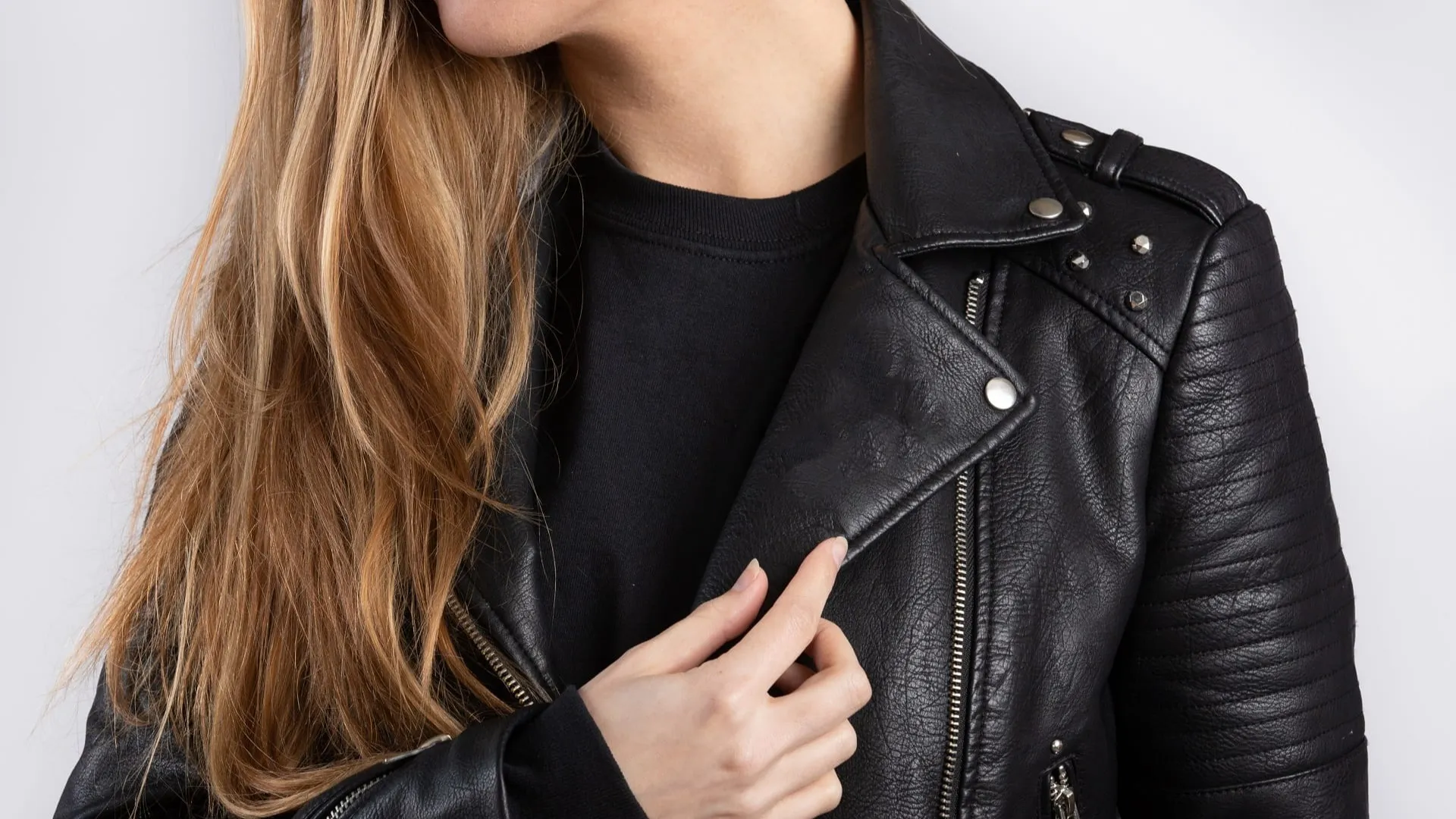
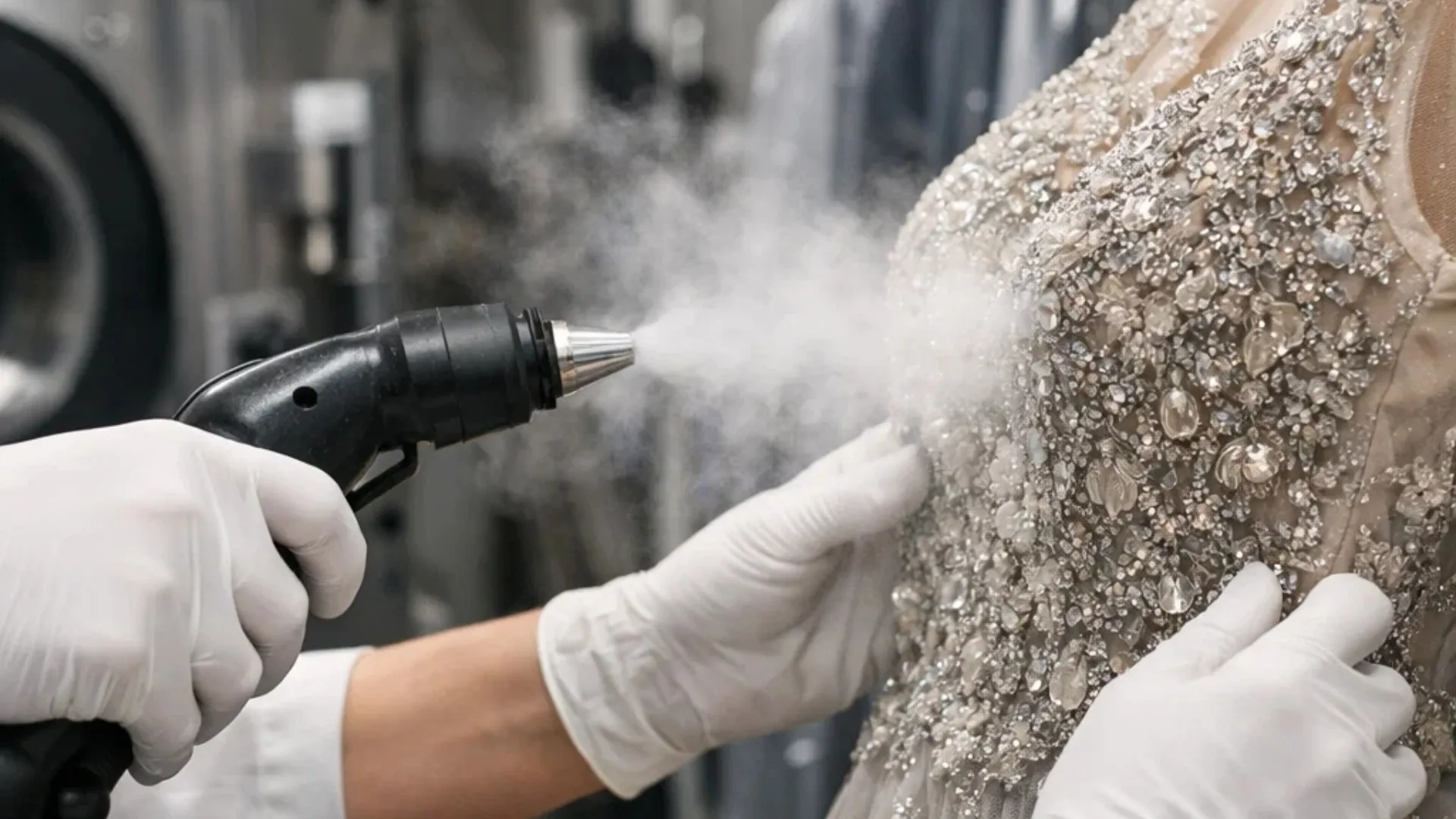
Specialist and delicate pieces sit at the top of the price range. Wedding dresses, evening gowns, and leather jackets fall here. Processing time is longer, technical requirements are higher, and the margin for error is essentially zero — the price reflects all of this.
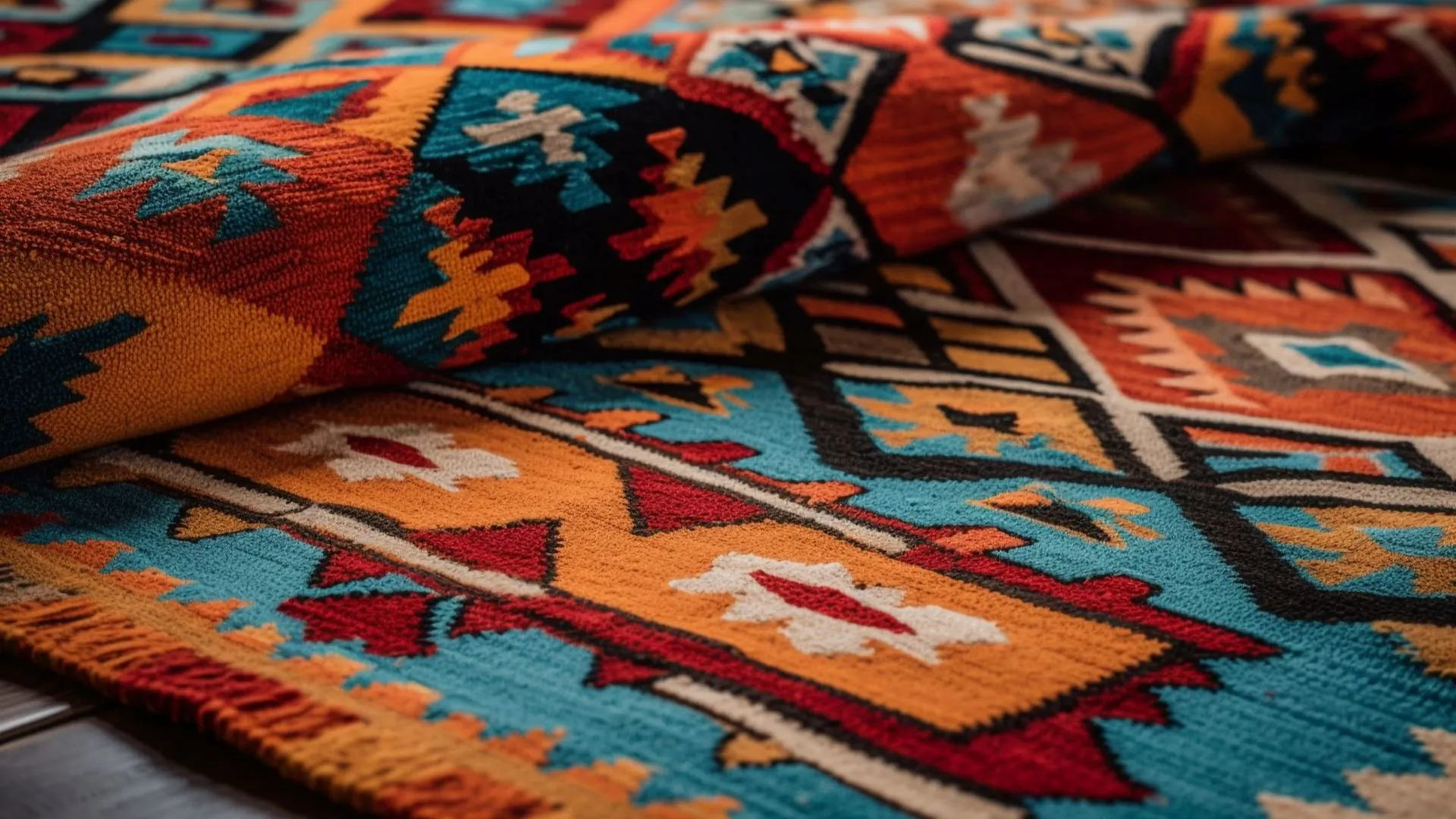
Rug washing is priced by size. Per square metre calculation is the most common method. Wool rugs and machine-made rugs require different processes and are priced differently.
Curtain cleaning varies by size and fabric type. Net curtains and velvet curtains are not processed the same way and are not priced the same.
Why a Very Low Price Can Be a Risk
When comparing prices, looking only at the number can be misleading. There are several ways to keep dry cleaning prices low — but each one involves a trade-off.
Using unsuitable solvents. Some providers cut costs by using solvents that are not matched to the garment's fabric. No visible problem may appear immediately, but the fabric wears down over time.
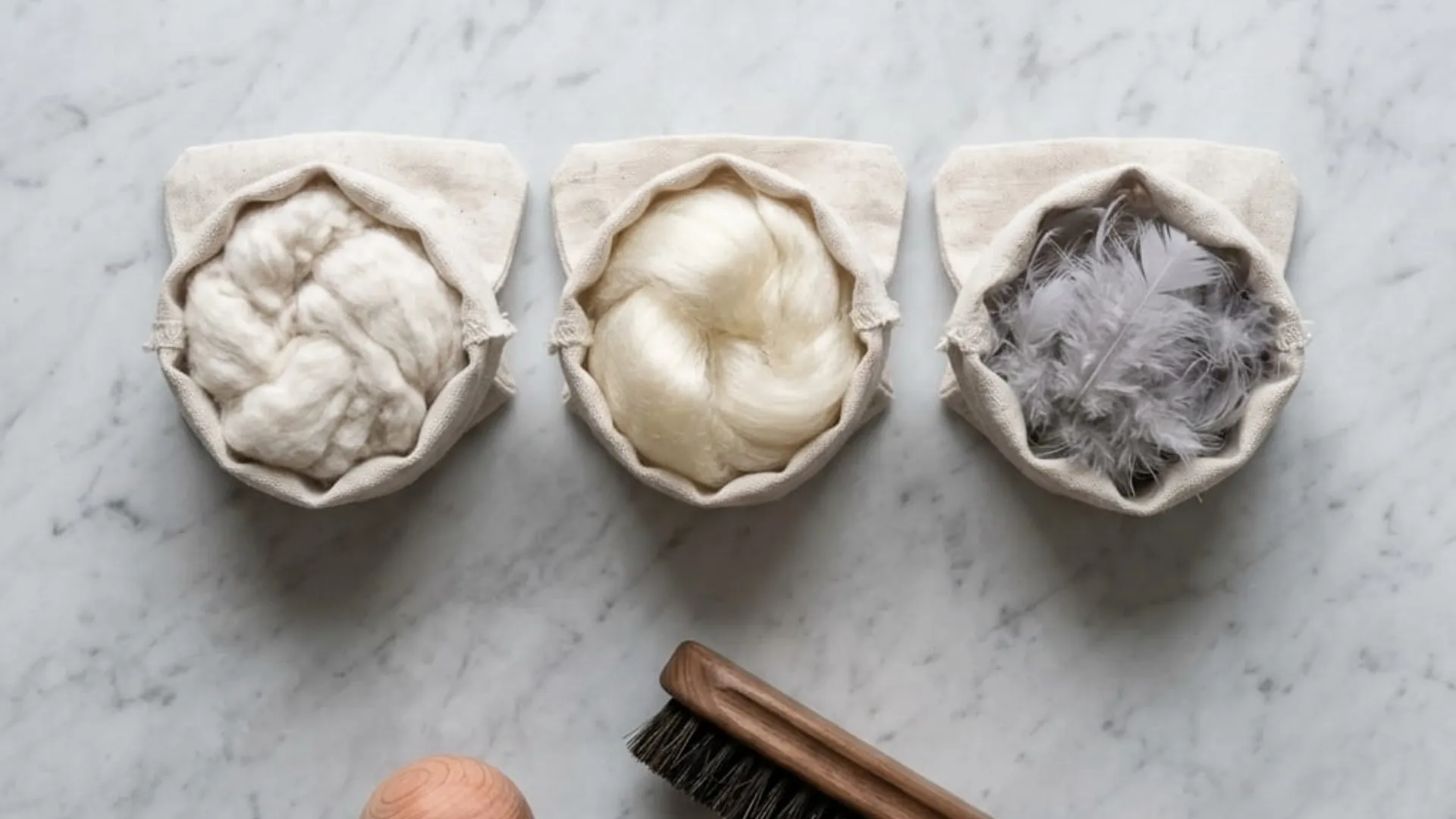
Insufficient drying. For fill-heavy pieces like down jackets and down pillows, incomplete drying leads to mould and persistent odour.
Skipping stain pre-treatment. Pre-treatment takes time and materials. In lower-priced services, this step is sometimes omitted — the stain remains, but the garment is considered "cleaned."
Risk of damage. When a valuable garment is damaged through incorrect handling, the consequences are difficult to reverse. For pieces like a wedding dress or a leather jacket, this risk is particularly significant.
A proper price evaluation means asking about service scope, not just the figure: is stain pre-treatment included? What solvents are used? How is drying handled? The answers to these questions matter more than the number itself.
Is Door-to-Door Service Actually More Expensive?
The perception that door-to-door dry cleaning is a premium option is common — but when the full picture is calculated, it often looks different.
Consider the standard high-street dry cleaning process: you travel to drop off the garment, return a few days later to collect it. The cost of those two trips — fuel or public transport, time, and the frustration of navigating traffic — adds up. When that is factored in, any price difference with a door-to-door service frequently disappears or reverses.
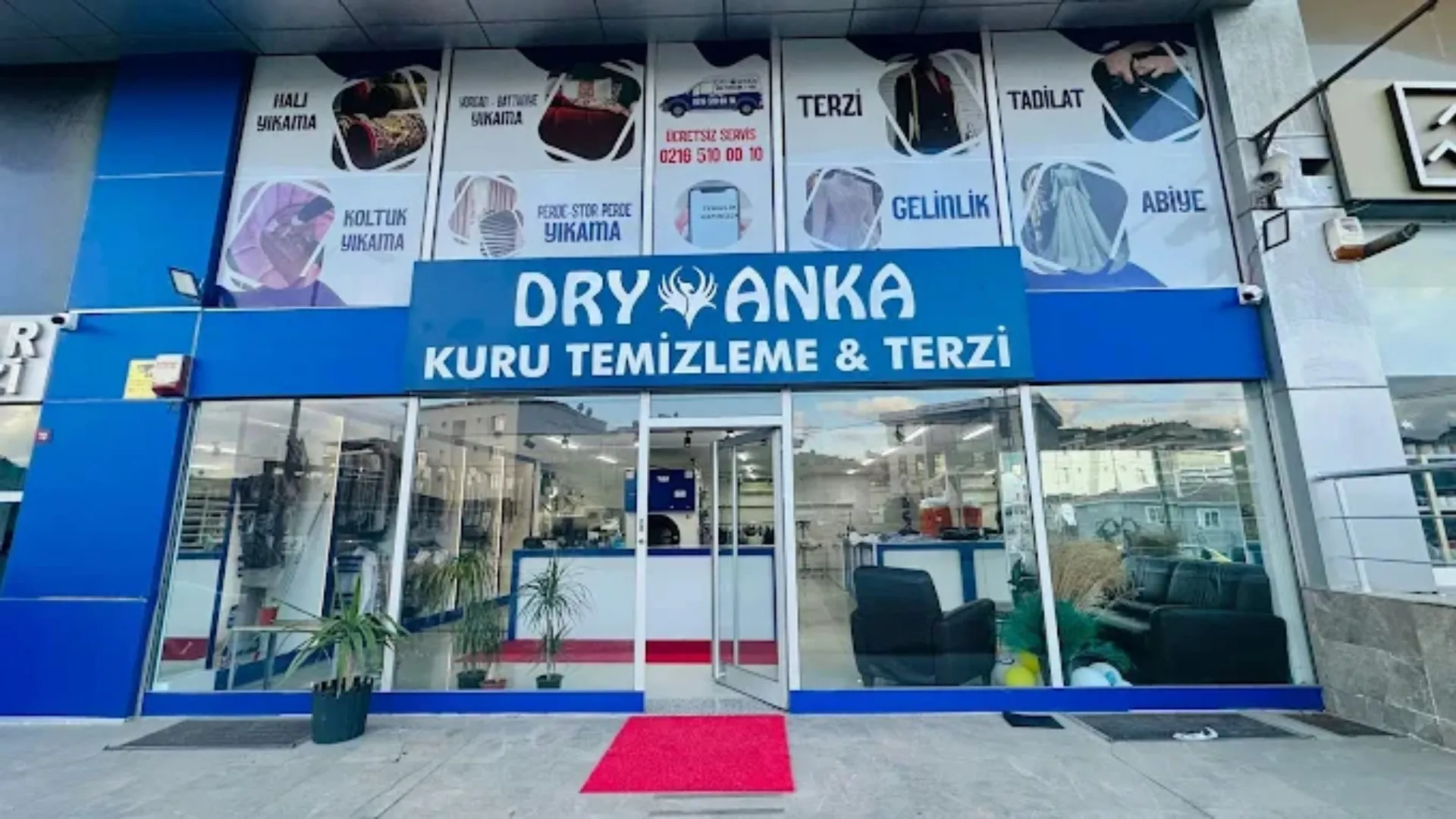
For residents of Kadıköy, Ataşehir, Çekmeköy, Tuzla, or Küçükyalı, Dry Anka's door-to-door model makes that calculation straightforward.
Factors You Can Control
Some of the variables that affect dry cleaning prices are fixed — you cannot change the garment type or fabric. But some factors are within your control.
Act on stains immediately. A fresh stain requires less pre-treatment than a set one. A stain that has waited and worked its way into the fabric takes more work — and more cost — to address.
Give accurate information at drop-off. At collection, mention the stain type, when it occurred, and whether any home treatment was attempted. This information helps the cleaner select the right method and avoids unnecessary processing steps.
Consider handing over multiple pieces at once. Combining several garments in a single appointment saves time and, with some providers, creates a volume advantage.
Plan around seasonal transitions. Having winter clothes cleaned at the end of the season — rather than waiting until you need them again — avoids last-minute urgency and extends each garment's lifespan.
Transparent Pricing with Dry Anka
At Dry Anka, pricing is based on garment type and the scope of work required. At collection, the fabric, staining, and treatment method are all assessed — no unexpected charges after the fact.
For door-to-door service across Kadıköy, Çekmeköy, Tuzla, Küçükyalı, and Fikirtepe, the full service range is available on the dry cleaning, ironing, and rug washing pages. To get a price, call 0216 208 44 66.
Conclusion
Dry cleaning prices are shaped by garment type, fabric sensitivity, staining, and size. The lowest price is not always the best choice — service scope and reliability are far more decisive over the long term.
Asking the right questions is what matters: is pre-treatment included? Is the method suited to my fabric? Is my garment in safe hand