

10 Common Textile Care Mistakes
Caring for clothes is not as straightforward as it might seem. Habits built up over years are often based on misinformation — and these mistakes quietly shorten the lifespan of the most valuable pieces in any wardrobe.
Shrunken jumpers, garments with colour bleed, coats that have lost their shape — the vast majority of these outcomes trace back to a handful of recurring errors. These mistakes are almost always made with good intentions: to clean more thoroughly, to dry faster, or to save time. But their consequences are frequently permanent.
In this guide, we go through the ten most common textile care mistakes, explain the specific damage each one causes, and set out the correct alternative for every situation.
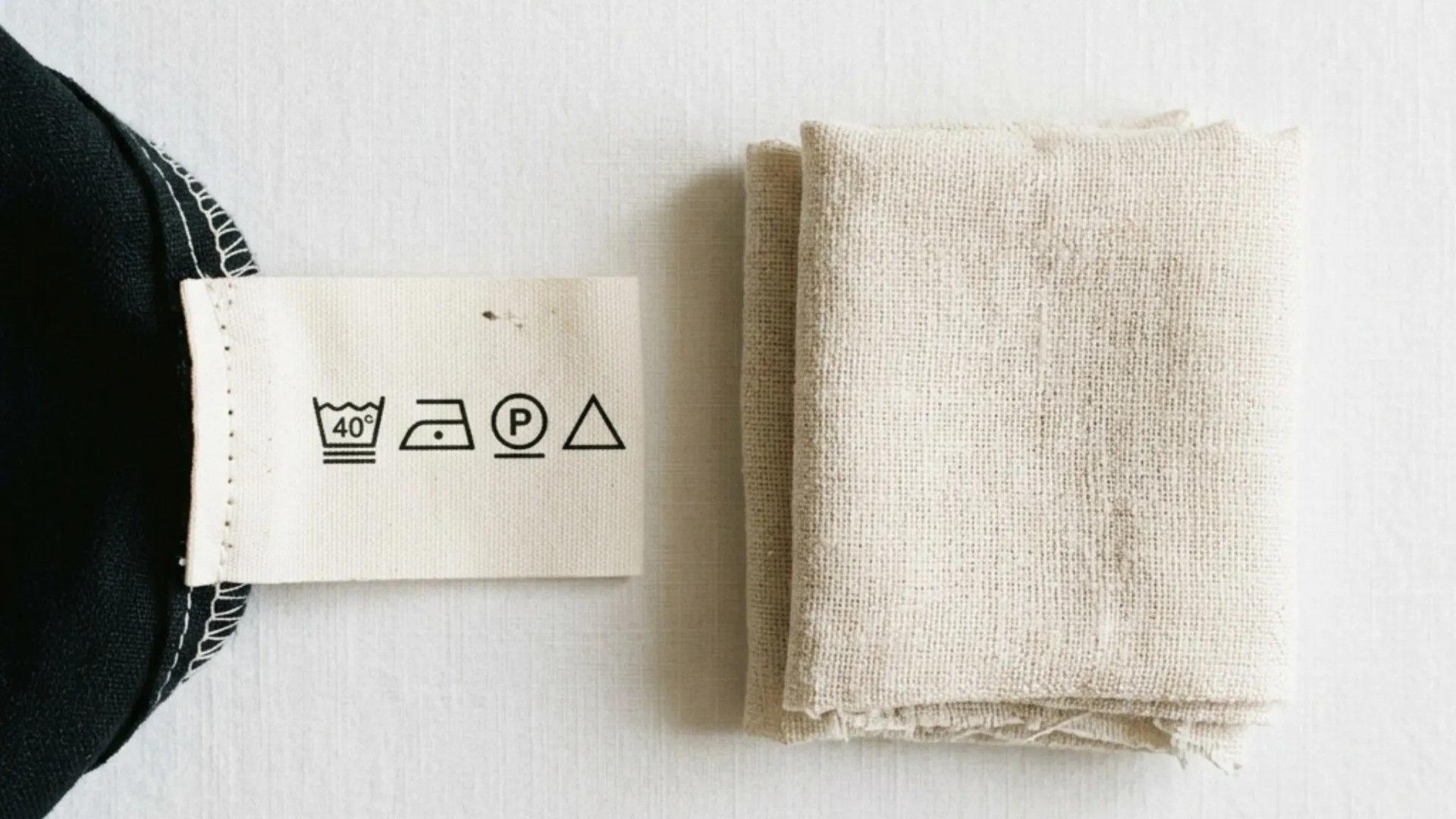
Mistake 1: Ignoring the Dry Clean Only Label
This is one of the most widespread and most costly mistakes in garment care. When a garment labelled "dry clean only" is put into a washing machine — on the basis of "let's just see what happens" — the result is almost always permanent damage.
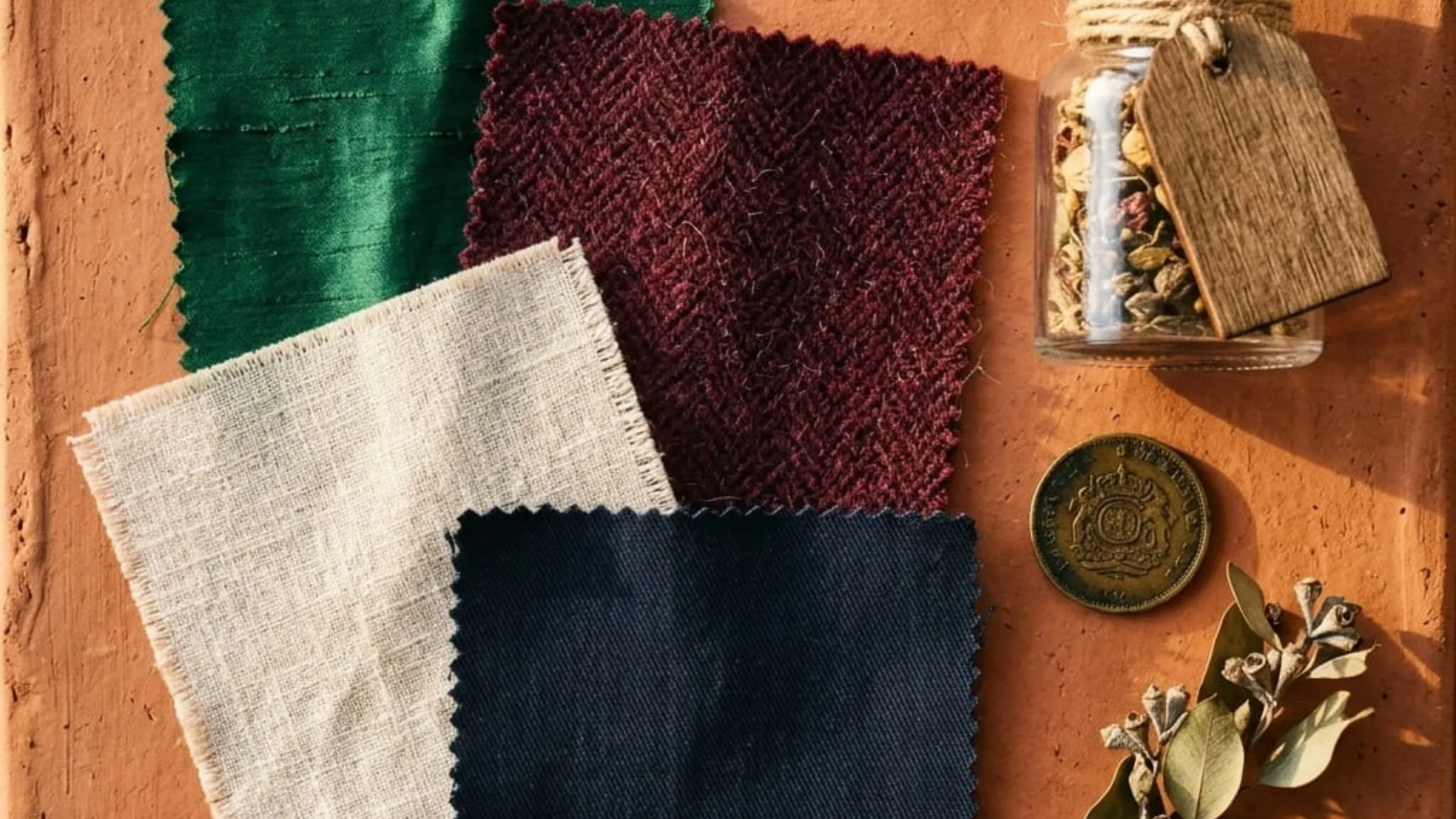
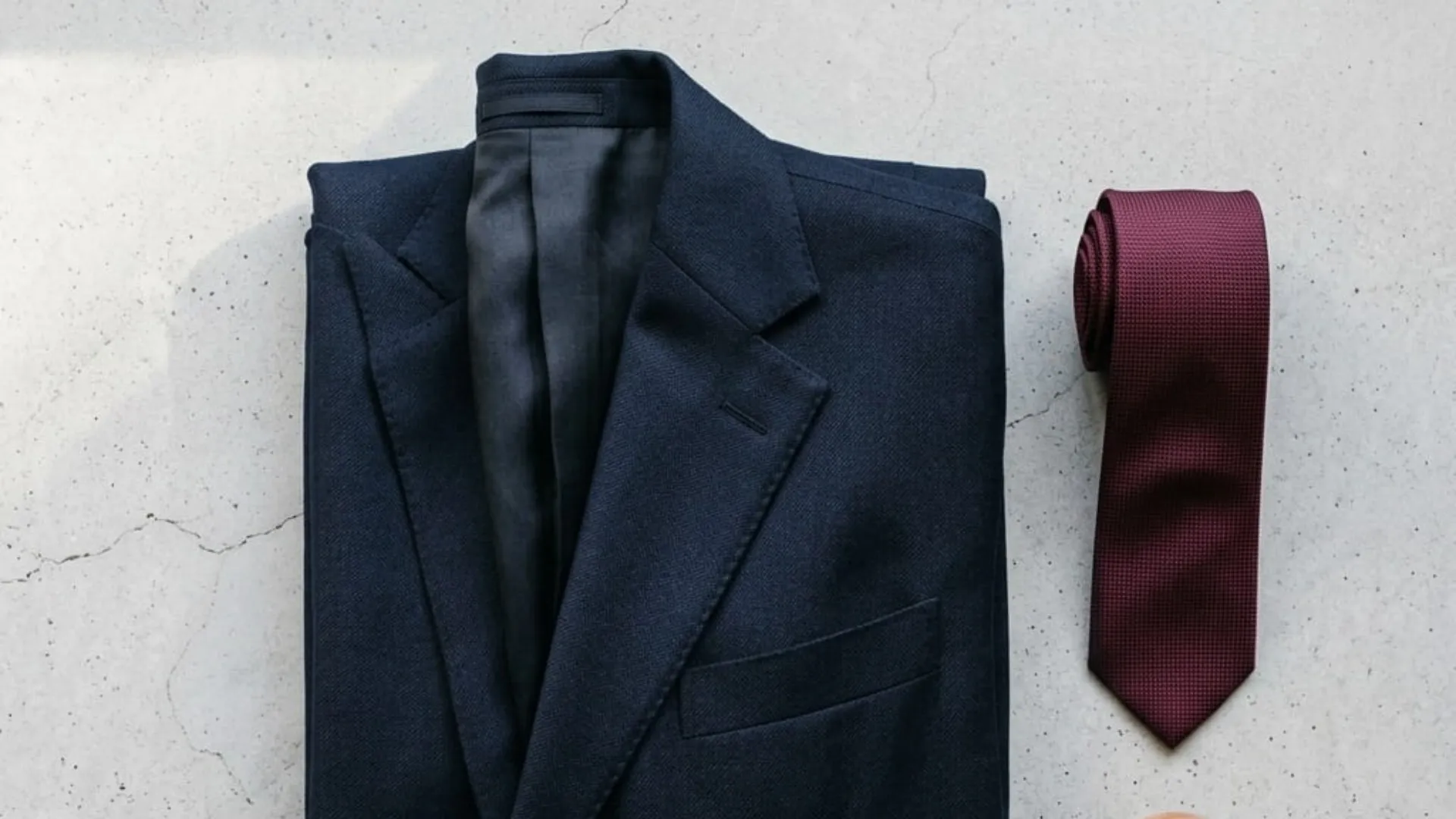
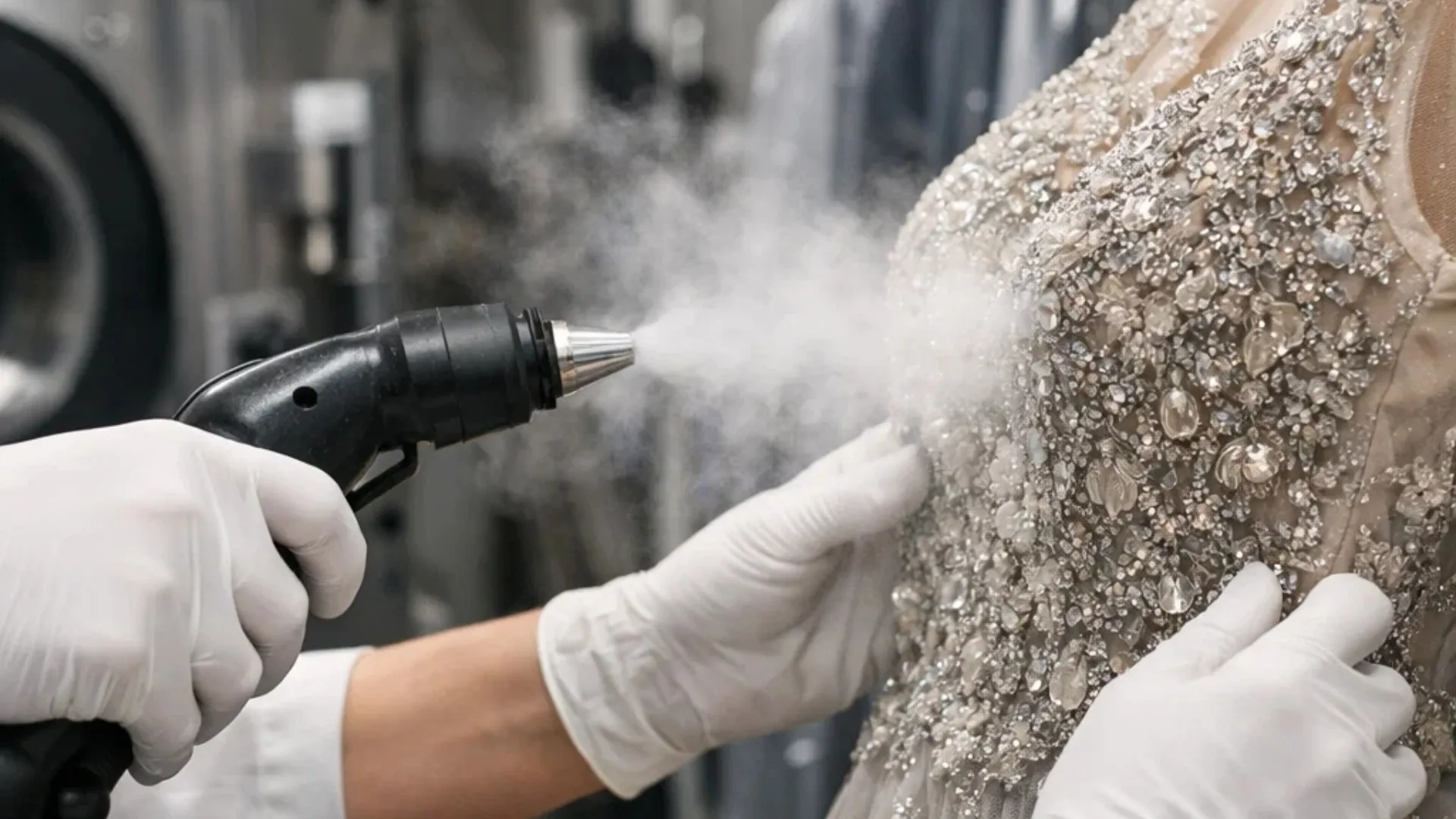
This label represents the manufacturer's decision, based on testing the garment's fabric composition and structural components. Cashmere, silk, structured wool, and lined garments make up the vast majority of pieces carrying this label. In a home wash, the combination of water, detergent, and mechanical agitation causes shrinkage, colour bleeding, and structural breakdown in these fabrics.
The right approach: Following the dry clean only label is the simplest and most effective way to preserve the garment's appearance and lifespan. When in doubt, dry cleaning is always the safer option.
Mistake 2: Washing All Garments on the Same Programme
Loading everything into the machine together and running a single programme is practically appealing. But the temperature and spin speed required for cotton, synthetics, wool, and delicate fabrics are all significantly different.
A wool jumper washed at 60 degrees will shrink. A fine blouse spun at high speed will develop permanent creasing. A pale garment washed alongside dark colours may absorb dye.
The right approach: Sorting garments by colour (light / dark / bright) and fabric type (cotton, synthetic, delicate) and washing each group on the appropriate programme both improves cleaning quality and extends the lifespan of every piece. Checking the care label before each wash makes this sorting straightforward.
Mistake 3: Rubbing Stains to Remove Them
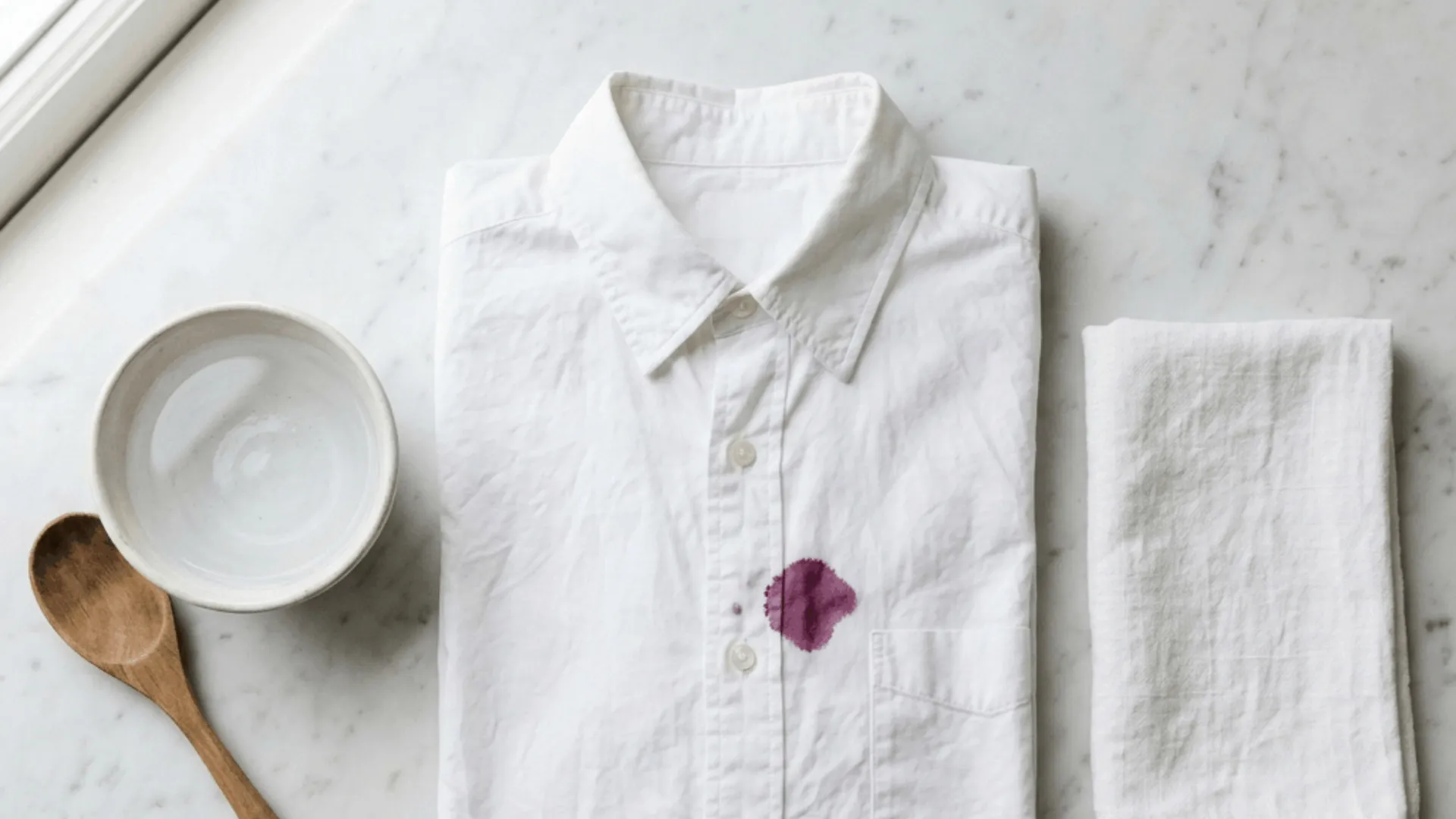
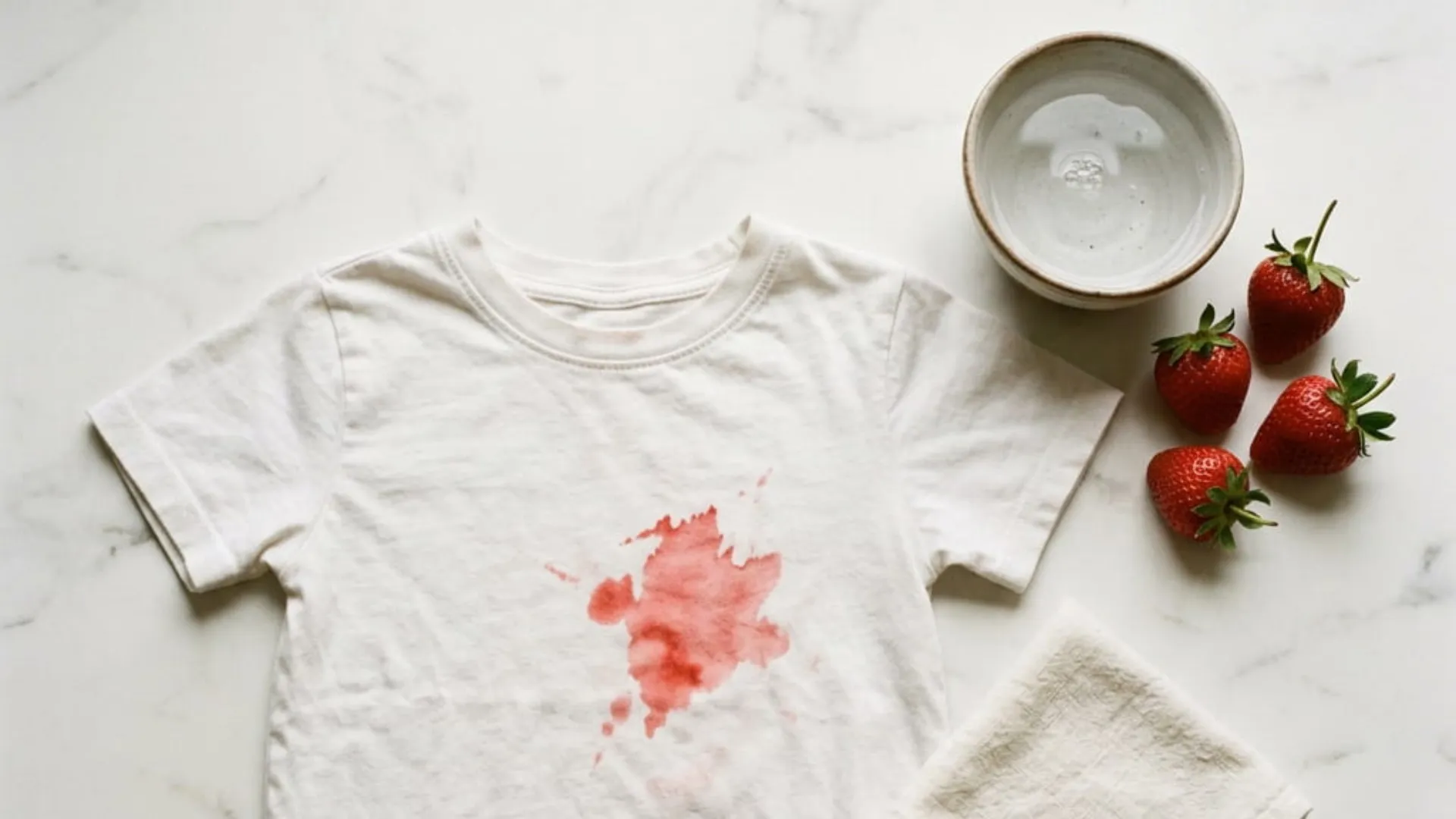
When something spills on a garment, the instinct is almost always to rub it away quickly. But this action spreads the stain and damages the fabric.
Rubbing pushes stain molecules deeper into the fabric and spreads them across a larger area. On delicate fabrics, rubbing also disrupts the fibre structure — on silk and fine-weave materials in particular, it can leave a permanent abrasion mark.
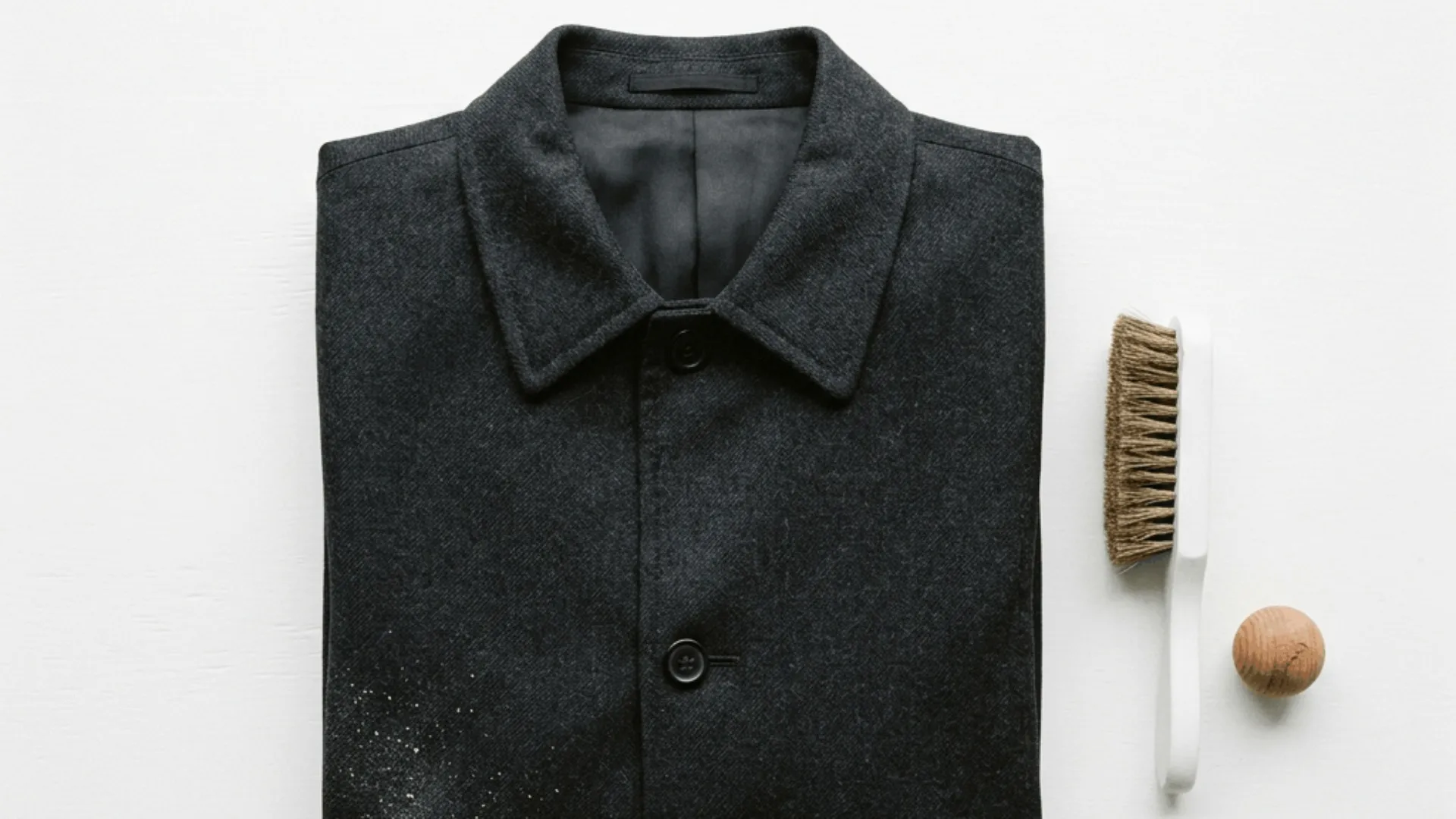
The right approach: When a stain occurs, blot — never rub — with a clean, dry cloth, pressing gently to absorb excess liquid. Then treat according to the stain type: talcum powder for oil-based stains, cold water and an appropriate detergent for water-soluble marks. For stains with a high risk of spreading, or stains on delicate fabrics, taking the garment to a professional is the safest course of action.
Mistake 4: Drying Garments on High Heat
The high heat setting on a tumble dryer is practical for getting laundry dry quickly. But for many fabrics, it is a serious threat.
High heat causes wool and cashmere garments to shrink, strips elastane and spandex of their stretch, and can distort the surface of some synthetics. On printed or embroidered garments, high heat can crack or melt decorative details.
The right approach: A low heat or air-only setting should be used for delicate fabrics. Wool, cashmere, and fine-weave garments should not go into a tumble dryer at all. Flat drying — laying the garment horizontally on a clean surface — is the safest method for these pieces.
Mistake 5: Leaving a Wet Garment to Dry on a Hanger
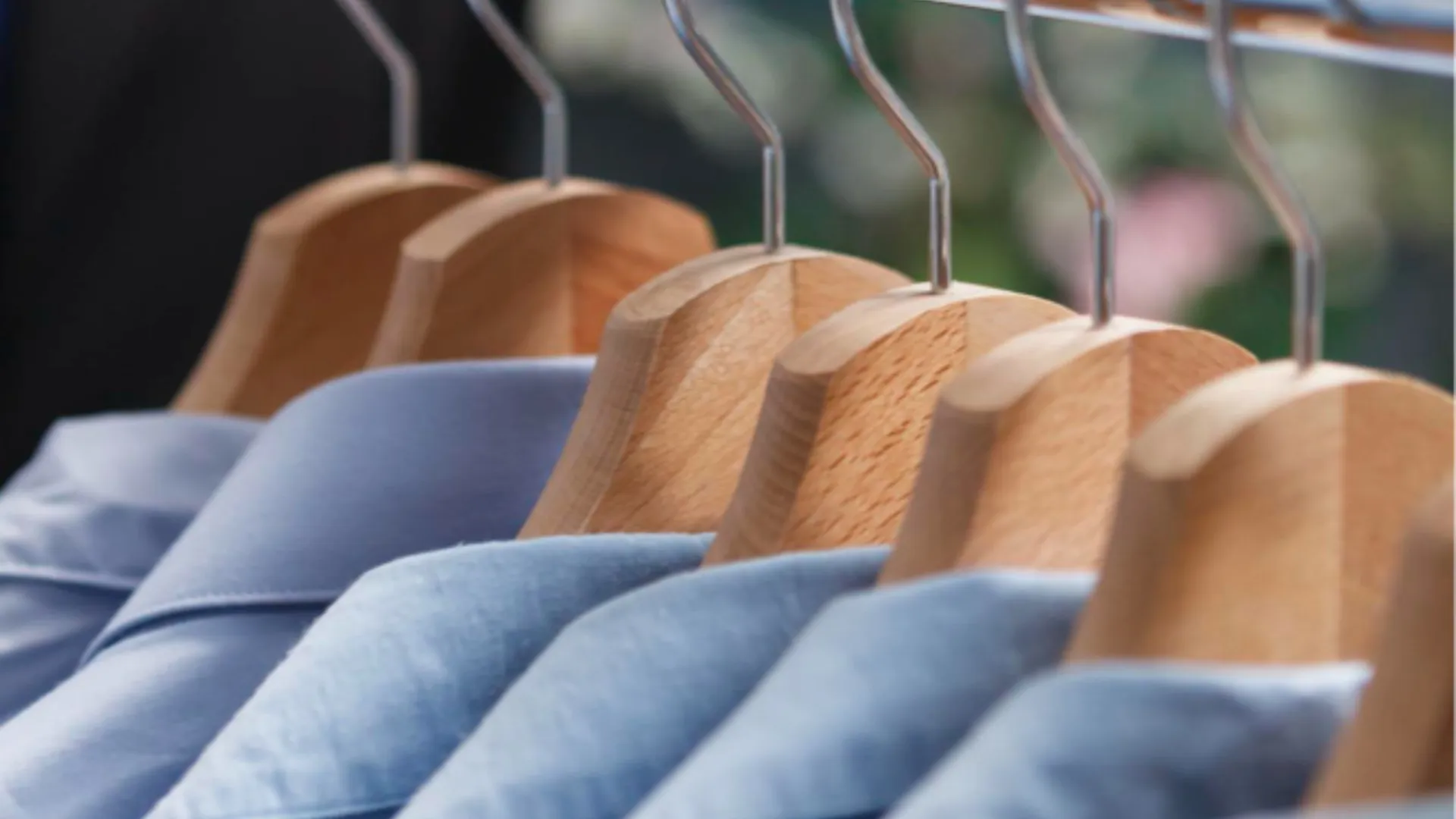
Hanging a freshly washed garment immediately seems sensible — but heavy, wet garments left on a hanger for extended periods can suffer permanent shape distortion.
A wet jumper or knitwear piece is significantly heavier than when dry. Left hanging, the weight of the water-laden fabric stretches the garment downward. The shoulder line widens, the sleeves lengthen, and the garment loses its original form permanently.
The right approach: Knitwear, jumpers, and heavy woven garments should never be hung to dry after washing. They should be laid flat on a clean towel and allowed to dry horizontally. Lighter garments retain their shape better on wide-shouldered hangers rather than thin wire ones.
Mistake 6: Storing Garments Without Cleaning Them First
Putting seasonal garments directly into storage without cleaning them first is one of the most common — and most long-term damaging — mistakes in textile care.
Body oils, sweat residue, and environmental soiling that are invisible to the eye slowly degrade fibres in a closed storage environment. This process, unnoticed at first, eventually leads to yellowing, permanent staining, and odour problems. In garments containing wool and other natural fibres, the risk of moth damage is also meaningful — moths are significantly less attracted to clean garments than to soiled ones.
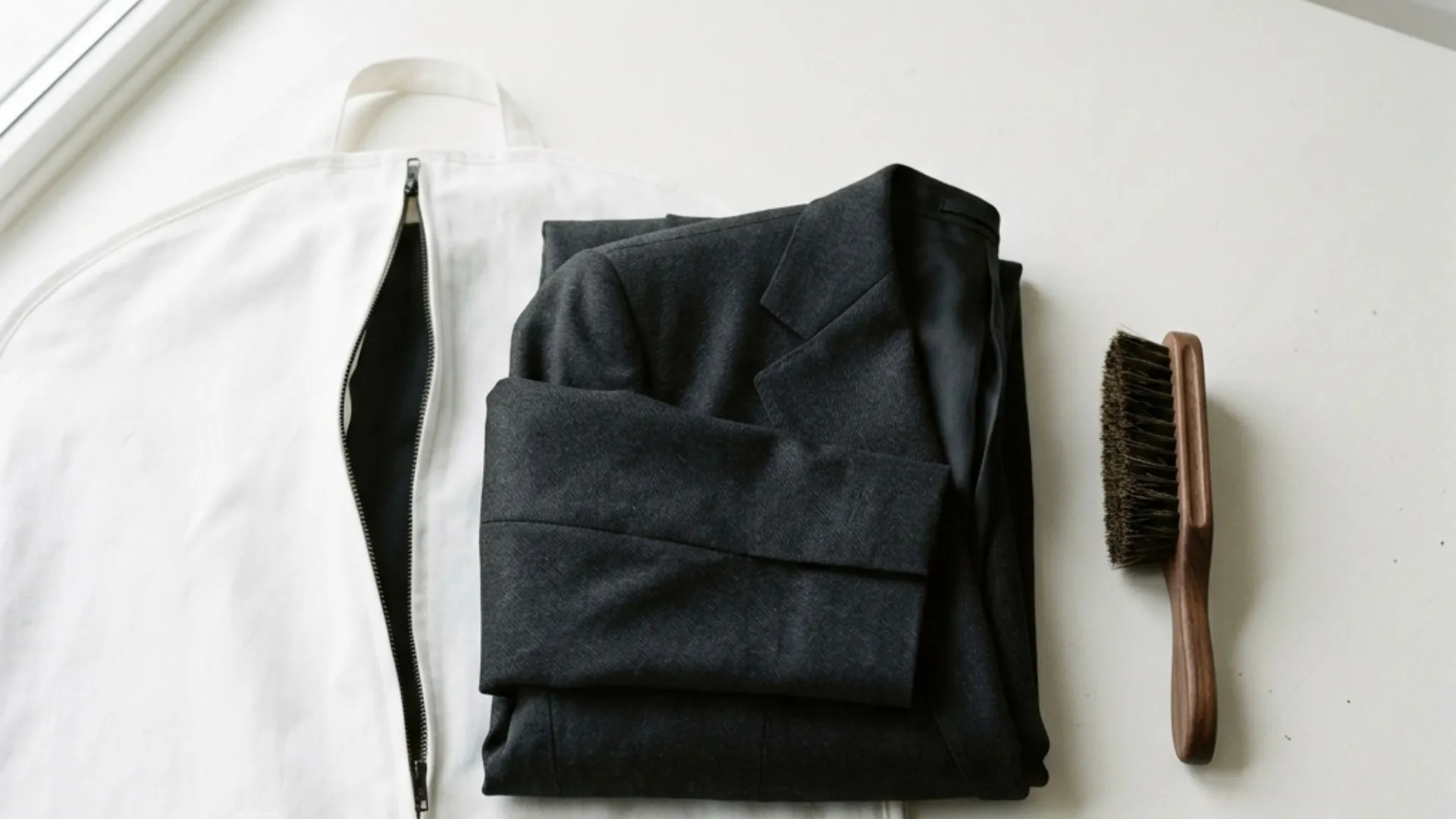
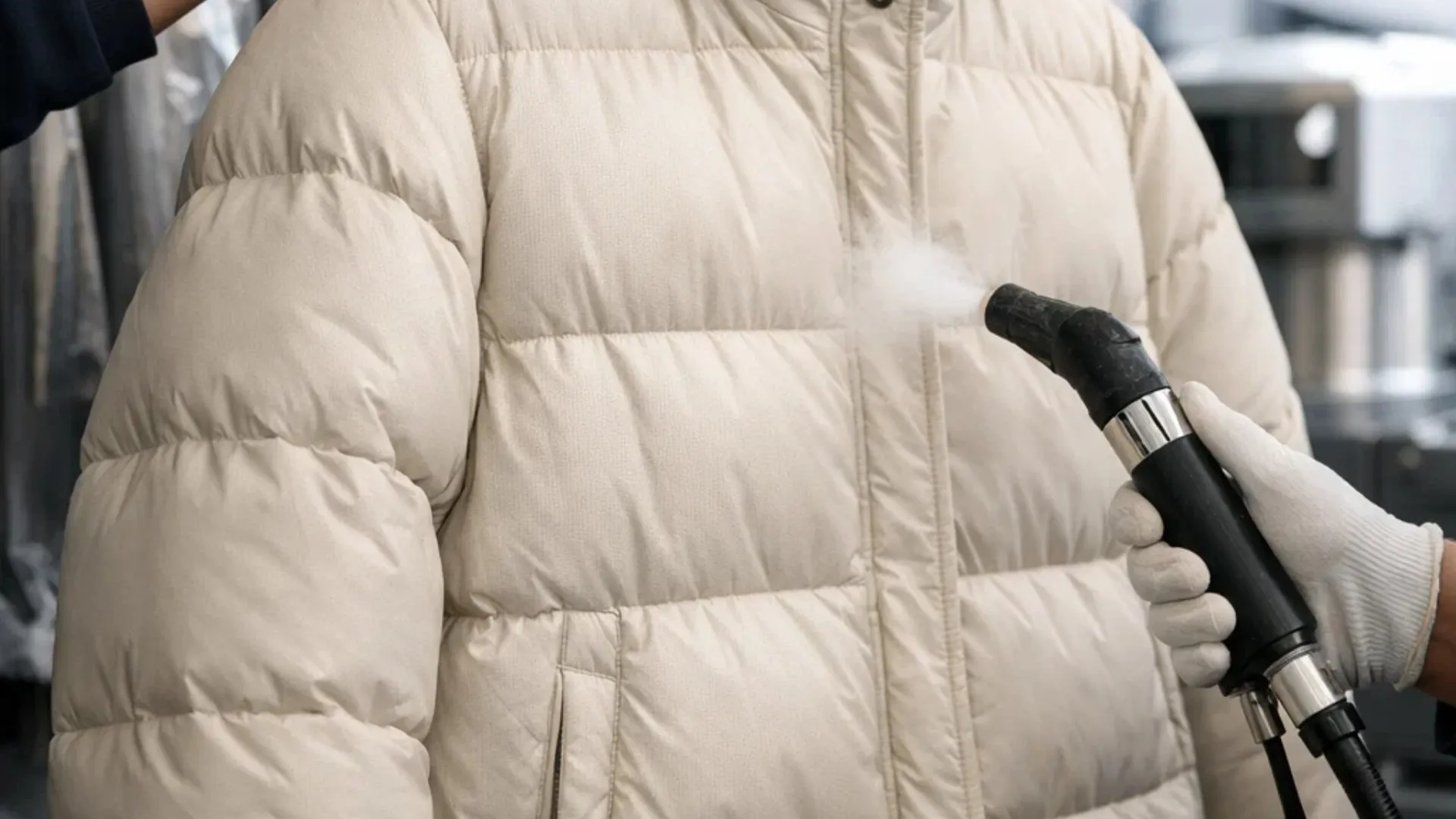
The right approach: At the end of every season, every garment — regardless of whether visible soiling is present — should be cleaned before going into storage. For coats, cashmere knitwear, and wool garments in particular, end-of-season dry cleaning is essential.
Mistake 7: Using the Wrong Ironing Temperature
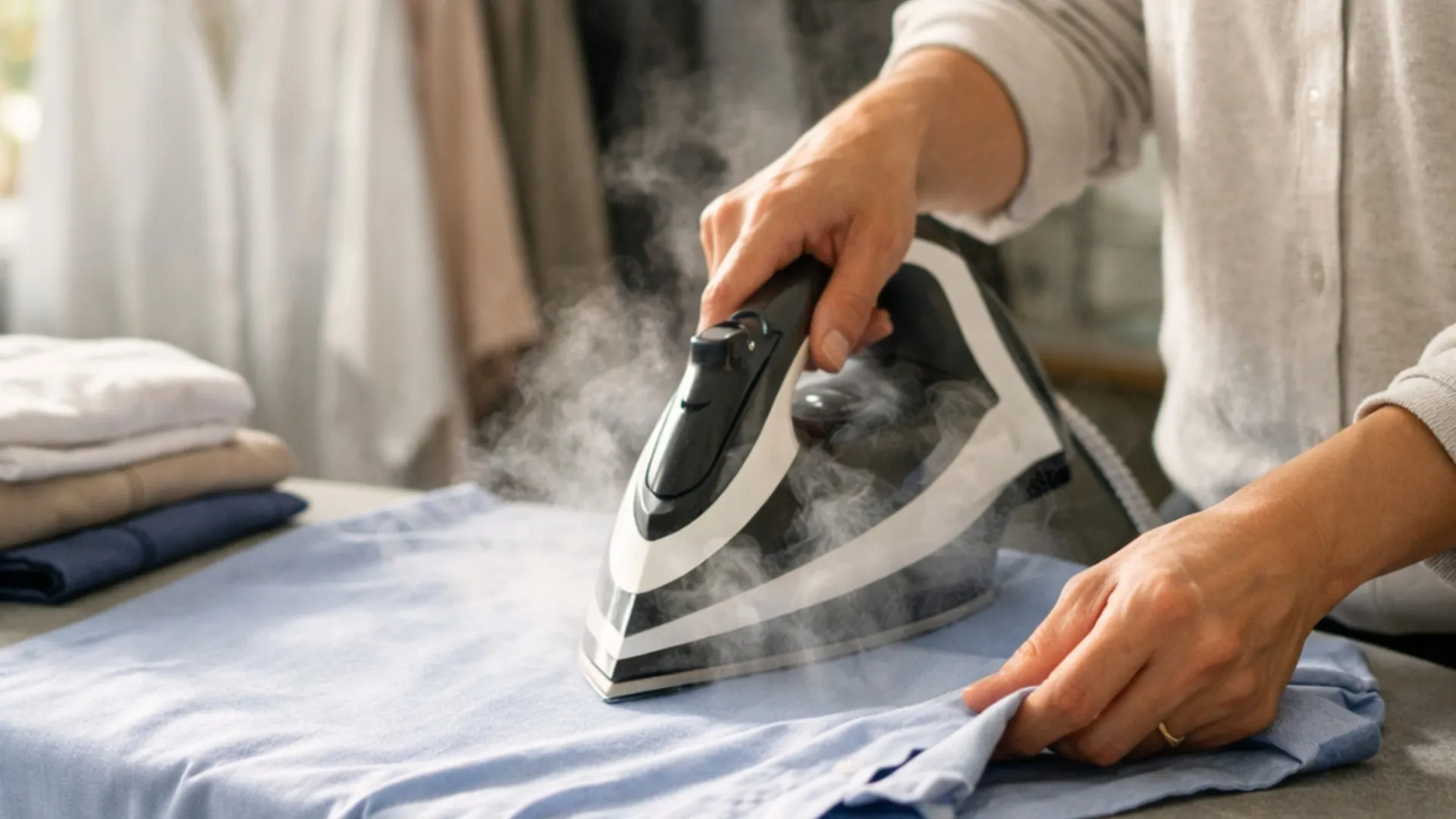
Failing to adjust the iron temperature for the fabric type is one of the most common causes of permanent garment damage.
A hot iron making direct contact with a synthetic fabric melts the surface and leaves a permanent shine mark. The same effect occurs on silk at high temperature. On velvet, direct iron contact crushes the pile and permanently distorts the surface texture.
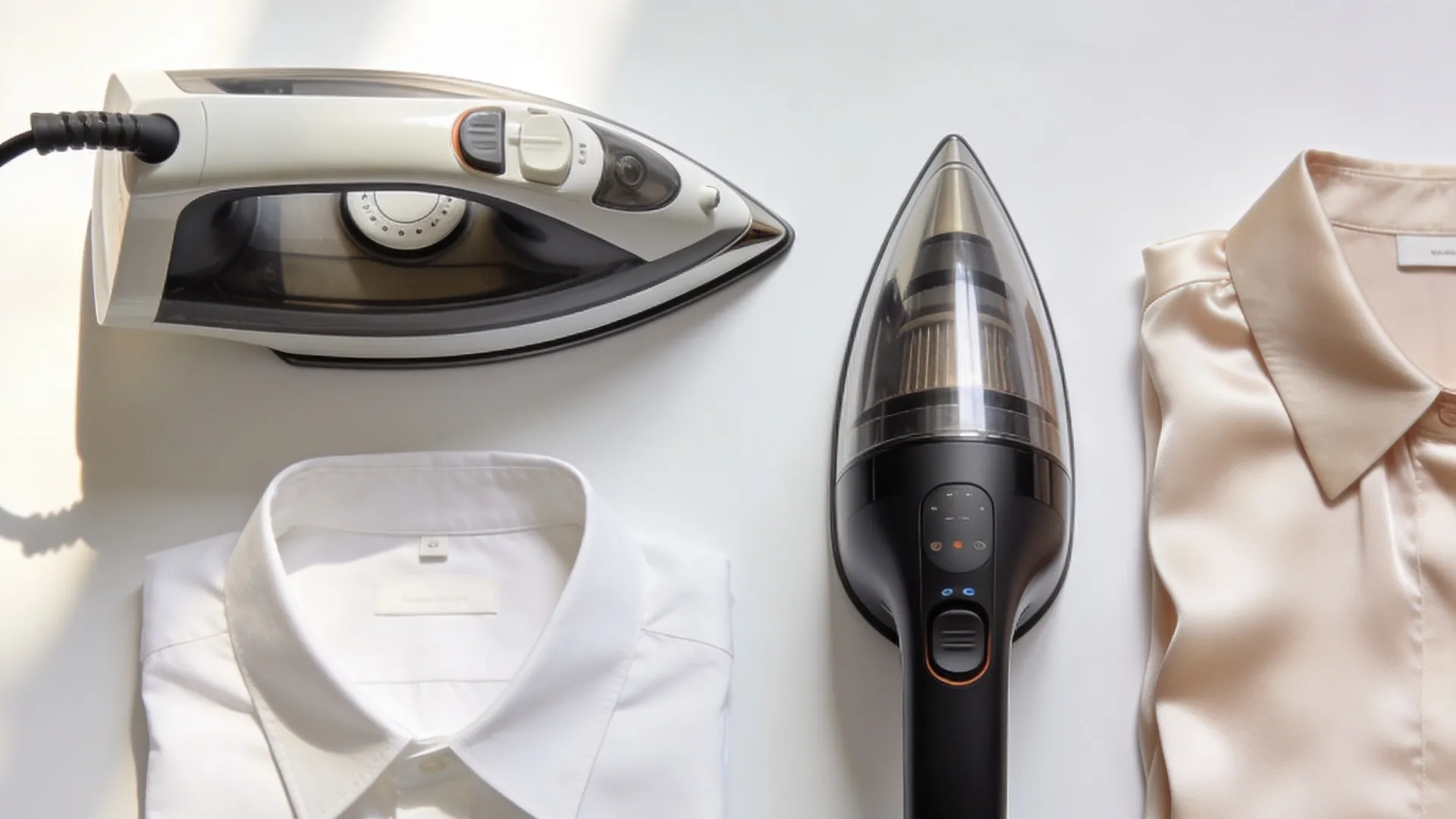
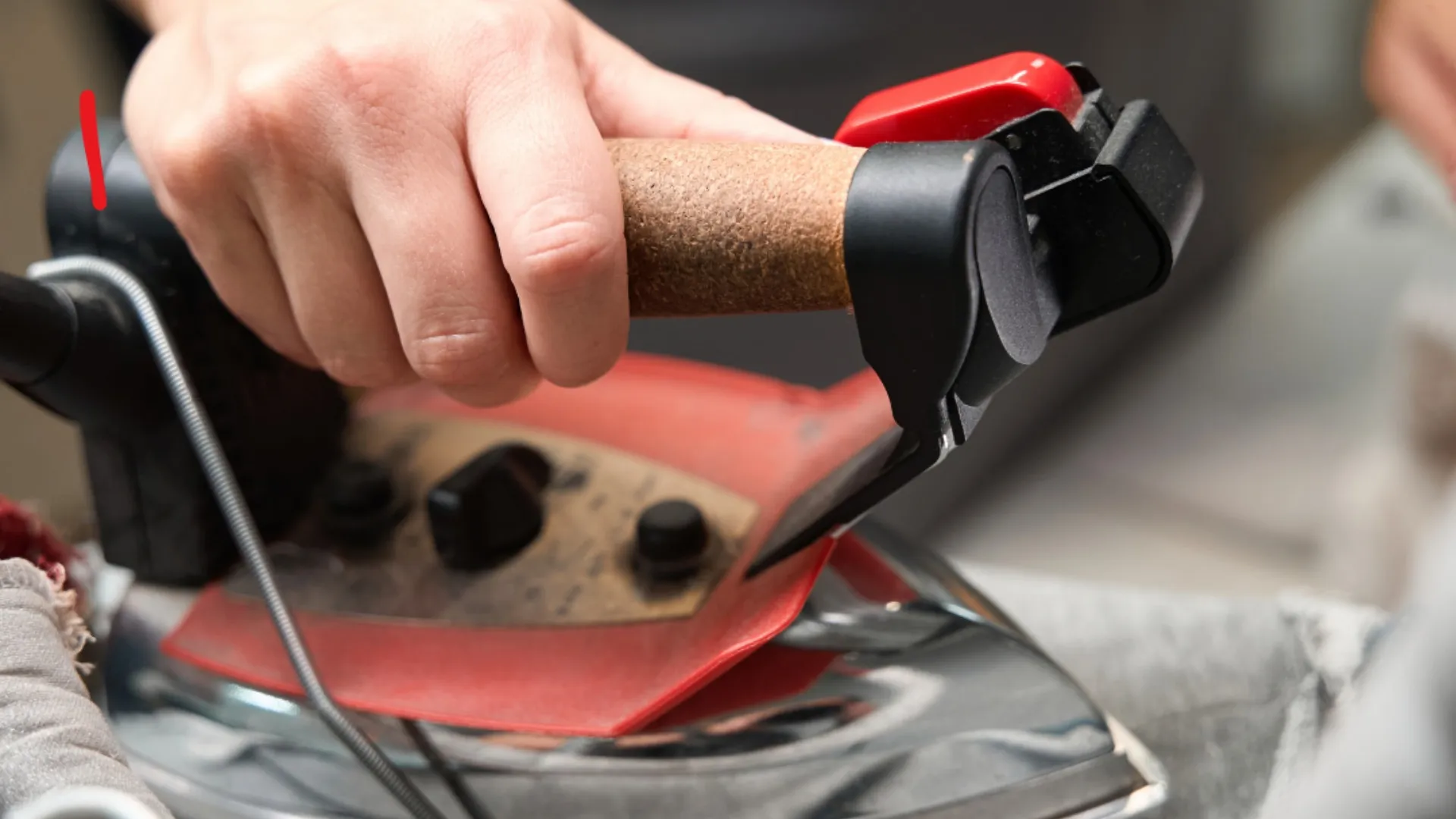
The right approach: The care label should be checked before every ironing session and the iron temperature set accordingly. For delicate fabrics, a garment steamer is preferable — the iron surface never touches the fabric. When uncertain, always start at a lower temperature and increase gradually rather than the other way around.
Mistake 8: Storing Garments in Plastic Bags or Covers
Keeping a dry-cleaned garment in its plastic cover for long-term storage is a very common mistake. Storing seasonal garments in nylon or plastic bags is equally problematic.
Plastic is not breathable. Moisture that builds up inside creates the conditions for mould. In addition, plastic gradually releases chemical compounds that can alter the colour and structure of the fabric it is in contact with. Because this process is slow, it often goes unnoticed — but a garment stored in plastic for several months can emerge with permanently changed colour and texture.
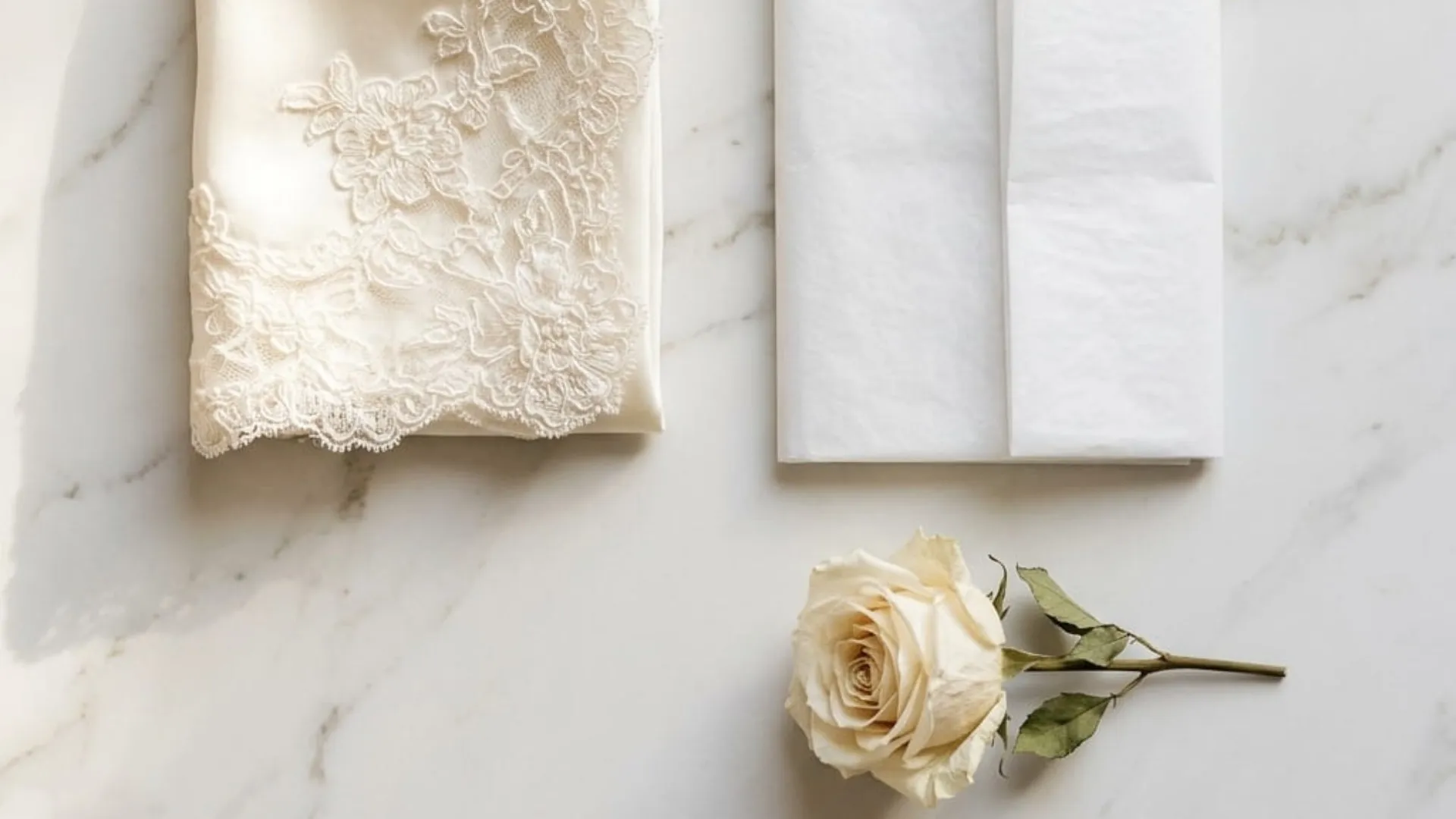
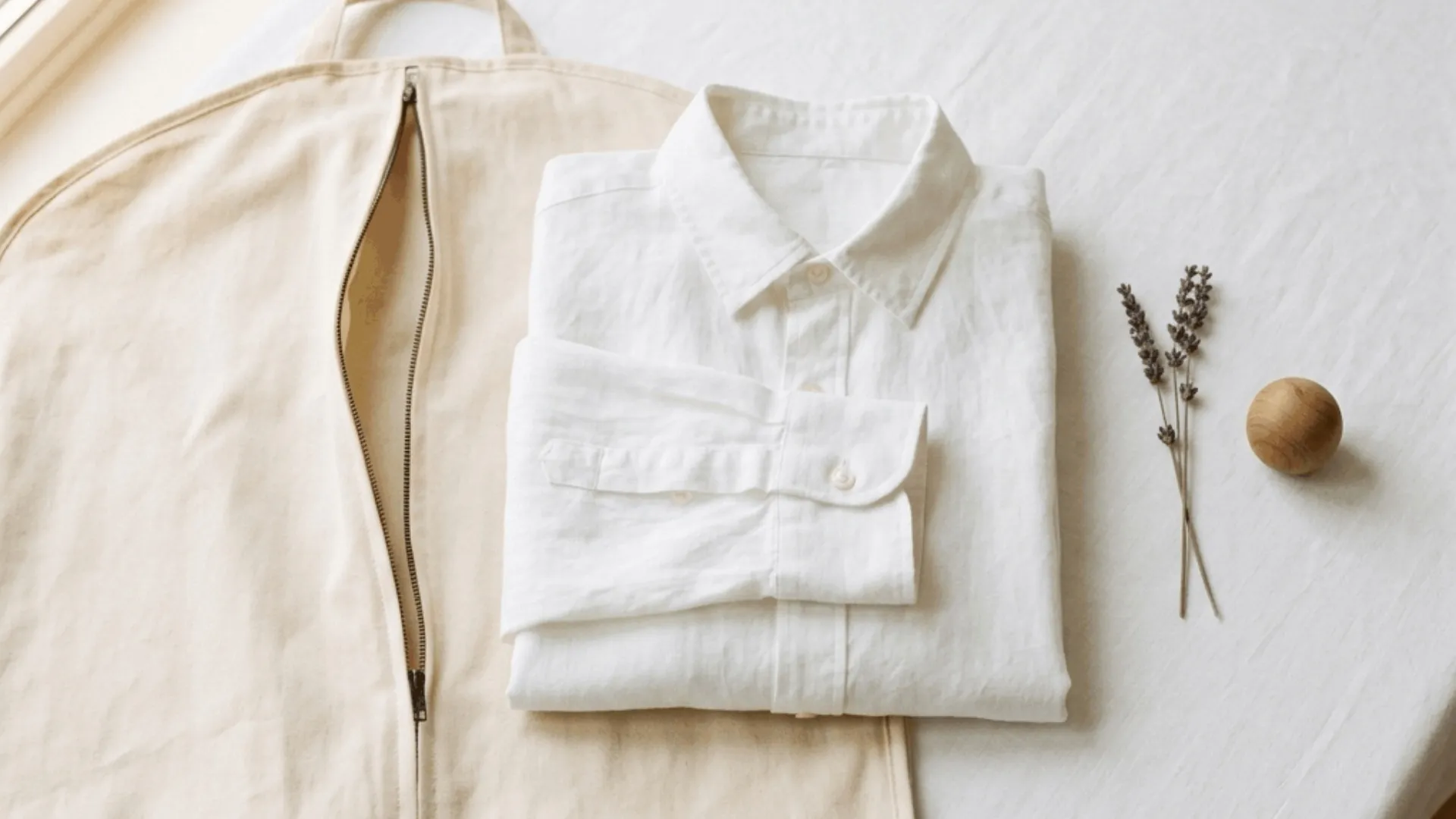
The right approach: Garments should be stored in breathable cloth or cotton garment bags. Plastic covers are acceptable for short-term transport only — they are entirely unsuitable for long-term storage.
Mistake 9: Using Too Much Detergent
The assumption that more detergent means a better clean is a widespread misconception. Using more than the recommended amount damages both the garment and the machine.
Excess detergent cannot be fully rinsed out and leaves residue in the fabric. Over time, this residue irritates the fibre structure, dulls the garment's colour, and can cause allergic skin reactions in sensitive individuals. Detergent build-up inside the machine also creates conditions for mechanical problems over time.
The right approach: Detergent should always be measured according to the manufacturer's guidelines. For concentrated detergents, the correct amount is considerably smaller than most people assume. Excessive foam during the wash cycle is a sign that too much detergent has been used — running an additional rinse cycle in this case is advisable.
Mistake 10: Leaving Stains to Wait
"I'll deal with it later" is one of the most costly decisions in garment care. The longer a stain is left, the deeper it penetrates the fabric — and the harder it becomes to remove.
Wine, oil, coffee, and blood stains can be largely removed with prompt intervention in the first few hours. The same stains, left for more than 24 hours, work their way into the fabric fibres — and at that point, home treatment is unlikely to be sufficient, and even professional cleaning may not deliver a complete result.
The right approach: A stain should always be addressed the moment it occurs. The first step is always to absorb excess liquid by blotting — never rubbing — with a clean cloth. The appropriate first-response treatment is then applied based on the stain type. For unidentified stains or stains on delicate fabrics, going directly to a professional is the safest course of action.
Bonus: Postponing Professional Care
Beyond the ten core mistakes, the most pervasive and most insidious error is this: treating professional textile care as unnecessary or repeatedly putting it off.
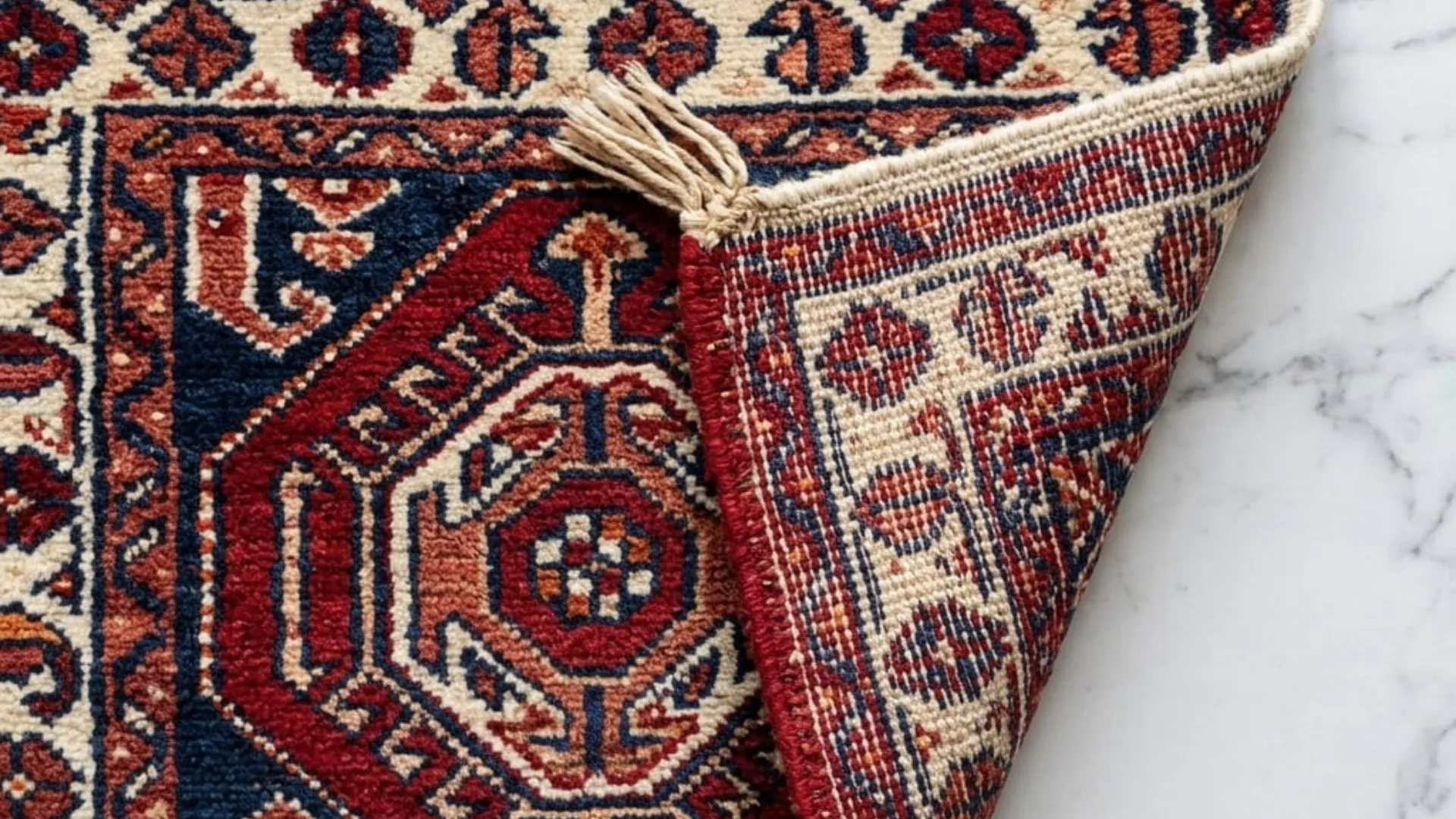
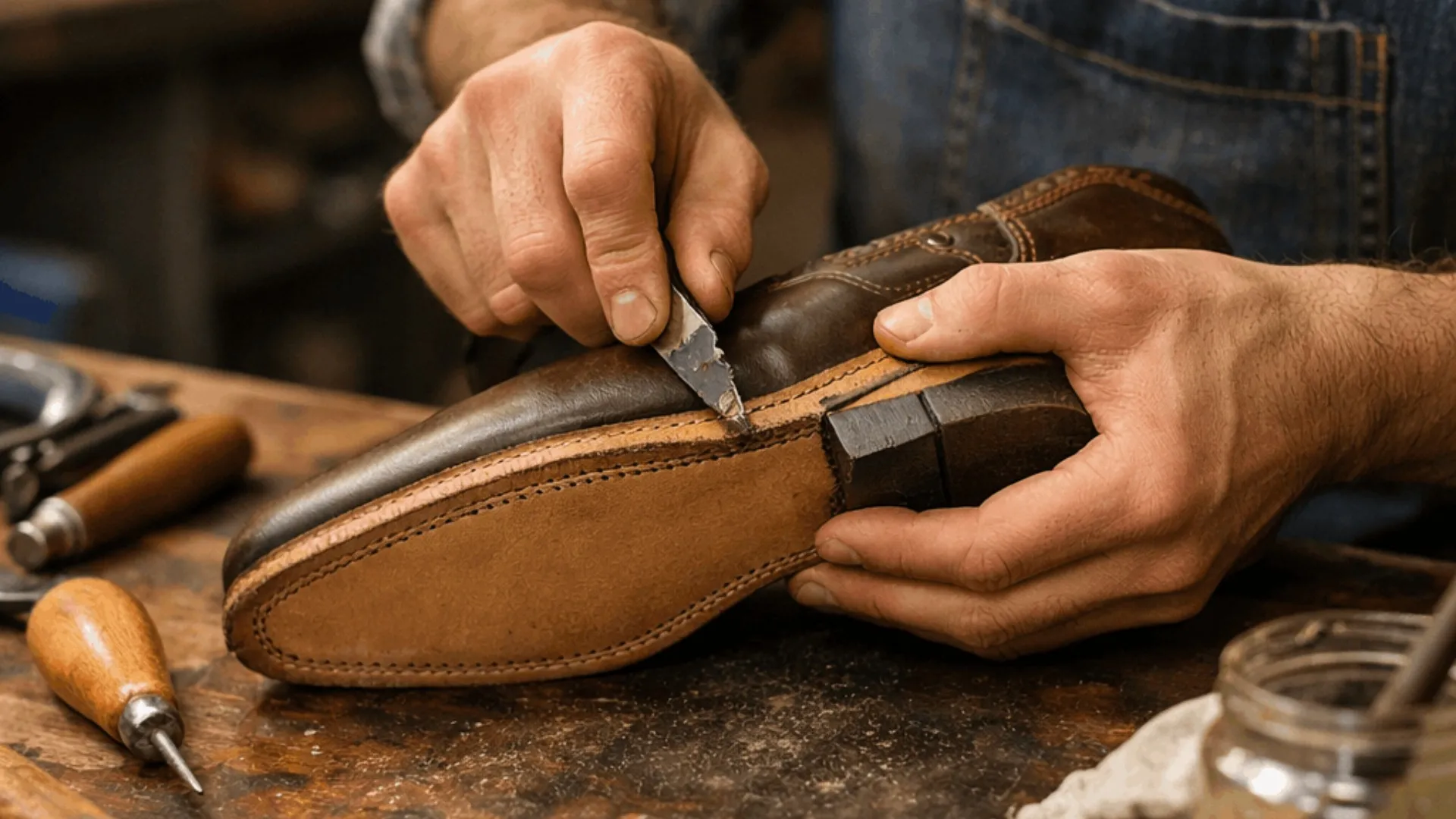
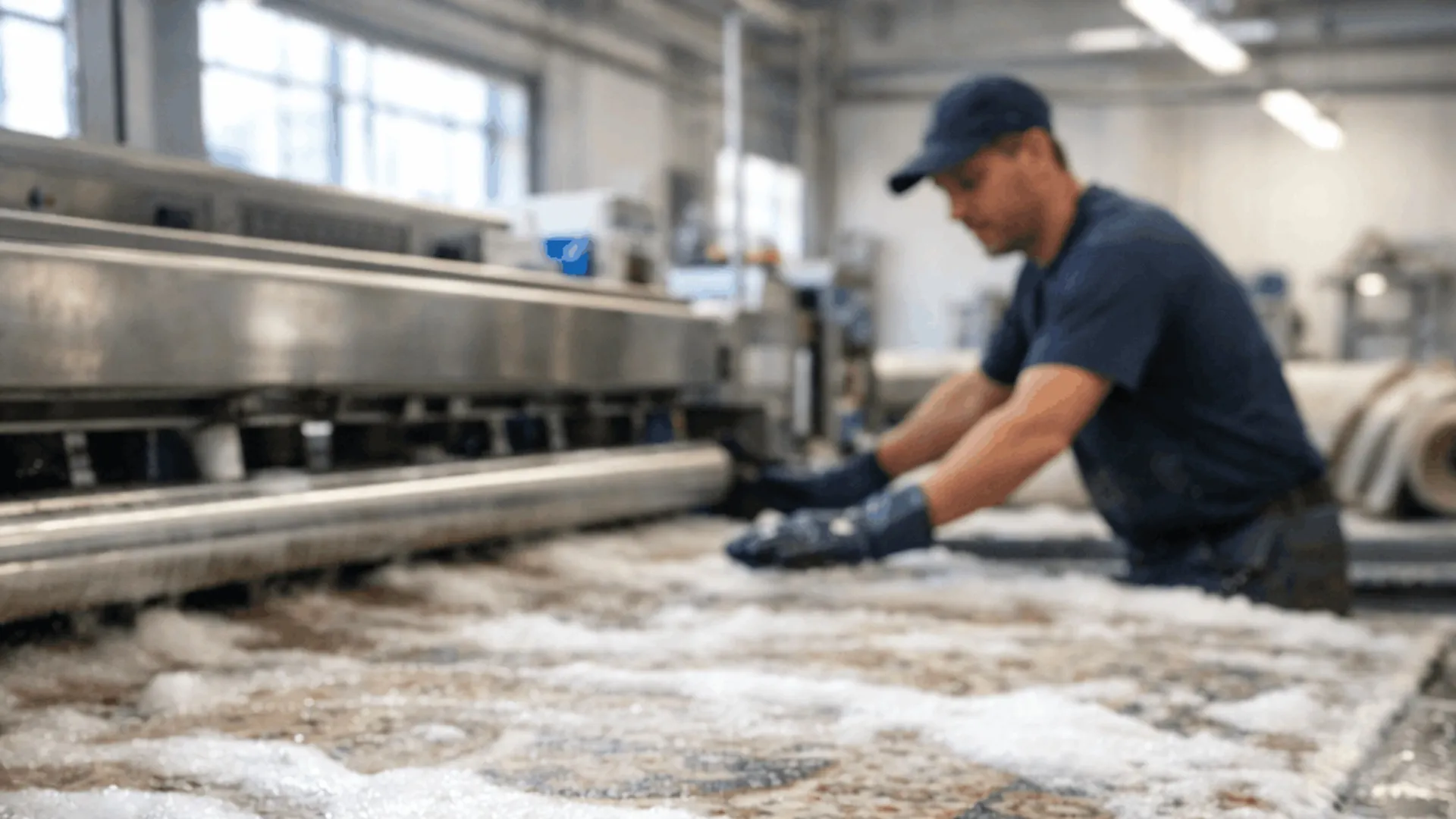
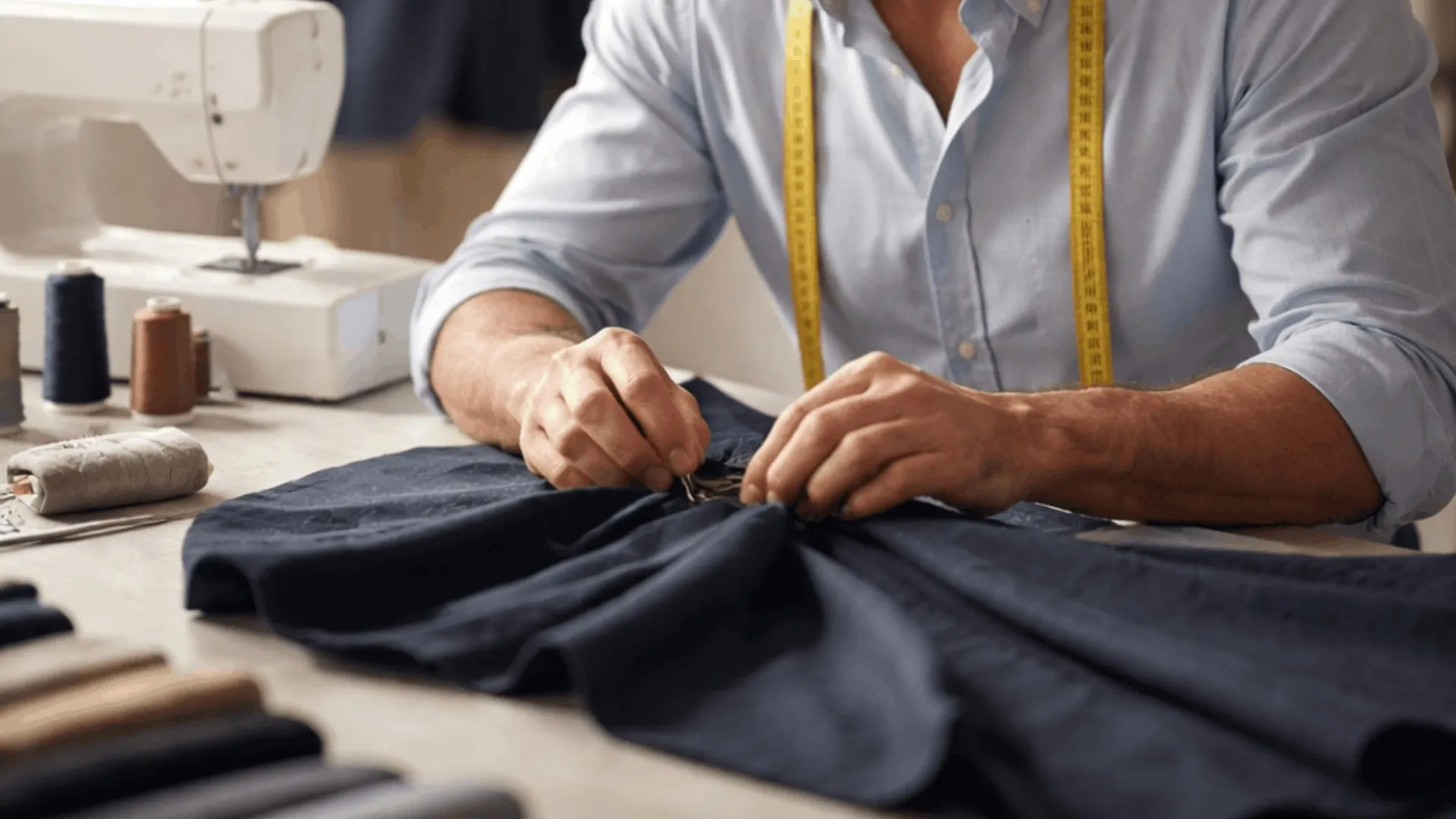
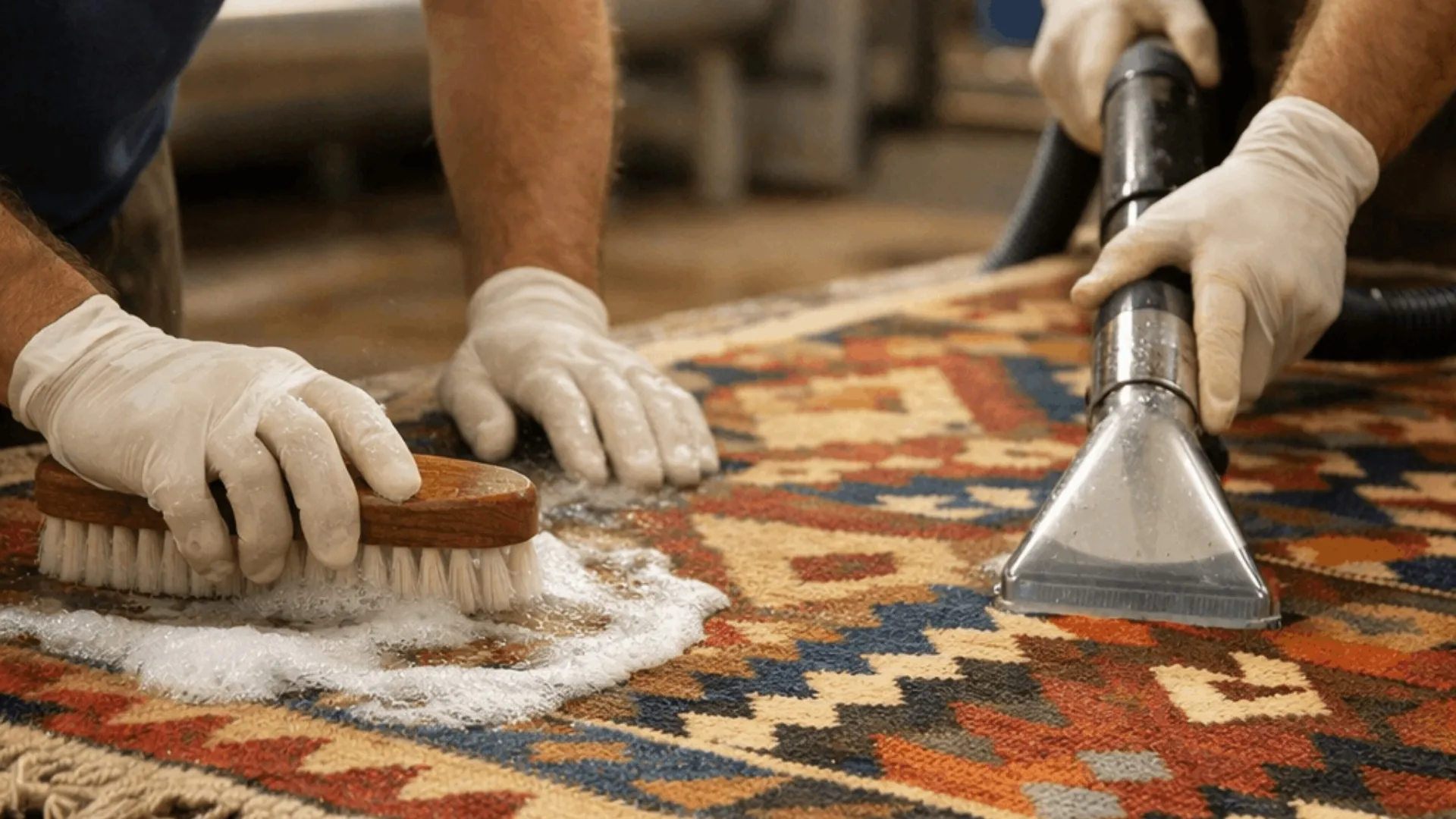
Dry cleaning, rug washing, curtain ironing, and garment repair are not luxuries — they are practical tools for protecting the investment made in a wardrobe. The cost of postponing these services is invisible in the short term but compounds into a much higher replacement cost over time.
Regular professional care extends the lifespan of garments, preserves their value, and keeps a wardrobe looking its best season after season. Viewing professional care as investment protection rather than an expense is the most accurate way to think about it.
Dry Anka: Correct Textile Care Across Istanbul's Anatolian Side
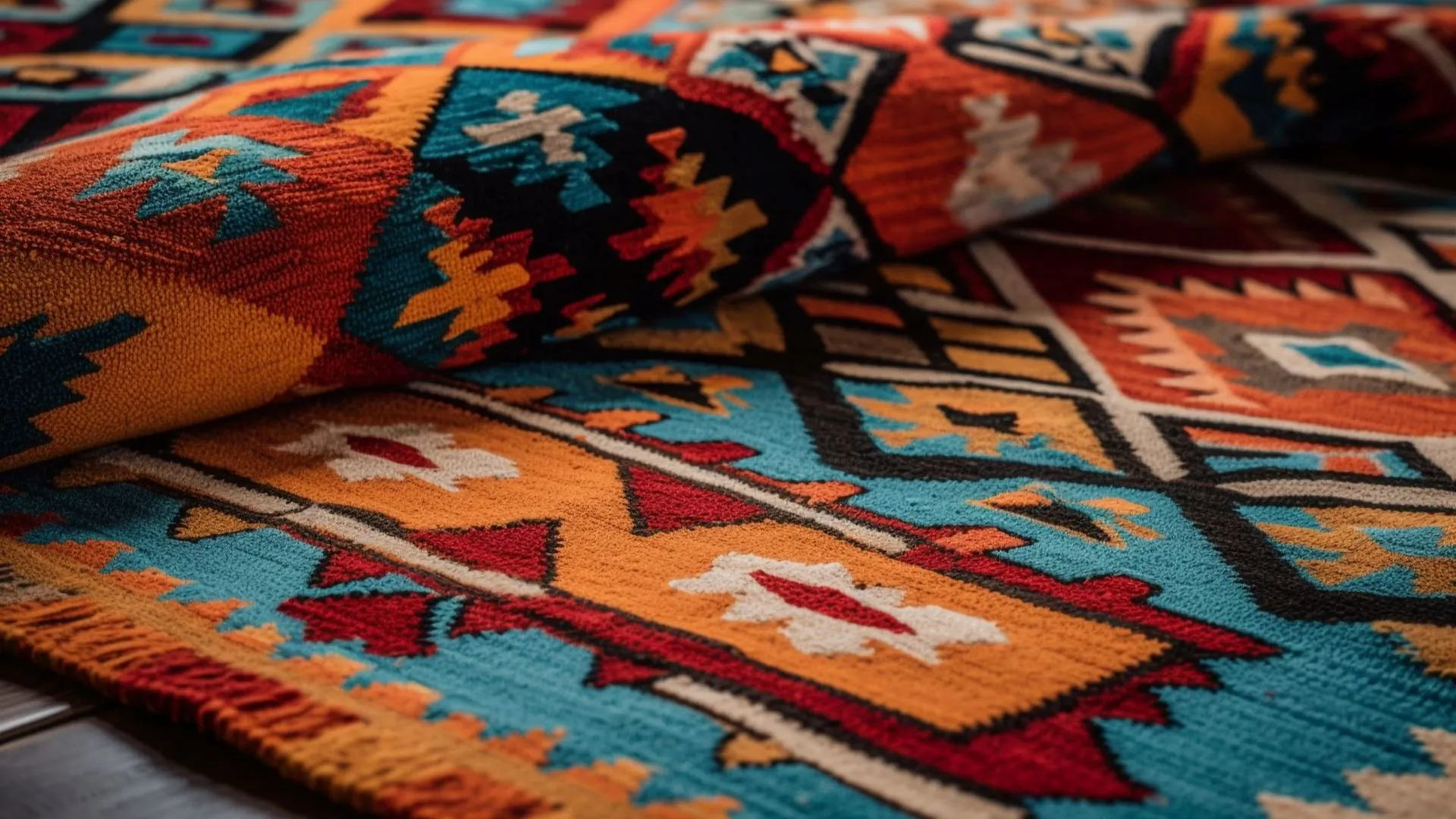
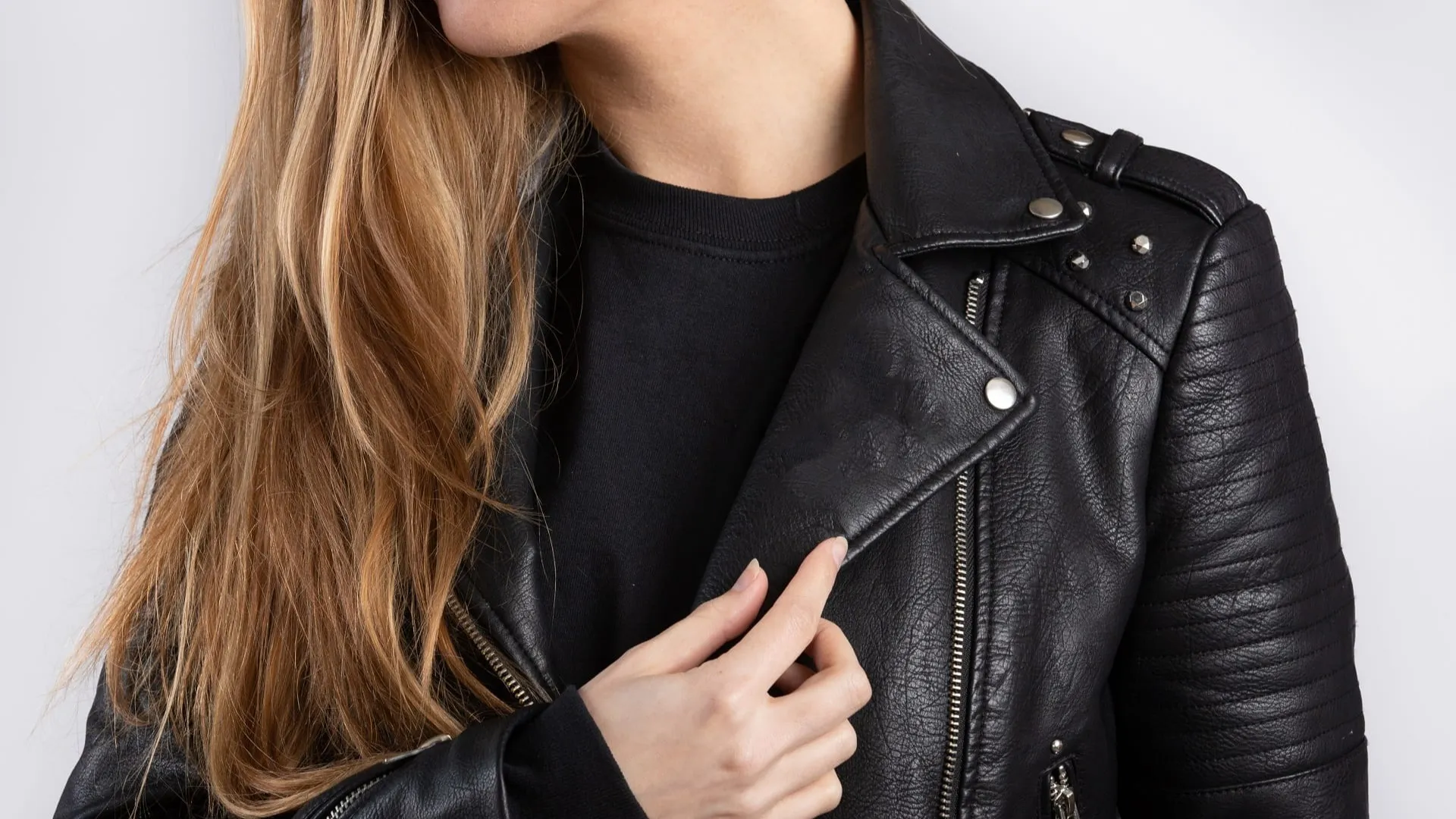
In Kadıköy, Çekmeköy, Tuzla, Küçükyalı, and Fikirtepe, Dry Anka offers a comprehensive textile care service covering garment dry cleaning, curtain ironing, wool rug washing, and coat alteration and repair.
Once you book an appointment, your garments and textile pieces are collected from your address at the agreed time and returned carefully packaged once the work is complete. At collection, each piece is assessed individually and the appropriate treatment method is confirmed with your approval before any processing begins.
Conclusion: The Right Knowledge Builds a Longer-Lasting Wardrobe
Textile care mistakes accumulate quietly, shortening the lifespan of garments in ways that often go unnoticed until significant damage has already occurred. Ignoring the dry clean only label, rubbing stains, ironing at the wrong temperature, storing garments without cleaning them first — each of these seems like a small decision but carries consequences that are frequently permanent.
Avoiding these ten mistakes does not require significant effort — it requires a handful of foundational principles and a few consistent habit changes. Reading the label, responding to stains immediately, choosing the right programme, and calling on a professional when needed: these steps keep every piece in the wardrobe looking its best for considerably longer.