


Which Garments Should Never Be Washed at Home?
The washing machine is one of the most practical appliances in any home. But the assumption that every garment can go into one causes thousands of pieces of clothing to be permanently damaged every year. Shrunken cashmere jumpers, silk blouses with colour bleed, suit jackets that have lost their shape — these are all the concrete results of the wrong washing decision.
So which garments should never be washed at home? The answer goes beyond simply reading a label. Understanding the structure of the fabric, what happens to it during a wash cycle, and what the consequences of the wrong decision look like is the foundation of protecting your wardrobe.
In this guide, we go through the categories of garments that must never be washed at home, explain the specific risks home washing creates for each, and set out the correct care alternative for every type.
Why Can't Some Garments Be Washed at Home?
A home wash cycle has three core components: water, detergent, and mechanical agitation. Together, these three elements deliver highly effective cleaning on durable fabrics like cotton and polyester. But the same combination can be devastating on delicate materials.
Water: Some fibres change structurally when they come into contact with water. Wool and cashmere fibres interlock and shrink when wet. Silk stiffens and develops water marks when exposed to moisture. These changes are frequently irreversible.
Detergent: Standard laundry detergents are formulated at an alkaline pH. This alkalinity is appropriate for cotton but damages wool, cashmere, and silk fibres. The natural oils in these materials — lanolin in wool, sericin in silk — are broken down by alkaline detergent, and the fibre is permanently weakened as a result.
Mechanical agitation: The tumbling action of a washing machine applies significant mechanical load to garments. Delicate fabrics, fine weaves, and structured garments cannot absorb this load. Seams open, fabric compresses, and shape is permanently lost.
Understanding these three factors makes it much easier to grasp why certain garments simply cannot be washed at home.
1. Cashmere Garments
Cashmere is one of the most delicate and most valuable fibres in any wardrobe. Sourced from Himalayan goats, it is prized for its exceptional softness and warmth-to-weight ratio.
What happens when cashmere is washed at home? Water causes the cashmere fibres to bond together. The microscopic scales on the fibre surface — present in wool too, but far more pronounced in cashmere — open when wet and lock onto each other. This triggers irreversible shrinkage and hardening. A cashmere jumper that has gone through this process cannot be restored to its original texture.
Machine washing accelerates this process dramatically. The mechanical pressure and heat of a drum cycle multiply the damage several times over.
Correct care: Dry cleaning is essential for cashmere garments. Airing and gentle brushing between cleans extends the time between professional visits. Machine washing and warm water must be avoided entirely.
2. Silk Garments
Silk is a natural fibre that has been prized for thousands of years — and its distinctive sheen is the product of a structure that is highly sensitive to incorrect treatment.
When silk is washed at home, water marks can develop. Different areas of the fabric dry at different rates; this uneven drying leaves permanent marks on the surface. Colour bleeding is also common — particularly with dark-coloured silk, where dye transfer into the wash water is almost inevitable.
Standard detergent breaks down sericin — the natural protein coating that gives silk its smoothness and sheen. Once this coating is stripped, the silk permanently loses its lustre and takes on a dull, rough texture.
Correct care: Dry cleaning is essential for silk garments. Some simple silk pieces may carry a label permitting cold hand washing — but even then, a detergent specifically formulated for silk is non-negotiable.
3. Wool Garments
Wool is a durable fibre — but it is highly sensitive to home washing. A wool jumper, coat, or suit trouser that goes into a washing machine carries a very high risk of shrinkage.
The surface of wool fibres is covered in microscopic scales. These scales open under heat and mechanical agitation and lock onto each other — a process known as felting. Once felting occurs, the garment shrinks and takes on a stiff, coarse texture that cannot be reversed.
Washing at 30 degrees reduces this risk but does not eliminate it. Even on a cold cycle, the mechanical agitation of a machine can affect wool fibres. For structured wool garments — coats, blazers, suits — this risk is significantly higher.
Correct care: Dry cleaning is the preferred option for wool garments. Where the label permits cold hand washing, this can be done with a specialist wool detergent — but machine washing must be avoided entirely.
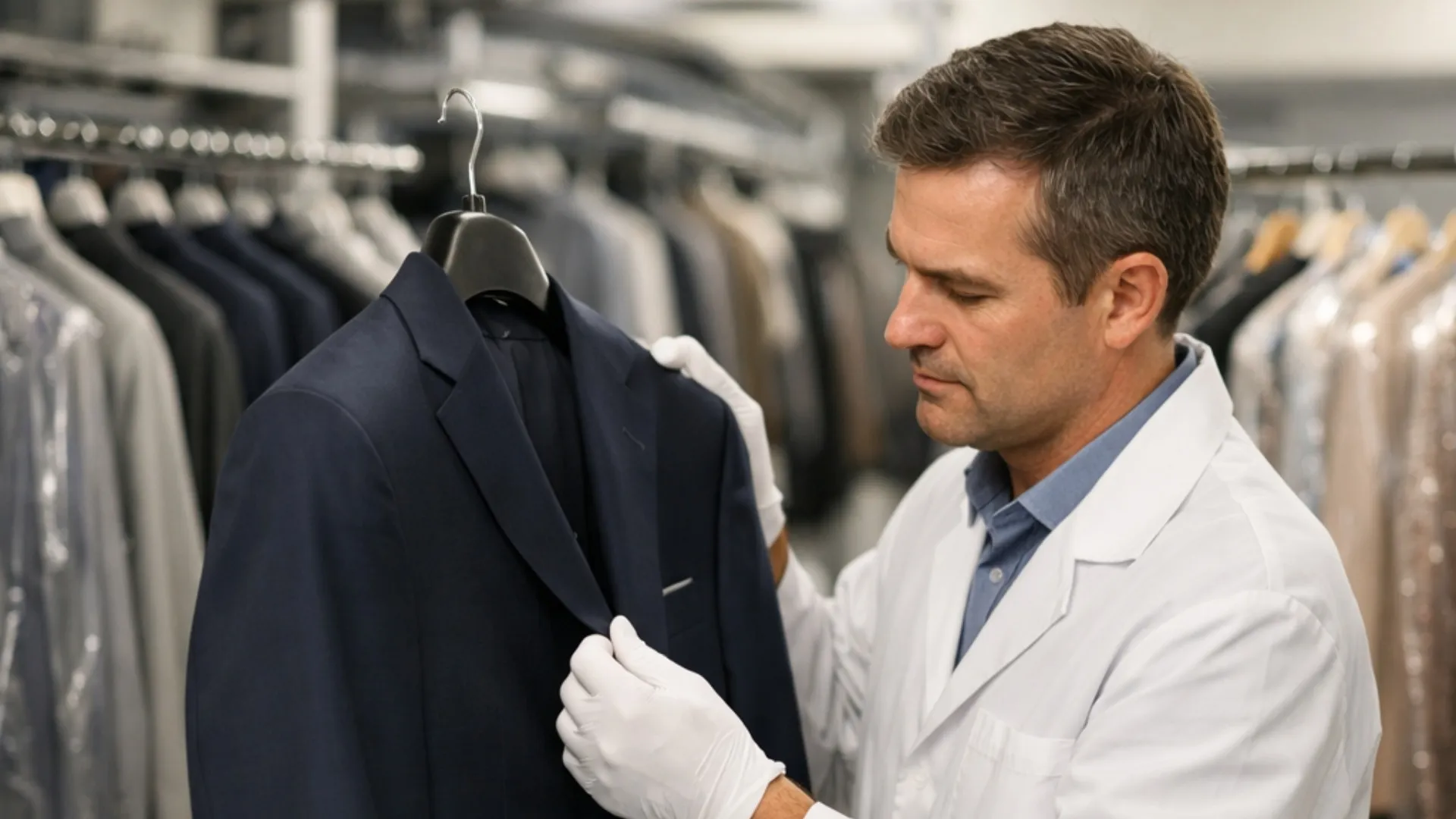
4. Suits and Structured Garments
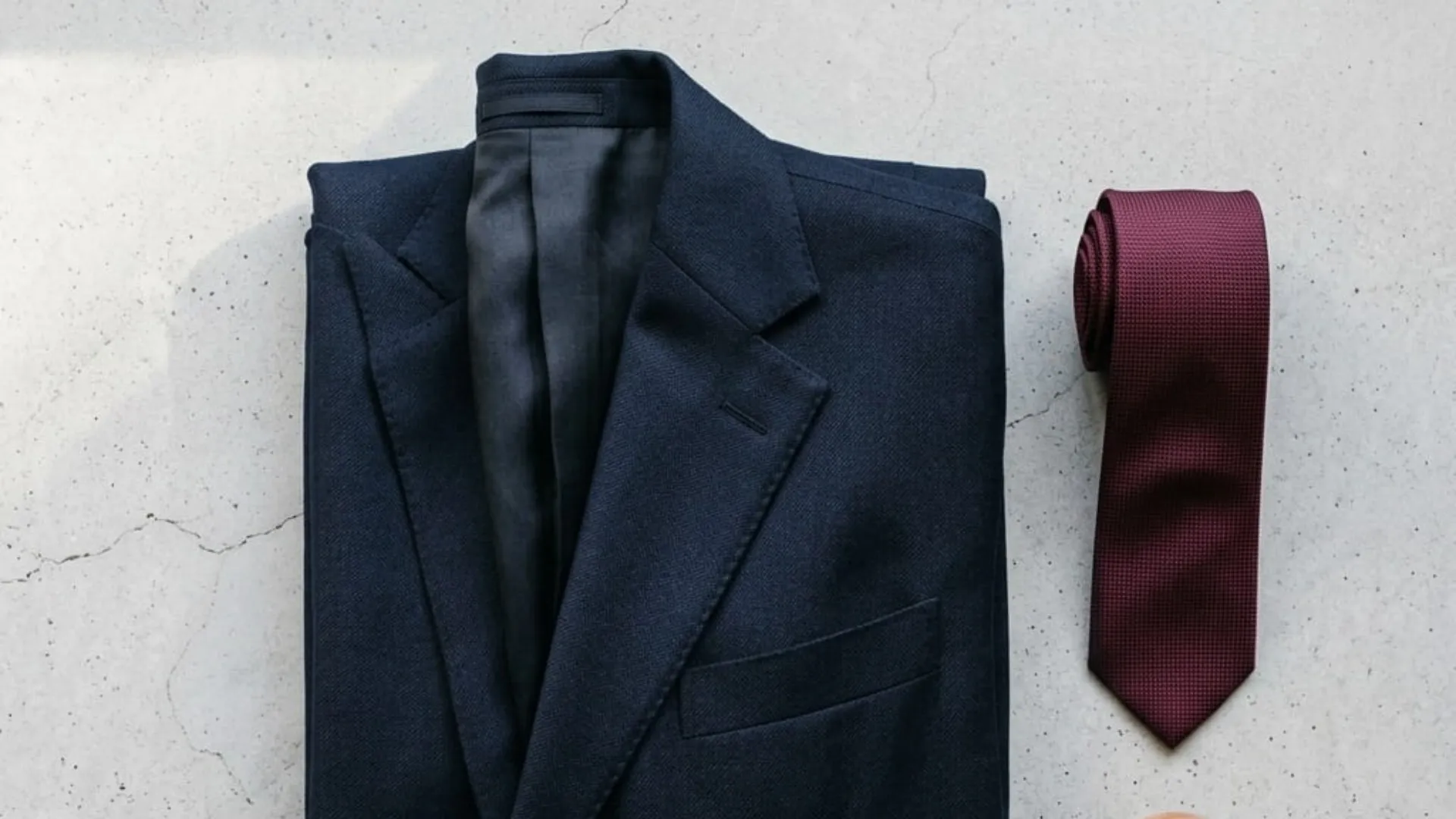
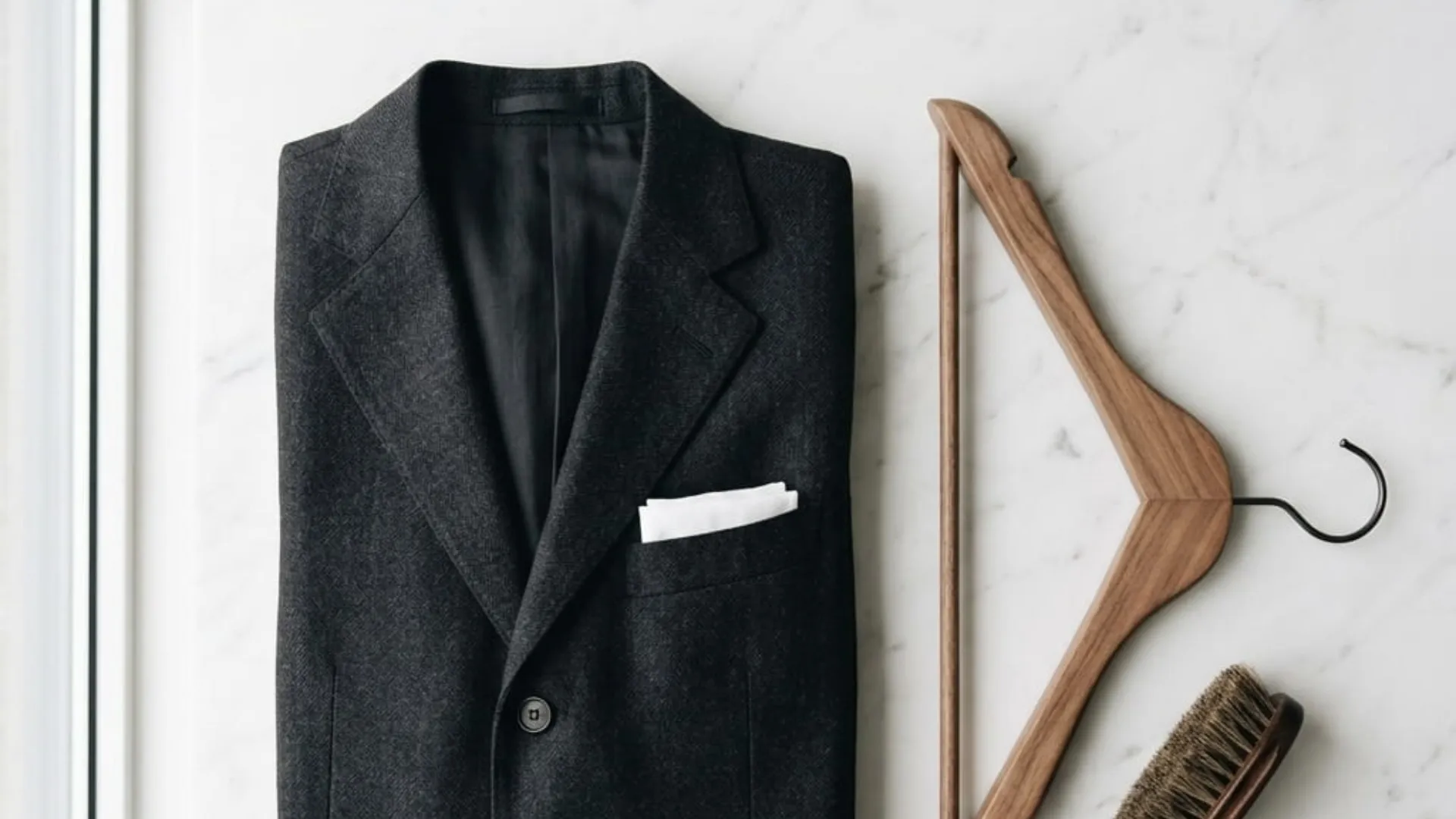
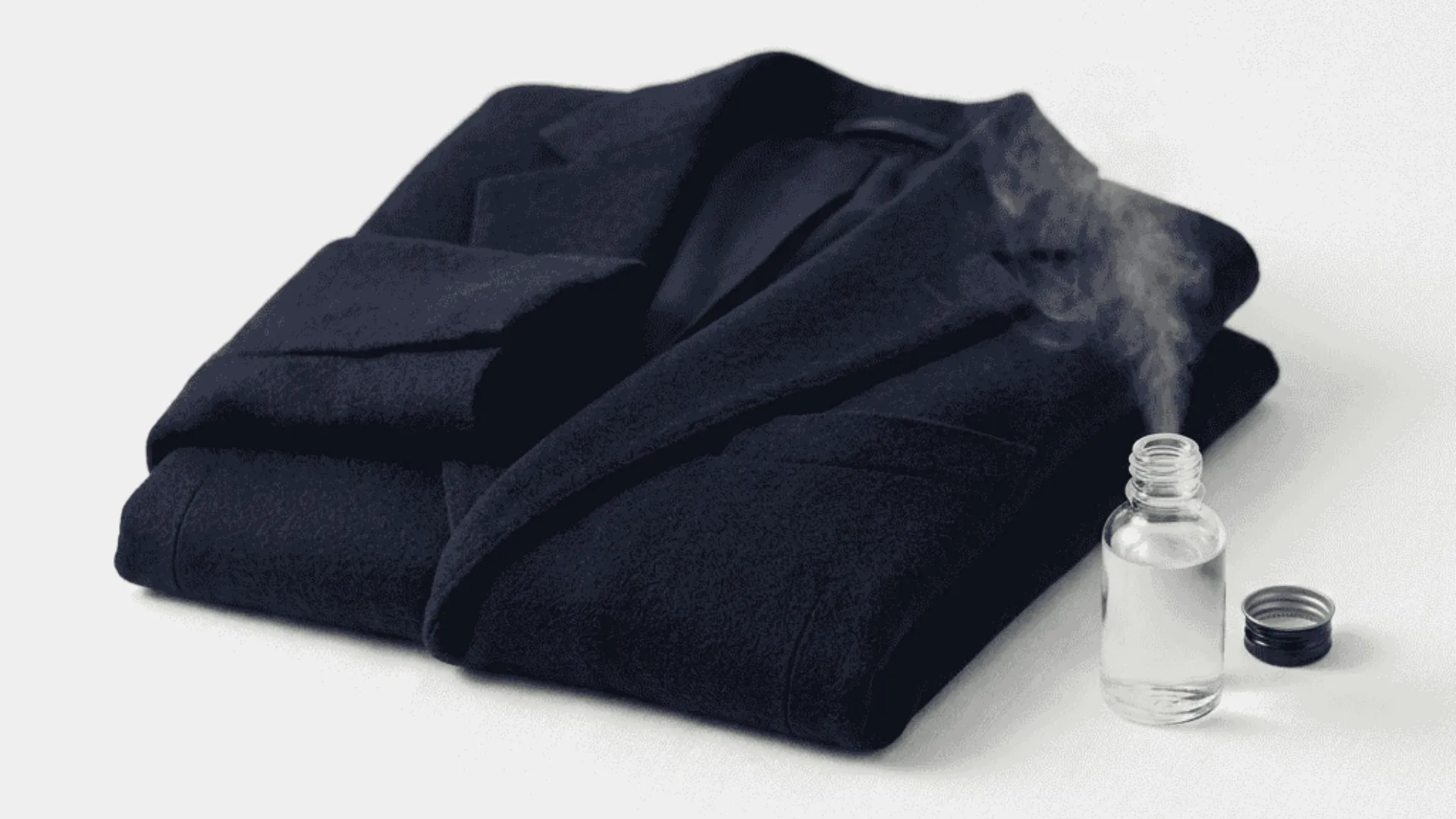
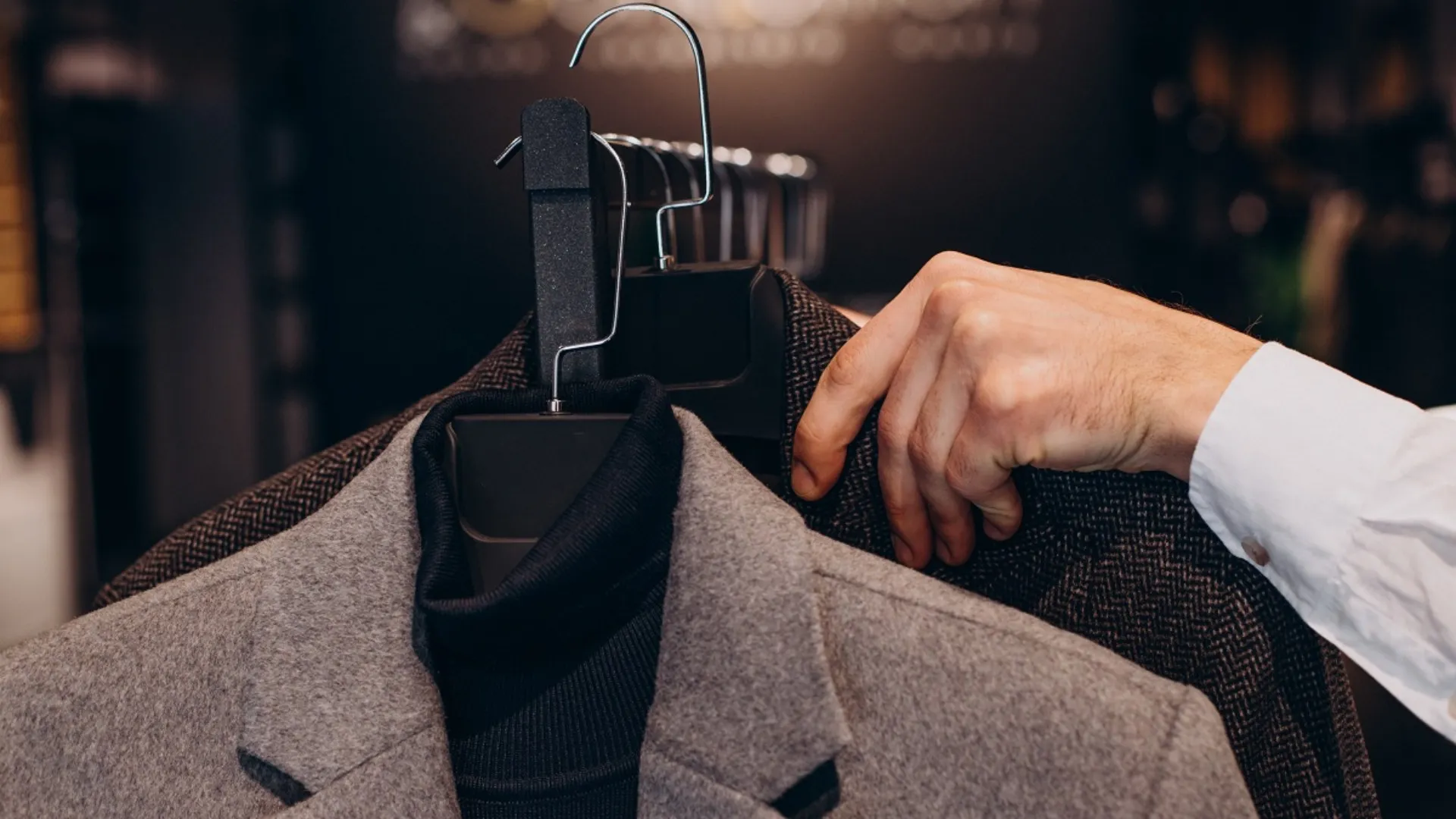
Suit jackets, blazers, and lined garments form one of the most important categories of clothing that should never be washed at home. Their structural complexity makes home washing extremely risky.
A suit jacket is not simply an outer fabric. Inside, it contains a lining, an interlining — either fused or canvas — shoulder padding, and shape-giving internal structure. These layers are made from different materials, and they shrink at different rates when exposed to water. The result is inevitable: the jacket front waves, the shoulder line distorts, and the structure is permanently deformed.
This damage cannot be fully corrected by tailoring. Once the silhouette of a structured garment is lost, it is largely unrecoverable.
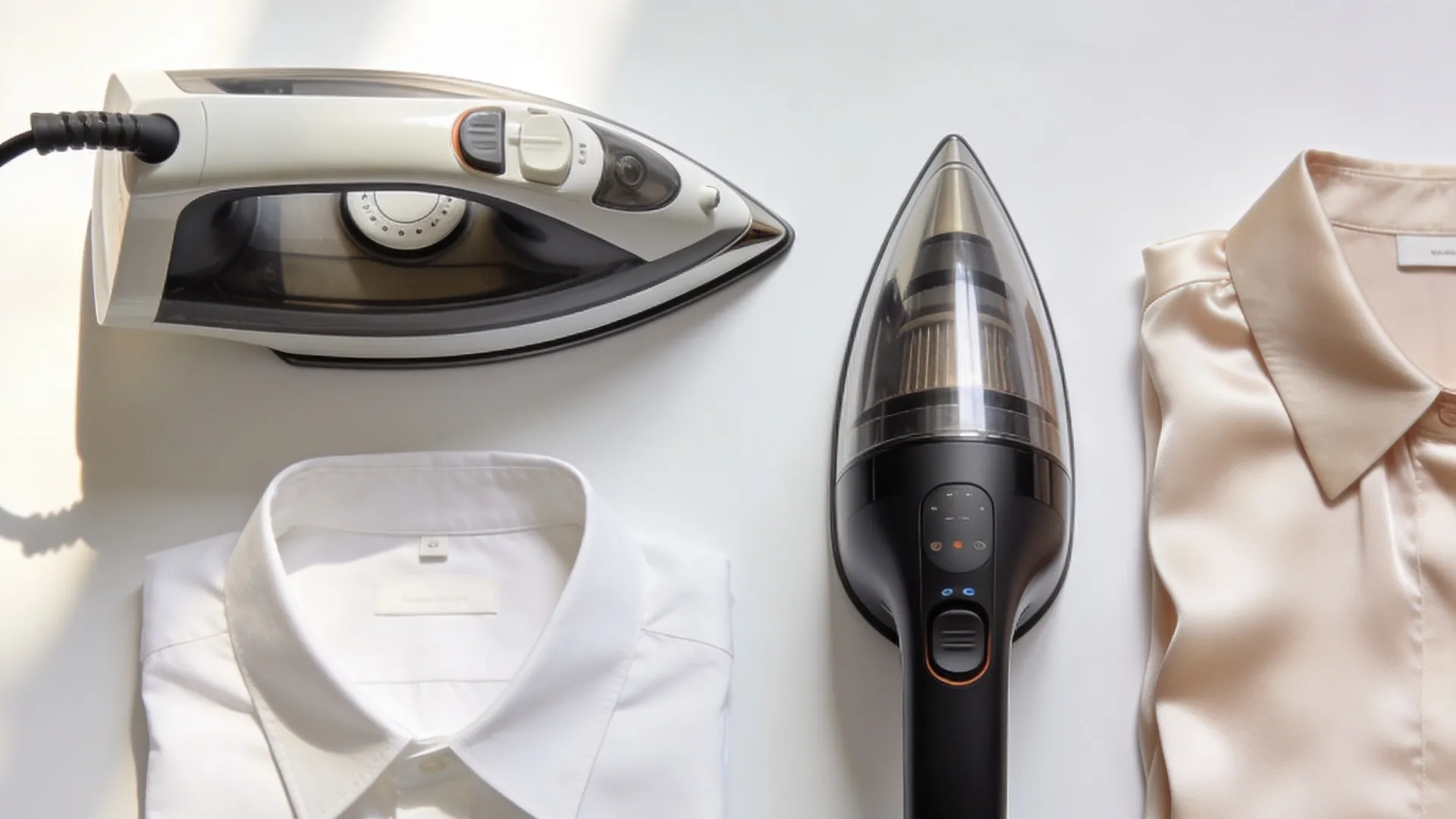
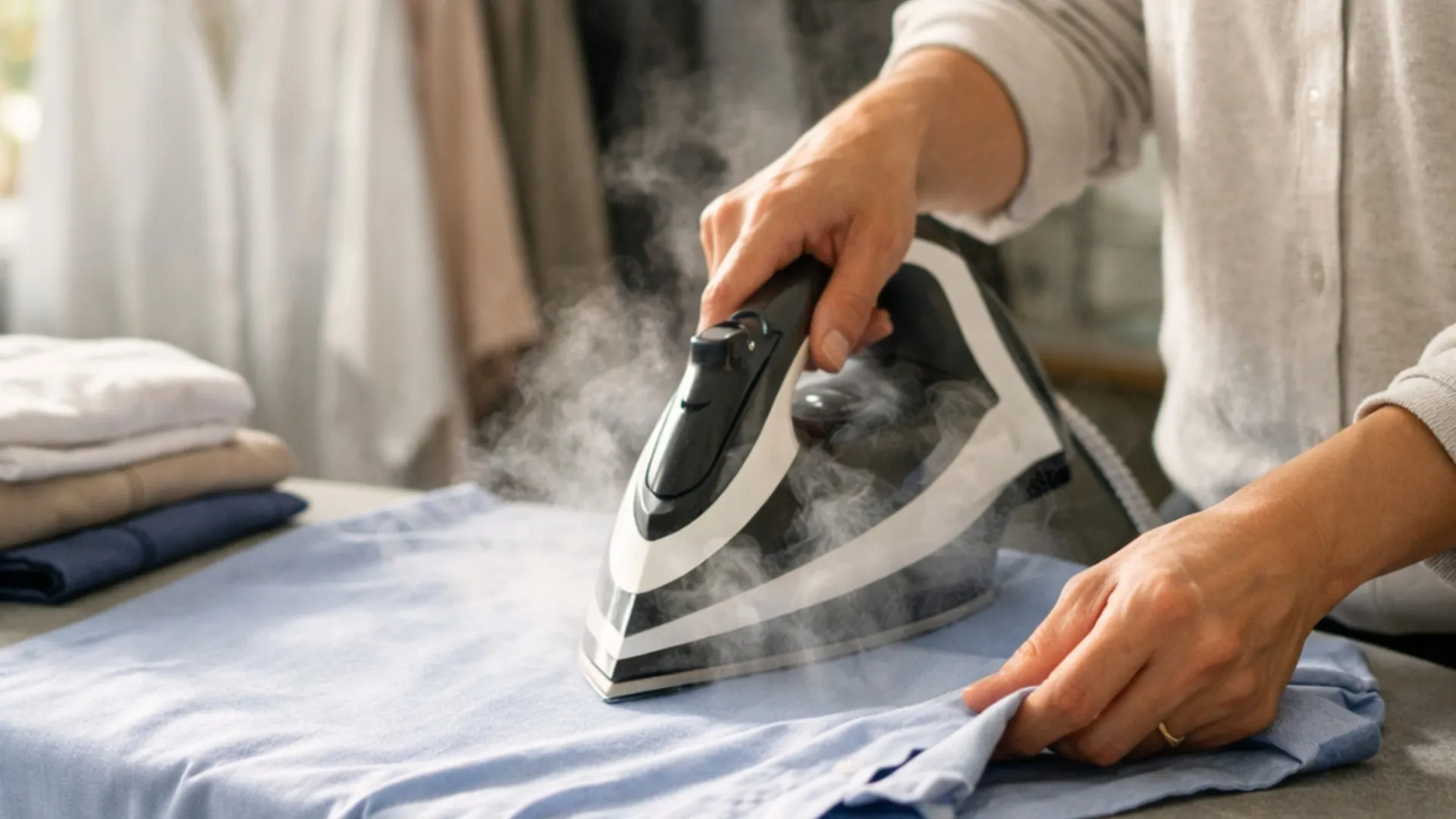
Correct care: Dry cleaning is essential for suits and structured garments. Steaming, airing, and brushing are the preferred maintenance tools between professional cleans.
5. Velvet Garments
Velvet derives its characteristic appearance from its surface pile — and that pile is highly sensitive to damage from incorrect care.
A velvet garment washed in a machine suffers two types of harm. First, the mechanical pressure of the drum crushes the pile flat in certain areas — and those areas remain permanently flattened. Second, friction against other garments and the drum wall disrupts the pile direction, creating irregular, dull patches across the surface. Neither type of damage can be reversed.
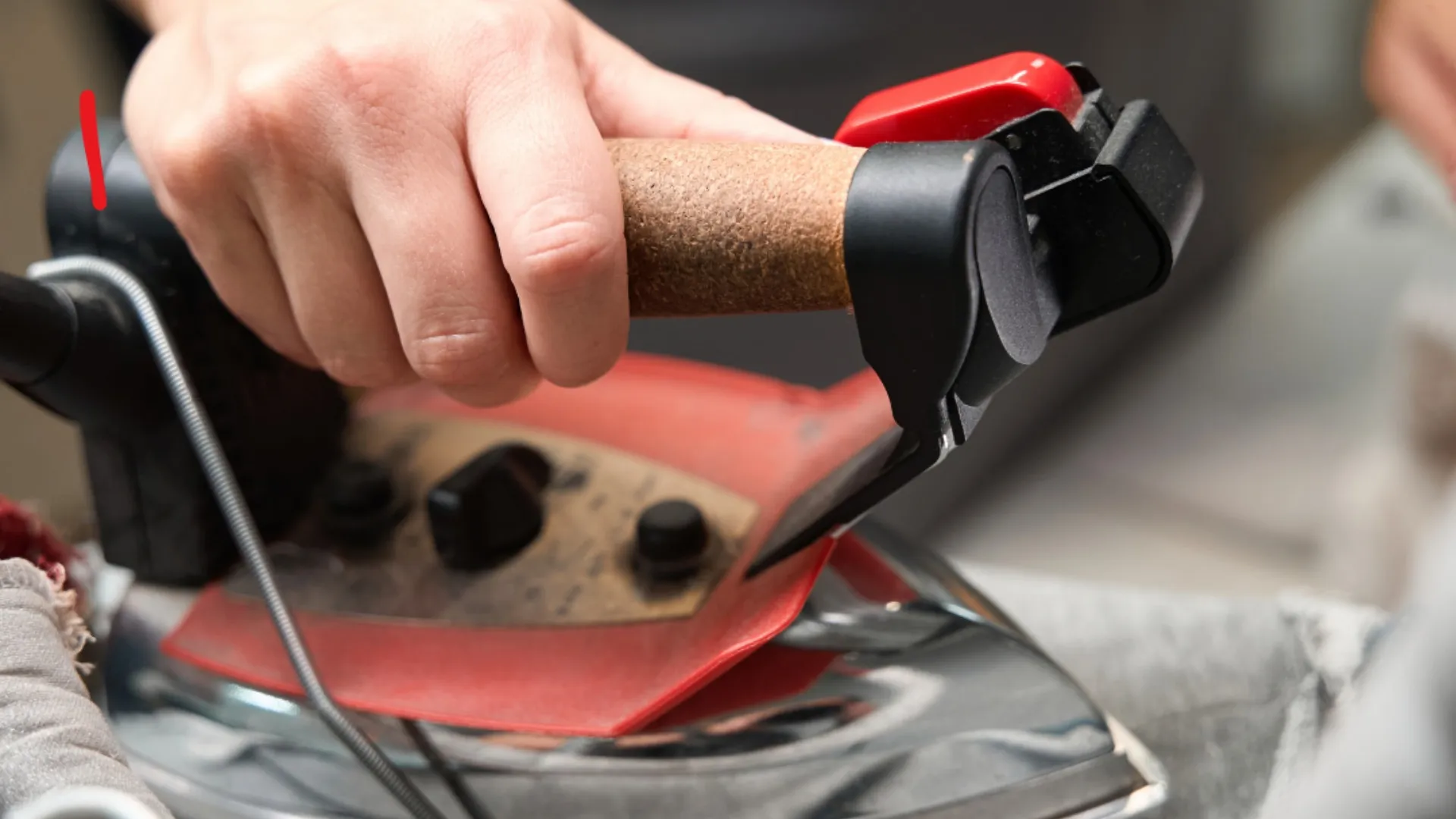
A flat iron on velvet causes the same permanent pressure marks. High heat melts the pile and destroys its structure entirely.
Correct care: Dry cleaning is essential for velvet garments. A garment steamer can remove creases from velvet without damaging the pile — but even this requires care and experience.
6. Leather and Suede Garments
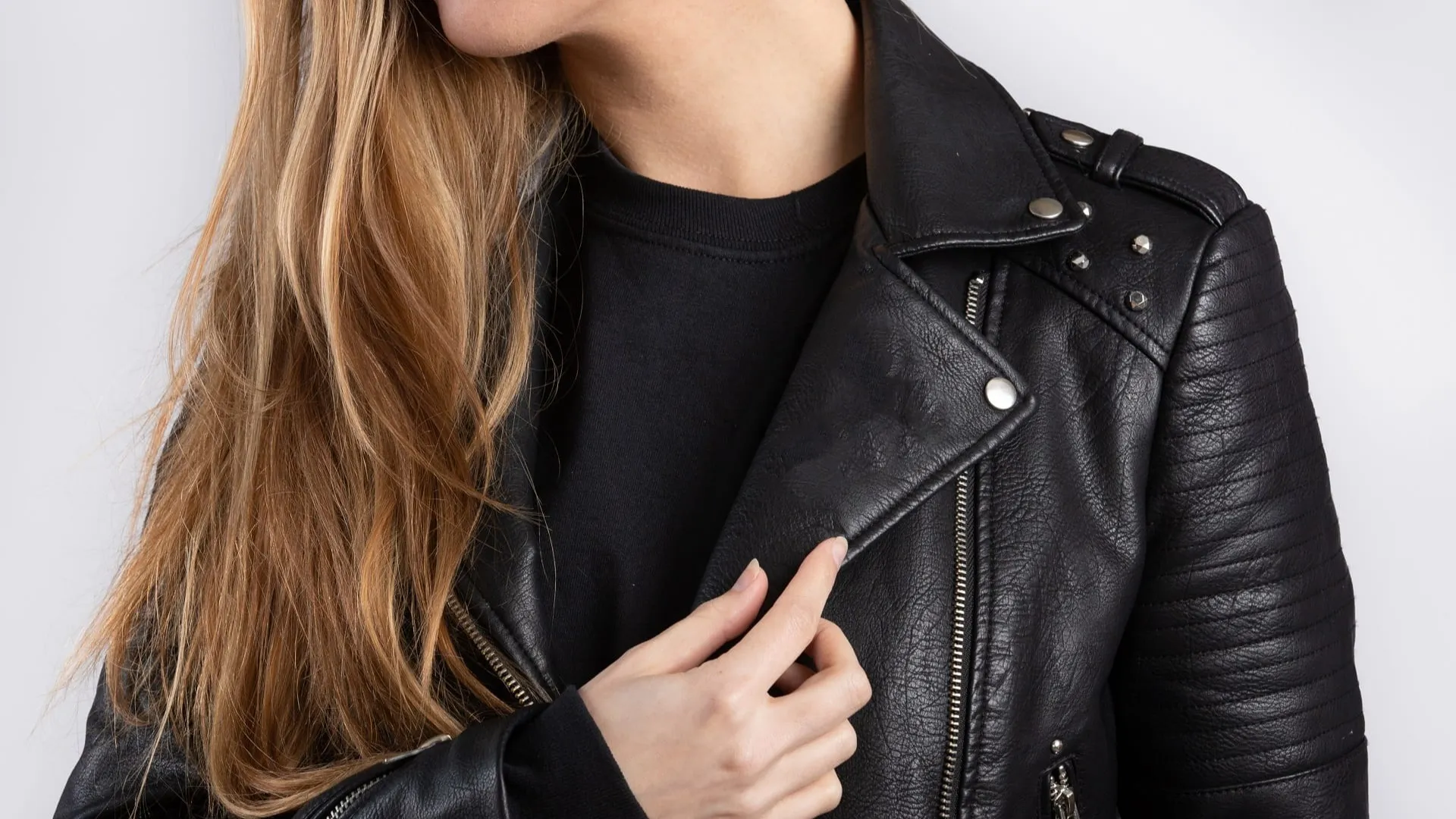
A leather jacket, leather trousers, or a suede coat exposed to water faces serious structural risk.
When leather gets wet, the fibre structure stiffens and shrinks. Water marks and shape distortion develop as it dries. The mechanical cycle of a washing machine opens leather seams and permanently scratches the surface.
Suede is even more sensitive. A few drops of water can leave a permanent mark on a suede surface. The velvety texture of suede is crushed by water contact and does not return to its original form.
Correct care: Dry cleaning is essential for leather and suede garments. Day-to-day maintenance is handled through conditioning and gentle surface cleaning.
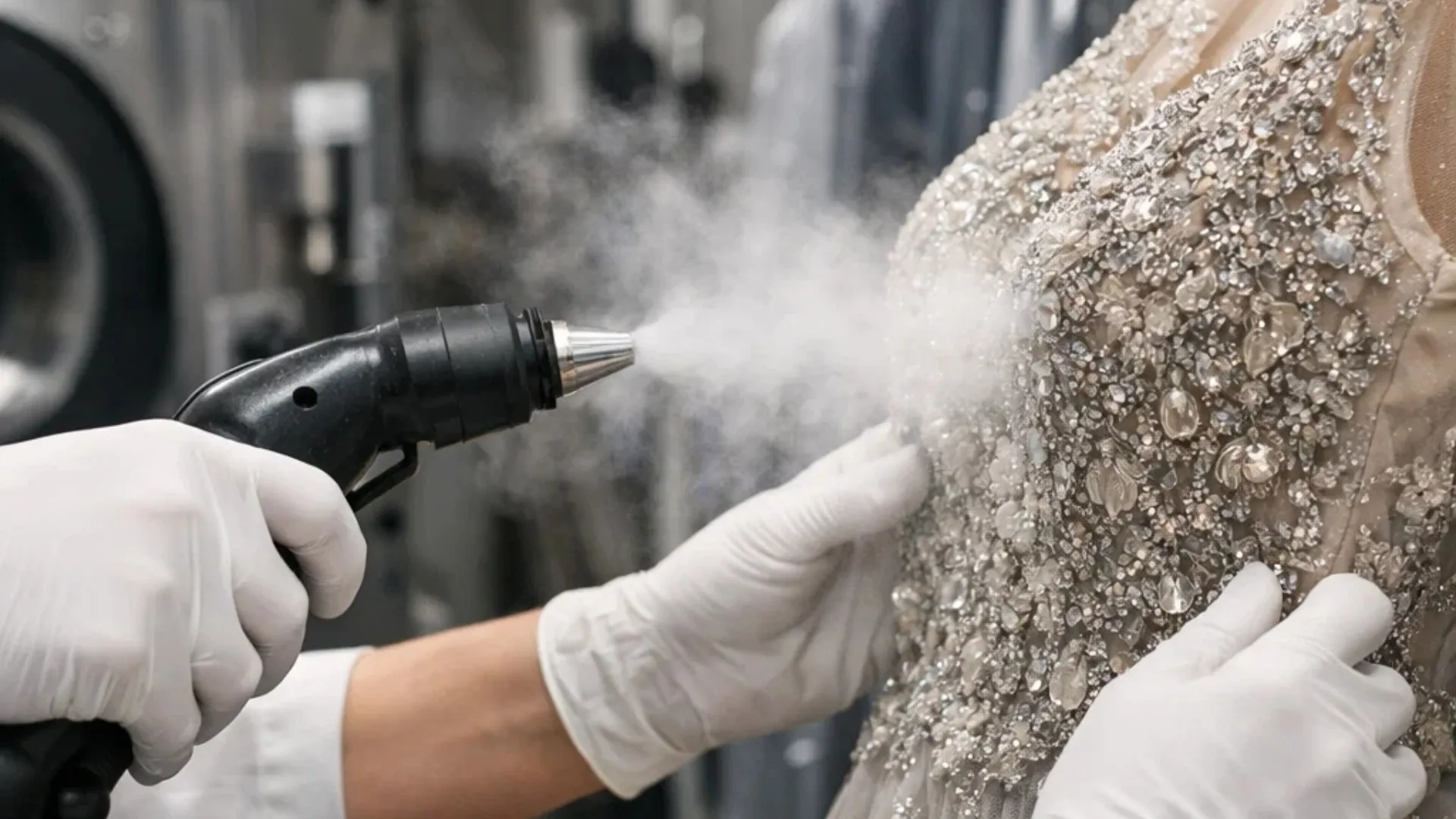
7. Beaded, Sequined, and Embellished Garments
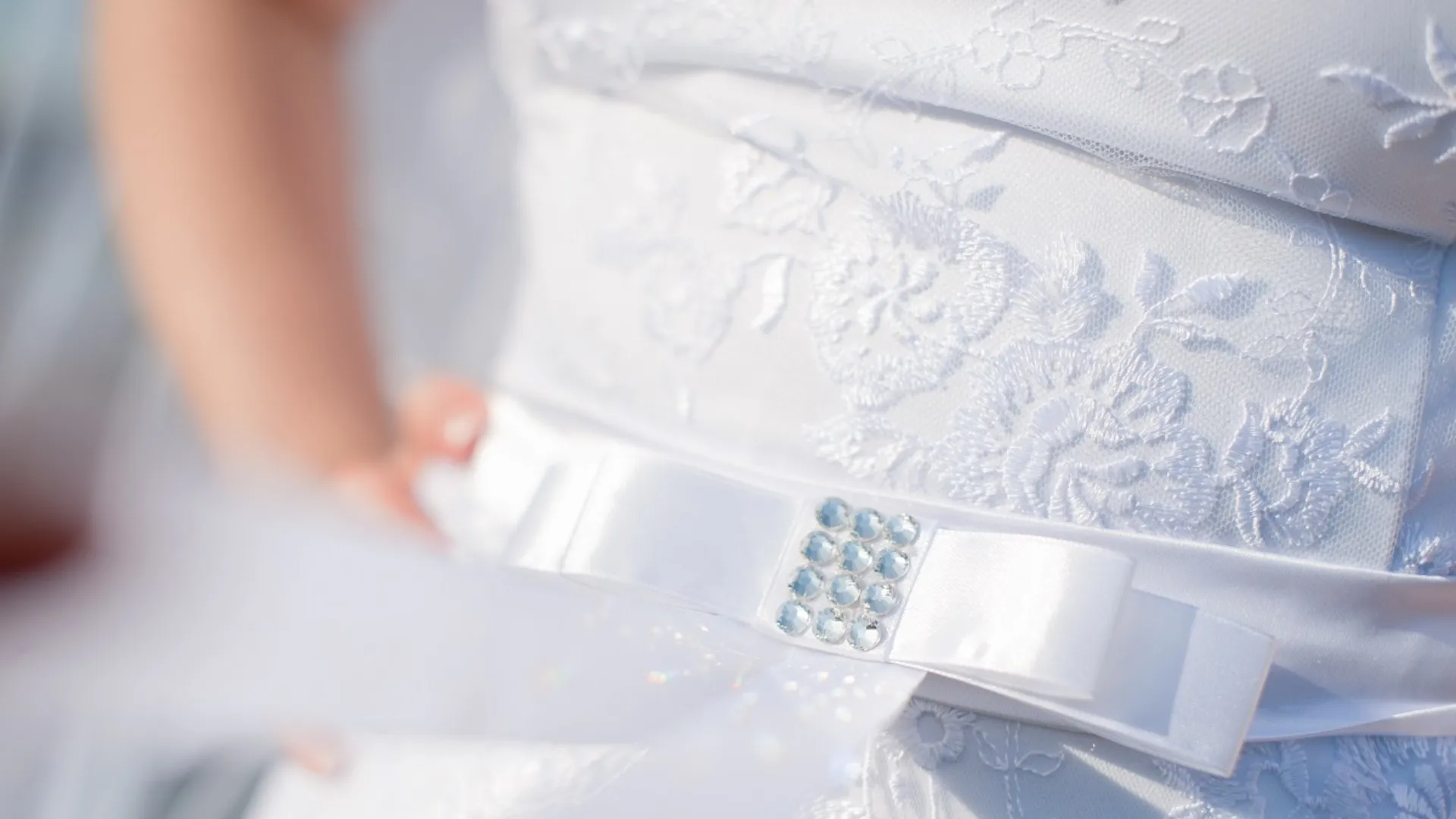
Evening dresses, special occasion outfits, and hand-embroidered pieces — the embellishments on these garments cannot withstand machine washing.
Beads and sequins are either plastic or glass-based. In a drum cycle, they collide with each other and with the drum wall. The result is broken beads, cracked sequins, and tears in the underlying fabric at attachment points. Hand embroidery and embroidered thread is stretched and snapped by the tumbling action — the pattern is permanently distorted.
Metal hardware can oxidise when wet and leave rust marks on the underlying fabric that are impossible to remove.
Correct care: Dry cleaning is essential for embellished garments. Beading and sequin details should be pointed out specifically to the cleaner at drop-off.
8. Vintage and Antique Garments
However well preserved an old garment may be, its fibre structure weakens over time. A piece that is ten or more years old cannot absorb the mechanical and chemical load that a modern garment can.
The stitching threads in vintage garments have reduced tensile strength. A machine wash cycle can apply enough tension to snap them. Older fabrics are also far more vulnerable to the chemical action of detergent.
Correct care: An experienced dry cleaner with specific expertise in vintage textiles is essential for antique and vintage garments. These pieces require specialist knowledge and technique.
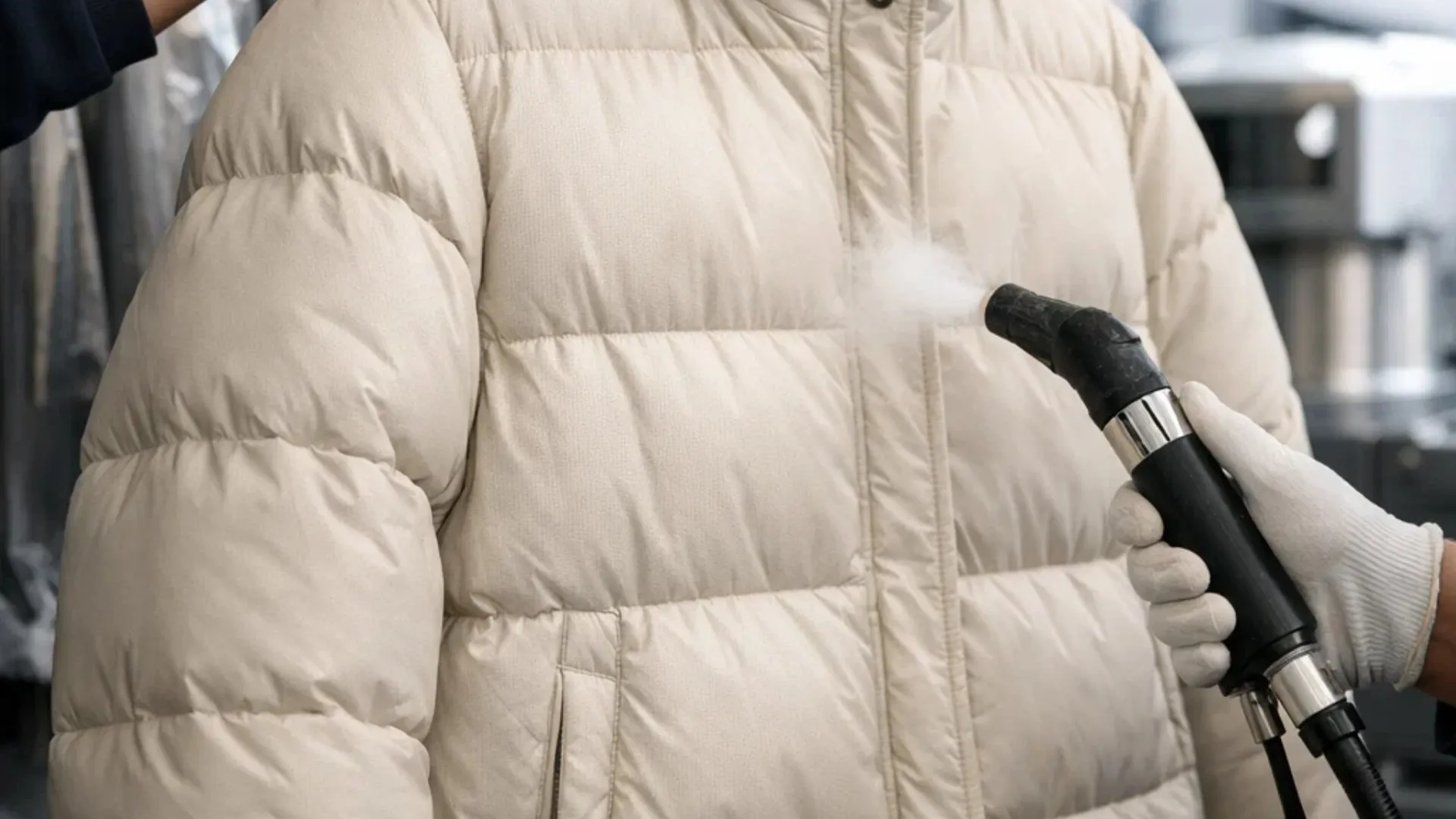
9. Large and Heavy Garments
Home washing machines have a maximum load capacity. Garments that exceed this limit risk damaging both the garment and the machine.
A heavy overcoat, long lined coat, or thickly padded jacket becomes significantly heavier when wet. When the machine cannot handle the load, the drum cycle runs out of balance; the garment strikes the drum repeatedly and both fabric and machine are damaged.
Large and heavy garments are also extremely difficult to rinse thoroughly and dry fully at home. Detergent residue left in the fabric gradually damages the fibres. A partially dried heavy garment carries a serious mould risk.
Correct care: Professional dry cleaning is preferable for heavy and oversized garments. Professional equipment cleans them more effectively and ensures complete drying.
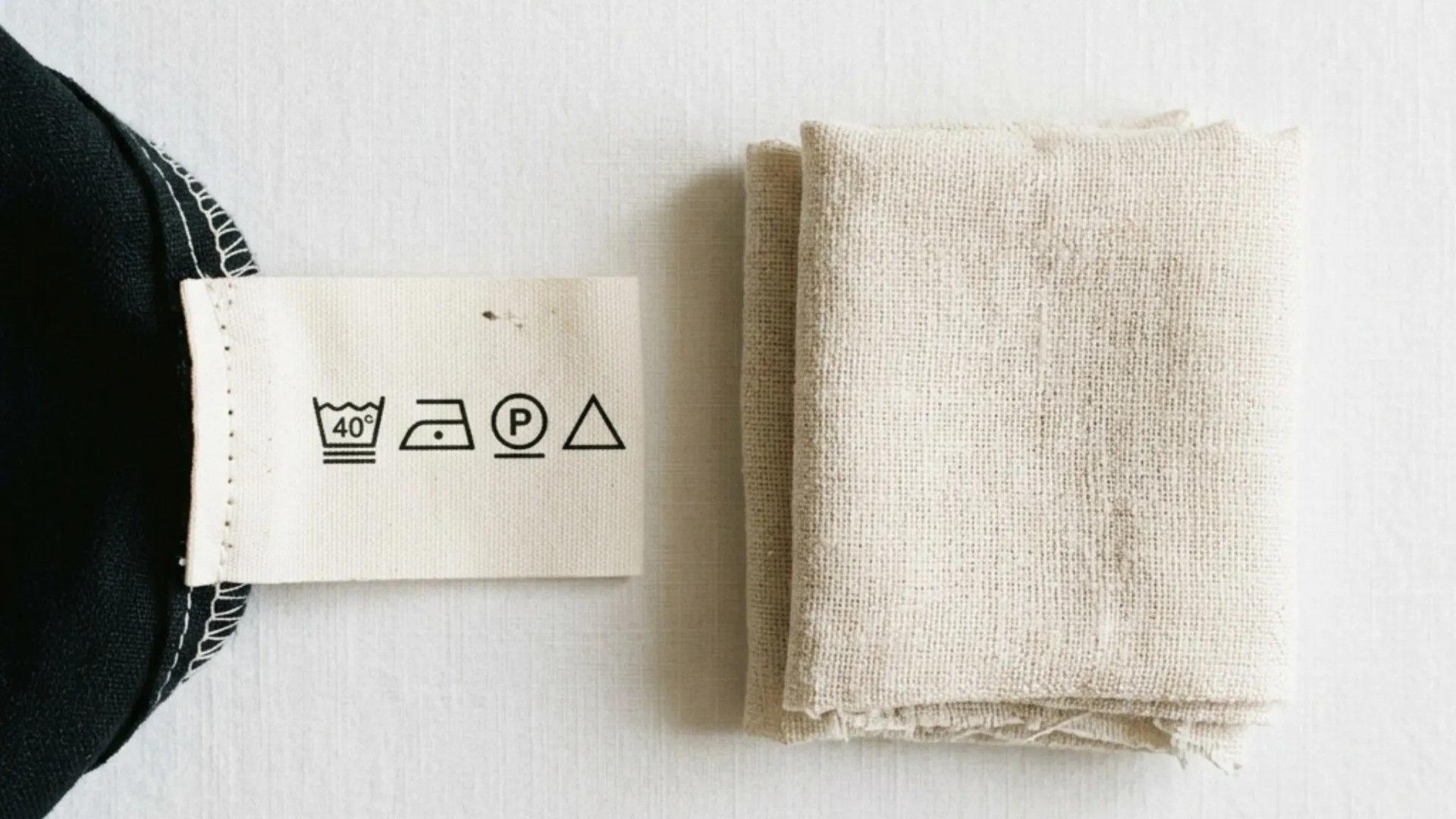
10. Every Garment Carrying a Dry Clean Only Label
This is perhaps the most fundamental rule on the list: any garment labelled "dry clean only" must never be washed at home.
This label represents the manufacturer's decision, based on testing the garment's fabric composition, seams, and structural components. The manufacturer is directly stating that this garment is not suitable for regular washing.
Many people ignore this label and take the risk. In the short term, no obvious damage may appear. But damage accumulates with every wash — fibres weaken gradually, colour tone shifts, and structure deteriorates. The damage that appears suddenly one day has in reality been building for a long time.
Correct care: Following the dry clean only label is the simplest and most effective way to preserve the garment's appearance and lifespan.
Making the Decision Without a Label: A Practical Guide
Some garments have worn or removed care labels. In these cases, recognising the fabric and applying a few simple tests helps guide the right decision.
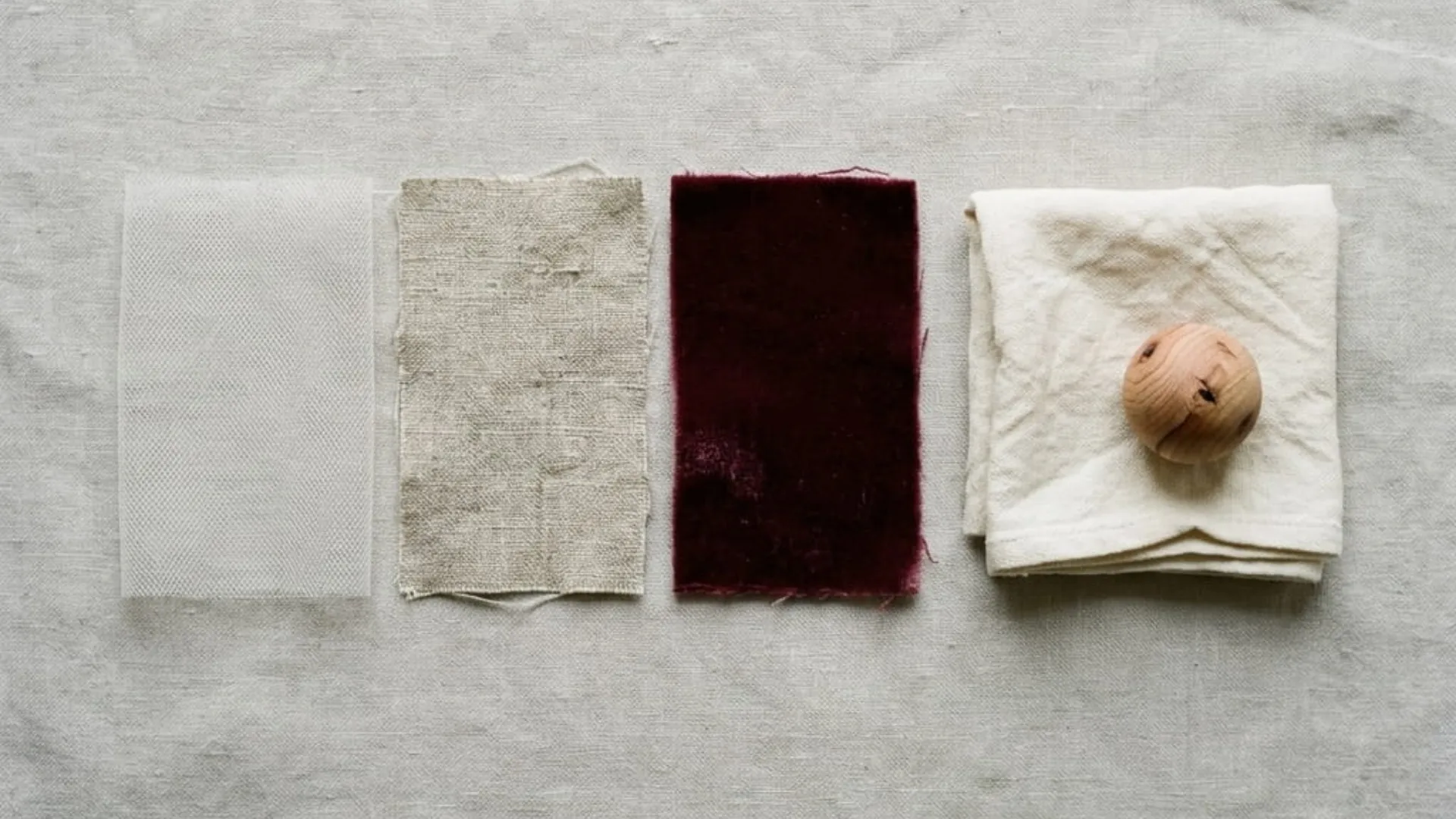
The touch test: Gently rub the fabric between your fingers. A fine, smooth, and slightly lustrous feel suggests silk or satin. A soft, slightly fuzzy feel points to wool or cashmere. A firm, springy feel typically indicates a synthetic fibre.
The moisture test: Drop a few drops of water on a hidden corner of the fabric. If the water is absorbed quickly, the fabric likely contains natural fibres. If the water beads on the surface, the fabric has a synthetic or water-resistant finish. If a water mark forms on contact, the fabric is highly sensitive to moisture.
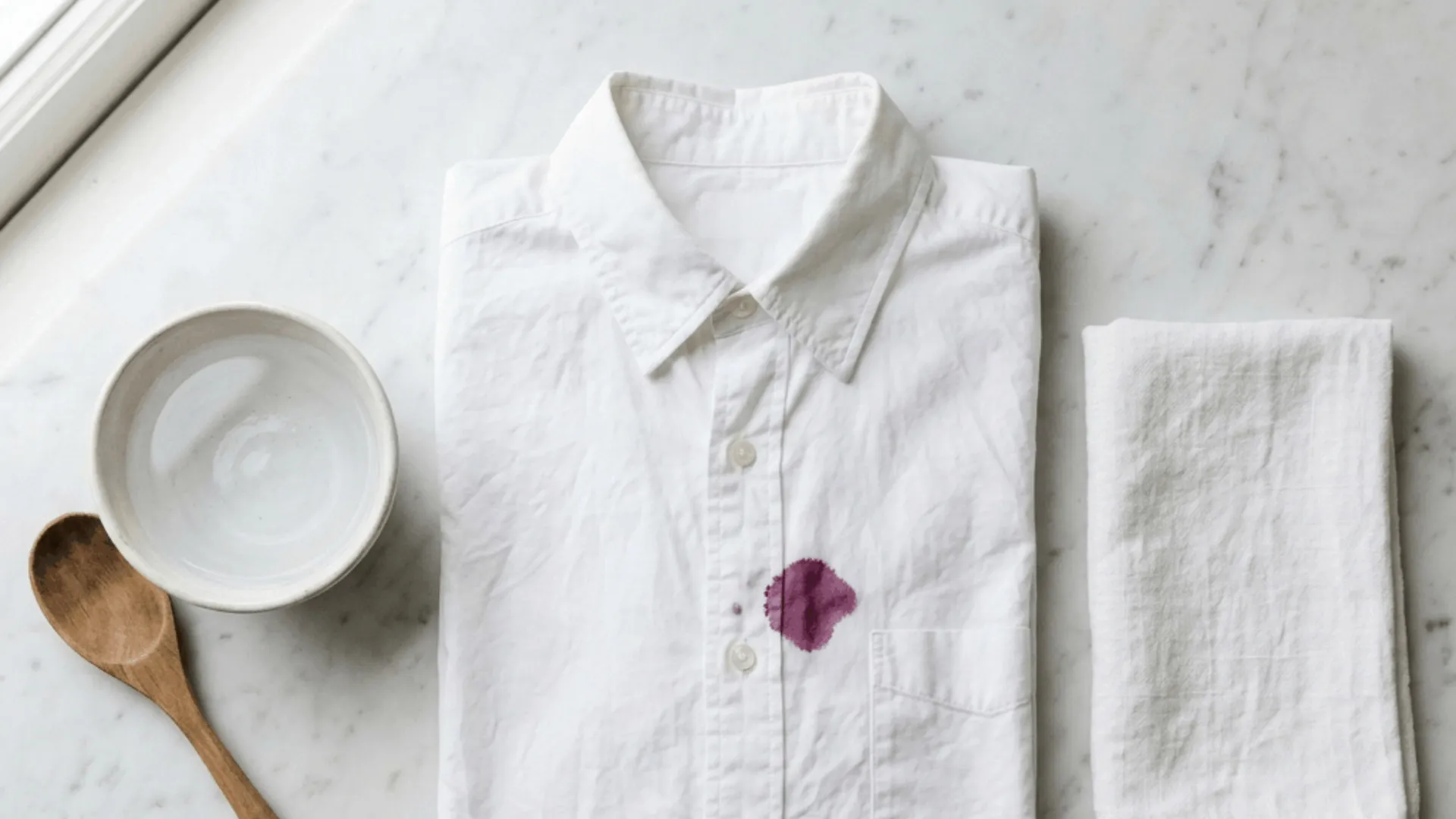
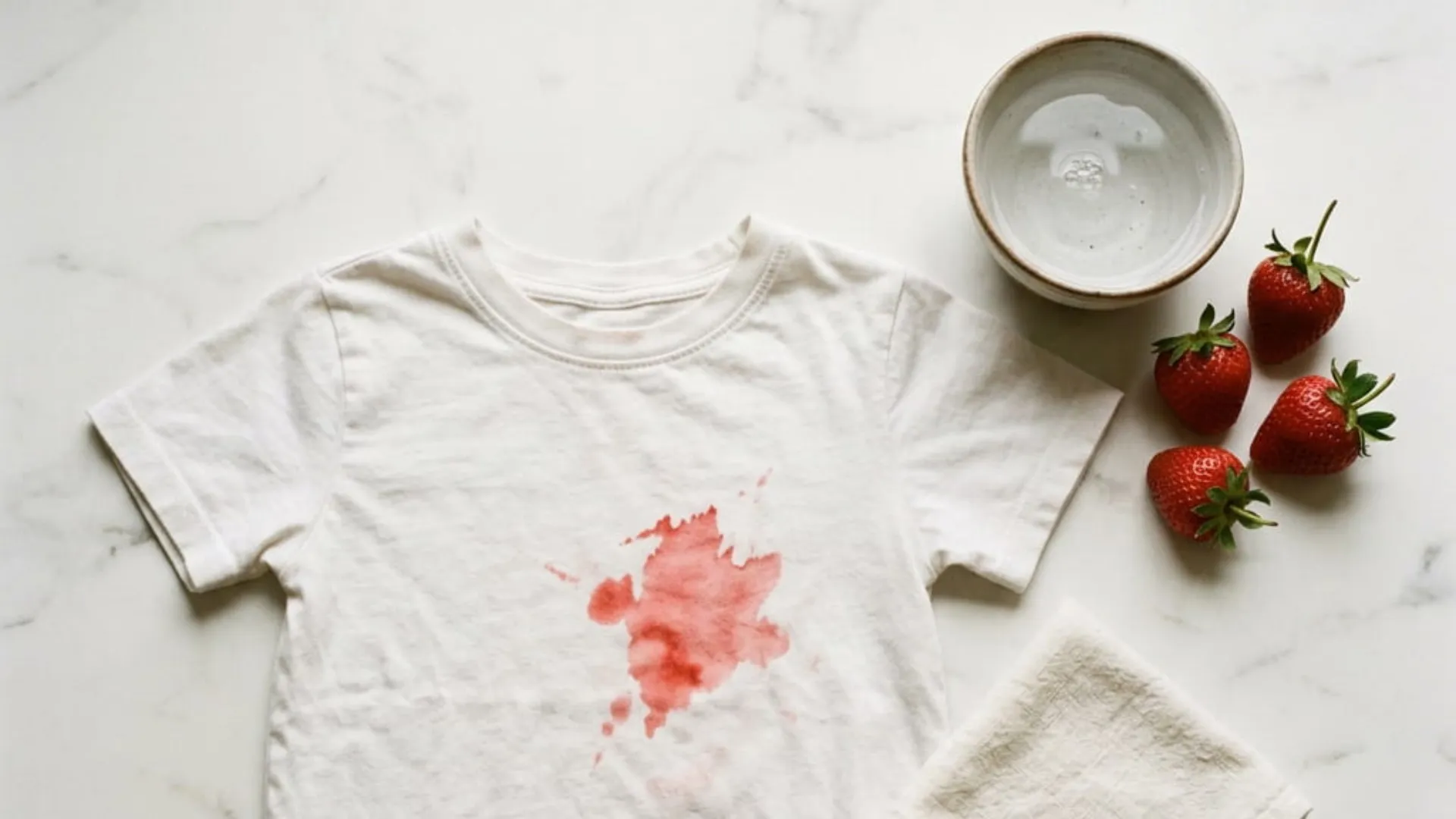
The colour test: Wipe a hidden area of the fabric with a damp white cloth. If colour transfers to the cloth, the garment is not suitable for home washing — colour bleeding will continue throughout a full wash cycle.
The structural check: If the garment contains a lining, interlining, or internal shaping — particularly in jackets and coats — home washing carries a high structural risk. Dry cleaning should be chosen for any garment with this level of construction.
The "Nothing Happened" Misconception
Many people have had the experience of washing a delicate garment at home and seeing no immediate damage — and drawing the wrong conclusion from it.
Cashmere garments may not shrink noticeably in the first wash. But with every wash, the fibres weaken slightly more, the fabric thins, and eventually shrinkage or tearing occurs without warning. By the time this happens, the damage is already irreversible.
With silk garments, water mark formation may not occur every time — but the loss of sericin progresses with every wash. After several washes, the silk permanently loses its sheen and smoothness.
With structured garments, the process is even more gradual. A jacket may not show visible distortion after a few washes, but micro-shrinkage between the lining and outer fabric accumulates over time and eventually becomes structural deformation.
The observation that "nothing happened" is therefore not a reliable indicator. Damage may be accumulating — the fact that it has not yet become visible does not mean it is not occurring.
Home Washing vs Dry Cleaning: The Real Cost Comparison
The cost of dry cleaning is higher than home washing in the short term. But the long-term calculation looks very different.
Consider the cost of a quality cashmere jumper. If that jumper shrinks or loses its shape due to incorrect washing, the damage is irreversible — the jumper is no longer wearable. The annual cost of professional dry cleaning is a small fraction of the jumper's value. The calculation is straightforward: correct care protects the investment made in the garment.
The same logic applies to suits, silk garments, and velvet pieces. Professional care is not a cost — it is the insurance that protects the investment.
Common Misconceptions and the Reality
"If I use a cold cycle, it will be fine."
Cold water reduces the risk of home washing damage but does not eliminate it. For cashmere, silk, and structured garments, cold water is not a sufficient safeguard. The mechanical agitation and detergent continue to affect these fabrics regardless of water temperature.
"I used the delicate cycle — that's safe enough."
A delicate cycle slows the drum rotation but does not eliminate mechanical action entirely. For silk and velvet, even a delicate cycle applies too much mechanical load.
"I used a silk-specific detergent."
Choosing the right detergent matters — but it is not sufficient on its own. Water contact and mechanical movement continue to damage certain garments even when the correct detergent is used.
"The garment isn't expensive, so the risk is acceptable."
The price of the garment does not determine the appropriate washing method — the fabric type does. An affordable cashmere jumper will shrink just as certainly as an expensive one. An inexpensive silk blouse will water mark just as readily. The fabric type is the deciding factor, not the price tag.
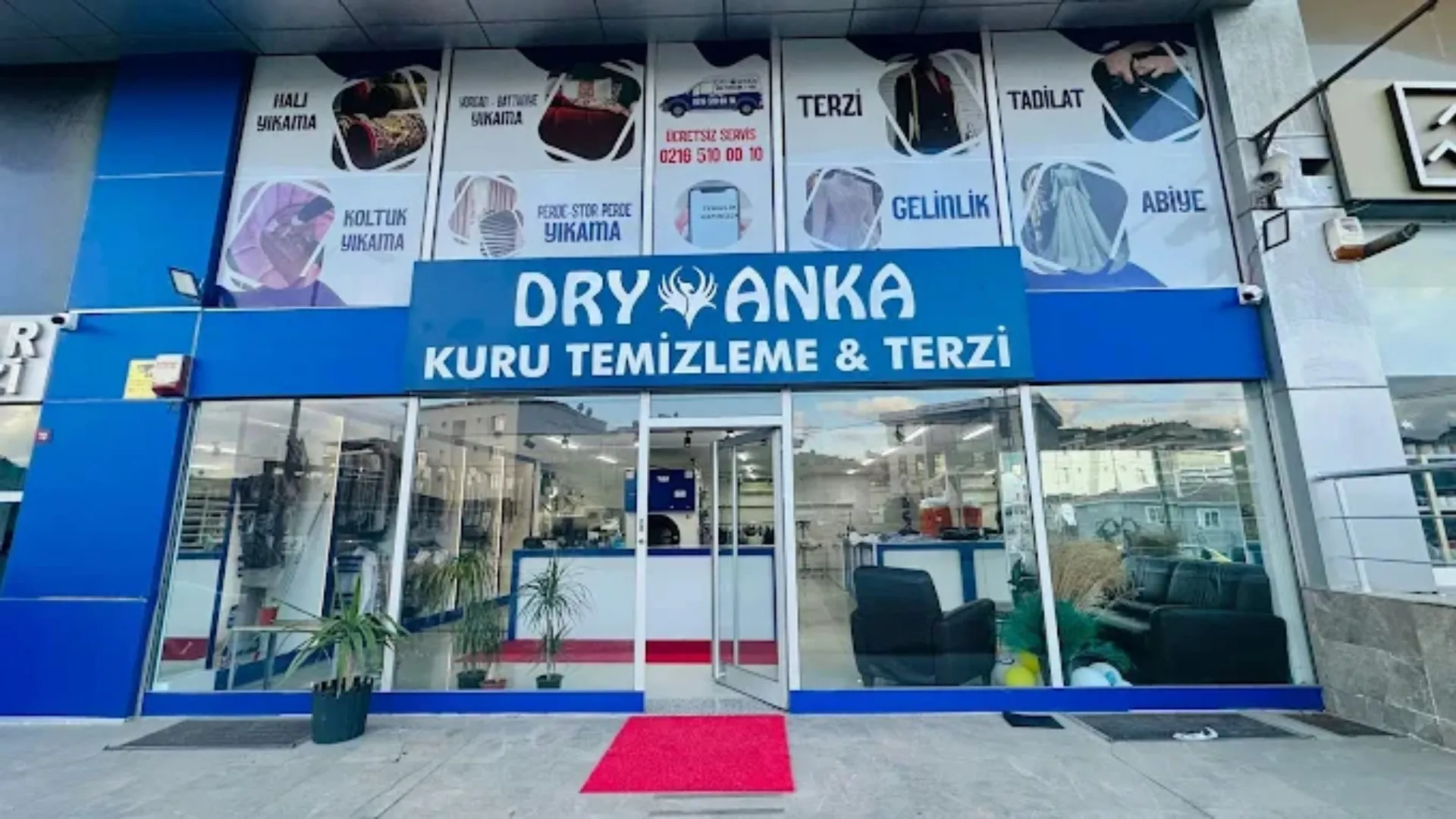
Dry Anka: The Right Care for Every Garment Across Istanbul's Anatolian Side
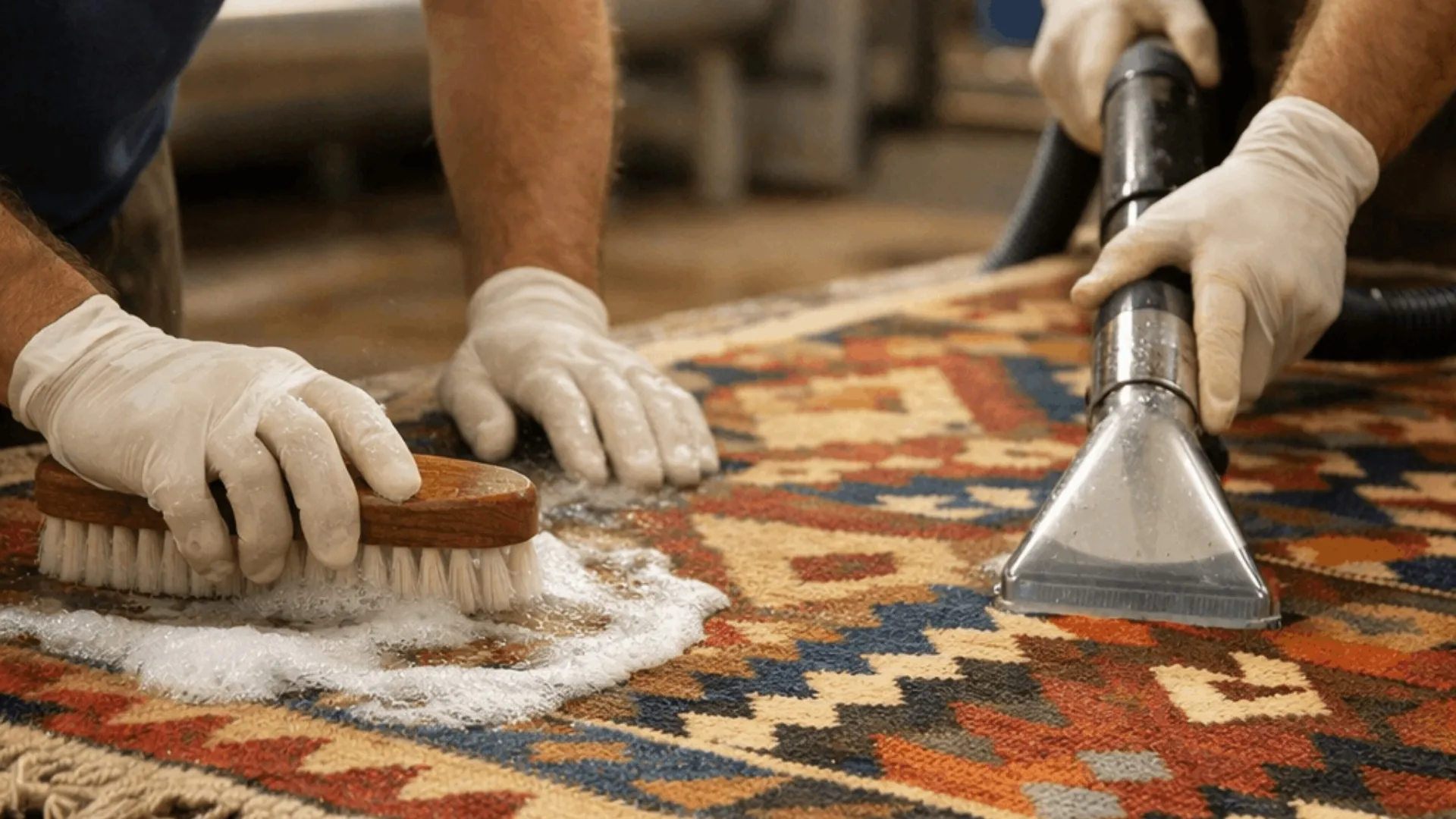
For cashmere, silk, wool, velvet, suits, and embellished garments in Kadıköy, Çekmeköy, Tuzla, Küçükyalı, and Fikirtepe, Dry Anka provides professional dry cleaning with door-to-door collection and delivery.
Once you book an appointment, your garments are collected from your address at the agreed time. At collection, each item is assessed individually — fabric type, existing stains, and the appropriate treatment method are all confirmed before processing begins. After cleaning, garments are carefully packaged and returned to your door.
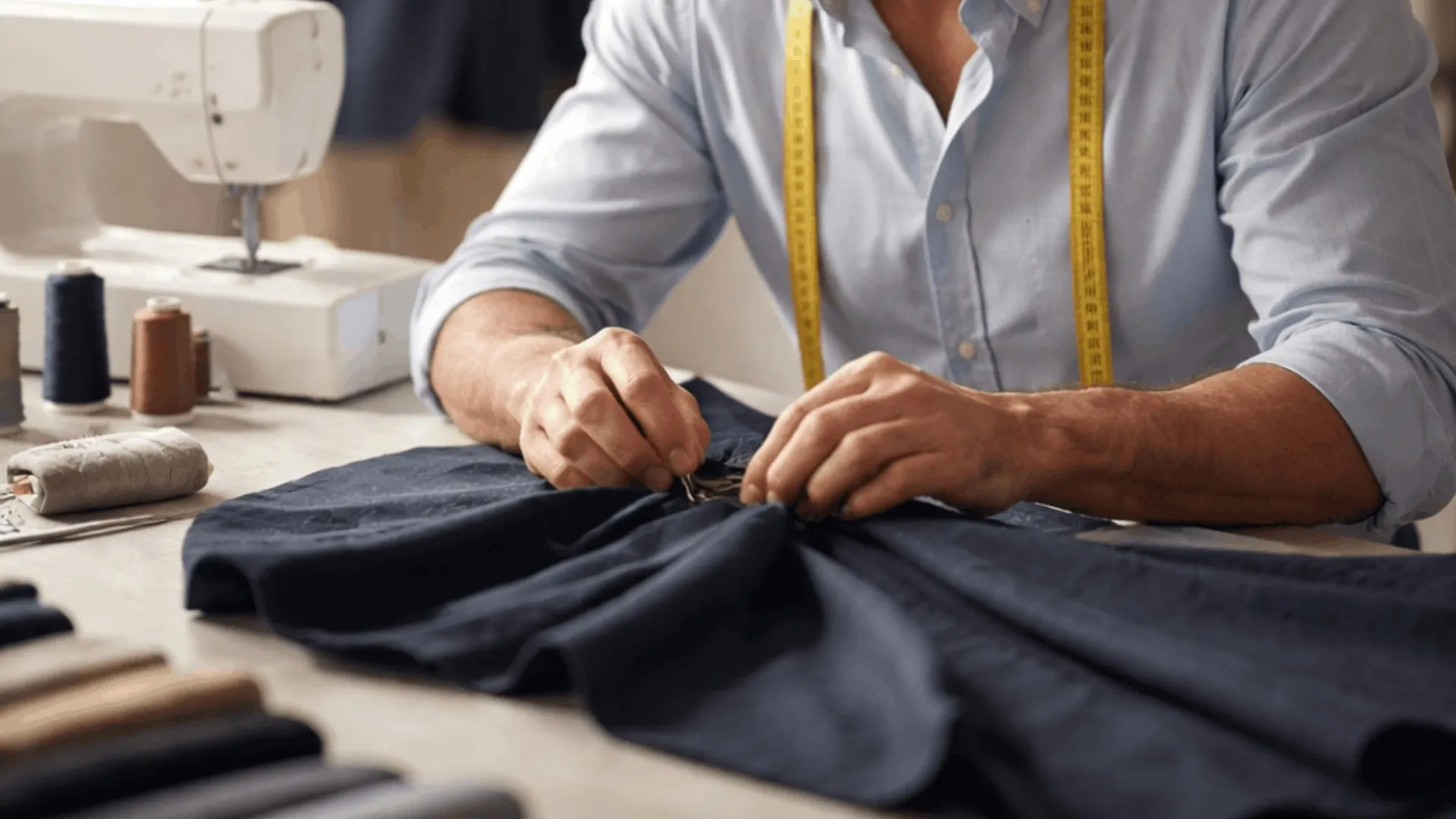
Multiple garments can be handed over in a single appointment, and both cleaning and tailoring services can be arranged together where needed.
Conclusion: Protecting Your Wardrobe Starts with the Right Decision
Knowing which garments must never be washed at home is the most fundamental step in protecting your wardrobe. The list can be summarised as follows: cashmere, silk, wool, velvet, suits and structured garments, leather and suede, beaded and embellished pieces, vintage and antique garments, large and heavy items, and every garment carrying a dry clean only label.
What these categories share is this: either they contain fibres that are structurally sensitive to water, or their construction requires an integrity that home washing cannot preserve, or their embellishments are damaged by mechanical action.
Reading the care label, recognising the fabric, and choosing professional care when in doubt — these three straightforward principles are what keep the most valuable pieces in your wardrobe looking their best for years.