

Sportswear Care: How to Wash Technical Fabrics
Sportswear looks like the easiest category to wash. Throw it in, pull it out, wear it. But that approach shows its results quickly — the smell doesn't leave, the fabric starts to break down, and the performance properties you paid for disappear one wash at a time.
Technical sportswear fabrics are built very differently from everyday cotton. Moisture wicking, rapid drying, stretch, and airflow are engineered into the fibre structure. That engineering works for years when washed correctly and breaks down in months when it isn't.

What Makes Technical Fabric Different
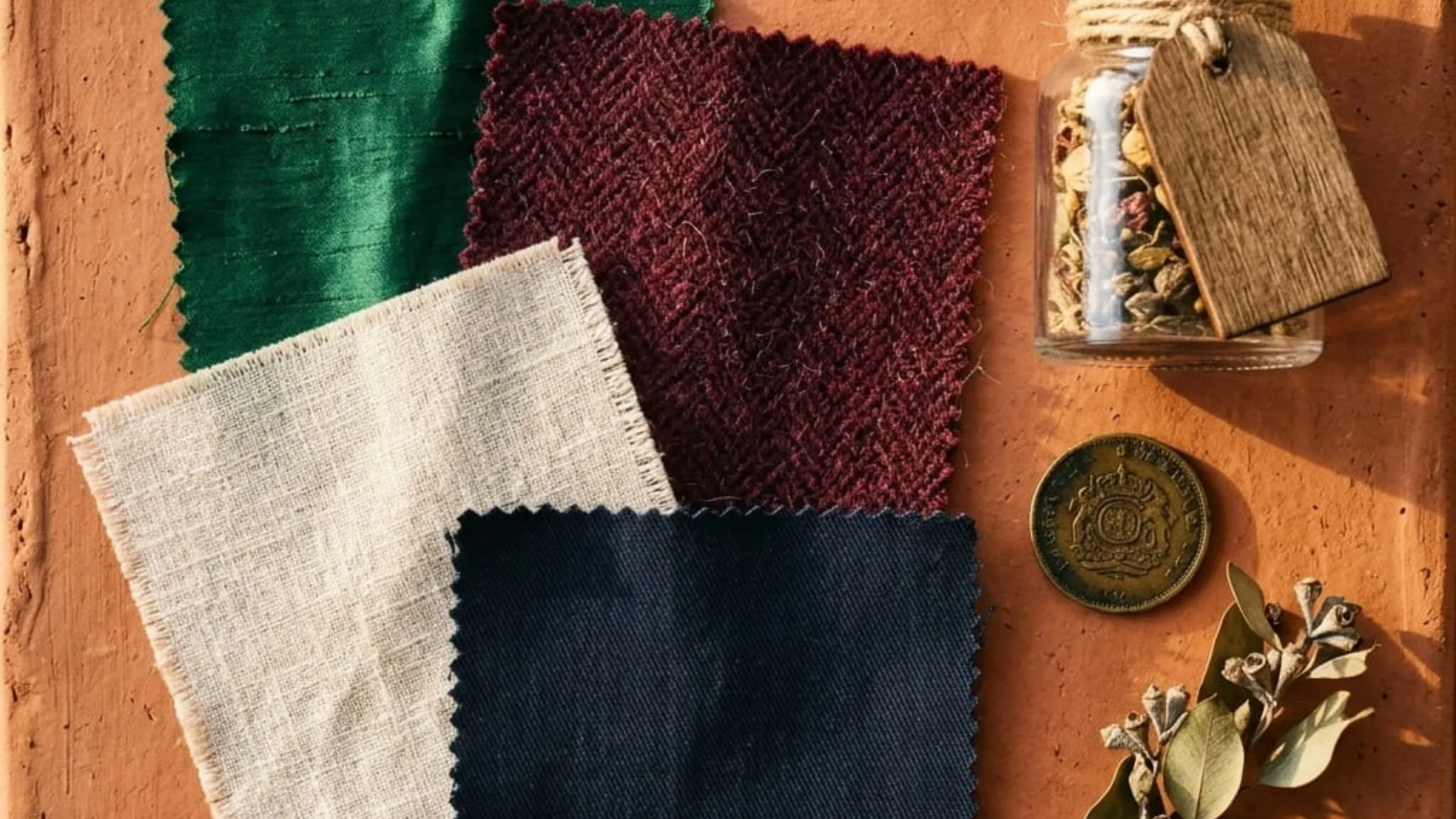
The main materials in sportswear are polyester, nylon, spandex (elastane), merino wool, and blends of these. Each has its own behaviour.
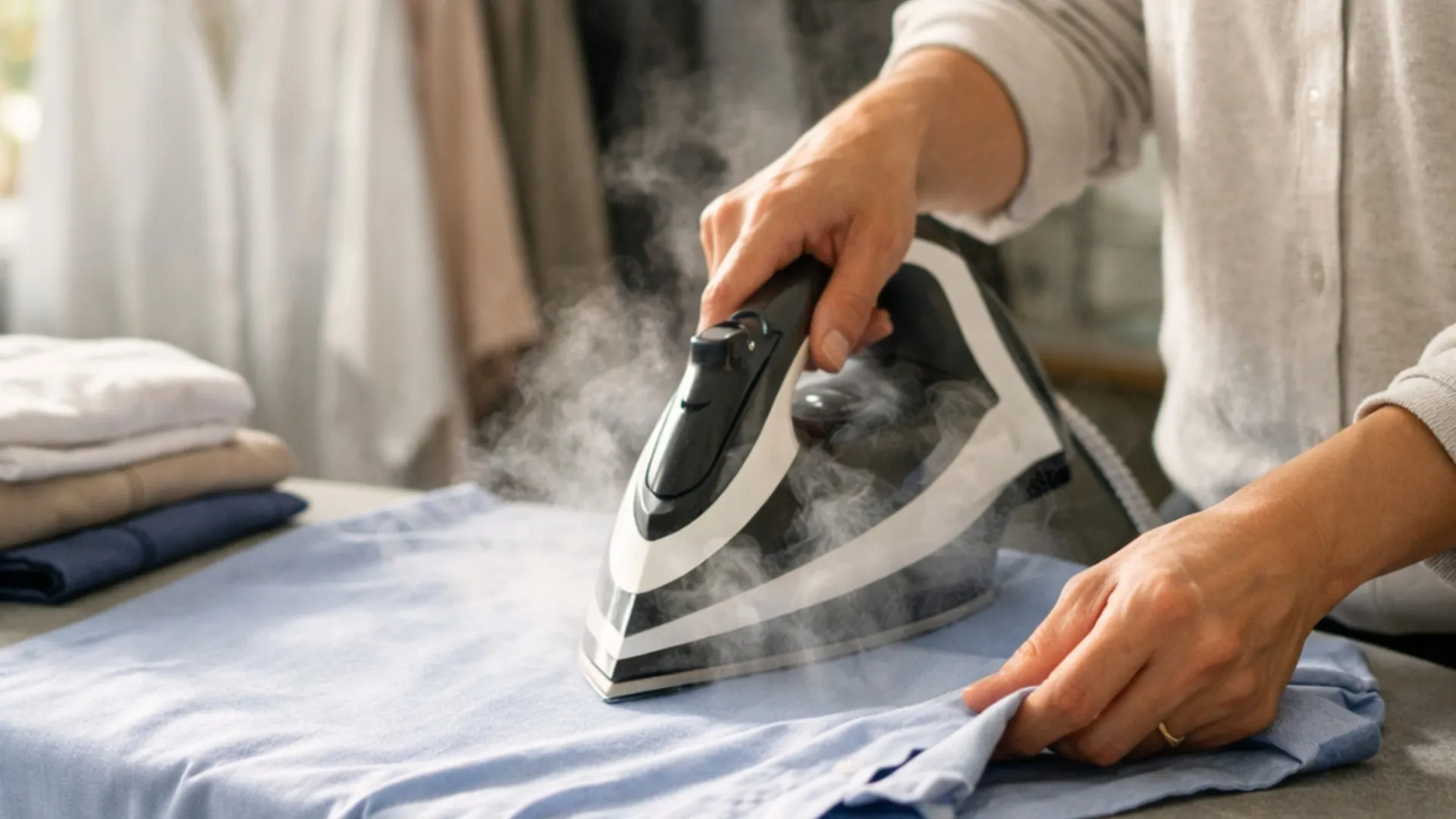
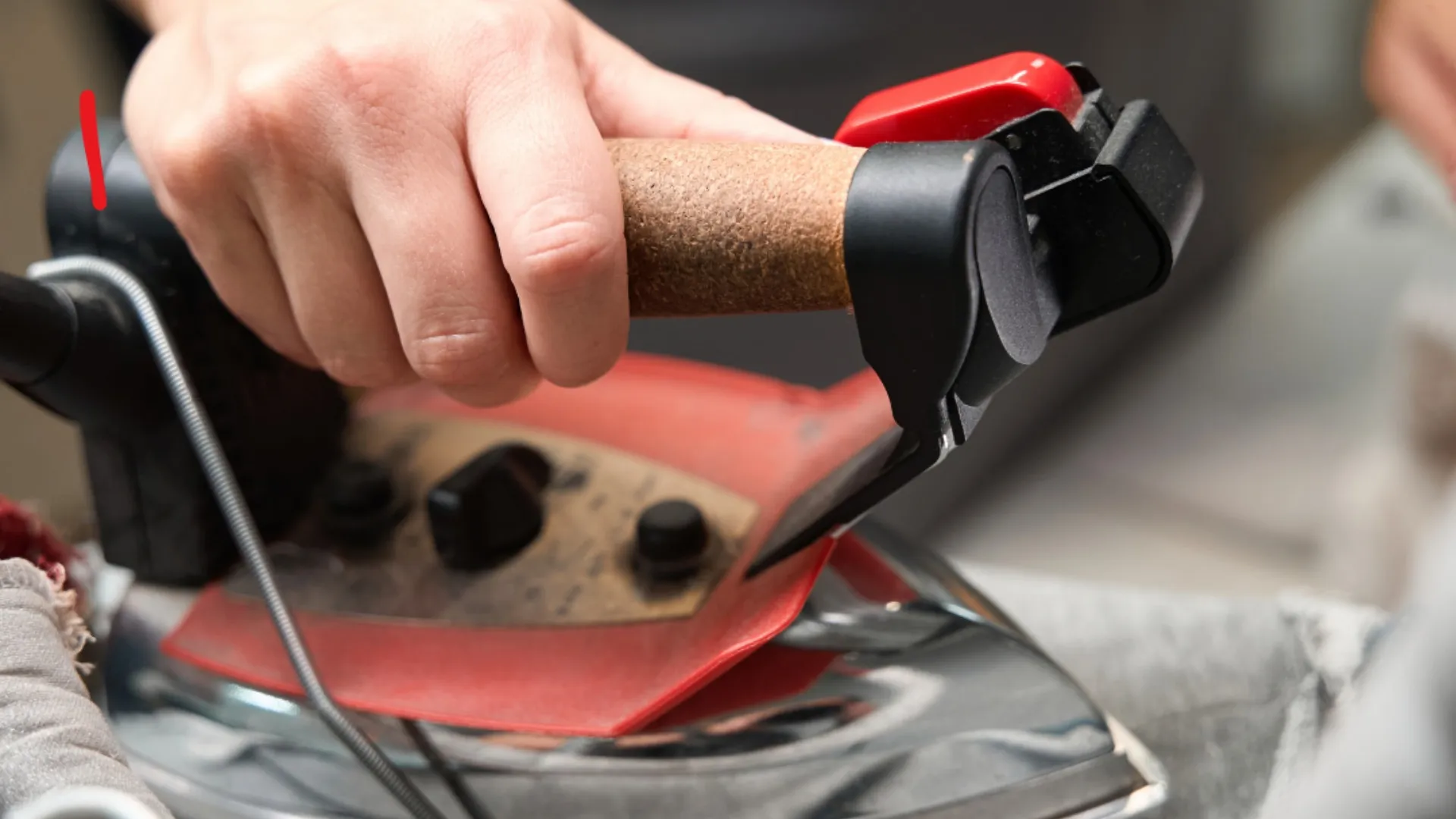
Polyester and nylon are synthetic fibres designed for moisture management. The channels that move sweat away from the body are built at the fibre level. Heat destroys them — a tumble dryer, a hot wash, or an iron closes these channels permanently.
Spandex provides stretch but is the most sensitive component of the bunch. Bleach and high heat break down elastane fibres. Once that happens, it does not recover; the garment loses its shape and starts to sag.
Merino wool is a different category entirely. It offers natural sweat management and odour resistance but carries all the sensitivity of wool. High heat and mechanical agitation are destructive to merino.
The Most Common Mistakes
Washing at high temperature. 30 degrees is the maximum for sportswear. Cold water is ideal for most pieces. Hot water damages both elastane and the moisture management structure.
Using fabric softener. This is probably the biggest mistake people make. Fabric softener deposits a film on the fibre surface. The garment feels soft, but those moisture-wicking channels are now blocked. After a few washes, the sportswear no longer moves moisture away — it holds it. This is behind the majority of persistent odour problems in sportswear.
Putting it in the tumble dryer. High heat is not compatible with technical fabrics. It damages both elastane and the micro-structure of polyester. Sportswear should be dried in natural airflow, out of direct sunlight.
High spin speed. High spin stretches spandex fibres and gradually reduces elasticity permanently. A delicate programme or low spin removes this risk.
Washing with other garments. Cotton towels or heavy fabrics apply mechanical load to sportswear. Washing separately both improves cleaning quality and protects the fabric.
Leaving it to sit before washing. Damp sportswear left in a laundry basket for hours accelerates bacterial growth. That bacteria binds the odour to the fabric. If you have to wait before washing, leave the garment in a cool, ventilated area rather than a closed basket.
Choosing the Right Detergent
Standard laundry detergent is too aggressive for sportswear. It contains chemicals that stress the fibre structure and, when not fully rinsed out, leaves residue in the fabric.
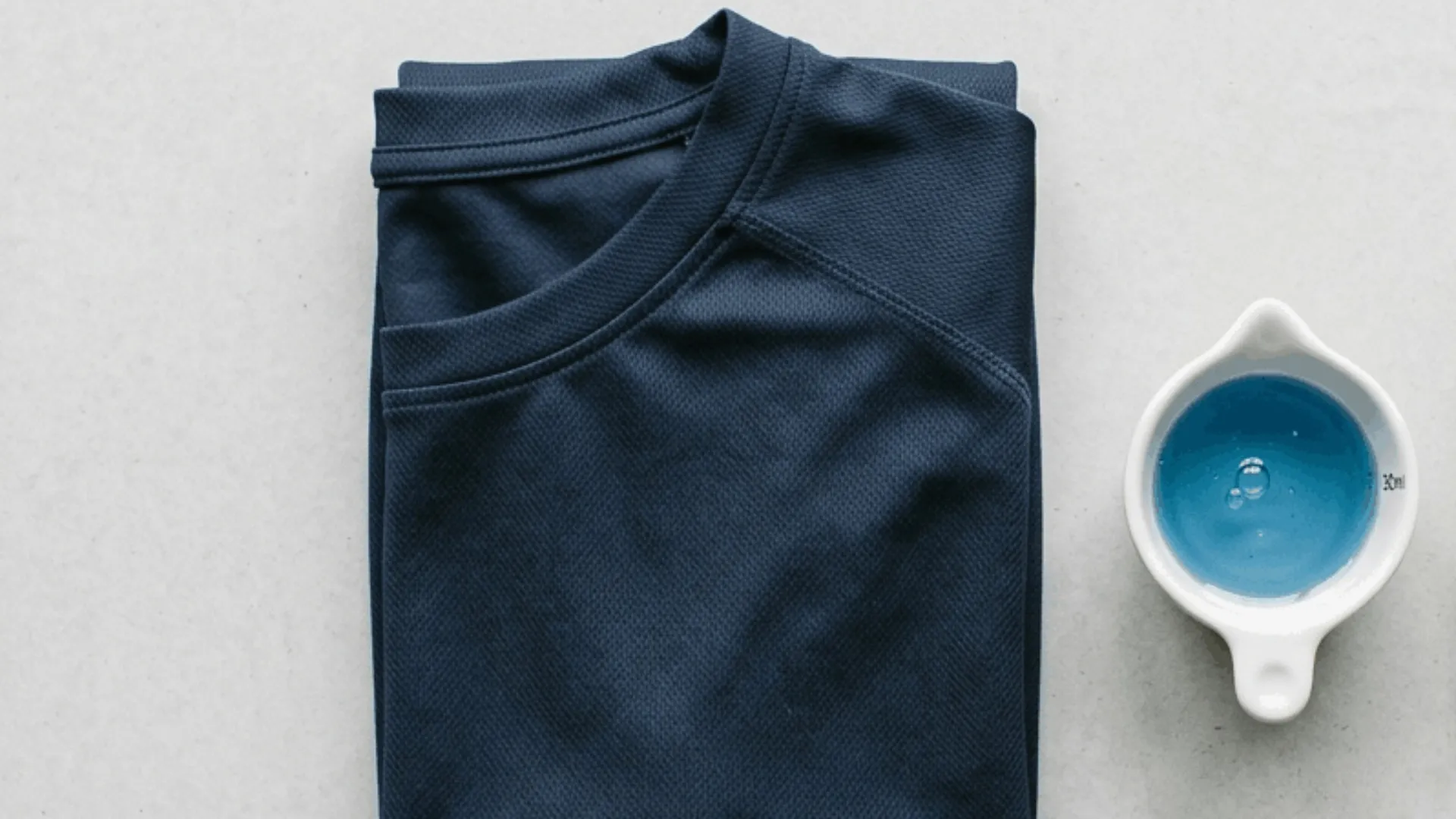
Specialist sport wash detergents — sold as "sport wash" or "technical fabric detergent" — produce low foam, clean without stressing the fibre, and leave no residue after rinsing. They cost more than standard detergent but doubling the lifespan of a technical garment more than covers the difference.
Amount also matters. Less is better. Too much detergent does not rinse out fully and leaves residue that causes both odour and fibre blockage.
The Odour Problem: What Is Actually Happening
Persistent odour in sportswear is usually not about failing to wash — it is about washing incorrectly. Polyester fibre holds onto organic matter — sweat, body oil. Water and standard detergent cannot fully remove this. The garment comes out of the wash looking clean and smelling fine — but the first time body heat activates it again, the odour returns.
This is called odour rebound and it is very common in polyester-dominant sportswear.
Several things help. The first is the right detergent — an enzyme-based sport wash formulated for technical fabrics breaks down organic matter at the molecular level. The second is white vinegar. Half a cup of white vinegar in the softener compartment dissolves organic residue and prevents bacterial growth. Soaking the garment in cold water with a small amount of vinegar for 30 minutes before washing also works well.
The third option — and a very effective one — is sunlight. Hanging a washed garment in the sun for a few hours lets UV radiation break down bacteria and organic residue. Extended sun exposure can fade polyester, but a short session is one of the most effective tools for odour.
A Separate Guide for Merino Wool Sportswear
Merino wool sportswear cannot be washed the same way as polyester alternatives. Wool is sensitive to heat and mechanical agitation — that is a known rule. But merino sportswear has one real advantage: natural odour resistance. Worn several days in a row, it holds odour far less than synthetic alternatives. That property is preserved for years with correct care and destroyed in a few washes with incorrect care.
Cold water and hand washing are ideal for merino. If using a machine, a wool programme and low spin are non-negotiable. Dry flat rather than hanging — wet merino hung on a hanger stretches and does not recover its shape.
How Often Should You Wash?
The default answer for sportswear is "after every wear" but that is not always right.
High-intensity workout garments — running shirts, training tights — should be washed after every wear. Body heat and sweat left in the fabric convert to bacteria quickly.
But lighter-use pieces — yoga wear, outdoor hiking jackets, merino base layers — do not need washing after every wear. Airing these pieces after use and washing when needed both extends the fabric's lifespan and saves time.
Outdoor gore-tex and windshell garments benefit most from being washed as little as possible. These garments do not need washing unless they are dirty; unnecessary washing wears down the water-repellent coating.
DWR Coating: How to Preserve Water Repellency
Most outdoor garments have a DWR (Durable Water Repellent) coating that makes rain bead and roll off the surface. This coating is not permanent — it wears down a little with every wash.
Keeping DWR active for longer means washing less and washing correctly. Detergent choice matters here — a low-foam product compatible with DWR coatings should be used. Standard fabric softener deactivates DWR quickly.
When the coating weakens, it can be restored. "DWR spray" or "reproofing" products are available commercially. A short tumble dryer cycle on low heat after washing also helps reactivate DWR — this is one situation where the tumble dryer is actually useful for outdoor garments.
Professional Care for Technical Garments
Most sportswear can be washed at home. But for valuable outdoor pieces, technical running jackets, or garments with specialist fabrics, professional care makes a real difference.
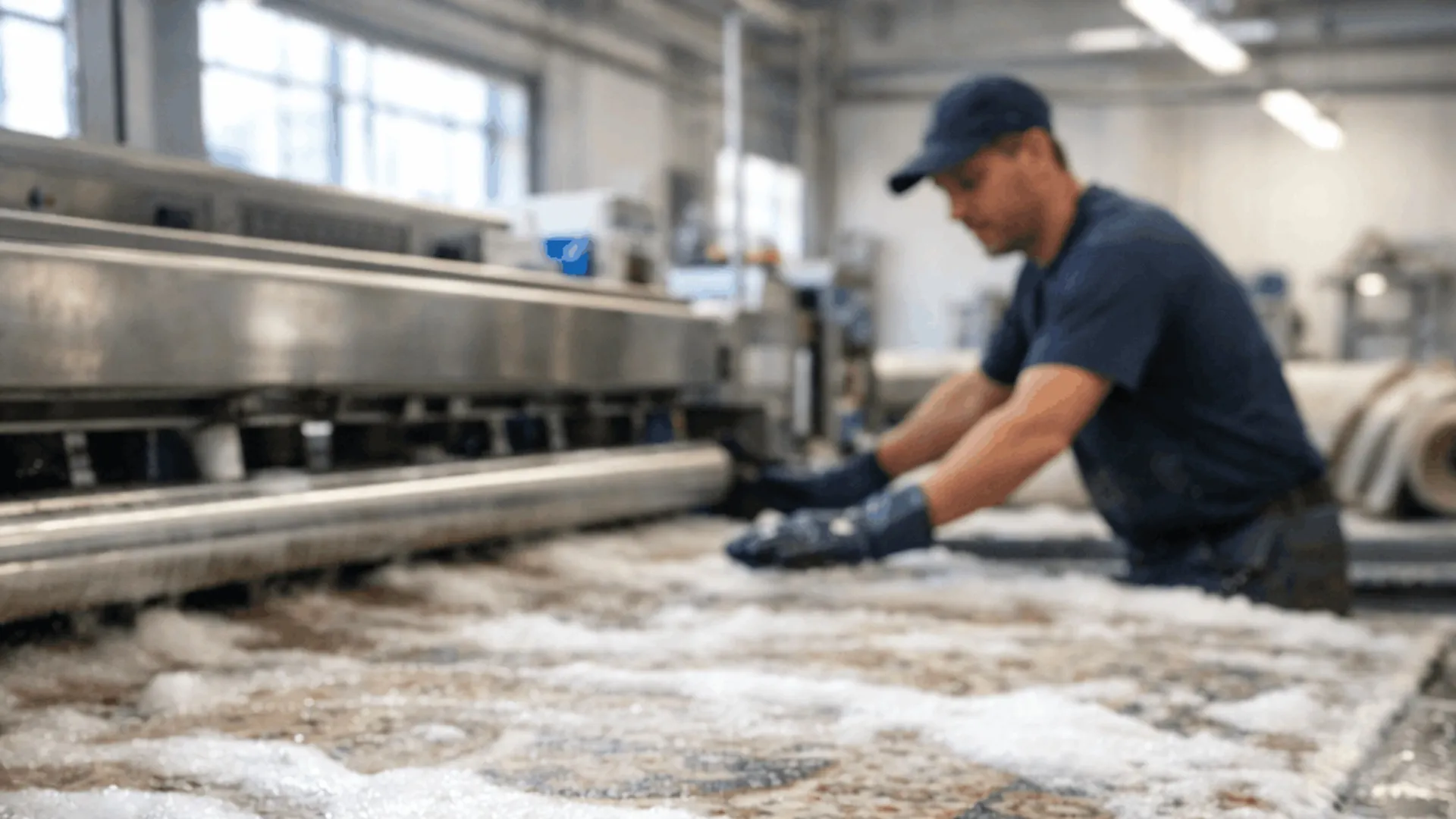
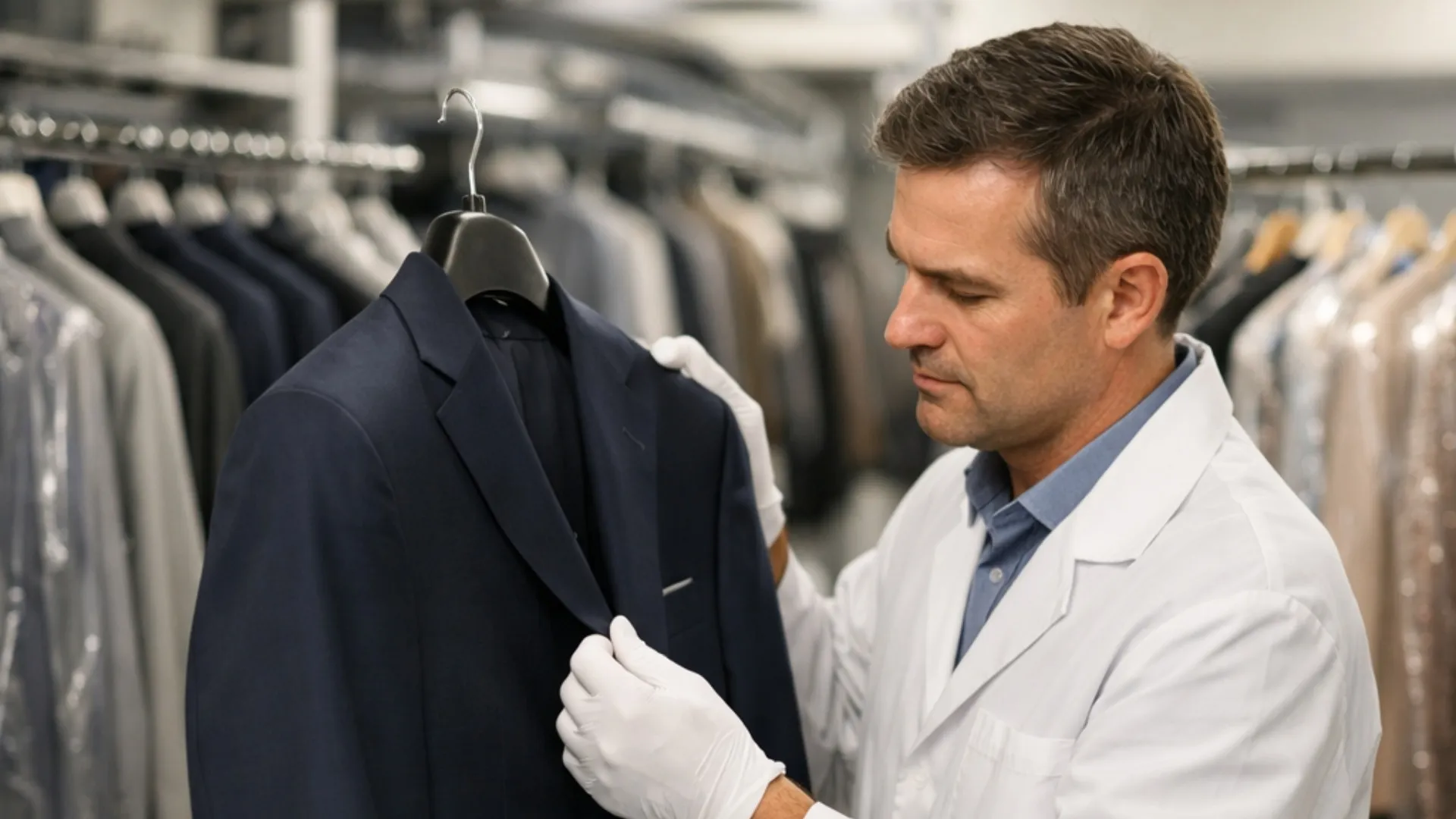
Across Kadıköy, Çekmeköy, Tuzla, Küçükyalı, and Fikirtepe, Dry Anka provides door-to-door cleaning for technical garments using methods suited to the fabric type. The garment's construction is assessed at collection and the right treatment confirmed before any processing begins.
To book an appointment, call Dry Anka on 0216 208 44 66.
Conclusion
The right washing routine for sportswear is not complicated. Cold water, sport detergent, no fabric softener, low spin, air dry in the shade. These five rules, applied consistently, keep technical fabrics performing for years.
For persistent odour, a vinegar soak and the right detergent handle most cases. If the problem continues, organic residue has worked its way into the fabric — at that point, professional cleaning is the cleanest solution.