

Removing Stains from Children's Clothes: Safe and Effective Methods
In a home with children, stains are a given. A child leaving the breakfast table almost always has a mark somewhere; lunch is an adventure, and by the evening the clothes have been through a proper test. Most of these are stains that can be handled at home — but some cannot. And the wrong approach is exactly where a simple stain becomes permanent damage.
In this article I will go through the most common stain types on children's clothes, how to deal with each one at home, when professional help becomes necessary, and the basic rules for cleaning without damaging the fabric.

First: Not All Stains Are the Same
The biggest trap in stain removal is treating everything the same way. Organic stains — fruit, food, blood — respond to water-based solutions. Oil-based stains — paint, grease, cosmetics — need a different chemistry entirely. Using the wrong solvent breaks down the stain's structure and pushes it deeper into the fabric.
With children's clothes this distinction matters more, because two factors are working together: the stain itself, and the sensitivity of the fabric. Baby and young children's clothing is usually made from cotton or soft organic materials. These fabrics are durable but sensitive to harsh chemicals.
The Most Common Stain Types and What to Do at Home
Fruit and Fruit Juice
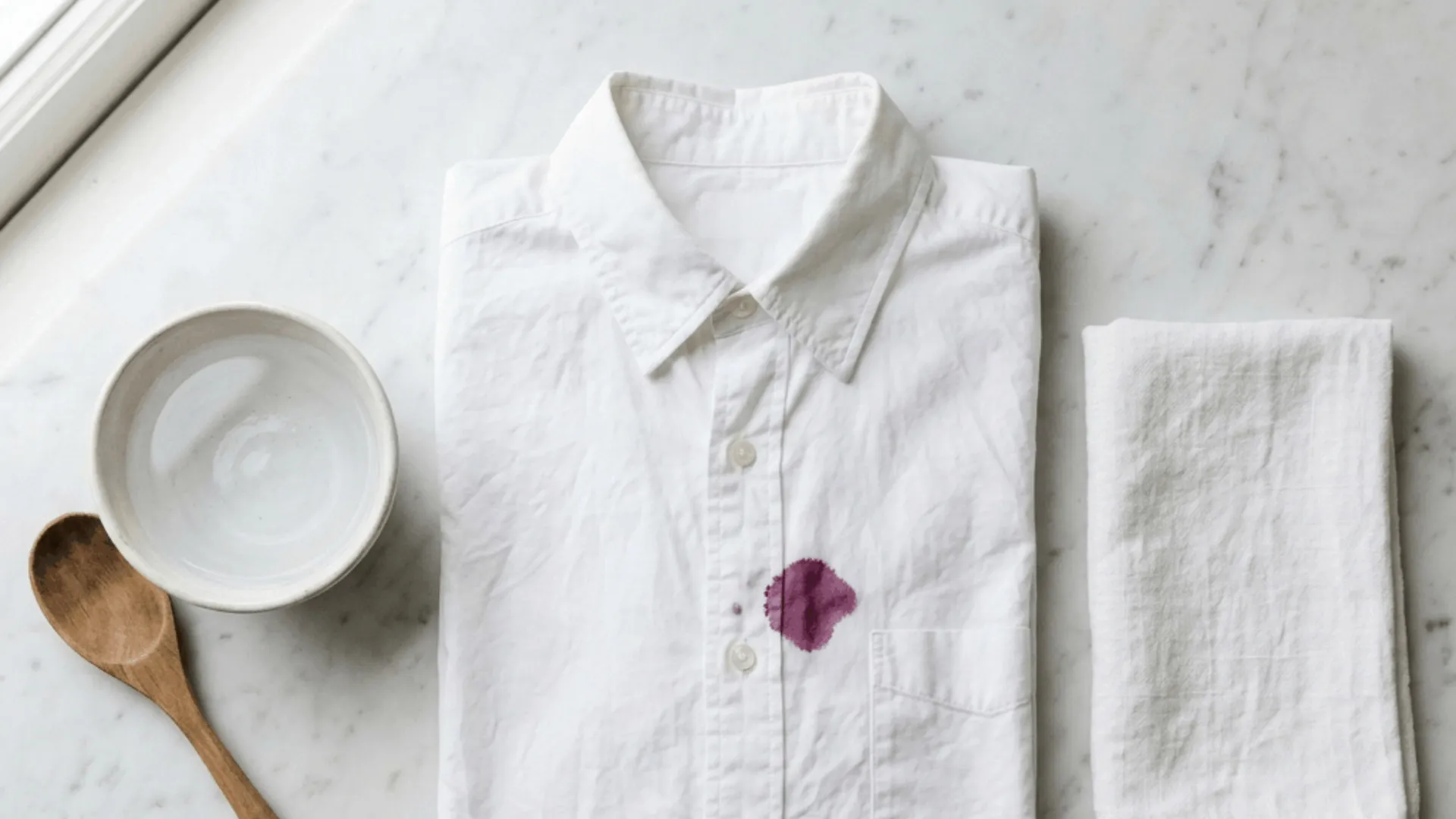
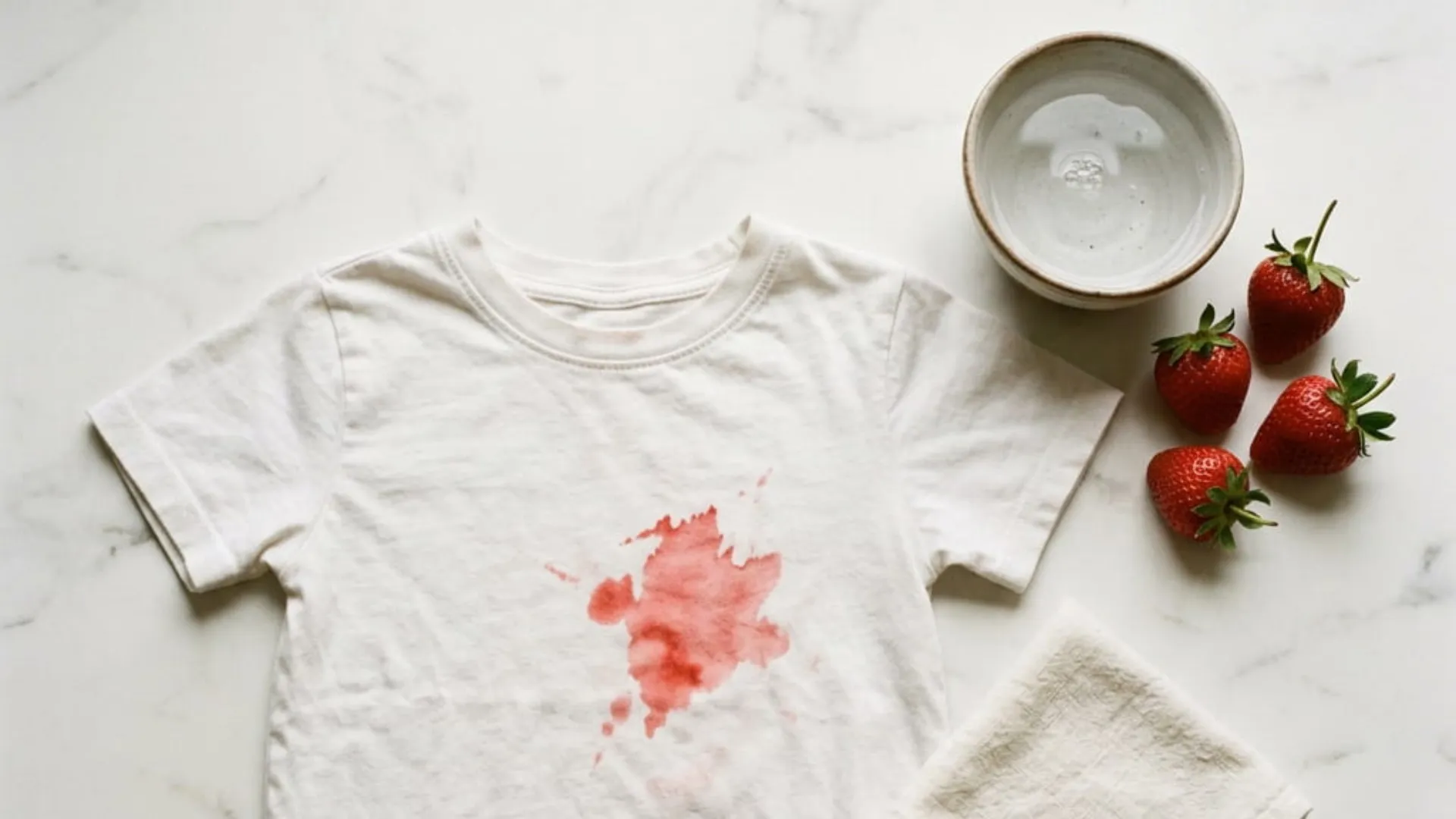
Cherries, strawberries, pomegranate, and tomato juice are frequent visitors on children's clothes. Treated while fresh, most of them come out at home.
The first thing to do is not rub. Press with a clean cloth to absorb the excess liquid. Then rinse with cold water — hot water sets fruit stains into the fabric. A small amount of washing-up liquid mixed with cold water, applied with a cloth and pressed gently onto the stain, handles the majority of cases.
Old, dried fruit stains are more stubborn. Soaking in a white vinegar and cold water solution and leaving it to sit can help, but it is not guaranteed.
Food and Sauce Stains
Ketchup, tomato sauce, yoghurt, soup — these contain both water and oil, which makes them slightly more involved. Solid pieces should be lifted first with a spoon or a blunt edge — rubbing spreads the stain, so always work from the outside in.
For the liquid part, cold water rinsing and a small amount of washing-up liquid works well. Sauces containing olive oil or butter may need an extra step for the oil component.
Chocolate and Cocoa
Chocolate contains both fat and organic matter, which calls for a two-step approach. Lift the solid part first. Then apply a small amount of washing-up liquid diluted in cold water, leave it for a few minutes, and rinse with cold water. Hot water makes this stain permanent — worth keeping in mind.
Blood Stains
Children fall, and blood is unavoidable. The rule for blood stains is simple: cold water only. Hot water coagulates the protein in blood and makes the stain permanent.
Fresh blood rinsed immediately with cold water comes out largely on its own. For slightly more stubborn cases, a small amount of hydrogen peroxide can be applied — but test it on a hidden area of the fabric first. On coloured fabrics, hydrogen peroxide can lighten the dye.
Dried blood stains need a longer soak in cold water followed by gentle washing with a small amount of detergent. Even then, old blood stains do not always come out fully at home.
Grass and Mud
Children who play outside bring these in almost daily. Grass stains contain chlorophyll and are mildly stubborn. Wet the fabric with cold water first, apply a small amount of liquid detergent, rub gently, and wash. The fabric is robust enough to handle this approach.
For mud, wait for it to dry first. Wet mud rubbed into fabric goes in deeper. Once dry, brush off the surface and then wash normally.
Paint Stains
This is where things change. Water-soluble poster paint usually comes out with cold water. Acrylic paint is a different matter.
Acrylic paint addressed before it dries can sometimes be removed with warm water. Once it has dried and hardened, normal washing does not lift it. An alcohol-based solvent may work, but on the wrong fabric it can also remove the dye. The risk of experimenting at home is real — and for dried acrylic paint, professional treatment is often the only reliable option.
Fabric dye and textile paint are a completely different category. These must not be treated at home.
Pen and Ink
Ballpoint pen is a classic on children's clothes. Isopropyl alcohol or alcohol-based hand sanitiser applied to a paper towel and pressed onto the stain often transfers the ink to the towel. Work with a clean section each time and repeat until the stain is gone.
This does not work on every fabric. On fine, coloured, or delicate materials, alcohol opens the colour. Test before applying.
Fountain pen ink and marker pen are significantly more stubborn. Home attempts at these stains usually result in spreading. Professional dry cleaning is the safer choice.
The Limits of Home Treatment
Time to be honest. The methods above are genuine and many of them work — but all of them have a limit.
Stains that have been left to sit do not come out at home. A stain that has been there for more than 24 hours has worked its way into the fibre. Food, fruit, blood, or chocolate — once a stain has set, home methods can only scratch the surface. Professional pre-treatment is the only way to reach what is deeper.
Delicate fabrics make home treatment risky. The velvet dress bought for a special occasion, the silky birthday outfit, the wool jumper — on these, home washing can damage the fabric as well as the stain.
Oil-based stains do not come out fully at home. Grease, oil, cosmetics, and wax resist water-based home methods. Professional solvents remove them without stressing the fabric.
Multiple stain components — food residue with fruit juice on top, or paint that has had mud walked into it — each need a different solvent. Treating them in the wrong order mixes them together and makes cleaning harder.
When to Send to a Professional
The answer is actually straightforward: when in doubt.
If the stain has been there more than 24 hours, if the fabric is delicate, if you are not sure what caused the stain, or if a home method has not worked — professional help at that point saves both the stain and the garment.
With children's clothes this decision matters particularly because families often attach real emotional value to certain pieces. A birthday dress, a christening outfit, the special top bought for the first day of school — these cannot simply be replaced. A wrong move at home can make them permanently unwearable.
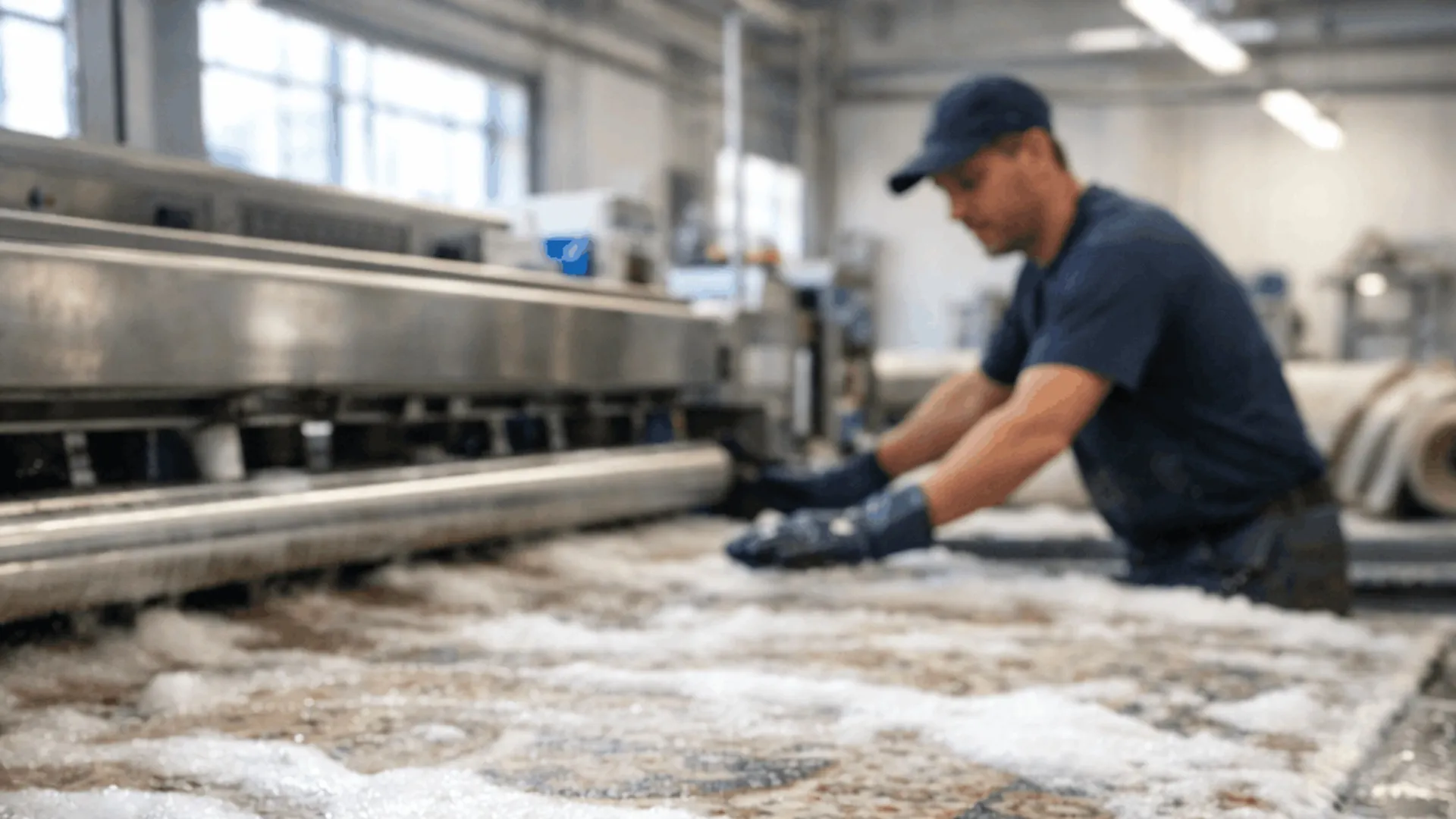
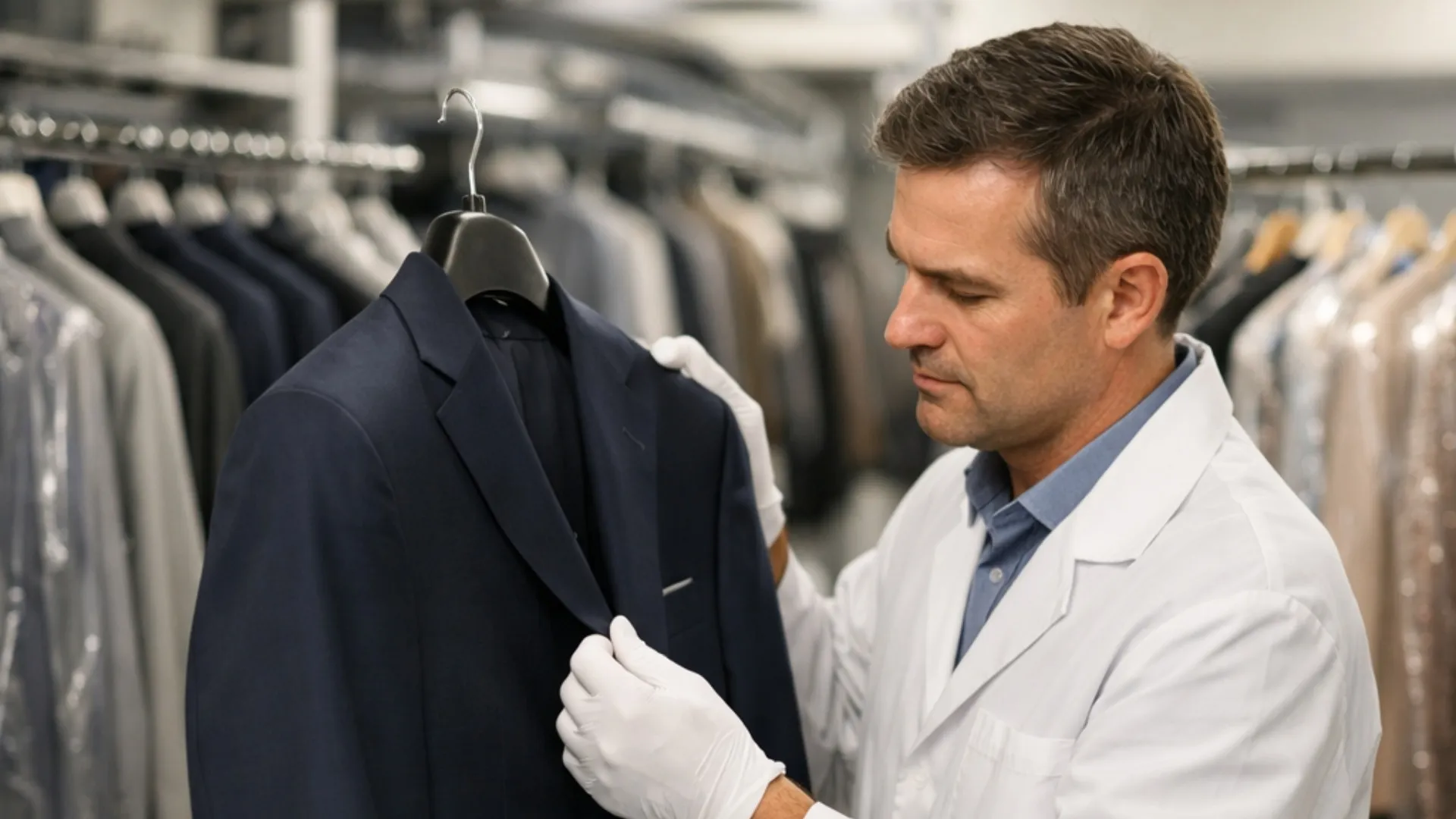
Professional dry cleaning assesses each garment at collection. The stain type, the fabric structure, and the right method are all determined before anything is done. Pre-treatment is applied, and cleaning happens in a controlled environment. This process cannot be fully replicated at home.
Dry Anka: Professional Stain Removal for Children's Clothes
Across Kadıköy, Çekmeköy, Tuzla, Küçükyalı, and Fikirtepe, Dry Anka provides door-to-door dry cleaning for children's special garments. The item is collected from your address, treated with the appropriate pre-treatment and cleaning method for the stain type, and returned carefully packaged.
To book an appointment, call Dry Anka on 0216 208 44 66.
Conclusion
Most stains on children's clothes can be handled at home with a fast response and the right method. But "fast" is the key word — the longer a stain waits, the harder the job. And a wrong method applied with good intentions can make a simple stain permanent.
For stains that cannot be resolved at home, the sooner professional dry cleaning happens the better the result. For valuable or special garments in particular, not waiting is the decision that protects both the garment and the memory attached to it.