
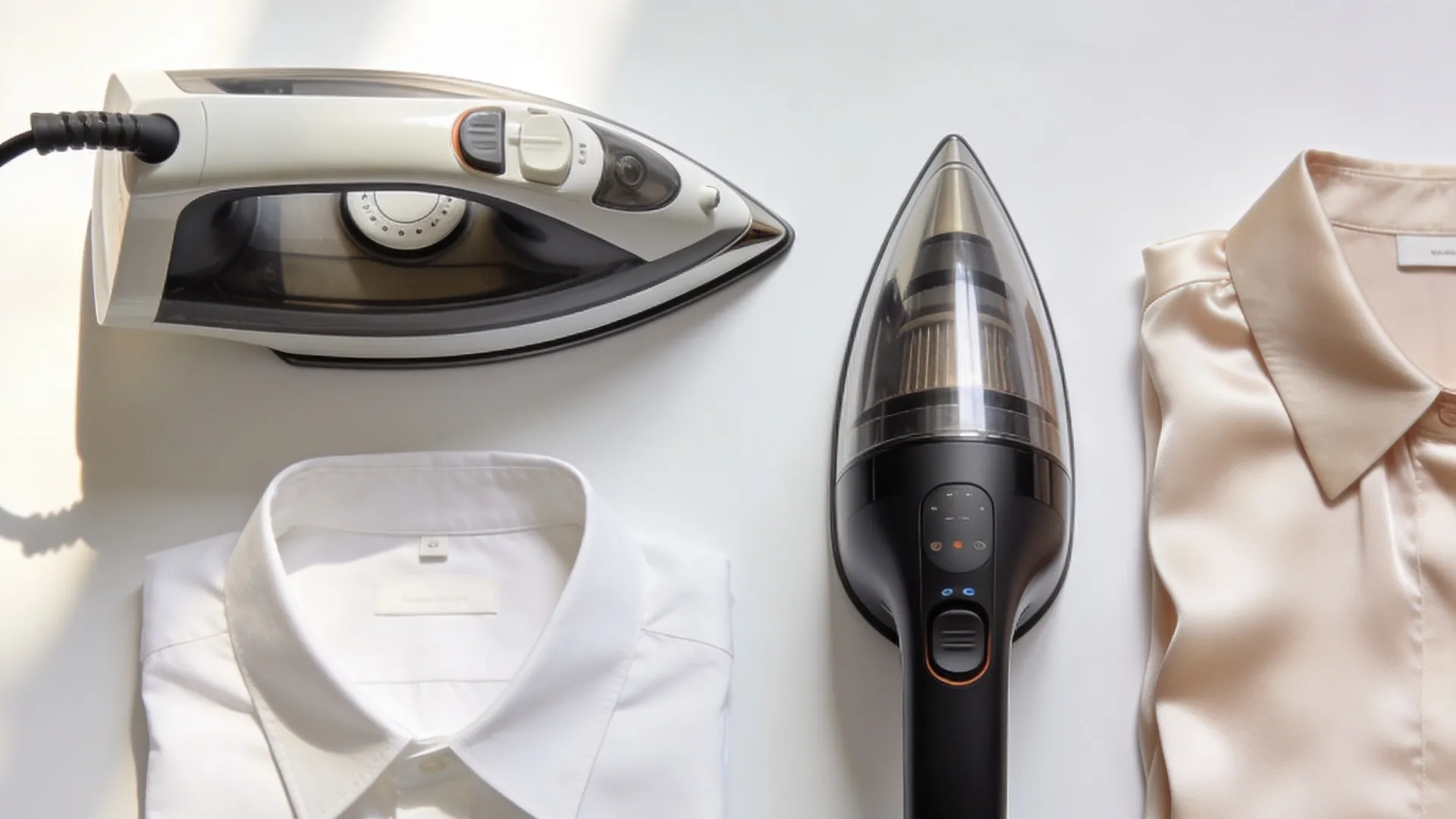
Steam Iron or Dry Iron? Differences and the Right Way to Use Each
When we talk about ironing today, we are no longer talking about a single tool. Alongside the traditional flat iron, upright garment steamers and professional steam systems have become increasingly common. But is there a real difference between these two methods? Which is better for which garment? And how does the wrong choice damage a fabric?
In this guide, we cover how each method works, the key differences between them, how to choose the right approach for each fabric type, and the correct technique for using both tools effectively.
How Does a Dry Iron Work?
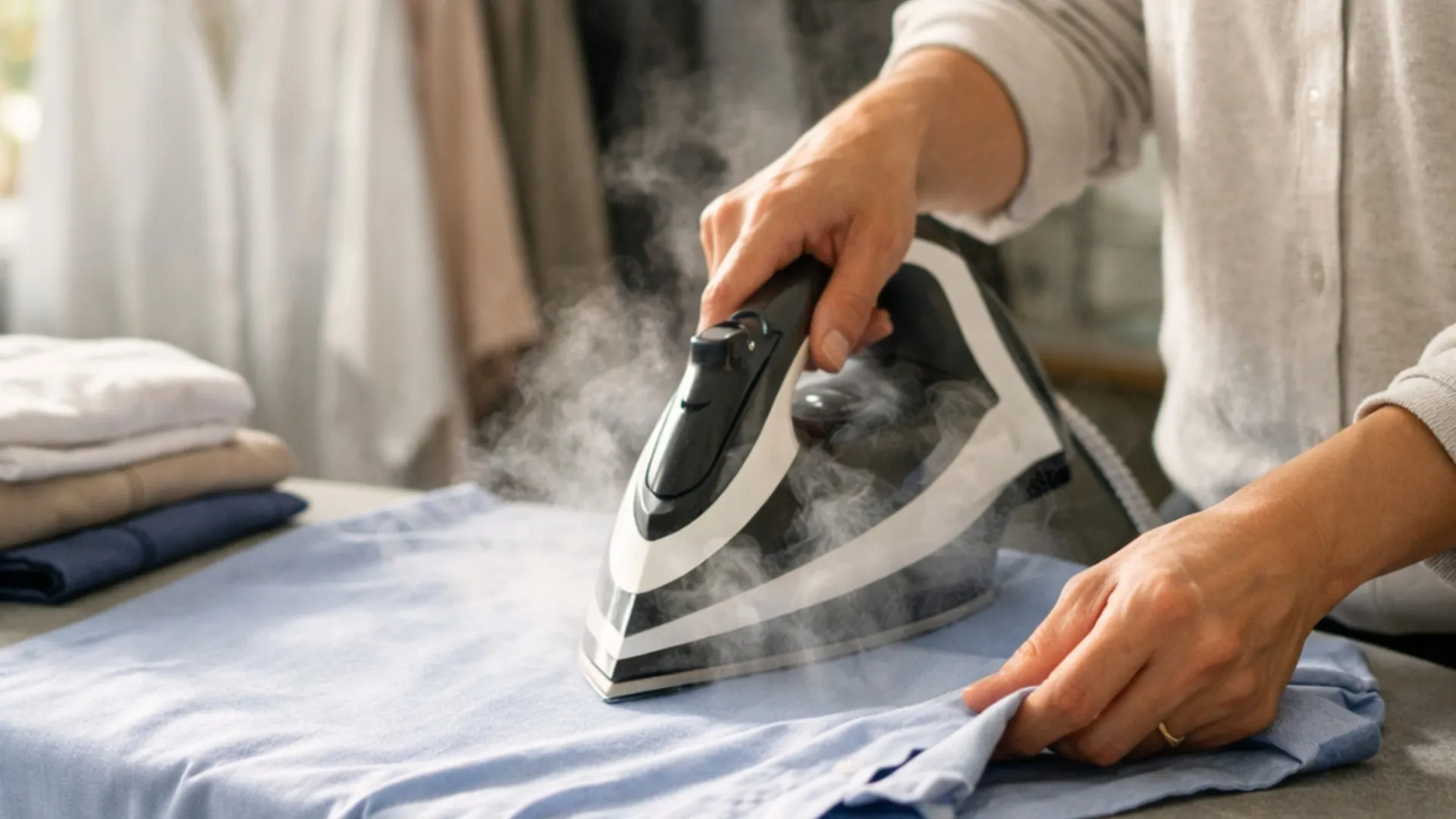
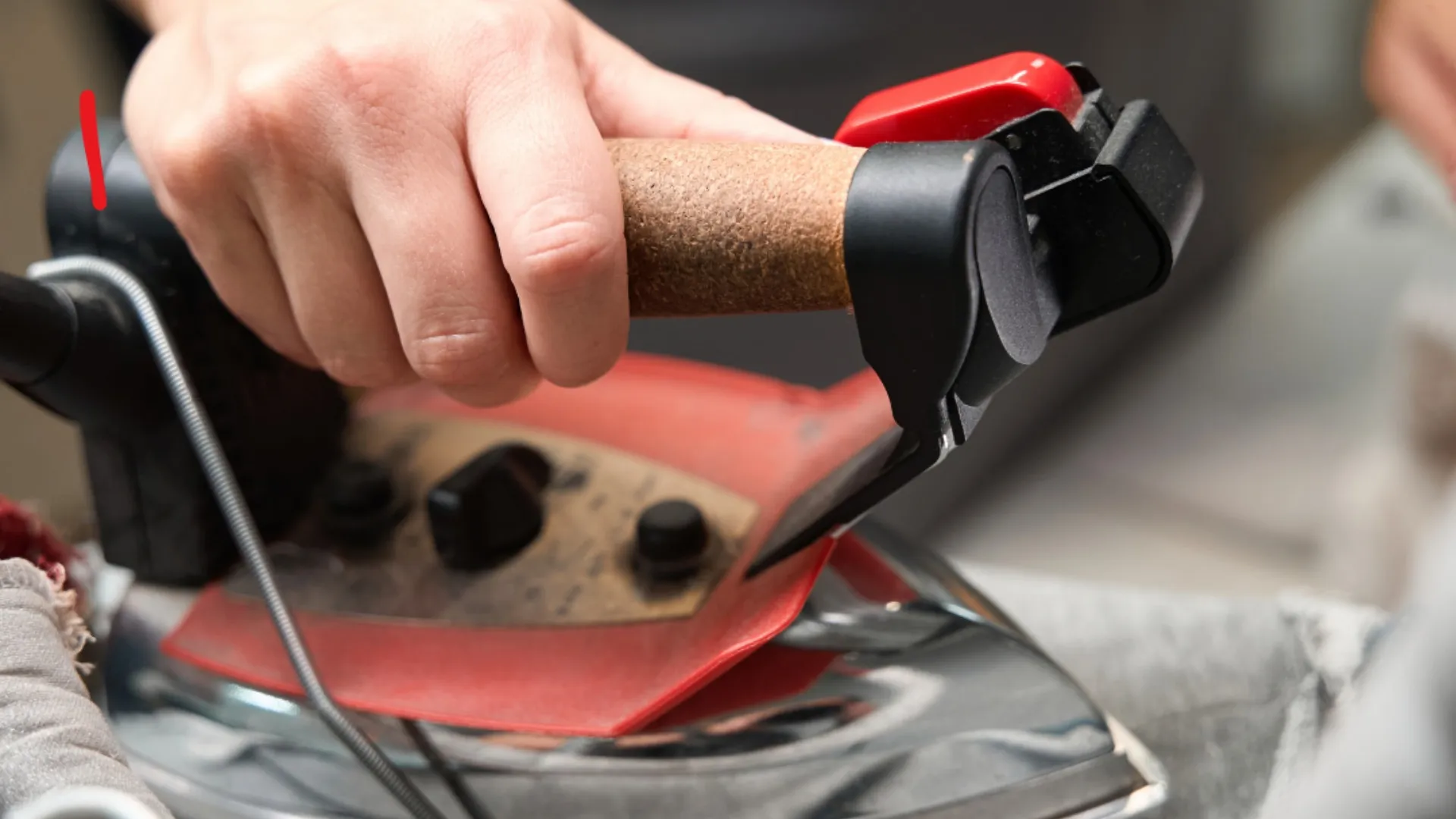
A dry iron — also called a flat iron or contact iron — removes creases by transferring heat energy directly to the fabric surface. As the metal soleplate heats up, the fibres in the fabric soften and flatten under the iron's weight and pressure. As the fabric cools, the fibres set in their new, smooth position.
Most modern flat irons also include a steam function. A water reservoir heats and releases steam through holes in the soleplate. However, this is different from a dedicated garment steamer — the steam in a flat iron serves as a supporting function; the primary work of smoothing is done by the combination of heat and pressure.
A flat iron requires an ironing board. Garments are processed horizontally, laid flat on the board surface. This method applies both heat and mechanical pressure to the fabric.
How Does a Garment Steamer Work?
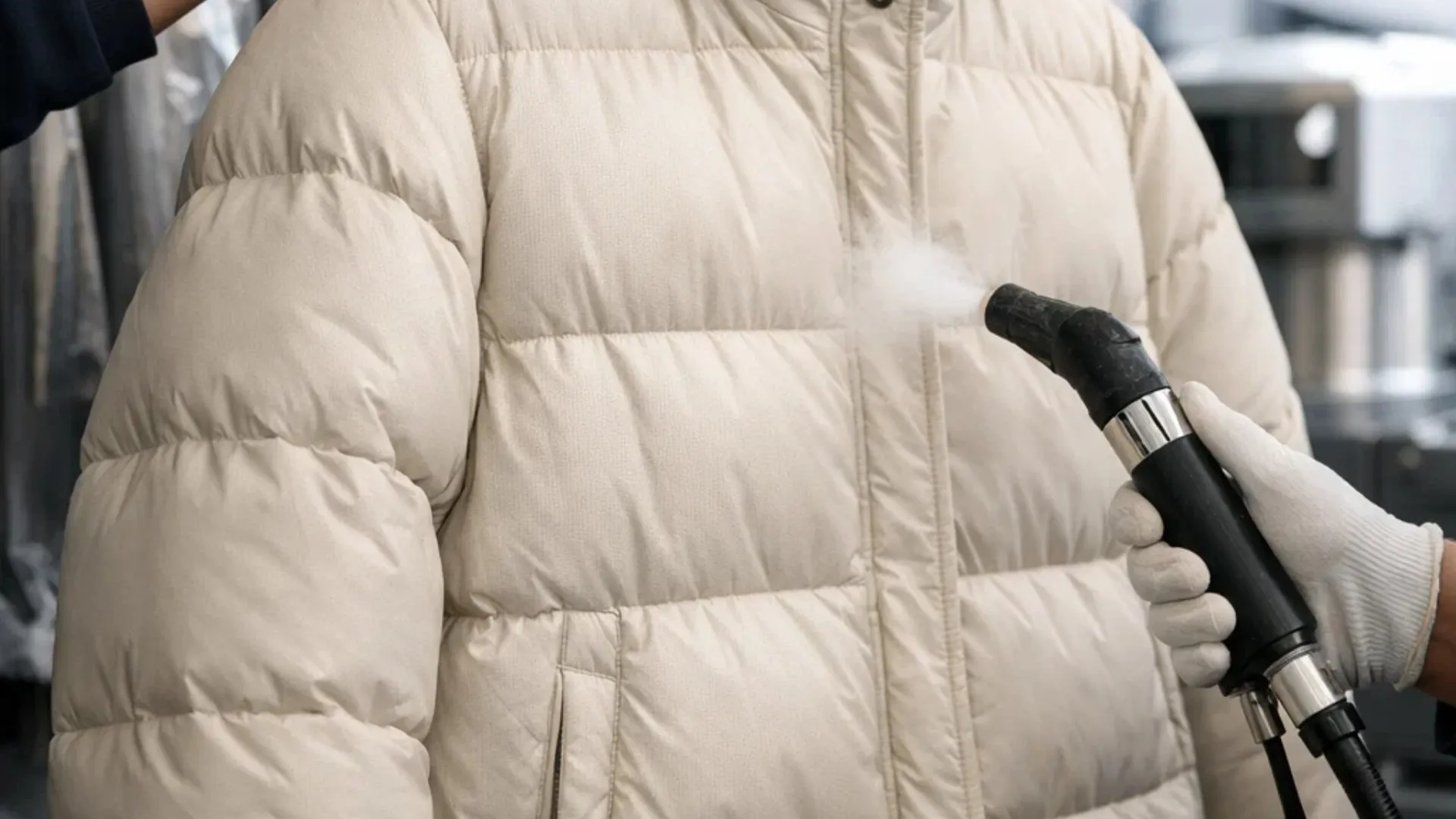
A garment steamer removes creases through moisture and steam rather than heat and pressure. The device heats water under pressure to produce a fine, concentrated stream of steam. When directed at a garment, the steam softens the fabric fibres and the creases relax and drop out — with the garment hanging vertically throughout the process.
The most defining characteristic of a garment steamer is that it requires no contact with the fabric. The device never touches the garment; steam is applied from a distance. This makes it significantly safer for fabrics that are sensitive to heat and pressure.
Garment steamers are available as compact handheld models and as full-size professional units with larger water reservoirs. Professional models produce steam continuously for longer periods and deliver effective results across a wider range of garment types.
The Key Differences Between the Two Methods
Application Method
A flat iron makes direct contact with the fabric and applies pressure. A garment steamer does not touch the fabric — steam is directed from a distance. This fundamental difference changes how the two methods affect different fabrics entirely.
How Creases Are Removed
In flat ironing, creases are removed through the combination of heat and physical pressure. In steaming, the moisture softens the fibres and allows the creases to fall out under their own weight. The steam method is gentler but may be slower on certain fabrics.
Speed and Practicality
A flat iron requires an ironing board, which takes time to set up and put away. Including preparation and clean-up, it is a more time-consuming process overall. A garment steamer can be used in a few minutes with the garment hanging in place — setup time is minimal.
Quality of Results
For garments that require sharp creases and precise lines — shirts, trousers, suits — a flat iron delivers superior results. A garment steamer smooths out creases effectively but does not create sharp folds or defined lines.
Fabric Safety
A flat iron used at the wrong temperature or on the wrong fabric can cause shine marks, melting, or permanent pressure damage. A garment steamer largely eliminates these risks and is a much safer option for delicate fabrics.
Odour and Bacteria Removal
A garment steamer has a clear advantage over a flat iron in one area: the high-temperature steam effectively neutralises odour molecules and surface bacteria in the fabric. A flat iron offers very little in this regard.
Which Method Suits Which Fabric?
When to Use a Flat Iron
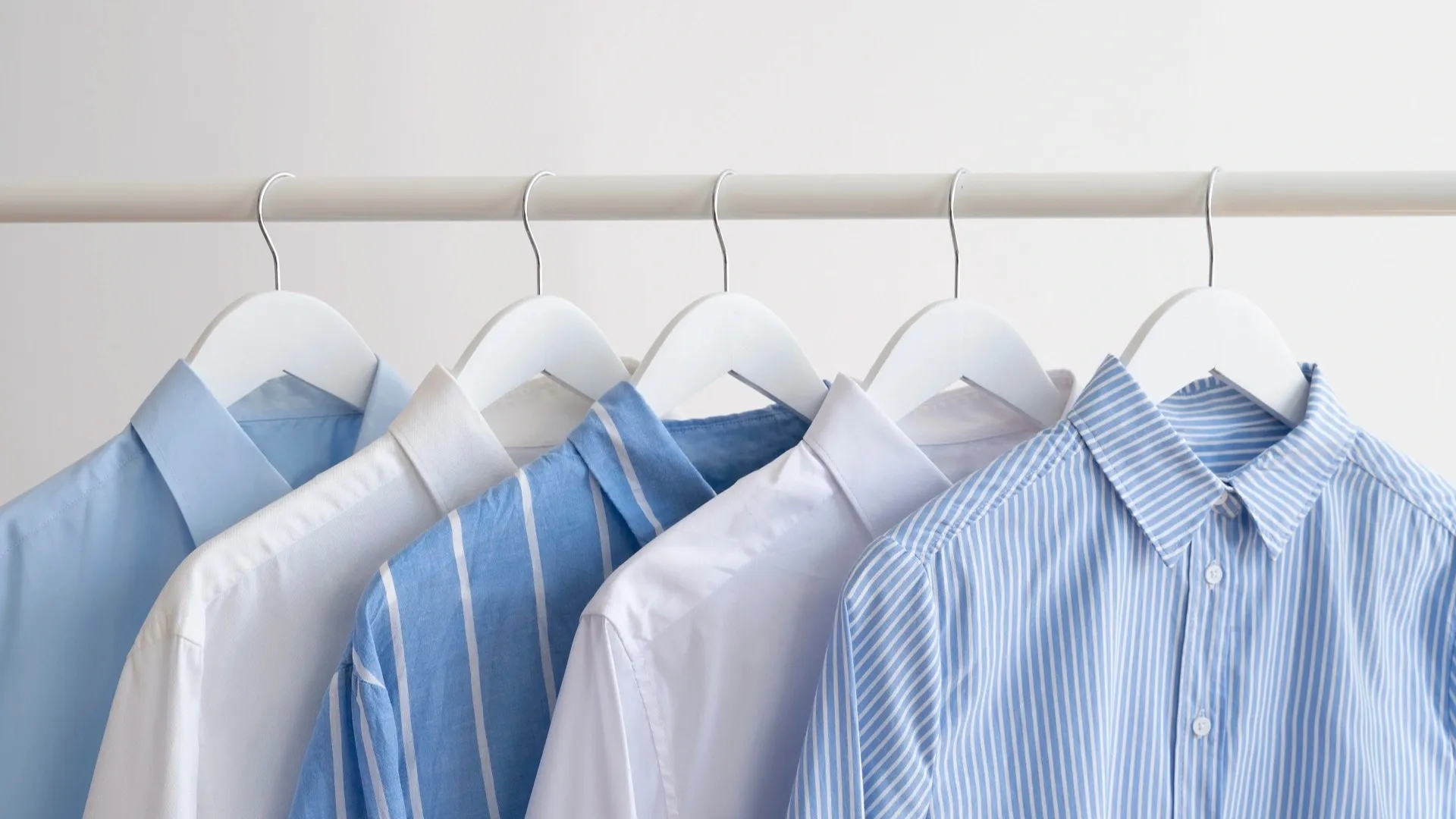
Cotton shirts and blouses: Cotton is an excellent candidate for flat ironing. High heat with light steam support produces a crisp, clean result. Collars and cuffs in particular benefit from the precision of direct contact ironing.
Linen garments: Linen creases easily but also smooths easily. Ironed while slightly damp, linen responds beautifully to a flat iron. A garment steamer works on linen too, but a flat iron gives a more definitively smooth finish.
Trousers and suit bottoms: Creating a sharp crease in trousers requires a flat iron. A steamer will smooth out wrinkles but will not produce a defined line.
Denim: Denim handles flat ironing well. High heat with light steam delivers quick, effective results.
When to Use a Garment Steamer
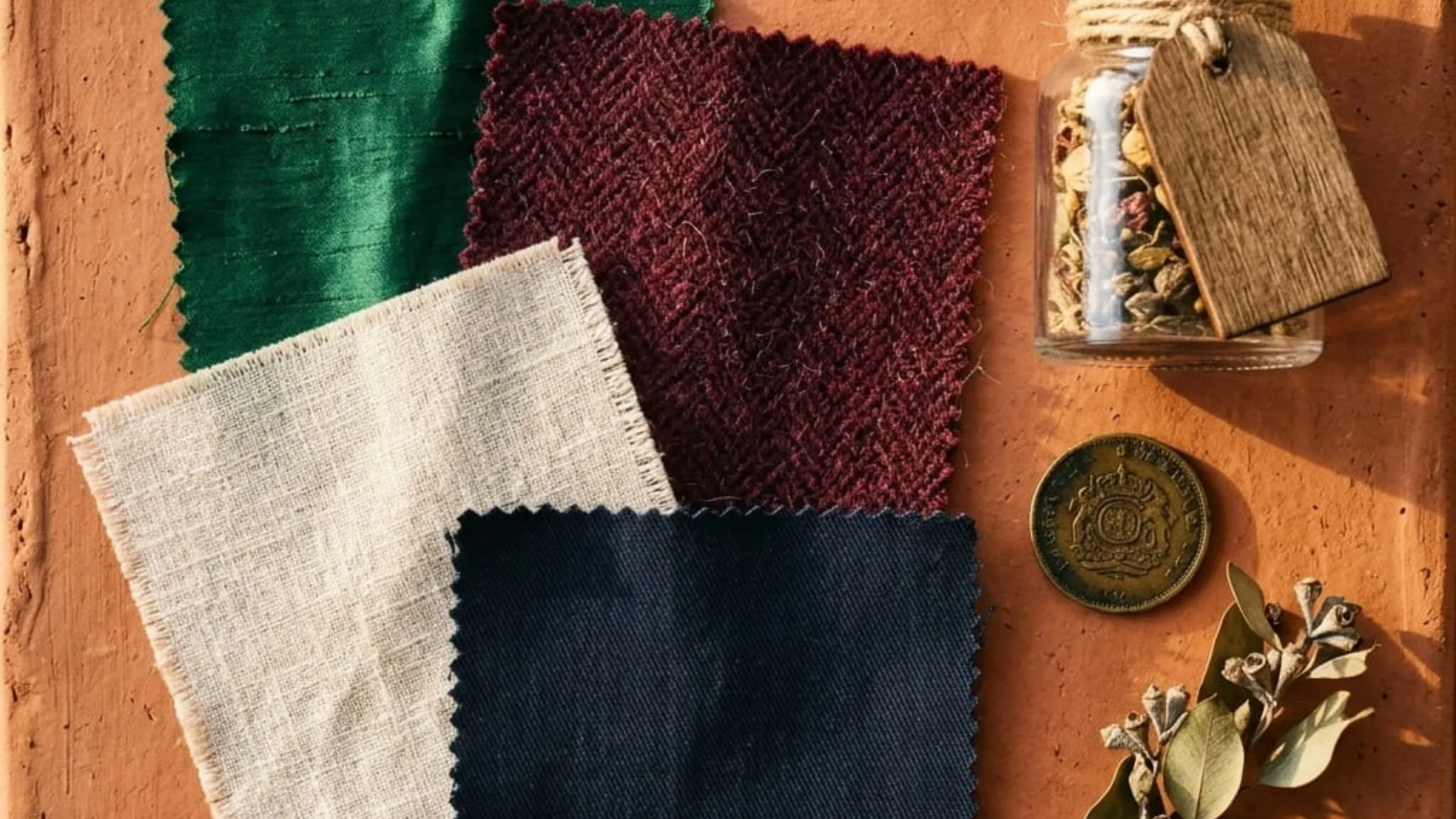
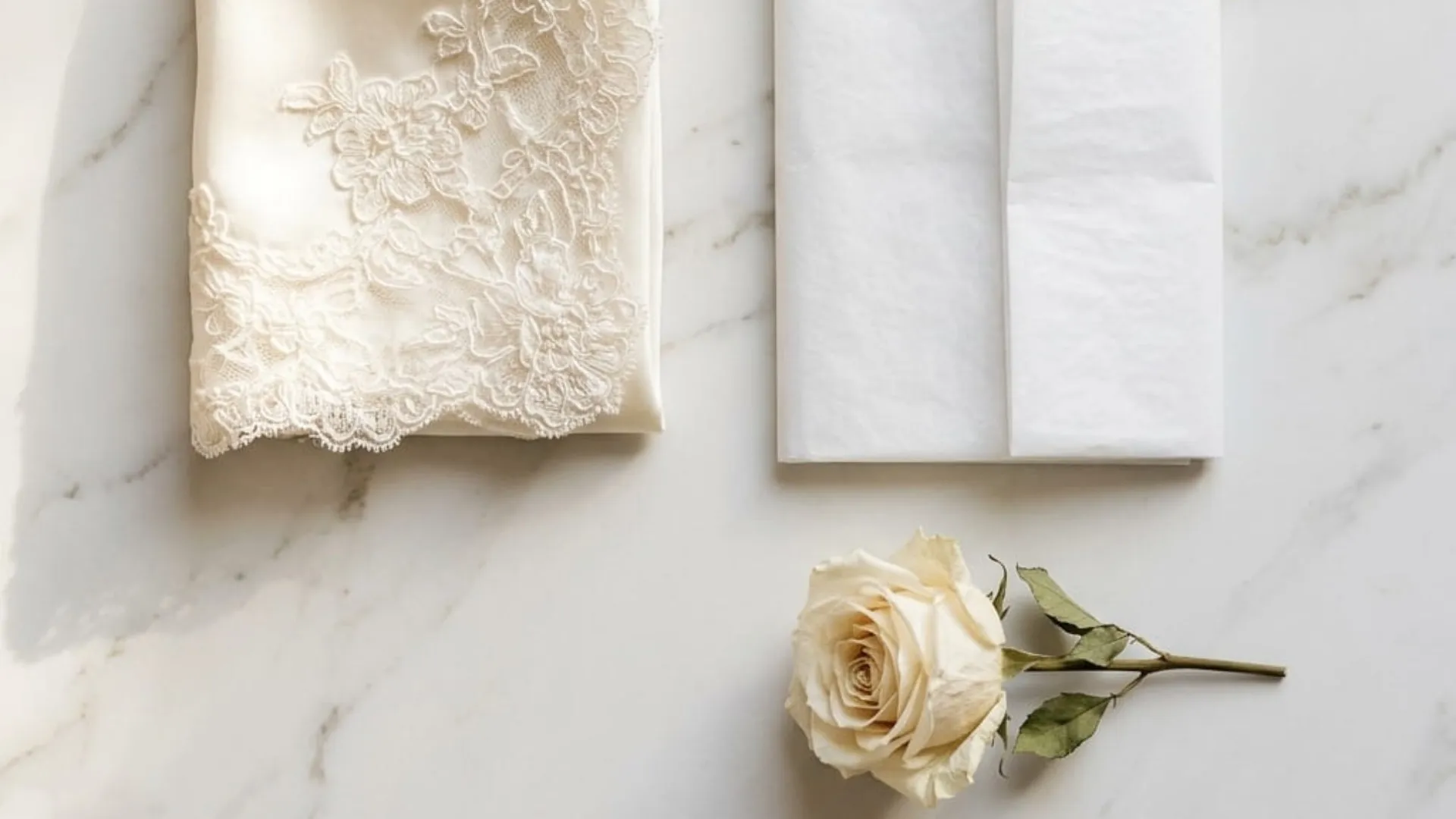
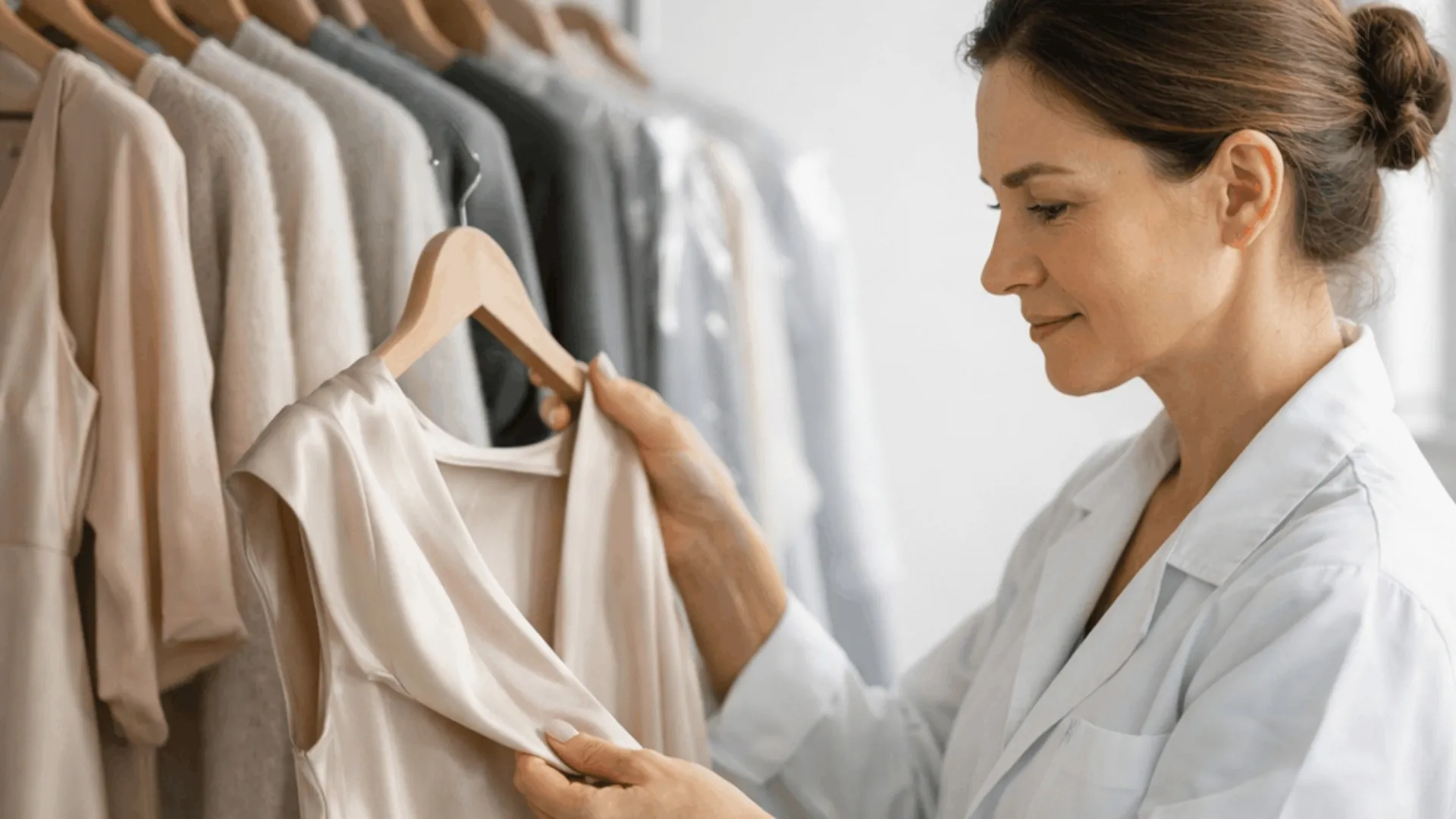
Silk and satin: Silk and satin are highly sensitive to the heat and pressure of a flat iron. Direct soleplate contact on these fabrics can cause permanent shine marks and pressure damage. A garment steamer — which never touches the fabric — is the safest option for silk and satin.
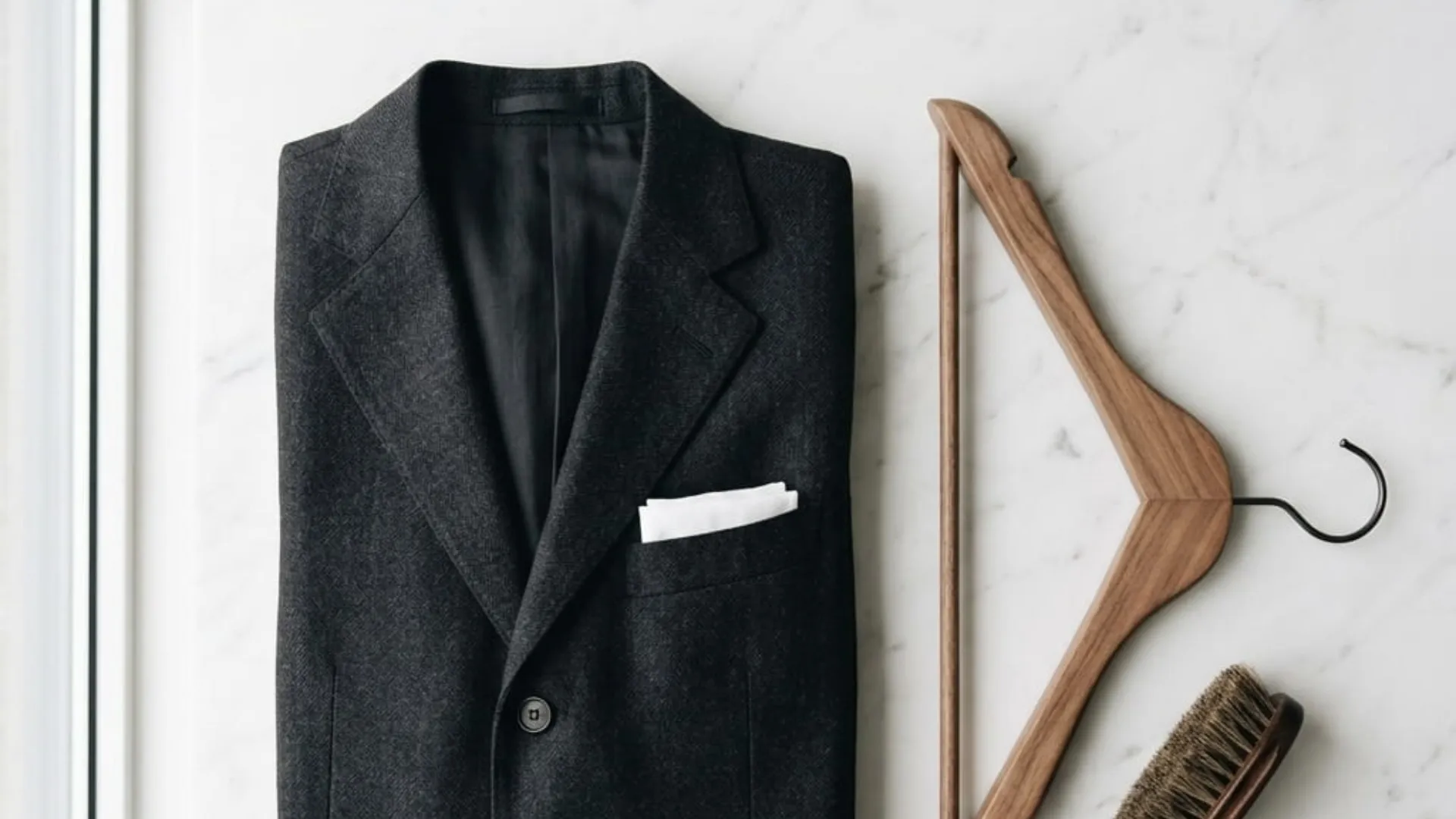
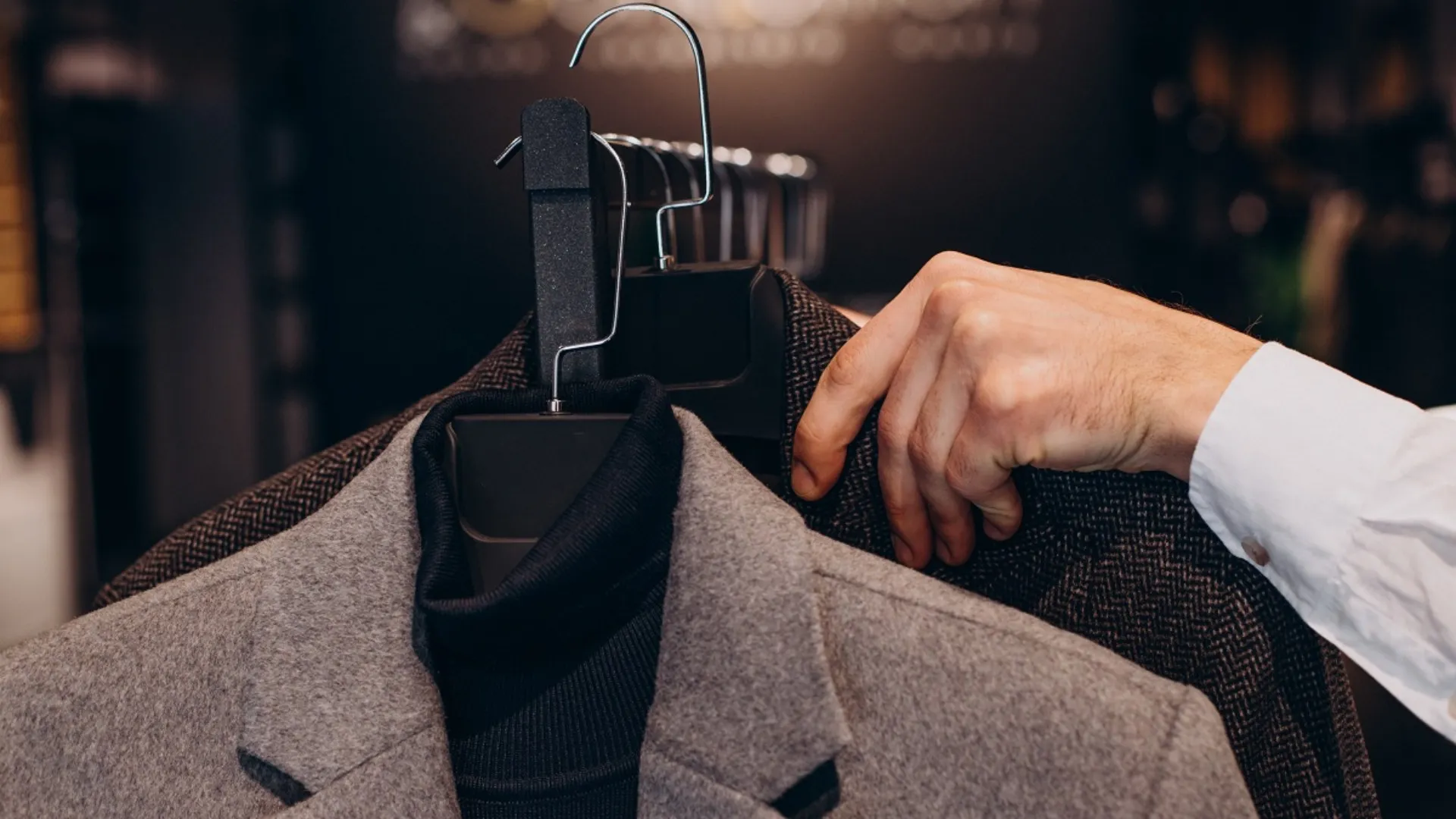
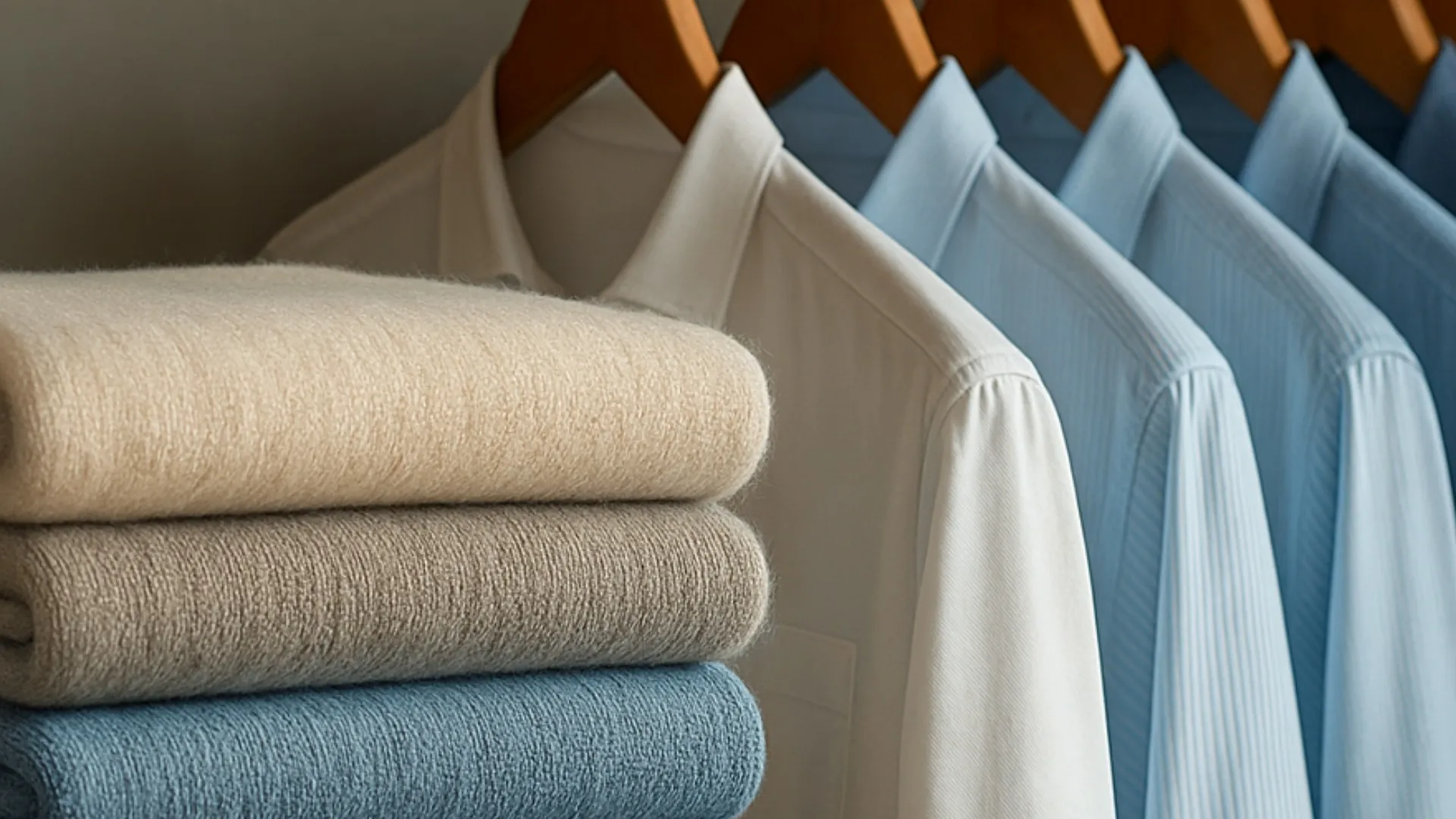
Wool and cashmere: Applying a flat iron directly to wool or cashmere damages the fibres, creates shine, and disrupts the fabric structure. A garment steamer gently smooths these fabrics without harming the fibre. Wool jumpers and cashmere garments should always be steamed rather than ironed.
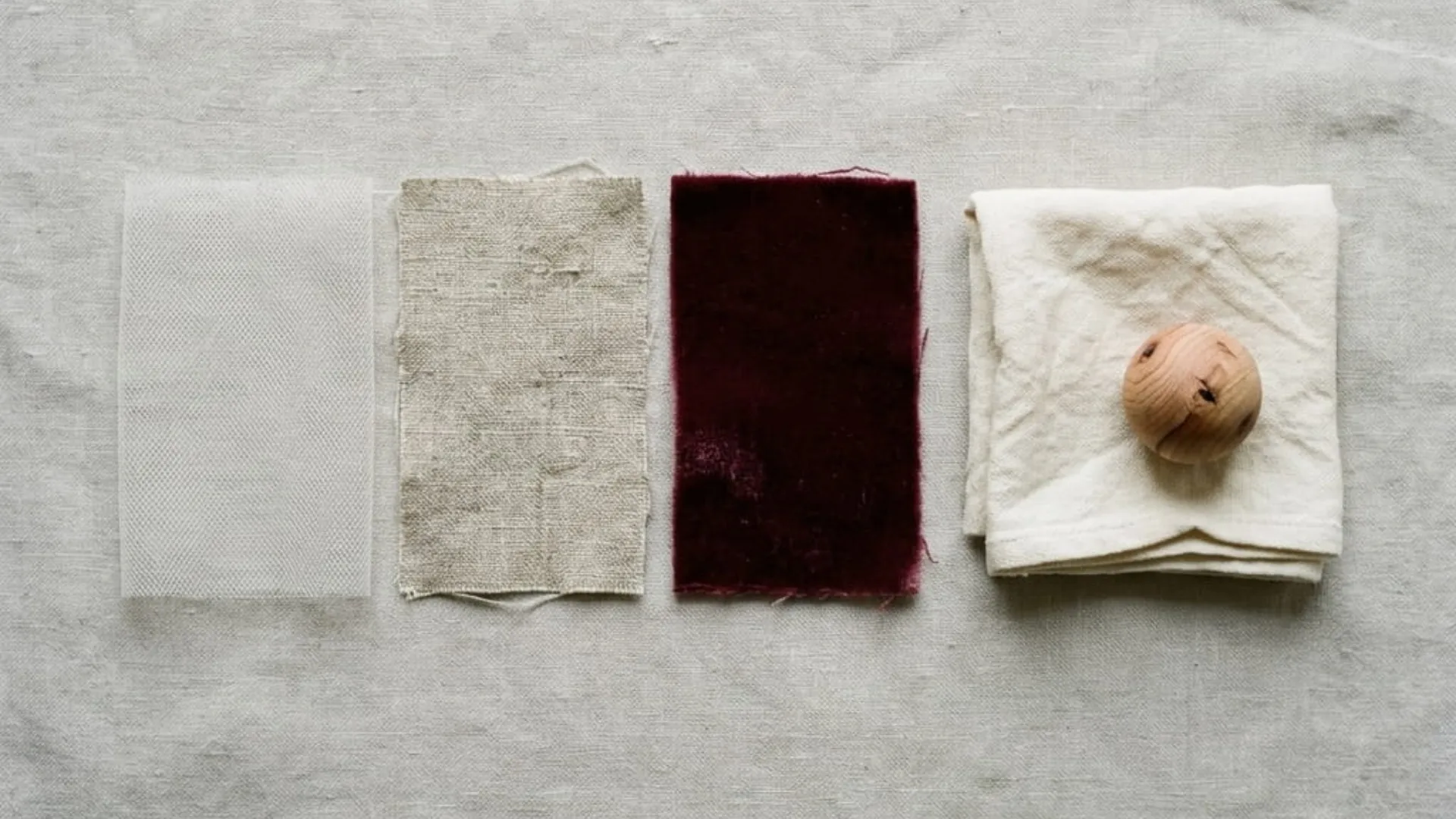
Velvet: Velvet's pile is permanently crushed by contact ironing and retains pressure marks once flattened. A garment steamer is the only safe option for velvet — steam applied from a distance leaves the pile undamaged.
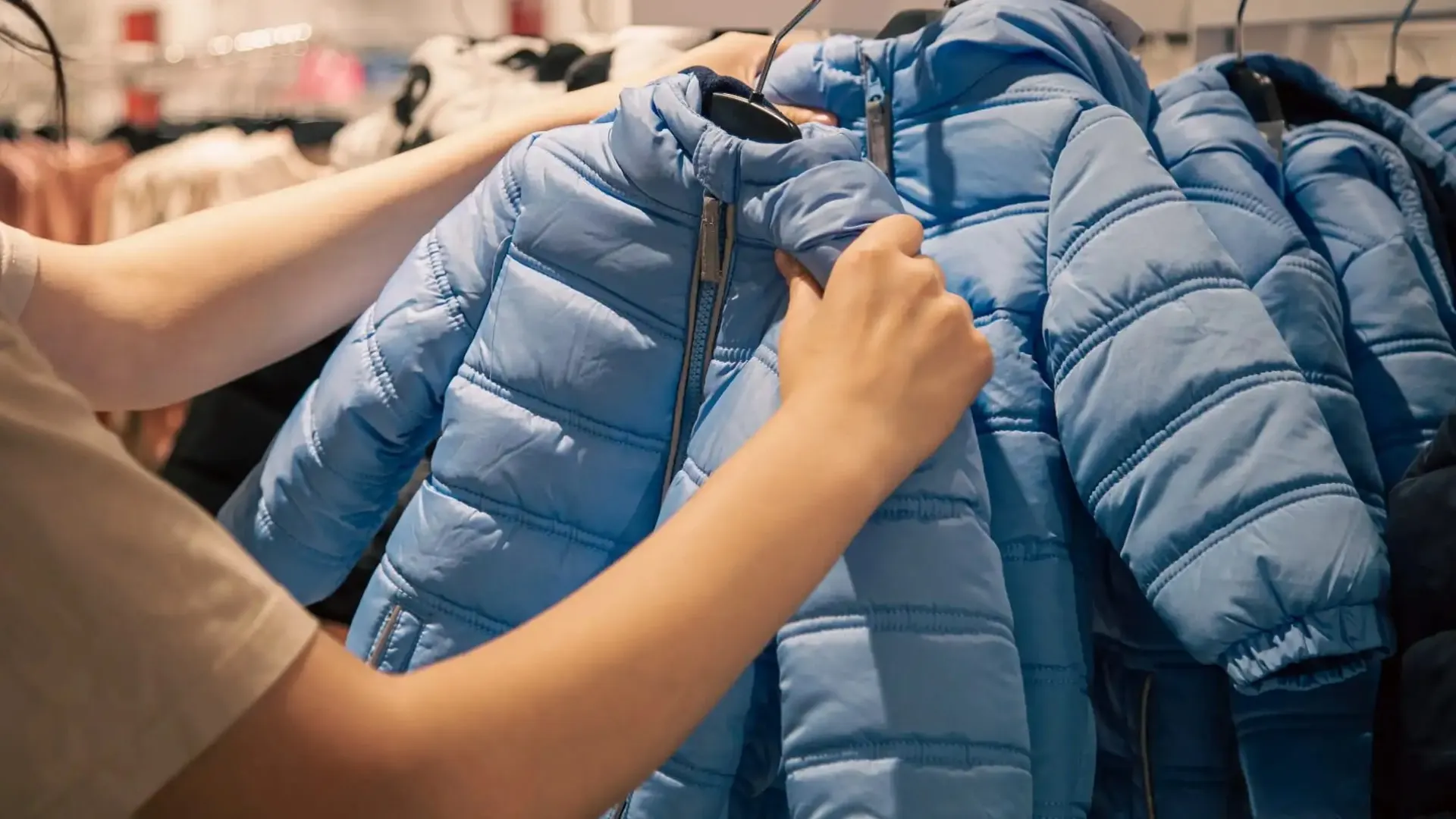
Down jackets and padded garments: The thin outer shell and fill of a down jacket cannot withstand a flat iron. A garment steamer safely removes surface creases without any risk to the filling or outer fabric.
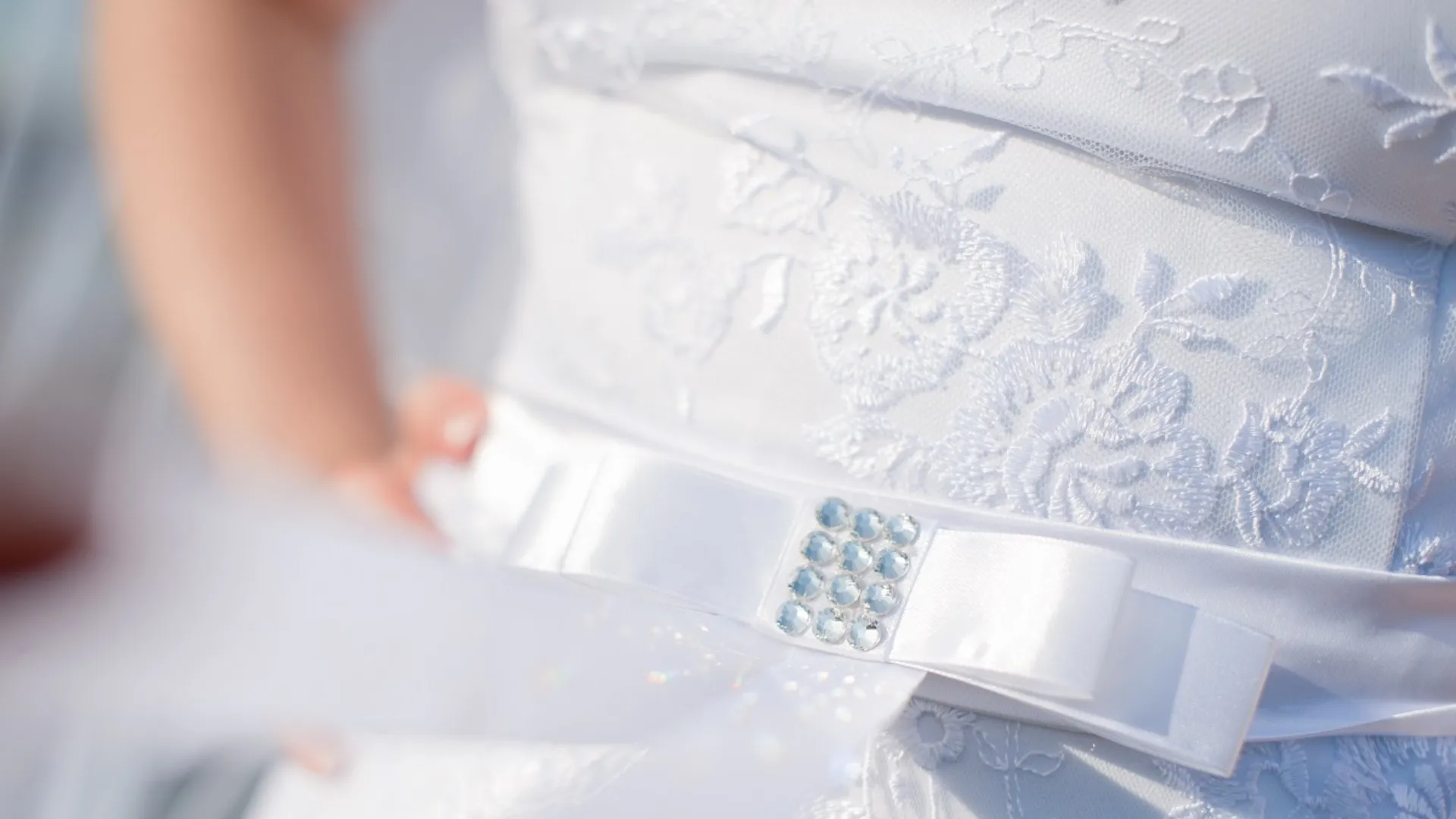
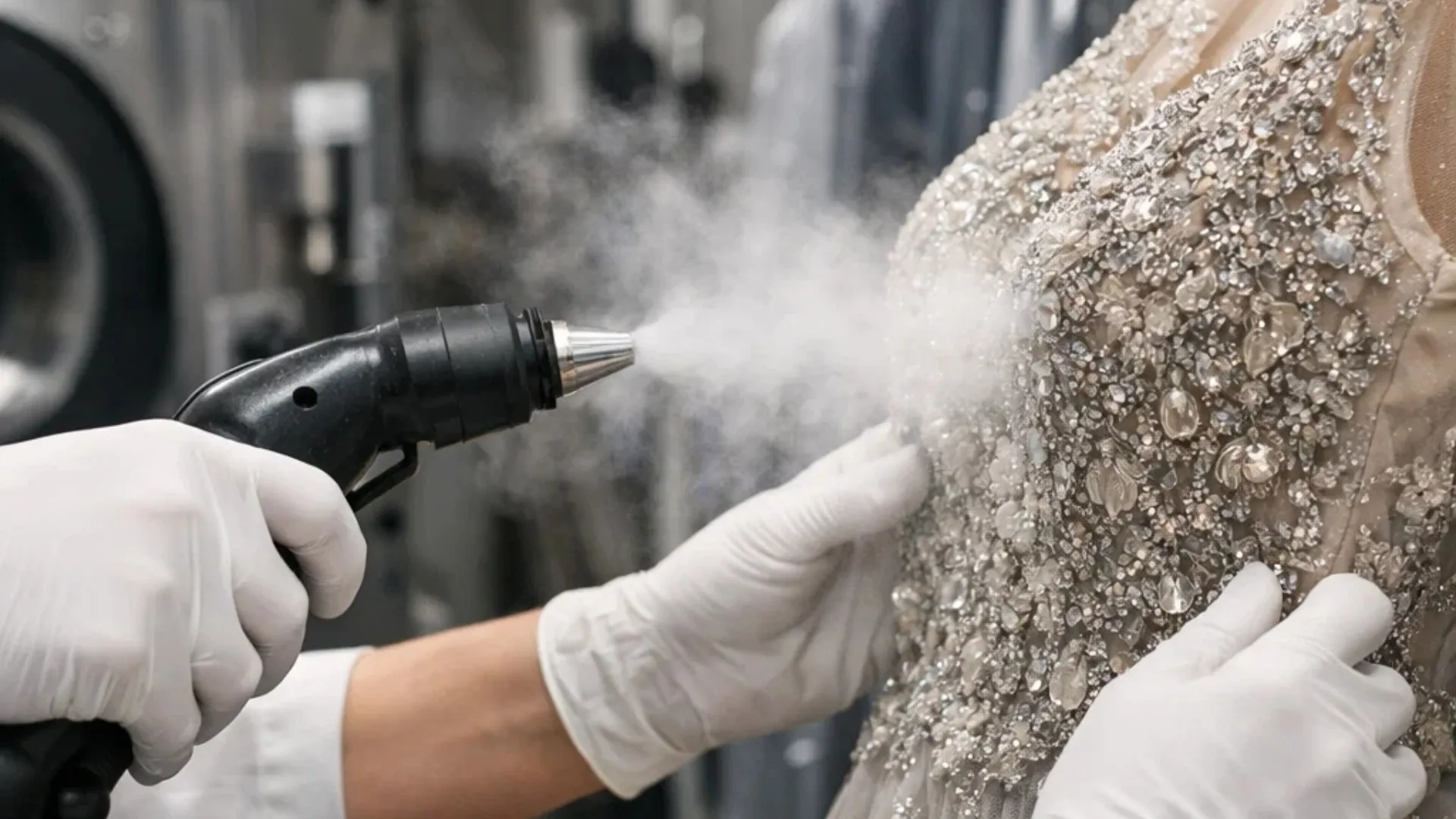
Beaded and embellished garments: On decorated pieces, a flat iron risks melting or distorting embellishments. A garment steamer can be applied to the fabric surface without making contact with the decorative details.
Hanging garments and curtains: When a garment needs to be refreshed without taking it off the hanger, a steamer is the only practical option. For curtains in particular, a full-length upright steamer delivers exceptionally effective results without removing them from the rail.
When Either Method Works
Polyester and viscose garments can be handled with either method. For polyester, temperature must be carefully managed — high heat causes the surface to shine. Viscose responds well to a flat iron at medium heat with steam support; a garment steamer is equally suitable.
Common Mistakes When Using a Flat Iron
Wrong temperature setting: Every fabric has a maximum safe ironing temperature. Failing to adjust the heat setting for the fabric type leads to shine marks, melting, or colour change. As a general rule, synthetics require low heat; cotton and linen can handle high heat.
Ironing dry: Some fabrics are stressed by ironing without moisture. Using the steam function or lightly dampening the fabric first improves the result and reduces the risk of fibre damage.
Ironing against the grain: Working against the direction of the fabric weave — particularly on velvet and jacquard — distorts the surface texture. Always iron in the direction the fabric naturally lies.
Applying excessive pressure: Pressing down hard in an attempt to remove creases faster causes shine marks on delicate fabrics. Heat and steam do the work — excessive force is not necessary and often counterproductive.
Using a cold iron: Using the iron before it has fully reached temperature can leave detergent residue or water marks on the fabric. Always allow the iron to heat fully and test on a spare piece of fabric or a hidden area first.
Common Mistakes When Using a Garment Steamer
Holding it too close: Holding a garment steamer too close to the fabric — particularly fine fabrics — causes water droplets to settle on the surface and leave marks. Keep the device at least 5 to 10 centimetres from the fabric.
Using hard tap water: Tap water causes limescale to build up inside a garment steamer quickly. Performance drops and limescale particles can be carried onto the garment with the steam. Distilled or filtered water is strongly recommended.
Using it before it has fully heated: If the steamer is used before reaching full operating temperature, it may emit water droplets rather than steam. These droplets leave water marks on the fabric. Always allow the device to heat fully before use.
Using it horizontally: A garment steamer performs best in a vertical position. Used horizontally, steam distribution becomes uneven and results are inconsistent.
Keeping the same distance for every fabric: Thicker fabrics can tolerate the steamer being held slightly closer. For fine and delicate fabrics, increase the distance. Adjusting the working distance based on fabric weight noticeably improves results.
Reading the Care Label: Ironing Symbols
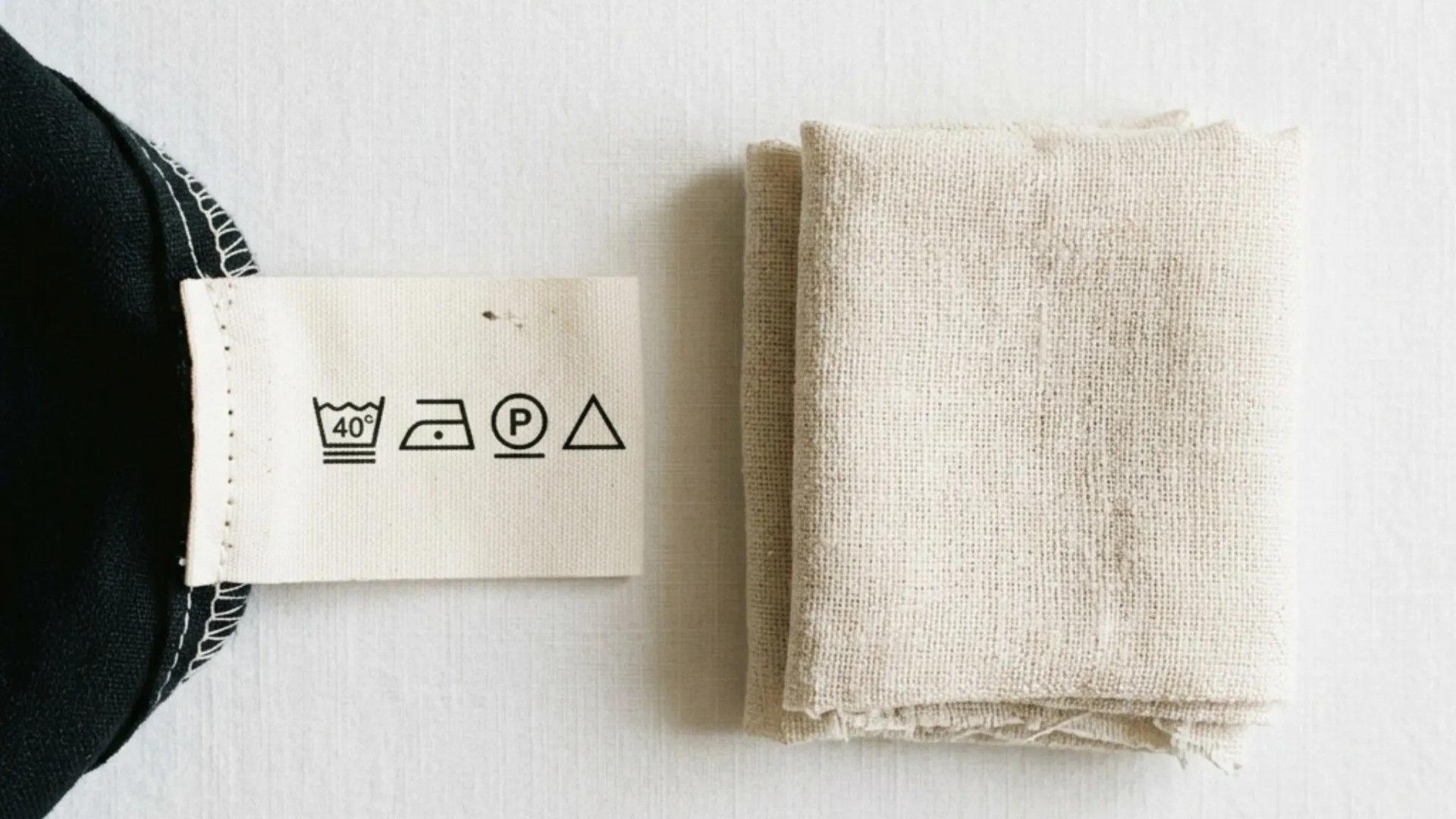
The ironing symbol on a garment's care label shows the manufacturer's recommended ironing approach for that specific fabric. Reading these symbols correctly prevents the majority of ironing mistakes.
The number of dots on the iron symbol indicates the permitted temperature range. One dot means low heat — up to around 110 degrees — and applies to synthetic fabrics. Two dots indicate medium heat — up to approximately 150 degrees — and cover wool and silk. Three dots permit high heat — up to around 200 degrees — and apply to cotton and linen.
An X over the iron symbol means the garment must not be ironed under any circumstances. Horizontal lines beneath the iron symbol indicate that steam must not be used — in which case neither a garment steamer nor the steam function of a flat iron should be applied.
If the label shows only the iron symbol without a steam restriction, both flat ironing and steaming are permitted — subject to the temperature limit shown.
The Difference Between Professional Steam Systems and Home Devices
There are meaningful differences between home garment steamers and professional steam systems. Understanding these differences clarifies when professional care is the right choice.
Steam pressure and density: Professional systems produce steam at significantly higher pressure and density than home devices. This allows them to penetrate deep fabric layers and remove embedded creases and odours far more effectively.
Continuous operation: Home devices have small water reservoirs that require regular refilling. Professional systems have large reservoirs that allow uninterrupted use over extended periods.
Temperature control: Professional systems offer precise, adjustable control over both temperature and moisture level. This makes it possible to set optimal processing conditions for each individual fabric type.
Quality of results: A home garment steamer is entirely adequate for everyday use. But for suits, coats, silk garments, and specially woven fabrics, professional steam systems deliver significantly superior and longer-lasting results.
For this reason, regular professional steam treatment cannot be replaced by home ironing when it comes to valuable or delicate garments.
The Right Ironing Order: A Practical Guide by Fabric Type
When ironing multiple garments in one session, following the correct order saves time and prevents damage.
With a flat iron, the most efficient approach is to start with fabrics requiring the lowest temperature and work upward gradually. The typical order is: synthetics and fine fabrics first, then silk and viscose, followed by wool blends, and finally cotton and linen at the highest setting.
This sequence has two advantages. First, the iron does not need to be cooled between garments. Second, the risk of a still-warm iron coming into contact with a sensitive fabric is eliminated.
With a garment steamer, the order is more flexible. Because contact with the fabric is not required, the temperature risk is much lower. Even so, for delicate fabrics — silk, velvet, cashmere — increasing the working distance slightly and reducing the duration of each pass is recommended.
Correct Storage After Ironing
How a garment is stored after ironing directly determines how long the result lasts.
A freshly ironed garment should not go straight into the wardrobe. The fabric needs a few minutes at room temperature to cool and release any residual moisture. A garment hung in the wardrobe before this process is complete may re-crease as moisture builds up inside.
Trousers should be hung with the crease preserved — folding them for storage will lose the sharp line.
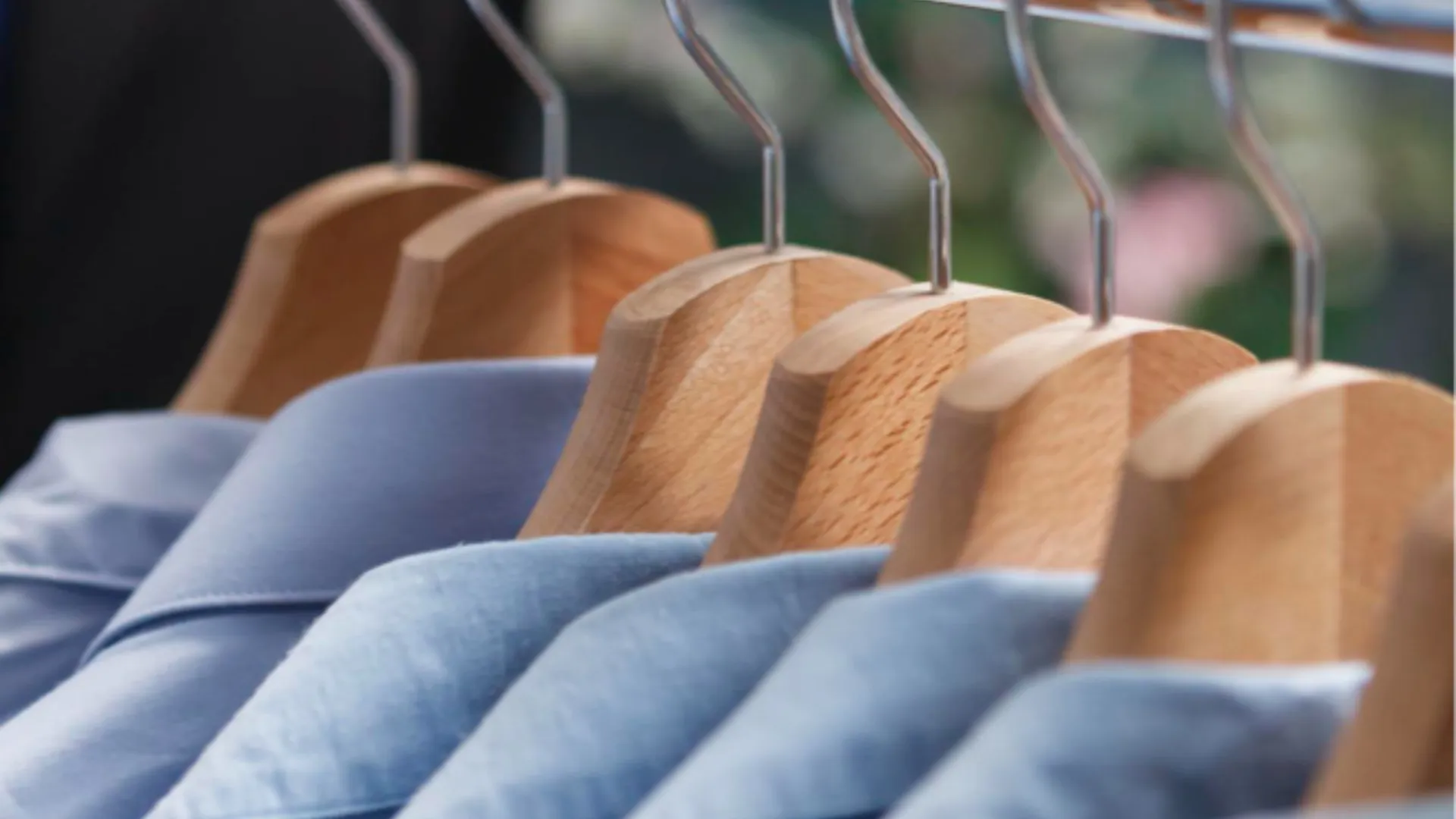
Shirts and blouses should be hung buttoned up after ironing to preserve the shape of the collar and front panels.
Silk and satin garments treated with a steamer should be allowed to cool and dry fully before being stored on a wide-shouldered hanger.
When Should You Choose Professional Care?
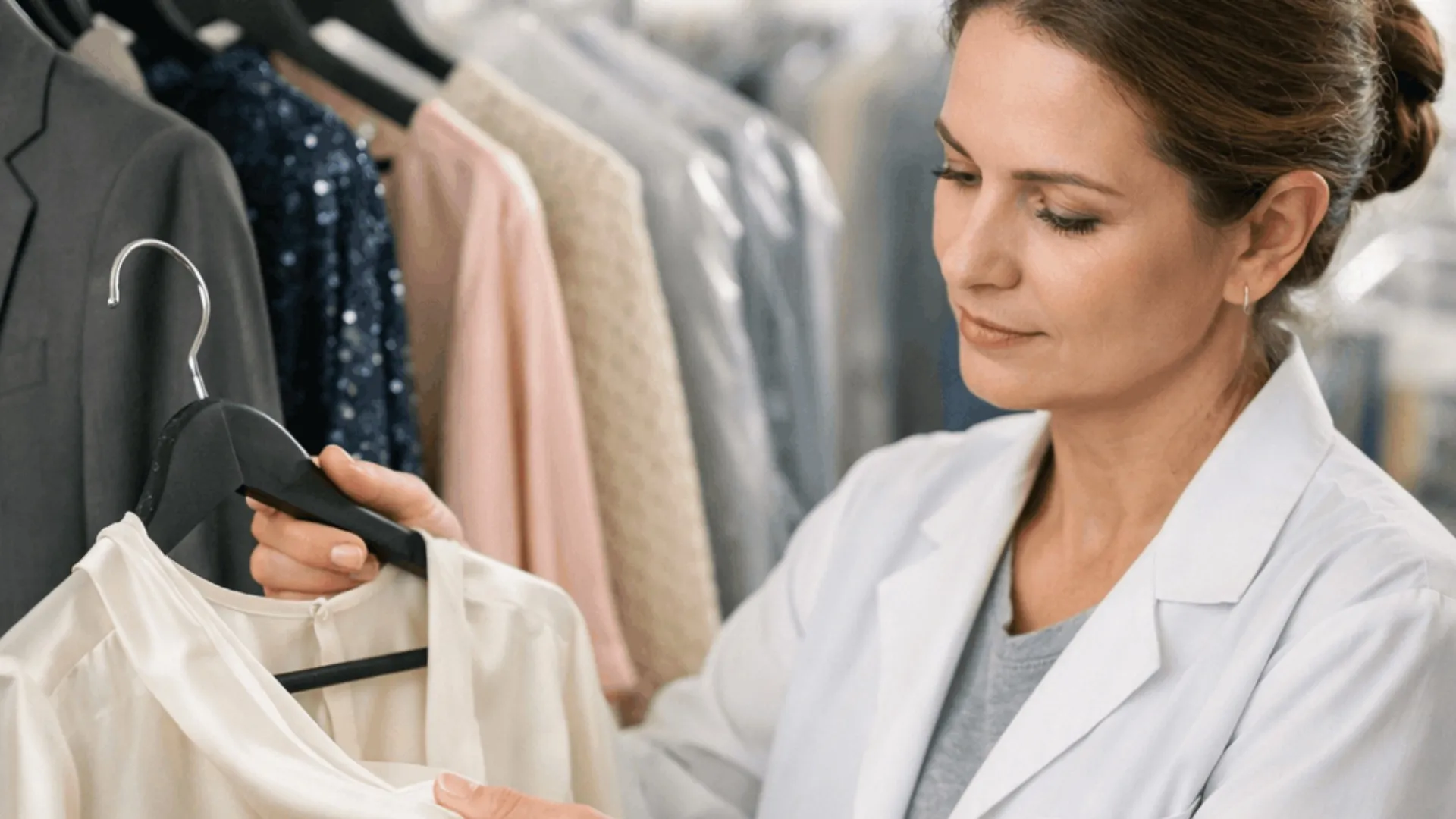
Home ironing and steaming are adequate for everyday garment maintenance. But in certain situations, professional care delivers results that home methods cannot match — and prevents damage that home methods risk causing.
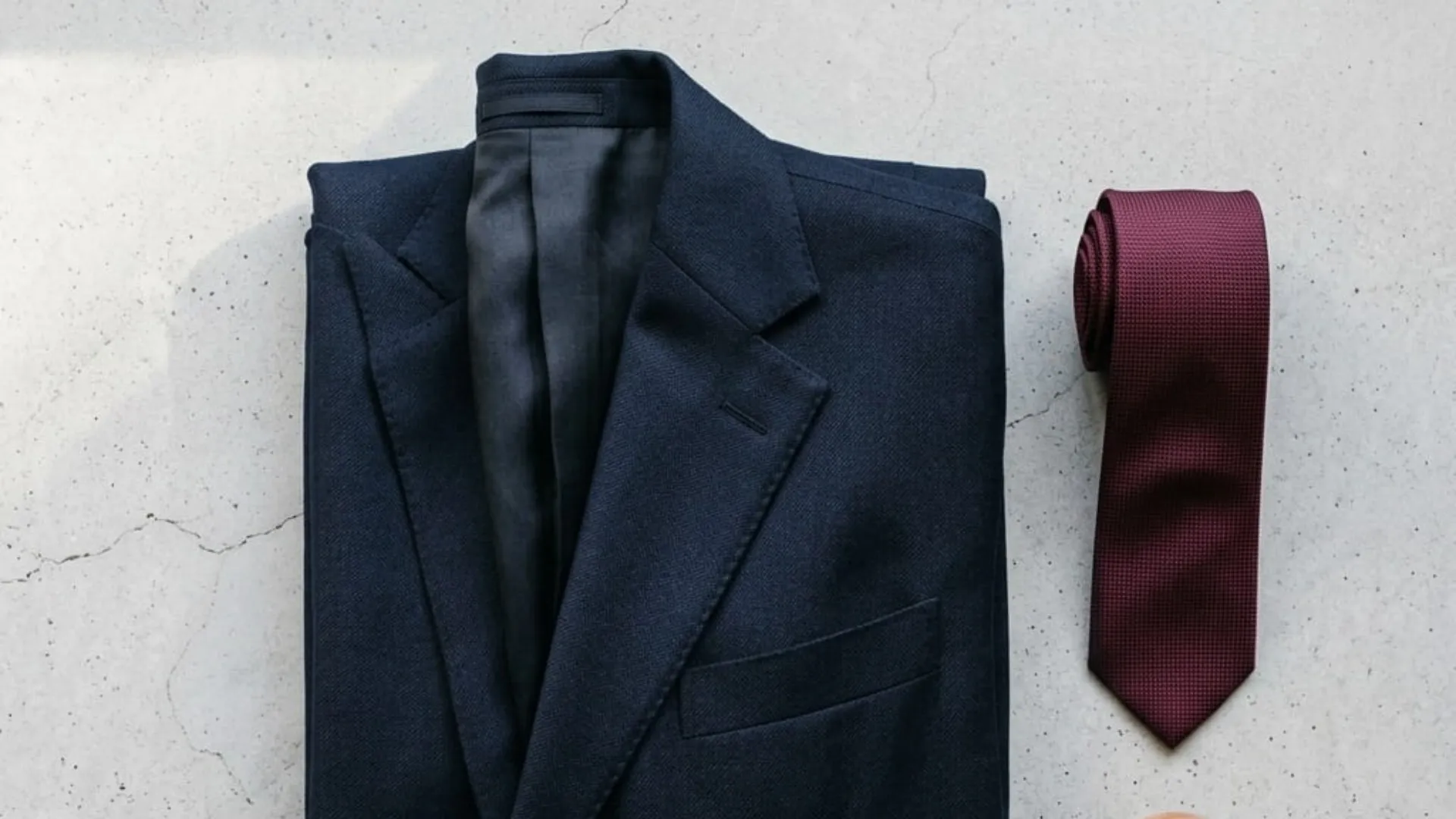
For valuable and delicate garments — cashmere coats, silk dresses, tailored suits — professional steam treatment is the safer and more effective choice. The steam pressure and temperature precision of home devices may not always be sufficient for these pieces.
For garments with deep, long-set creases, a home steamer may not be enough. The high-pressure steam of professional systems removes this kind of creasing much faster and more completely.
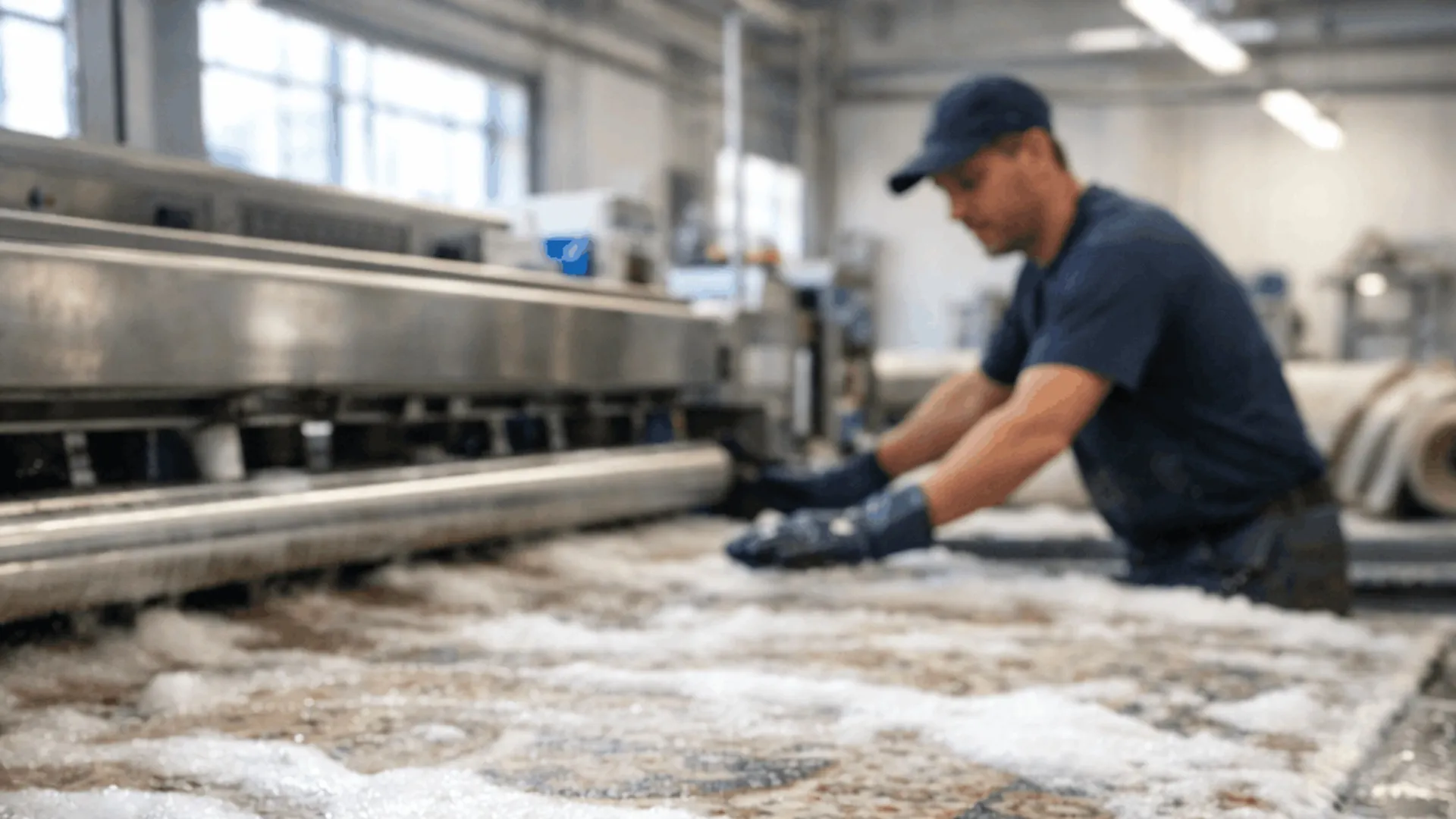
For curtains and large textile pieces, home ironing is neither practical nor effective enough. Professional curtain ironing processes large pieces hanging vertically, delivering a smooth, taut result that home ironing cannot replicate.
Finally, the finishing stage after dry cleaning is always carried out using professional steam systems. This step restores the garment's original shape and ensures it is ready to wear — a level of finish that home steaming cannot consistently achieve.
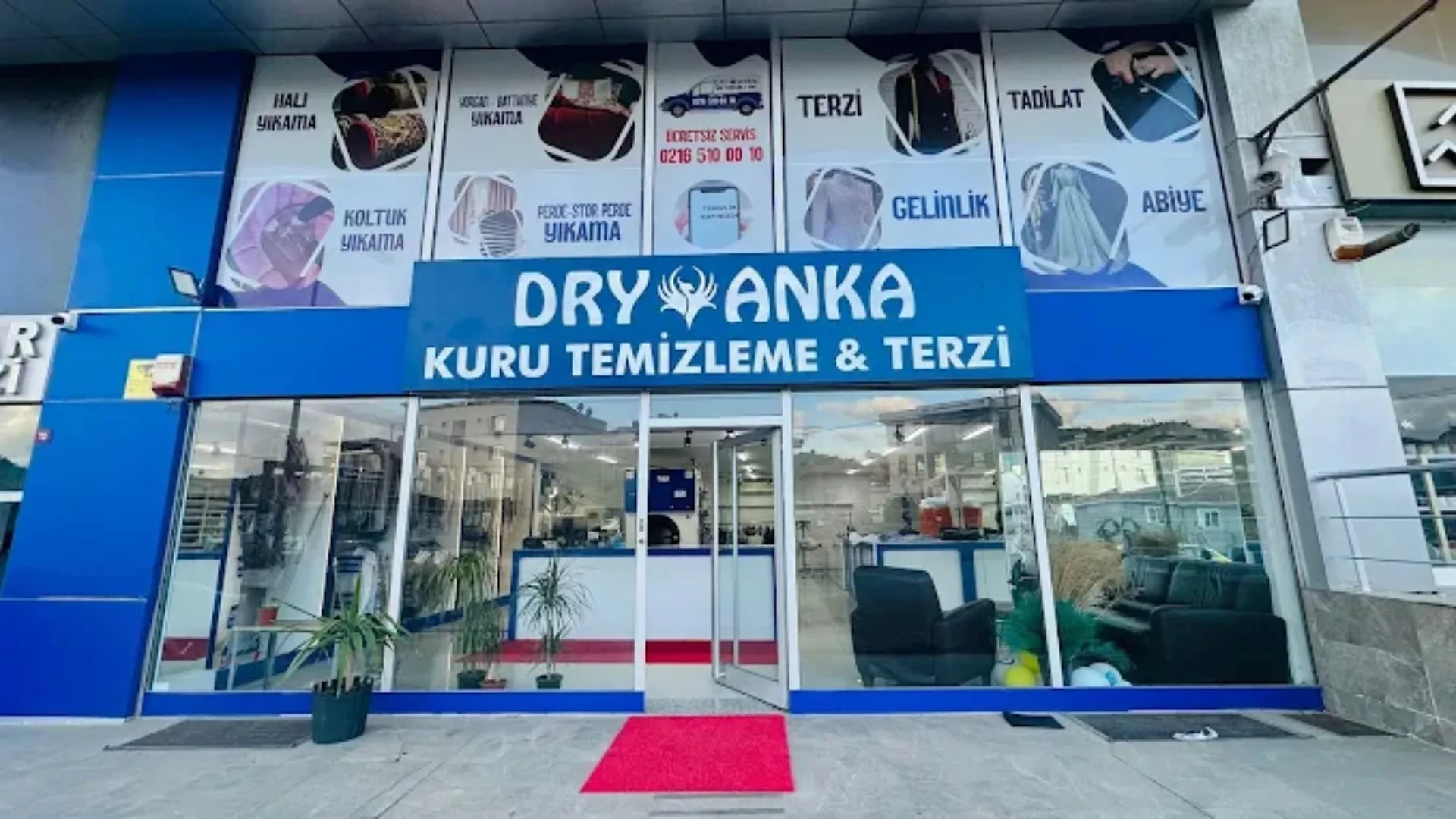
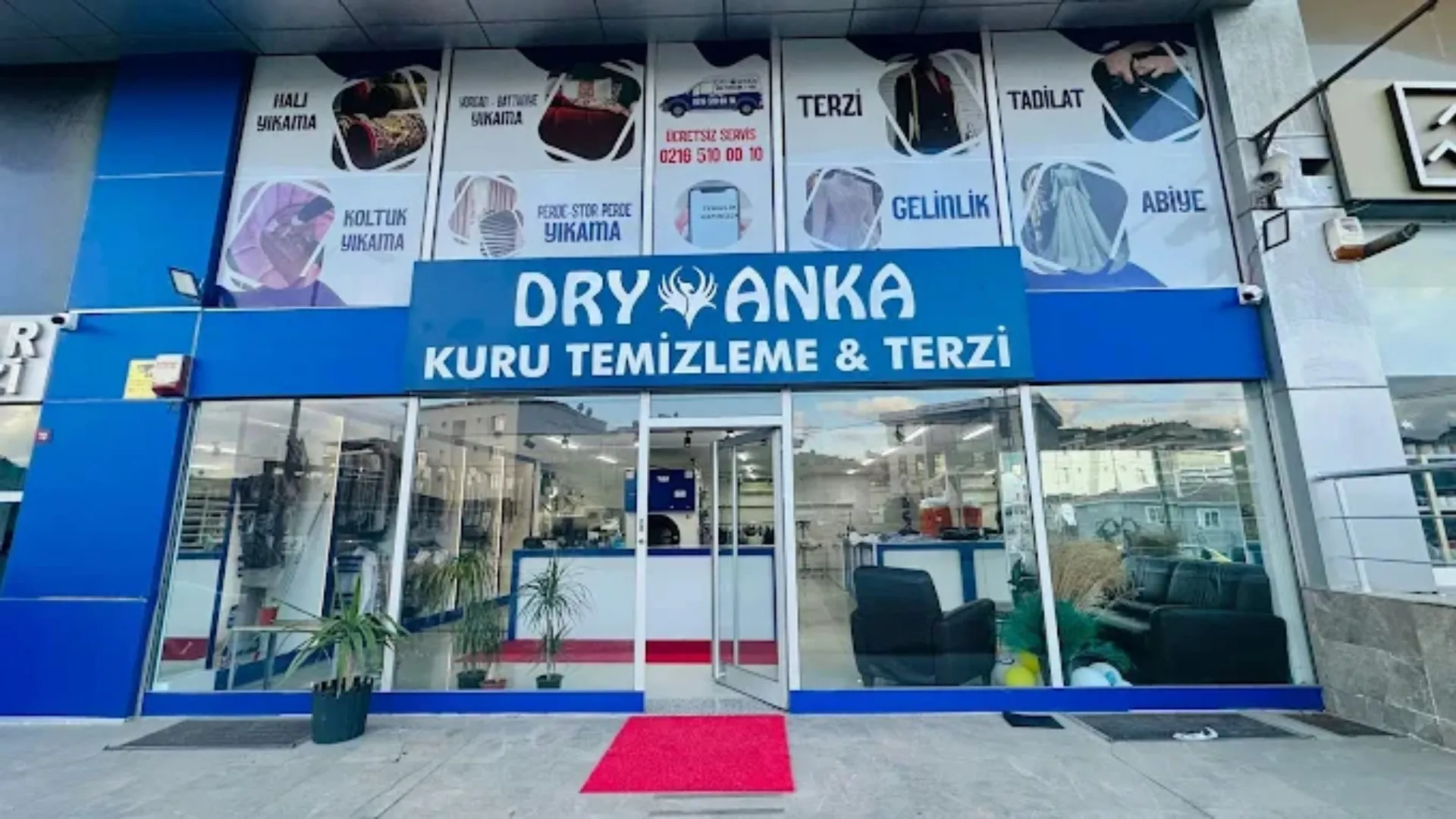
Dry Anka: Professional Steaming Across Istanbul's Anatolian Side
If you live in Kadıköy, Çekmeköy, Tuzla, Küçükyalı, or Fikirtepe, Dry Anka offers professional garment steaming for curtains, down jackets, and delicate clothing — with door-to-door collection and delivery.
Dry Anka's professional steam systems operate at pressure and temperature levels that home devices cannot reach. Down jackets are finished without any risk to the fill. Full-length curtains are processed hanging vertically and returned smooth and taut. Delicate garments are treated without any direct fabric contact, delivering a result that preserves both the appearance and the integrity of the fabric.
Once you book an appointment, your items are collected from your address at the agreed time and returned carefully packaged once the work is complete.
Conclusion: The Right Tool for the Right Fabric
There is no single answer to the question of steam iron versus flat iron. Each method has its strengths — and the best results come from matching the right method to the right fabric.
For cotton shirts, linen garments, and trousers that need sharp lines and precise results, a flat iron remains the right tool. For silk, velvet, wool, cashmere, and down jackets — fabrics that are sensitive to heat and pressure — a garment steamer is the only safe option.
Reading the care label, understanding the fabric, and choosing the method accordingly — these three steps have a direct and meaningful impact on both the ironing result and the long-term condition of the garment. The right tool not only makes the garment look better today; it keeps it looking better for years to come.