


Can You Wash a Down Jacket at Home — or Should It Go to the Dry Cleaner?
Down jackets are one of winter's most essential garments, worn daily and exposed to dirt, dust, and moisture with every use. Over time, grime works its way into the fabric and the fill gradually loses its insulating power. At some point, every down jacket owner faces the same question: can I wash this at home, or does it need to go to a professional?
There is no single answer that applies to every jacket — but if you ask the right questions, you can make the best decision for your own. In this guide, we cover the structure of down jackets, the real risks of home washing, when dry cleaning becomes necessary, and what professional care actually does for your garment.
What's Inside a Down Jacket? Understanding Your Fill
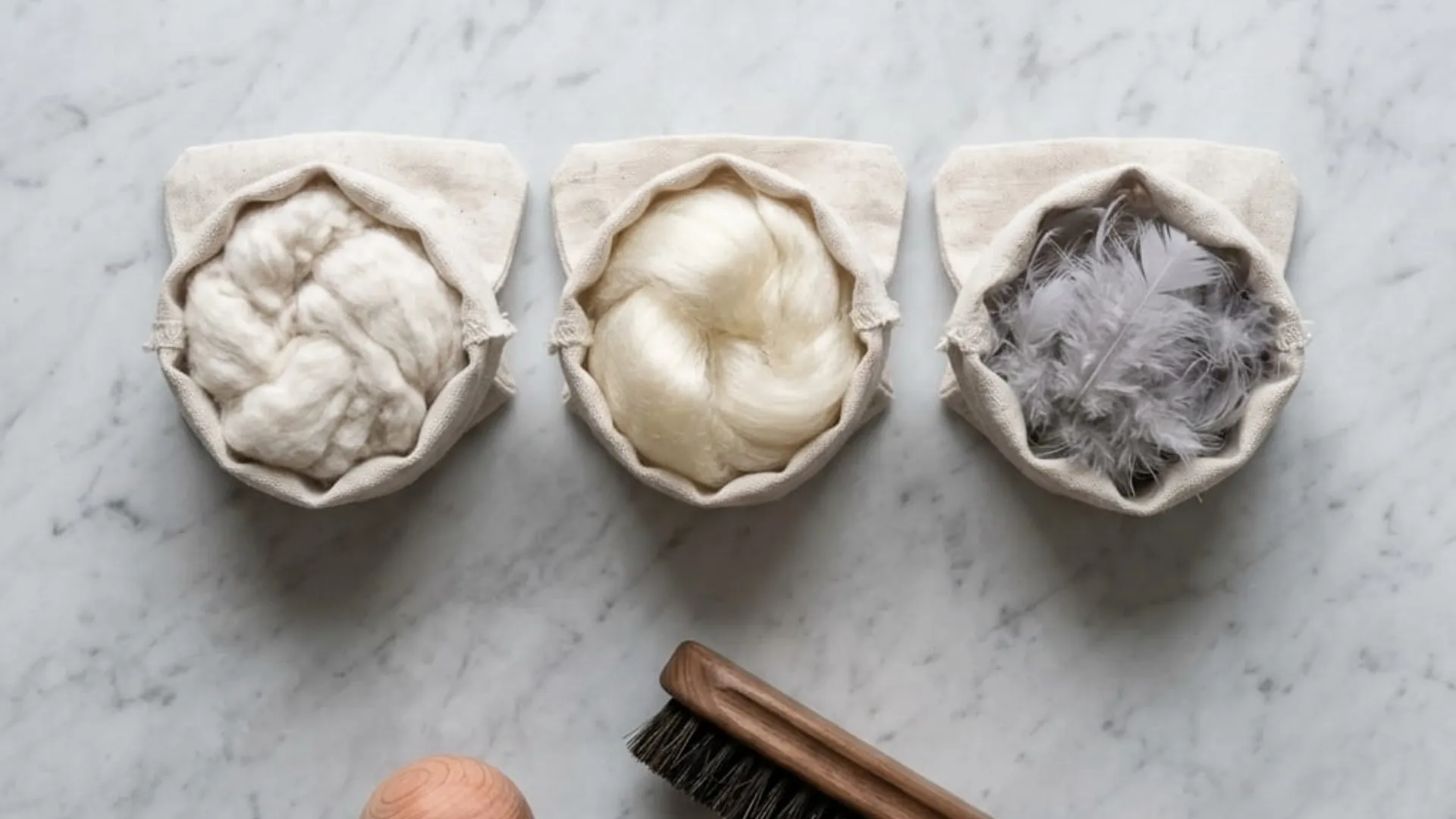
The quality and care requirements of a down jacket depend largely on its fill material. Jackets on the market fall into two main categories.
Natural down jackets are filled with duck or goose feathers. These materials are lightweight yet provide exceptional thermal insulation. However, when they come into contact with water, their structure breaks down — the feathers clump together and struggle to return to their original form after drying. Natural down jackets are therefore the least suitable category for home washing.
Synthetic fill jackets are made from polyester-based fibres. They handle water more tolerably, but incorrect washing and inadequate drying still cause the fill to clump, reduce insulation, and leave the jacket misshapen.
The easiest way to identify your fill type is the care label. If the label reads "duck down", "goose down", or their local language equivalents, the jacket has natural fill. If it reads "polyester fill" or "synthetic insulation", it is synthetic.
What Does the Label Say? Reading Care Symbols Correctly
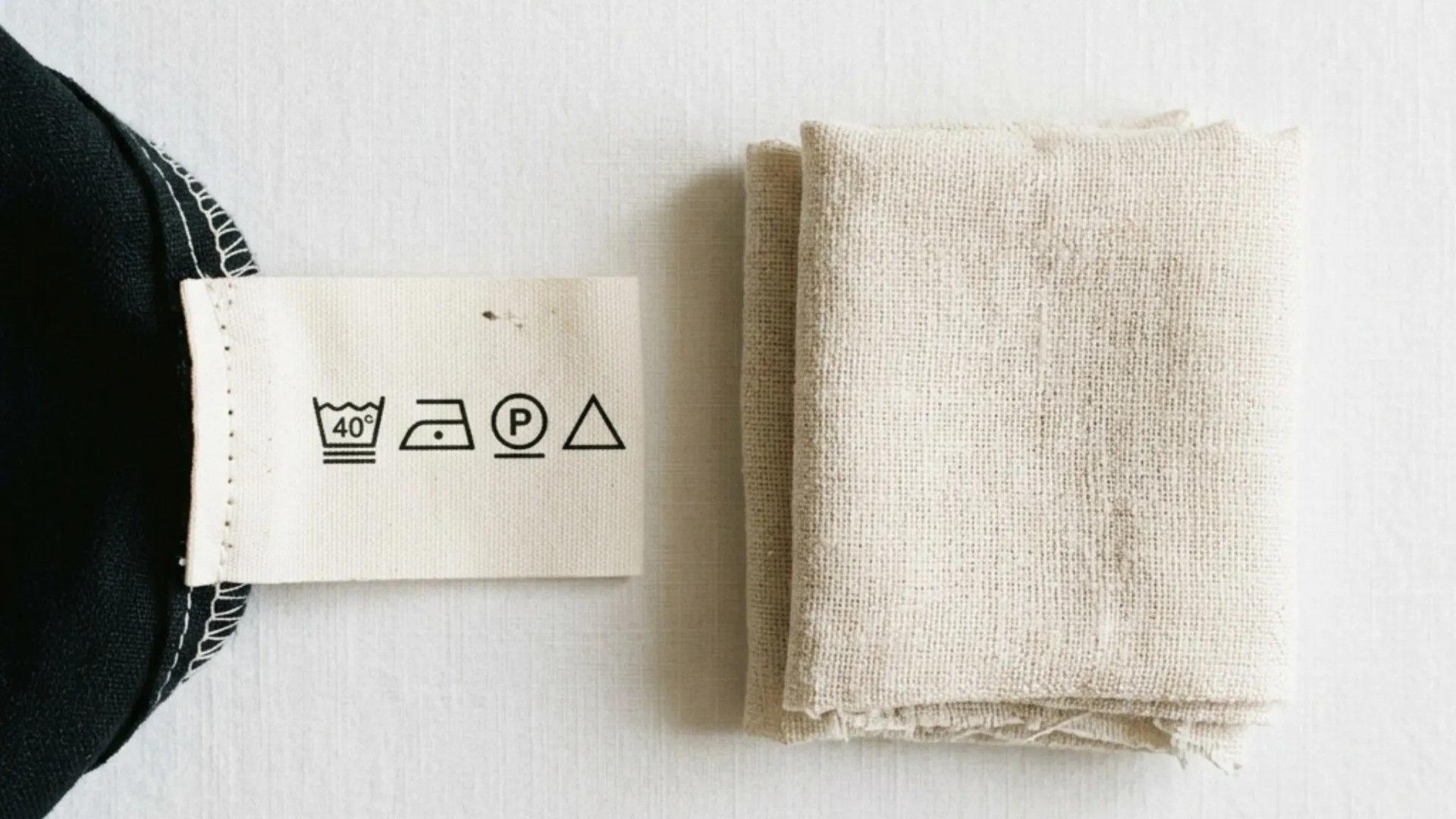
Every down jacket contains a small care label. This label reflects the safe care methods the manufacturer has determined through fabric and fill testing. Yet many owners misread these symbols — or ignore them entirely.
The key symbols to know are as follows. A hand inside a washtub means hand wash only — the jacket must not go into a machine. An X over a washtub means the jacket must not be wetted at all; this is a direct instruction to dry clean. A circle symbol indicates dry cleaning is required, with the letter inside specifying which solvents may be used. A triangle refers to bleach; if crossed out, bleach must never be used.
Even if the label says "machine washable", this should be read as a permission, not a guarantee. Machine washable does not mean a standard home machine will deliver a clean, undamaged result. The programme selected, the detergent used, and especially the drying method are the factors that determine the outcome.
The Risks of Washing at Home: More Complex Than It Looks
Many people wash their down jackets at home and encounter serious problems as a result. Some issues appear immediately; others quietly shorten the jacket's lifespan over time.
Fill clumping is the most common outcome of home washing. During the wash cycle, feathers or synthetic fibres stick together. If drying is not long enough or evenly distributed, these clumps become permanent. The jacket may look normal from the outside, but the fill inside is no longer evenly distributed — some areas become paper-thin while others remain bunched.
Permanent loss of thermal insulation follows naturally from clumping. When fill is unevenly distributed, the jacket's heat-retention capacity drops. This loss often goes unnoticed at first, but by the following winter, the jacket simply does not feel as warm as it once did.
Damage to the outer fabric is equally common. Down jackets typically have a thin nylon or polyester shell. These fabrics are not built for high-spin machine cycles. Excessive mechanical agitation dulls the surface, breaks down the water-resistant coating, and can cause tears over time.
Odour and moisture problems stem from inadequate drying. Home dryers and natural drying methods cannot reach deep enough into the fill to dry every layer fully. Residual moisture encourages mould growth and produces a persistent musty smell that is extremely difficult to remove once it sets in.
Damage to zippers and hardware is often overlooked. A jacket tumbling inside a machine subjects its zippers, buttons, and attachment points to friction — damaging both the jacket and the machine's drum.
When Is Dry Cleaning Non-Negotiable?
Not every down jacket needs professional dry cleaning. But there are situations where no home method will be adequate.
Jackets labelled "dry clean only" must go to a professional. This label means the manufacturer has determined that home washing is not safe for that specific fabric or fill combination.
Natural down jackets almost always require dry cleaning. The structural damage water causes to feathers cannot be reversed at home.
If the jacket has oil-based stains, home washing will not remove them fully. Oil does not break down with standard detergent; professional solvents are required.
Jackets with glossy surface finishes or water-resistant DWR coatings should not be machine washed. These coatings degrade in a standard wash cycle and the jacket's water-repellency is permanently compromised.
Finally, jackets that have not been cleaned in a long time — used across multiple seasons without professional care — should go to a dry cleaner. Accumulated grime and body oils penetrate deep into the fibres; a surface-level home wash will not be sufficient.
If You Do Wash at Home: Everything You Need to Know
If your jacket's label permits machine washing and it has a synthetic fill, home washing is an option. But small mistakes in the process can have serious consequences. The following steps must be followed without exception.
Choose the right programme. Use cold water or a maximum of 30 degrees, low spin, and a delicate cycle. Standard cotton or synthetic programmes place too much mechanical load on a down jacket.
Choose the right detergent. Standard laundry detergents are not suitable for down or synthetic fill. Use a specialist product sold as "down wash" or "down care detergent". These are formulated to preserve the structure of the fill. Regular detergent leaves residue that builds up over time and reduces insulation.
Close all zippers. Closing every zip and fastening before washing protects both the jacket and the machine drum from abrasion.
Wash alone. Washing a down jacket with other garments risks damaging both. The machine should contain the jacket only.
Drying is more critical than washing. The riskiest stage of home washing is drying. Use a tumble dryer on a low heat setting for an extended cycle. If you do not have a dryer, lay the jacket flat on a clean surface and turn it by hand every few hours to prevent the fill from settling. Hanging the jacket to dry causes the fill to sink to the bottom — avoid this.
The tennis ball method. Adding a few clean tennis balls or dedicated dryer balls to the drum during drying helps break up clumps as the jacket tumbles. This small step significantly reduces the risk of permanent fill clumping.
Even if you follow every one of these steps correctly, the result will not match the quality of professional dry cleaning. Home washing is a temporary solution for lightly soiled synthetic-fill jackets with labels that permit it — for regular deep cleaning, it will always fall short.
What Does Professional Dry Cleaning Actually Do?
The difference between dry cleaning and home washing goes beyond surface cleanliness. The professional process has a direct impact on the long-term condition of your jacket.
No water is used. The chemical solvents used in dry cleaning provide a deep clean without stressing the fill. Feathers and synthetic fibres never come into contact with water, so clumping is not a risk.
Controlled drying. Professional drying equipment operates with far more precise temperature and humidity control than a home dryer. The fill dries fully and evenly, and the jacket recovers its original loft.
Stain treatment. Before cleaning begins, the jacket is inspected in detail. Oil stains, food marks, and paint are identified and pre-treated with appropriate solvents — a step that home washing skips entirely.
Fabric and coating protection. Water-resistant DWR coatings and surface finishes are not damaged by dry cleaning solvents. The jacket's original water-repellency is preserved.
Long-term cost advantage. A jacket damaged by incorrect home washing is usually beyond repair. Fill clumping, fabric deformation, and coating loss are permanent. Regular professional care prevents this damage and significantly extends the jacket's lifespan. Calculated over time, one professional clean per season costs considerably less than replacing the jacket early.
How Often Should You Have Your Down Jacket Cleaned?
The answer depends on how frequently you wear it and what type of fill it contains.
For daily wearers, professional cleaning once per season — ideally before storing the jacket at the end of winter — is recommended. Storing a clean jacket protects the fill's freshness for the following year.
For occasional wearers, professional cleaning every two seasons may be sufficient. However, visible stains or odour should be addressed promptly rather than left until the next scheduled clean.
For natural down jackets, annual cleaning is advisable. These jackets absorb moisture and dirt more readily than synthetic alternatives, and leaving them too long makes the cleaning process harder.
Children's jackets tend to get dirty more frequently and may need an additional clean mid-season. Food stains and mud are common and should be treated before they set.
Before You Store It: End-of-Season Care Guide
Correct storage is one of the most important factors in preserving a down jacket's quality from one season to the next. Many people put their jacket away without cleaning it first — this is a significant mistake.
Jackets stored without cleaning retain body oils, sweat residue, and surface grime that slowly degrade the fibres during long-term storage. Over time this causes yellowing and weakens the fabric. Residual moisture, even in small amounts, accelerates bacterial and mould activity in a sealed storage environment — and when you open the jacket the following autumn, it may carry an unpleasant smell.
The correct end-of-season process is straightforward. First, have the jacket professionally dry cleaned so it goes into storage completely clean and dry. Then store it uncompressed — on a wide hanger or laid flat — rather than folded tightly. Vacuum storage bags may seem practical, but keeping fill compressed for months permanently reduces its loft and insulating capacity. Finally, choose a cool, dry, dark storage space. Areas with direct sunlight or humidity damage both the fabric and the fill over time.
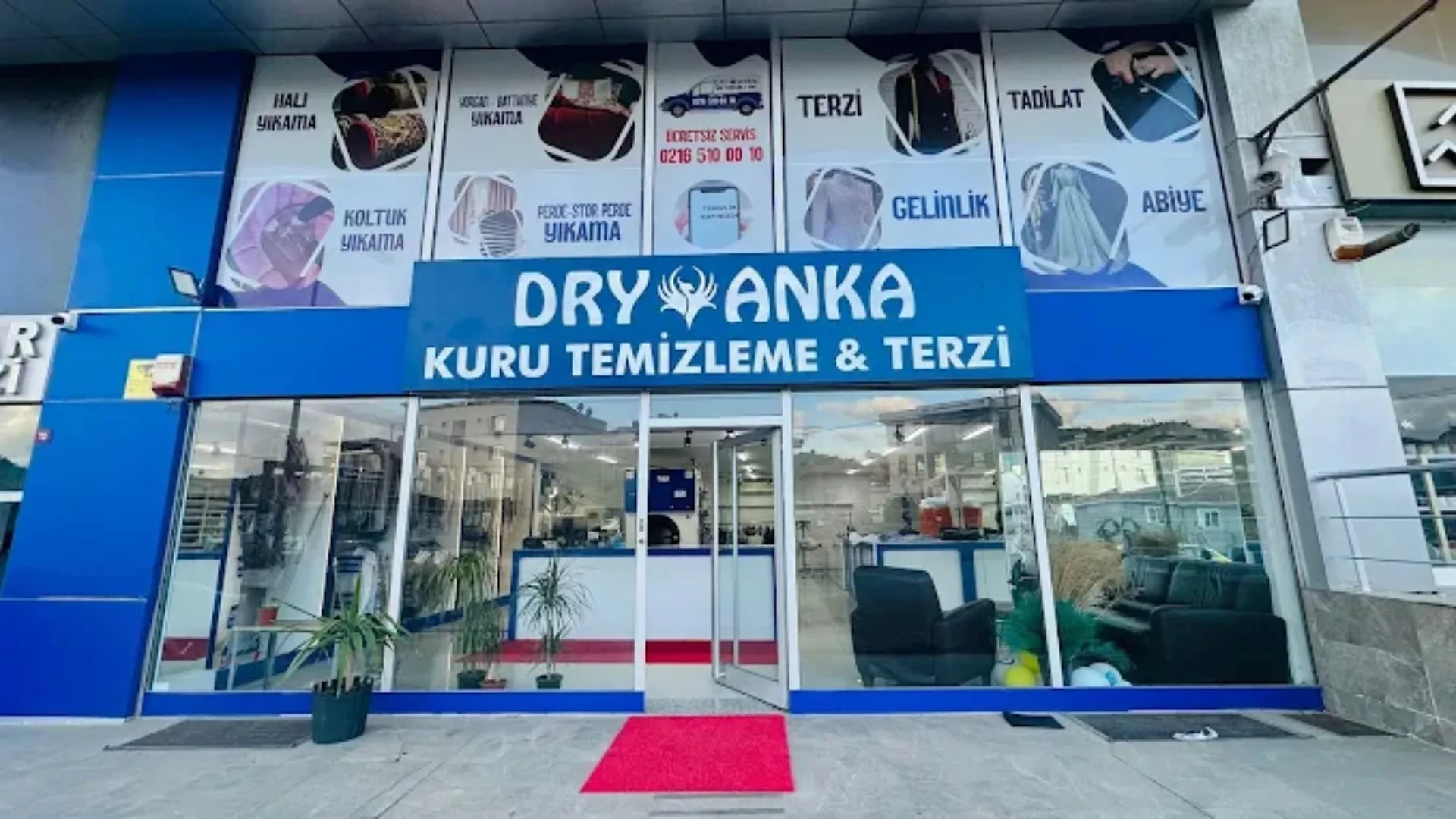
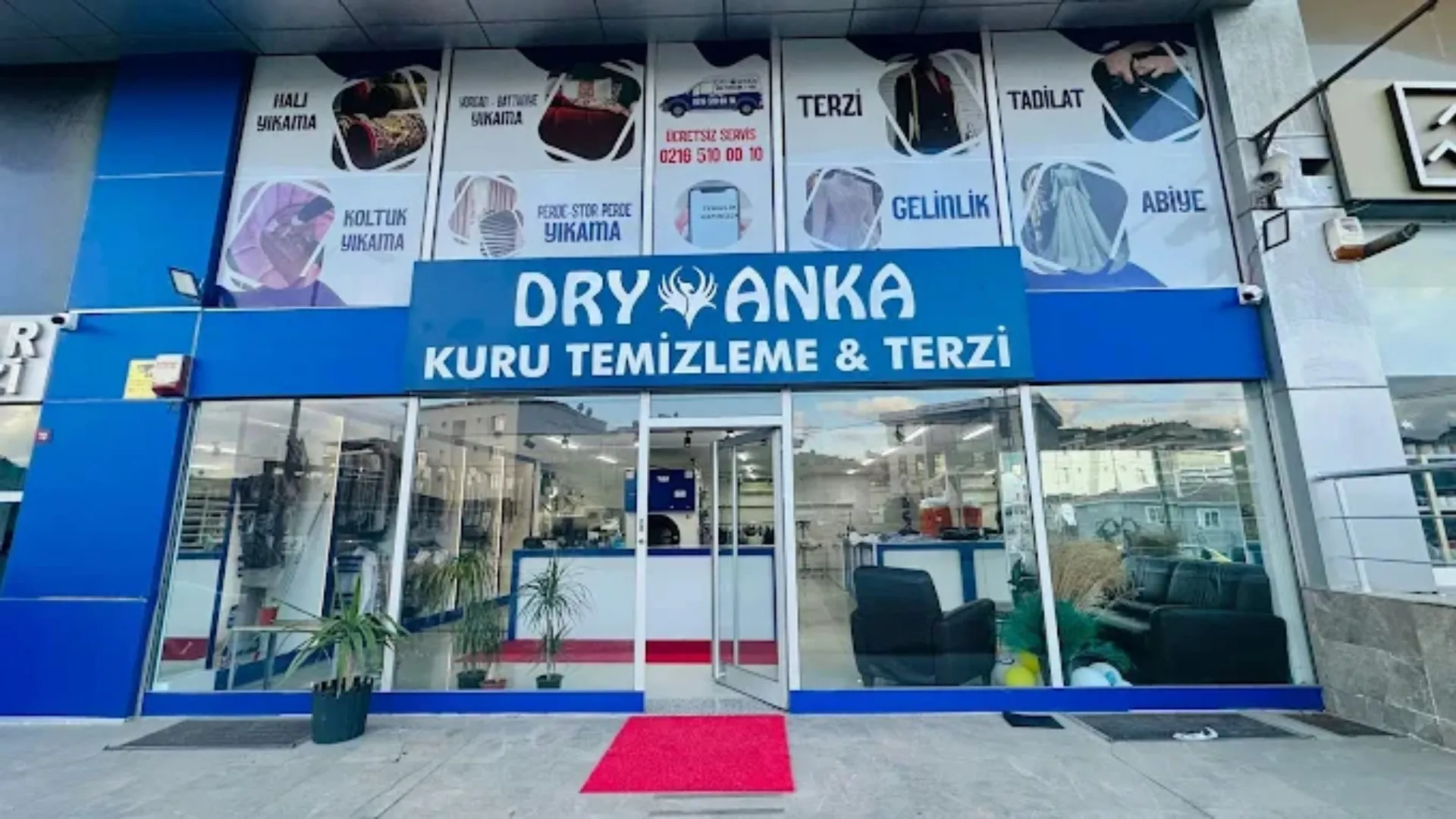
Dry Anka: Door-to-Door Down Jacket Care on Istanbul's Anatolian Side
If you live in Kadıköy, Çekmeköy, Tuzla, Küçükyalı, or Fikirtepe, Dry Anka offers professional down jacket dry cleaning and steaming with door-to-door collection and delivery.
The process is straightforward. Once you book an appointment, your jacket is collected from your address at the agreed time. At collection, the jacket type, fill material, and any existing stains are noted and the appropriate treatment method is confirmed. After cleaning, the jacket is returned to your door using a dedicated hanger and packaging system that protects the fill during transit.
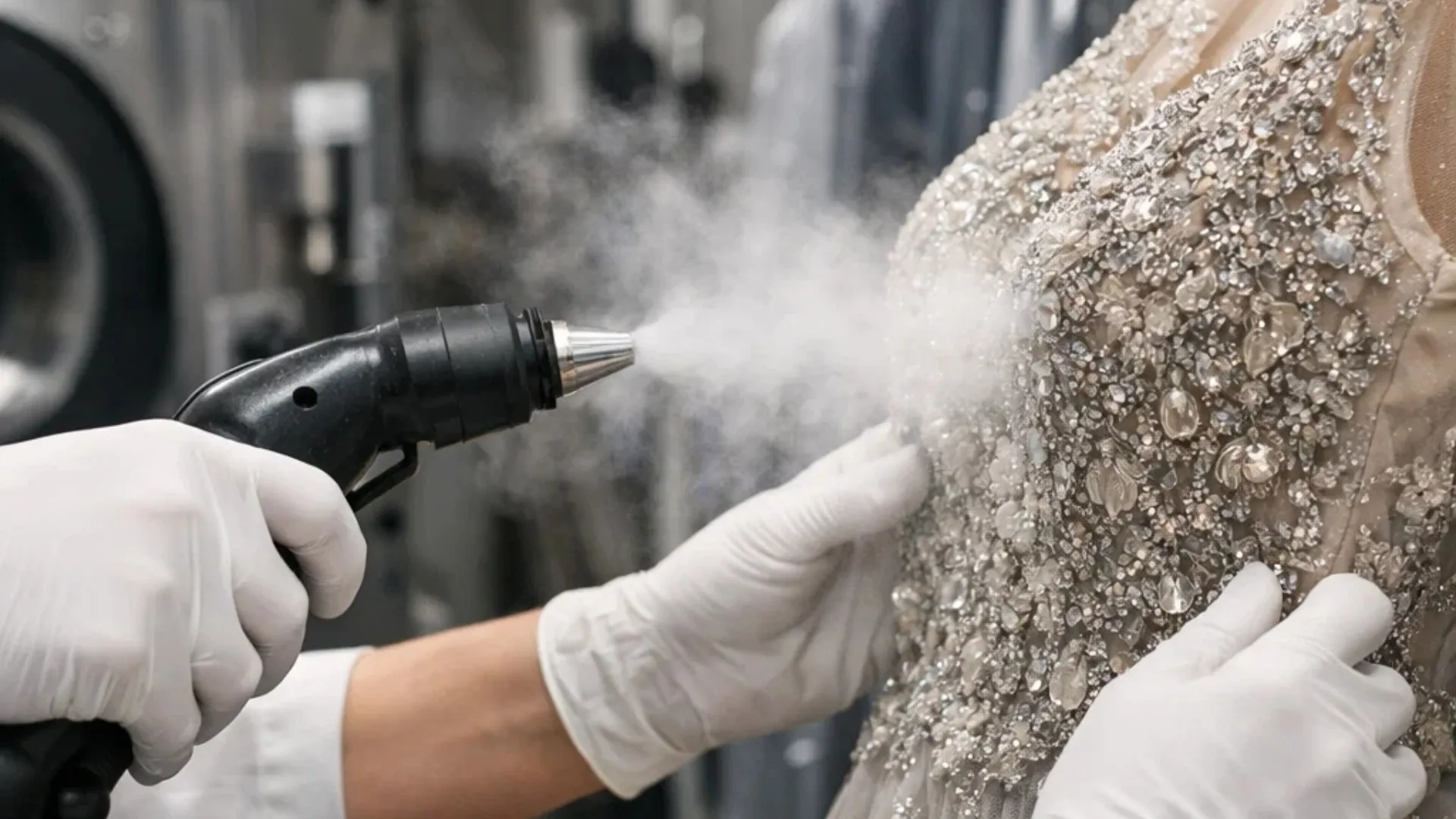
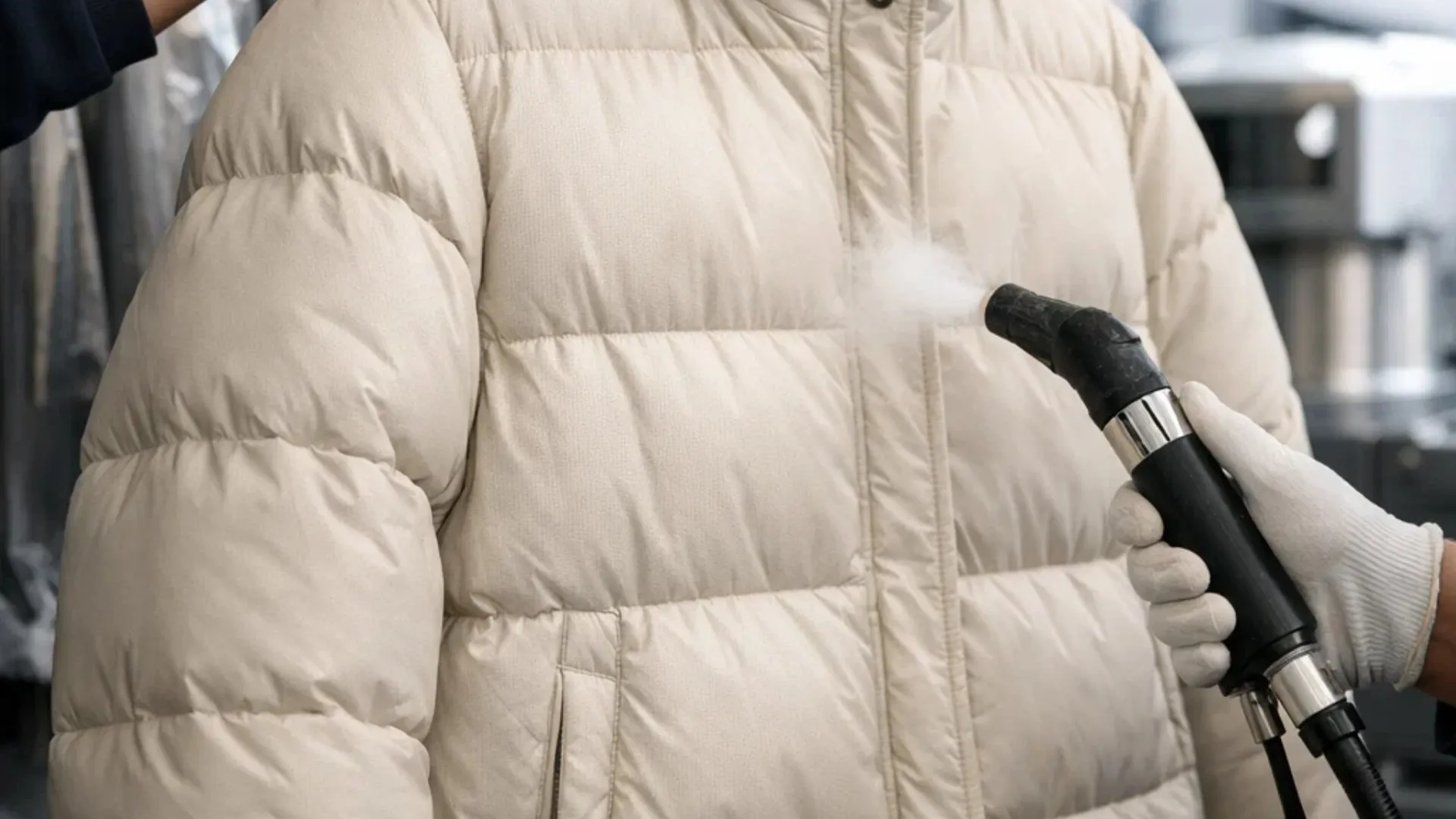
Dry Anka's service extends beyond cleaning. The down jacket steaming service addresses creases and pressure marks that develop after washing, using professional steam equipment that never makes direct contact with the fabric. Your jacket is returned both clean and properly shaped.
Conclusion: Which Method Should You Choose?
Deciding whether to wash your down jacket at home comes down to three questions.
What does the care label say? If it specifies dry cleaning or hand washing only, home machine washing is not an option.
Is your fill natural down? If yes, dry cleaning is almost always the right choice.
Does your jacket have deep stains, oil residue, or persistent odour? If so, home washing will not be sufficient.
If you answered yes to even one of these questions, professional dry cleaning is both the safer and the more economical choice in the long run. Your jacket is a quality investment — its care should reflect that.
Total word count: ~1.600 words Target keywords: can you wash a down jacket at home, down jacket dry cleaning, down jacket care, puffer jacket fill clumping, how to clean a down jacket, Anatolian Side dry cleaning