

Stain Removal Guide: The Right Method for Every Fabric
When something spills on a garment, the instinct is to act fast. But speed without the right method turns a simple stain into permanent damage. The two variables that determine what you should do are the type of stain and the fabric it has landed on. Get that combination wrong and the stain goes deeper, not out.
In this guide I will cover the most common stain types, which approach works on which fabric, and when home treatment is simply not enough. Where relevant, I have linked to Dry Anka's service pages so you can see which garments can be professionally treated.
The Starting Point: Know the Fabric, Then Act
Before doing anything to a stain, two questions need an answer: what kind of substance caused it, and how sensitive is the fabric?
Stains fall into three broad categories. Water-based stains — tea, coffee, fruit juice, wine — respond to cold water and appropriate detergent. Oil-based stains — cooking oil, cosmetics, grease — resist water-based solutions and need a different approach entirely. Protein-based stains — blood, egg, milk — coagulate in heat; cold water is non-negotiable.
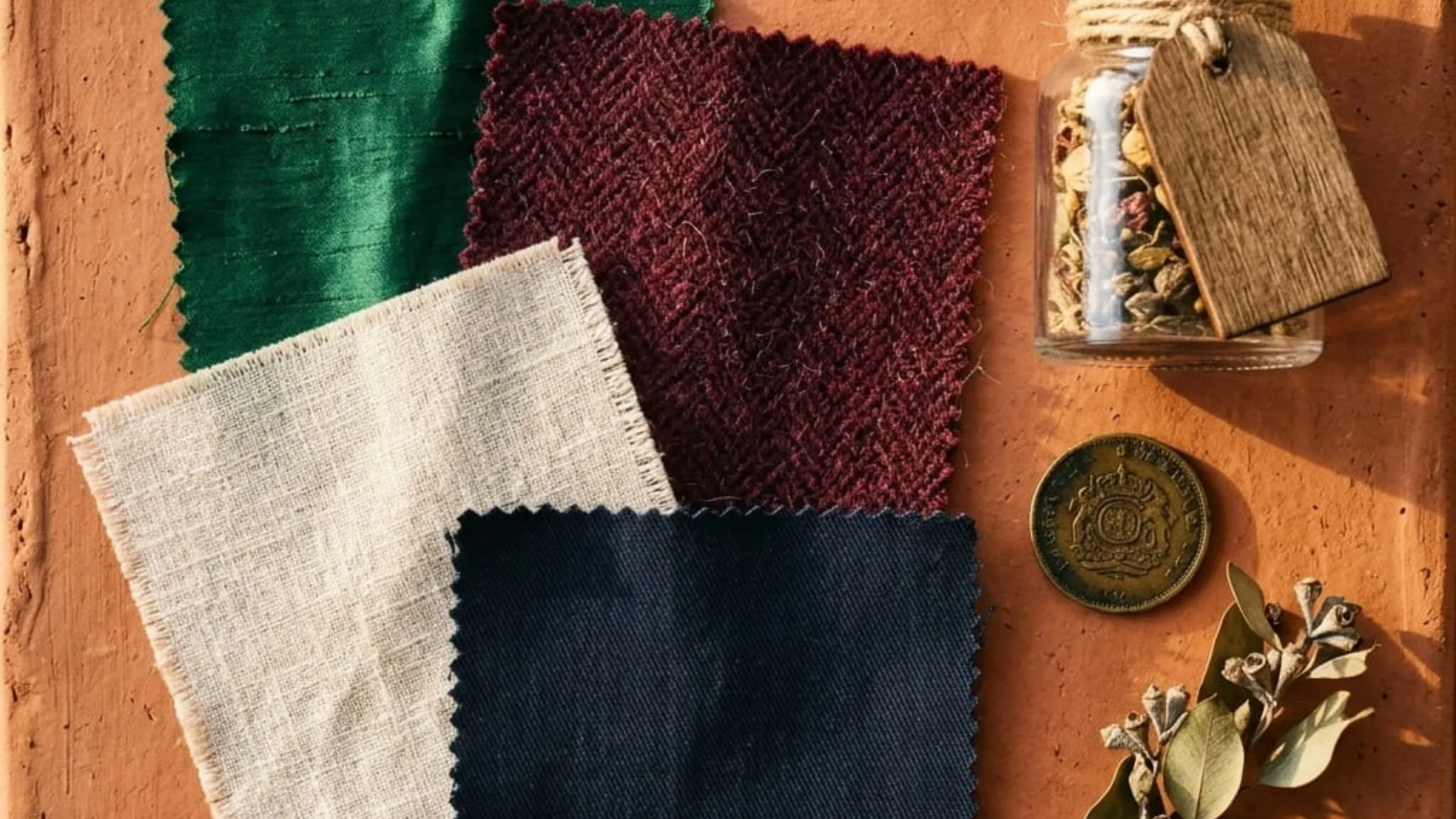
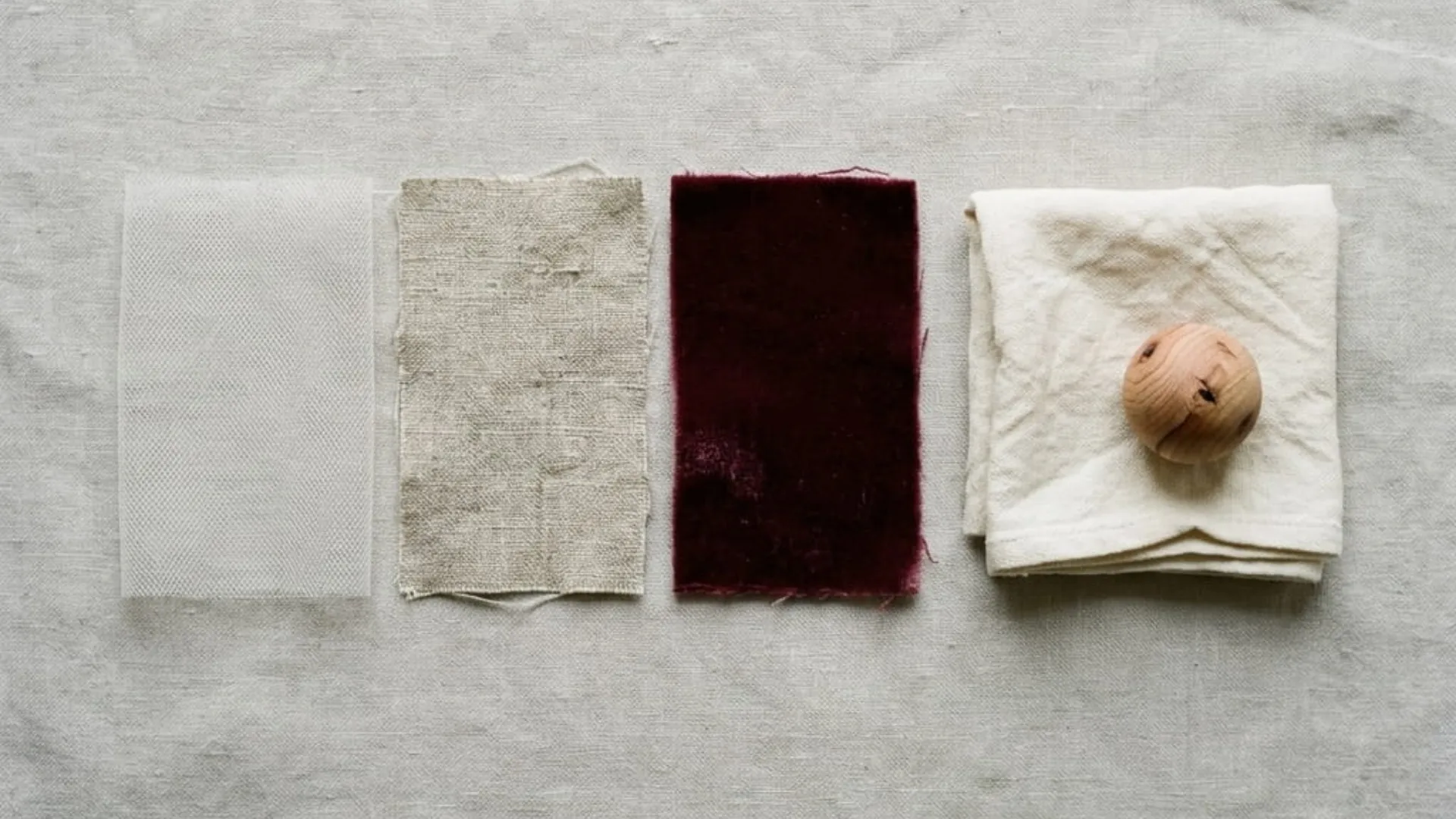
Fabric sensitivity increases in roughly this order: cotton and linen are the most forgiving; polyester and synthetics sit in the middle; wool, cashmere, silk, and velvet are the most sensitive — on these, a wrong move causes more damage than the stain itself.
The Rules That Apply to Every Stain
Whatever the stain and whatever the fabric, a few principles never change.
Never rub. Rubbing pushes stain molecules deeper into the fabric and spreads them to a larger area. Always blot — press gently with a clean, dry cloth to absorb the excess.
No hot water for protein stains. Blood, egg, and milk coagulate under heat. Once a protein stain has set, it is locked into the fibre.
Do not wait. A fresh stain is always easier to remove. Deciding to deal with it later is one of the most expensive decisions you can make in garment care.
Test first. Before applying any product, test it on a hidden area of the garment — the inside of the collar, a hem fold. Colour change or fabric distortion means the product is not suitable for this piece.
Stain by Stain
Coffee and Tea
Fresh coffee or tea responds well to cold water applied immediately. Hold the garment under cold running water or press with a damp cloth to dilute the stain. A small amount of washing-up liquid worked into a light foam and pressed onto the stain, left for five minutes, then rinsed with cold water handles most cases.
For older coffee stains, a pre-soak with equal parts white vinegar and cold water helps. Hot water or a tumble dryer will set these stains permanently.
For silk blouses or other delicate pieces, professional dry cleaning with specialist pre-treatment is safer than home treatment.
Wine
The instinct to pour salt on red wine is common but only partially useful. Salt absorbs surface liquid but does not stop the stain working into the fabric.
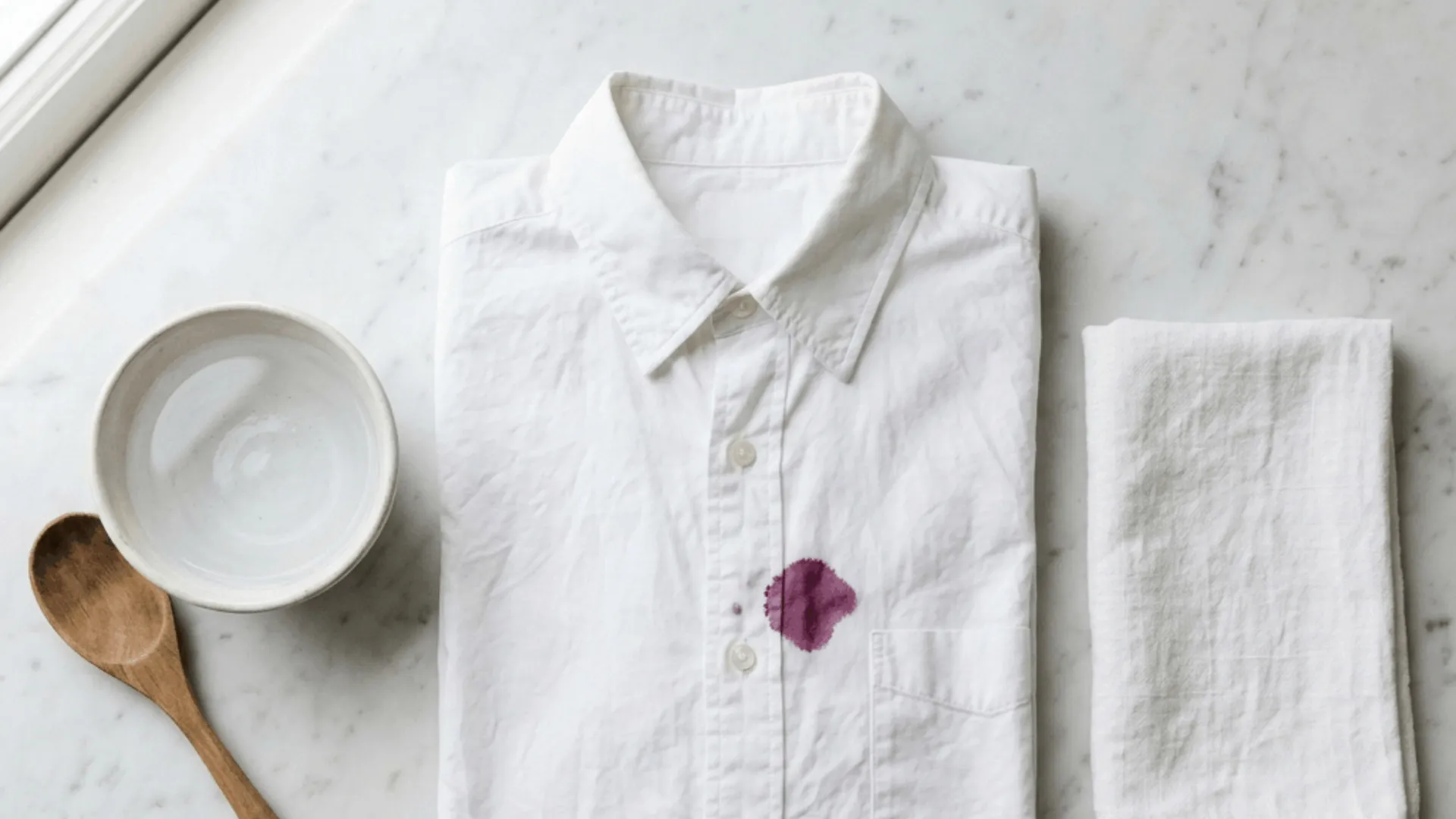
The correct approach: blot first to absorb the excess, then dilute with cold water. Sparkling water is effective here — the carbonation pulls stain molecules toward the surface. A small amount of liquid detergent pressed gently onto the stain, then rinsed with cold water, handles most fresh cases.
Old red wine stains do not come out fully at home — particularly on sensitive pieces like knitwear or coats. Professional treatment is the right move at that point.
Oil and Grease
Oil-based stains are where water is least useful. Water and oil do not mix — adding water to a fresh oil stain can spread it further.
For a fresh oil stain, apply cornstarch or talcum powder directly onto the stain and leave it for 15 to 20 minutes. The powder absorbs the oil. Brush it away gently, then apply a small amount of washing-up liquid and rinse with cold water.
Old oil stains need more than this. On structured garments like jackets, trousers, or dresses, old oil stains are best handled by Dry Anka's professional pre-treatment process.
Blood
One rule only: cold water. Hot water coagulates blood protein and makes the stain permanent.
Fresh blood rinsed immediately under cold water comes out largely on its own. For slightly more stubborn cases, soak in cold water for 30 minutes then wash gently with a small amount of detergent. Hydrogen peroxide can be applied in small amounts — but test on a hidden area first; it lifts colour on darker fabrics.
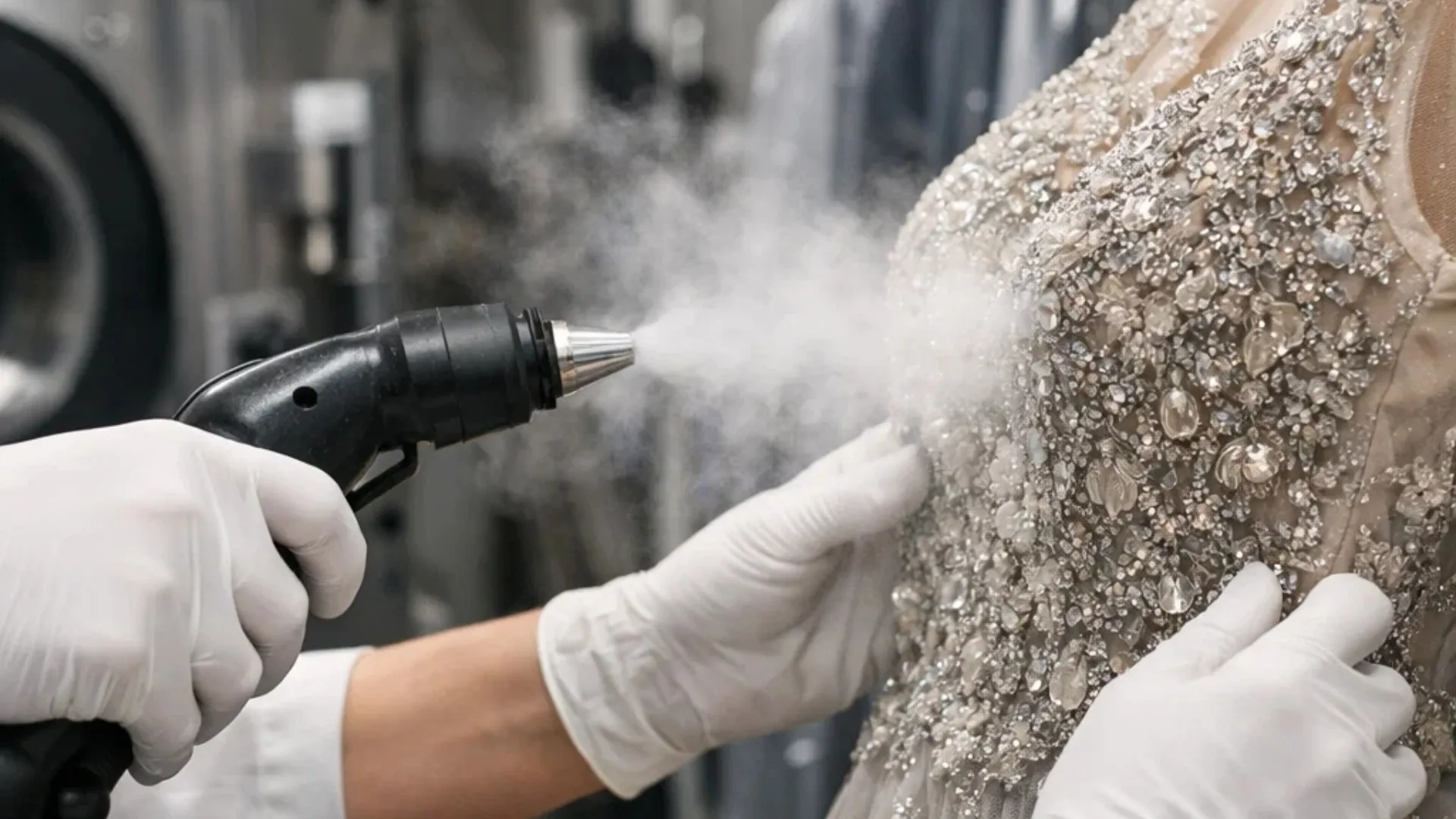
Dried blood stains may not come out fully at home. On valuable pieces like evening gowns or wedding dresses, go directly to a professional rather than experimenting.
Chocolate
Chocolate contains both fat and organic matter, which calls for a two-step approach. Lift the solid part first using a spoon or a blunt edge — lifting, not rubbing. Apply talcum powder to address the oil component, wait, then brush away gently. Follow with washing-up liquid and cold water.
Hot water sets chocolate stains. Before putting anything in the tumble dryer, check that the stain is fully gone — the heat will lock in anything that remains.
Ink and Ballpoint Pen
Isopropyl alcohol or alcohol-based hand sanitiser applied to a paper towel and pressed onto the stain transfers the ink from the fabric to the towel. Work with a clean section each time, repeating until the stain is gone.
This does not work on every fabric. On silk, velvet, or delicate materials, alcohol opens the colour. For silk scarves or foulards, ink stains are safer left to professional dry cleaning. Fountain pen ink is significantly more stubborn — home attempts usually spread it further.
Sun Cream
The most persistent summer stain. The UV filters in sun creams — particularly avobenzone — react with sweat and body oil to produce yellowing that works its way deep into the fabric.
Heat is the enemy here. A hot wash or tumble dryer accelerates the reaction and makes the stain permanent. Cold pre-soaking, an enzyme-based detergent, and a cold wash give the best result at home. If the stain does not shift, do not wait — take it to a professional.
For swimwear, dresses, or blouses with sun cream staining, Dry Anka's pre-treatment handles cases that home washing cannot resolve.
Fabric-Specific Restrictions
Silk
Water marks easily on silk — areas that dry at different rates leave permanent rings. If water is applied, the entire surface needs to be dampened evenly, not just the stain area.
Detergent application carries risk on silk. For silk blouses, scarves, or any fine silk piece, professional dry cleaning is the safer first choice for stain treatment.
Wool and Cashmere
Heat and mechanical agitation cause wool to felt. On these fabrics, rubbing is off the table entirely. Cold water and gentle blotting — and no hot water under any circumstances.
The kazak (knitwear) dry cleaning and hirka (cardigan) dry cleaning pages cover professional stain treatment for wool and cashmere pieces.
Velvet
Any pressure applied to velvet crushes the pile and leaves a permanent mark. Even stain treatment — blotting, pressing — risks damaging the surface. Light cold water dampening and free air drying, followed by professional dry cleaning, is the safest sequence.
Leather
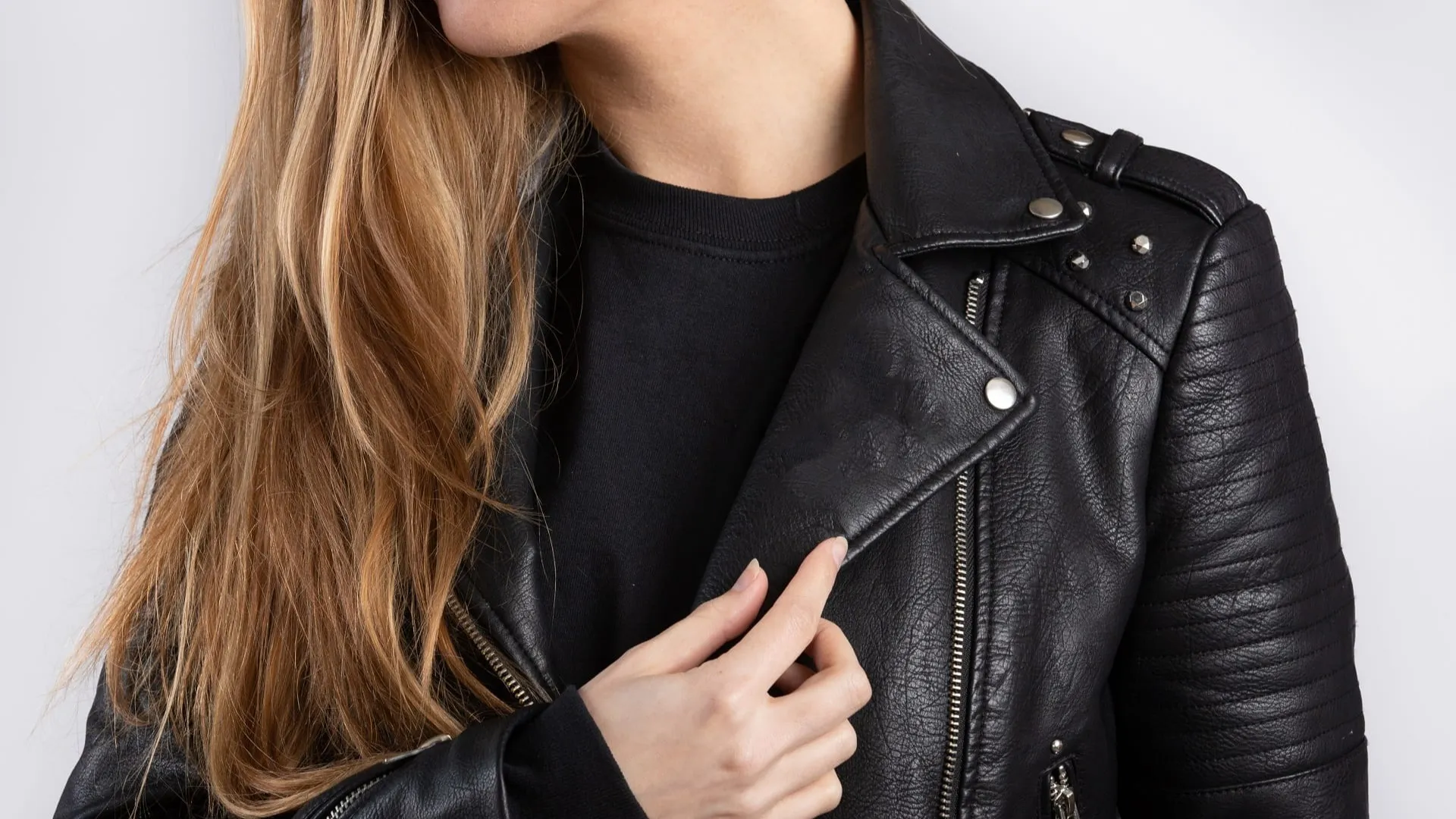
Water use on leather should be minimal and controlled. For leather jackets or leather bags, talcum powder works for fresh oil stains, but alcohol and solvents damage the leather surface — avoid these entirely.
When Professional Treatment Is the Only Option
Home stain removal has real limits. In the following situations, professional cleaning is the only reliable path.
The stain has been there more than 24 hours. Once a stain has set into the fibre, home treatment reaches the surface but not what is underneath. Professional pre-treatment and specialist solvents reach deeper.
The fabric is sensitive. On silk, velvet, cashmere, wedding dresses, or evening wear, a wrong move at home can cause as much damage as the stain itself.
The stain type is unknown. If you do not know what caused the stain, you cannot know which solvent to use. The wrong one changes the stain's chemical structure and makes it harder to remove.
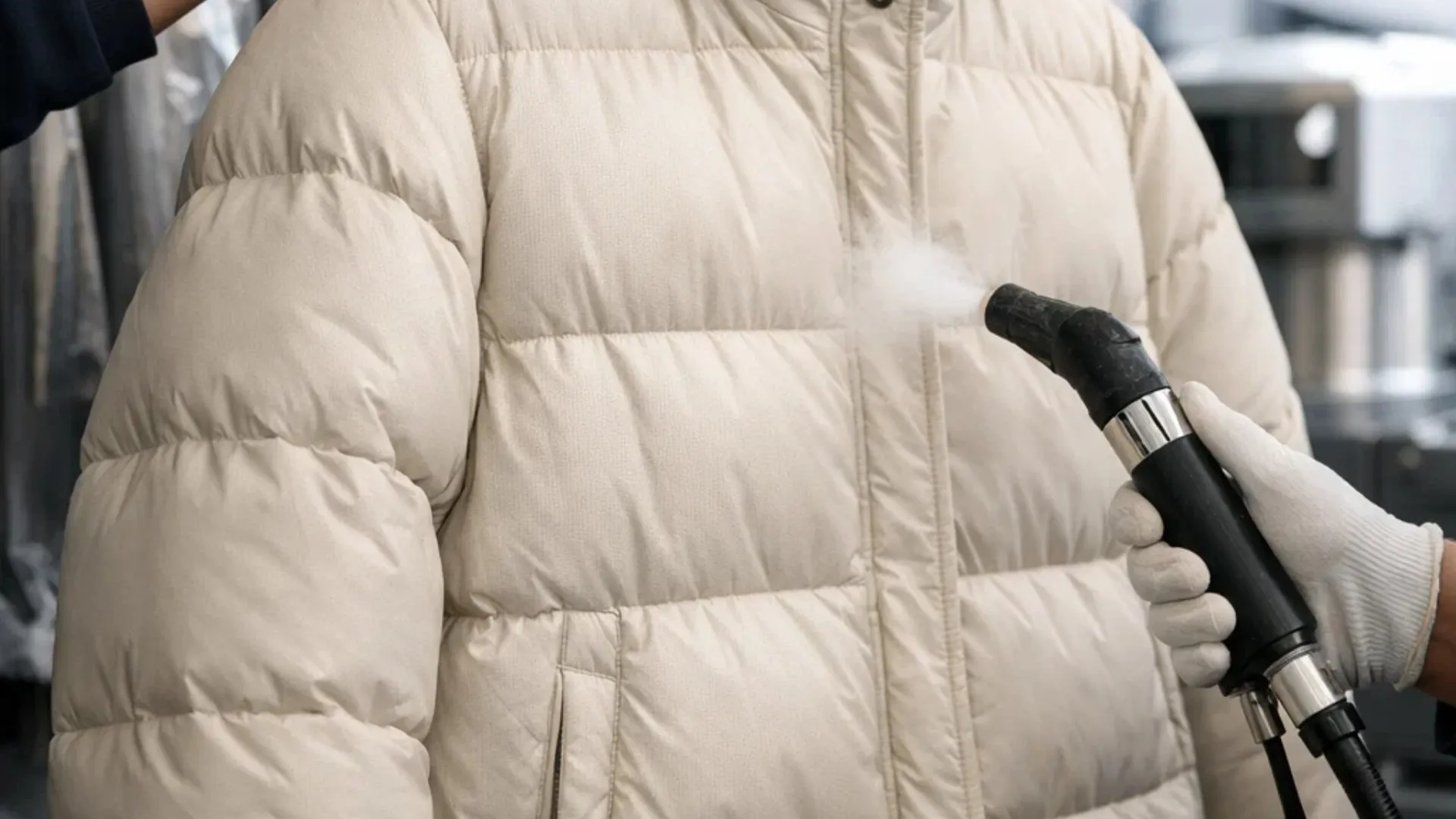
The garment is structured. On jackets, coats, or suit trousers, home washing addresses the stain but damages the construction at the same time.
The stain is oil-based and old. This combination does not respond to home treatment. Professional solvents and pre-treatment are the only way to address it properly.
Stain Treatment with Dry Anka
Across Kadıköy, Çekmeköy, Tuzla, Küçükyalı, and Fikirtepe, Dry Anka provides door-to-door stain treatment and dry cleaning. At collection, each garment is assessed individually — stain type, fabric structure, and the right treatment method are all confirmed before any processing begins.
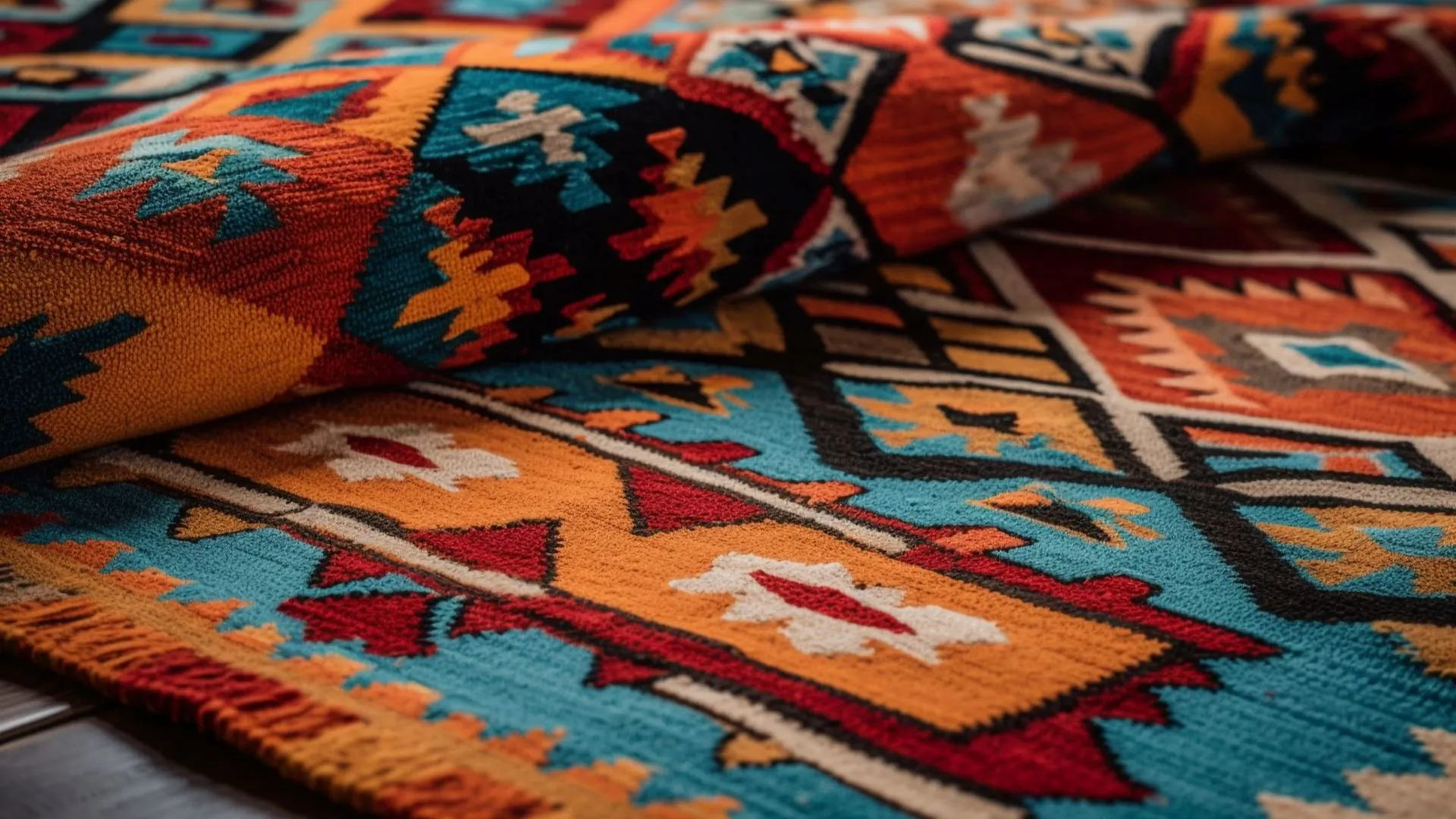
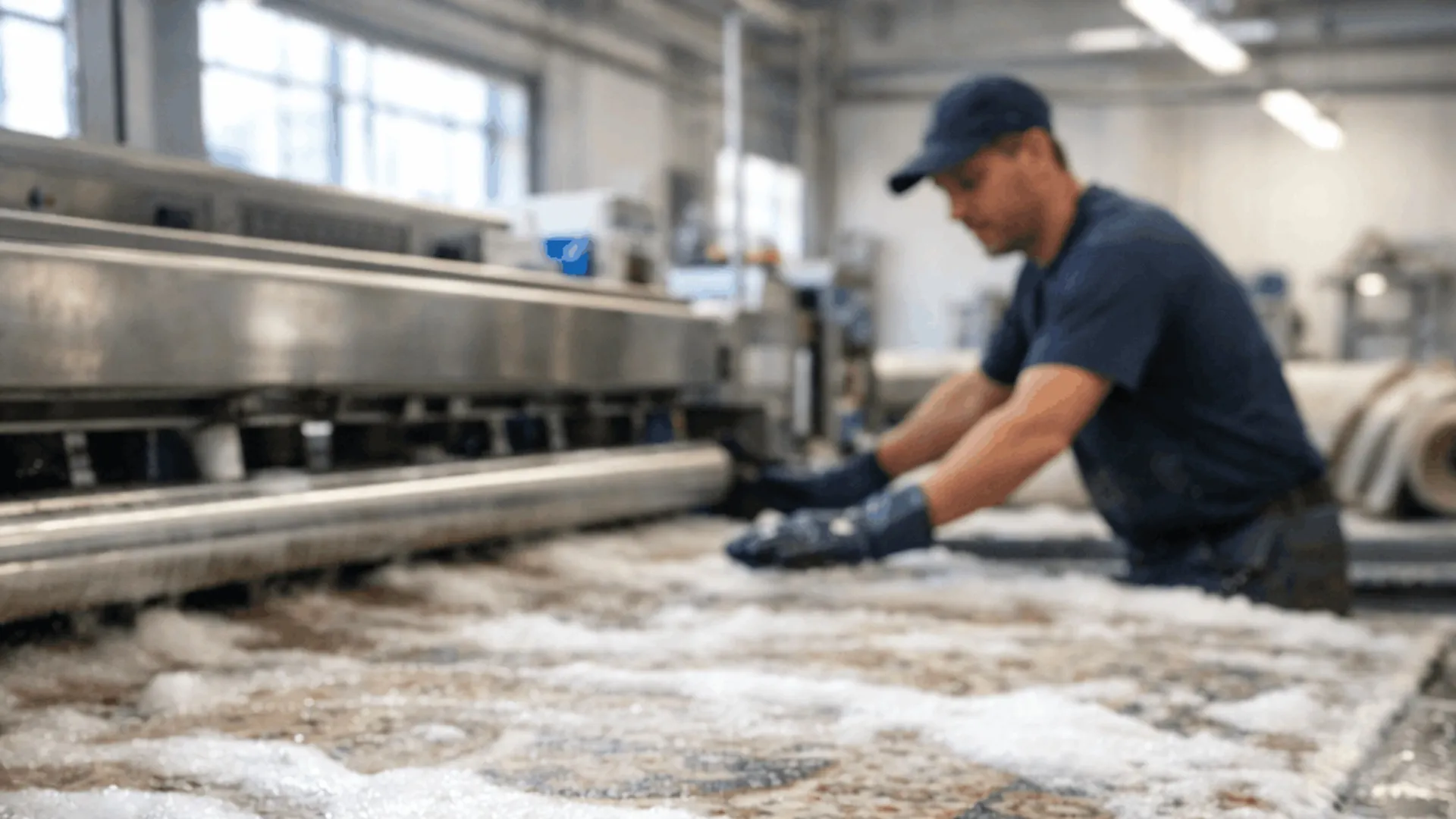
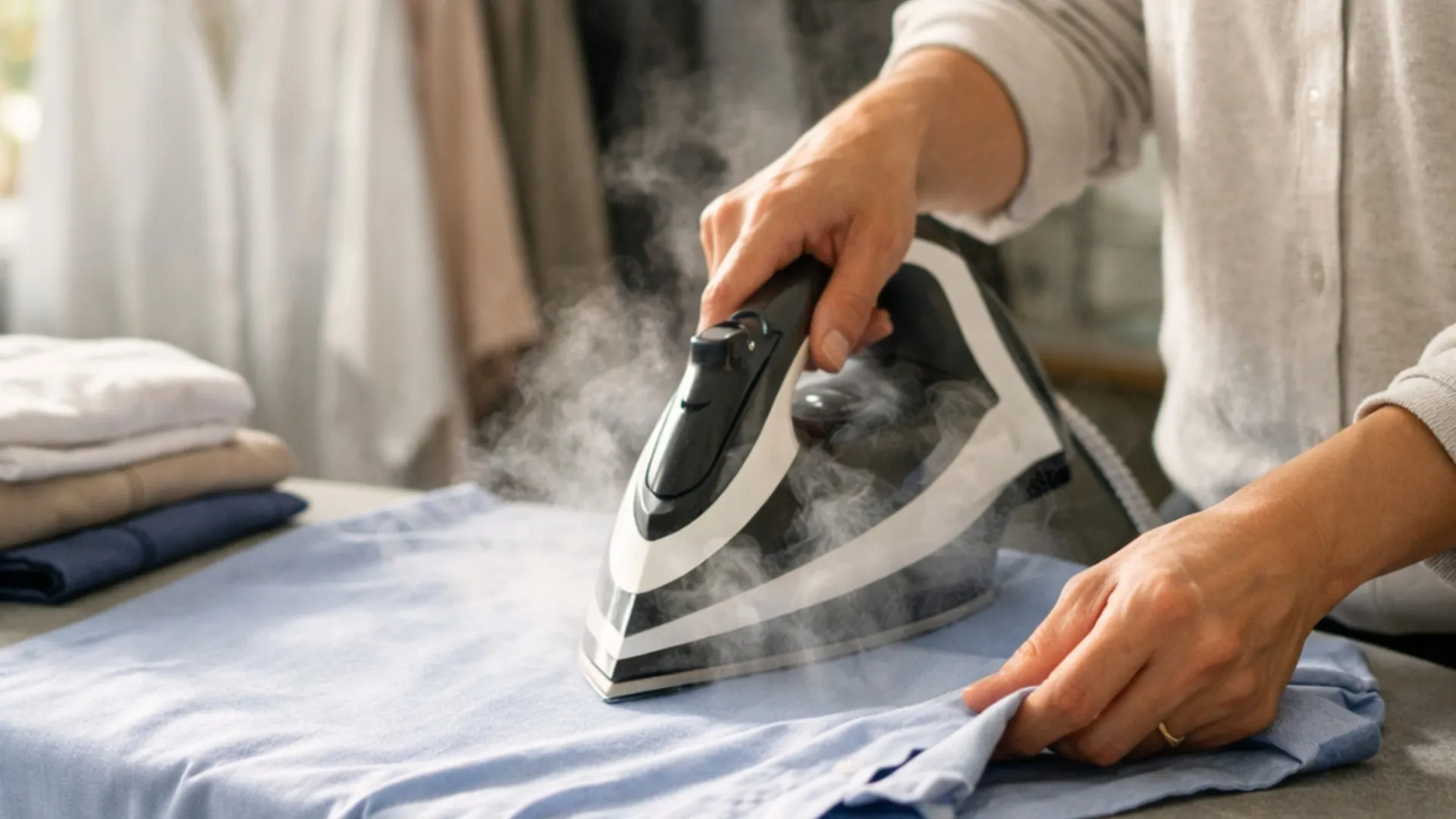
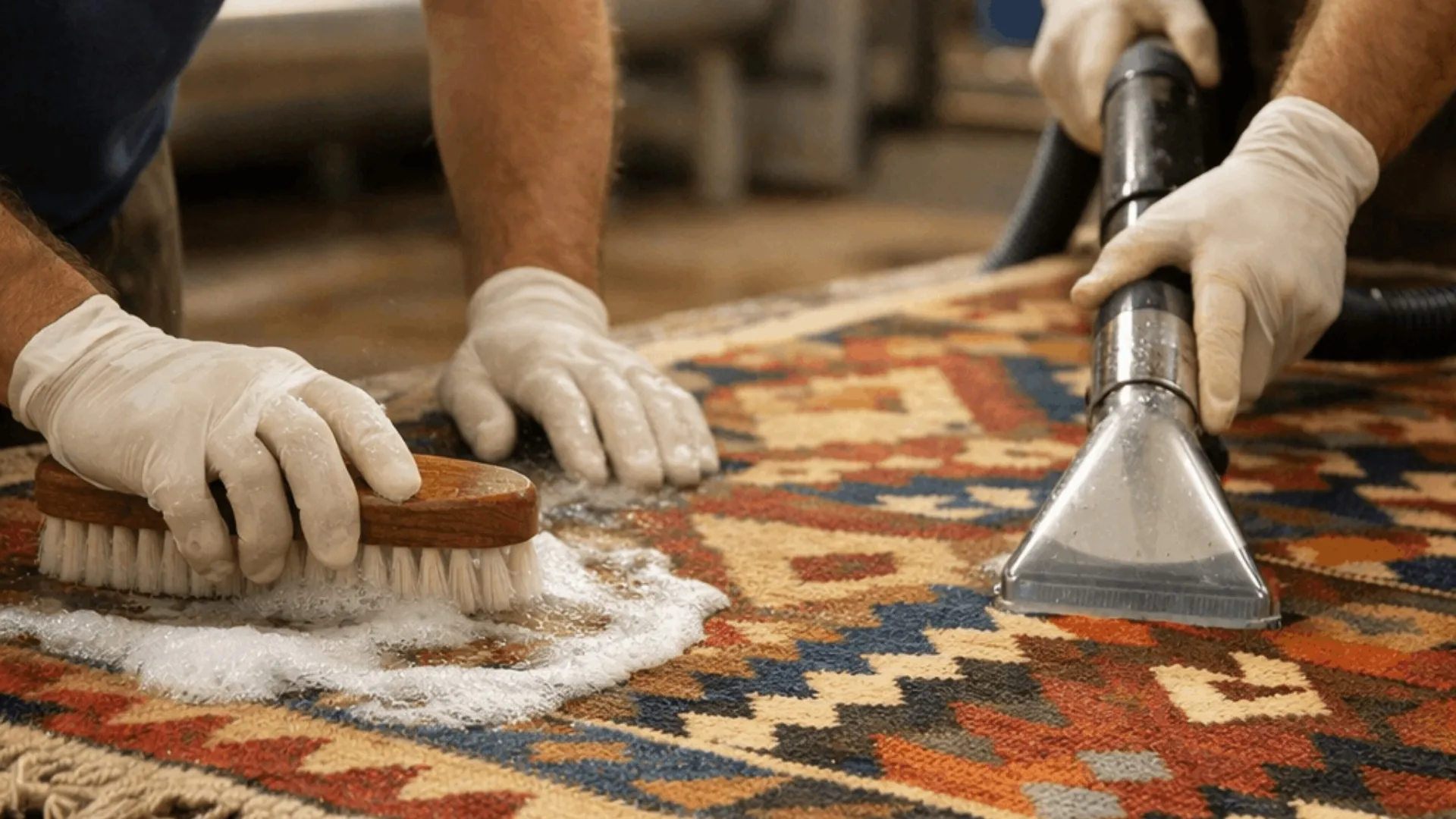
You can see the full range of services on the dry cleaning, ironing, and rug washing pages.
To arrange a collection, call Dry Anka on 0216 208 44 66.
Conclusion
Stain removal is straightforward with the right information — and expensive without it. Every stain type needs a different chemistry, every fabric carries a different sensitivity. Applying the wrong approach to the wrong fabric does not solve the problem; it makes it worse.
When home treatment has not worked, the sooner a professional sees the garment the better the outcome. A fresh stain is always easier to remove than one that has been left — and that is true whether you are treating it yourself or handing it to a professional.