

How to Care for a Suit: The Complete Guide to Office Wardrobe Maintenance
A suit is one of the most invested-in pieces in any wardrobe. A well-made suit, cared for correctly, can last well over a decade. Cared for incorrectly, it loses its shape, fades, and deteriorates within a few seasons.
Suit care is also more nuanced than most people expect. How often should it be cleaned? What can be done at home? When is dry cleaning essential? How should it be stored? Each of these questions has a specific answer. In this guide, I will cover all of them.
Understanding What a Suit Is Made Of
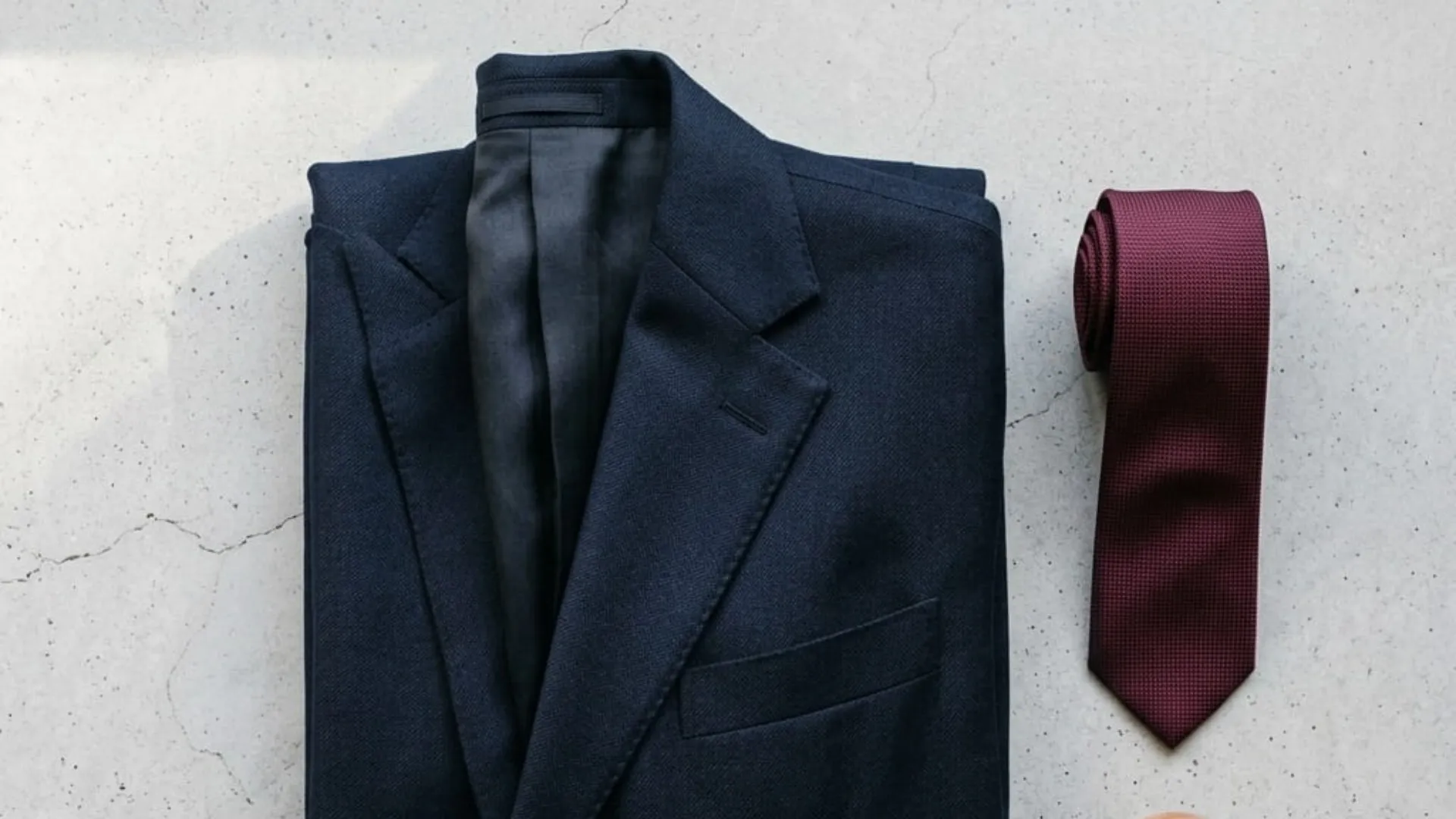
A suit jacket looks like a single piece of fabric from the outside, but the construction inside is considerably more complex. Beneath the outer fabric sits the lining, and beneath that the interlining — either a canvas or a fused layer — that gives the jacket its shape and structure. Shoulder padding, the internal support that holds the lapel, and dozens of seams all work together to create the silhouette.
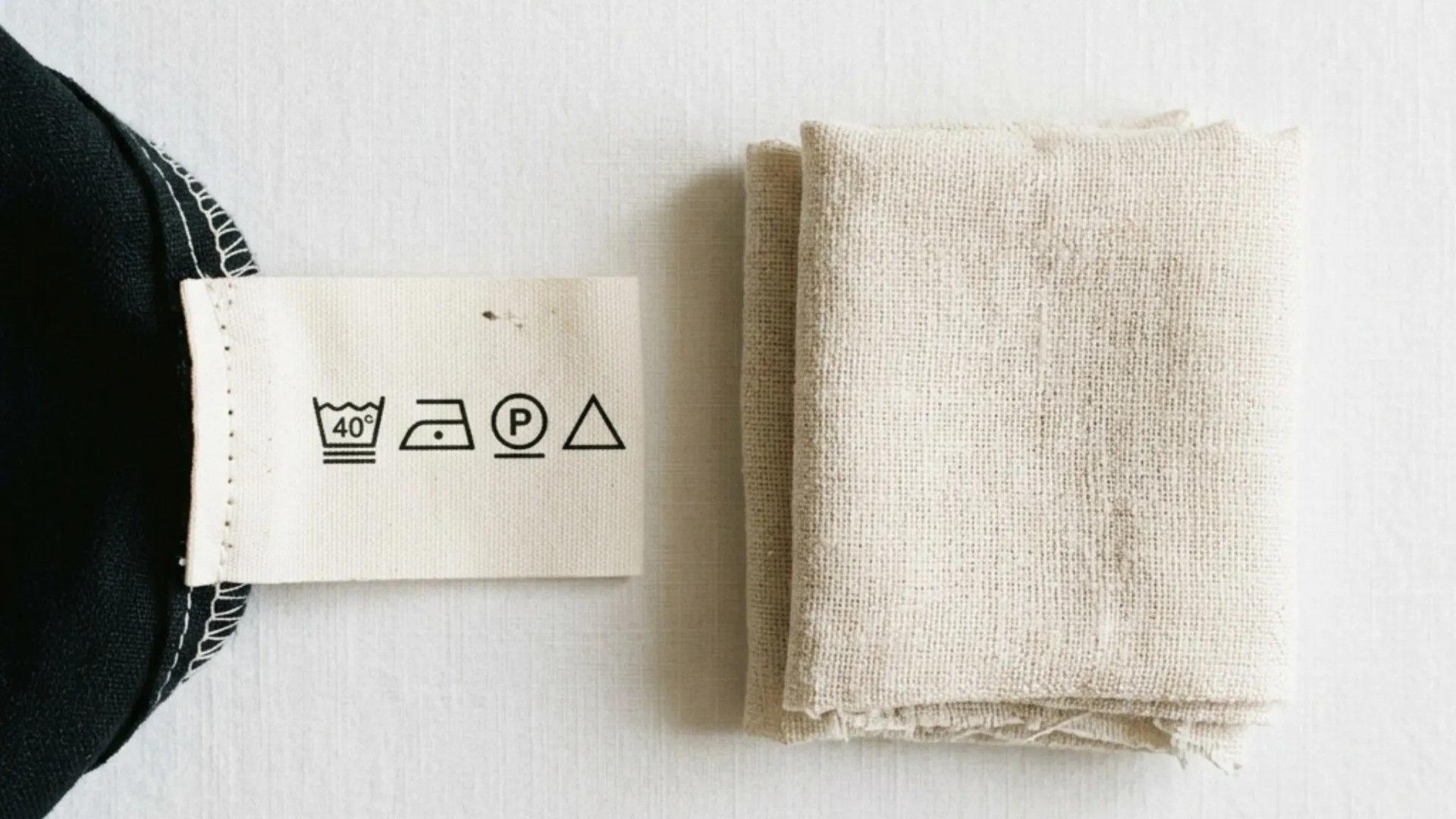
This is exactly why home washing is not an option. When a suit jacket gets wet, the outer fabric, lining, and interlining all shrink at different rates. That differential causes the jacket front to wave, the shoulder line to distort, and the structure to deform permanently. Tailoring cannot fix this.
Trousers are somewhat more tolerant but still lose their shape and crease in a machine wash — particularly the pressed line, which is permanent once gone.
How Often Should a Suit Be Cleaned?
One of the most common misconceptions about suit care is this: sending it to the dry cleaner after every wear. This actually damages the suit over time.
The chemical solvents used in dry cleaning, applied unnecessarily frequently, gradually break down wool and fabric fibres. "More cleaning means better care" is not a principle that applies to suits.
For the jacket: One or two dry cleans per season is sufficient, unless a visible stain or persistent odour develops. Day-to-day maintenance happens through airing and brushing.
For the trousers: Slightly more frequent attention may be needed — they experience more direct contact through sitting and movement. Even so, brushing and airing between wears is preferable to machine washing. Trousers also require dry cleaning rather than home washing.
What to Do Between Cleans
Extending the time between dry cleaning sessions comes down to a few consistent daily habits.
Air after every wear. Rather than putting the suit straight back into the wardrobe, hang it somewhere with good airflow for an hour or two. The body heat and moisture absorbed during the day dissipate in that time. A suit that goes directly into a closed wardrobe retains that moisture — and over time, this contributes to odour and fabric deterioration.
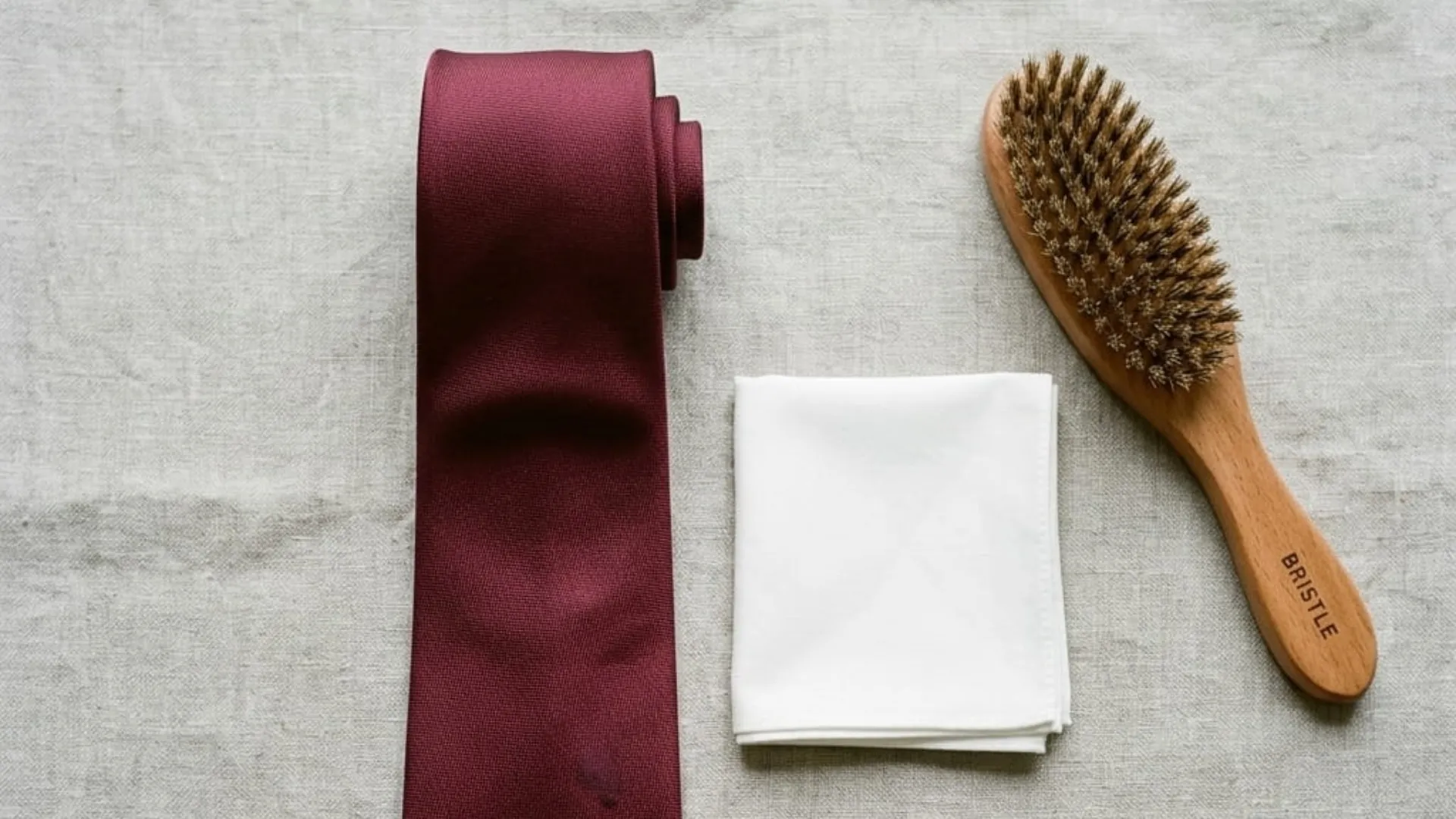
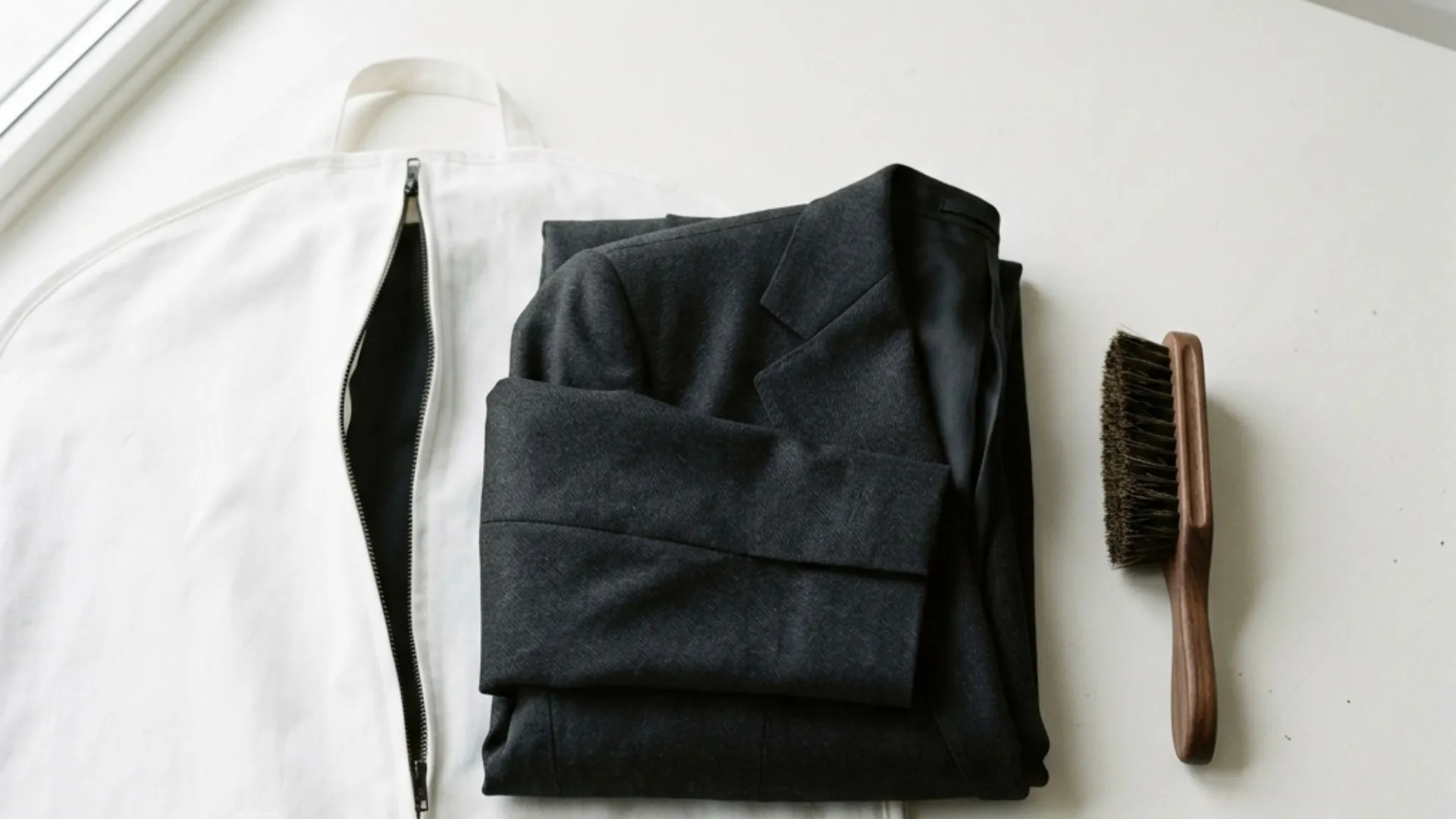
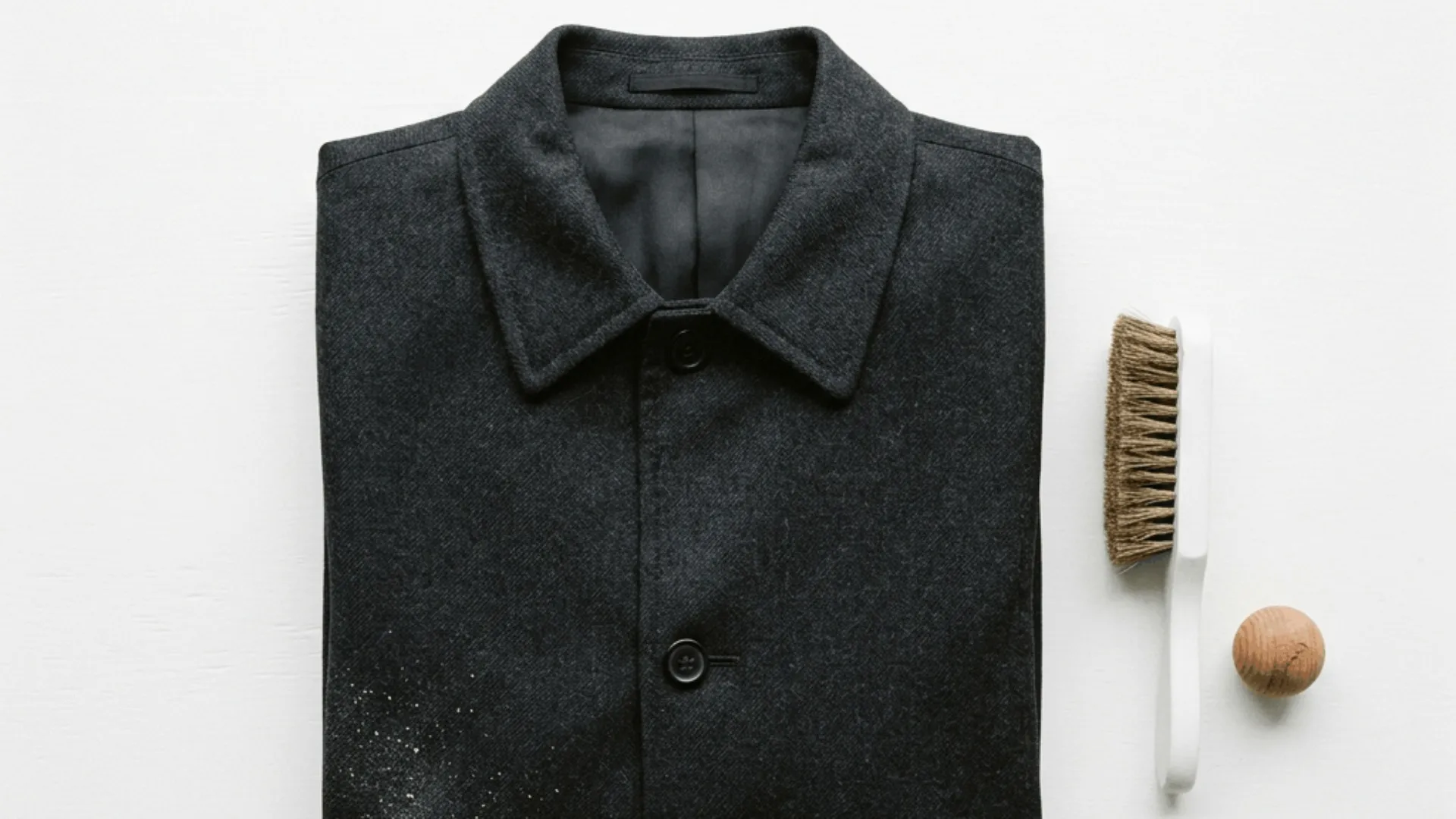
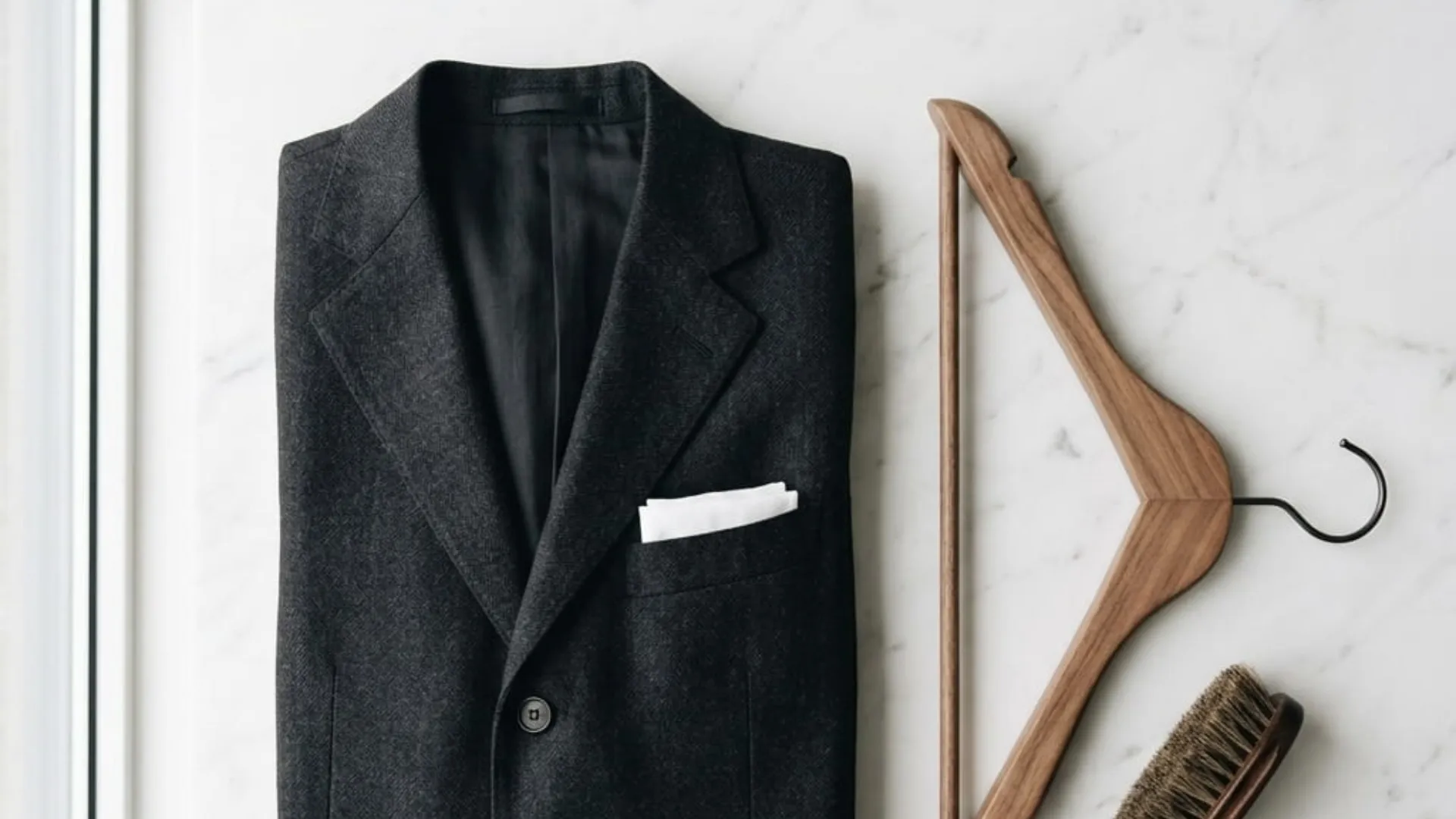
Brush regularly. A soft horsehair or wool brush, used in the direction of the fabric nap, removes surface dust, lint, and fine particles. This keeps the fabric looking fresh and reduces how quickly soiling works its way deeper into the fibres. Once a week is enough.
Do not wear the same suit on consecutive days. Giving the fabric a day to rest allows the fibres to recover their shape. Rotating between two or more suits extends the life of each and keeps every one looking its best.
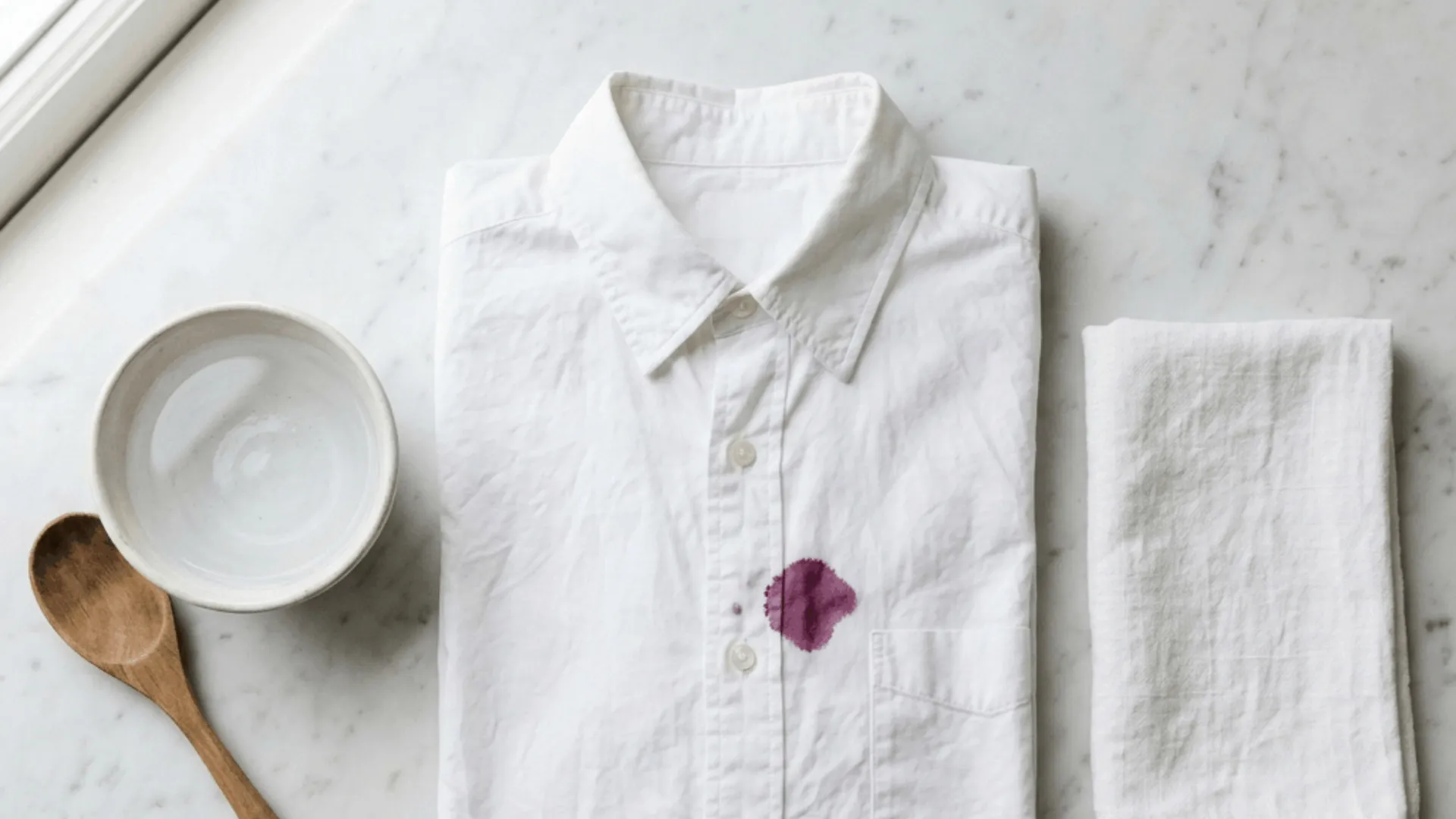
Act on stains immediately — but correctly. No rubbing. Press gently with a clean dry cloth to absorb the excess, then take it to Dry Anka. Further home treatment almost always makes things worse.
Ironing: A Job That Needs Care
A sharp trouser crease is one of the foundations of a well-turned-out suit. But incorrect ironing destroys both the crease and the fabric.
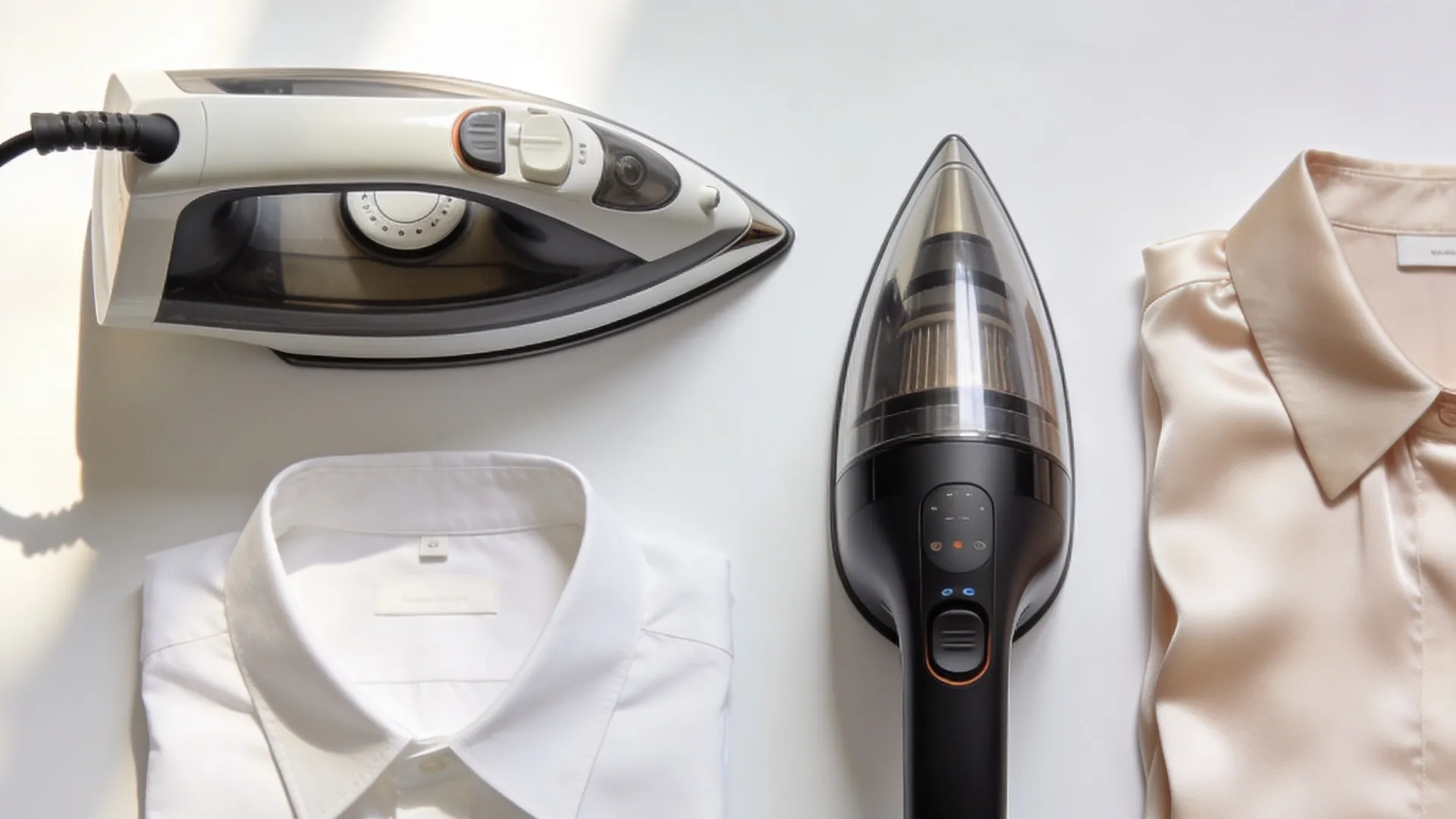
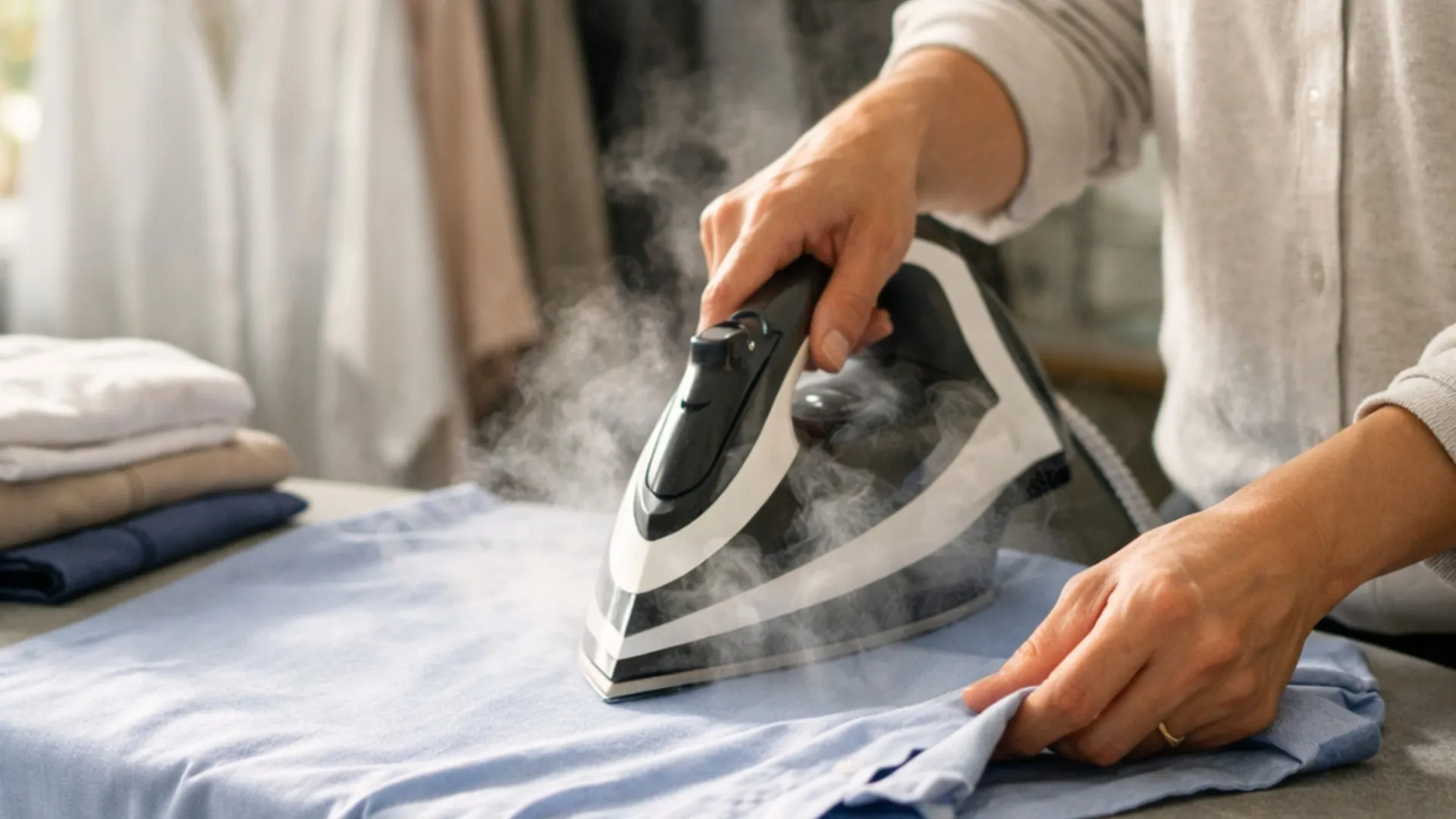
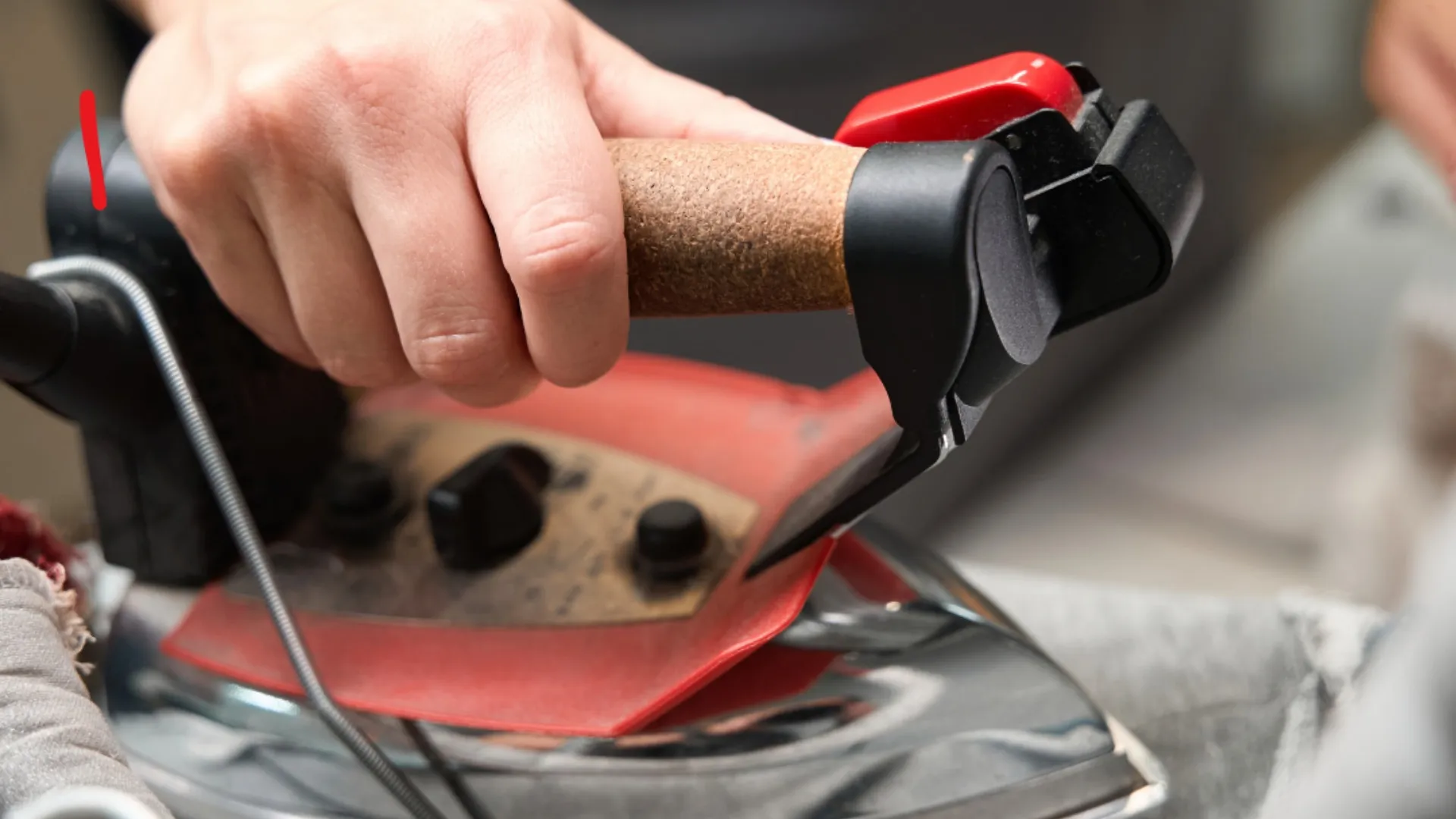
For trousers: Use medium heat and always place an ironing cloth between the iron and the fabric. Without this, a permanent shine mark forms on wool and wool-blend fabric. Positioning the trousers correctly on the ironing board and paying attention to the seam lines matters. Trouser ironing is available as a standalone service at Dry Anka.
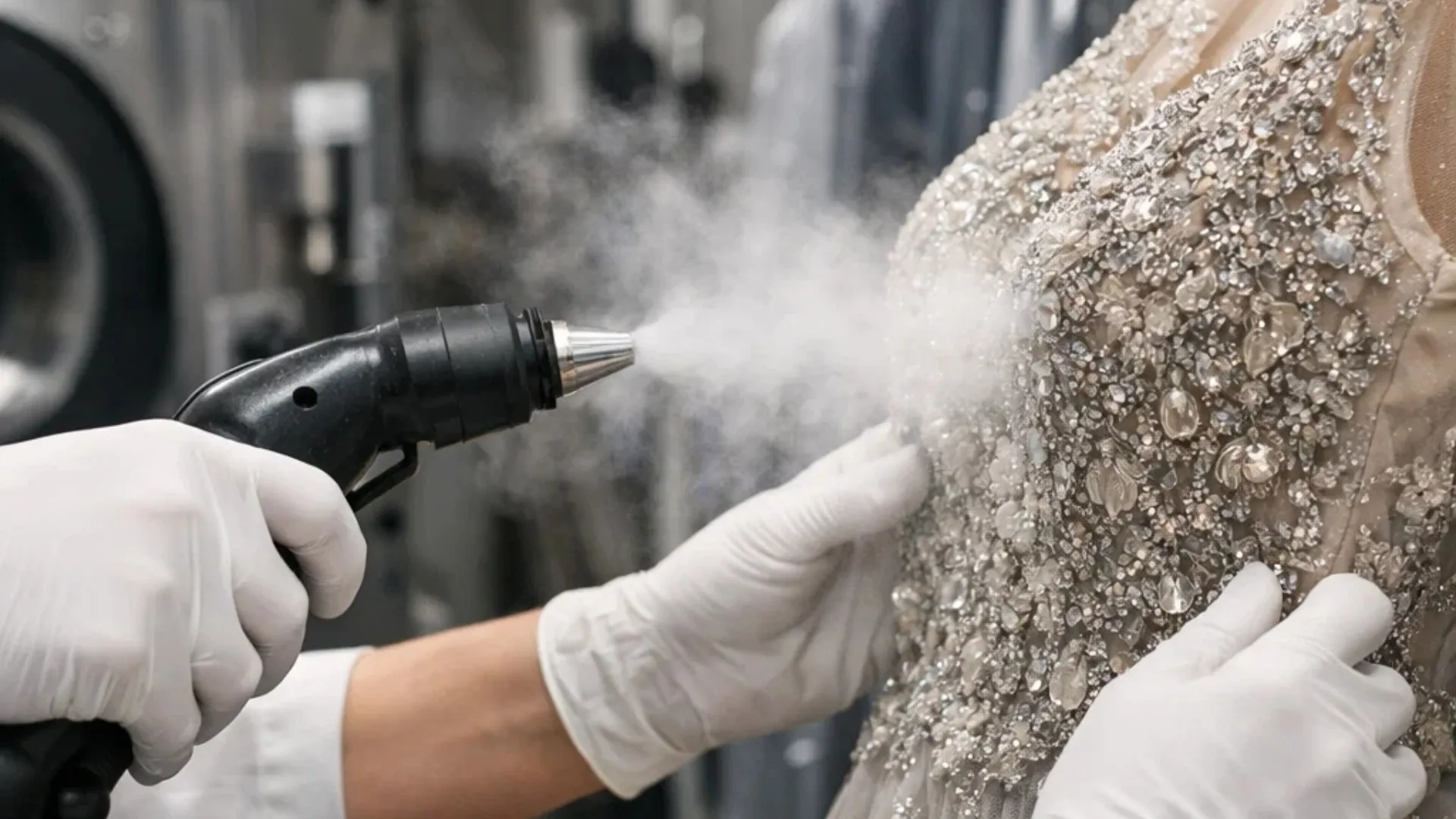
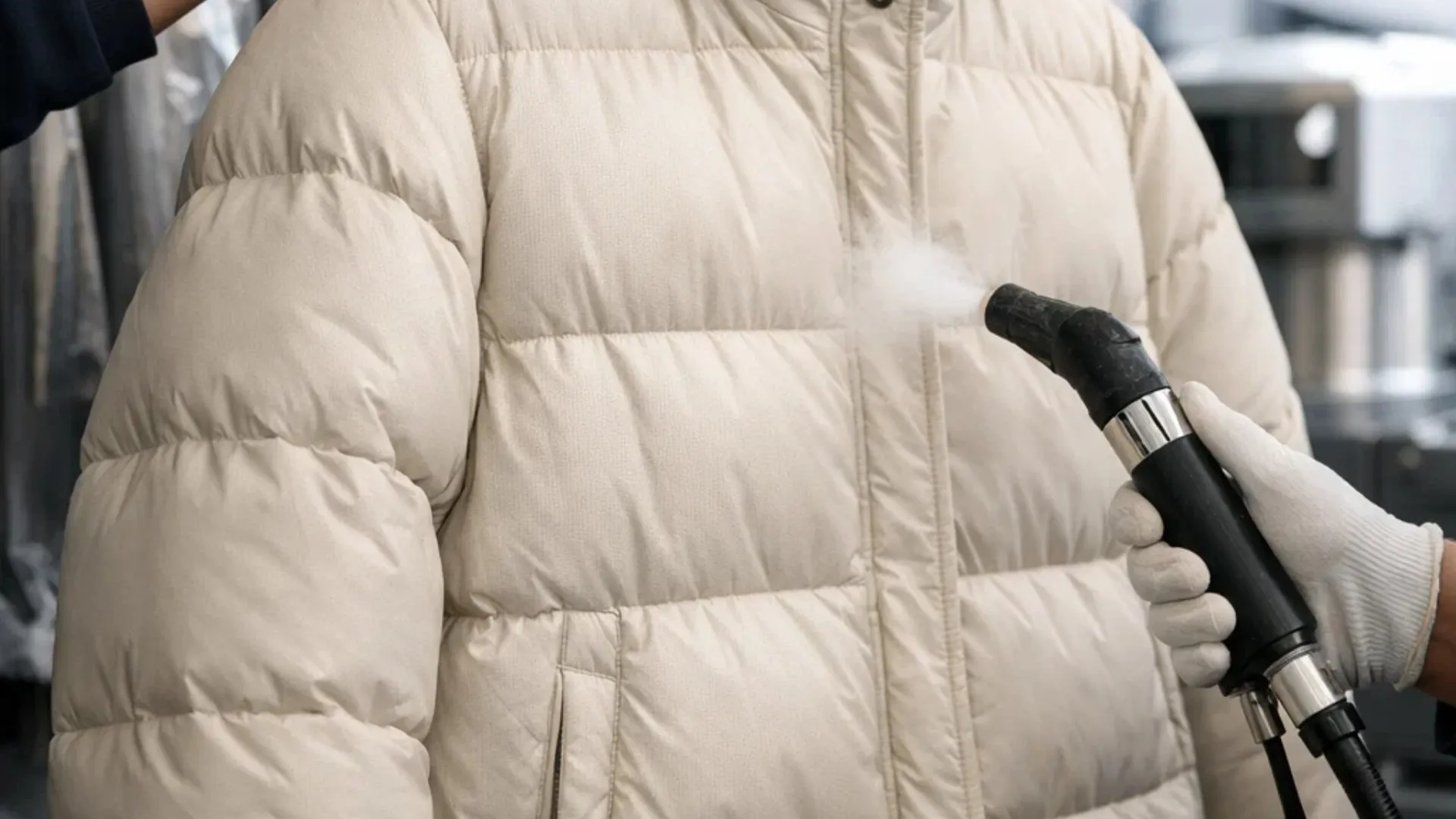
For the jacket: Significantly more delicate. The structure of a suit jacket — the padding, the lapel, the sleeve head — cannot be correctly handled on a flat ironing board. Professional steam finishing on a tailor's form preserves the construction while removing creasing. At home, holding a garment steamer a few centimetres from the jacket surface — without contact — is the safer approach. For a professional finish, jacket ironing at Dry Anka is the right option.
Correct Storage: Protecting the Shape
How a suit is stored between wears directly affects how long it holds its shape.
The right hanger is non-negotiable. A suit jacket should always hang on a wide-shouldered, solid hanger. Thin wire hangers gradually distort the shoulder line — and that distortion is permanent. A wooden or thick-shouldered plastic hanger is the right choice.
Do not fold the trousers. Trousers folded and left for extended periods lose the pressed crease and develop creasing in the wrong places. A trouser hanger or clip hanger preserves both the shape and the line.
Do not overpack the wardrobe. A suit compressed between other garments gets crushed. Leaving at least a few centimetres of space on either side is important for both shape retention and air circulation.
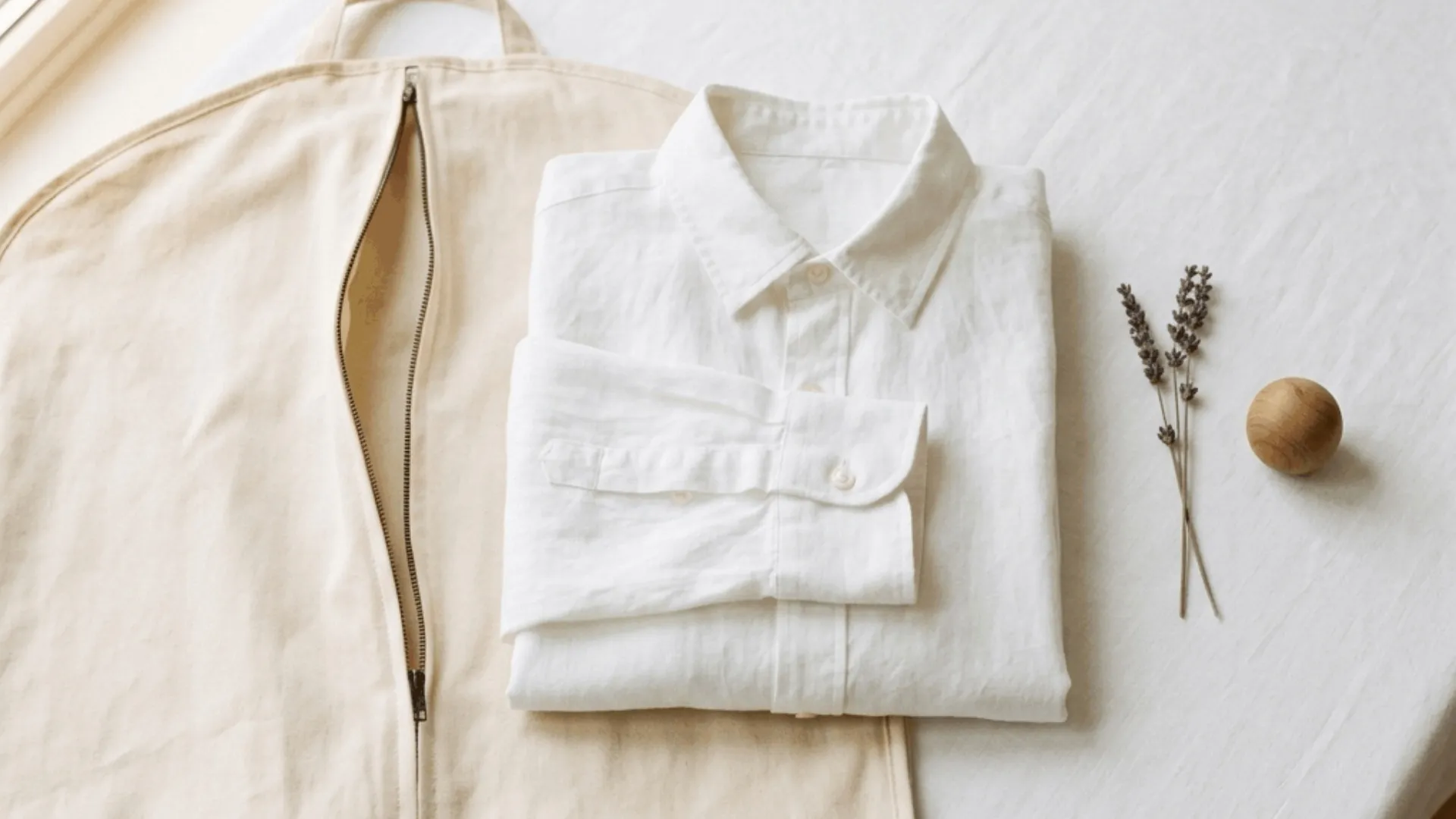
Use a cloth garment bag. The plastic cover from the dry cleaner is for transport — not long-term storage. Plastic does not breathe; moisture and chemical vapour accumulate inside and transfer to the fabric. A breathable cloth cover protects both the shape and the fabric.
Moth prevention. Wool suits are vulnerable to moth damage. Cedar balls or lavender sachets are significantly safer than chemical moth repellents — the strong chemical odour of repellents penetrates the fabric and is difficult to remove.
What to Do at Seasonal Transitions
Storing a suit at the end of the season without cleaning it first is one of the most common — and most damaging — mistakes in suit care.
The sweat residue, body oil, and environmental soiling that accumulate through a season of wear break down slowly in a closed environment over the following months. That breakdown shows up as yellowing, staining, and odour when the suit comes out again.
The correct sequence is straightforward: dry cleaning before storage, then a cloth garment bag and the right storage conditions. When the new season arrives, the suit is clean, ready, and looking the way it should.
The Most Common Mistakes
Putting it in the washing machine. This is the most damaging thing you can do to a suit. However gentle the programme, water and mechanical agitation destroy the jacket's internal structure permanently.
Dry cleaning too frequently. Unnecessary frequency wears down the fabric. Brushing and airing between dry cleans is far more effective maintenance.
Using the wrong hanger. Wire hangers distort the shoulder line over time. A wide-shouldered hanger is essential.
Storing in a plastic cover. Plastic traps moisture and chemical compounds. A breathable cloth cover is always preferable.
Leaving stains to wait. A fresh stain is easier to remove than a set one. Waiting increases the depth to which the stain has worked into the fabric.
Suit Care with Dry Anka
Across Kadıköy, Çekmeköy, Tuzla, Küçükyalı, and Fikirtepe, Dry Anka provides door-to-door suit care. Jacket dry cleaning, trouser dry cleaning, jacket ironing, and trouser ironing can all be arranged in a single appointment.
Your garments are collected from your address, processed under controlled conditions, and returned carefully packaged. To book an appointment, call 0216 208 44 66.
Conclusion
Suit care is not complicated — but it does require knowing a few fundamental rules. Not frequent dry cleaning, but cleaning at the right intervals. Not a machine after every wear, but airing and brushing. Not a plastic cover, but a breathable cloth garment bag.
Once these habits are in place, a suit holds its appearance for years. That is both the right thing for the garment and the most economical approach over the long term.