

Winter Duvet and Blanket Care: Washing, Drying and Storage
Every seasonal transition brings the same question: is this duvet clean enough to put away, or clean enough to take out? Most of the time, the honest answer is neither.
Duvet and blanket care requires more attention than most people give it. The fill type, the fabric, and the size all call for a different approach. Wrong washing causes fill to clump. Wrong drying leads to mould. Wrong storage means opening a cupboard next season to something that smells like it has been closed for months — because it has.
In this guide I will cover the different types of duvets and blankets, the right washing and drying method for each, and the storage rules that protect them until the following season.
How Often Should Duvets and Blankets Be Washed?
The answer depends on how often the item is used and what it is filled with.
For a duvet in active use, once or twice a year is sufficient — at the start of the season and at the end. Once a year is the minimum standard. Going several years without washing is a hygiene issue; the sweat, body oil, and dust mites that accumulate in a duvet over time can trigger allergic reactions.
Blankets that come into direct skin contact may need washing slightly more frequently than duvets. Duvets used without a duvet cover also need more regular attention.
Any seasonal item coming out of storage should be checked before use. If there is any odour, moisture mark, or visible staining, washing before use is essential.
A Washing Guide by Fill Type
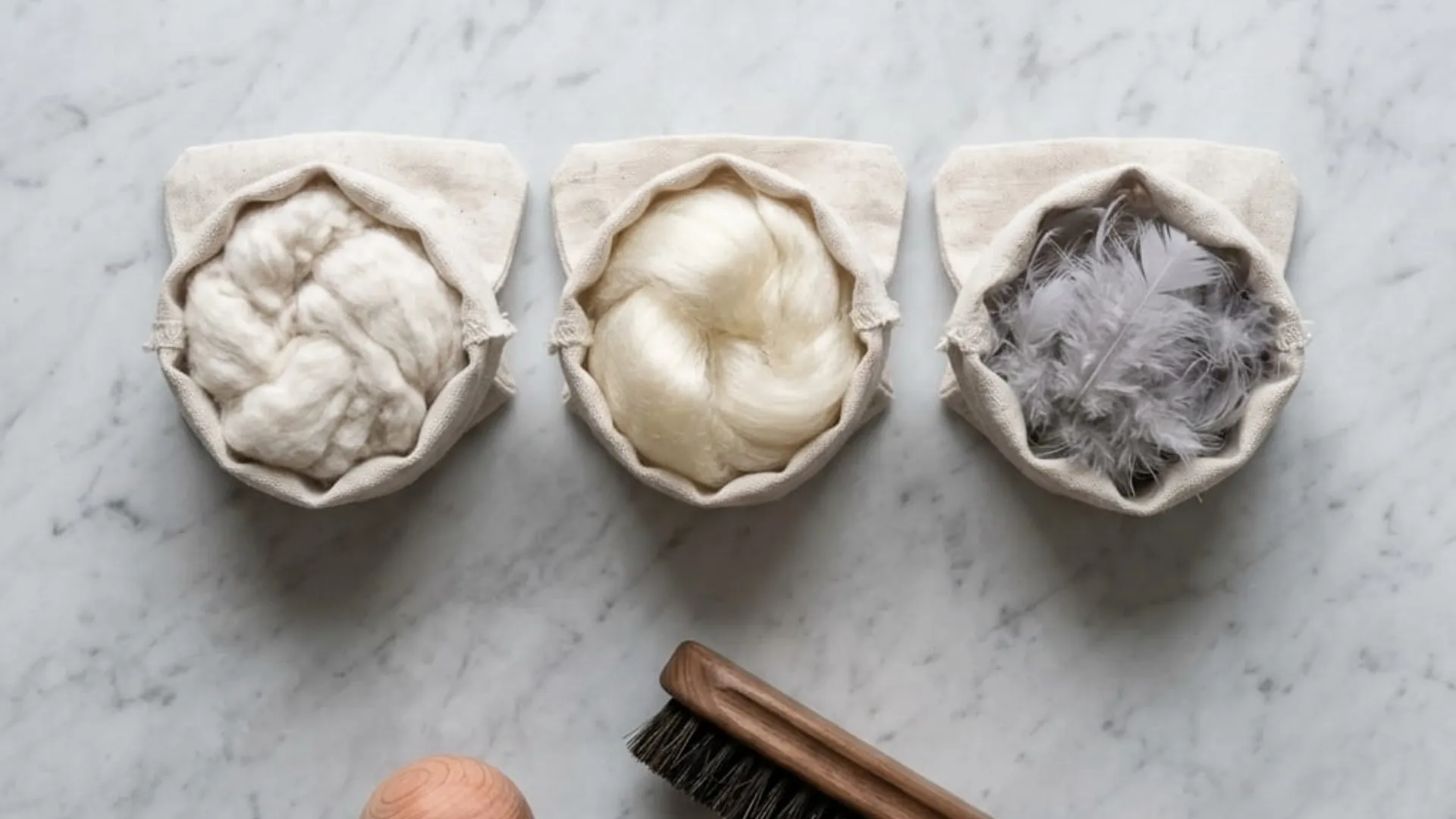
Cotton-Fill Duvets
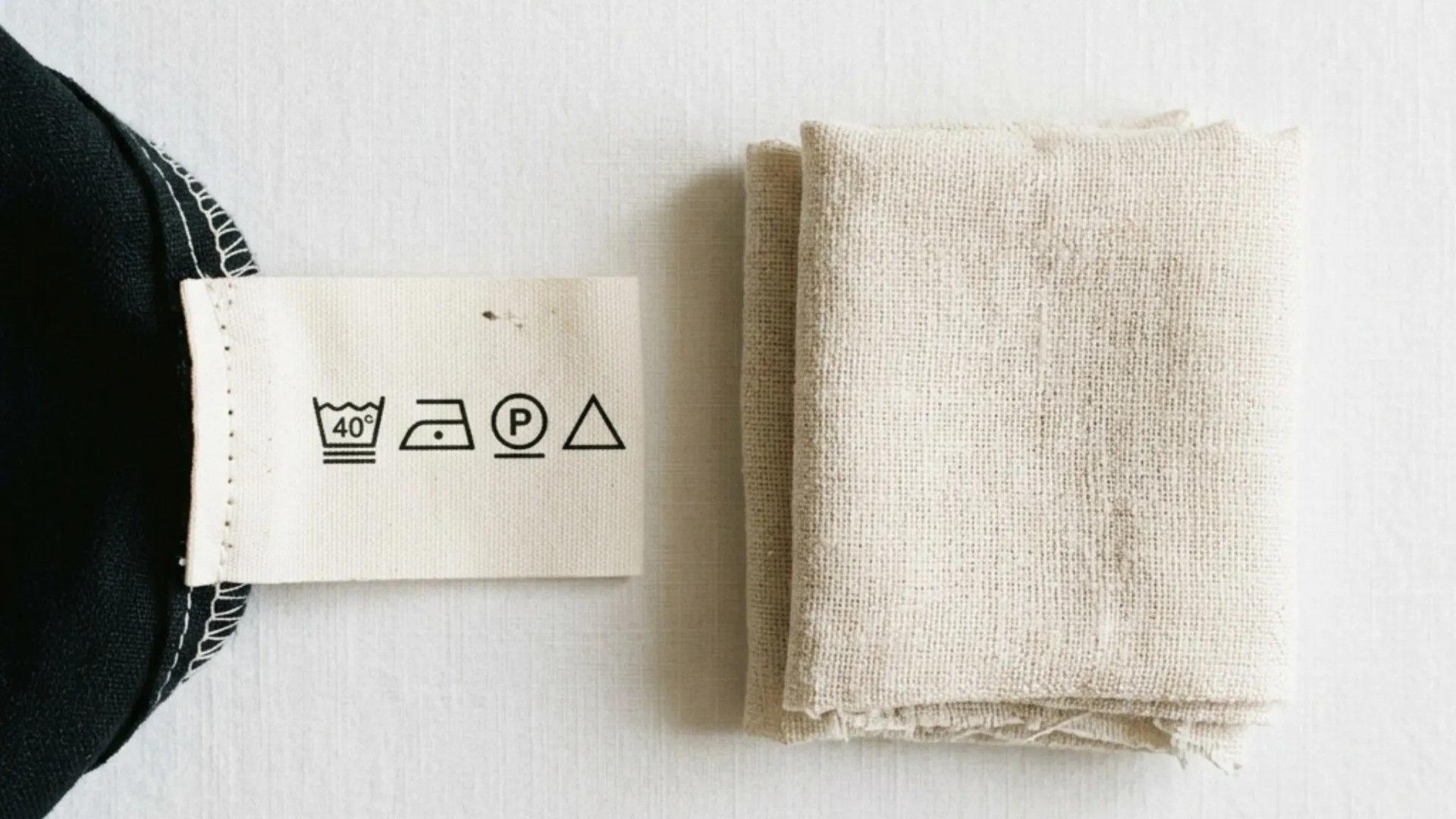
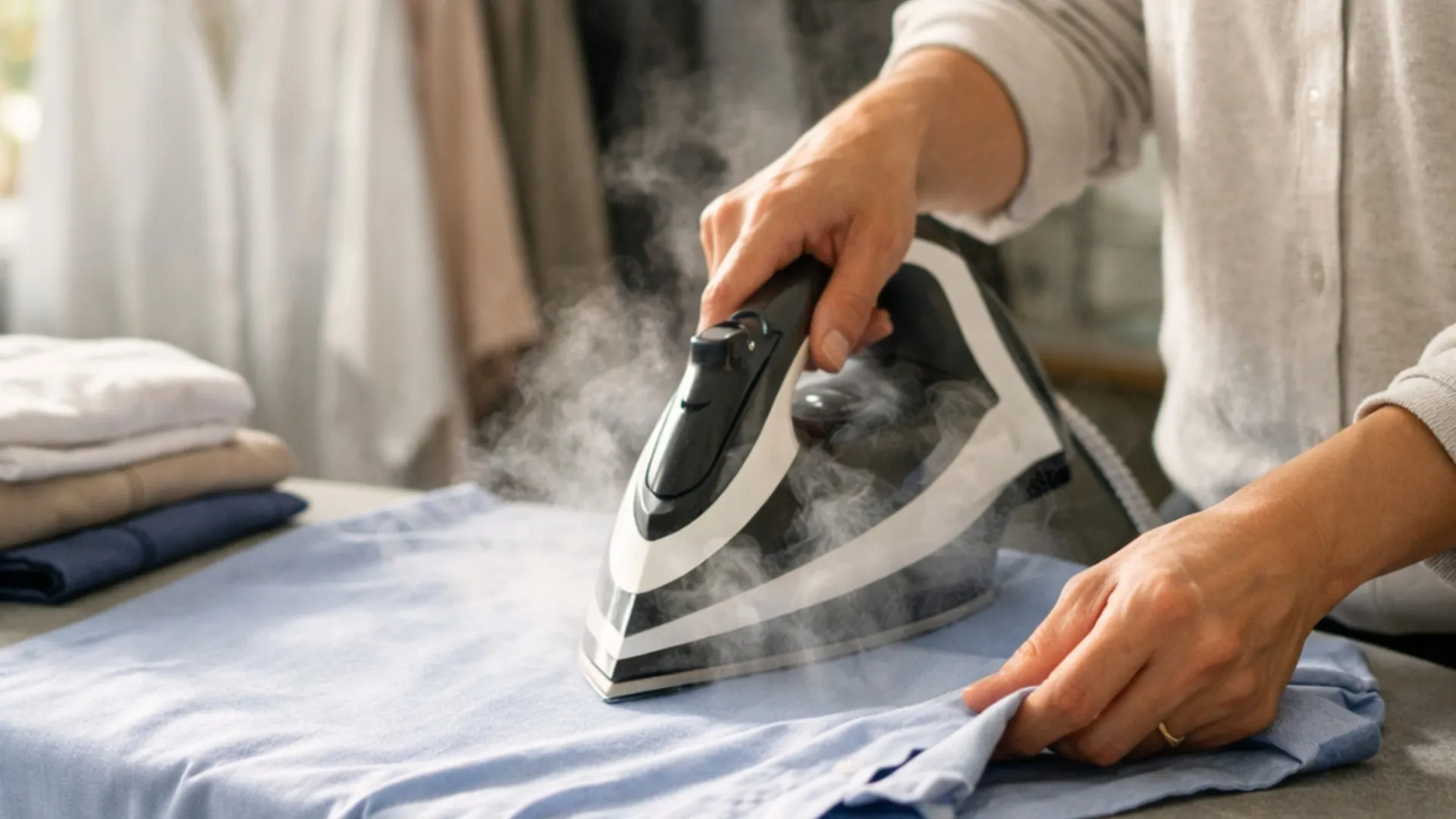
Cotton-fill duvets are the most straightforward to wash. If the label permits, a machine wash at 40 degrees on a medium programme works well. The duvet should go into the machine alone — washing it alongside other laundry distorts both the duvet and the fill distribution.
For drying, a low-heat tumble dryer or flat drying outdoors. Cotton fill does not clump easily, but putting a duvet away before it is fully dry creates a mould risk.
Cotton duvet dry cleaning is available at Dry Anka for cases where home washing is not sufficient.
Synthetic-Fill Duvets
Synthetic fills are polyester-based. They tolerate water well but are sensitive to heat. A cold or warm wash at 30 to 40 degrees, on a delicate or duvet programme, is appropriate. High temperatures break down synthetic fibres and cause the fill to clump permanently.
If using a tumble dryer, low heat is essential. Adding a few tennis balls or dryer balls to the drum helps the fill distribute evenly as it dries — this simple step significantly reduces clumping.
Down and Feather Duvets
Down-filled duvets are the most sensitive category. When wet, feathers stick together and clump. Drying them fully and evenly in a home environment is genuinely difficult — and a down duvet that has not dried completely is an ideal environment for mould.
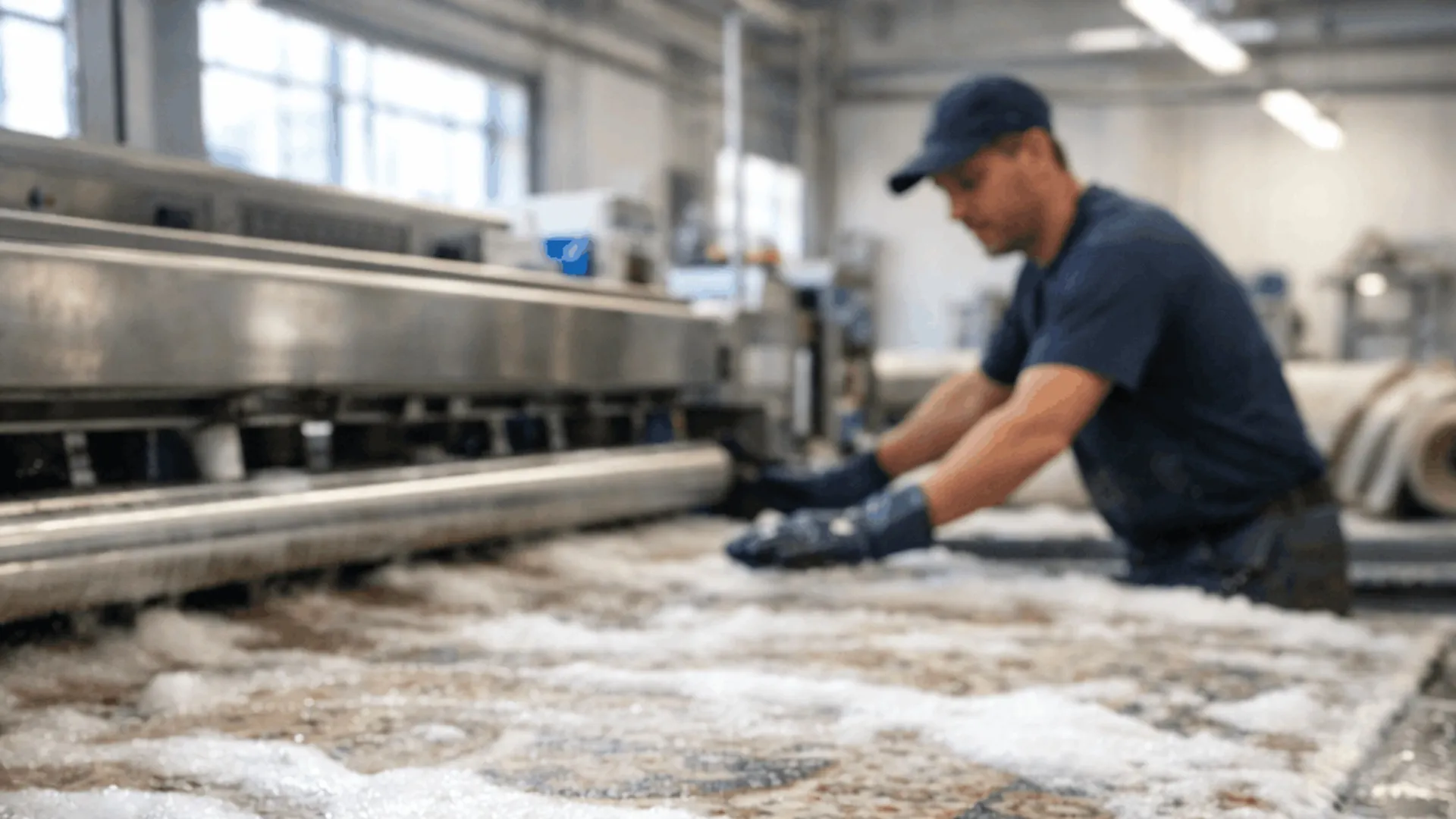
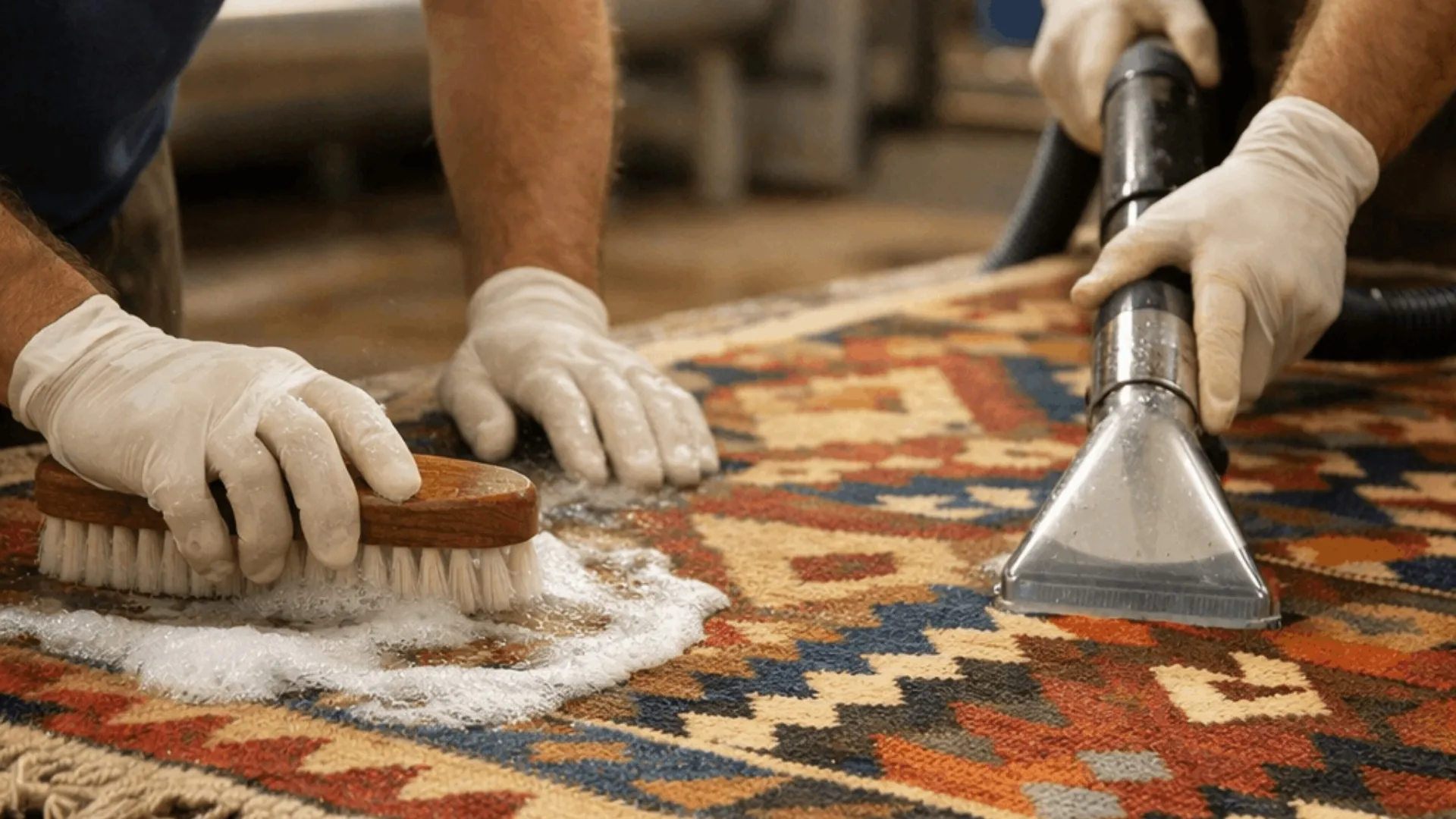
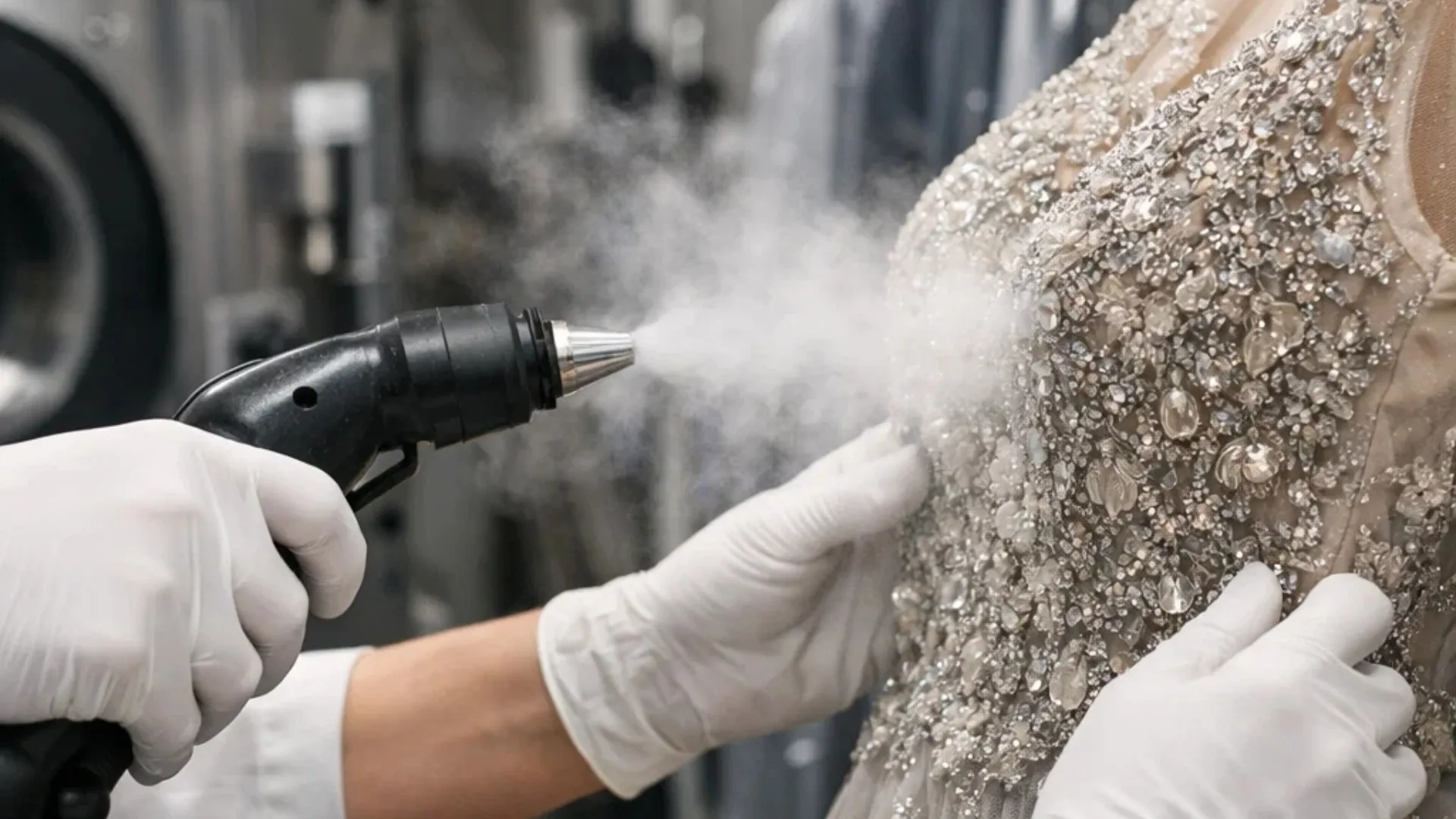
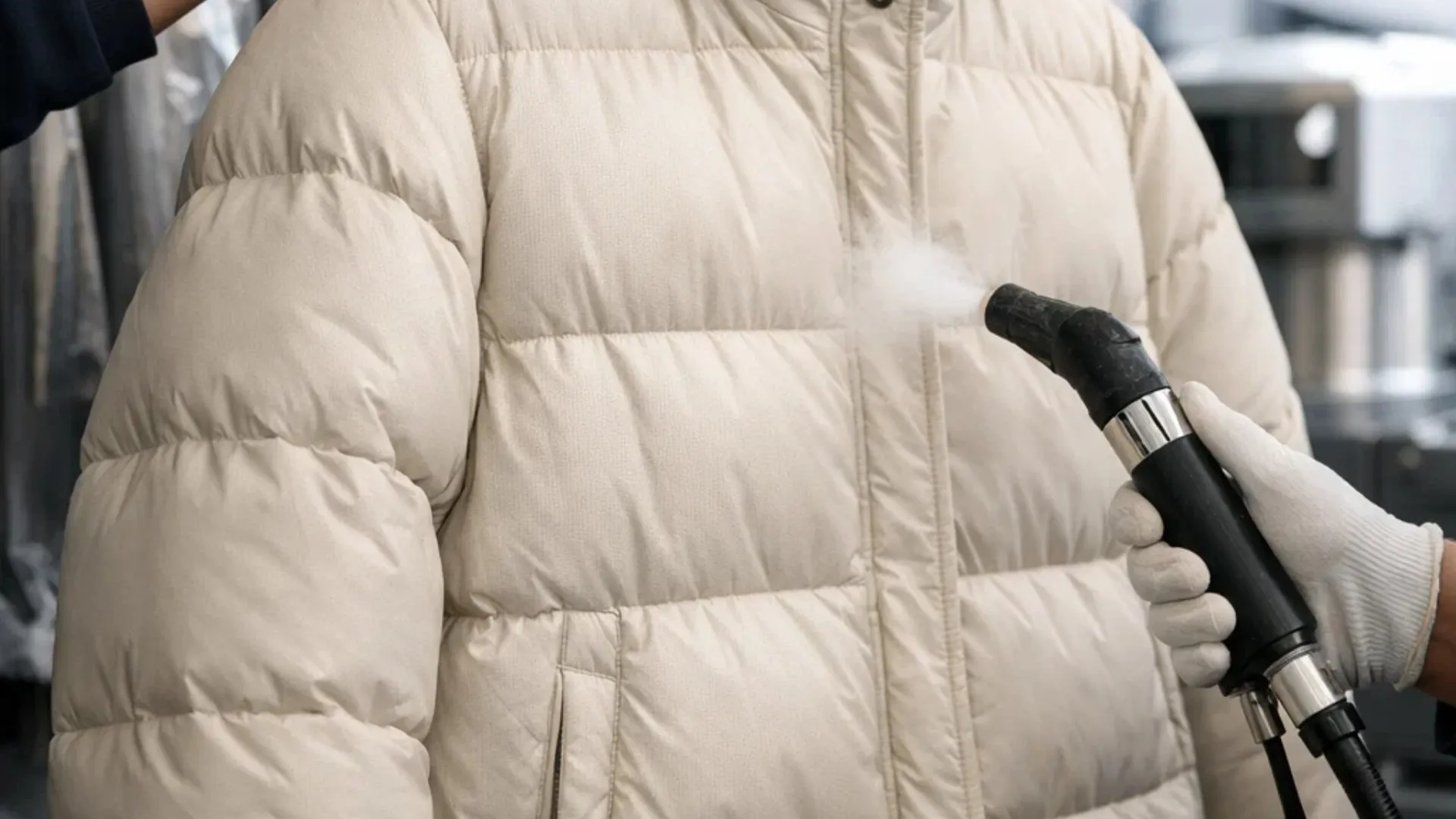
Professional dry cleaning is the safest option for down-fill duvets. The controlled drying systems in a professional facility allow the down to open fully and distribute evenly — a result that is very hard to replicate at home. If home washing is attempted, a very large capacity machine, a specialist down detergent, and a long drying cycle are all required — and even then, the result is not guaranteed.
The same principle applies to goose down pillows.
Wool Blankets
Wool blankets cannot go in a washing machine. Heat and mechanical agitation cause wool to felt — the blanket shrinks and stiffens, and neither change can be reversed. Hand washing in cold water with a wool-specific detergent using very gentle movements is possible for smaller pieces, but for a full-size wool blanket this is both difficult and risky.
Professional dry cleaning is the safest and most effective option for wool blankets.
Velvet and Specially Coated Blankets
Blankets with velvet surfaces or specialist coatings cannot be washed at home. Professional cleaning is required for these pieces without exception.
Drying: The Most Critical Stage
In duvet and blanket care, drying is at least as important as washing — and sometimes more so. A duvet stored while still damp will develop mould and persistent odour. Once that smell has set in, rewashing is necessary, and even then it often does not fully disappear.
Flat drying: Where space allows, laying the duvet flat on a clean surface and turning it at regular intervals ensures both surfaces dry evenly.
Line drying: Large duvets can be draped over two or more lines or rails. A duvet hung from a single point causes the fill to sink to the bottom — avoid this.
Tumble dryer: Low heat is suitable for down and cotton fill. Adding dryer balls helps the fill distribute as it tumbles. High heat damages synthetic fibres — always use a low heat setting.
The test: When you think the duvet is dry, press it firmly with your hand. If you feel any coolness or weight inside, it is still damp. Do not put it away until this test passes.
Stain Treatment
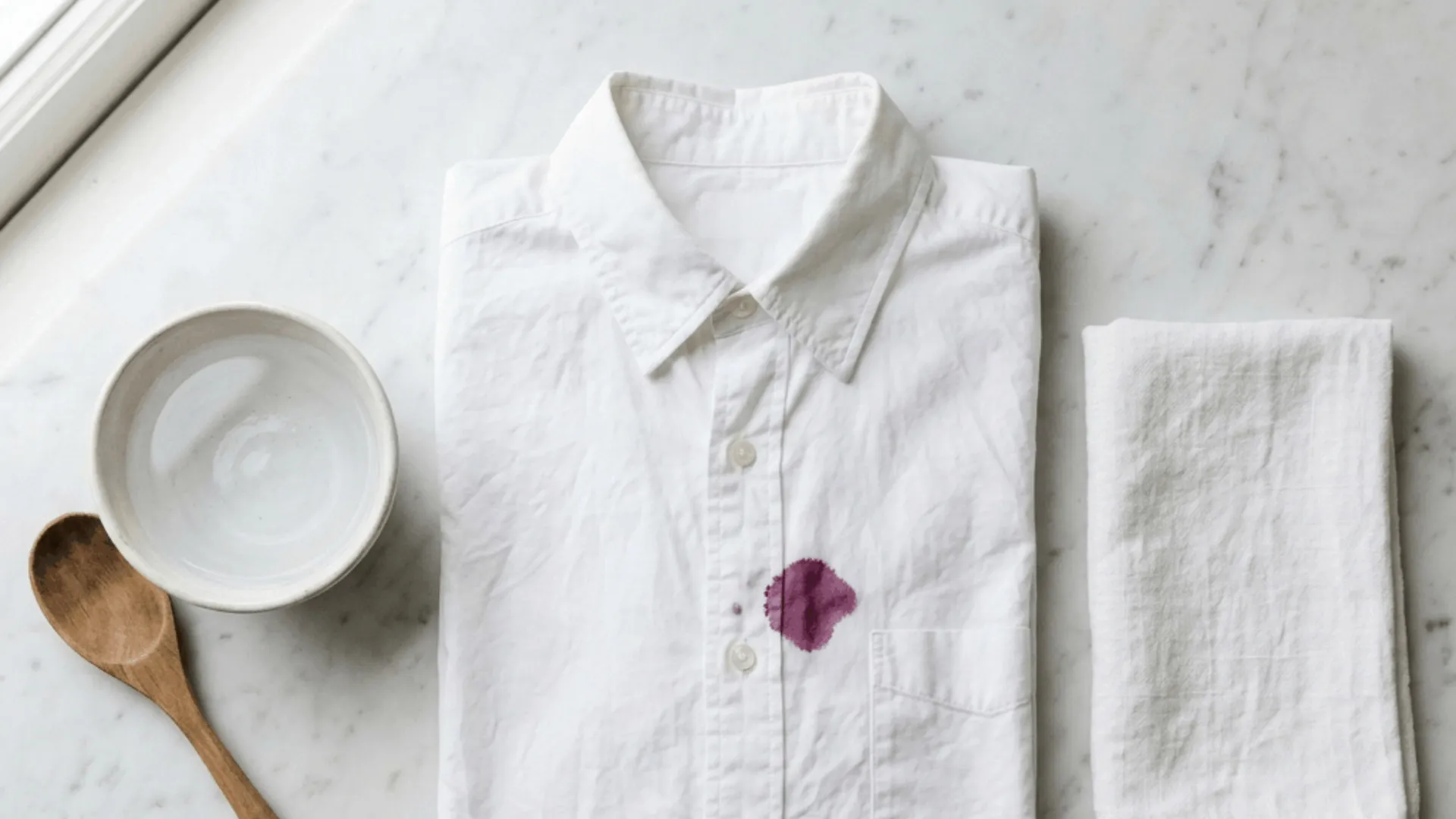
For a stain on a duvet or blanket, the standard rule applies: do not rub — blot. Press with a clean cloth to absorb the excess. Cold water and a small amount of detergent can be applied for water-based stains.
Old and dried stains — particularly in down-fill duvets — do not come out fully at home. In these cases, duvet dry cleaning is the right step.
Correct Storage: Protecting Next Season
Before putting a duvet or blanket into storage, a few rules apply.
Always store clean. A duvet stored while dirty or damp will develop mould, yellowing, and odour in the months it sits in a closed space. Washing or dry cleaning before storage is not optional — it is the foundation of good seasonal care.
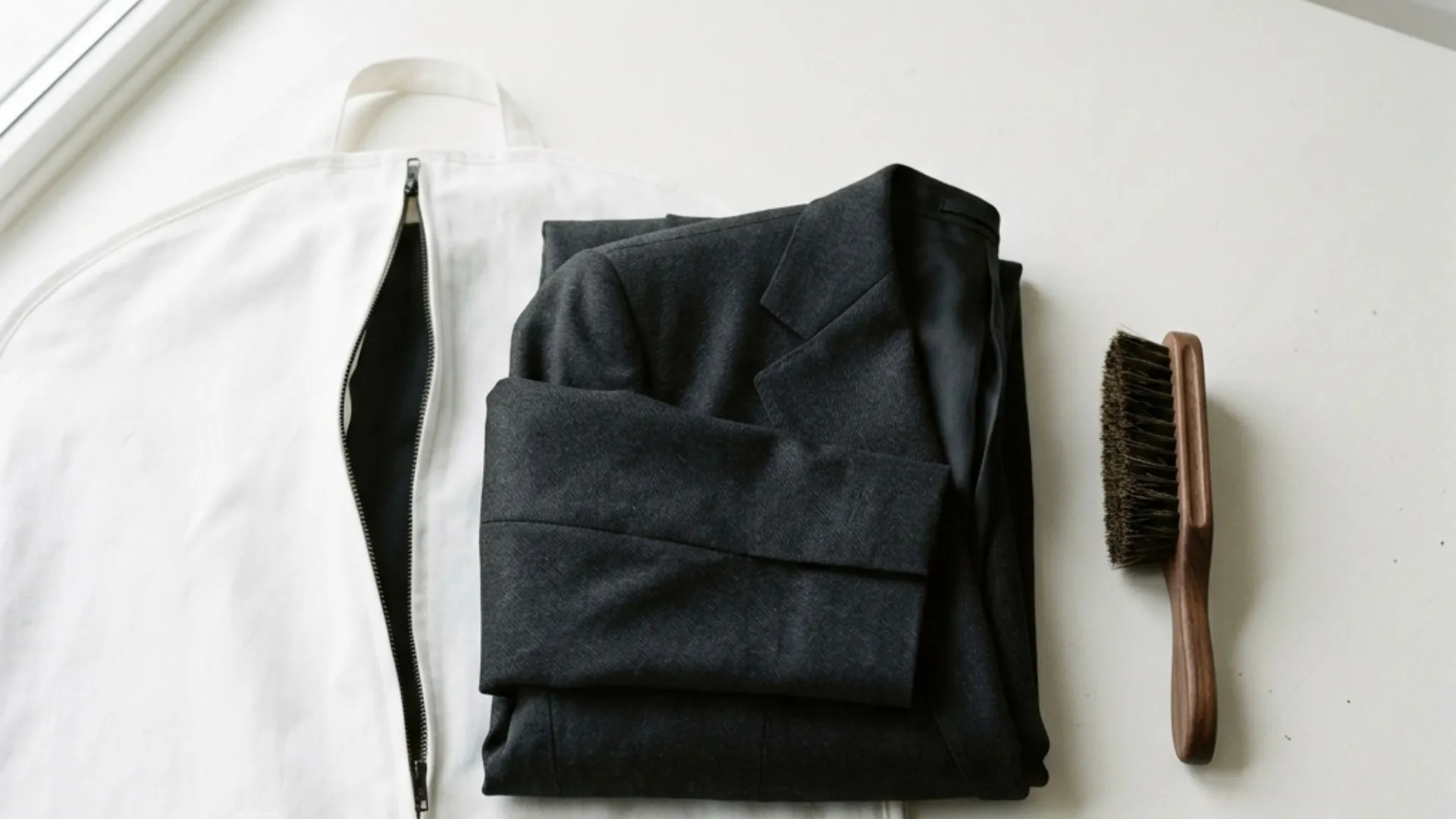
No plastic bags. Plastic does not breathe. Moisture trapped inside creates conditions for mould. A cloth storage bag or a dedicated duvet bag is the right choice.
Vacuum storage bags — use carefully. Vacuum bags work for short-term transport but permanently compress down and synthetic fill over long storage periods. The duvet may struggle to recover its original loft the following season.
The right environment. High-humidity areas, basement storage, and shelves in direct sunlight are not suitable. A consistently cool, dry, and dark space is ideal.
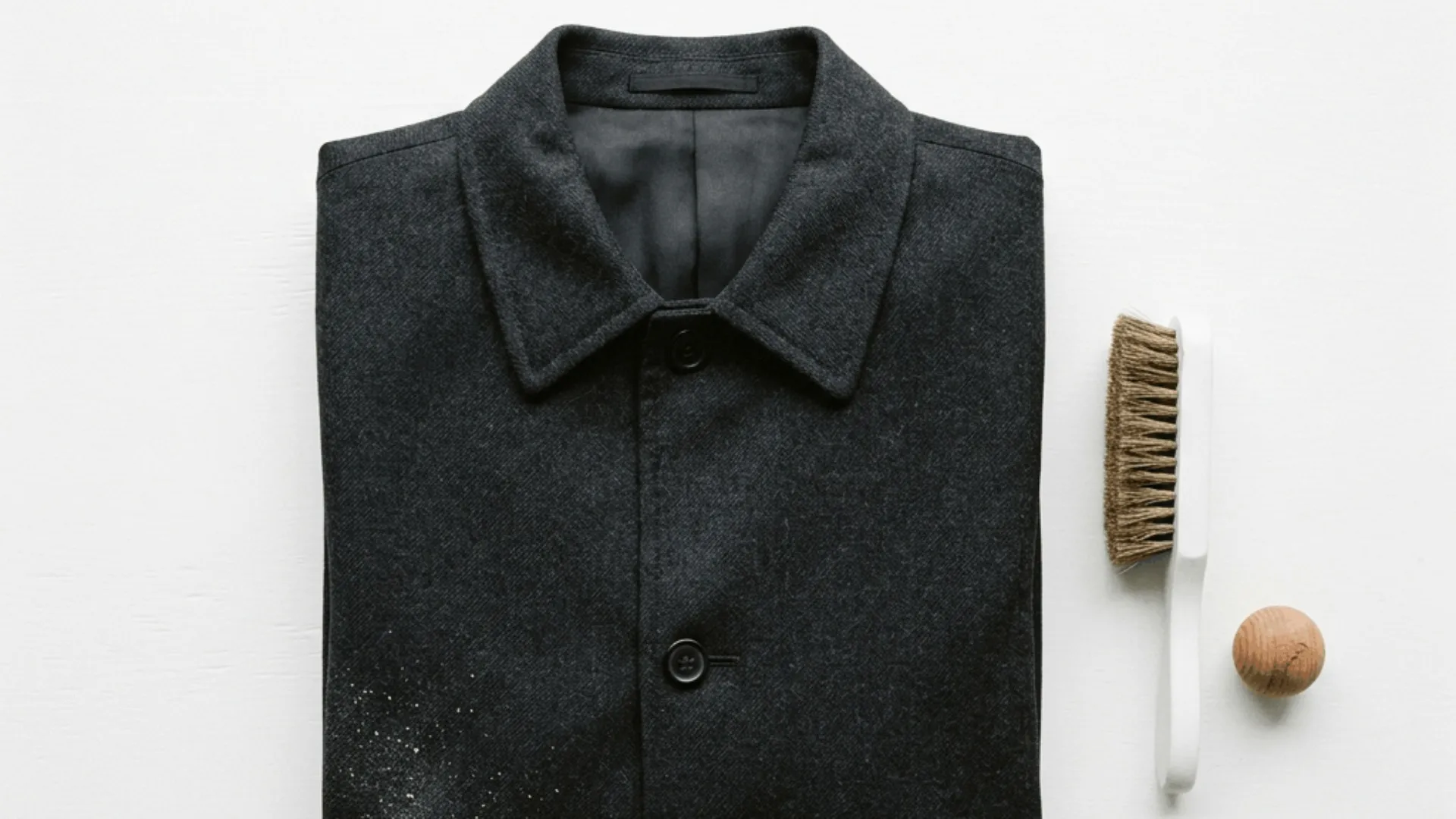
Moth prevention. Wool and down bedding is vulnerable to moth damage. Cedar balls or lavender sachets are natural, effective, and — unlike chemical repellents — do not penetrate the fabric with a strong odour.
Duvet Cover and Sheet Care
Alongside duvets and blankets, covers and sheets need attention too — and they need it far more frequently. Once a week to once every two weeks is the right interval.
Cotton covers and sheets washed at 60 degrees provide effective protection against dust mites. Specialty fabrics and silk-feel covers need lower temperatures and a delicate programme.
Duvet cover cleaning and sheet cleaning are both available at Dry Anka for pieces that need professional care.
Winter Bedding Care with Dry Anka
Across Kadıköy, Çekmeköy, Tuzla, Küçükyalı, and Fikirtepe, Dry Anka provides door-to-door cleaning for all winter bedding.
Duvet dry cleaning — Cotton duvet — Pillow cleaning — Down pillow — Duvet cover — Sheet cleaning
Items are collected from your address, cleaned using the method appropriate to the fill type, fully dried, and returned. To book an appointment, call 0216 208 44 66.
Conclusion
The two biggest mistakes in duvet and blanket care are putting things away dirty and putting them away damp. Avoiding both of these covers most of what is needed to start the following season with bedding that is clean, fresh, and ready to use.
Knowing the fill type and choosing the right method accordingly is the other half of the equation. Cotton and synthetic fills can be handled with careful home washing; down-fill duvets and wool blankets are best served by professional dry cleaning — safer for the fill and considerably more effective in the result.