

What to Do Before Storing Summer Clothes
Late August and early September is when most people make the same mistake without realising it: putting summer clothes away exactly as they are, with a season's worth of sun cream, sweat, and invisible soiling still in the fabric.
When those clothes come out next summer, something is always off. Yellowed whites, faded colours, mysterious marks, a faint storage smell. All of it preventable — but only if the right steps are taken in the right order before things go into storage.
In this guide I will cover what to do before summer clothes are stored, what each type of garment needs, and how to make sure next summer's wardrobe is actually ready when you want it.
Why "I'll Deal with It Later" Doesn't Work
The two most common things people tell themselves when putting summer clothes away: "It looks clean, I'll skip the wash" and "There's a small stain but I'll sort it out next year."
Both lead to the same place.
A garment that looks clean still has sun cream residue, sweat, and body oil in the fabric. These don't cause yellowing immediately. They break down over months in a closed environment and produce it slowly. By the time the garment comes out the following summer, the stain is there — set into the fabric, harder to shift.
The small stain gets worse for the same reason. Stains work their way deeper into the fabric over time. Something easily removed in September may not come out at all by June.
Step 1: Go Through Every Piece
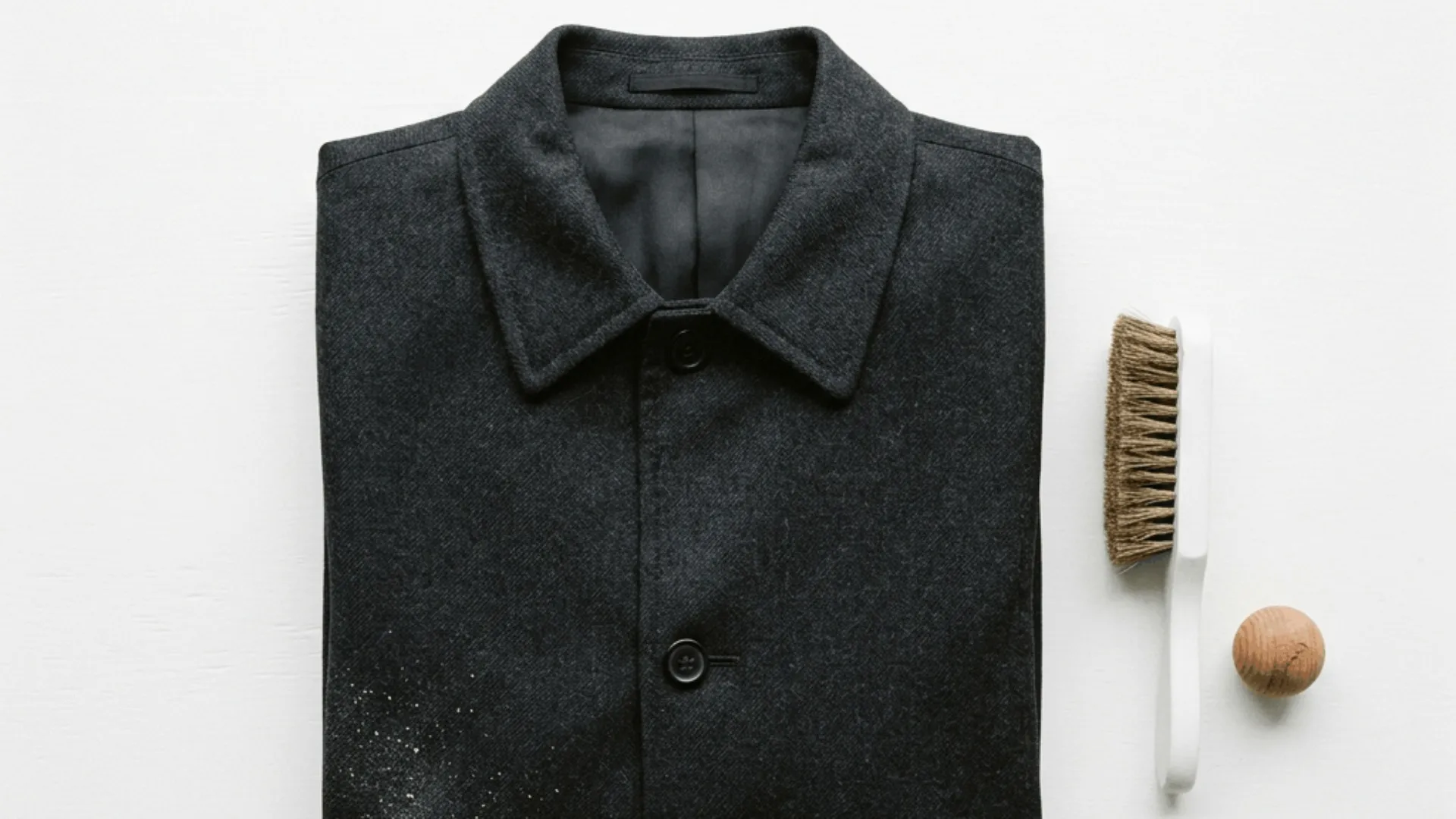
Before anything goes into storage, check each piece in good light. Look for a few specific things.
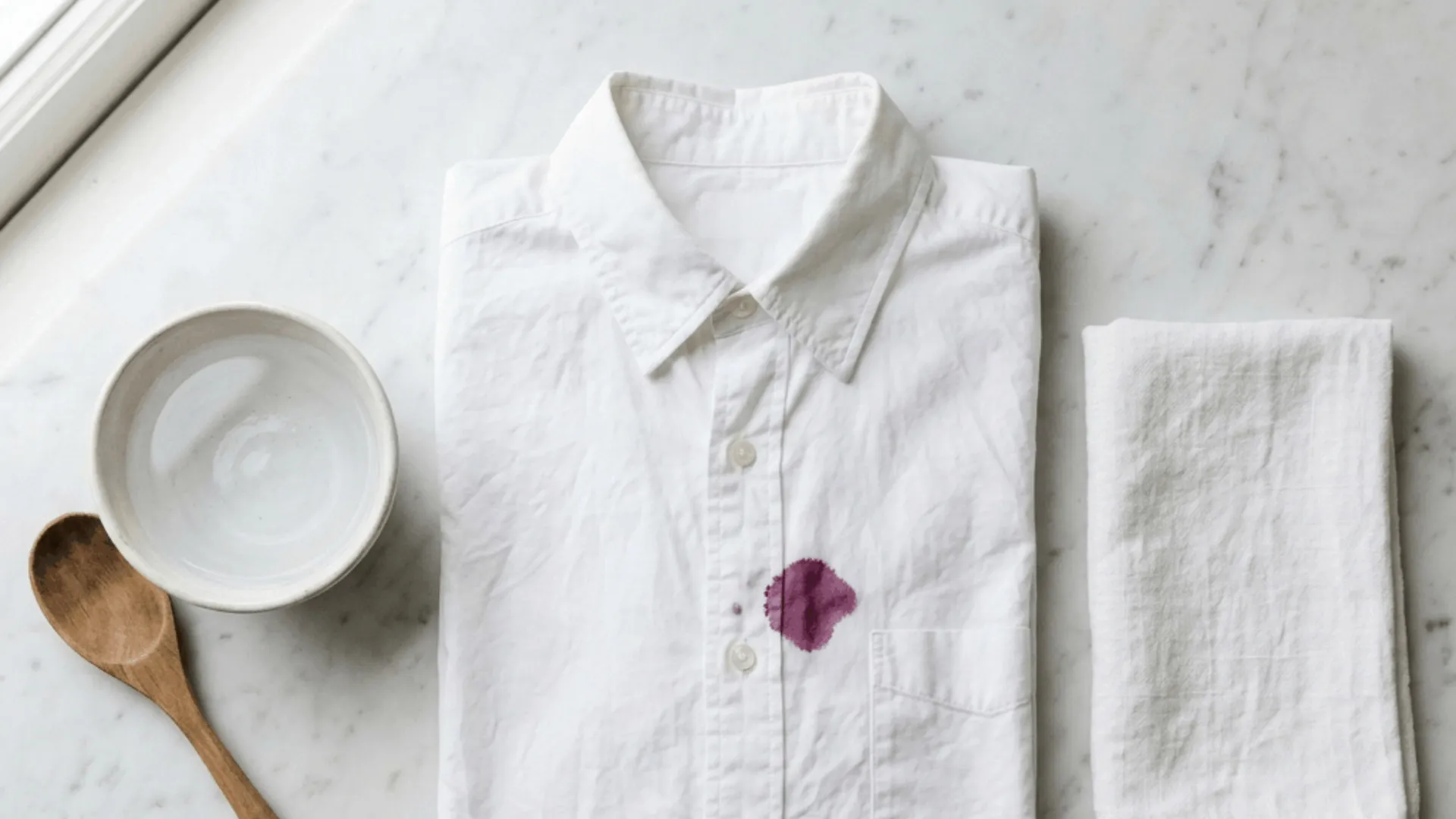
Stains: Pay particular attention to the collar, underarm area, waistline, and hem. Sun cream leaves a creamy or yellowish residue that is easy to miss. Food and drink marks are usually obvious, but small splashes can be invisible in poor light.
Smell: Hold the garment close and check. Even a faint sweat or closed-environment smell means it needs washing. That smell compounds in storage.
Physical damage: Fine summer fabrics develop small pulls, pinhole-sized snags, or seam openings during a season of wear. Finding them now means no unpleasant surprises next summer.
Colour change: Have the whites yellowed? Have the colours faded unevenly? Some colour changes cannot be reversed, but some can — and knowing now is better than discovering later.
Step 2: Decide What Needs Washing
A simple rule applies here: if in doubt, wash it.
Even a garment that looks clean carries invisible soiling from a summer of outdoor wear, sun cream contact, and warm weather. That soiling reveals itself after months in storage.
Pieces that must be washed include anything with underarm or waistline sweat marks, anything with sun cream or self-tanner residue, anything with a visible stain, anything that has been in the sea or a pool — salt and chlorine erode fabric if left in the fibre — and anything worn frequently through the season.
If you wore something once without sweating, airing it may be enough. But that applies to very few pieces in a summer wardrobe.
Step 3: The Right Washing Method
Most summer clothes are made from fine, delicate fabrics — linen, viscose, fine cotton, silk blends. These are sensitive to both heat and high-speed machine cycles.
Linen: Cold or cool water, low spin. High temperature causes shrinkage. No tumble dryer — lay flat to dry.
Viscose: One of the most delicate summer fabrics. Very fragile when wet. Cold water only, on a delicate programme or by hand. No rotating brush head on the machine.
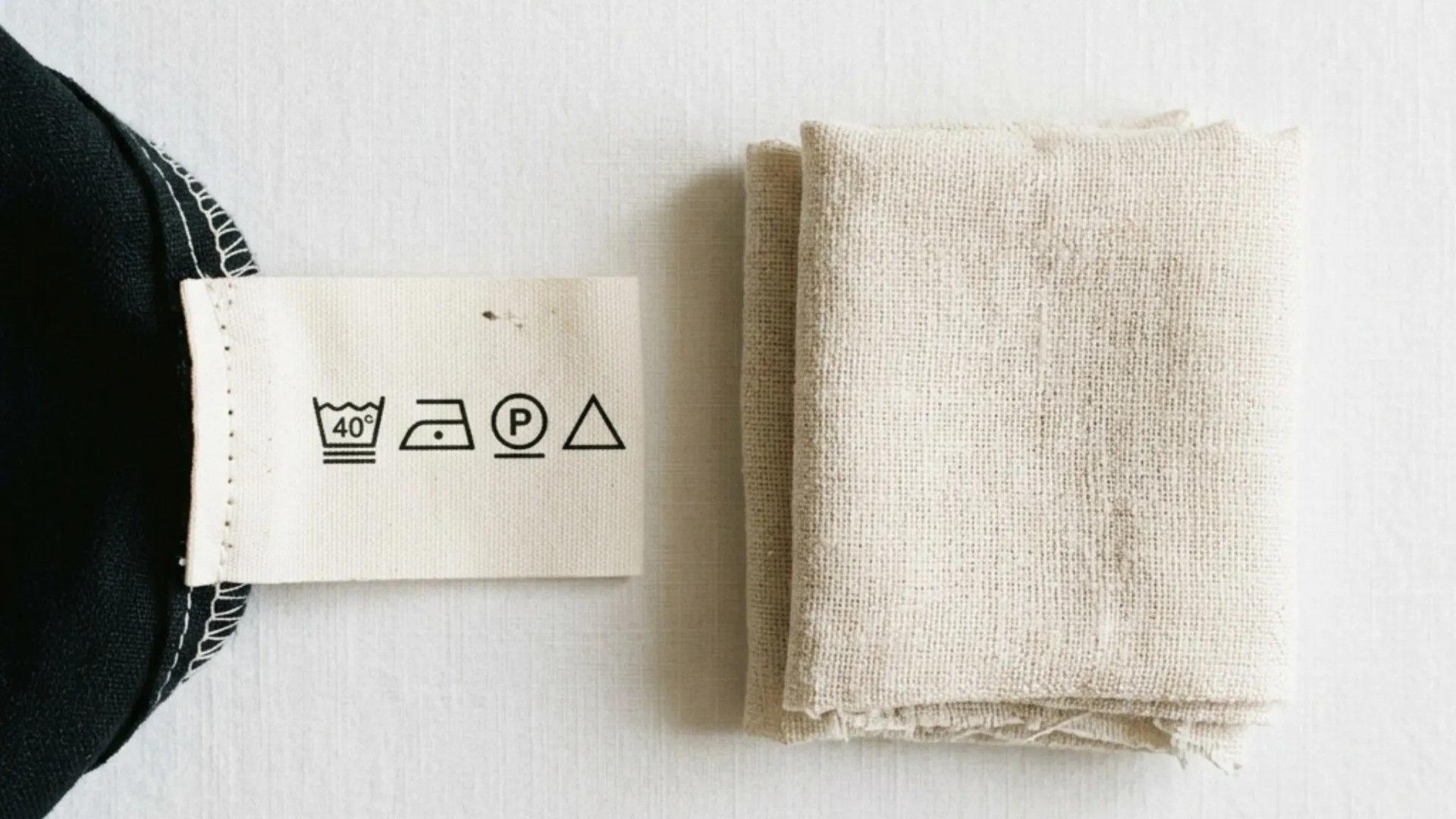
Silk and silk blends: Most require dry cleaning. If the label says hand wash, cold water and a silk-specific detergent — but never a machine.
Fine cotton and batiste: Cold water, delicate programme. Hot water shrinks fine cotton.
Swimwear: Should be rinsed in cold water after every swim. At the end of the season, hand wash gently and dry flat. Machine washing breaks down the lycra and elastane.
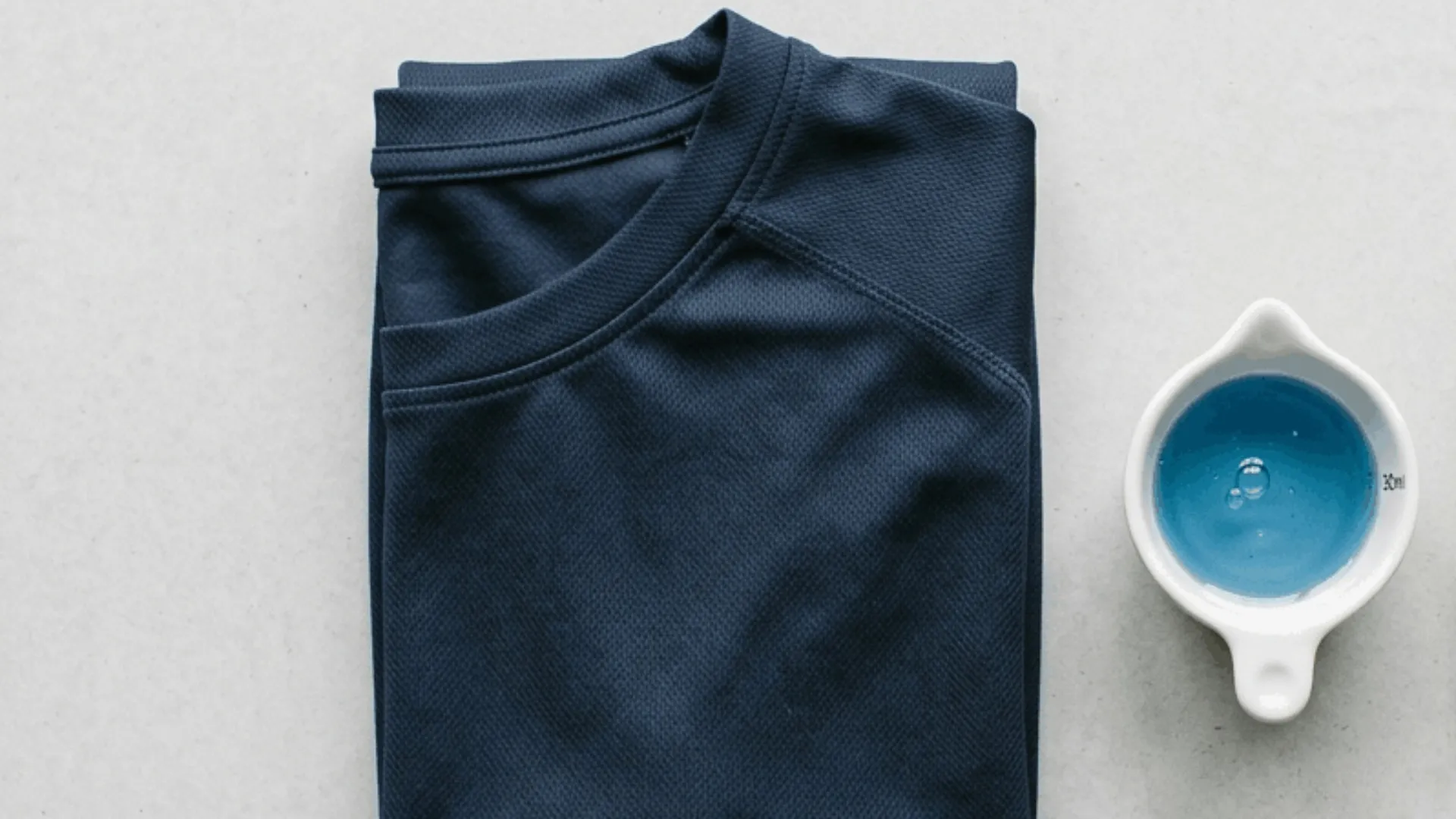
A note on sun cream stains: These do not always come out with standard washing. Applying liquid detergent directly to the stain and leaving it for a few minutes before washing helps. If the stain does not shift, professional pre-treatment is needed — and the longer it waits, the harder the job.
Step 4: Pieces That Need Dry Cleaning
Some summer garments cannot be washed at home — either the label prohibits it or the fabric simply does not tolerate it.
Silk dresses and blouses usually require dry cleaning. Home washing risks water marks, colour bleeding, or permanent stiffening of the fabric.
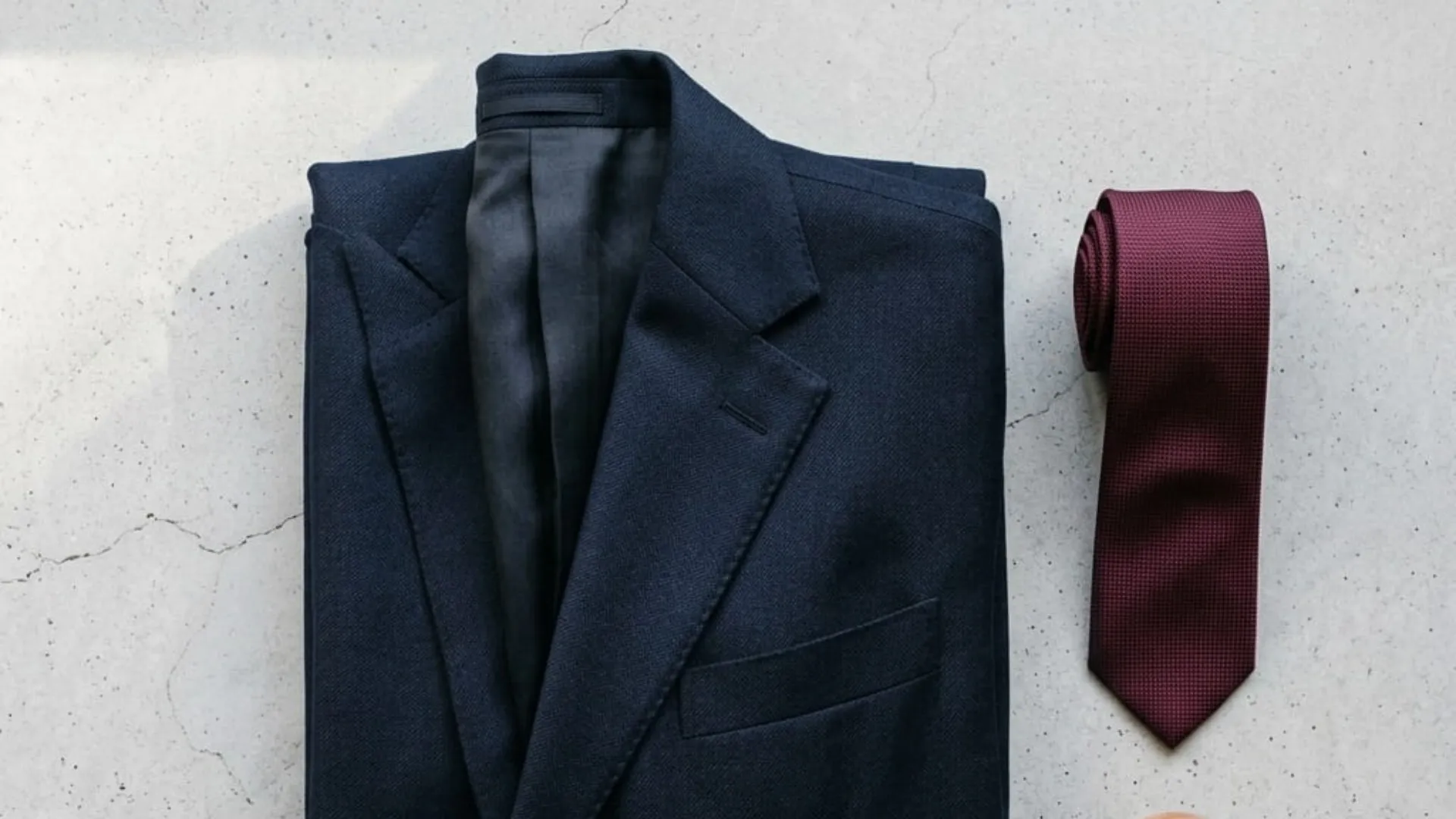
Summer suits and blazers — linen blazers or fine-fabric jackets with lining — require dry cleaning. The internal construction does not survive a home wash.
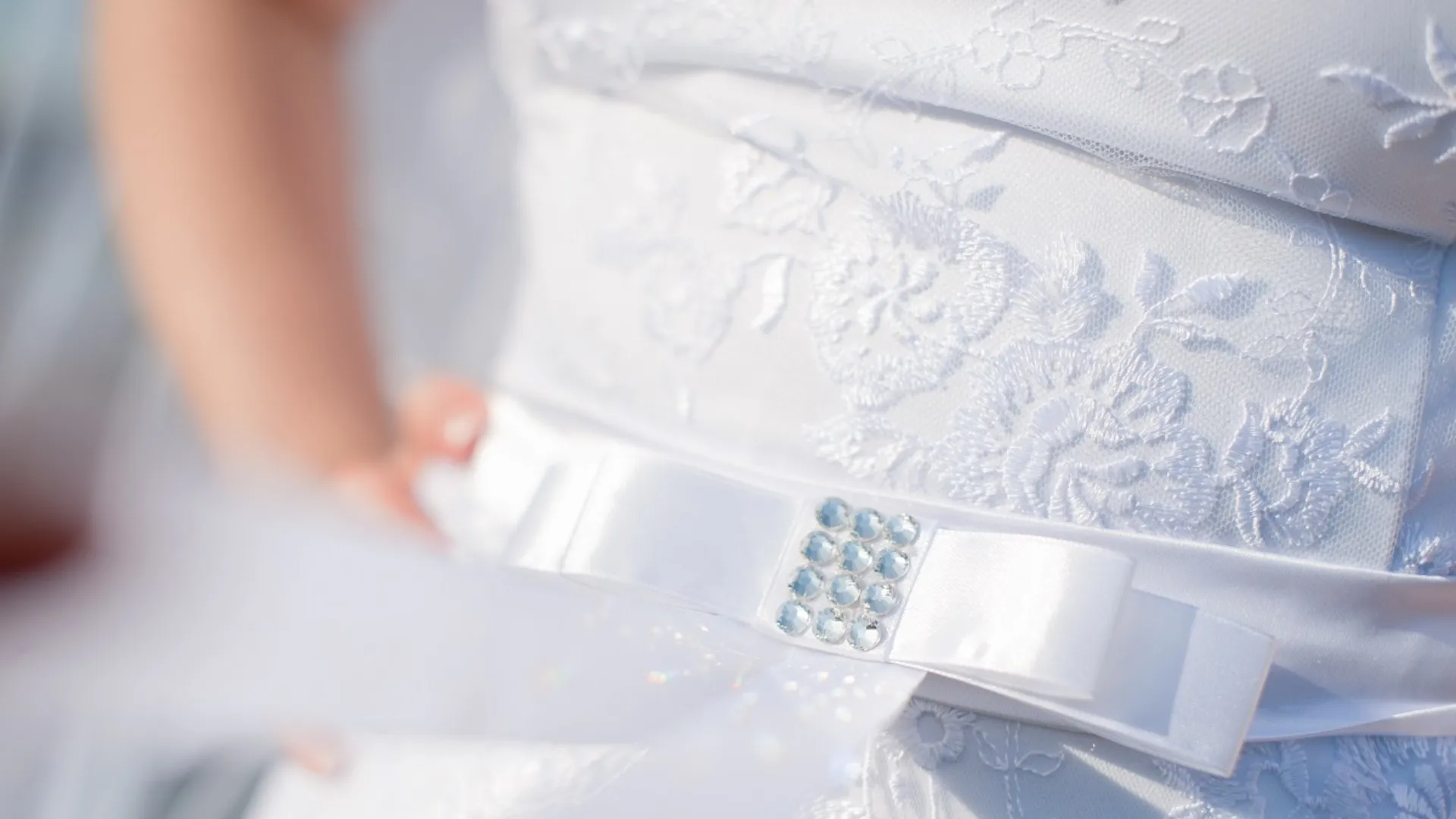
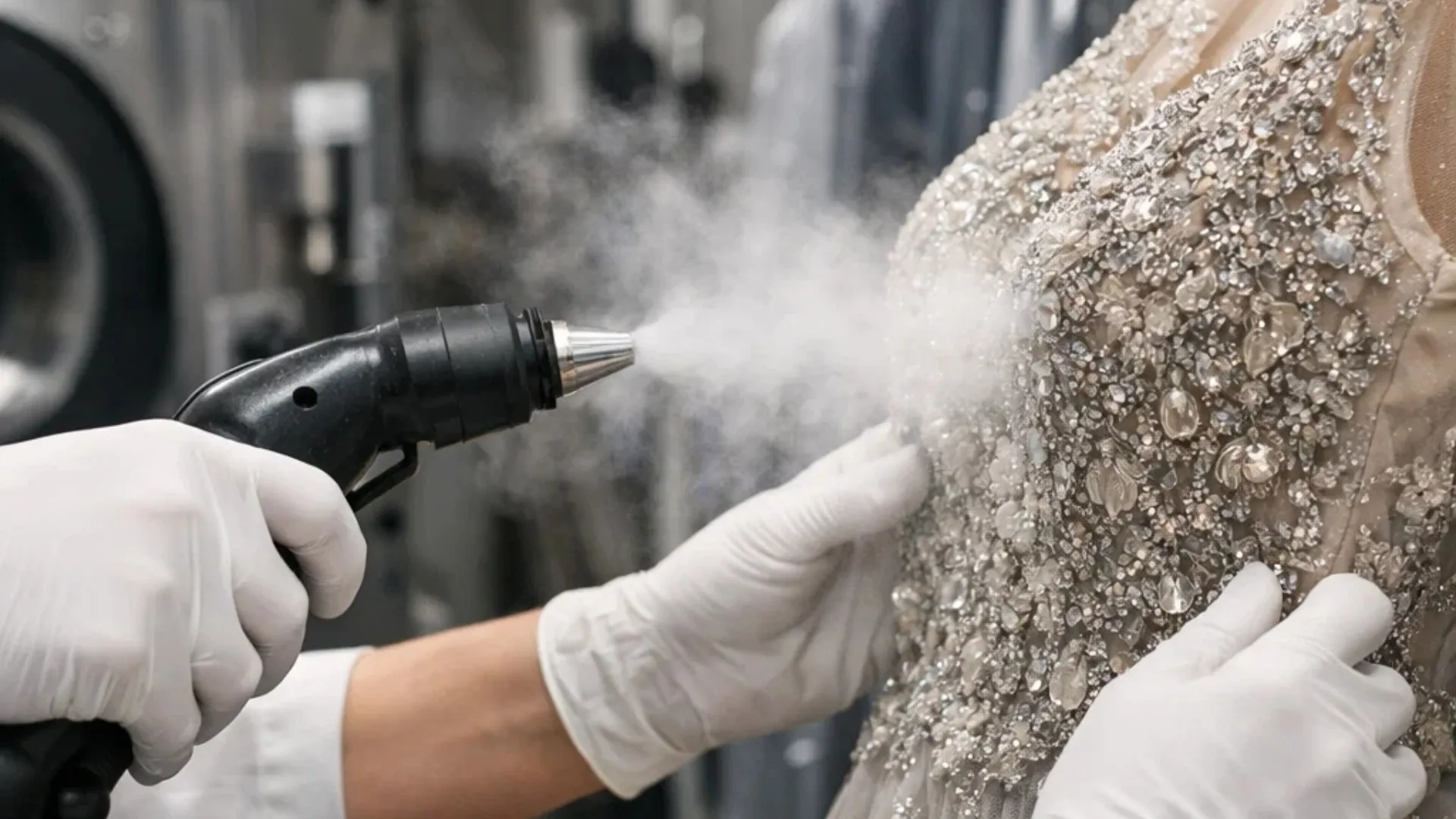
Embroidered, beaded, or sequined summer pieces cannot go in a machine. Dry cleaning is the only safe option.
Vintage summer garments cannot absorb the mechanical load of a standard machine cycle.
Sending these pieces to a dry cleaner before they go into storage means they are ready to wear when you want them next summer — not in need of attention.
Step 5: Storing Correctly
Once washing and drying are done, storing correctly is the final step. Skip this or get it wrong, and most of the cleaning effort is undone.
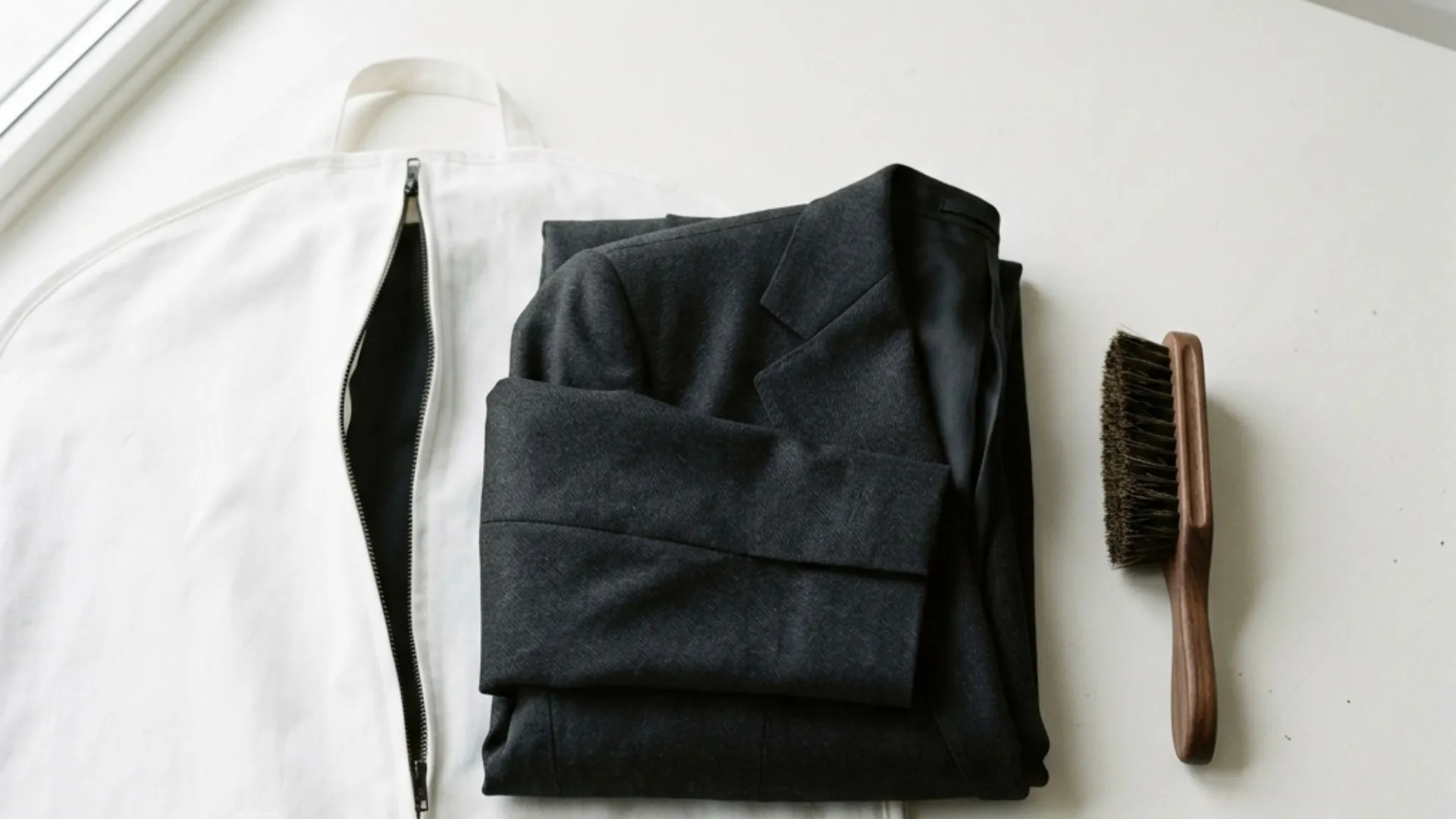
No plastic bags. Nylon and plastic do not breathe. Moisture trapped inside creates conditions for mould. Fabric stored in plastic for months can also develop a faint chemical smell.
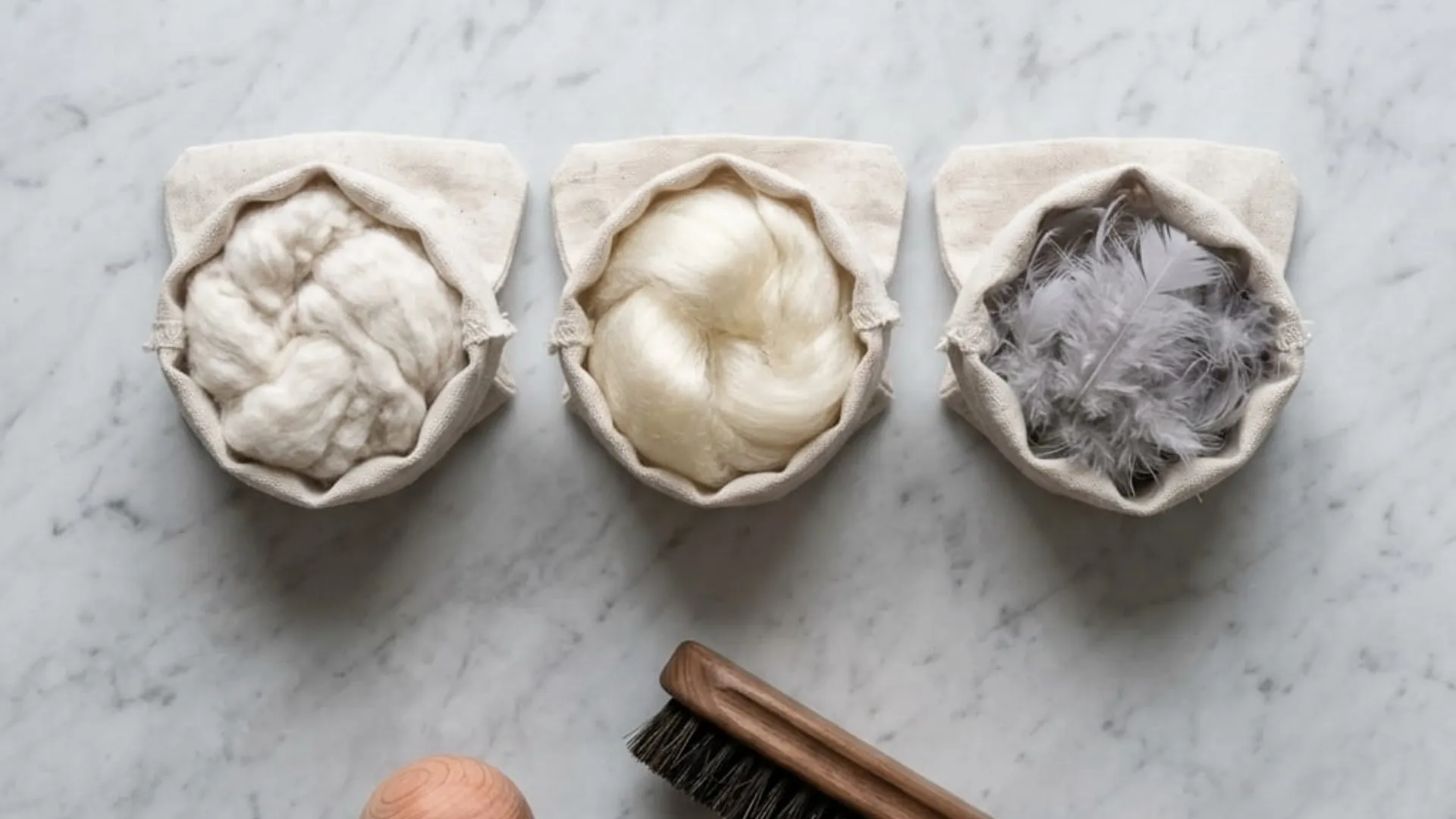
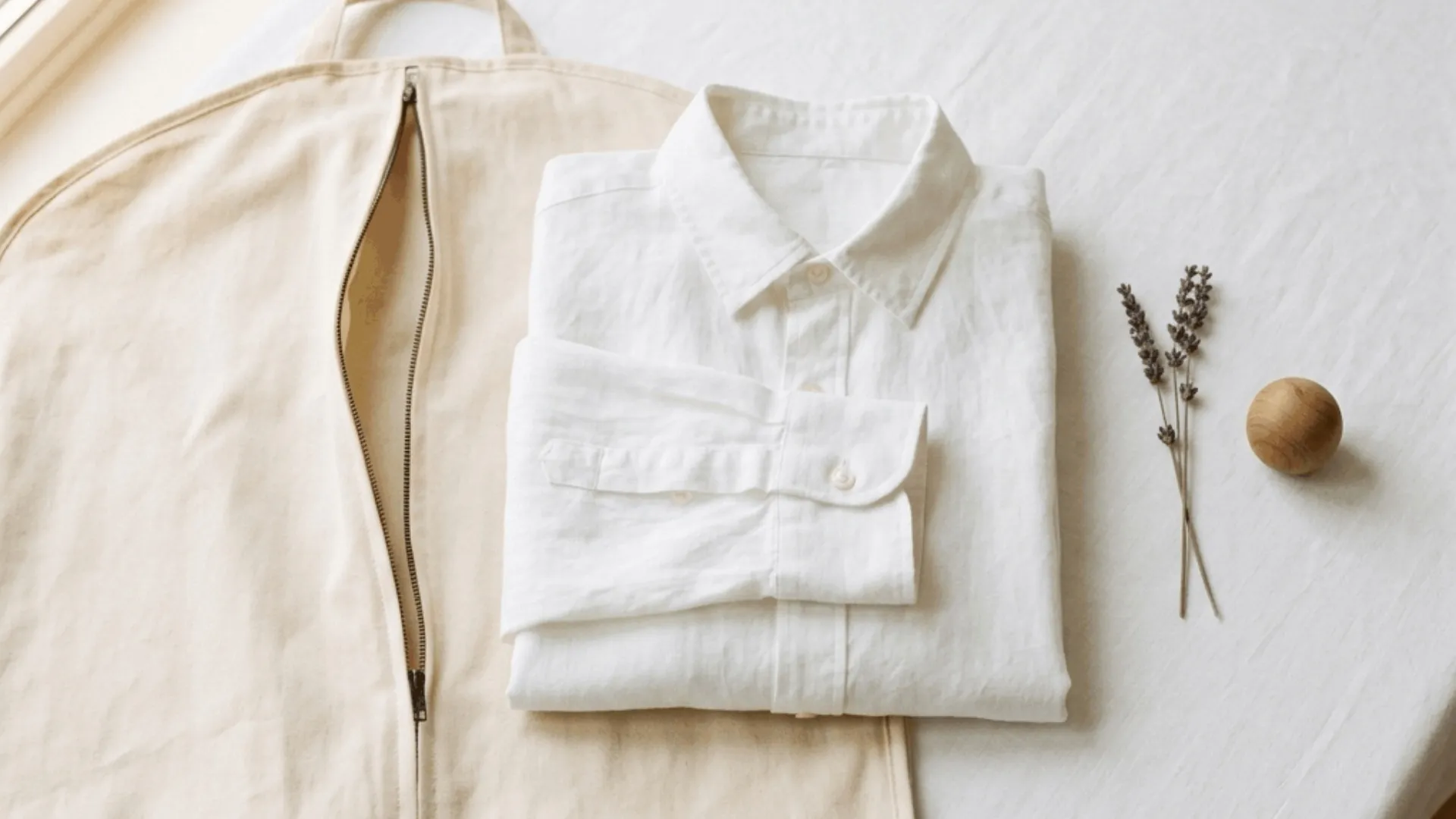
Use breathable cloth or cotton bags. Breathable material allows moisture to escape. If you do not have dedicated garment bags, wrapping pieces in clean cotton is still better than plastic.
Consider hanging fine garments rather than folding. Long-term folding can create permanent creases in delicate fabrics. Storing on wide-shouldered hangers avoids this.
Do not overpack. The more tightly clothes are packed, the less air circulation there is. Leaving space between pieces protects their shape and reduces moisture build-up.
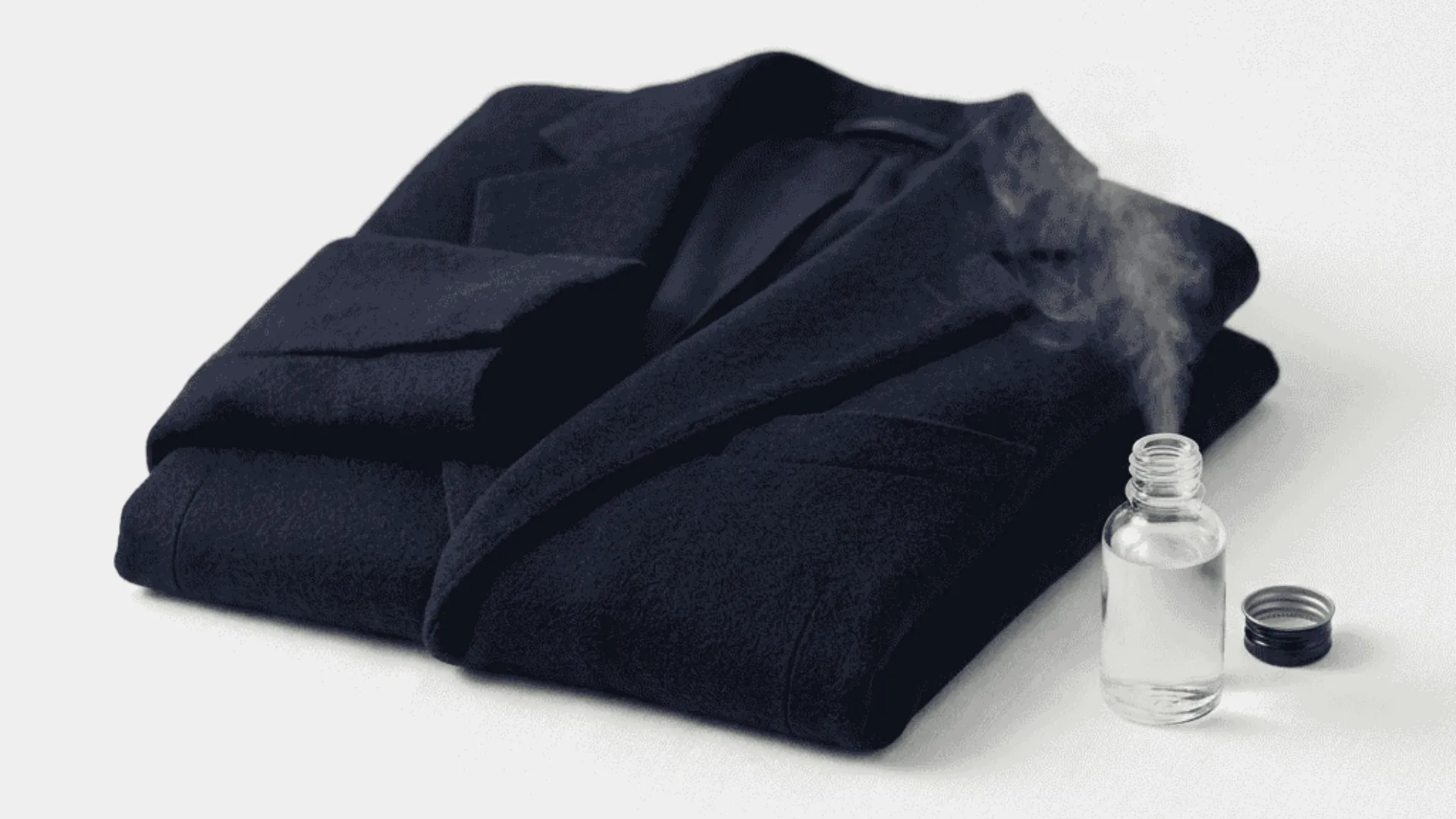
Use natural moth deterrents. Cedar balls or lavender sachets do not penetrate fabric the way chemical repellents can. Next summer, no chemical smell to air out.
Choose the right storage environment. High-humidity areas, basement storage, and shelves in direct sunlight are all unsuitable. A consistently cool, dark, and dry space is ideal.
Sun Cream Stains: A Particular Problem
Sun cream is the most stubborn stain type in summer wardrobes — and there are specific reasons for it.
UV filters in sun creams, particularly avobenzone, react with iron minerals to produce yellowing. Combined with sweat and body oil, this reaction works its way deep into the fabric. And critically: machine washing at standard temperatures removes part of the stain but sets the rest. Heat accelerates the reaction.
This is why hot washing or tumble drying is particularly damaging for sun cream stains. Cold pre-soaking, an enzyme-based detergent, and a cold wash give the best result. If the stain does not shift, professional pre-treatment is the next step — and the longer it waits, the less likely it is to come out fully.
End-of-Season Care with Dry Anka
Across Kadıköy, Çekmeköy, Tuzla, Küçükyalı, and Fikirtepe, Dry Anka provides door-to-door dry cleaning for summer garments before they go into storage. Silk pieces, linen blazers, embroidered garments, and anything with sun cream staining are collected from your address, cleaned using the right method for each fabric, and returned ready for next summer.
To arrange a collection, call Dry Anka on 0216 208 44 66.
Conclusion
Putting summer clothes into storage looks like a five-minute job. The decisions behind it — what gets washed, what goes to a professional, how it all gets stored — are what determine what next summer's wardrobe looks like.
Getting it right now means opening the wardrobe next June and finding clothes that are clean, intact, and ready to wear. A few hours in late summer is a reasonable trade for that. Contact Us