

When Should Curtains Be Washed? A Seasonal Curtain Care Guide
Curtains are the most overlooked textile in any home. Rugs get cleaned, clothes get washed — but curtains stay hanging in the same place for years. Meanwhile, they absorb dust, moisture, cooking vapour, cigarette smoke, and city pollution every single day.
Dirty curtains are both a visual and a hygiene problem. Yellowed net curtains, dusty velvet drapes, and storage-smelling roller blinds undermine the overall cleanliness of a room. And most people only notice the build-up when the curtains finally come down.
In this guide I will cover how often curtains should be washed, what each fabric type needs, and where professional cleaning makes the most sense.
Why Curtains Get Dirty Faster Than We Think
A curtain surface may look clean while carrying a significant amount of accumulated soiling. There are several reasons for this.
Curtains work in a similar way to an air filter. Dust, exhaust particles, and environmental pollutants that enter through the window pass through the curtain fabric and are trapped inside. This build-up gradually dulls the colour of the fabric and causes yellowing in white and pale pieces over time.
Moisture is equally significant. In areas close to the sea — neighbourhoods like Kadıköy's waterfront, Tuzla, and Küçükyalı — curtains near windows absorb the condensation that forms on the glass. That moisture creates the conditions for mould and persistent odour.
Kitchen and bathroom curtains face direct contact with cooking vapour and humidity. These rooms produce soiling that works into the fabric much faster than in other areas of the home.
Cleaning Frequency by Curtain Type
Not every curtain needs washing at the same frequency. The fabric type and the conditions of the room it hangs in are both deciding factors.
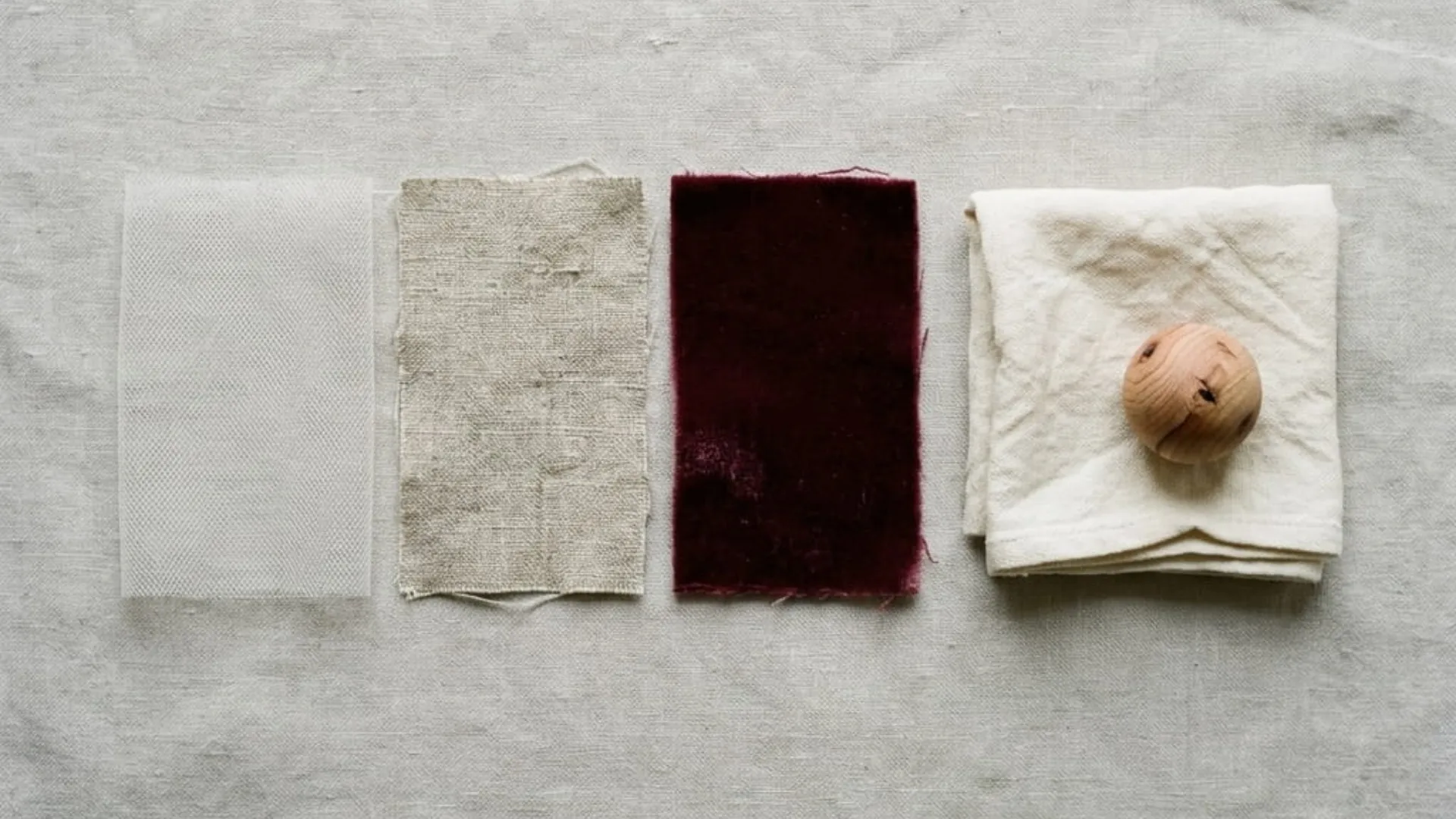
Net and sheer curtains require the most frequent washing. Their fine, translucent structure absorbs dust very quickly. Twice a year — during spring and autumn cleaning — is the ideal schedule. In seaside homes where salt and humidity accumulate faster, more frequent washing may be needed. Net curtain cleaning is available at Dry Anka.
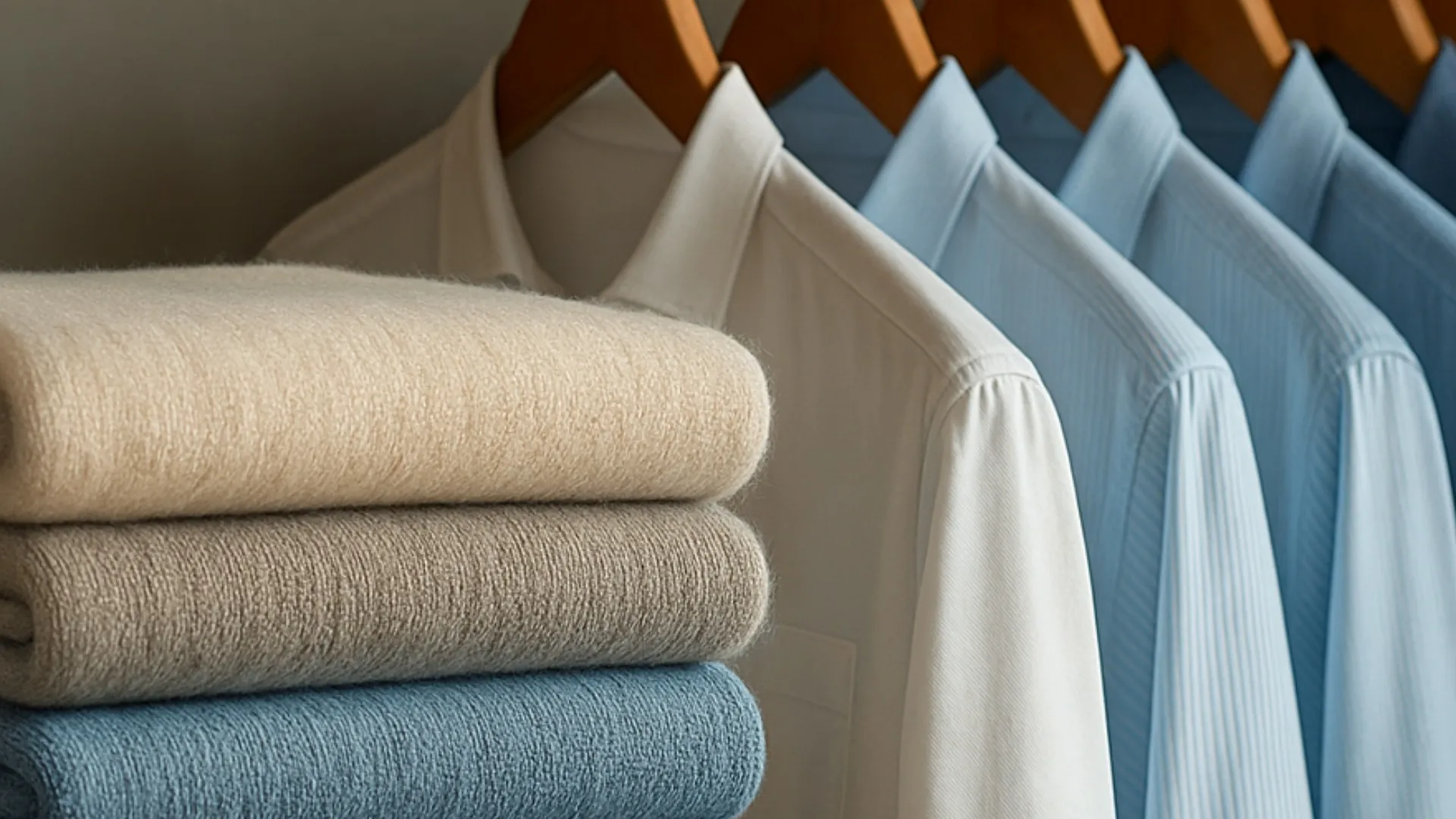
Linen and cotton curtains should be washed once or twice a year. These fabrics are relatively durable, though linen in particular tends to hold moisture. Two cleans per year — end of summer and end of winter — is a good working schedule. See the linen curtain cleaning page for details.
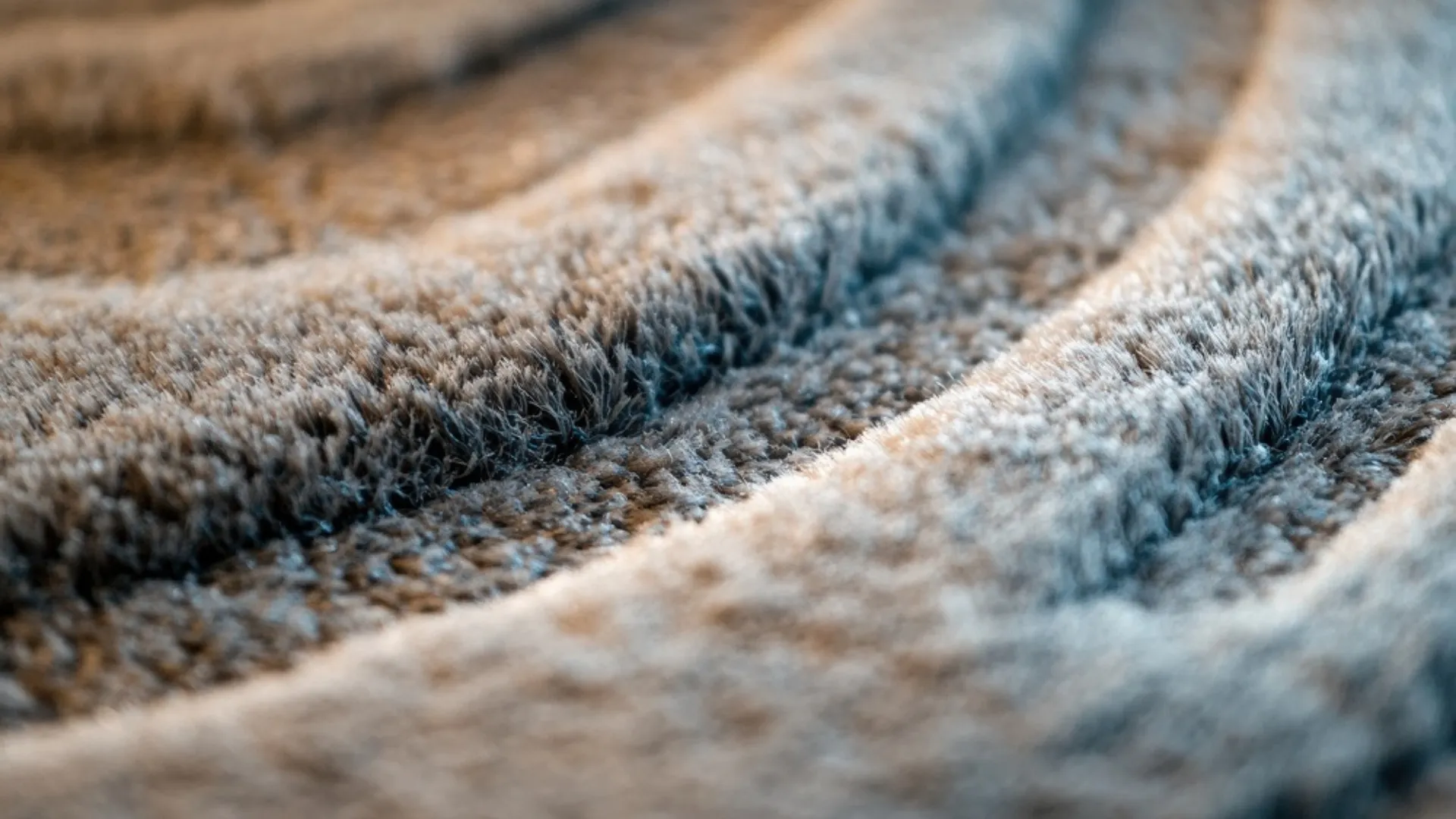
Velvet curtains are the most sensitive category. Velvet's pile surface holds dust very effectively — and is equally sensitive to incorrect washing. Once a year of professional cleaning is sufficient, but home washing must be avoided entirely. Water and detergent permanently damage velvet's surface texture. Velvet curtain cleaning requires professional care.
Roller and zebra blinds are not fabric in the traditional sense and need a different approach. Regular damp wiping is sufficient for day-to-day maintenance, but a professional wash once a year is recommended for a deep clean. The roller blind washing page has more detail.
Kitchen and bathroom curtains need washing far more frequently than those in other rooms. Direct contact with cooking vapour and humidity means monthly or bi-monthly washing is appropriate.
A Seasonal Care Calendar
Washing curtains once or twice a year is the right frequency for most homes — but timing matters.
In spring, the dust, heating system particles, and indoor pollution that have built up through winter need to come out. Radiator dust in particular settles heavily on curtains through the cold months. Spring cleaning is the most important curtain washing period of the year. It refreshes the appearance and removes the moisture build-up that winter creates.
In autumn, the dust and city pollution carried in through open summer windows need to be cleared. Washing curtains before the heating season begins also prevents that initial round of radiator dust from settling straight onto already-dirty fabric.
Kitchen curtains should be checked independently of this schedule and washed whenever visible grease build-up or colour change begins — regardless of the season.
Curtains That Can Be Washed at Home
Not every curtain type can be washed at home — but some can, if done correctly.
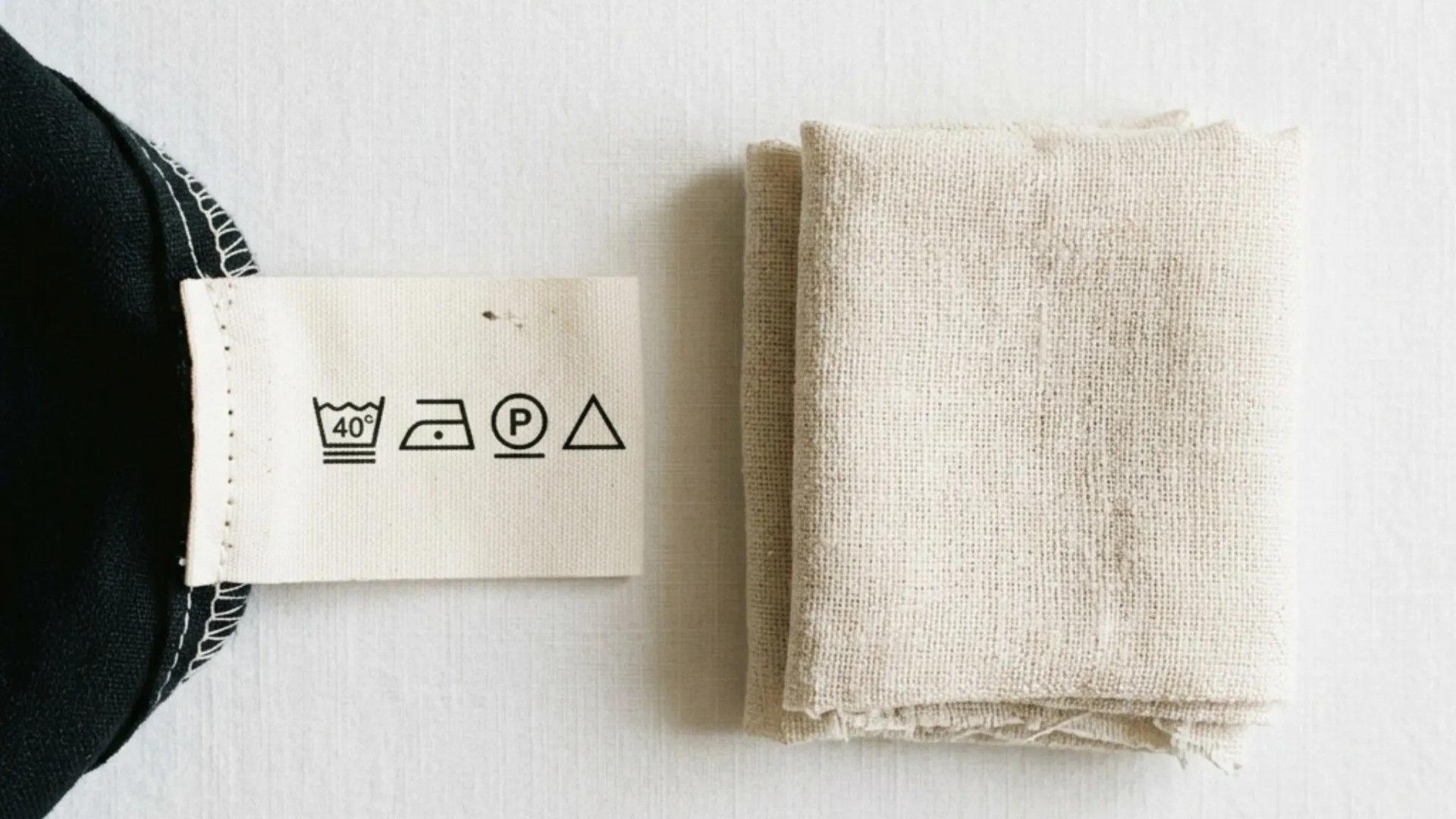
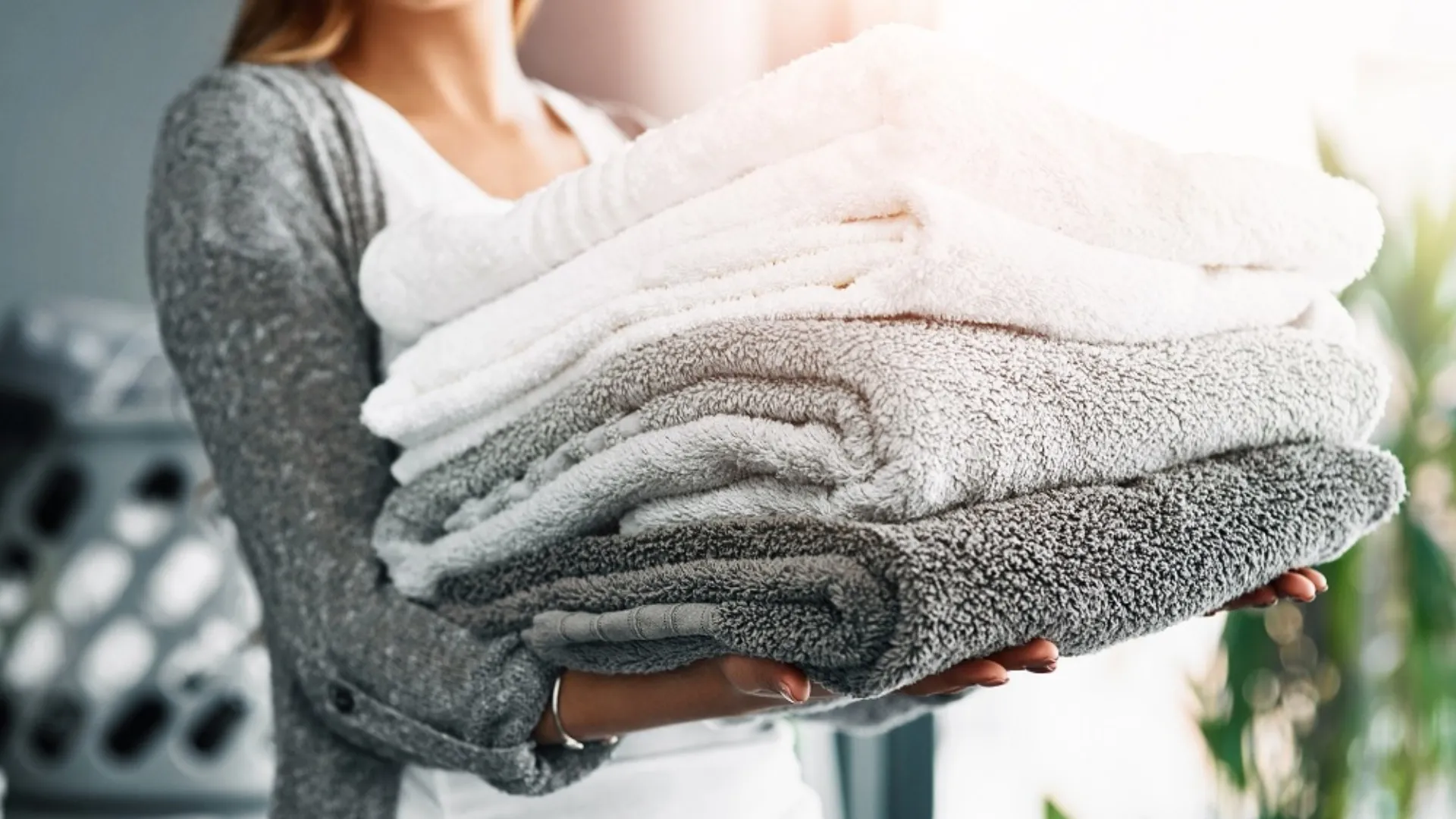
Net curtains and fine cotton curtains can be machine washed in cold water on a delicate cycle, provided the label permits it. A few rules apply. Nothing else should go into the machine at the same time. Using a mesh laundry bag protects the surface from abrasion against the drum. A high spin speed crushes fine fabric — a low spin is essential.
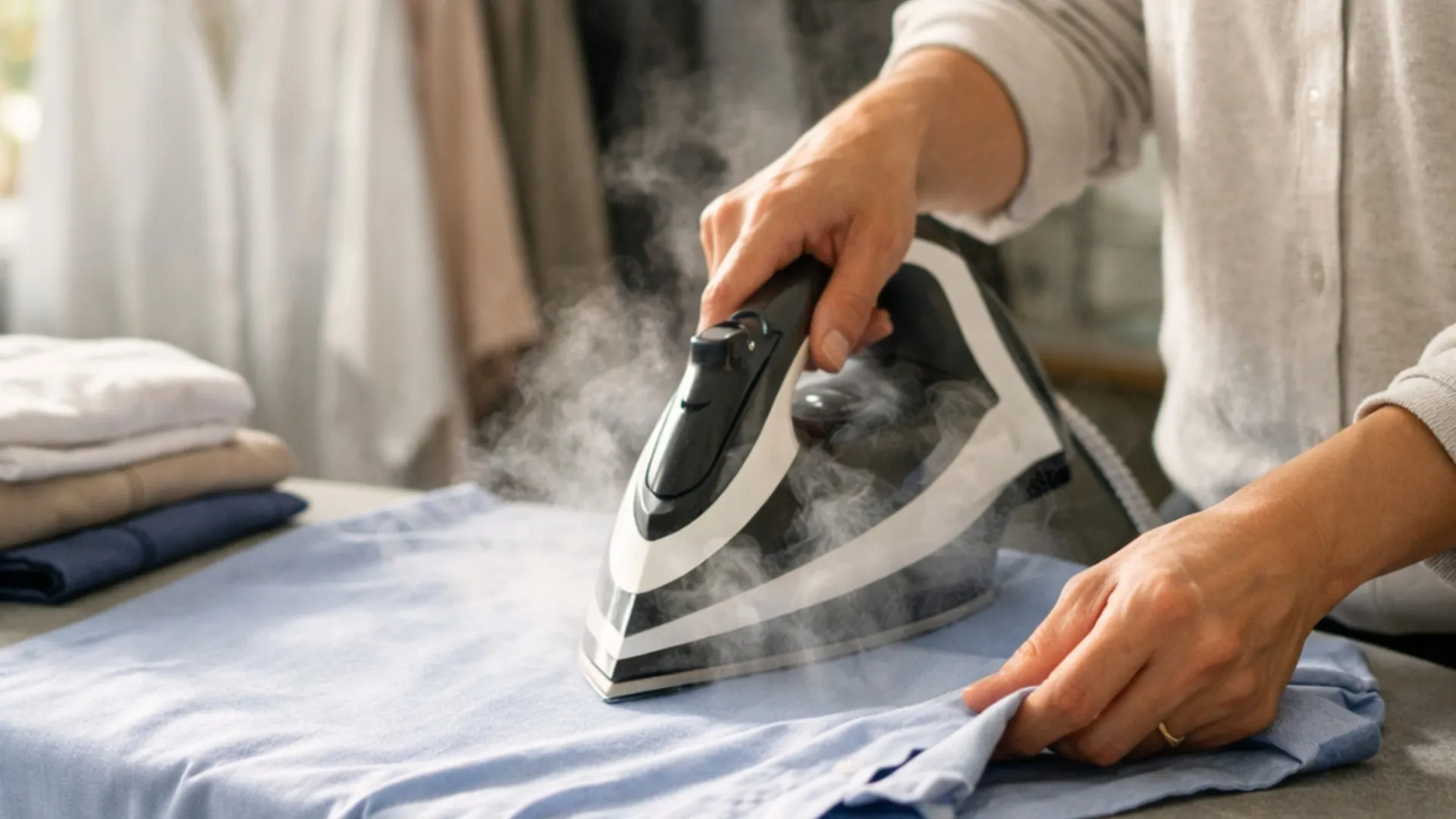
Drying is the most critical stage. A curtain that is not dried correctly comes out creased and is difficult to iron back to shape. The best method is to re-hang the curtain on its rail while still damp and allow it to dry in place under its own weight. This allows the fabric to drop naturally into shape and significantly reduces the need for ironing.
Linen curtains may experience some shrinkage when machine washed. Cold water reduces this risk but does not eliminate it entirely — worth accounting for before washing.
Curtains That Must Not Be Washed at Home
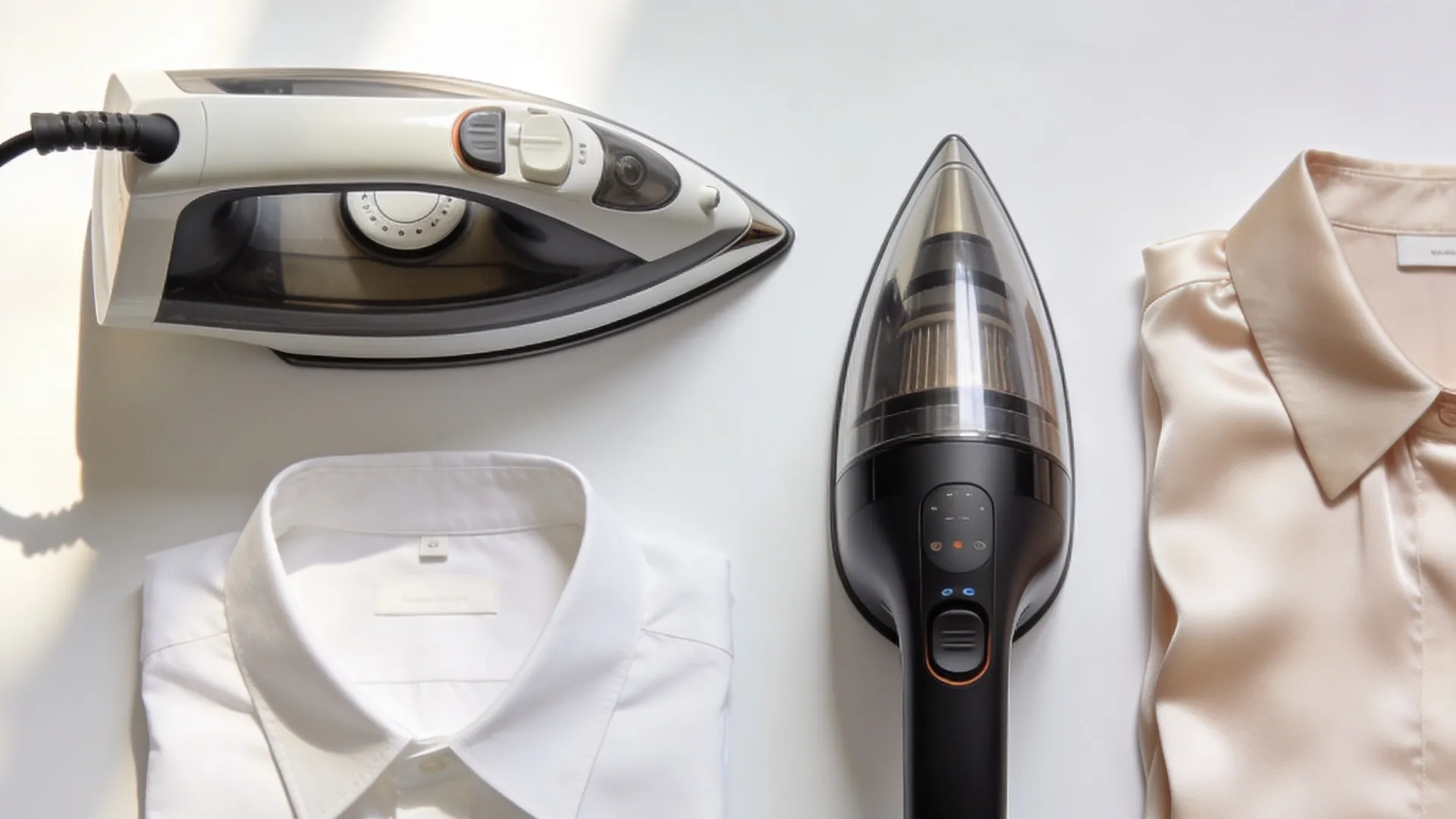
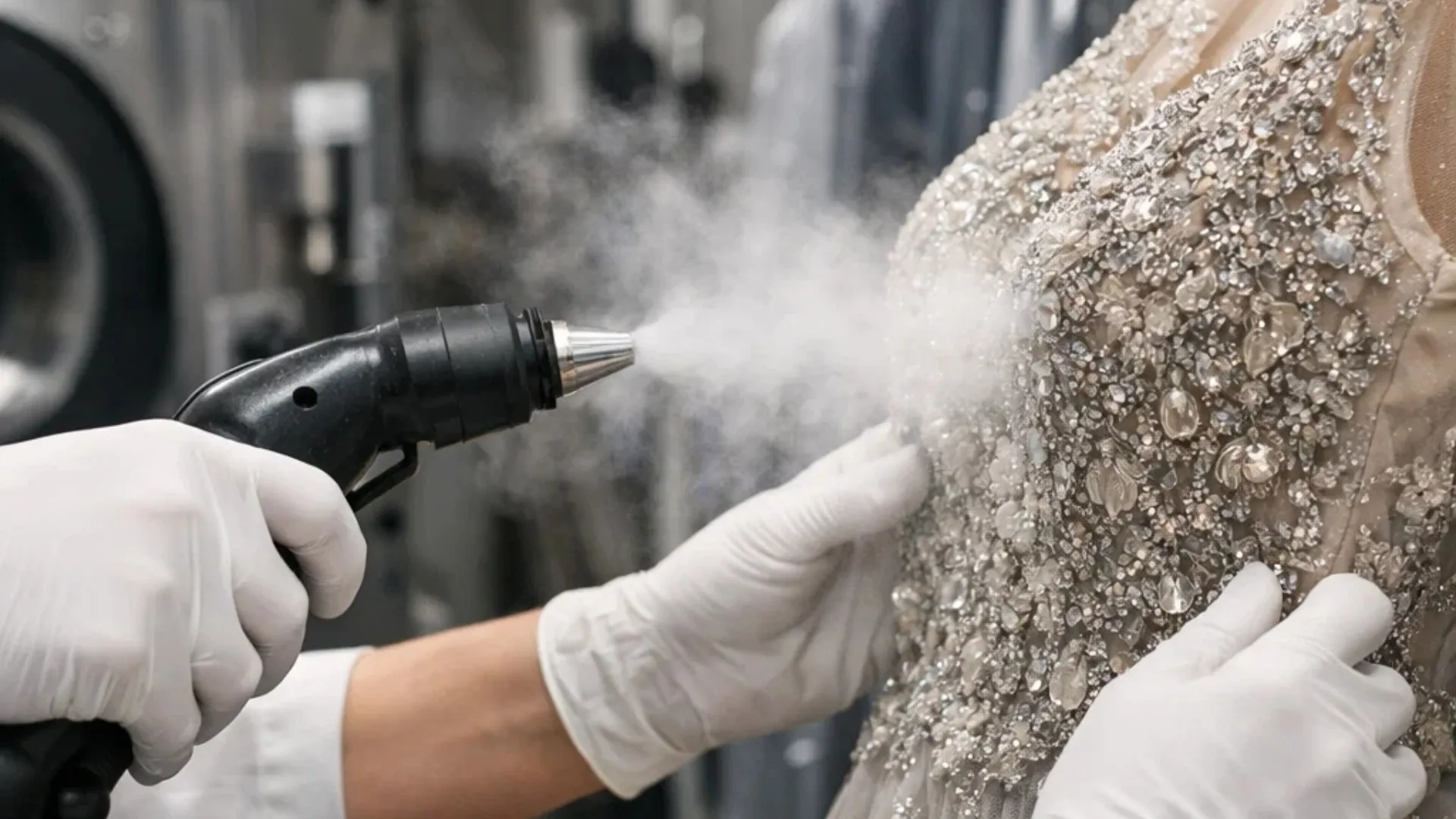
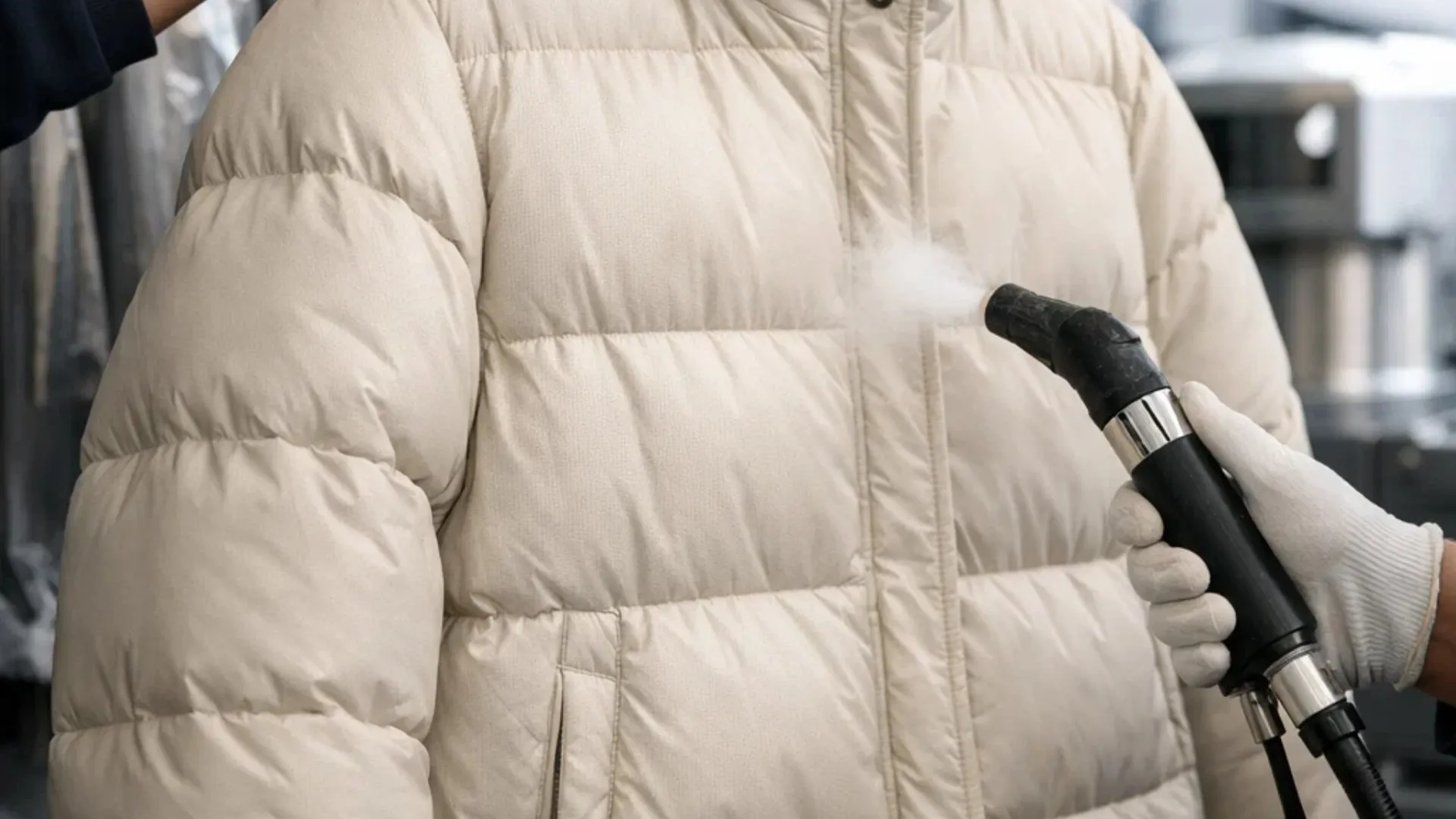
Velvet curtains must never be washed at home. Water and detergent crush the pile and leave permanent pressure marks. A standard iron is equally unsuitable — only a garment steamer held at a distance is appropriate for velvet.
Roller and zebra blinds cannot go in a washing machine. The internal mechanism and folding structure do not survive a drum cycle.
Large and heavy curtains cannot be washed or dried properly at home. A full-length lined curtain of three to four metres simply does not have the space or drying conditions it needs in a domestic environment.
Specially coated curtains — blackout lining, for example — can lose their coating properties in a standard home wash.
For all of these categories, curtain dry cleaning and curtain ironing are the right options.
The Advantages of Professional Curtain Cleaning
Home washing works for some curtains but professional cleaning delivers better results for all of them.
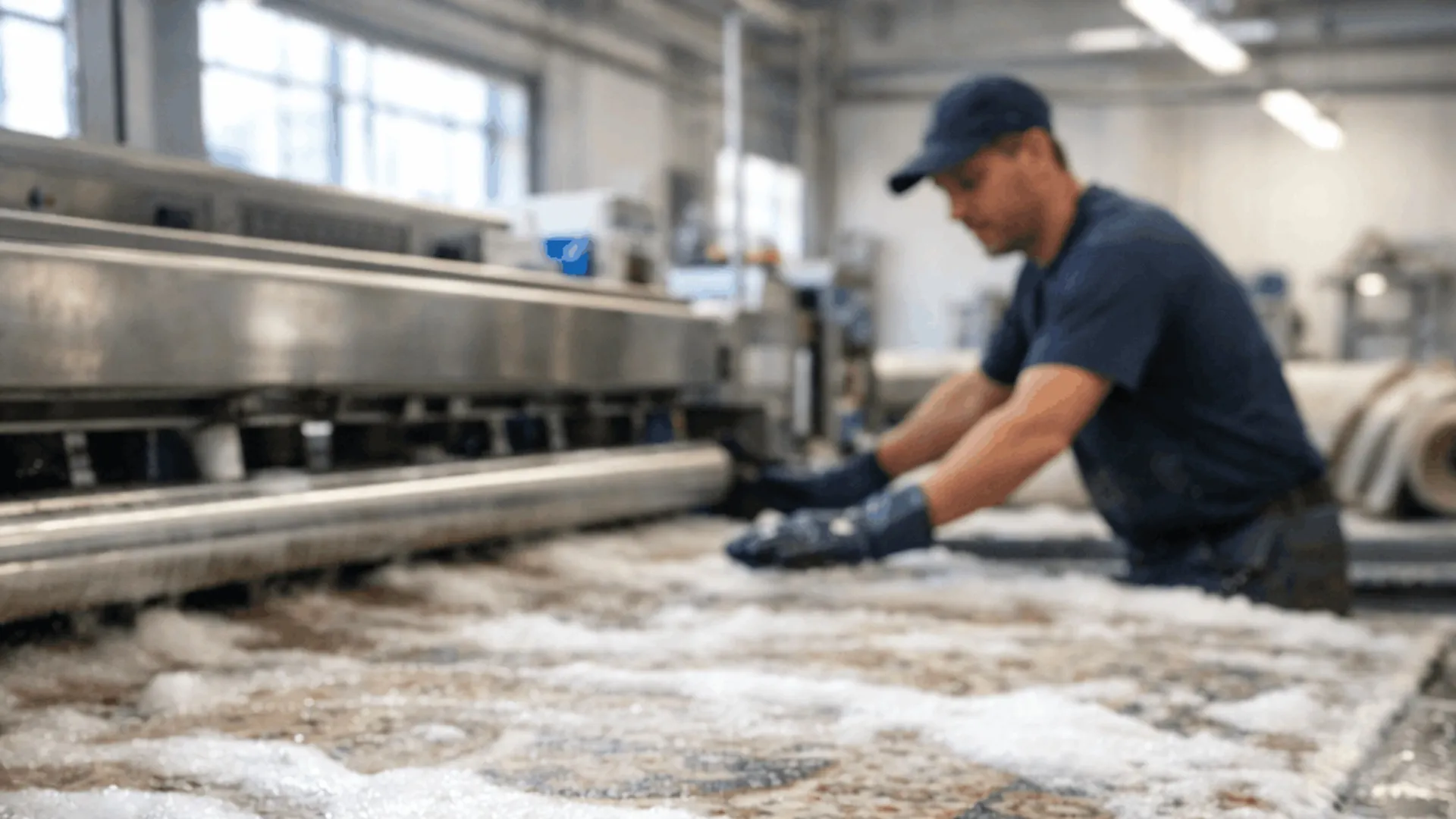
No size problem. Full-length curtains of four or five metres are handled without difficulty in a professional facility. Washing and properly drying curtains of this length at home is effectively impossible.
Cleaning and ironing in one process. Professional curtain cleaning includes finishing and ironing as part of the service. The curtain comes back crease-free, taut, and ready to hang.
The right method for each fabric. Velvet, linen, net, and roller blinds all need different approaches. Applying the right technique for each fabric requires both knowledge and specialist equipment.
Door-to-door convenience. Curtains are taken down at the address, collected, and returned once the work is complete — there is no need to transport them.
Curtain Cleaning with Dry Anka
Across Kadıköy, Çekmeköy, Tuzla, Küçükyalı, and Fikirtepe, Dry Anka provides door-to-door cleaning for all curtain types.
Net curtains — Linen curtains — Velvet curtains — Roller blinds — Zebra blinds — Curtain ironing
Curtains are collected from your address, cleaned using the method appropriate to each fabric type, ironed, and returned ready to hang. To book an appointment, call 0216 208 44 66.
Conclusion
Curtains are the textile that accumulates the most while being cleaned the least. A regular clean once or twice a year — in spring and in autumn — refreshes their appearance and protects the fabric over the long term.
Knowing which curtains can be washed at home and which need professional care makes a significant difference. Net curtains and fine cotton pieces can be handled carefully at home; velvet, roller blinds, and large lined drapes are better served by professional cleaning — safer for the fabric and considerably better in the result.