

How to Clean and Store a Tie
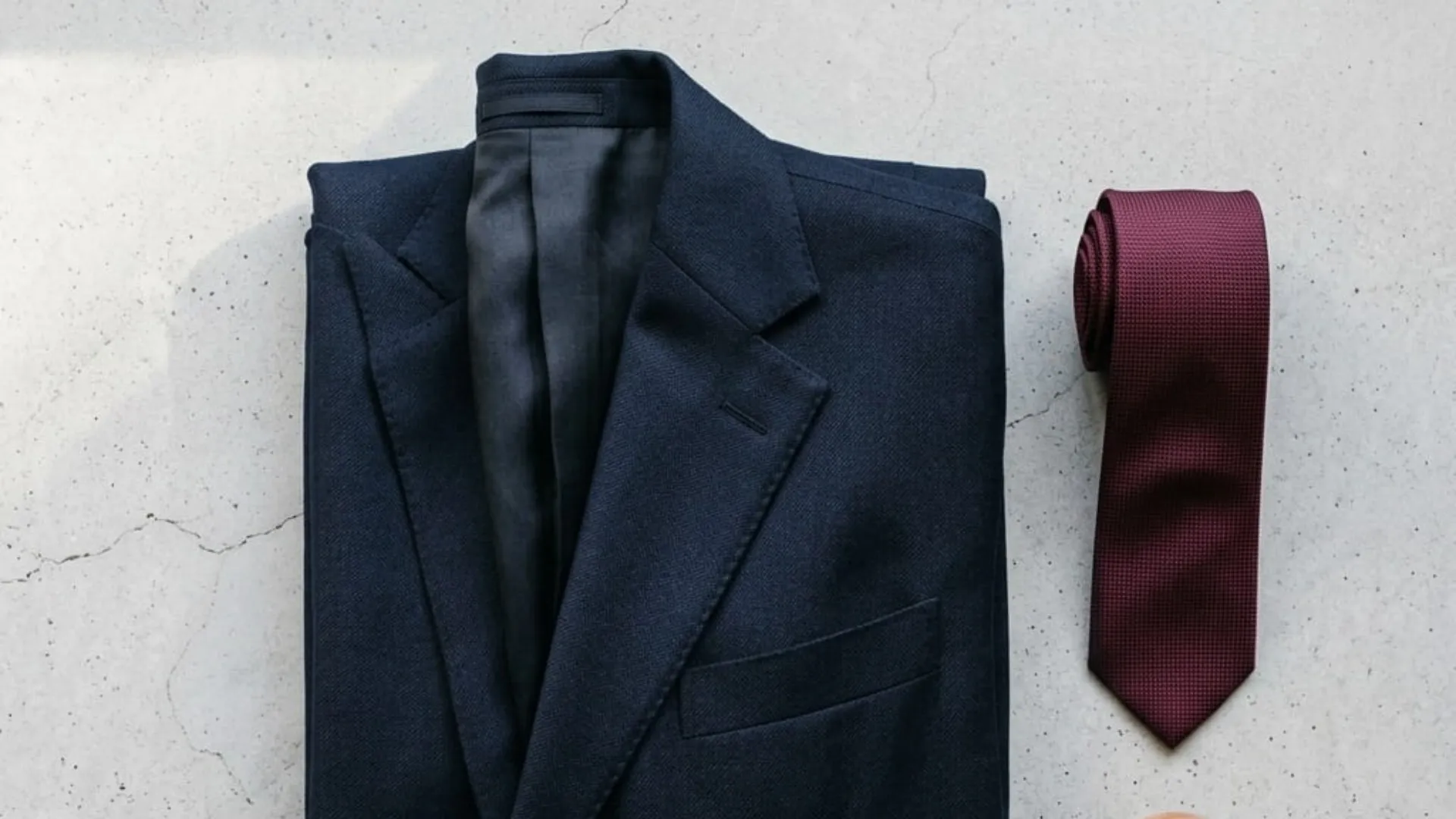
The tie is one of the most neglected pieces in any wardrobe. Worn every day, occasionally splashed with something, rarely stored correctly — and almost never thought about until a stain appears or the shape is gone for good.
A good tie is not cheap. With the right care it lasts for years; with the wrong care it deteriorates in a season or two. In this guide I will cover why ties are such sensitive garments, what can safely be done at home, what should never be attempted, and when professional care is the only sensible option.
Why Ties Are More Delicate Than They Look
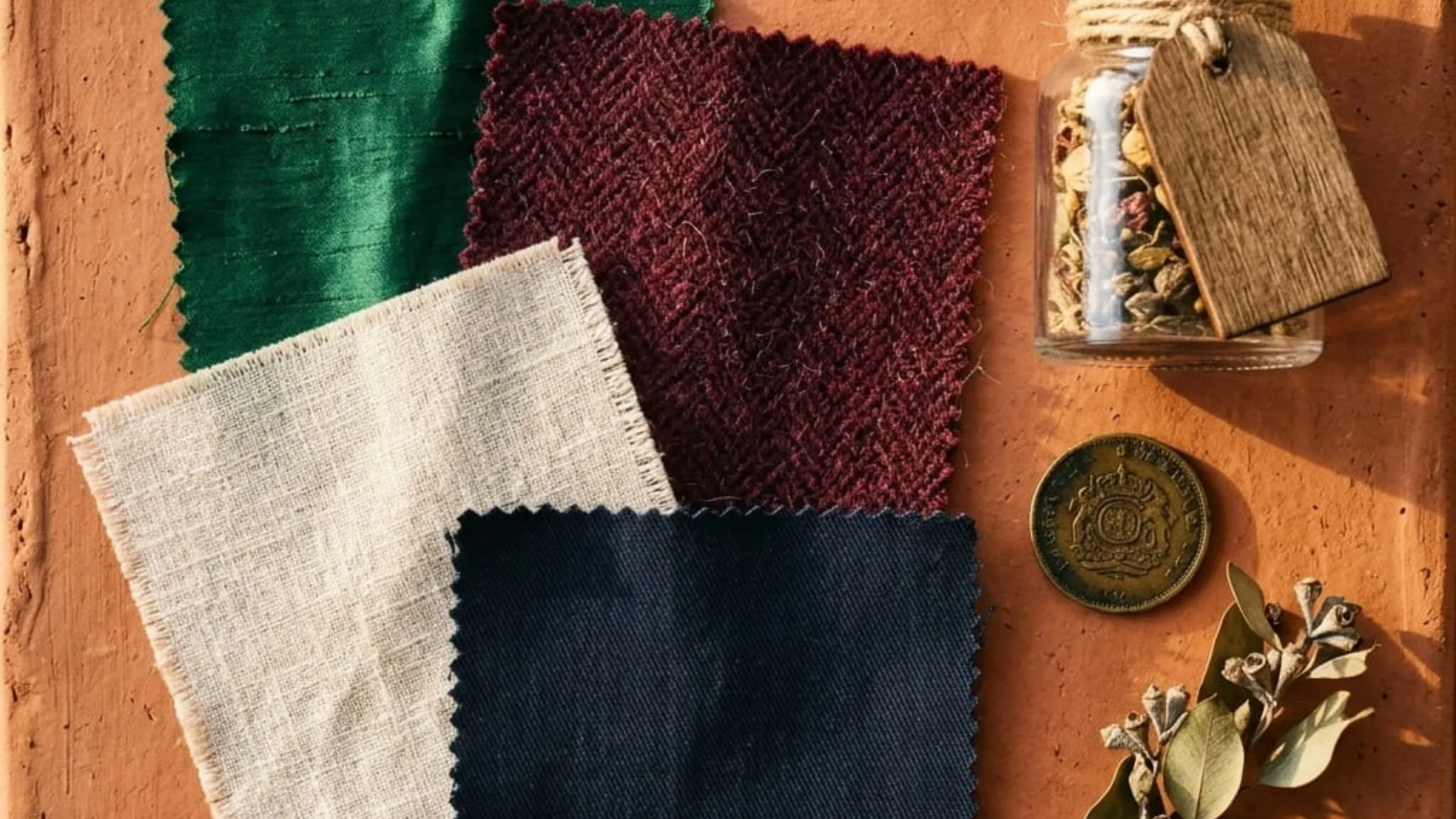
A tie's construction is more complex than it appears. What looks like a single piece of fabric from the outside contains several distinct layers: the outer fabric, the lining, and the internal interfacing that gives the tie its shape and body. These three layers are stitched together and held under a specific tension.
When this structure gets wet, problems start. Each layer shrinks at a different rate. The outer fabric — usually silk or polyester — responds differently to water than the lining and interfacing. The result: the tie twists, loses its shape, and does not recover.
Silk is also the most common outer fabric in ties, and silk is highly sensitive to water. Contact with moisture leaves water marks, causes colour bleeding, and can permanently stiffen the fibre.
Daily Care: Small Habits That Make a Real Difference
Most of a tie's care happens through correct daily use rather than cleaning.
Always untie the knot after wearing. This is the single most important step. A knot left in a tie overnight — or longer — creates a permanent crease and shape distortion at that point. Taking five seconds to undo the knot before putting the tie away extends its life significantly.
Store hanging, not rolled. Many people roll their ties and keep them in a drawer or on a shelf. This causes permanent creasing and pressure marks over time. A dedicated tie rack or a length of cord to drape ties over is far better.
Let it rest before wearing again. Silk has a natural elasticity. A tie worn all day is stretched and compressed through the length of the working hours. Hanging it loosely overnight allows the fabric to recover. This is why wearing the same tie on consecutive days is best avoided.
When Something Spills: The First Response
A drop of sauce at lunch, a splash of coffee in a meeting — the first response to a spill on a tie is the decisive moment.
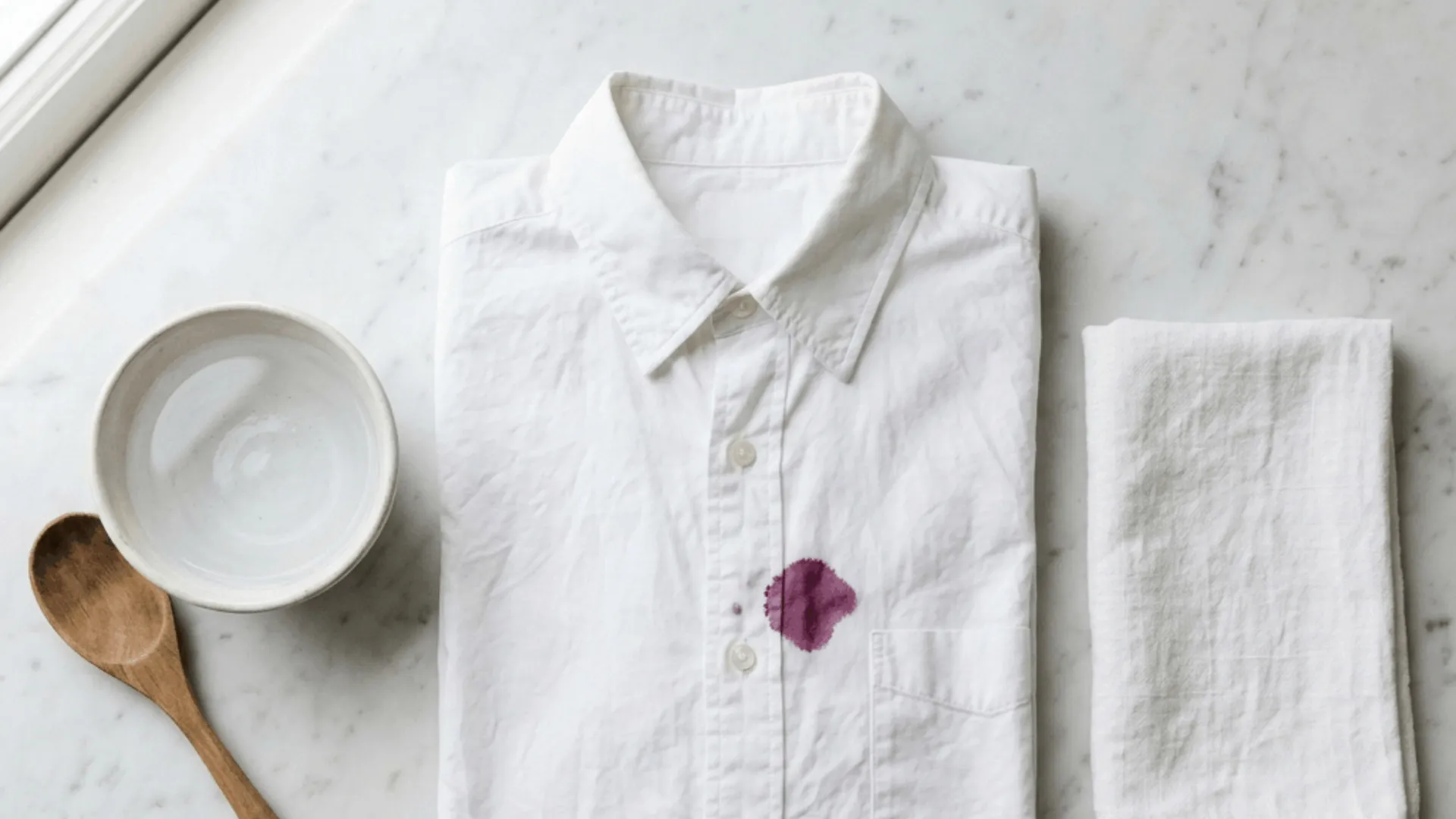
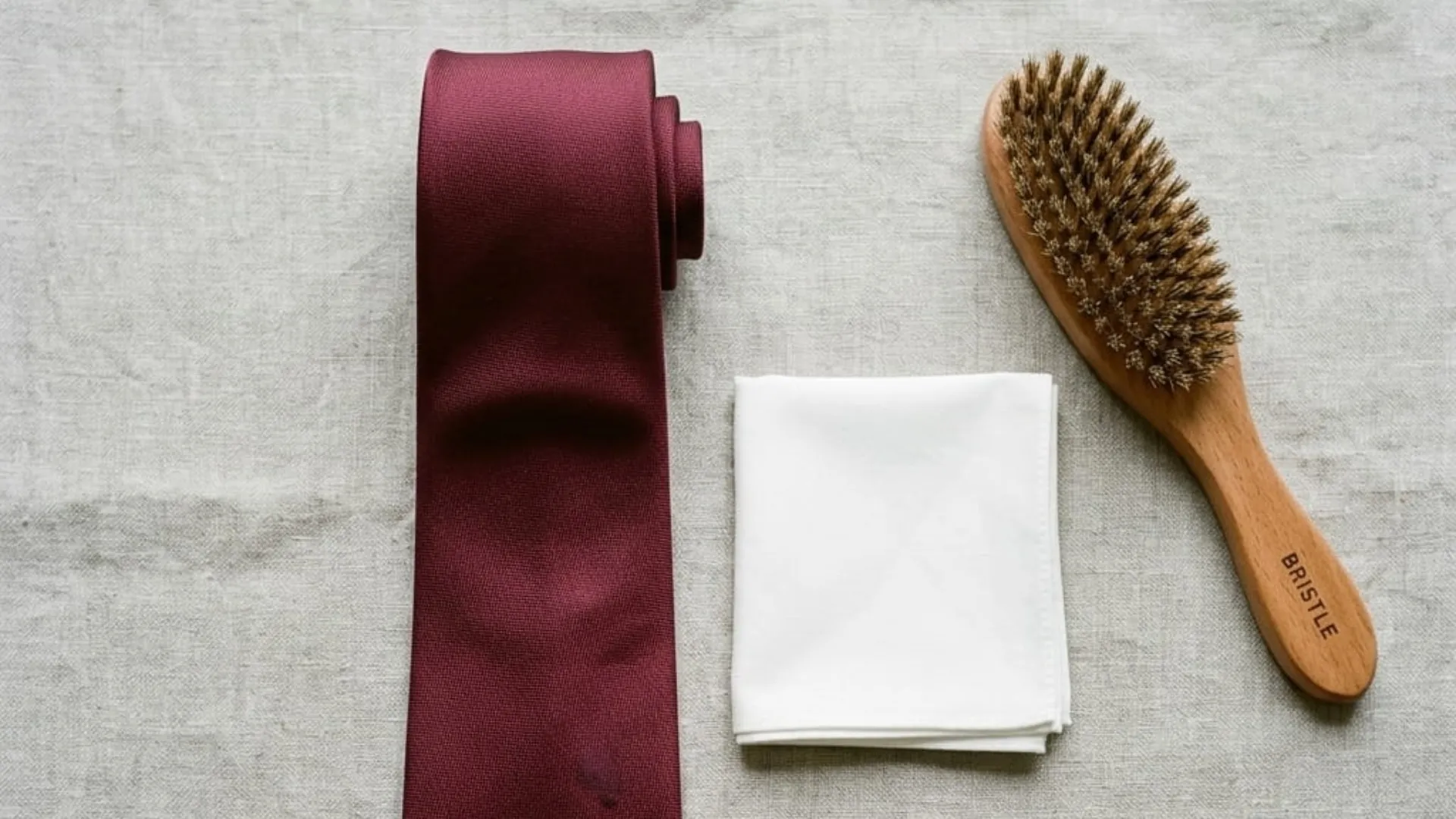
Do not touch it immediately. This is difficult, but rubbing spreads the stain and damages silk fibres at the same time. Press gently with a clean dry cloth to absorb the excess — pressing only, no rubbing.
Do not apply water. Water marks form easily on silk. Applying water to the stain area risks making the water mark as permanent as the stain itself. Even cold water carries risk on a silk tie.
Do not wait. A fresh stain is always easier to remove than a set one. Remove the tie as soon as you can and get it to a professional in the shortest time possible. The longer the stain sits, the deeper it works into the fabric.
Do not use home solvents. Alcohol-based or solvent-based products strip the natural coating from silk fibres. They leave colour damage and a permanent dull mark on the fabric surface.
The short version: blot to absorb, then take it to Dry Anka's tie dry cleaning service as soon as possible. Further home treatment almost always makes the problem worse.
Can a Tie Be Washed at Home?
Some sources suggest home washing for ties. This advice carries significant risk — particularly for silk ties.
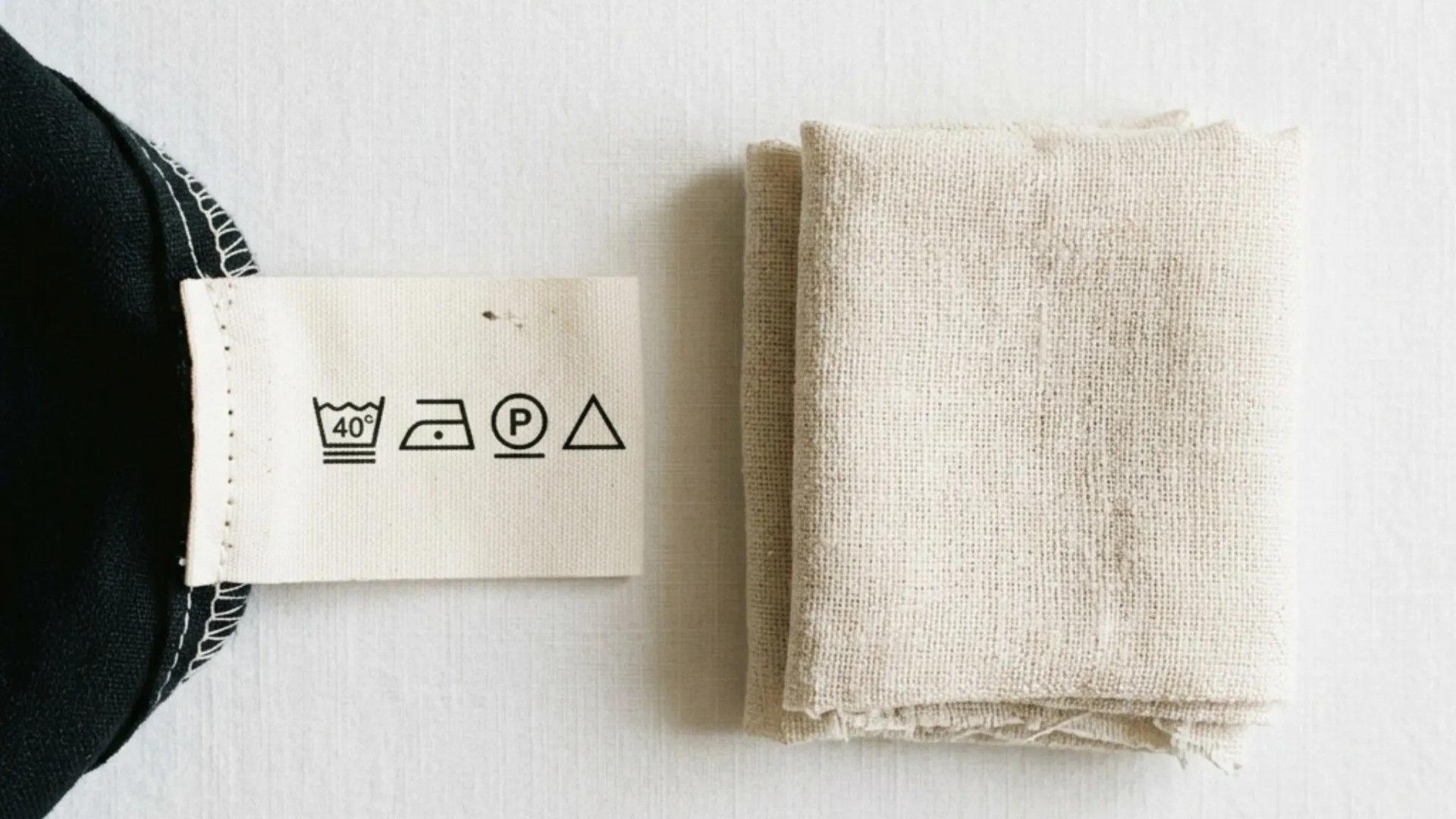
For polyester ties, hand washing in cold water with very gentle movements is possible if the label permits it. A machine is completely out of the question — the cycle separates the internal layers and permanently destroys the tie's shape. After washing, a tie is never wrung out — excess water is pressed out gently and the tie is laid flat to dry.
For silk ties, home washing is not recommended. Water contact always carries a water mark risk, and detergent strips silk of its natural lustre. Professional dry cleaning is the only safe option for silk.
Ironing a Tie: Handle With Care
A creased tie sometimes needs to be ironed — but direct iron contact with the fabric is risky.
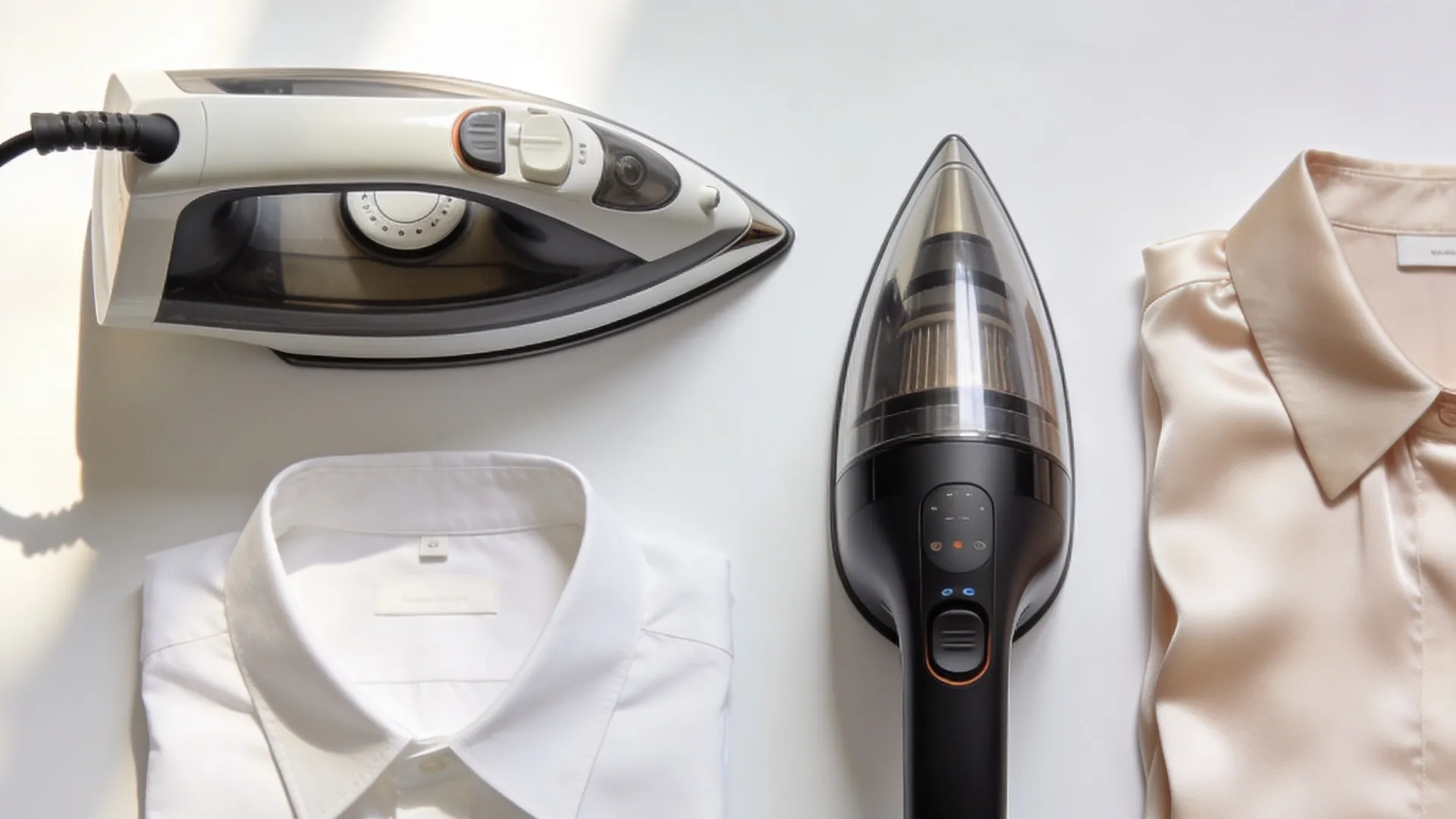
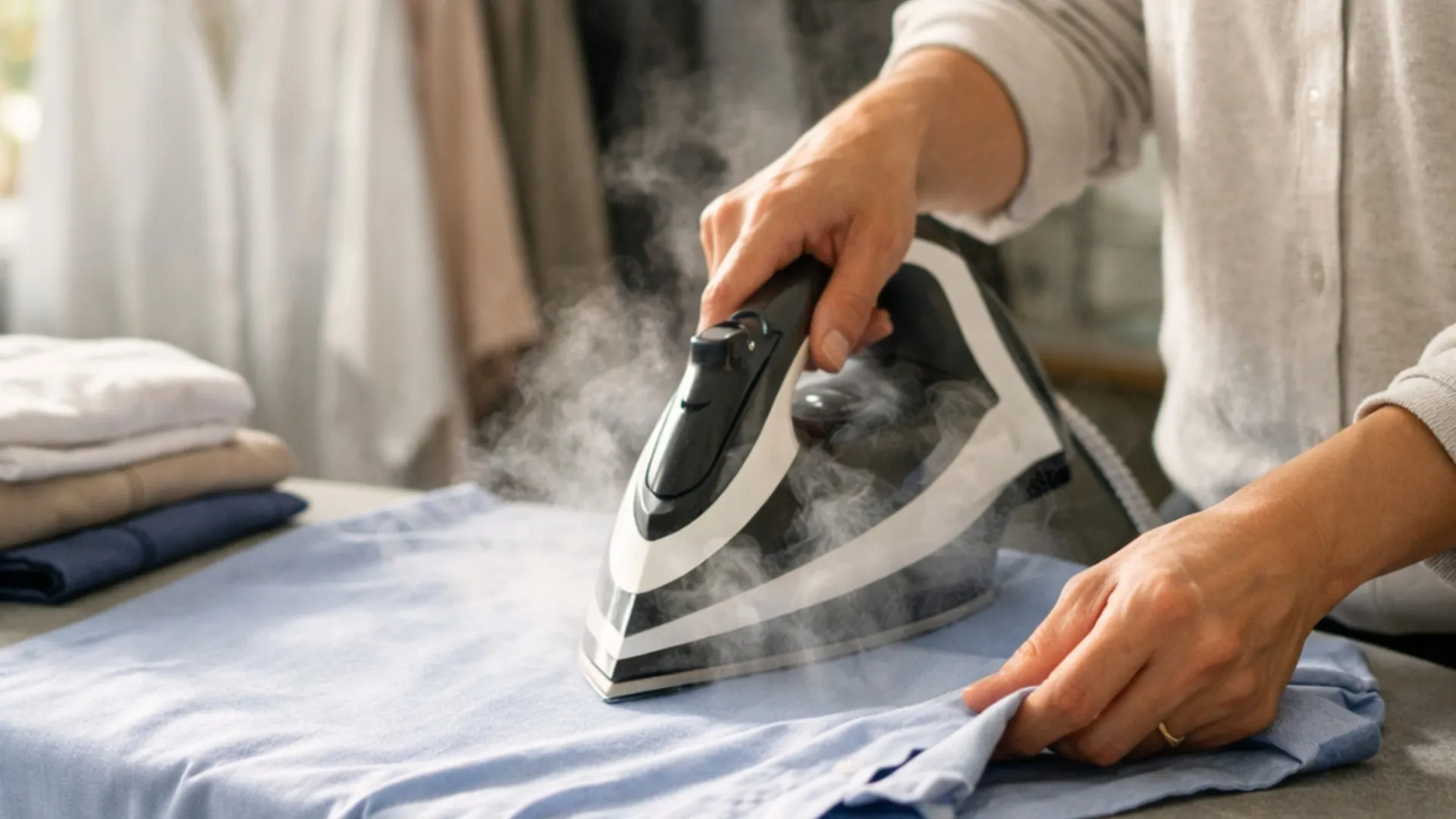
For silk, the iron should be set to the lowest heat — a single dot. An ironing cloth must always be used between the iron and the silk surface. The iron must never make direct contact with the silk. A garment steamer held a few centimetres above the tie — without touching — is a safer approach.
A gentler alternative to ironing altogether: hang the tie in the bathroom while taking a hot shower. The steam that builds up in the room relaxes fine creasing over a few hours. No chemical contact, no heat, minimal risk.
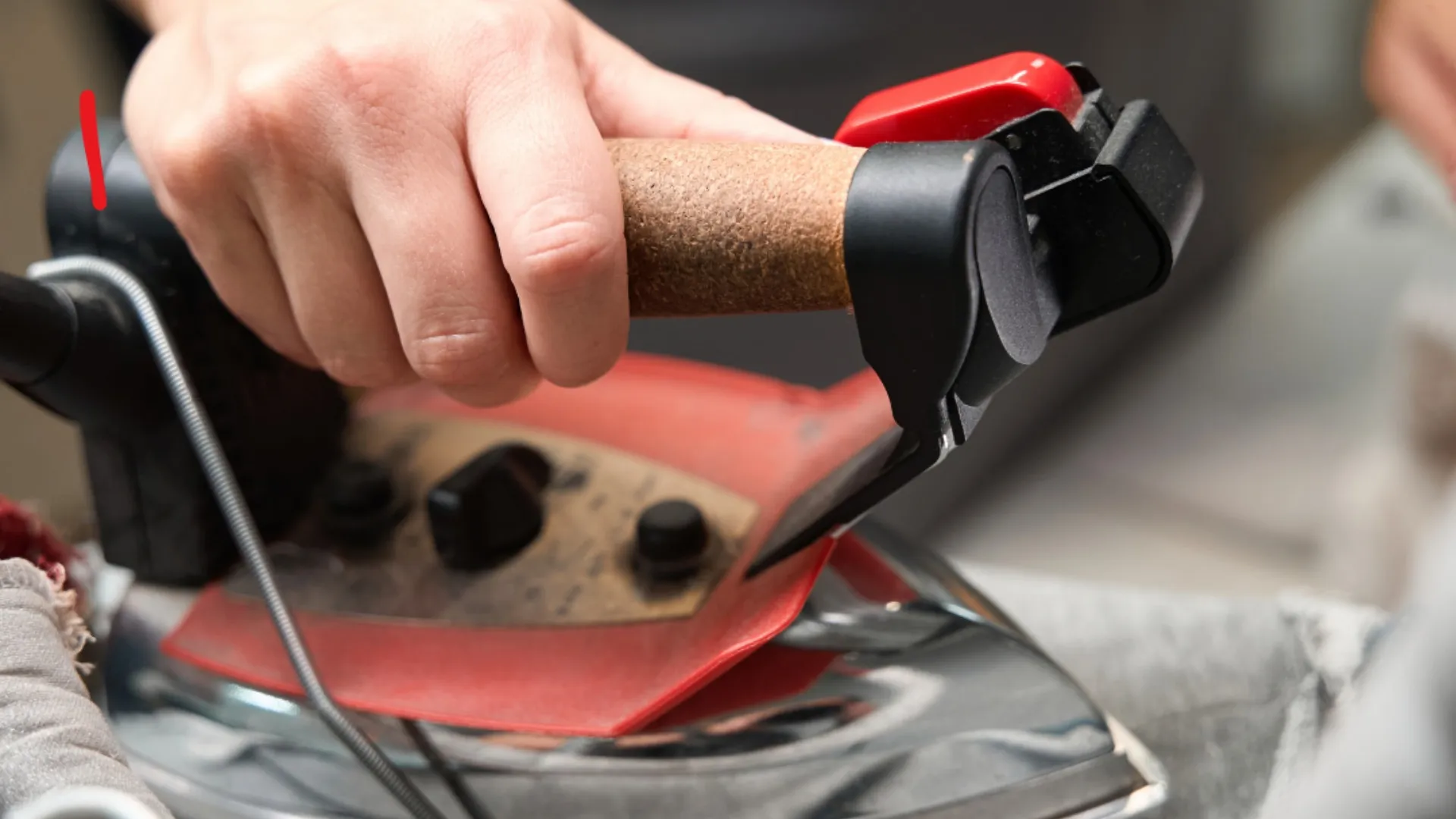
Dry Anka's tie ironing service uses professional steam systems to remove creasing without any direct contact with the fabric. For a valuable tie, professional finishing is considerably safer than attempting it at home.
Correct Storage: Preserving the Shape
How a tie is stored between wears is as important as how it is cleaned.
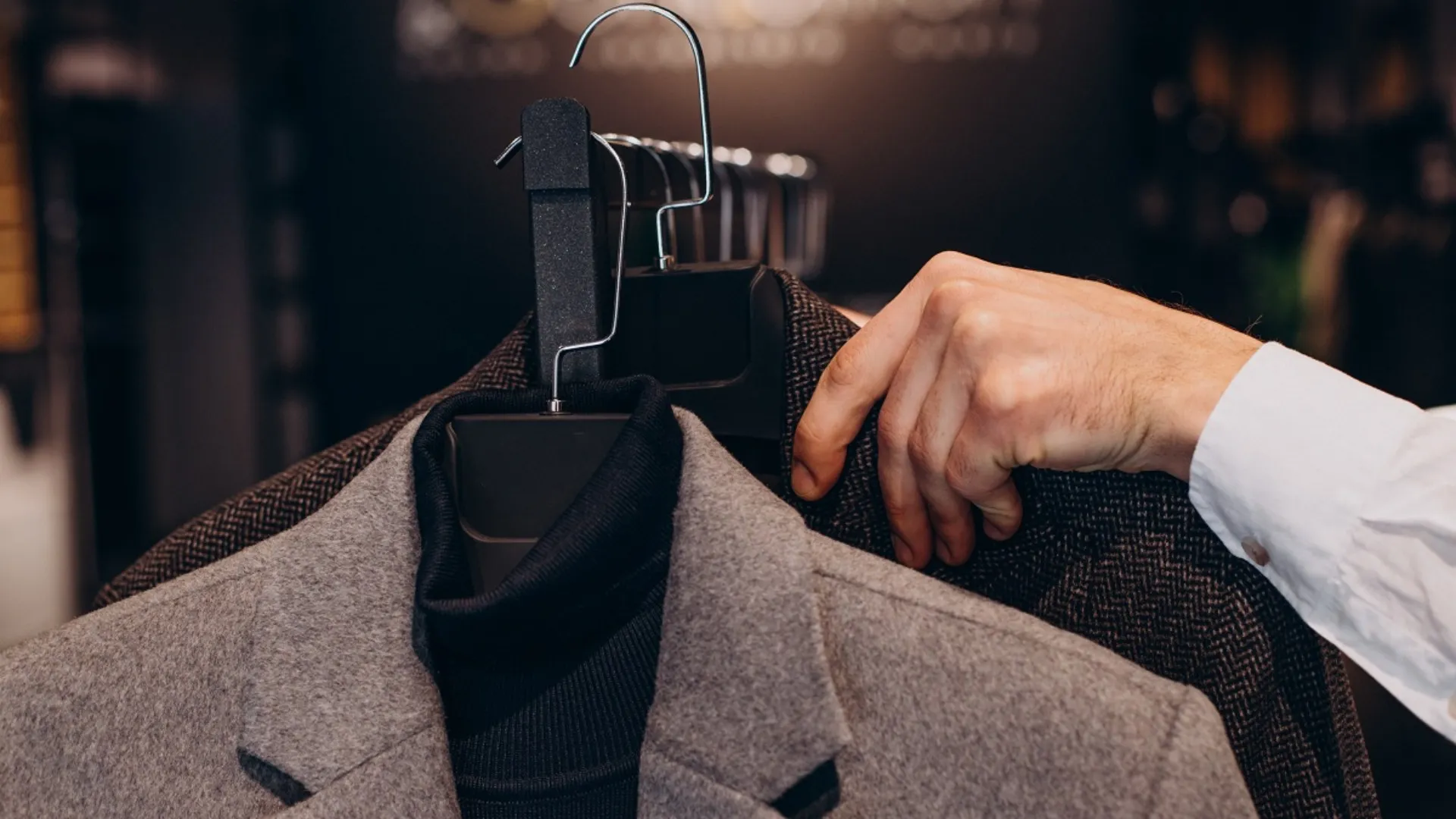
A hanging system is best. A dedicated tie rack keeps each tie hanging separately, preserving its shape and making selection easy. As an alternative, draping ties over the arm of a wide coat hanger works well.
Rolling is acceptable for travel — if done correctly. When rolling is necessary for packing, the tie should be rolled loosely and generously. A tight roll creates pressure marks over time. A rolled tie should go into a soft cloth bag rather than a rigid case.
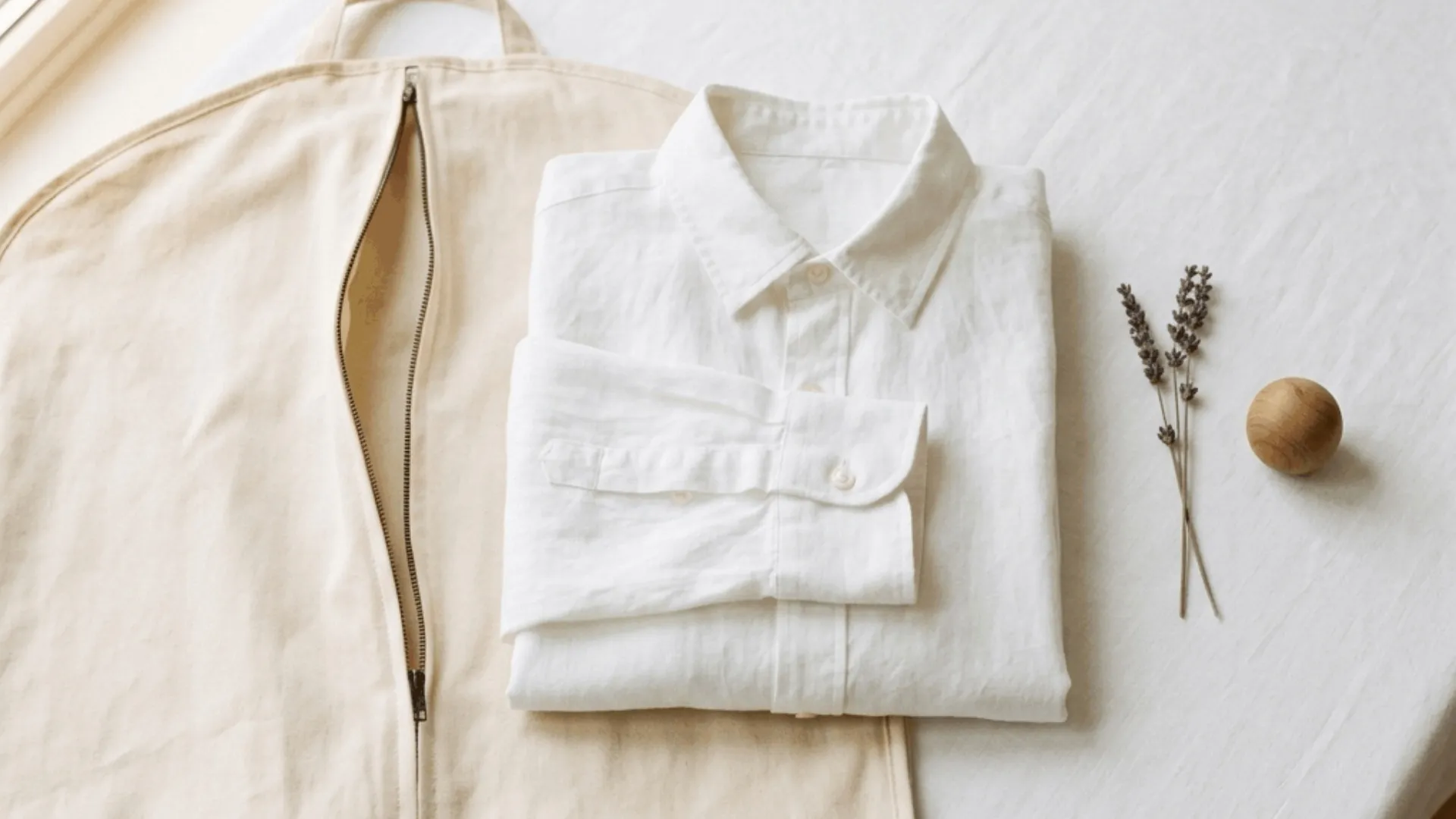
Avoid plastic containers. Airtight plastic traps moisture. A silk tie stored in plastic for an extended period can develop an unpleasant smell and fabric deterioration. A breathable cloth or cotton cover is the right choice.
Keep away from direct sunlight. Silk is sensitive to UV exposure. A tie left on a shelf in direct sunlight will fade over time.
How Often Should a Tie Be Cleaned?
Even without a visible stain, regular dry cleaning extends a tie's lifespan.
For a tie worn several times a week, once a year is sufficient. For a tie worn daily, twice a year is a reasonable schedule. When a visible stain appears, waiting is not the right move — take it to a professional as soon as possible regardless of when the last clean was.
Tie Care with Dry Anka
Across Kadıköy, Çekmeköy, Tuzla, Küçükyalı, and Fikirtepe, Dry Anka provides door-to-door dry cleaning and ironing for ties. Whether silk or polyester, each tie is assessed at collection, treated using the method appropriate to its fabric and stain type, and returned carefully packaged.
Full details are available on the tie dry cleaning and tie ironing pages. To book an appointment, call Dry Anka on 0216 208 44 66.
Conclusion
A tie looks simple but its layered construction makes it one of the most sensitive pieces in any wardrobe. The right daily habits — undoing the knot, storing correctly, responding immediately to spills — extend its life considerably.
For stains and creasing that cannot be resolved at home, professional dry cleaning and ironing are the only safe options. The difference between a tie that lasts a decade and one that deteriorates in two seasons is almost always a matter of a few consistent habits and knowing when to hand it over to a professional.